Migrant workers cannot be seen as foreign exchange heroes. They are not just remittance senders or an instant solution to reduce unemployment. But more than that, migrant workers are a force for multiplying the skills of Indonesia's human resources.
At this stage, becoming a skilled migrant worker also means changing the work ethic to international standards. Thus, it can be transmitted as a standard of performance in the country.
On the other hand, directing migrant workers to become agents of Indonesia's economic development can also be a step towards strengthening the domestic economy. The strategy: produce quality migrant workers, to attract investment and transfer technology.
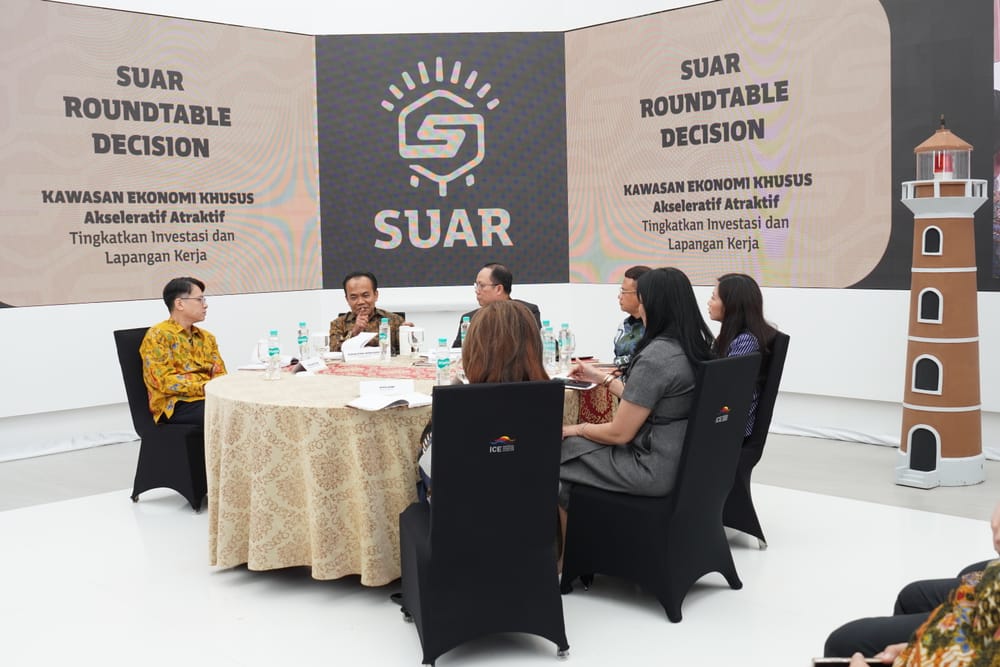
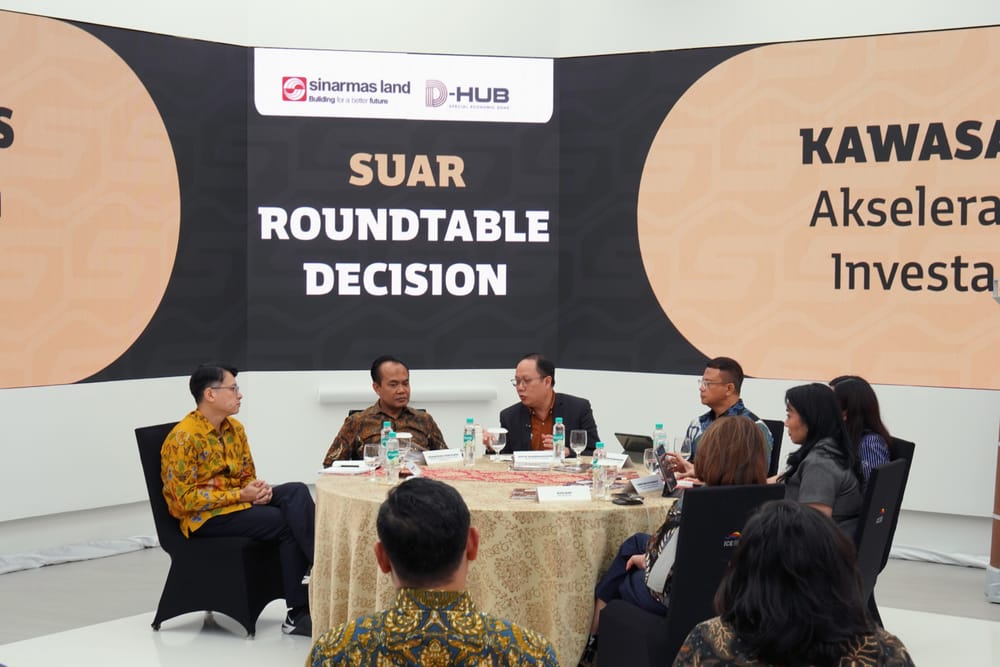
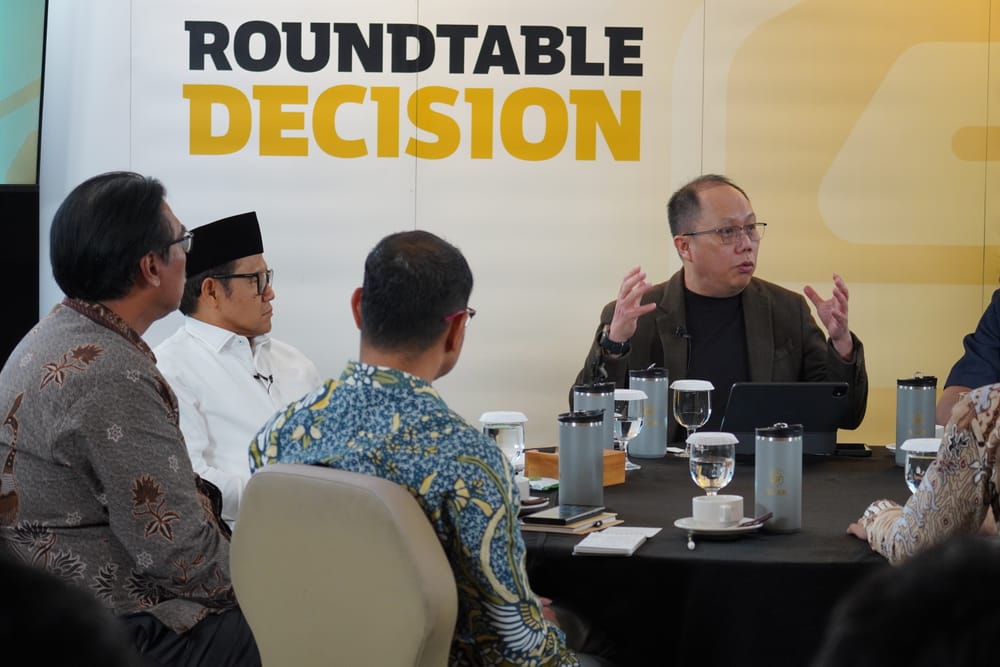
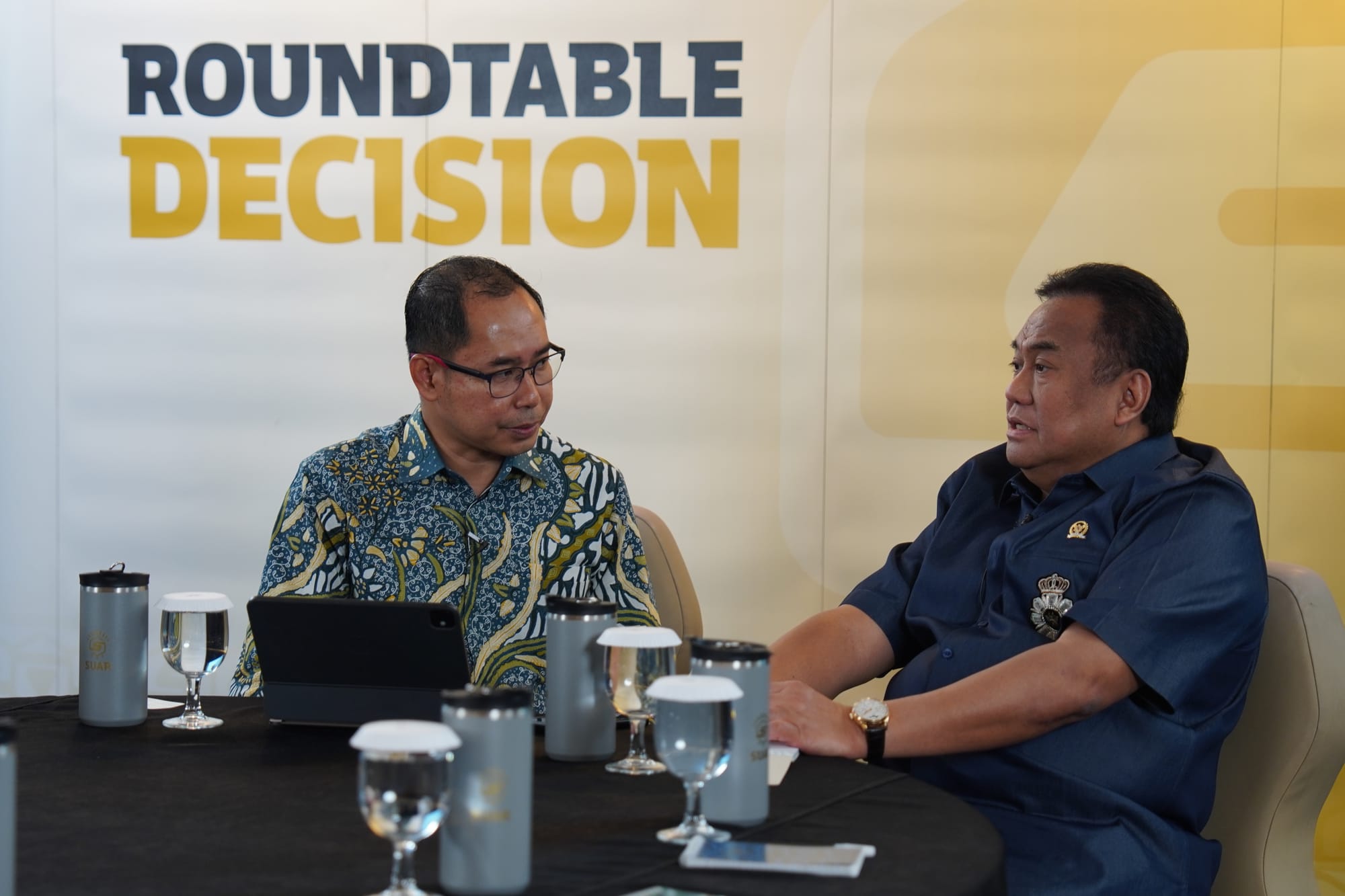
Some of these points became the common thread of the Roundtable Decision discussion : The Economic Power of Indonesian Migrant Workers organized by SUAR, Thursday (18/9/2025) in Jakarta.
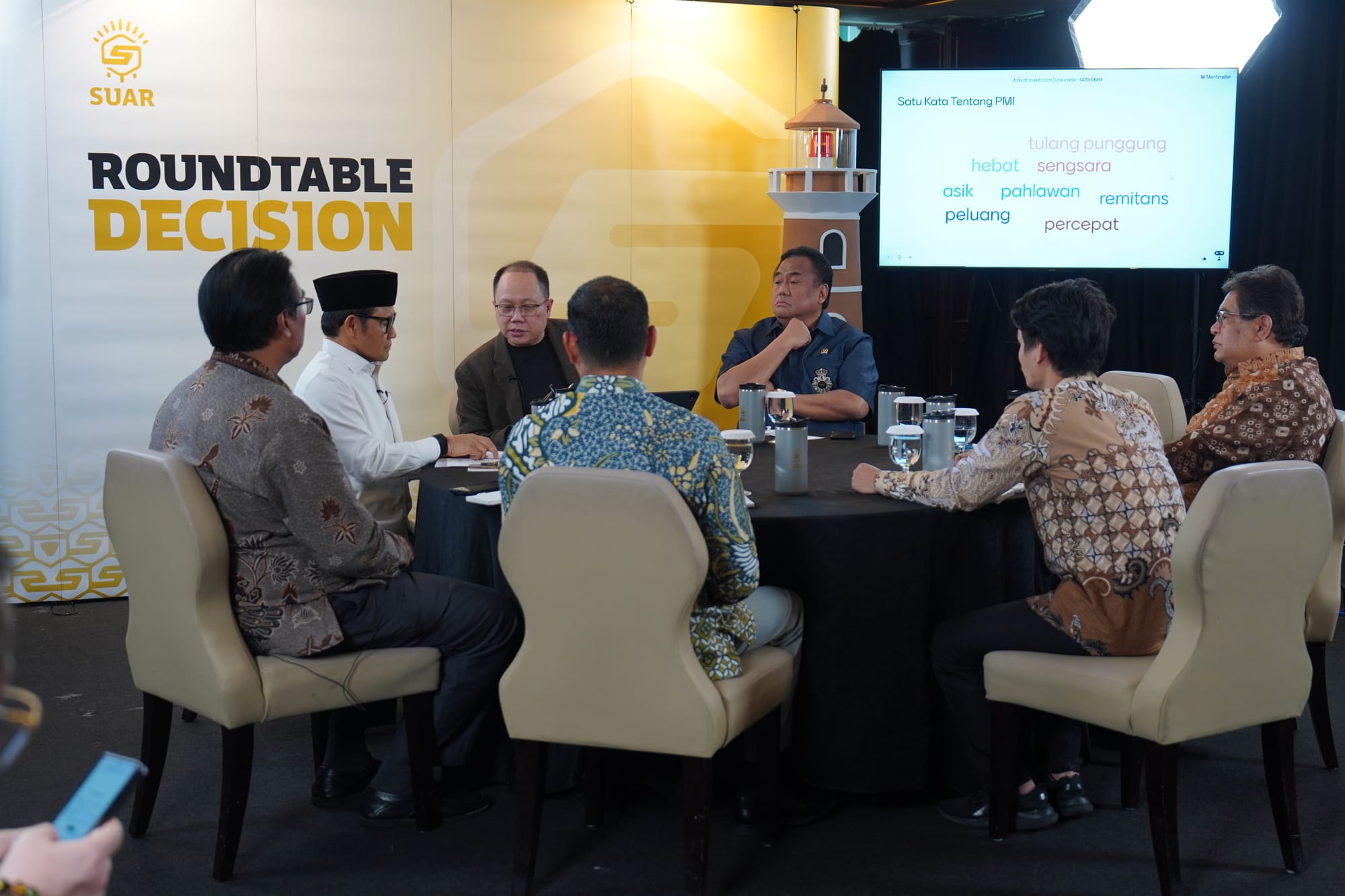
The speakers, who come from various backgrounds - both decision-makers and practitioners of migrant worker protection - have one passion for migrant workers to become a new economic force to welcome the era of the Golden Indonesia.
Speakers at the Roundtable Decision held by SUAR this time was the Coordinating Minister for Community Empowerment, Muhaimin Iskandar; Member of Parliament & Chairman of Panasonic Gobel, Rachmat Gobel; Director General of Promotion and Utilization of Overseas Employment Opportunities; Ministry of Protection of Indonesian Migrant Workers / Indonesian Migrant Workers Protection Agency (P2MI), Dwi Setiawan Susanto; and Director of Protection of Indonesian Citizens of the Ministry of Foreign Affairs (Kemlu), Judha Nugraha.
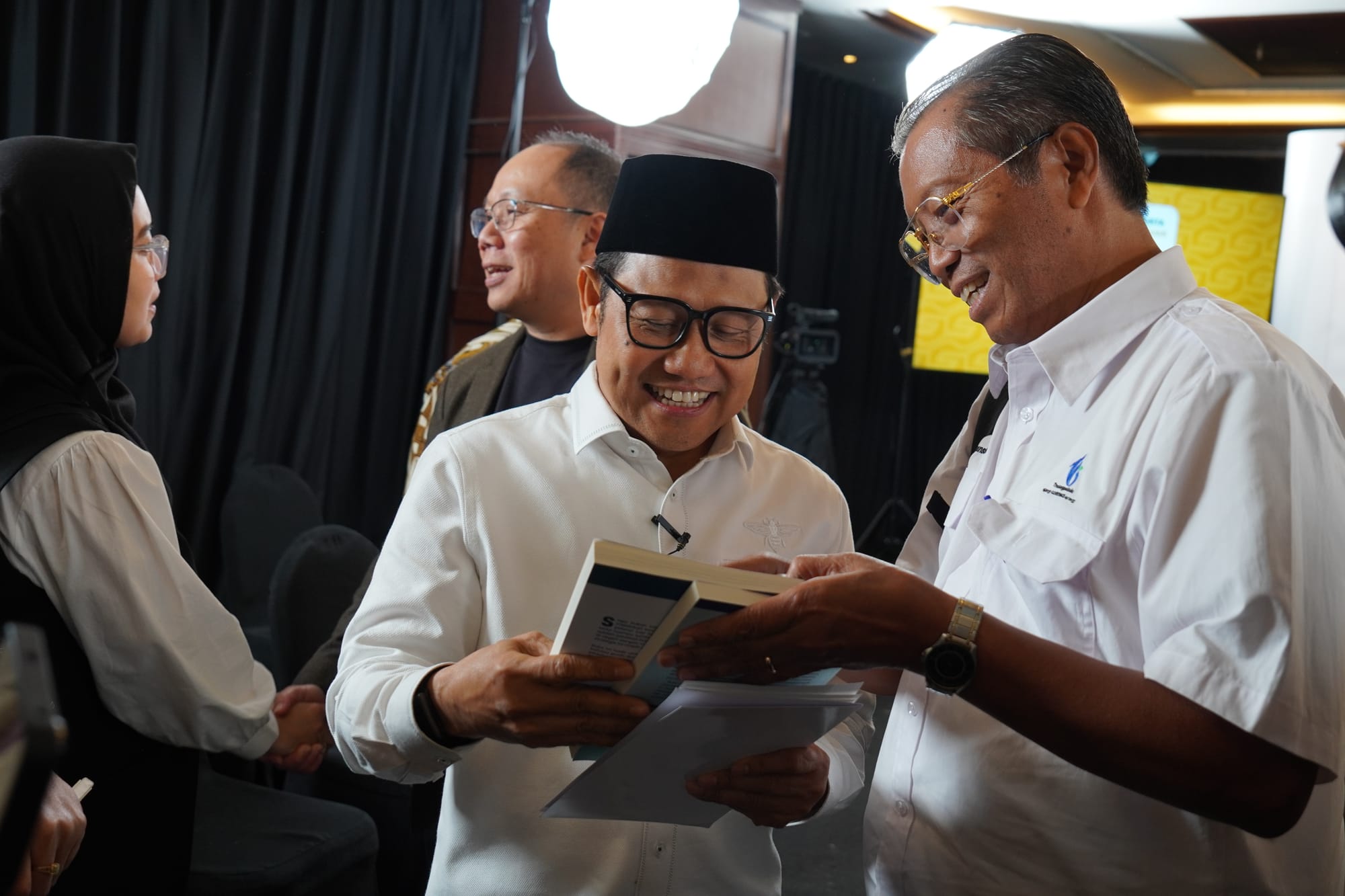
Also present as speakers were the Chairman of the Employment Division of the Indonesian Employers Association (Apindo) Bob Azam; and Staff of Legal Aid Division Migrant Care, Yusuf Ardabil. The event was moderated by the Editor-in-Chief of Suar.id Sutta Dharmasaputra.
Thoughts from the speakers at the Roundtable Decision Roundtable discussion, the first in the series, we have compiled a summary for this week's edition. The hope is that it can spark a deeper and more concrete discussion on how to make the migrant worker ecosystem more perfect.
In writing the results of this discussion, the resume format is edited according to the theme of the discussion, so that the writing is adjusted to the theme of the discussion. Happy reading!
A new era of migrant worker management
Sitting with the speakers around a round table, Coordinating Minister for Community Empowerment Muhaimin Iskandar started the discussion by highlighting the large number of unskilled labor entering the migrant labor market to many countries.
According to him, so far, the majority of Indonesian migrant workers work as domestic workers in the Middle East, Malaysia, Singapore and Taiwan. And, because they enter through an illegal process, it often leads to problems. "A lot of our energy is absorbed in the protection of domestic workers. Even though the skill worker market is also growing, although it is still limited," he explained.
 Agung Mahesa Fikri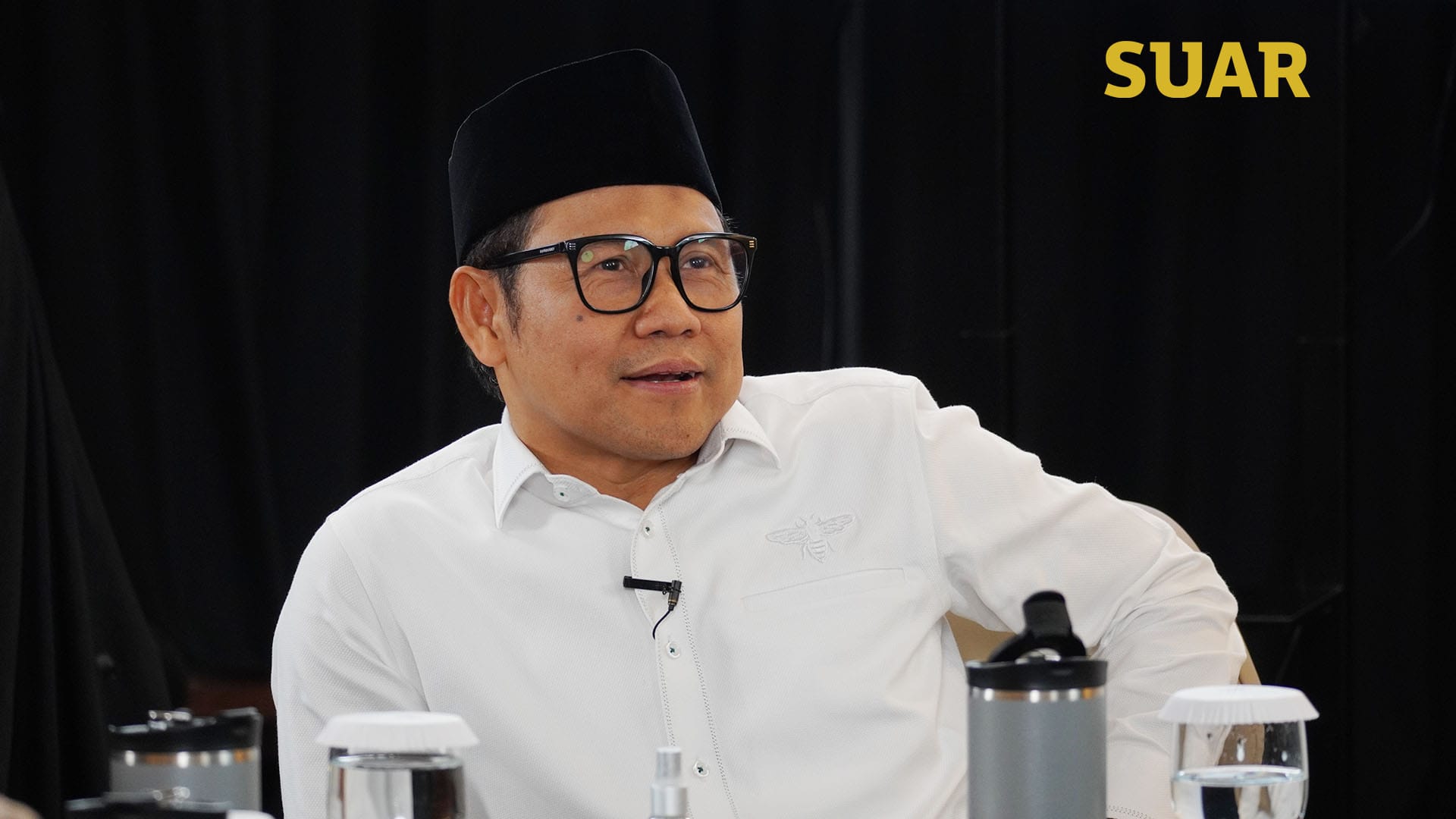
Therefore, a comprehensive transformation of the management of the migrant worker sector is needed. This has already begun by making the agency that manages migrant workers into its own ministry, which marks Indonesia's entry into a new era of migrant sector management.
Even so, Muhaimin said, the current administration of President Prabowo Subianto has only touched on protection and placement efforts. In the future, the Government will deal more with placement, and then protection. "The paradigm needs to be changed," said Gus Imin, Muhaimin's nickname.
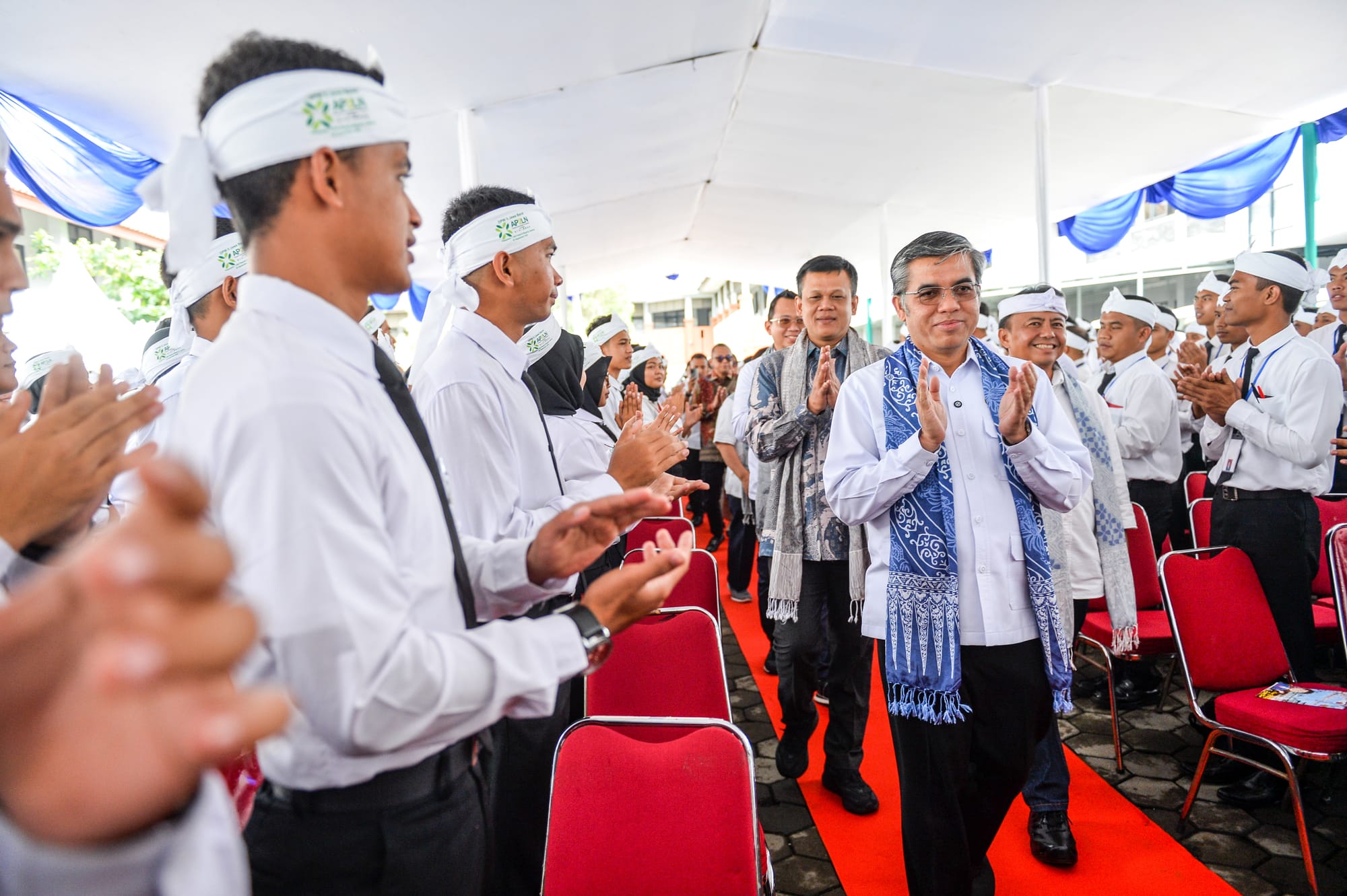
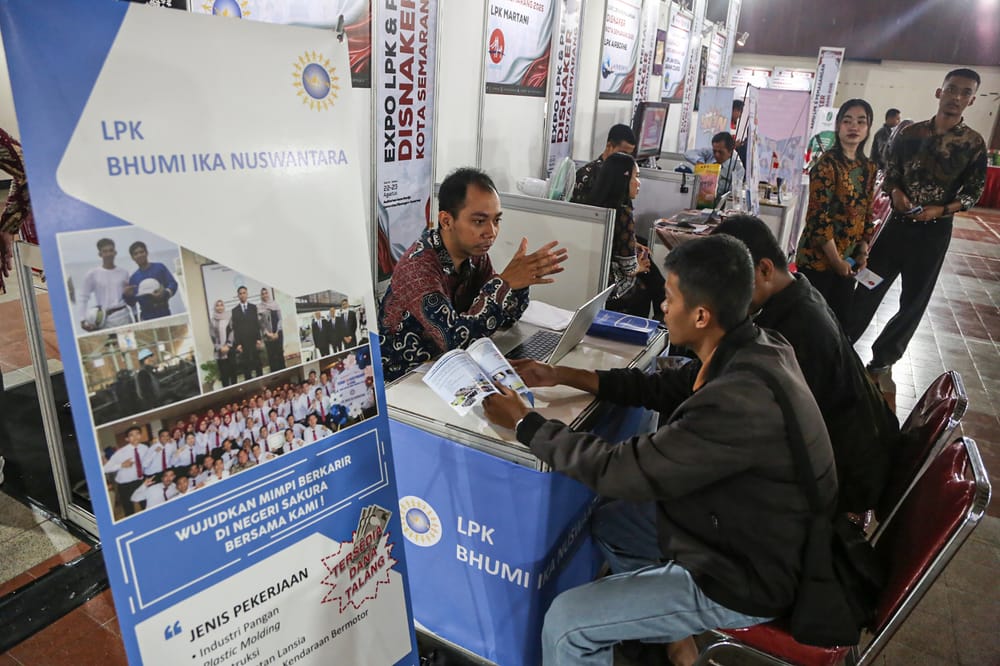
Gus Imin also sees a gap between the needs of the global labor market and the readiness of domestic educational institutions. Job training institutions (LPK) and vocational high schools (SMK), according to him, have not been able to fully prepare skilled migrant workers.
"Synchronizing the vocational curriculum with market needs is a job that must be done immediately. Foreign languages, for example, are still far behind the Philippines," he said.
He emphasized the importance of the involvement of universities, which are considered better equipped to produce skilled workers, especially in the health sector. Therefore, the government encourages the establishment of migrant centers on campuses, in collaboration with the private sector - to accelerate the supply of market-ready workers.
It is important to involve universities as producers of skilled workers in the health sector.
In addition to the curriculum, the ecosystem of migrant workers is also a concern. Muhaimin believes that the system must cover the entire cycle of migrant workers, from data, recruitment, departure, to return. "After-PMI is part of the ecosystem. This system must continue to change, adjusting the dynamics," he said.

Referring to data on opportunities for 1.5 million jobs abroad, Muhaimin is optimistic that half of them can be filled by Indonesian migrant workers, provided that the ecosystem is built responsibly. "The President is serious about this. The key is collaboration between the government, private sector, educational institutions, and other stakeholders," he said.
The government remains realistic. The first year will focus on protecting domestic workers, while gradually increasing the share of skilled workers.
He added that the government remains realistic. In the future, the demand for domestic workers is still large, but competition with other countries is getting tougher. Therefore, the first year will focus on protecting domestic workers, while gradually increasing the share of skilled workers.
"The government is reducing dependence on domestic workers, and increasing skilled workers. Our job is to protect them, prepare a financing system, and ensure that the curriculum really matches the global market," Muhaimin said.
Read SUAR 's full review of migrant workers here.
 Mukhlison Widodo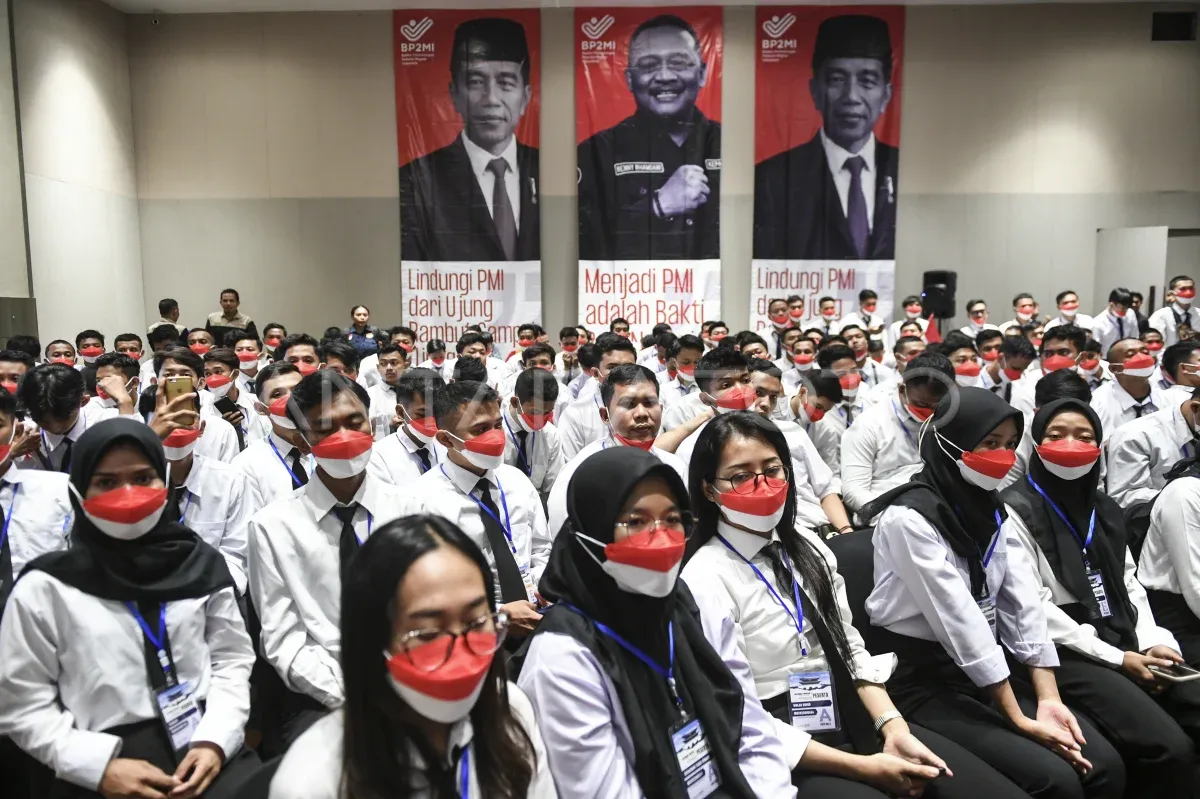
Meanwhile, Judha Nugraha, Director of Indonesian Citizen Protection at the Ministry of Foreign Affairs, stated that in relation to improving the safety of Indonesian migrant workers, there are three main approaches currently being taken by the government. First, a paradigm shift. Based on Law No. 18/2017, the state no longer mobilizes workers, but facilitates citizens who want to work abroad.
Second, improved training that covers not only technical skills, but also the language, laws and culture of the destination country.
"There is a lot of demand for skilled workers, especially in the health sector. But our skills are still low, partly because of the language barrier. Giving the wrong medicine because of a misunderstanding of language can be fatal. Therefore, training must be prioritized, despite the high cost," he explained.
Training also includes understanding local culture so that workers do not experience social misunderstandings. Judha cited a case in Japan, where a group of Indonesian citizens put up a large banner for a silat event.
It's a common thing in Indonesia, but it scares locals because it's considered unusual. "So training is not only about skills, but also understanding local laws and culture. That is crucial so that our workers can adapt well," he added.
Also read some articles about migrant workers:
 Mukhlison Widodo
 Mukhlison Widodo
Third, post-placement empowerment. Many migrant workers return home with substantial savings, but end up spending them on consumption. As a result, they return to work abroad.
"There is a cycle of migration that we must break. Money from working abroad should not only be used for consumption. There should be financial literacy and entrepreneurship training so that it can be utilized for economic development in the country," said Judha.
Regarding governance that involves many ministries and agencies, Judha admits that migration is a multi-sectoral issue. But according to him, the most important thing is coordination.
"Migration is complex, not only about work but also protection. Therefore, all parties must be coordinated, both at the central and regional levels," he said.
"With the latest law, the role of the regions is also enlarged. The bottom line: the migration process must be easy, cheap, fast, and safe," says Judha.
Synchronize market needs
Director General of Promotion and Utilization of Overseas Employment Opportunities, Ministry of Protection of Indonesian Migrant Workers Placement (P2MI)/Indonesian Migrant Workers Protection Agency, Dwi Setiawan Susanto emphasized the importance of reorganizing the management of migrant workers so that labor supply can match demand.
 Agung Mahesa Fikri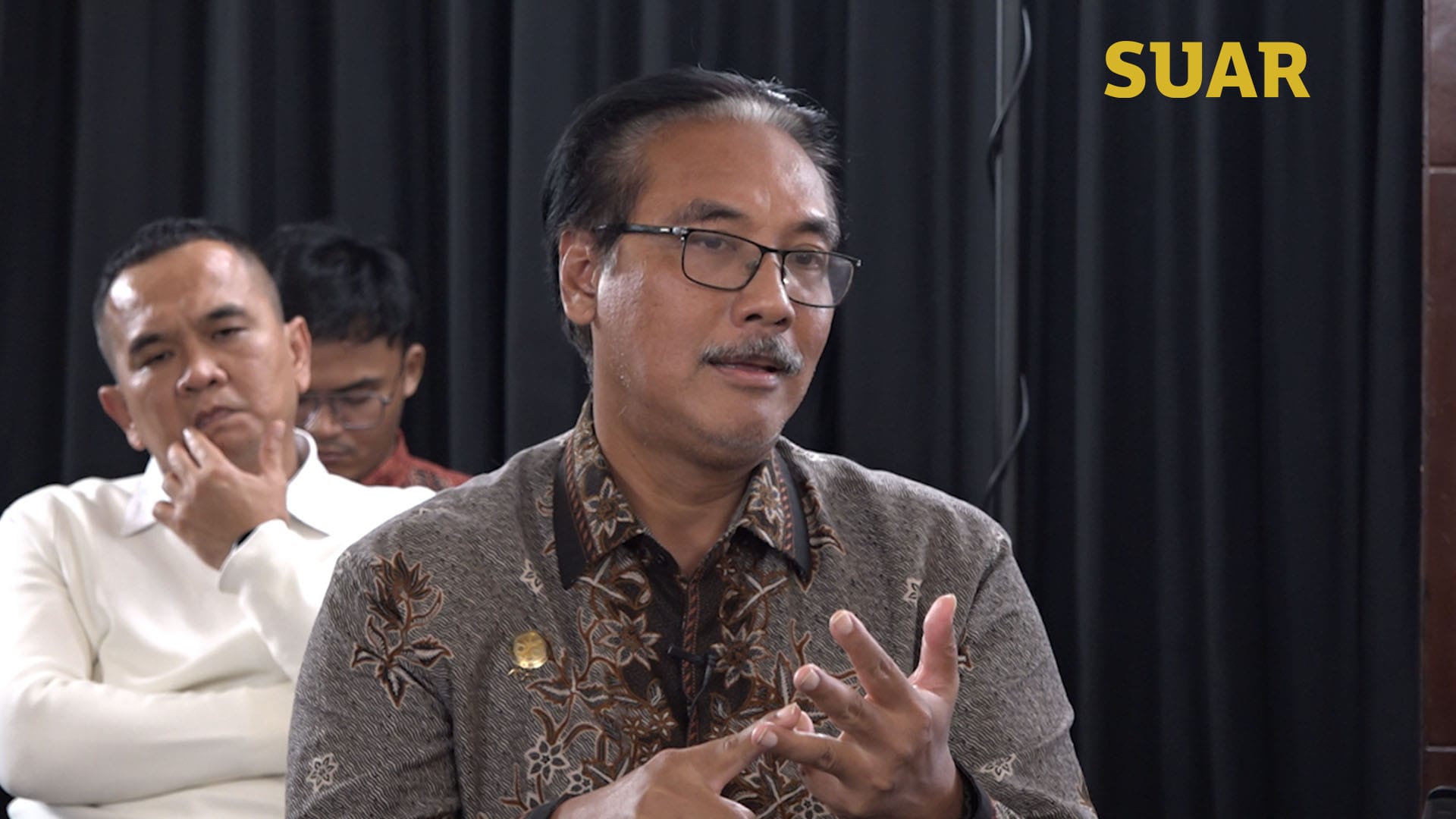
He mentioned that in 2024 the number of requests recorded in the Computerized System for Services and Protection of Indonesian Migrant Workers (SISKOP2MI) reached 297,000 people.
The challenge, according to Dwi Setiawan, is to ensure that all these needs can be well integrated so that they can be accurately recorded.
Dwi explained that the existing data on job opportunities still needs to be validated. He cited the example of Japan, which in the next five years needs around 850,000 workers for the entire country. Therefore, re-mapping and matching data based on sectors in each country is needed.
"Our PMI excels in the health sector because its branding has empathy. The same goes for agriculture, construction, and manufacturing. Unfortunately, migrant shipments are still dominated by unskilled workers from the domestic sector," he said.
DPR Member Rachmat Gobel reminded that sending workers abroad should not be seen merely as an effort to meet global market demand. More than that, Indonesia must have a clear vision: making migrant workers an agent of human resource development.
"We export labor, but on the other hand products from outside also continue to enter Indonesia. What exactly is our national interest? Don't just send workers. There must be a bigger vision," said Gobel.
He gave an example of how other countries have prepared their labor dispatch strategies. Japan, for example, has been providing scholarships for foreign students since before it entered the WTO.
 Agung Mahesa Fikri
China, Malaysia, and Vietnam are taking advantage of the opportunity to send students and workers to Japan so they can learn technology and industry at the source.
"Vietnam sends many students and workers to Japan. As a result, when Japanese investment comes to Vietnam, they have ready human resources. Malaysia is the same. Indonesia is different, we have not made this a human resource development strategy," he explained.
Protection of migrants
Migrant Care's Advocacy Division, Yusuf Ardabil, stated that the demographic bonus that Indonesia is currently experiencing also brings new risks. The Ministry of Foreign Affairs, said Yusuf, received many complaints of scam cases and online gambling that trapped migrant workers into victims of human trafficking, such as in Cambodia.
 Agung Mahesa Fikri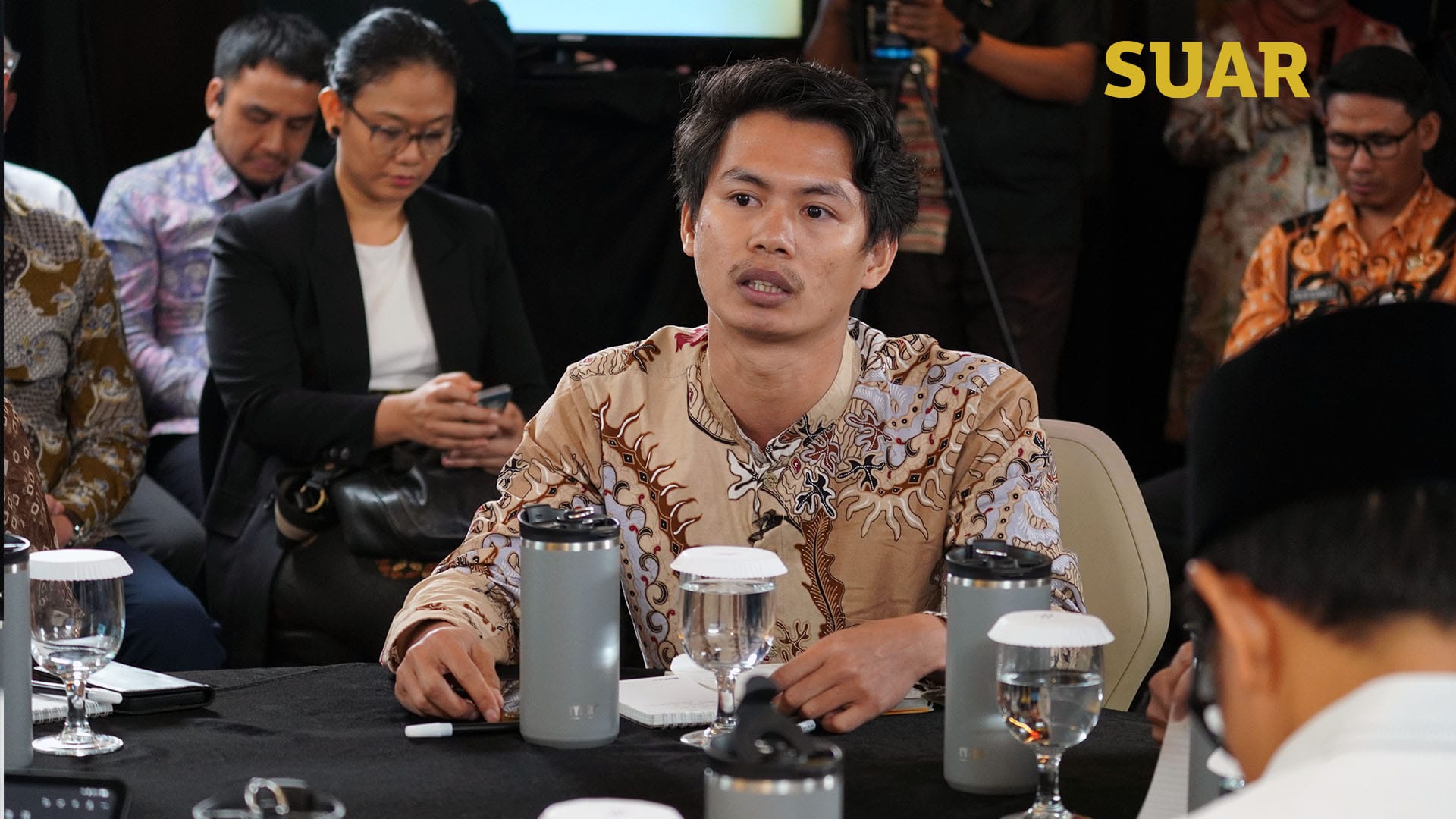
In fact, an offer to become an English teacher in Saudi Arabia once ended in the practice of trafficking. "So besides many who are successful, many are also victims of trafficking," he said.
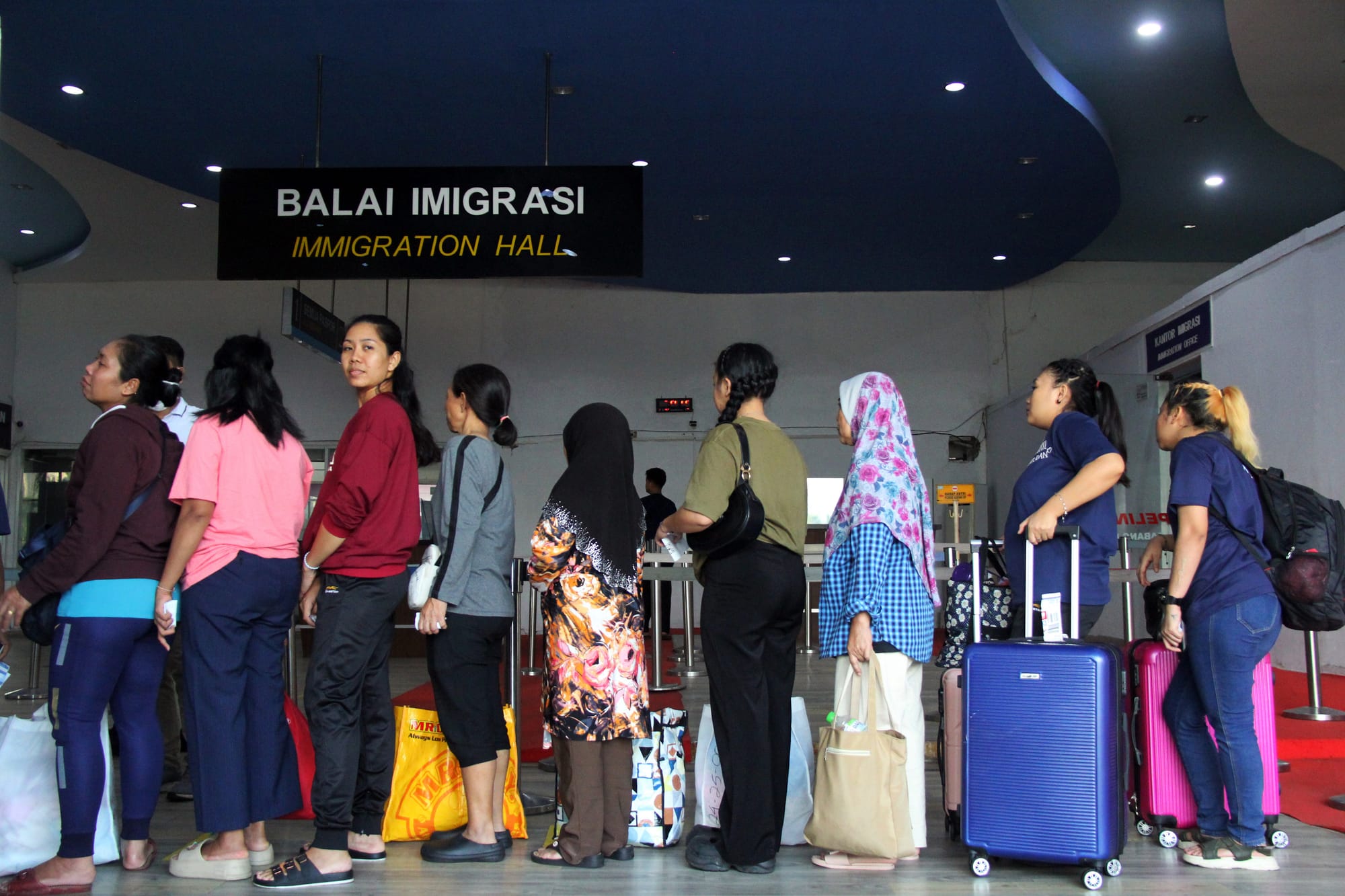
Judha Nugraha confirmed that there is a new mode that threatens migrant workers, namely online scams. From 2020 to 2025, the Indonesian Embassy in Cambodia handled more than 45 cases. And now, a similar mode has spread to nine other countries in Asia, even to South Africa, the United Arab Emirates and the Netherlands.
"Until this year alone, we have handled 10,000 online scam cases. Not a single one signed a contract in Indonesia. If you are offered a job away from your family, but the contract is not clear, we should be critical," he said.
To strengthen prevention, the Ministry of Foreign Affairs developed the Peduli WNI portal and Safe Travel application equipped with a panic button so that reports can be directly connected to the nearest representative.
Judha also highlighted the special vulnerability of female migrant workers, the majority of whom work in the domestic sector. "The majority of migrant workers are women. Therefore, protection must be gender responsive," he said.
As a form of innovation, the Ministry of Foreign Affairs in collaboration with UN Women built an artificial intelligence feature called SARI (Sahabat Artificial Migran Indonesia) in the Safe Travel application. "SARI can respond with more empathetic language, even using regional languages such as Javanese or Sundanese. So women workers can feel more heard and accompanied," Judha explained.
 Agung Mahesa Fikri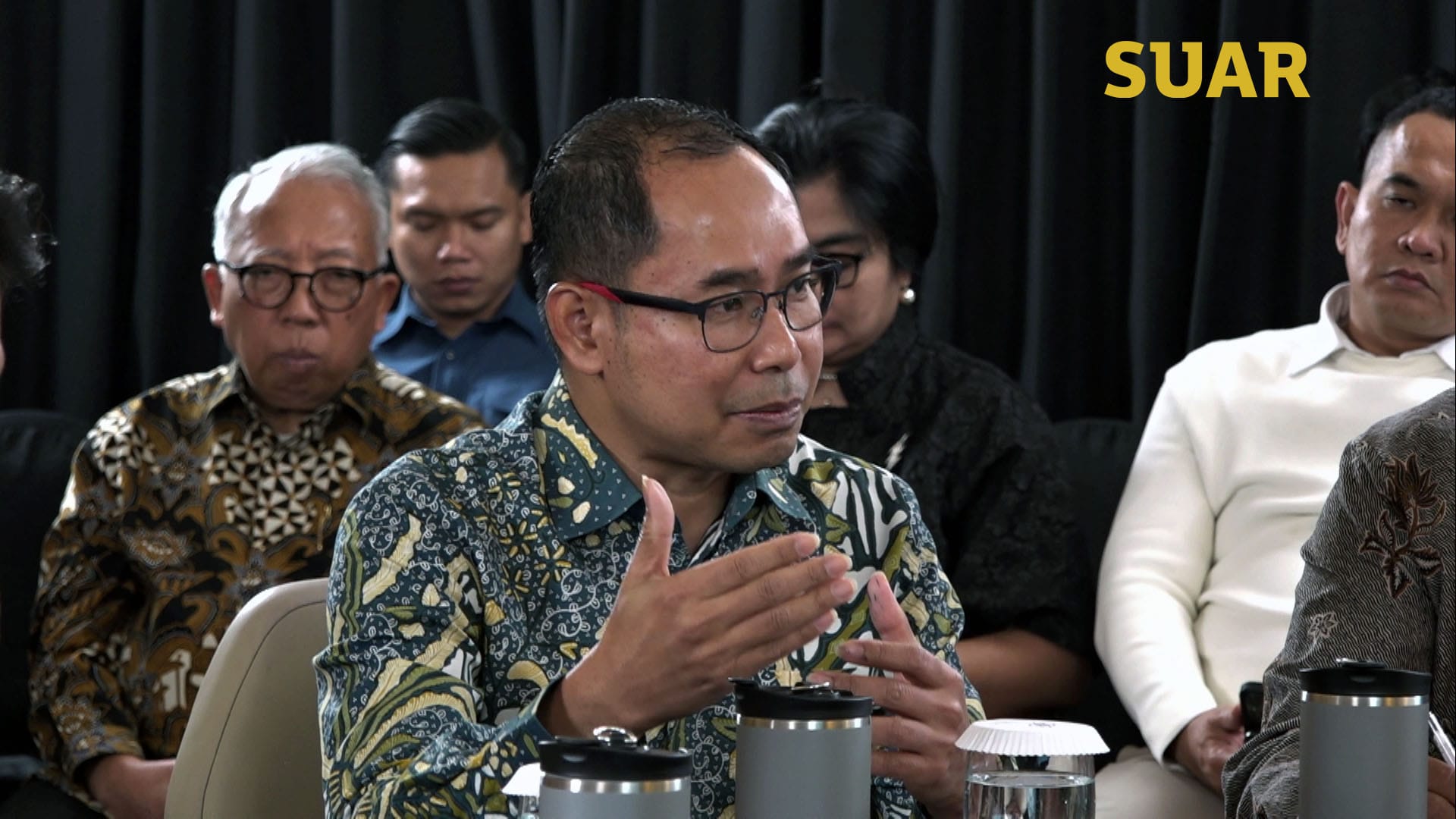
In order to be protected, Judha reminded that migrant workers must be dispatched through safe channels. Ministry of Foreign Affairs data shows that the number of cases of Indonesian citizens abroad continues to increase: in 2021 there were 27,000 cases, while in 2023 it jumped to 35,000 cases. In fact, throughout last year the total number of cases reached 67,000.
Download SUAR 's full review of PMI here:
Regarding this case, the Ministry of Foreign Affairs is committed to investigating thoroughly. "Our KPI is clear, 85% of cases must be resolved. But what needs to be underlined: case resolution does not automatically suppress new cases. In fact, the number of new cases continues to increase. That means, protection must be done before departure, not only when problems arise abroad," he said.
Judha proposed a one-stop integrated service regarding the departure of migrant workers in the future. "There should not be too many desks, there should not be a gap for brokers," said Judha.