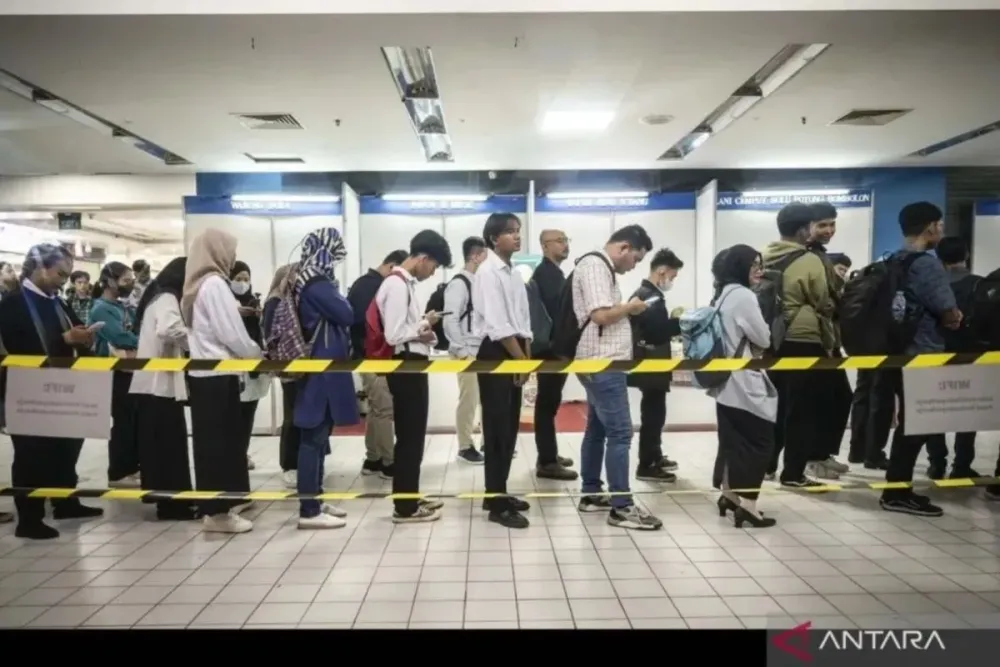



The atmosphere at the National Wage Council meeting on Monday, November 3, was heated, ahead of the determination of the 2026 provincial minimum wage (UMP), which was originally announced on November 21, 2025. The arguments between the members of the National Wage Council, namely the government, employers, and labor unions, have yet to find common ground.
Chairman of the Labor Party and President of the Confederation of Indonesian Trade Unions (KSPI), Said Iqbal, said this debate would determine the direction of economic policy and the government's alignment with workers.

According to him, the standard mechanism stipulated in the law related to the determination of UMP has begun to run. The sequence starts from the recommendation of the National Wage Council, then submitted to the Minister of Manpower (Menaker), then lowered to the provincial and district / city levels before finally being decided by the governor.
However, there is just one thing that has not been agreed upon. "The difference is only in one variable, a certain index," he said. The specific index variable is one of several variables that determine UMP.
In the Constitutional Court (MK) Decision No. 168 of 2024, the formula for determining the minimum wage must consider three factors: inflation, economic growth, and a certain index, while still referring to decent living needs. The problem is, the Constitutional Court did not explain how the value of the particular index was calculated.
"If inflation and economic growth are data from BPS, it is clear. But it is the specific index that is being debated. Last year the President set the index at around 0.9, but now the Minister of Manpower is actually lowering his proposal to 0.2 to 0.7. That means going against the President," said Said.
During the meeting, each representative proposes a specific index number denoted by the symbol alpha or (ɑ).
During the meeting, each representative proposed a certain index number denoted by the symbol alpha or (ɑ). Labor unions proposed an alpha of 0.9-1. for sectoral alpha of 1-1.5; while employers proposed an alpha of between 0.1 and 0.5 and sectoral alpha of 0.1-0.7.
The government proposes an alpha of 0.2-0.7 and a maximum sectoral alpha of 1. During the meeting, it was also known that the government had drafted a government regulation (RPP) on wages.
Said emphasized that if you want to set a certain index amount, it needs to be adjusted to macroeconomic conditions that have not changed much. Inflation for the October 2024-September 2025 period is 2.65%, while economic growth is 5.12%. "If the economy is stable, why lower the index?" he said.
With a simple calculation, Said said that a decent wage increase is in the range of 7.2%, based on the formula: inflation (2.65%) + alpha (0.9) x economic growth (5.12%).
Minister of Manpower Yassierli on the sidelines of a press conference to launch the Lapor Menaker Service at the Ministry of Manpower Office, Wednesday, November 12, 2025, emphasized that the discussion of the 2026 UMP is still being carried out by the National and Provincial Wage Boards. "UMP has not yet been discussed. The phase is currently underway at the National Department of Labor and the Provincial Wage Council," he said.
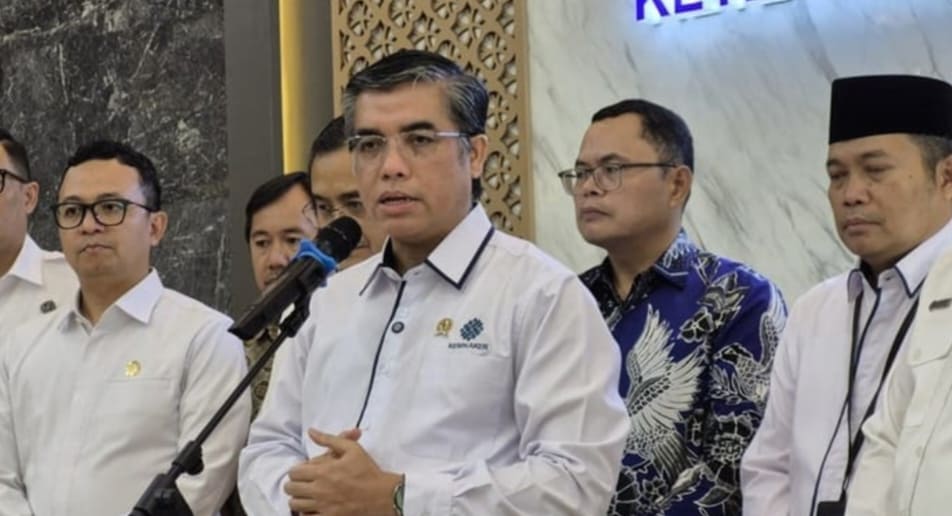
Yassierli also asked all parties to wait for the announcement of the 2026 UMP which is planned to be announced some time soon. Currently, the Ministry of Manpower is also still continuing to conduct dialog with business people and trade unions related to UMP. "We continue to conduct social dialogue, get input from trade union friends and friends of Apindo entrepreneurs, just wait," he said.
Negotiation with multiple interests
For Said Iqbal, this debate is not merely a calculation of numbers, but a political issue. He admitted that last year he had met directly with President Prabowo Subianto at the Palace. "The President said that one way to increase people's purchasing power is to raise decent wages, not high, but decent," he said.
However, according to him, a number of ministers listened to the voice of businessmen rather than the president's mandate. "In politics, many are looking for strategies to approach ministers before going to the president. The ministers are lobbied by businessmen," said Said.
He accused business groups of influencing policy with a classic argument: wage increases increase the burden on companies and cause layoffs. Said also highlighted who actually sits behind the employers' table. "Take a look at the core management of Apindo, 80% come from the textile and garment sector," he said.
He said that this dominance has a big influence on the association's perspective on the minimum wage. "Why would anyone bother to become chairman, when the company is already large and well-established? Because he wants to secure the interests of the textile and garment sector," he said.
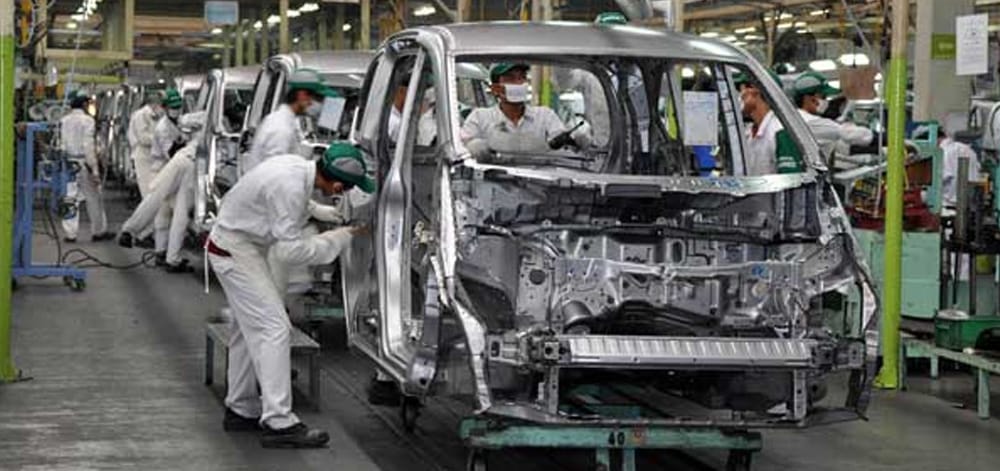
For Said, this condition makes discussions about sectoral minimum wages often avoided. "They don't want to discuss sectoral wages because they know that in other sectors such as automotive or electronics, workers are more productive and deserve higher wages," he said.
Said strongly denied the notion that the high wage level has an impact on employee layoffs, because companies must be efficient. He pointed out that during 2024-2025, the region with the highest layoffs was Central Java, the province with the lowest wages in Indonesia. "If their logic is correct, the high layoffs should be in areas with high wages such as Jakarta or West Java. But in fact it is not," he said.
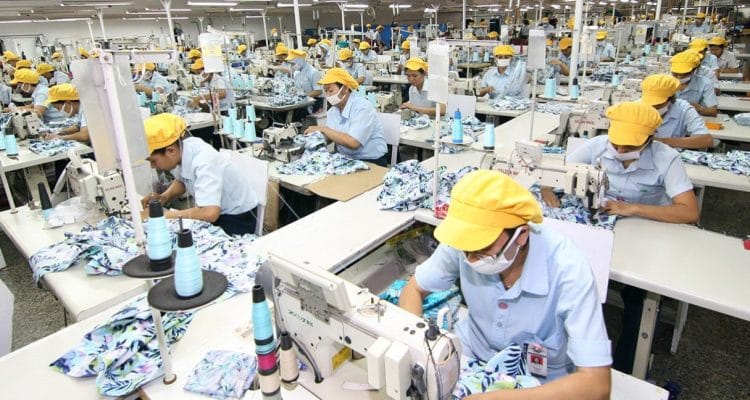
According to Said, the cause of layoffs is not wages, but government policies that do not favor labor-intensive industries. He mentioned Regulation of the Minister of Trade No. 8 of 2024, which opens the tap for textile and garment imports from China. "People with stomach pains are given headache medicine. That's the wrong policy medicine," he said.
In addition, Said believes that the decline in people's purchasing power is also the main cause of the industry's sluggishness. "Young people now have the hashtag Dark Indonesia, because their savings are getting thinner. Purchasing power is declining, consumption is falling. This is not about lazy labor, but about a stagnant economy," he explained.
Productivity versus wages
On the other hand, employers often accuse Indonesian workers of being unproductive. Said did not reject that productivity needs to be measured, but questioned the basis for the accusation. "If you want to talk about productivity, where is the data? In Indonesia there is no labor productivity index," he said.
He pointed out that in developed countries there is a productivity index per sector, such as automotive or textile, which is calculated based on contribution to GDP. "We don't have that data. So if employers say labor is unproductive, they are talking without numbers," he said.
A simple comparison shows the opposite. "If a garment factory in Indonesia produces 1,000 clothes with 100 workers, that means the productivity is 10. In Vietnam, if it takes 200 people to make the same result, that means we are more productive," he said.
The same is true in the automotive sector. "The production of Toyota Innova in Indonesia is far more than Toyota Vios in Thailand. But it is Indonesian workers who are said to be less productive. It's funny," he added.
He emphasized that the debate about UMP is not merely about how much percent increase is appropriate, but about the direction of national economic policy. "The President is clear: wages must be decent so that purchasing power rises, consumption rises, and the economy grows. But if the Minister of Manpower lowers a certain index arbitrarily, it means that government policy is not synchronized," he said.
For Said Iqbal, economic calculations cannot be separated from welfare politics. "If the macroeconomy is stable, certain indices should not fall. If wages rise, purchasing power rises. If purchasing power rises, the economy moves. That's a simple logic that is forgotten by officials," he said.
Hindered by Constitutional Court ruling
Sarman Simanjorang, a member of the National Wage Board who is also the Deputy Chairperson of the DKI Jakarta Chamber of Commerce, said that the stipulation of the 2026 UMP, which was supposed to be announced on November 21, seems to be delayed. The reason is not just a technical issue, but due to a major revision of the legal basis for national wages after the Constitutional Court's decision.
The process of preparing the 2026 UMP now depends on the revision of the Government Regulation on Wages. "The basis still refers to Government Regulation (PP) Number 36 of 2021 concerning Wages, which was later revised through PP Number 51 of 2023," said Sarman.

According to him, the two regulations regulate the formula for determining the minimum wage by taking into account three main indicators: economic growth, inflation, and a certain index. The value of this index was previously in the range of 0.10-0.30.
However, the national wage map changed after the Constitutional Court issued Decision Number 168/PUU-XXI/2023. In that decision, the Constitutional Court considered that the old formula needed to be adjusted to make wage determination fairer and more proportional for all parties.
"As a result of the Constitutional Court's decision, the formulas contained in PP 36/2021 and PP 51/2023 must be adjusted. "Therefore, the Wage Council has held a hearing to formulate a new draft PP on Wages, which is currently still in the process of being drafted," Sarman explained.
This change has direct implications for the 2026 UMP determination schedule. "Because the revision of this PP is still in process, the UMP determination, which should have been announced on November 21, 2025, has the potential to be delayed until the PP is officially issued," he added.
In its legal reasoning, the Court emphasized that the determination of minimum wages should not be based solely on economic growth and inflation figures. The balance of interests between workers and employers must be the basis, taking into account the principle of proportionality, namely the balance between the minimum wage and the Decent Living Needs (KHL).
Sarman said that the Constitutional Court's decision also expanded the range of variable values (α) used in the calculation formula. "If previously it was in the range of 0.10-0.30, now it is expanded to 0.20-0.70," he explained. "This expansion will provide greater space for local governments to adjust the amount of wages according to economic conditions and the ability of the business world in their respective regions."
According to Sarman, this change is expected to be able to answer two challenges at once: maintaining workers' purchasing power so that it does not continue to erode, and ensuring the sustainability of the business world amid global economic uncertainty. "In principle, the Constitutional Court wants the minimum wage to reflect a sense of justice, not only for workers, but also for employers," Sarman said.
In the process of developing the new formula, the National Wage Council worked closely with various institutions. "We collaborate with the Ministry of Manpower, the Central Statistics Agency (BPS), and the National Economic Council," Sarman said.
According to him, the data used is sourced from the National Socio-Economic Survey (Susenas), which includes various macroeconomic and social indicators. By using Susenas data, the validity of economic growth, inflation, and certain indices can be accounted for. "So, whatever the wage increase figure is, it will truly reflect the real economic conditions and the ability of the business world," he said.
Sarman added that the new formula would not necessarily hold back wage increases. "The UMP increase will still occur, it's just that it follows a formula that is in accordance with applicable regulations and accurate data," he explained.
Although the PP revision process is still ongoing, the space for dialog between all parties remains open. The Wage Council, said Sarman, is committed to maintaining the spirit of togetherness in every stage of the discussion.
He believes that the entrepreneurs will certainly fight for the aspirations of the business world. While the elements of labor unions or workers will fight for their aspirations," he said. "We hope that the determination of the 2026 UMP will really prioritize togetherness and mutual understanding of the current economic conditions."
According to him, next year's wage discussion cannot be separated from global dynamics. "World economic conditions, global geopolitics, trade tariff wars, and people's purchasing power are all factors that must be taken into account," he explained. "We want the decisions taken later to be realistic, but still provide hope for workers."
Sarman himself is optimistic that the end result will balance all interests. "We want to ensure that this policy is based on data, justice, and the ability of the national economy," he explained.
Negative impact on labor-intensive sectors
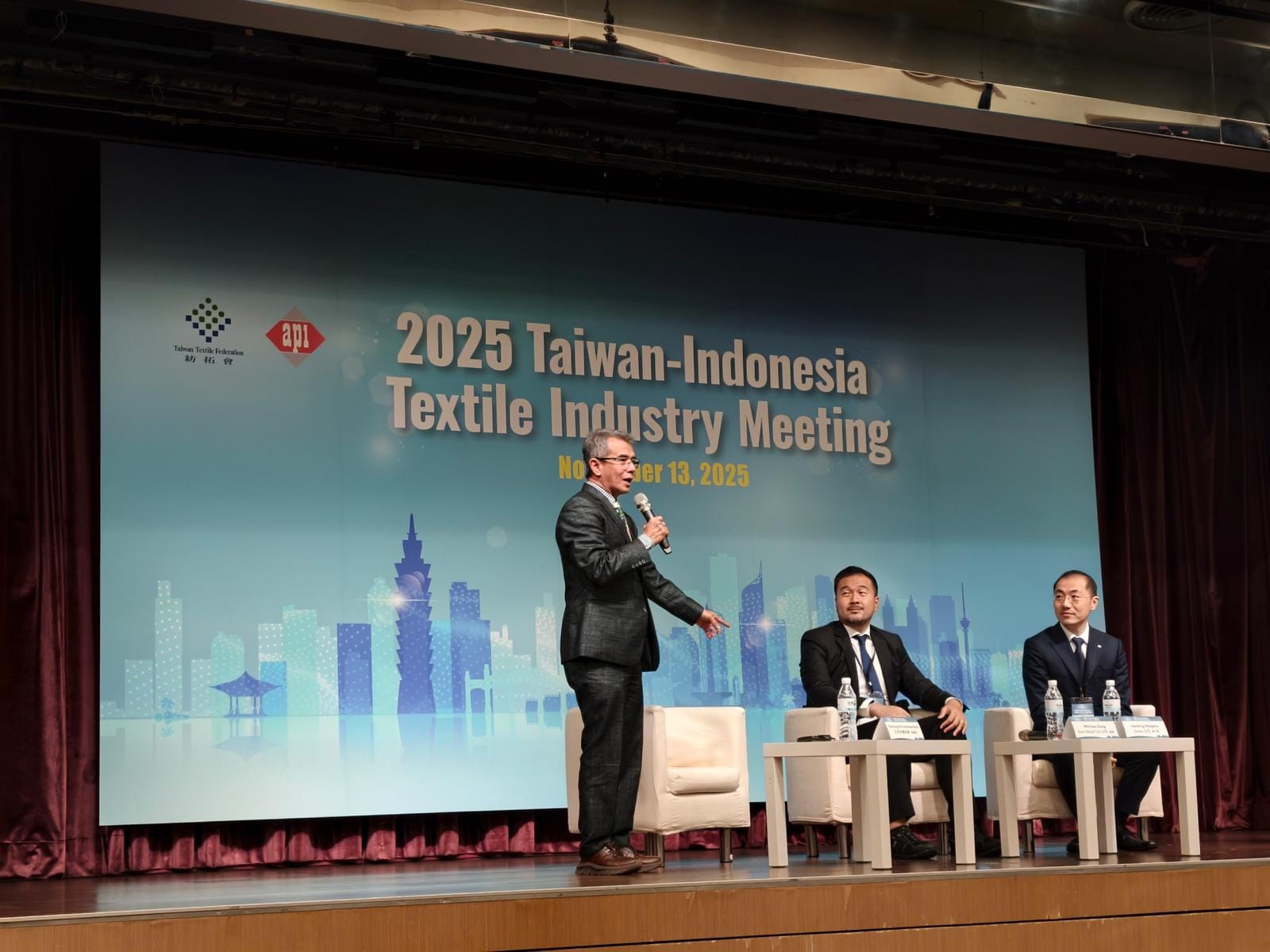
From the employers' side, Executive Director of the Indonesian Textile Association (API) Danang Girindra, assessed that the wage increase policy needs to be carefully projected for the long term, at least the next five years. According to him, the impact of wage increases that are too high in a short period of time can hit the competitiveness of the labor-intensive sector, which is currently facing severe pressure.
"Trade union colleagues are asking for a 6.5% increase for 2026, even though last year's increase was already 6.5%. Multiple increases in two consecutive years will potentially make labor-intensive industries lose their competitive advantage," said Danang.
He explained that in a situation of an unhealthy business climate for labor-intensive industries, a wage increase policy that is not accurately measured can actually damage the performance of the sector. "Companies will be encouraged to ignore workers and hire more machines or automation," he added.
Danang also highlighted the potential for industrial relocation due to increased production cost pressure. According to him, the risk is not only in the form of shifting investment to other countries, but also the emergence of psychological saturation among investors.
"The risk of relocation is clear, but there will be psychological saturation among labor-intensive investors. They will feel that the government does not care about the unhealthy condition of the TPT (textile and textile products) sector. The biggest risk is to abandon investment in this sector," he said.
Furthermore, he emphasized the importance of policies that strengthen the domestic supply chain to grow the passion of the domestic industry. "The most important policy is import control on finished products, so that the domestic supply chain will grow more vibrant," he explained.
According to Danang, API will continue to collaborate with the government to ensure that regulations and policy implementation go well and support the growth of the national textile and textile products (TPT) industry. "Winning the competition with Vietnam or Bangladesh is very potential for Indonesia, as long as there is really policy support from the government," he said.
Danang assessed that there have been positive steps through policies such as the Minister of Industry Regulation (Permenperin) number 27 of 2025 and the Minister of Trade Regulation (Permendag) number 17 of 2025. "But if there is an inaccurate wage policy later, the two good regulations will not be of much use," said Danang.
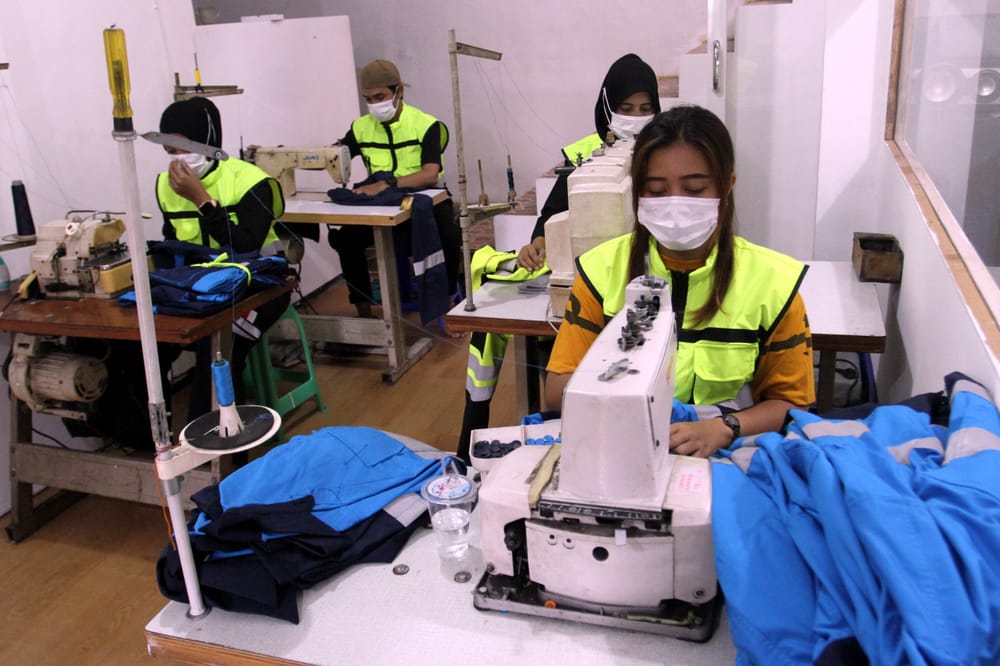
Chairperson of Apindo's Trade Division and Chairperson of the Indonesian Garment and Textile Association (AGTI), Anne Patricia Sutanto, emphasized that the results of a joint study by Apindo and AGTI show that the labor component accounts for at least 18% to 30% of total production costs, depending on the region and the mode of clothing being worked on. This means that any increase in wages will trigger a chain of cost increases in various aspects.
In addition to the increase in basic wages, there are also significant derivative impacts such as the increase in BPJS Ketenagakerjaan and BPJS Kesehatan contributions, as well as overtime costs. Labor productivity is also still relatively low, while the supply chain is not yet efficient as most raw materials still have to be imported.
On the other hand, the production process is often constrained by delivery time and material availability. "This condition makes companies need to increase working hours to pursue production targets and export schedules," he told SUAR.
Not only that, the rising costs of holiday allowances (THR), severance pay, and long service awards also add to the burden. As a result, Indonesia's labor cost structure has become less competitive than key competitor countries such as Vietnam and Bangladesh.
Both countries have longer working hours (45 hours-48 hours per week), do not require wage increases every year, and have productivity-based wage systems and wage structures instead of just minimum regulations.
Therefore, AGTI and Apindo assess that the competitiveness of Indonesia's textile and garment industry, especially for the export market, will be further depressed if the UMP increase is not matched by supporting policies, such as energy efficiency, fiscal incentives, and labor productivity improvement programs.
The solution is communication, to zoning
Harijanto, Chairman of the Board of Trustees of the Indonesian Footwear Association (Aprisindo), said the 2026 UMP increase must also pay attention to the competitiveness of the footwear sector industry in order to remain competitive with neighboring countries. "The export shoe industry should increase the UMP by a maximum of 3.5%, so that it remains competitive with India and Vietnam. If it exceeds that figure, there will definitely be a decrease in orders because prices are expensive, so there will definitely be layoffs," he said.
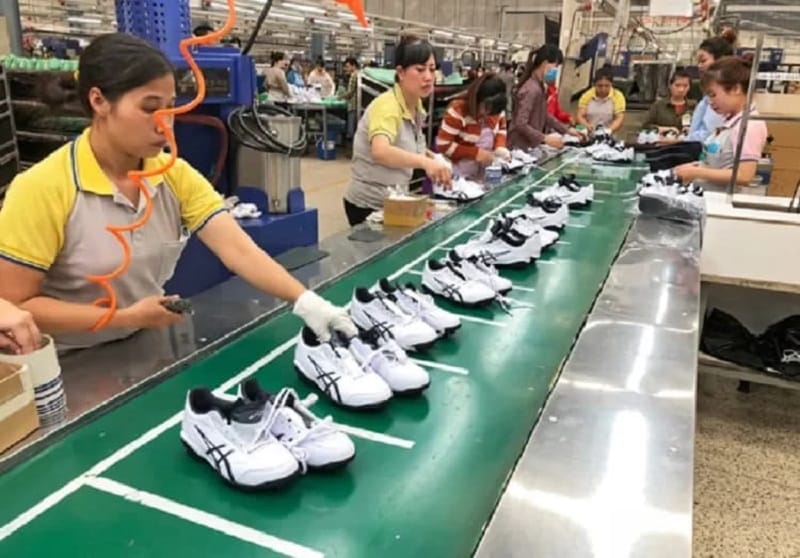
The operation of the shoe factory also provides a significant multiplier effect , especially in terms of job creation. Thus, the presence of the factory directly reduces the unemployment rate in the area. "Shoe factories export a minimum of 10,000 employees per factory, so this multiplier effect is no joke, 1 to 4 people," he said.
Regarding the 2026 UMP discussion, Harijanto explained that Aprisino has often and will continue to coordinate with the government. "The government has often been called. Workers know there are consequences, but the government doesn't understand, they are afraid of layoffs but want to increase the UMP," he explained.
Meanwhile, Chairman of the Indonesian Employers Association (Apindo) of Central Java, Frans Kongi, encourages a wage system based on productivity and efficiency, where workers and laborers are encouraged to improve their competence so that they can be more productive and increase efficiency for the company.
Frans also emphasized that entrepreneurs are basically ready to accept decisions from the government regarding the determination of the 2026 UMP. However, Frans hopes that the decision will still consider the current condition of the business world in order to ensure sustainability.
"Inevitably we must be ready, with a note, the government in issuing this regulation really understands and considers this, the government knows the condition of the business world. My hope is that the regulations that come out will have an alpha of between 0.1 and 0.5," he hoped.
Frans also emphasized that business actors also continue to coordinate with their workers in all decisions, such as the example of termination of employment (PHK). Layoffs themselves are said to have never been the first option in the decision of entrepreneurs in making efficiency.
"Layoffs are actually out of the company's mind, employers never think about layoffs. This is because we have trained the employees, they are well acquainted with the company, we will lose if we lay them off," he explained.
Said Iqbal agrees that Indonesia should build a wage system based on productivity and efficiency. However, wages as a trigger for layoffs is an inappropriate reason. Because there are still many other factors that influence "There are factors of expensive rent, expensive excise fees, expensive taxes, expensive logistics," said Said. According to him, entrepreneurs don't want to complain about this because they are afraid of pressure from officers or managers of industrial estates. "Most easily, they shout, labor costs are high, so I need to relocate," he said.
Therefore, he proposed the implementation of industrial zoning, so that each region has specialization according to the character of its business sector. He also proposed industrial zoning like in Europe. "If you are looking for a textile factory, it is not in France or Germany, but in Eastern Europe such as Hungary, Romania, or Poland. If in America, they put it in Latin America. Japan and South Korea locate their industries in Indonesia and South Asia. That is a business strategy, called zonation," he explained.
Said Iqbal thinks a similar approach can be applied in Indonesia. "If the wages are already expensive such as Banten, DKI, West Java, and East Java, the textile and garment sector can be moved to Central Java. But Banten, DKI, West Java remain for capital-intensive sectors, such as IT, automotive, and aviation companies. So there is zoning between capital intensive and labor intensive. It's like that all over the world," he said.
Apart from zoning, Iqbal also highlighted the importance of ensuring living wages in the informal sector and UMKM. "For the informal sector and UMKM, you may not use the minimum wage, there is a law. But the wages of the workers must be decent, decent wages, not expensive wages," he said.
According to Said, this living wage is important so that people's purchasing power is maintained. "If purchasing power is strong, goods from the informal sector can sell. "Chicken noodle vendors, souvenir vendors, live off the purchasing power of formal workers," he said. He added that the idea is in line with the views of the new government. "This is what Mr. Prabowo believes in," he said.
Mukhlison, Dian Amalia, and Gema Dzikri
Wage Rates that Informal Workers Don't Recognize
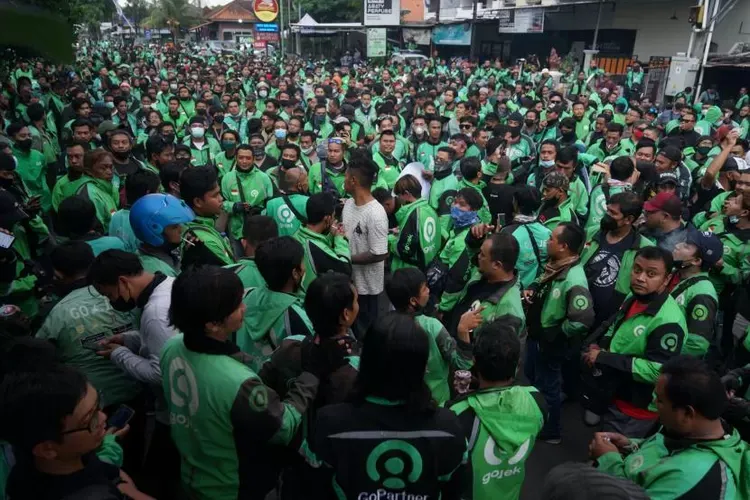
The Provincial Minimum Wage (UMP) policy has little effect on informal workers. In Indonesia, the number of workers who are not recorded by the system is greater than office workers or formal workers. Around 60% of the labor force in Indonesia are informal workers. Such as street vendors, online motorcycle taxi drivers, domestic workers, casual laborers, artists, and freelancers.

These are professionals who earn less than the minimum wage, while the minimum wage is the lowest wage set by the government for formal workers to avoid living below the standard.
The population of informal workers also has side effects. The World Bank said that Indonesia's labor market, which is dominated by the informal sector, has the potential to limit the ambition of becoming a developed country. Therefore, in order to get out of the informality trap, Indonesia needs to reform labor market regulations while expanding social security.
This was conveyed by World Bank Senior Economist William Hutchins Seitz, at a webinar entitled Reading the Dynamics of Informal Workers: Between Choice, Compulsion, and Policy Challenges. The event was organized by the Manpower Planning and Development Agency of the Ministry of Manpower (Kemenaker) in Jakarta, Friday, October 24, 2025.
The government has also mitigated the large number of informal employees in Indonesia. Minister of Manpower (Menaker) Yassierli emphasized that it is estimated that informal workers in Indonesia reach 146 million people. "They are spread across various industrial sectors, with diverse workplace conditions and varying levels of welfare," said Yassierli.

He revealed that the government is trying to find the best solution so that the welfare level of workers can increase. The main effort conveyed by Yassierli is the increase in UMP which this year is set at one figure, namely 6.5% nationally.
Other efforts include providing holiday bonuses for online drivers and couriers, providing a 50% discount on work accident insurance (JKK) and death insurance (JKM), and wage subsidy assistance (BSU).
However, the demographic bonus and large labor surplus can be a blessing on the one hand, but a burden on the other. Moreover, employment here, which is able to absorb formal labor, is not growing as fast as the rate of the working-age population.
The problem becomes more complicated if there is a wage increase that burdens employers. "If the UMP rises, it will be more difficult for people to enter the formal sector," said Deni Friawan, a researcher from the Center for Strategic and International Studies (CSIS).
The increase in minimum wage that is not matched by productivity, according to him, has the potential to enlarge the informal sector. "There will be fewer people who can work in the formal sector, because employers hold back recruitment. As a result, more people will work in the informal sector," he explained.
Deni emphasized that the difference between the two sectors is not just a matter of fixed or irregular salaries. "In the formal sector, there is job security, BPJS, clear rules and working hours. That's better," he said. When the minimum wage rises too high, some employers are reluctant to bear the additional costs and choose not to open new jobs.
"So people who can't work in the formal sector end up moving to the informal sector. More and more people become online motorcycle taxis, for example. But the more online motorcycle taxis there are, the tighter the competition, the bigger the cut, and the fewer the orders," said Deni.
Therefore, he wants the public to see these consequences more broadly. "We understand that the burden on workers today is heavy. Prices are rising, needs are getting higher, and naturally they need a wage increase," he said. "But the question is, how big is the increase? Because if the increase is too large and does not match productivity, the consequences are many, from unemployment to the expansion of the informal sector."
However, Deni also emphasized that this issue is not solely the responsibility of employers or workers. The government should also take part by reducing the cost of living, by lowering the burden on working households through subsidies and well-targeted public policies. "Cheap transportation, cheap education, cheap health, cheap energy, all of these can make the burden on workers less heavy," he said.
Dian Amalia