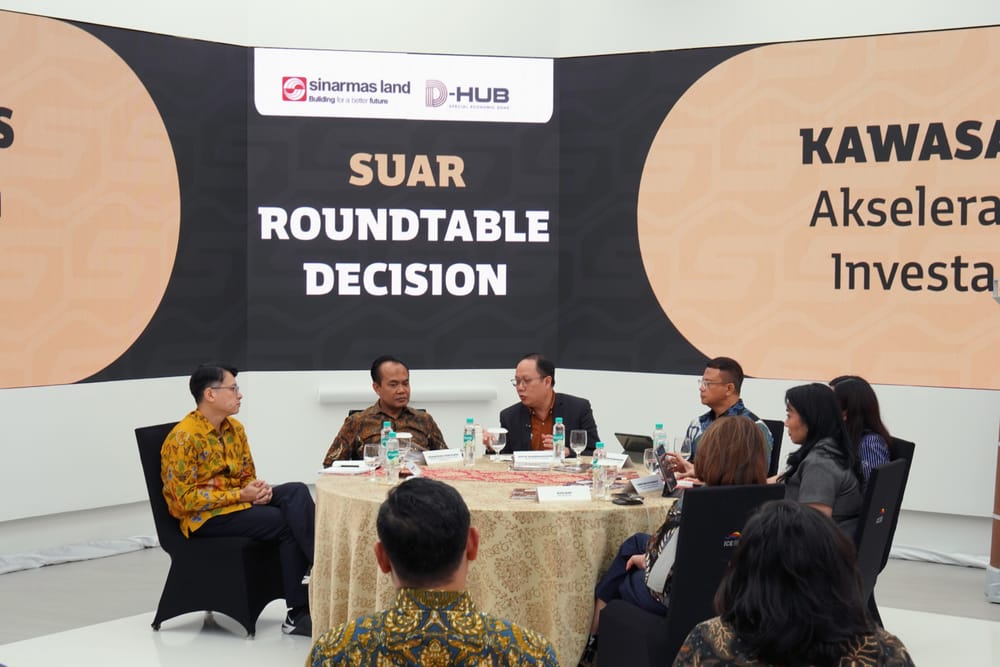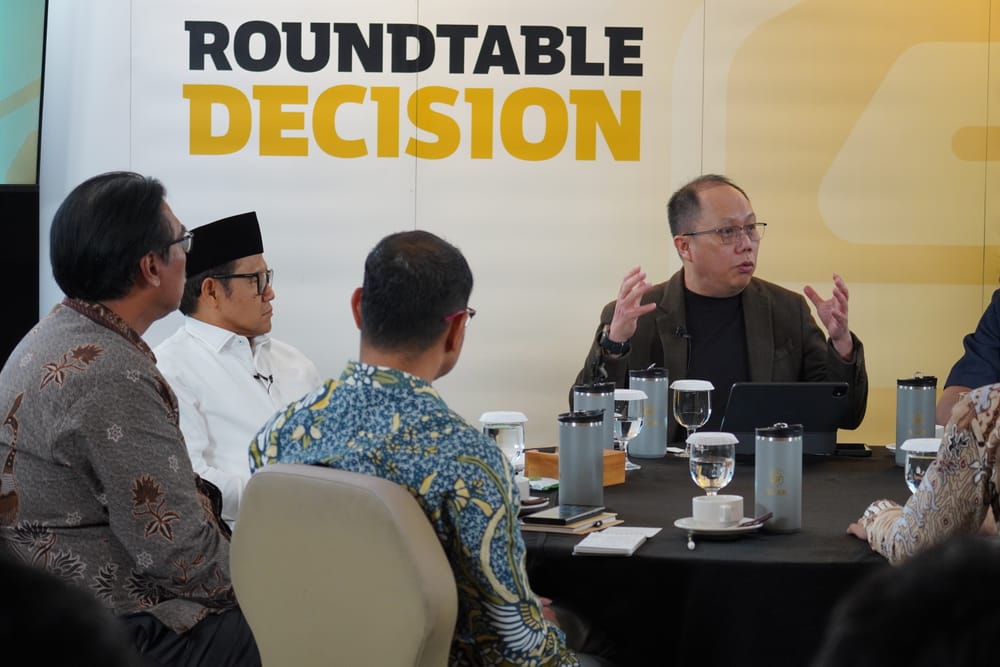
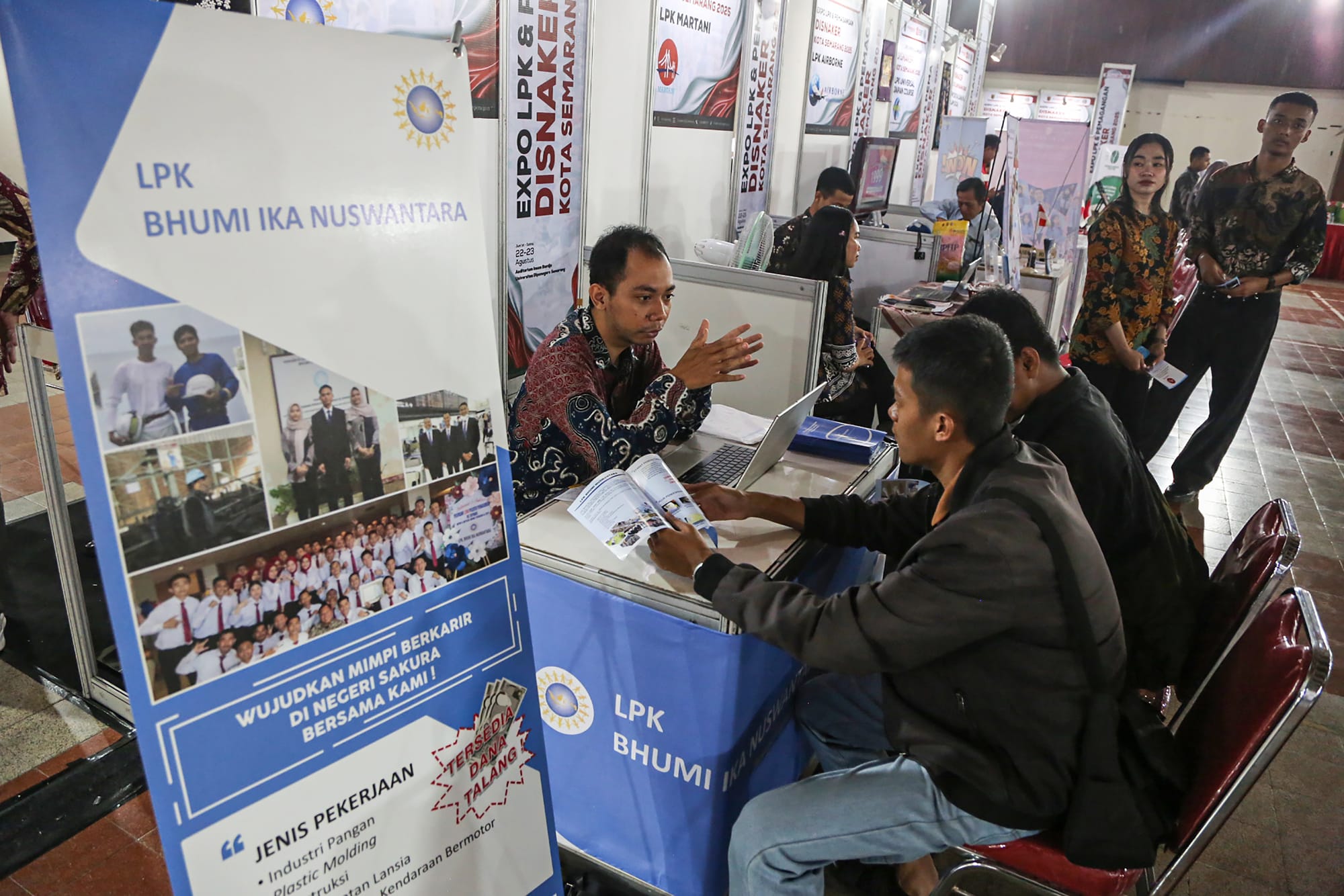
Part two of the resume of the Roundtable Decision: The Economic Power of Indonesian Migrant Workers organized by SUAR, Thursday (18/9/2025), in Jakarta, discusses how the state and other stakeholders can answer the challenge of supplying the needs of skilled migrant workers.
And, it needs to be done from before departure, during training and certification support. On the other hand, language skills are also one of the keys to making migrant workers competitive. Here is the explanation:
Skills upgrading and needs mapping
Director General of Promotion and Utilization of Overseas Employment Opportunities, Ministry of Protection of Indonesian Migrant Workers Placement (P2MI)/Indonesian Migrant Workers Protection Agency, Dwi Setiawan Susanto, emphasized the need to improve skills so that Indonesian migrant workers (PMI) are not only concentrated in the domestic sector.
Each country, according to Dwi, has different qualification standards, so identification is important. One reference that is currently being studied is the international standard set by the World Labor Organization (ILO).
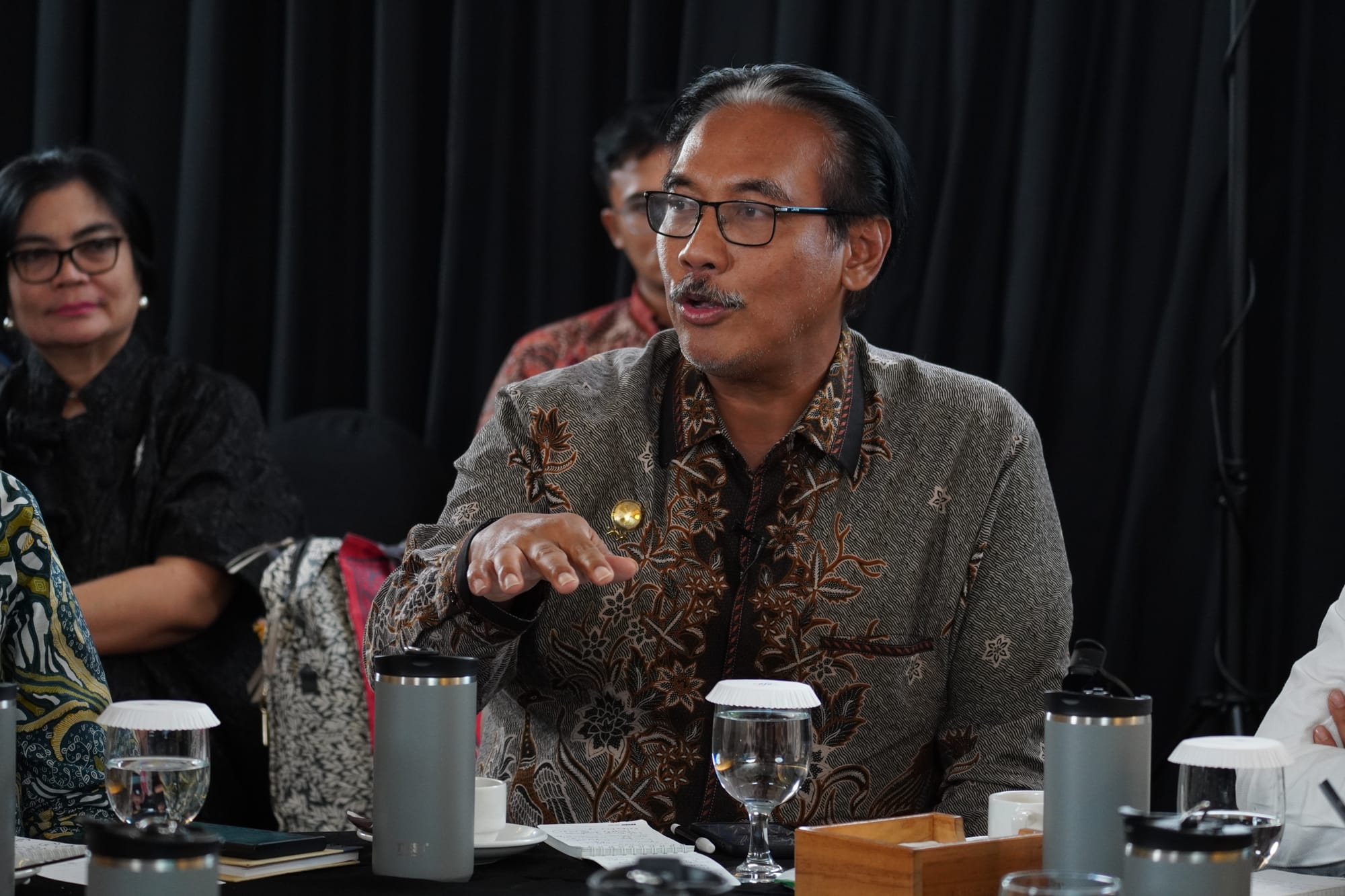
By strengthening market intelligence and maximizing the function of attachés at embassies, the government aims to form a stronger database. From the data, labor needs will be matched with supply in Indonesia and adjusted to the characteristics of each migrant worker's region of origin.
As part of the capacity building strategy, the government has also developed migrant centers in a number of universities, including Diponegoro University Semarang, Padang State University, and Indonesia Education University.
This facility was developed up to the provincial level with the aim of integrating all existing resources. The migrant center functions as a center for information, education, training, as well as job matching so that it becomes a breakthrough to build more focused competencies.
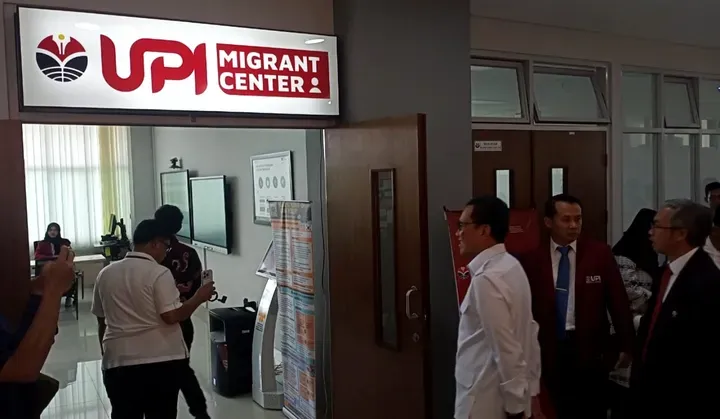
Dwi explained that the service center not only plays a role in improving skills or qualifications, but also ensures post-placement continuity. That way, migrant workers who return from abroad can still develop the economy in their home regions.
"We actually scale up what already exists, with focus and additional skills. That is not spending, but an investment whose return is not only financial, but also social welfare," he said.
According to Dwi, skills upgrading should be encouraged, as most of the workforce comes from vocational and vocational school graduates. Countries such as Taiwan, Malaysia, Japan, Korea, and Hong Kong still offer great opportunities. Even Europe is starting to become a new market, especially in the health and hospitality sectors in Germany. Therefore, PMI needs to be rebranded as skilled workers who have competitiveness.
He added that the aging population trend in a number of placement countries could be an opportunity for Indonesia, which is enjoying a demographic bonus. The main challenge is how to ensure a match between the needs of the destination country and the supply of young labor from Indonesia.
"Human capital must be built from upstream to downstream. We need an ecosystem with one mandate that is implemented by all parties who have the authority," Dwi said.
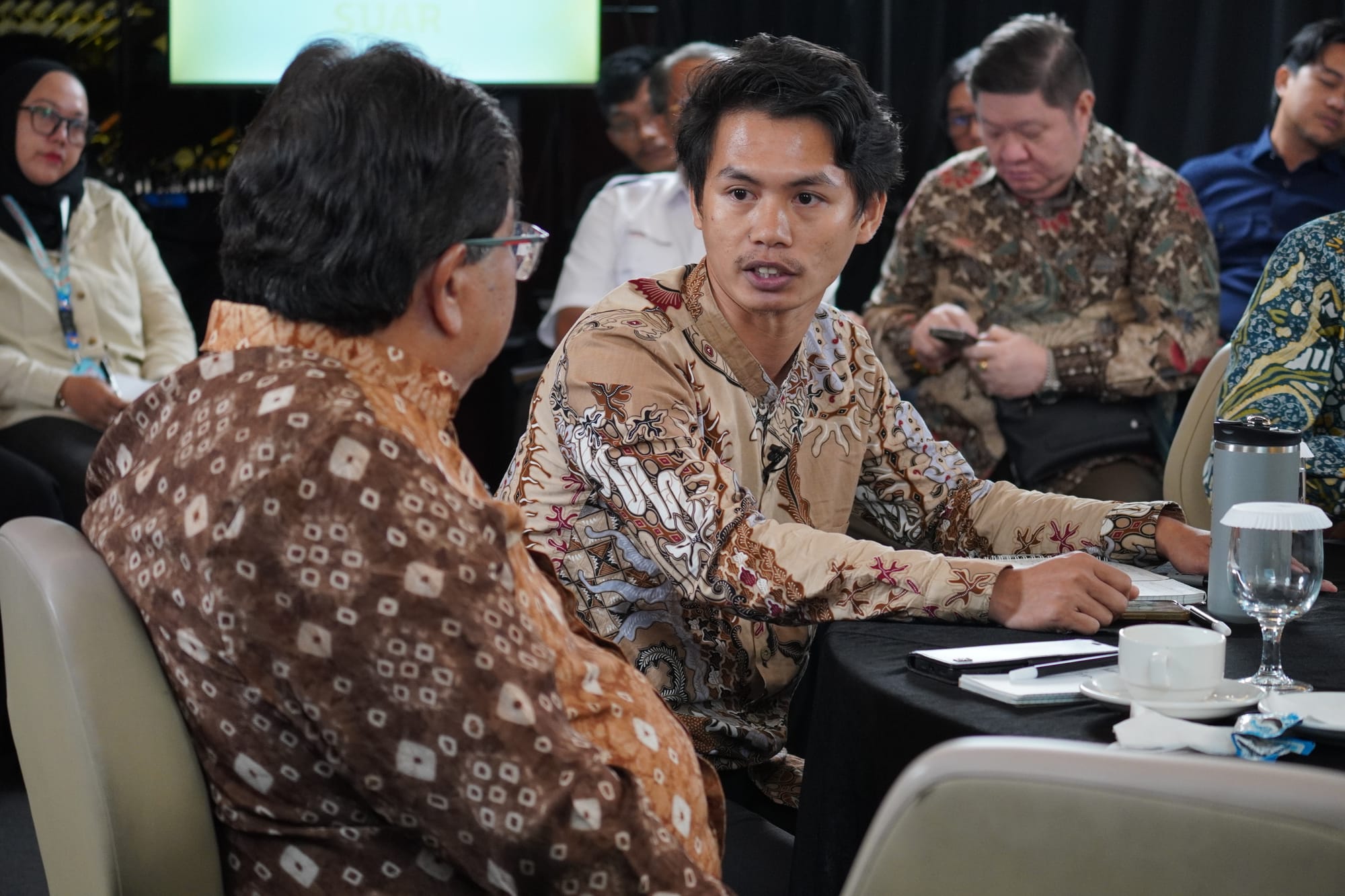
Meanwhile, according to Migrant Care's Advocacy Division, Yusuf Ardabil, the issue of migrant workers' skills cannot be separated from the governance of training institutions. He revealed, the findings of financial literacy conducted by Migrant Care in 2023 showed that many LPK (job training institutions) did not have clear curriculum standards. Each institution uses its own rules so that the quality of training varies.
Yusuf also highlighted the high cost of departing migrant workers. He found a case to Hong Kong that cost up to Rp 83 million just for departure. Ironically, the large fee does not cover language training, even though the duration of the training is between three months and six months. "If you use an installment payment scheme, the figure is even higher," he said.
According to Yusuf, similar practices also occur in the apprenticeship program to Japan, which can cost up to Rp 35 million. Many migrant workers then have problems because the salary is below the standard, in contrast to the specified skilled worker (SSW) scheme.
Migrant Care is preparing a financial literacy program so that prospective migrant workers can better manage their finances.
Migrant Care, Yusuf continued, is now preparing a special vocational program, including financial literacy. The goal is that prospective migrant workers not only send all their income home, but are also able to manage their finances better.
This program targets vocational students by creating special migrant classes that involve parents from the start. He emphasized that the Ministry of BP2MI needs to prepare clear standards so that competencies can be adjusted to the needs of the destination country.
Yusuf also admitted that his party found many job training institutions (LPK) that also functioned as companies that dispatched migrant workers. In fact, the institution should only be authorized to train. As a result, many migrant workers are abandoned when they arrive in Japan.
 Agung Mahesa Fikri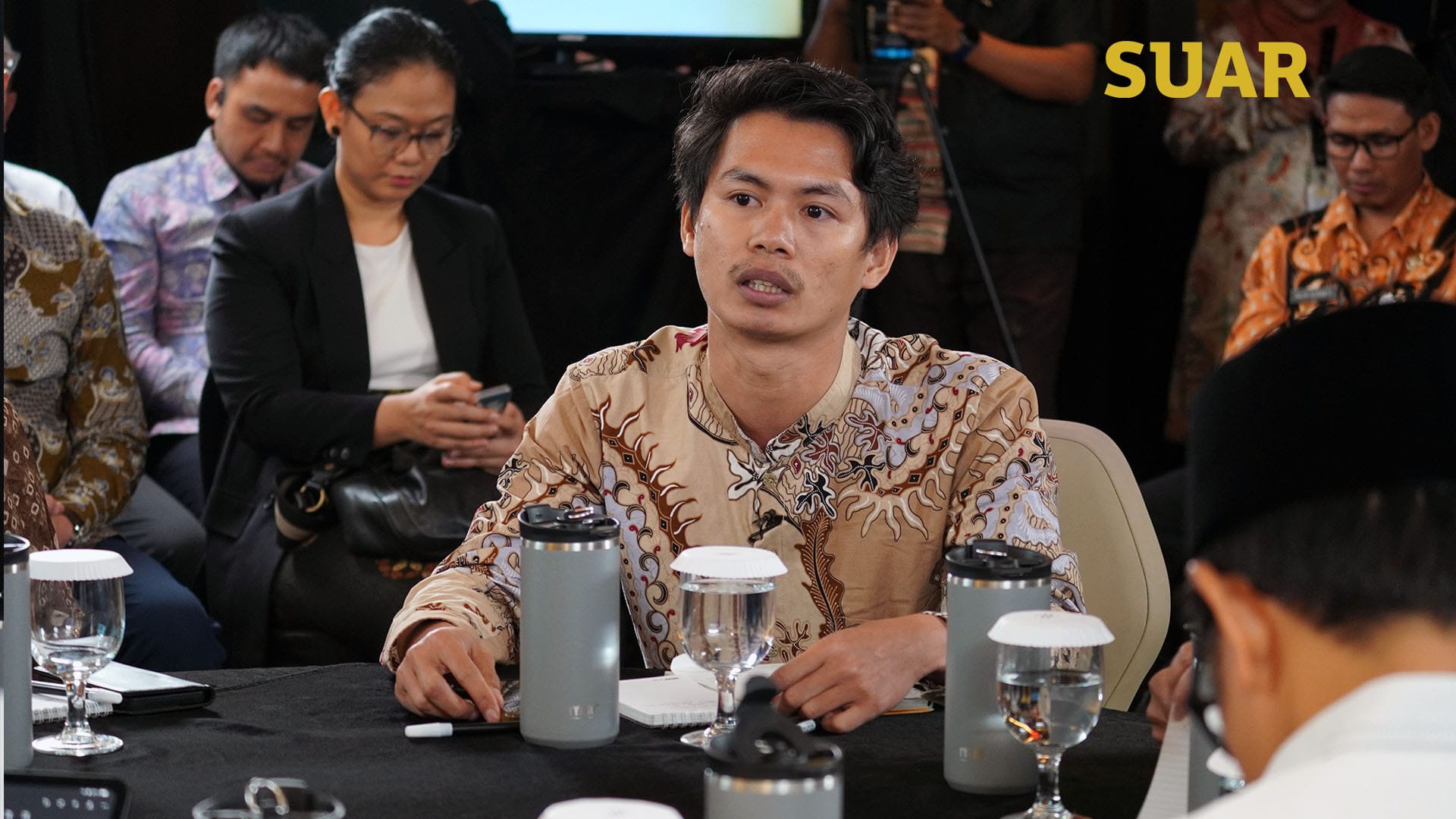
According to Yusuf, his party had reported the findings to the BP2MI Ministry, but was rejected on the grounds that the authority of the LPK was with the Ministry of Manpower. When he went to the Ministry of Manpower, he received the same answer. "We went to the Ministry of BP2MI, and were thrown back to the Ministry of Manpower," said Yusuf.
Incentives for migrant workers
Chairman of the Employment Division of the Indonesian Employers Association (Apindio) Bob Azzam emphasized that migrant workers remain part of the employment ecosystem in Indonesia.
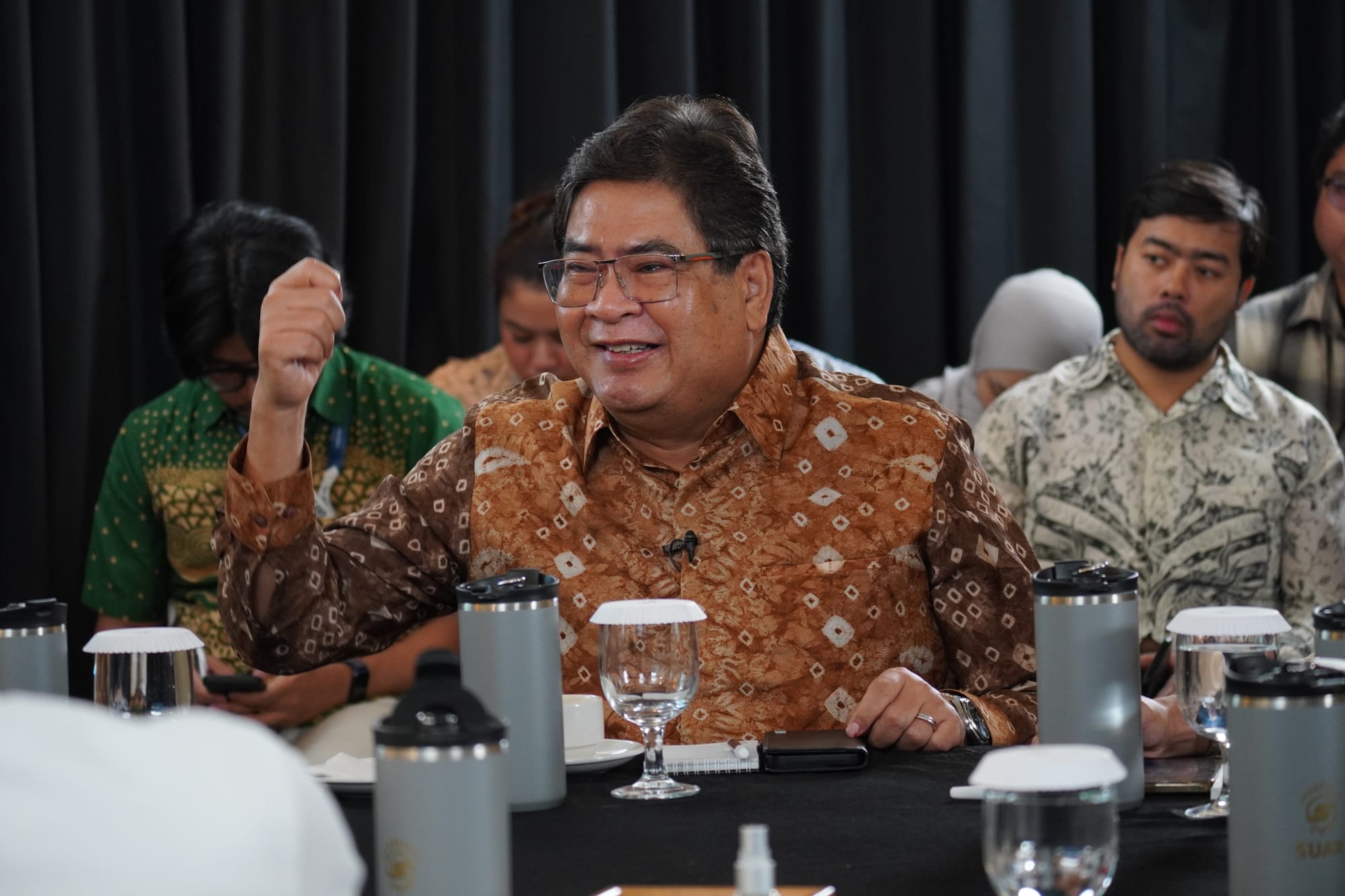
According to Bob, the relationship between domestic labor needs and demand from abroad cannot be separated, because the two are interrelated and influence the direction of employment policy.
He shared his experience with welder training in Surabaya. The program lasts for three months and costs around Rp 60 million. Graduates of the training have been accepted to work abroad, especially in shipyards in Japan, and have similar opportunities in Germany and South Korea.
"The problem is, who will pay for the training that costs Rp 60 million? If the money is there, opportunities are open. The problem is, every year there are 3 million new job seekers," said Bob.
He added that ideally there should be a special training center for migrant workers so that prospective migrant workers can get international standard skills without being burdened by high training costs.
Bob highlighted the fact that many migrant workers leave at their own expense due to the absence of domestic financing. He cited the example of a migrant worker in Japan who was forced to bear high fees and burdensome deductions. Under duress, the worker eventually escaped, but his official documents were withheld - thus changing his status to illegal.
According to Bob, similar cases continue to recur due to weak financing support in the country. He considered that the change in policy from the term "mobilization" to "facilitation" actually made the burden of costs shifted entirely to prospective workers.
As a result, more and more migrant workers have to bear the entire cost of departure, and many end up trapped in illegal status.
 Agung Mahesa Fikri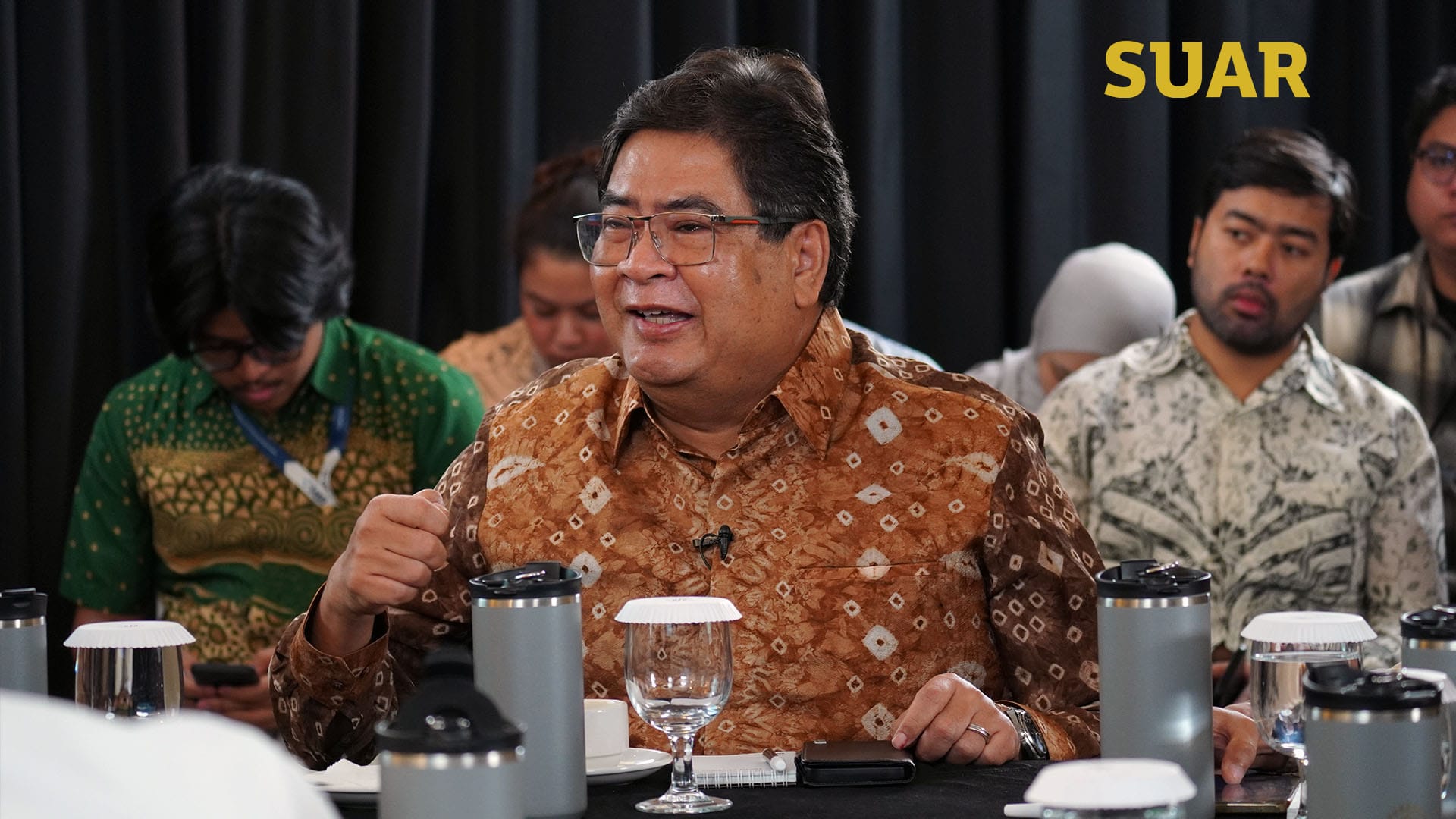
Muhaimin promised to solve this problem. The government, according to him, has launched a special People's Business Credit (KUR) for migrant workers with a maximum interest rate of 6% and a ceiling of up to Rp 100 million without collateral.
However, Muhaimin also opened scholarship options through the LPDP (Education Fund Management Institution) for specialized skills with a clear market. For example, underwater welding is expensive to train but the global demand is huge. "It is better to finance a little but on target, rather than a lot but not absorbed," he said.
Meanwhile, Judha Agung sees the importance of funding cooperation with the private sector to strengthen training, given the limited education budget.
A new paradigm of migrant economy
With the strategic role carried by migrant workers, Member of Parliament Rachmat Gobel believes that it is time for Indonesian migrant workers to be positioned as "new Indonesian agents" abroad. They not only earn a living, but also absorb knowledge, skills, and work ethic to be brought home.
"The workers we send abroad should be Indonesia's new agents. To study there, not just looking for work. There must be a vision of human resource development behind it," said Rachmat.
 Agung Mahesa Fikri
He cited the automotive industry as clear evidence of the success of such a strategy. Toyota Indonesia, said Gobel, sent many people to Japan to study. After returning, they are ready to work and strengthen the domestic automotive industry.
"When they return here, they are ready to work. That is what makes the automotive industry pyramid in Indonesia strong. Unfortunately, this pattern has not been widely utilized by our government," he said.
According to Rahmat Gobel, the fundamental question that the government must answer now is: what is Indonesia's target in sending labor? If it is only to fulfill the demand of foreign markets, then it will be useless.
"Indonesia must have a clear concept. What are our needs, what human resources do we want to prepare? Otherwise, we will only be a supplier of labor without a vision of development," he said.