

Senior Economist at the World Bank, William Hutchins Seitz, warned about the dominance of informal workers in Indonesia, which is expected to reach 59.4% by early 2025. This phenomenon is predicted to be a major obstacle for Indonesia in becoming a developed country.
Informal workers dominate, meaning that workers have low incomes and there is stagnation in formalization, which poses a significant challenge in the Indonesian labor market.
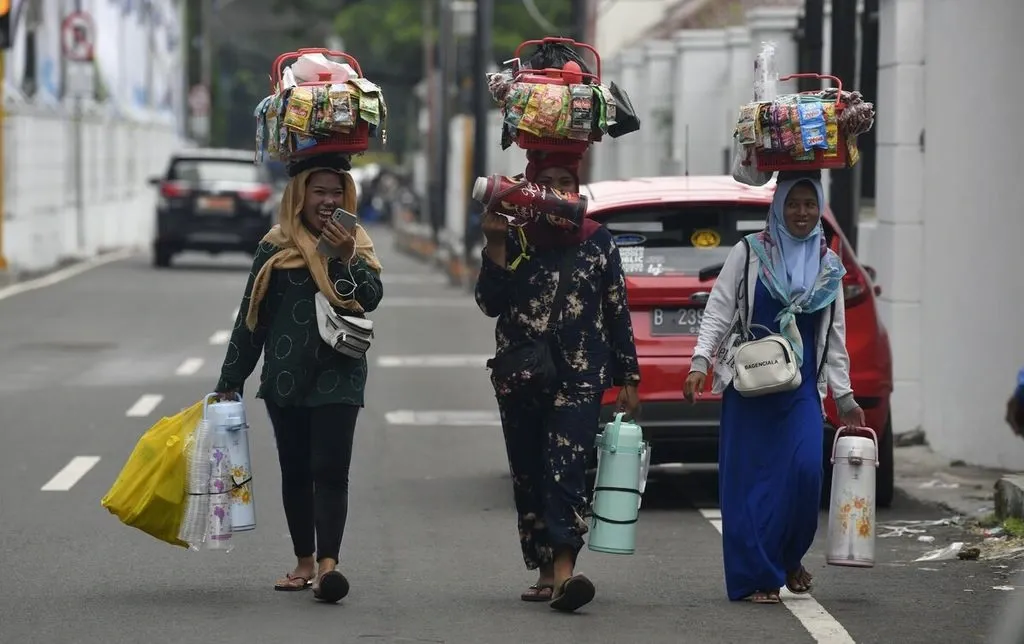
Although this sector employs many workers and provides livelihoods for millions of families, its informal status leaves workers in a very vulnerable position. They often work without contracts, without legal protection, and without access to social security.
In this context, the transformation of informal workers into the formal sector is an urgent agenda, not only to improve individual welfare, but also to strengthen national social and economic resilience.
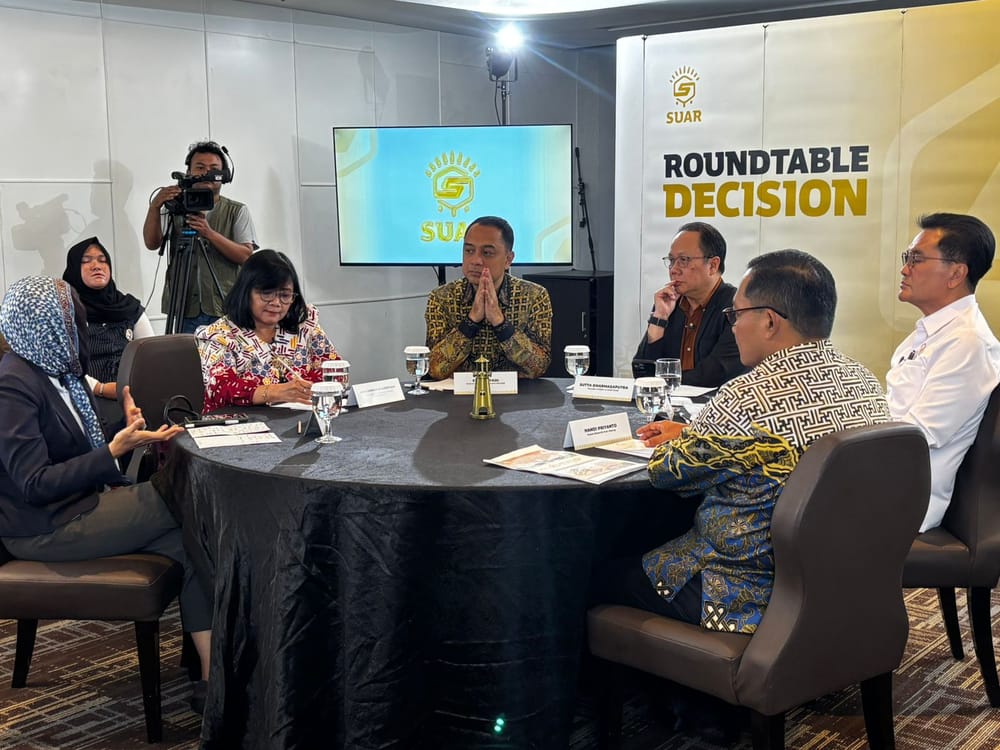
In order to escape the trap of informal employment, Indonesia needs to reform its labor market regulations while expanding social security coverage. This was conveyed by William in a webinar entitled Reading the Dynamics of Informal Workers: Between Choice, Necessity, and Policy Challenges. The event was organized by the Ministry of Manpower's Employment Planning and Development Agency (Kemnaker) in Jakarta on Friday, October 24, 2025.
Stagnation in formal sector contributions
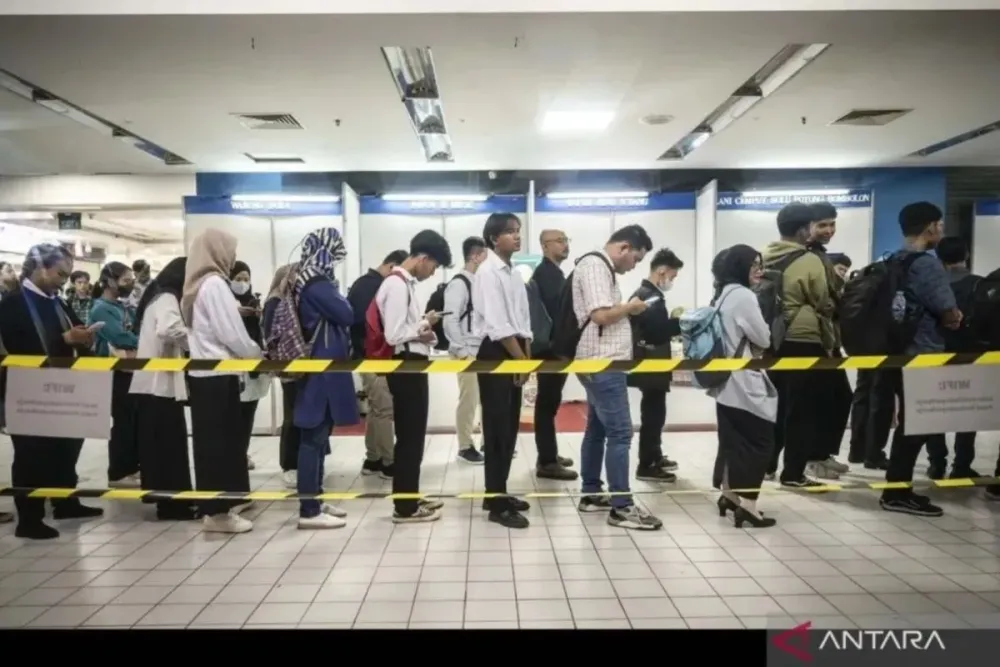
Indonesia's employment structure is still far from ideal. The workforce employed in the informal sector continues to dominate. In fact, there are more jobs in the informal sector. Based on data from the Central Statistics Agency (BPS), job openings from August 2024 to August 2025 will total 1.99 million, with 200,000 formal jobs and 1.66 million informal jobs.
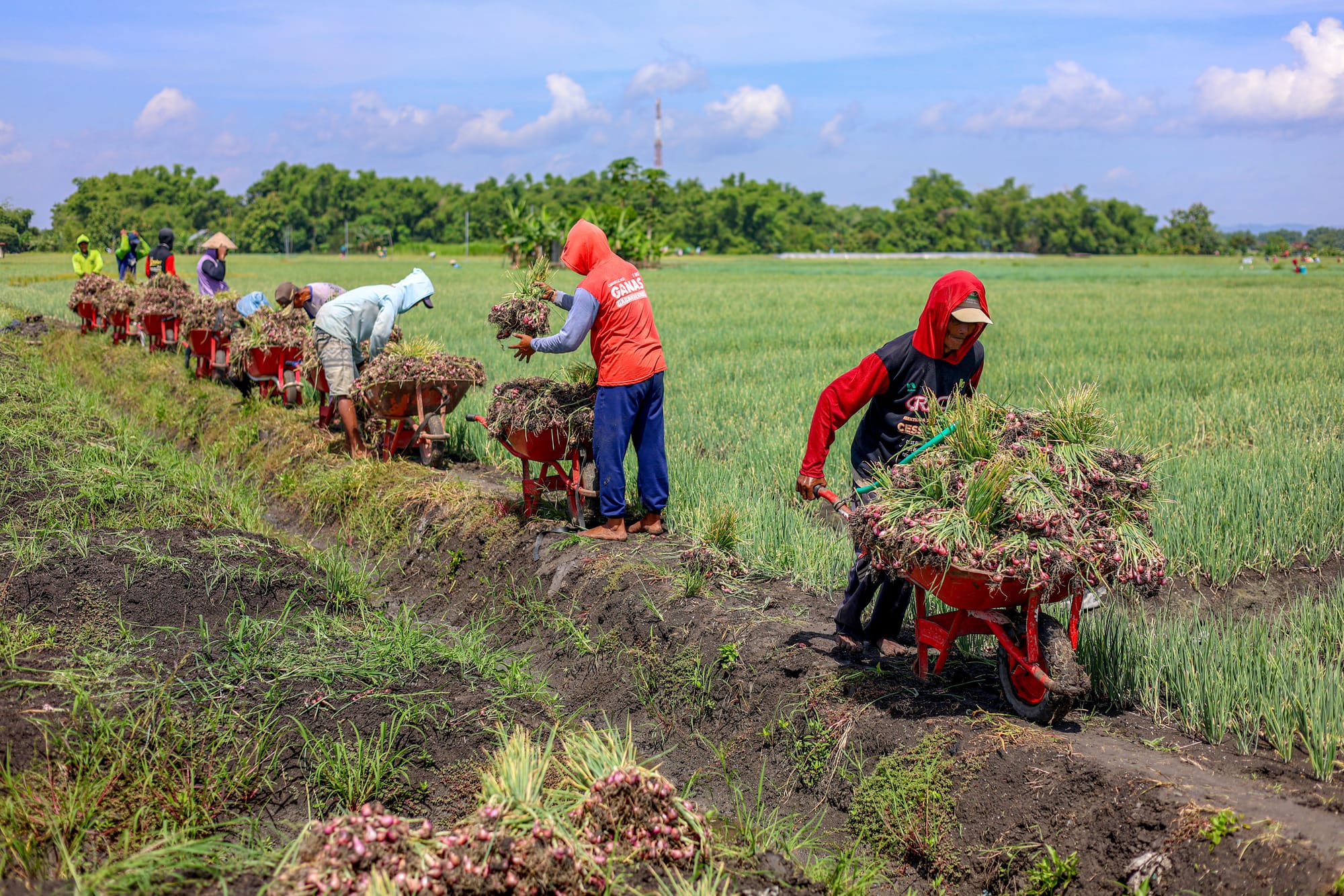
Job creation dominated by the informal sector only increases the number of informal workers who are synonymous with workers with minimal protection, whether in terms of wages, social security, occupational health and safety, or job security.
According to Nawawi Asmat, Head of the Population Research Center at the National Research and Innovation Agency (BRIN), the large number of jobs accommodating informal workers is due to stagnation in the contribution of the formal sector.
Based on employment data from Statistics Indonesia, the proportion of formal workers in the last two years has remained at around 42%, and has not yet returned to pre-pandemic levels. "In 2019, our formal sector reached 44%. But until now, it has not returned to that figure. This means that the majority of workers are still absorbed in the informal sector," he explained.
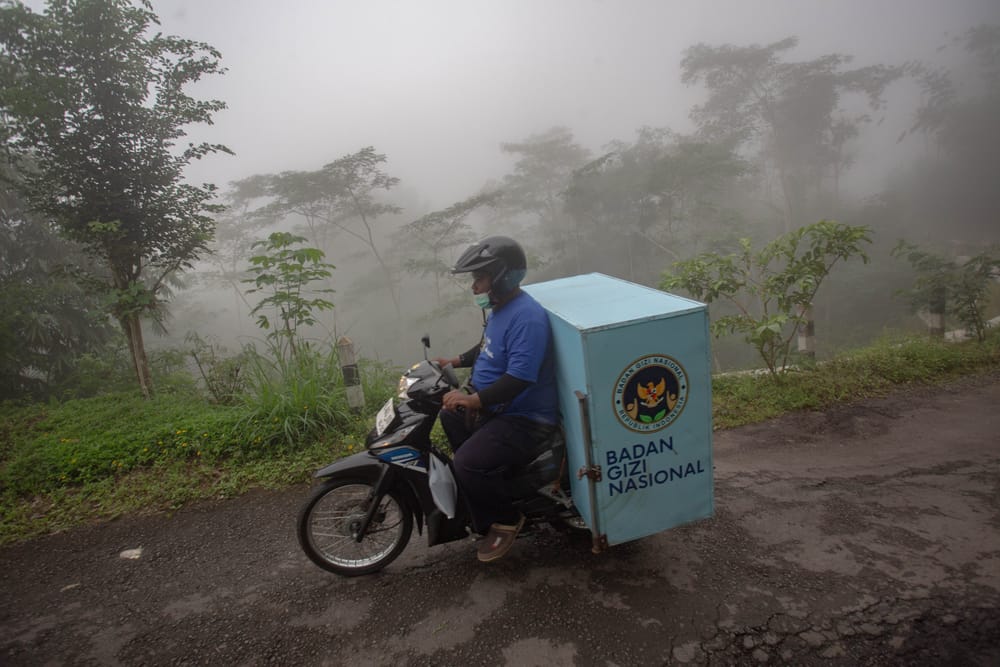
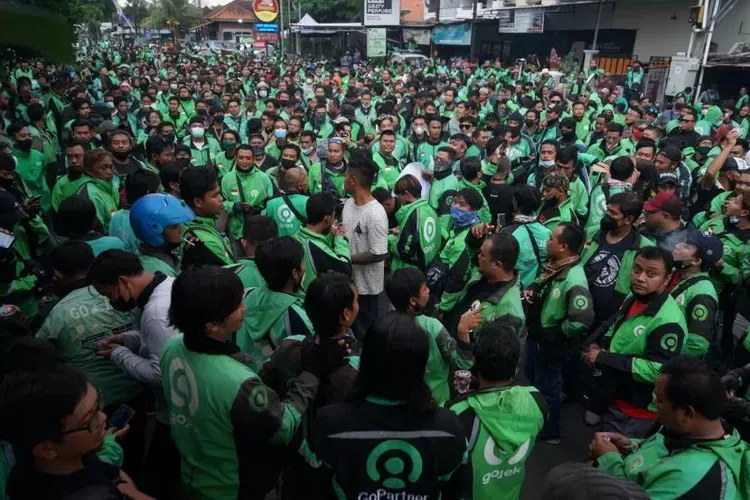
According to Nawawi, the sectors that have absorbed the most labor recently are agriculture and transportation. In the transportation sector, rapid growth has occurred in platform-based jobs such as online motorcycle taxi drivers and online project workers. "These jobs do absorb labor, but they are informal and vulnerable," he explained. "So in terms of quantity, it looks good, but the quality is still weak."
In order to maintain a high-quality economy, more formal job opportunities are needed so that workers can enjoy guaranteed decent wages, social security, occupational health and safety, guaranteed working hours, and job security.
Simultaneous transition strategy
To accelerate the transition of informal sector workers to the formal sector, the government has actually designed three main strategies to be implemented simultaneously. The first is to create formal jobs based on the green economy and industrial digitalization.
The second strategy is to improve workforce competencies through vocational training and industrial apprenticeships. The third strategy is to strengthen job placement services by digitizing the national system through the SIAPKerja platform.
This step was taken so that Indonesia's labor system could be stronger and better prepared to face technological developments and changes in the way we work in the future.
In principle, all of these strategies are in line with International Labor Organization (ILO) Recommendation No. 204, which calls on member states to support the transition from the informal to the formal economy by upholding workers' rights, increasing productivity, and providing inclusive social protection.
Along with this, the government continues to expand the scope of social protection, including for informal workers. Programs such as the Pre-Employment Card and Job Loss Insurance (JKP) are not only temporary solutions, but also strategic tools in building the resilience and economic mobility of the workforce.
From the business perspective, steps to accelerate formalization are also being taken by simplifying business legality procedures. The Online Single Submission (OSS) platform now allows UMKM register their businesses digitally, without having to deal with lengthy bureaucratic processes.
This is an important gateway for micro and small businesses to enter the formal ecosystem and receive legal protection.
According to the Head of Employment Planning and Development at the Ministry of Manpower (Kemnaker RI), Anwar Sanusi, efforts to encourage a transition from a dominance of informal workers to more formal workers have been the biggest challenge in employment over the past year.
Not only because of its large scale, but also because informal workers generally do not have social security, wage certainty, or adequate access to training. "They must be part of the workforce that we give optimal attention to," he said.
The Ministry of Manpower has also tried to pave the way by strengthening the capacity of informal workers and expanding social security for employment. However, its penetration is still limited. Of the approximately 900,000 medium-sized businesses, 4 million small businesses, and more than 12 million micro businesses, Anwar admits that not all of them have been touched by the formal scheme. "There are several channels that have been prepared," he said, "but indeed not all of them."
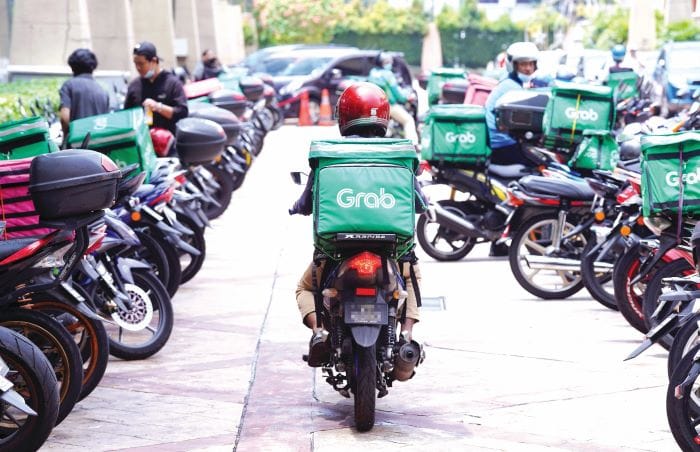
The transition also depends on the reform of new labor regulations, especially in the digital sector. Many gig or digital workers actually work for large companies, but remain in the informal sector because the regulations have not been finalized. "The void is about to be filled, but the contents are not yet complete," he said. Without a legal umbrella, millions of digital workers could potentially remain in a gray area.
According to Anwar, the key to accelerating the transition from informal to formal employment lies in cross-ministerial and inter-agency coordination. With only 43 vocational training centers under the Ministry of Manpower, he encourages the utilization of training centers owned by other ministries, local governments, communities, and companies. "If all networks work optimally, we can build a more decent and competitive work ecosystem," he said.
Therefore, according to Anwar, in order to make these programs successful, the Ministry of Manpower cannot work alone. So far, the employment ecosystem in Indonesia has involved many actors, other ministries, local governments, the business world, and communities. "There are 16 ministries that have training centers. Our job is to orchestrate all of that on one employment stage," he said.
For the informal sector and UMKM, which account for around 57% of the workforce, the government is also working to strengthen training and expand social security through inter-ministerial coordination. "They are workers too. They also need protection," Anwar emphasized.
Collaboration has also been carried out with ASEAN countries by promoting the transition from informal to formal employment. This is the implementation of the regional action plan of the Vientiane Declaration on the transition from informal to formal employment, towards the promotion of decent work in ASEAN.
From this collaboration, there are three main areas of agreement, including strengthening policies, programs, and strategies to promote the transition from informal to formal employment; improving data collection, research, and analysis to support policy and program development; and increasing capacity to support responsive policies, programs, and strategies.
Need skilled workers
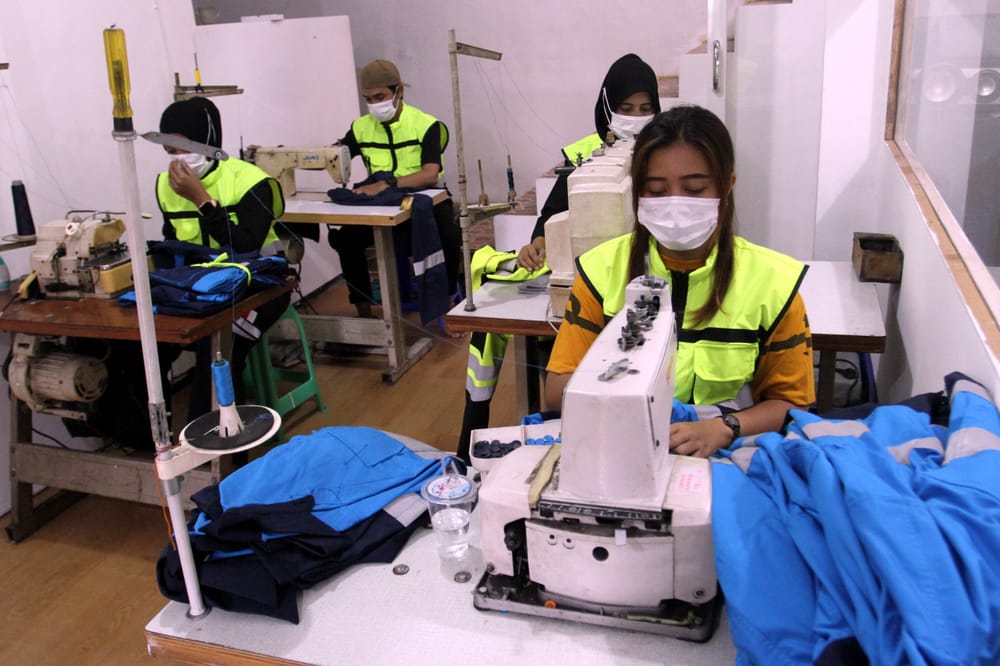
Regarding the transition from informal to formal employment, we can learn from the garment and textile sector. This labor-intensive sector typically recruits high school/vocational school graduates who do not have any special skills. In the process, garment and textile companies or the government then provide training programs to improve their skills for entering the workforce.
This is also done from the business side. They, the prospective workers who do not yet have the skills, will be given training first when they start work, from those who have no skills to those who are accustomed to doing their jobs.
"So the concept in the garment industry is usually to recruit new graduates who are not yet skilled, train them to become skilled, then make them proficient, and multiskilled," said Deputy Chairman of Labor & Human Resource Development of the Indonesian Garment and Textile Association (AGTI) Nurdin Setiawan.
According to Nurdin, currently the government, through the Ministry of Manpower and the Ministry of Industry, has also begunto provide support in the form of vocational education specifically for the garment and textile industries.
Such as the Vocational Training and Productivity Center (BBPVP) under the Ministry of Manpower and the Industrial Training Center under the Ministry of Industry. "The government hasprovided a lot ofsupport to labor-intensive industries to prepare our workforce to be ready for work," he explained.
Preparing for future needs
On the other hand, preparing the workforce for transition to the formal sector in the future also needs to be adjusted to the needs of automation and transition to a green economy. However, according to Nawawi Asmat, Head of the Population Research Center at the National Research and Innovation Agency (BRIN), the readiness of the national workforce is still far behind.
"We are still dominated by a workforce with lower secondary education. However, in the future, digital literacy and even AI literacy will be needed," he said.
He cited theelectric vehicle (EV) sector, which is projected to be a major contributor to jobs in the green economy. Unfortunately, domestic workforce training has not yet addressed this need.
"EV manufacturers such as BYD and Hyundai have finally built their own training centers because they couldn't find qualified technicians," said Nawawi. "Our vocational training centers have not kept up with technological developments."
Another classic problem is the weak connection between the education sector and industry. Nawawi believes that the link and match program is not yet running optimally. "Large campuses may have connections, but most of our universities do not," he said. "As a result, large companies choose to train their own workers." He highlighted that even apprenticeship programs are still not targeting the private sector on a large scale, even though companies should be the main actors.
Nawawi also emphasized that future job creation success depends on serious investment in human resources. "Every year, there are around 3.5 million new workers entering the workforce. If jobs are not created for them, they will become the new unemployed," he said.
According to him, the government needs to balance short-term and long-term strategies: creating labor-intensive jobs to absorb the current workforce, while also developing training and education systems that are relevant to future needs.
"Otherwise, the economy may grow, but it will be foreign workers who reap the benefits," said Nawawi. He also emphasized the importance of equal distribution of job training facilities, especially outside Java.
"Our vocational training centers and training centers are still concentrated in Java and Sumatra. Kalimantan, Sulawesi, Papua, and NTT still have very few. But that is where the future workforce potential lies," he explained.
Mukhlison, Dian Amalia, and Gema Dzikri