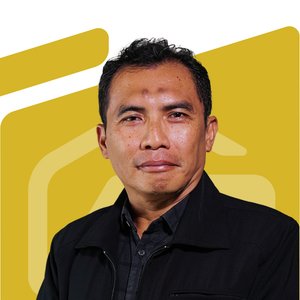

Interview Rizal Edwin Manansang, Acting. Secretary General of the National Council for Special Economic Zones
Special economic zones (SEZs) are one of the important instruments in driving national economic growth and equitable development in various regions. This is proven, during 2024 the performance of a number of SEZs, which on average were activated four-five years ago, showed positive results.
The Coordinating Ministry for Economic Affairs noted that investment realization in SEZs until the end of July 2025 reached IDR 294.4 trillion. This figure was obtained cumulatively, with an additional investment of IDR 40.48 trillion during the first semester of 2025.
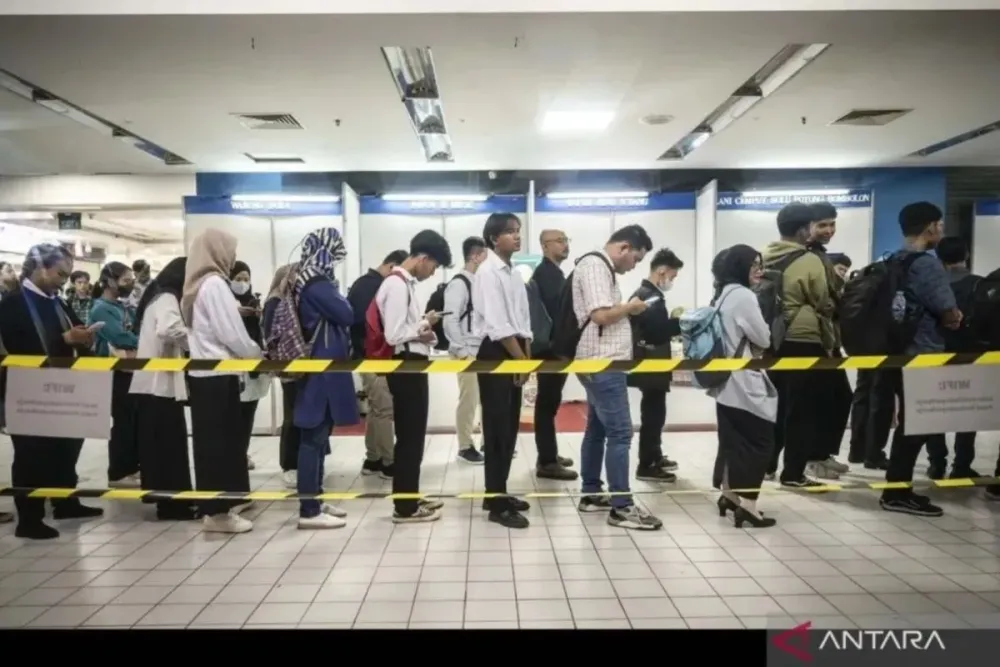
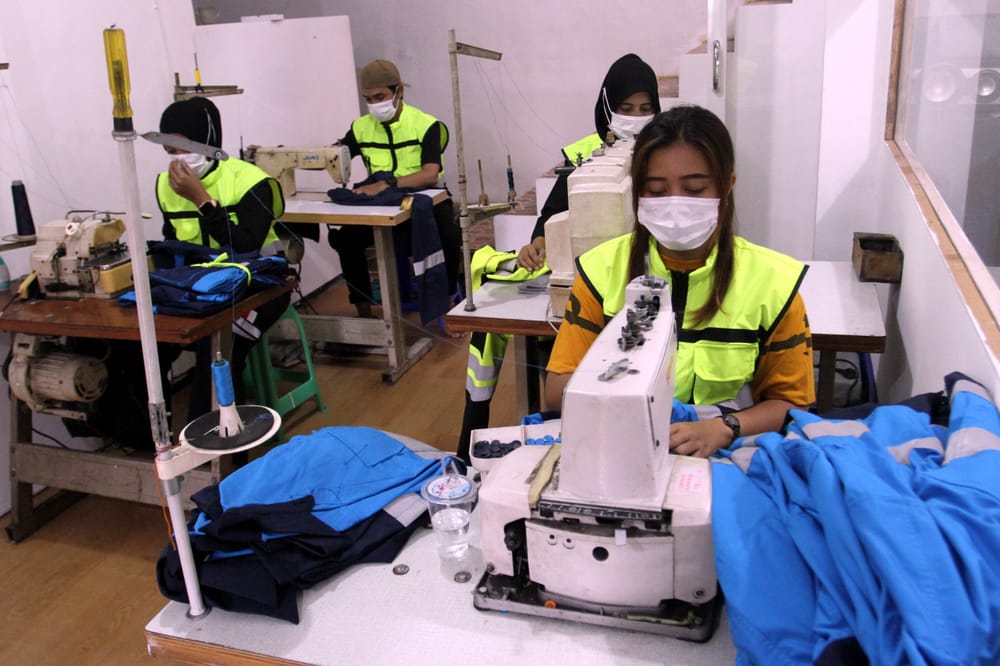
In addition, the SEZ also managed to absorb 28,094 workers or 56.4% of this year's target. Total employment since the SEZ was established has reached 187,376 people involving 442 business actors.
Developing SEZs requires careful planning and consideration. All aspects must be assessed, according to the character and criteria of the location where the special economic zone will be built.
However, the development goals are all the same. "Through SEZs, we hope to create new economic centers that are able to attract investment, create jobs, and increase the competitiveness of the national industry," said Rizal Edwin Manansang, Plt. Secretary General of the National Council for Special Economic Zones.
Edwin has consistently played an active role in formulating SEZ development strategies that are more inclusive and competitive, as well as encouraging collaboration across ministries and agencies. He also focuses on optimizing the utilization of fiscal facilities and encouraging new investment in various SEZs, such as the Tourism SEZ and Arun Lhokseumawe SEZ.
To SUAR (6/10), Edwin explained what challenges are faced in managing SEZs, and what the government's strategy is so that SEZs run effectively and provide positive results for the national economy. The excerpt:
What are the biggest challenges for SEZs in the future so that they really become the motor of regional and national economic growth?
The biggest challenge is the provision of infrastructure and accessibility of the area and the suitability of each activity with the EIA of the area. BUPP as a stakeholder that assists SEZs needs to provide complete regional infrastructure in accordance with the needs of investment in its SEZ.
In addition, it is necessary to organize the area within the SEZ location - the SEZ masterplan determined by the BUPP (SEZ Development and Management Business Entity) - which is integrated with the spatial planning around the SEZ area.
What characteristics are highlighted in developing SEZs in Indonesia?
The SEZ development model in Indonesia encourages initiatives from business entities, mainly private or state-owned enterprises, and is given the freedom to determine the location and sector to be developed.
Incentives or facilities and facilities in SEZs are also the ultimate to strengthen competitiveness, both in terms of fiscal and non-fiscal.
What are the benefits that investors can get when investing in SEZs?
There are fiscal incentives, including a tax holiday of up to 20 years or a tax allowance, no tax collection or suspension, no PDRI (import tax) and excise tax, as well as a reduction in local taxes and/or local retributions.
Related to non-fiscal incentives, among others, one-stop service by SEZ administrators, environmental approval of business actors by business entities, does not require PBG (building approval) as long as the business entity has estate regulation,
What about foreign workers who are usually embedded with investments brought in by overseas investors?
There is special treatment for foreign workers, such as: visa on arrival (VoA) can be extended 5 times, right of use (land) up to 80 years, restrictions on goods have not been imposed, and so on.
With this model, the SEZs have attracted major domestic and foreign investors, such as Unilever in Sei Mangkei SEZ and Freeport in Gresik SEZ.
What are the government's strategies to make our SEZs stand out from other countries?
When compared to similar regions in other countries, the government's strategy focuses not only on the amount of incentives, but also on strengthening the overall industrial ecosystem. In particular, developing agglomerations of downstream industries oriented towards processing natural resources in Indonesia.
The government is also strengthening collaboration with the private sector and conducting global branding and promotion so that Indonesian SEZs are recognized as attractive and competitive investment destinations.
How to ensure that the benefits of UMKM are not only felt by large investors, but also provide space for local UMKM , local labor, and vocational education around the area?
The strategy is to make SEZs an inclusive economic ecosystem. First, through the involvement of local UMKM such as the increased demand for boarding houses, food stalls, transportation services, to retail shops and other small services around the area. All of these grow the local economy in real terms.
Second, the government encourages the use of local labor through cooperation between SEZ managers, employment agencies, and training institutions, so that industry needs can be filled by human resources from the surrounding area.
Third, a link and match with vocational education should be made, so that the curriculum and training provided are in line with the needs of the industry in the SEZ.
Has that approach been taken, and have there been any significant results?
With this approach, SEZs are not only a major investment center, but also a regional economic driver, opening up new business opportunities, improving the welfare of the surrounding community, and building sustainable local economic independence. Meanwhile, with the development and management of SEZs, accumulatively until the first semester of 2025, SEZs managed to absorb 187,376 workers.