

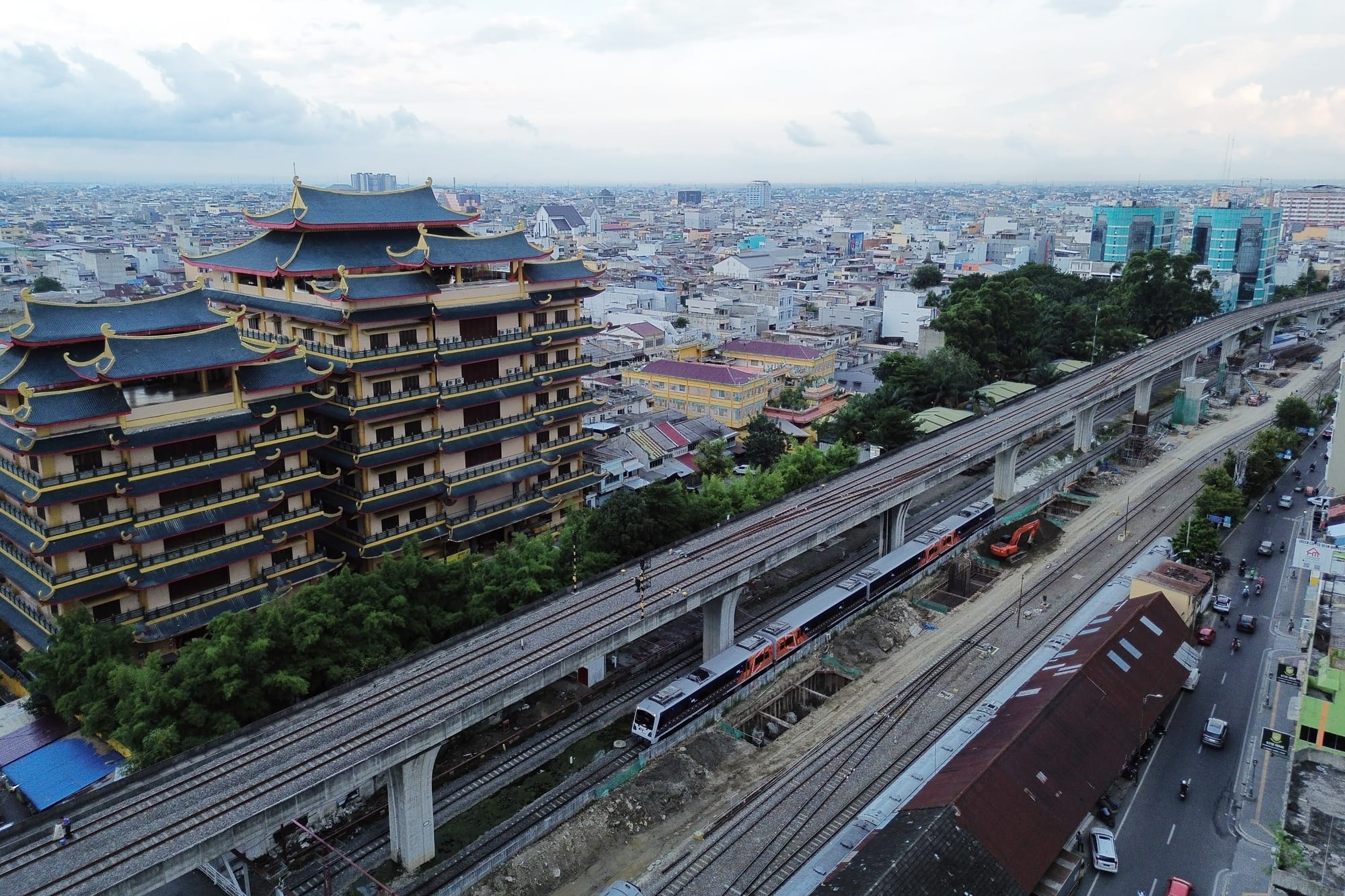
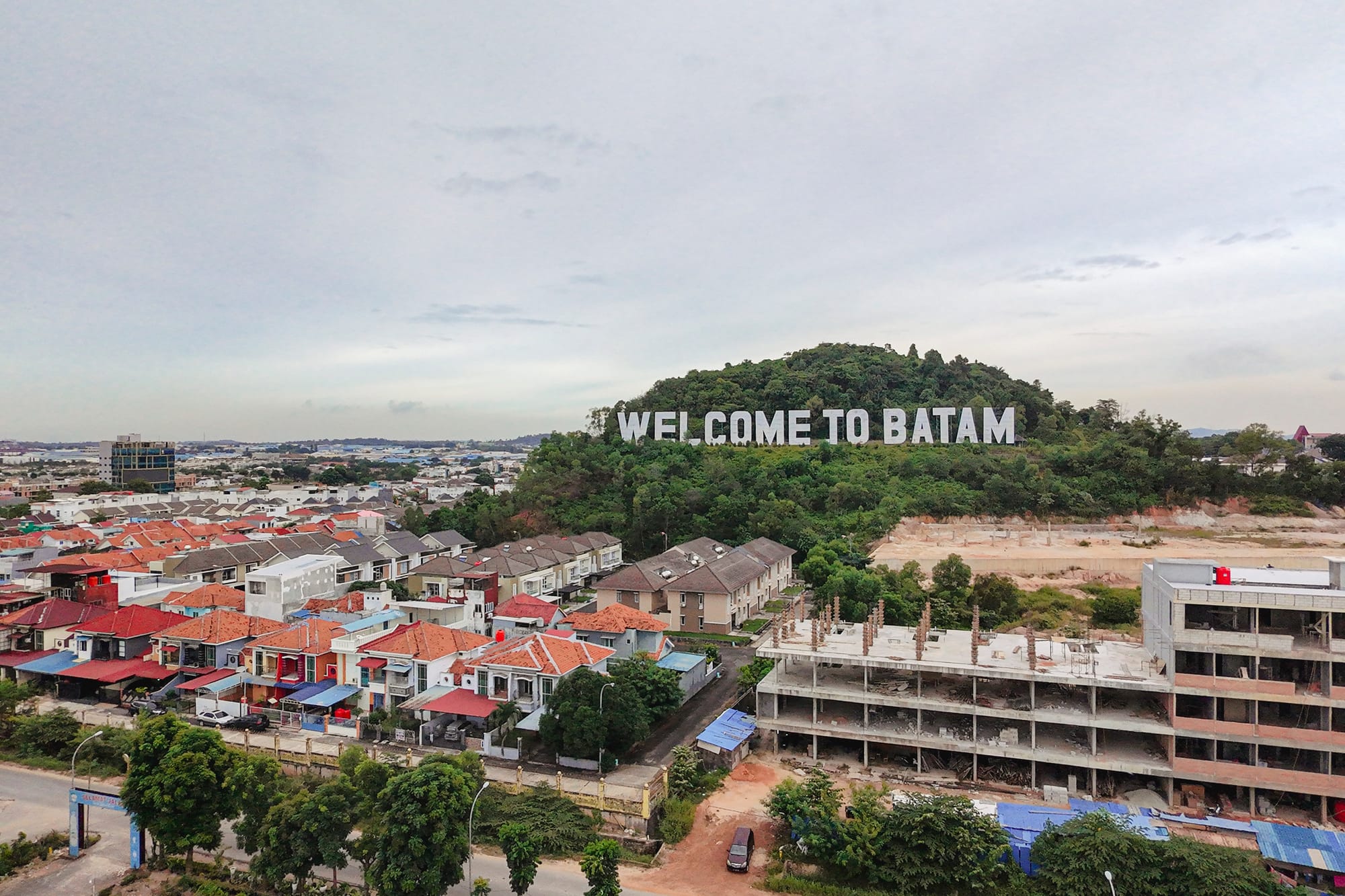
The year 2025 will be the turning point of Batam City from an industrial city, to a global investment magnet. At least that is the goal of the Batam Concession Agency (BP), which is targeted to be achieved by 2029.
Head of BP Batam, Amsakar Achmad, believes that this year will be the start of Batam's revival. "Batam's strategic position, combined with competitive fiscal incentives and a mature industrial ecosystem, makes the city an ideal gateway to international markets," he said.
According to Amsakar, the international attention and strong support from the Central Government should be utilized as best as possible. "We are turning potential into real economic performance. The world is starting to pay attention to Batam, and this is a golden momentum that should not be wasted," he said.
With a big medium-term vision, BP Batam set an ambitious target: annual investment realization to increase from Rp46.3 trillion in 2025 to Rp78.5 trillion in 2029.
For BP Batam, this target is not just a number. It reflects Batam's transformation into a world-class economic center with global competitiveness. "This target is our commitment to unlock Batam's full potential - supported by world-class infrastructure, efficient regulations, and direct access to international markets," said Fary Djemy Francis, Deputy of BP Batam.
To achieve the 2029 vision, BP Batam has prepared three main investment focuses that will become the backbone of the regional economy. These are logistics hubs and global trade, technology-based and high value-added industries, as well as new economic zones and modern service industries.
And Batam's investment performance has so far shown encouraging results. Based on the Investment Activity Report (LKPM), investment realization in the first semester of 2025 reached Rp18.18 trillion, or 49.15 percent of the national target of Rp36.99 trillion.
However, using BP Batam's calculation method that includes foreign and domestic investment in fixed capital and current capital, the total realization reached Rp33.72 trillion, or 56.2 percent of the Rp60 trillion target.
The growth was impressive: up 64.94 percent compared to the same period last year. Of the total, domestic investment (PMDN) accounted for Rp3.88 trillion, or around 40.6 percent, with a jump of 44 percent on a quarterly basis and 105 percent on an annual basis. "What we measure is real investment, machinery, buildings, distribution margins, installation services, and other capital components that actually enter Batam," Fary explained.
The biggest contributor to Batam's investment growth came from the maritime industry. According to data from the Institute for Economic and Social Research (LPEM) of the University of Indonesia, investment realization in Batam City in the first semester of 2025 reached Rp38.15 trillion, or 84 percent of the annual target of Rp46.3 trillion.
"Batam also accounts for more than 60 percent of the national shipyard production capacity with 135 active shipyards , making it a major contributor to the export of maritime components and services to Asia and the Middle East," said Ariastuty Sirait, Deputy for General Services of BP Batam.
This sector not only supports exports, but also creates local industry supply chains and sustainable employment.
Batam's drive to capture as much investment as possible is also in line with the central government's commitment to boost investment performance so that it can contribute to boosting economic growth.
Local government implements Center support
And during this one year of President Prabowo Subianto's administration, national investment performance rose sharply. The Ministry of Investment and Downstream Investment Coordinating Board (BKPM) stated that Indonesia's investment realization in the third quarter of this year reached IDR 491.4 trillion, up 13.9 percent compared to the same period last year. The Ministry of Investment/BKPM noted that this figure was higher than the second quarter which amounted to IDR 477.7 trillion.
West Java Province ranked as the province that recorded the most investment realization in the foreign investment (PMA) and domestic investment (PMDN) sectors in the third quarter of 2025, with IDR 77.1 trillion or 15.7% of the total national investment.
Other provinces in the top five locations of investment realization in the third quarter of 2025 are DKI Jakarta Rp 63.3 trillion (12.9 percent), Central Sulawesi Rp 33.4 trillion (6.8 percent), Banten Rp 30.8 trillion (6.3 percent), and East Java Rp 30.4 trillion (6.2 percent),
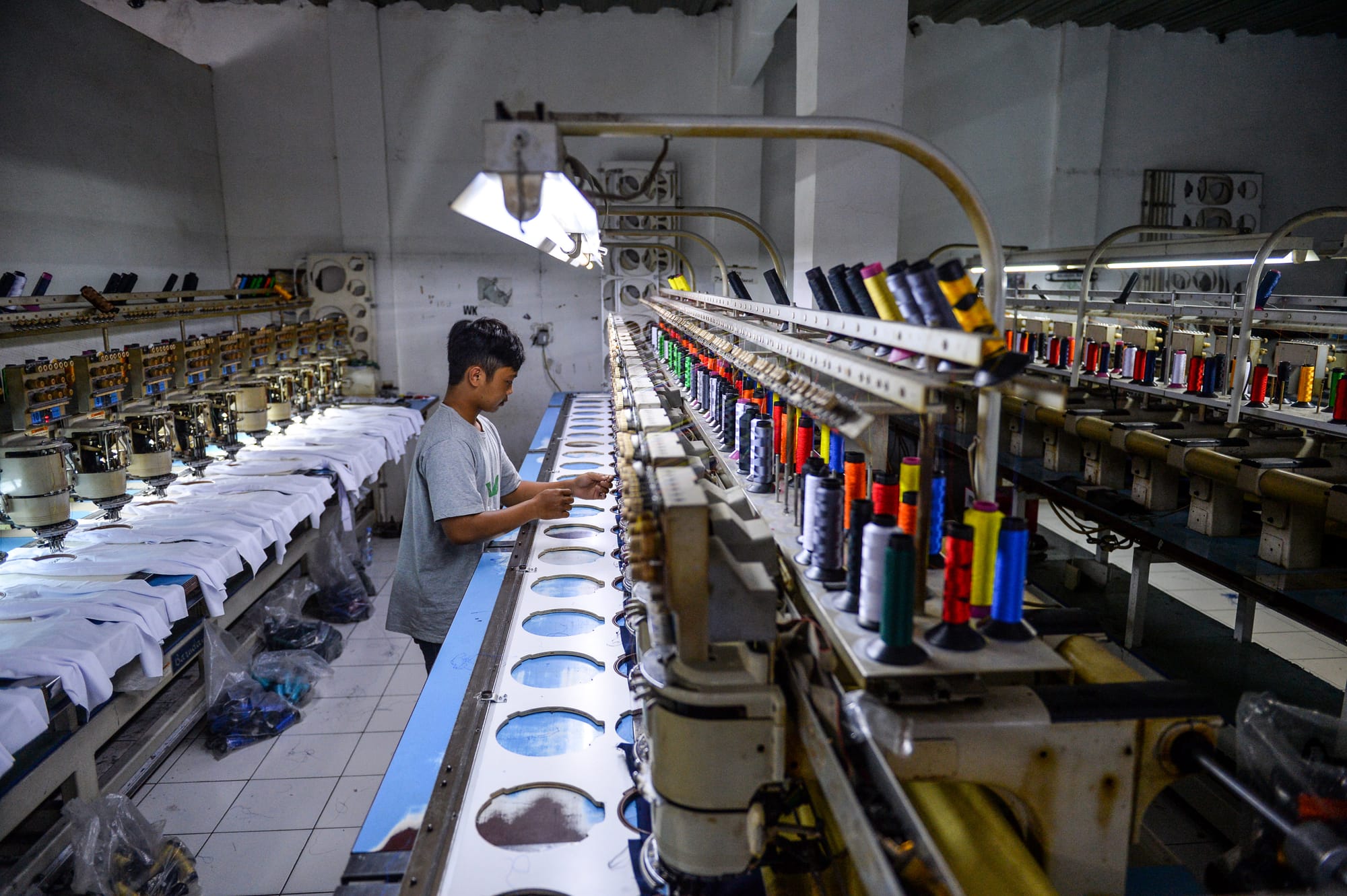
For West Java, investment realization in the third quarter of 2025 showed an increase of 36.34 percent compared to the same period in 2024 which amounted to Rp56.57 trillion. Head of the Investment and One-Stop Integrated Service Office (DPMPTSP) of West Java Province, Dedi Taufik, said that this achievement shows that the attractiveness of West Java as an investment destination is still very strong, both for domestic investors (PMDN) and foreign investors (PMA).
"Investor confidence in West Java is still high. A conducive business climate, infrastructure support, and accelerated licensing services continue to be the main factors that maintain this positive momentum," said Dedi Taufik.
Of the total investment value in the third quarter of 2025, PMDN contributed around IDR 41.8 trillion, while PMA was recorded at USD 2.2 billion or equivalent to IDR 35.3 trillion. PMDN showed much higher growth than FDI. The value of PMDN investment rose sharply by 74.33 percent, from Rp23.97 trillion in the third quarter of 2024 to Rp41.78 trillion in the same period of 2025.
The value of FDI investment in the third quarter of 2025 reached US$2.21 billion or equivalent to IDR35.35 trillion, an increase of 8.42% compared to the year 2024 of IDR32.60 trillion. Foreign investment in West Java mainly comes from Japan, Singapore, and Hong Kong, with a focus on the manufacturing, information and communication, trade and real estate sectors.
Meanwhile, the East Java Provincial Government, through the idea of Gerbang Baru Nusantara, seeks to build economic independence by strengthening industrial downstreaming and inter-regional connectivity. According to Dr. Mhd. Aftabuddin, Plt. Assistant for Economic and Development of the Regional Secretary of East Java Province, connectivity is the key so that growth supported by the influx of investment, not only has an impact on Java Island, but also evenly distributed to other regions in Indonesia.
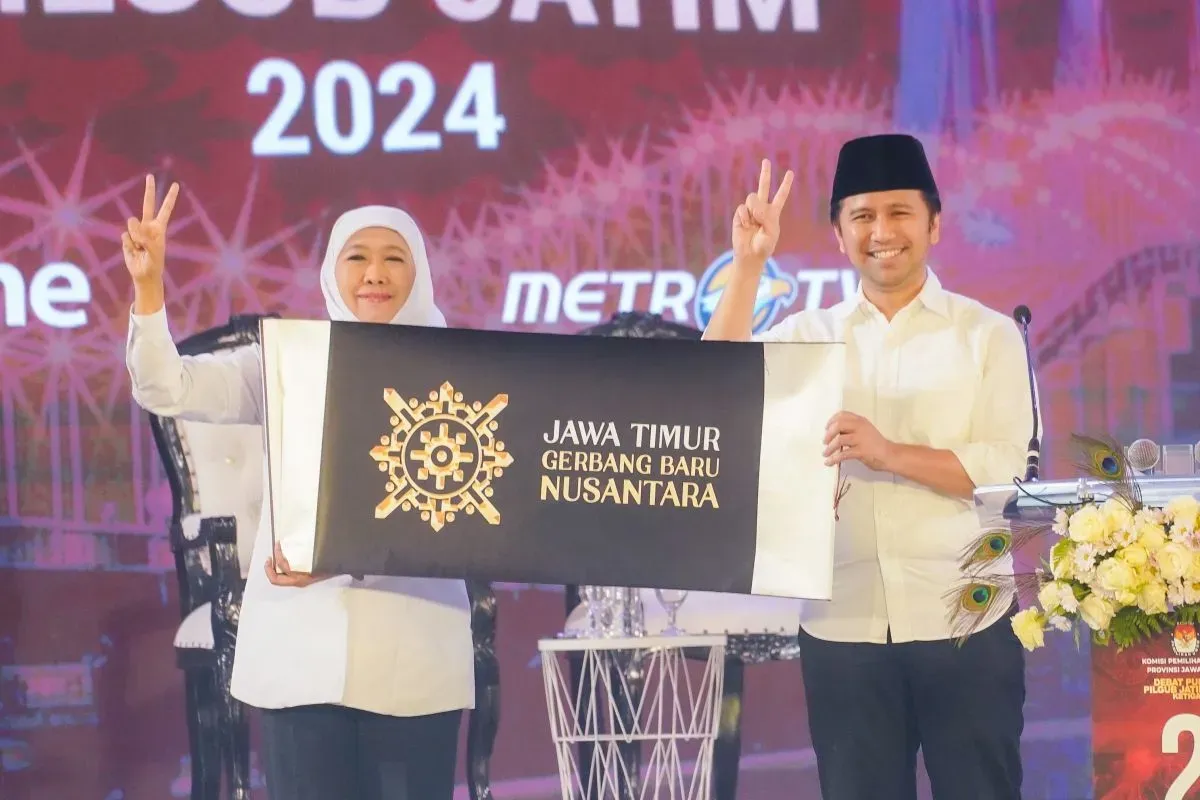
One of the real steps is through inter-provincial trade missions, a tradition routinely carried out by the Governor and the East Java Provincial Government up to 15 times per year. This trade mission is not just a ceremony, but a forum for meeting needs between regions: from raw materials to processed products.
"We found a lot of potential that has been missed because there is no connectivity between regions," he said. Each trade mission recorded an average transaction of more than Rp1.5 trillion, clear evidence that cross-provincial cooperation can drive the national economy.
The economic growth of East Java province is currently still perched at 5.23 percent, slightly higher than the national average of 5.12 percent. "This growth cannot be separated from the strength of the industrial, trade, and agricultural sectors," he said.
Behind it all, UMKM are the main motor that keeps the economic wheels turning. The provincial government, he said, continues to encourage UMKM to upgrade-not just survive, but also grow and become an important part of the industrial supply chain.
Dr. Mhd. Aftabuddin also mentioned that changes in national fiscal policies such as the implementation of Law No. 1 of 2022 on Financial Relations between the Central Government and Regional Governments and the reduction of Transfers to Regions (TKD) made East Java lose around Rp7 trillion from its fiscal revenue. "At first we were surprised, but now we see it as a whip," he said.
This policy from the central government can actually be a momentum for regions to be more independent, creative, and innovate to find new sources of income. He emphasized the importance of collaboration between regions, especially in Java, which is the national economic barometer.
"If Java is sluggish, other regions will also feel the impact. Therefore, our spirit is how to keep moving, connect with each other, and build the economy together," he said.
Innovation to attract investment
The Head of DPMPTSP of Central Java Province, Ir. Sakina Rosellasari, emphasized that her party has continued to make various efforts to improve its investment performance, one of which is by holding Investment Challenges 2025 which produced 17 abstracts of investment proposals from districts / cities, focusing on renewable energy and downstream food.
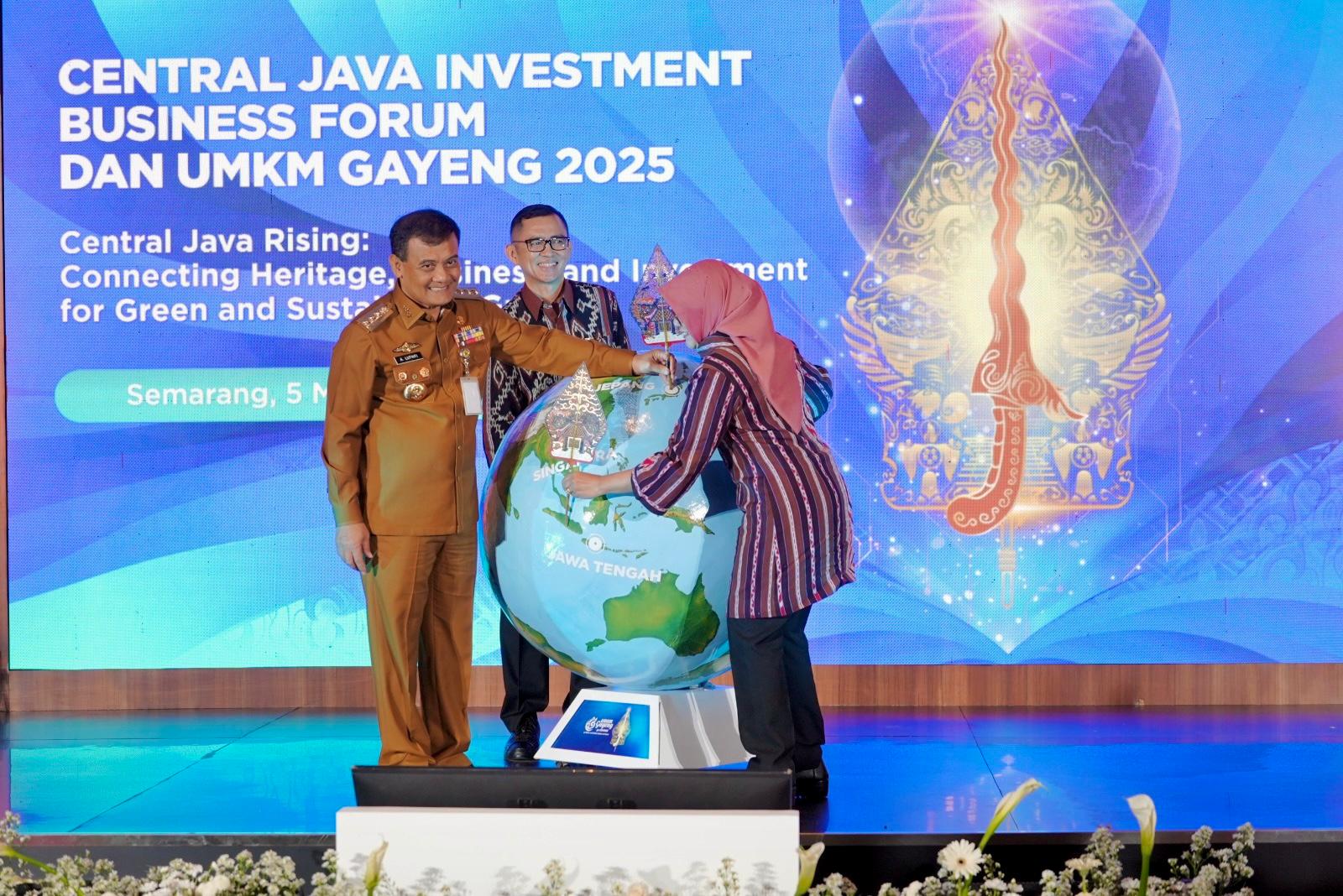
These strategic efforts have shown maximum results with the record of investment performance in Central Java Province up to the third quarter of 2025 reaching Rp66.13 trillion, or 84.42% of the target of Rp78.33 trillion, with employment of 326,426 people. And the total PMA, contributed IDR29.27 trillion, or 44.46%. While PMDN amounted to IDR36.85 trillion or 55.72%.
A number of investment support infrastructures have also been built and prepared in Central Java to facilitate investment from within the country and abroad.
According to Sakina, this achievement shows that Central Java is the top priority investment destination in Java. "This advantage is supported by the availability of adequate infrastructure such as toll roads, ports, airports, railroad networks, electricity and gas supplies, raw water sources, and internet networks that have reached all districts/cities in Central Java," he explained.
Central Java Governor Ahmad Luthfi emphasized that the strength of the region in carrying out development from the APBN & APBD is only 11.90%, and the rest is sourced from investment.
"Building Central Java requires collaborative work, which must have the same vision and mission in order to integrate government programs, so we describe it as a collaboration of district / city to village programs," said Luthfi when speaking at the Central Java Investment Business Forum, Tuesday, November 4, 2025.
He also guarantees legal certainty for investors who come, and secondly, guarantees order. He emphasized that the people of Central Java who get along well, and have a strong principle of gotong royong make Central Java an area whose stability is maintained. "I guarantee that investment in our place will no longer have thugs, no more mafia, if there is one, leave it to us," he said.
He also mentioned that the processing of investment and business licenses in the region is currently also through a one gate system, especially in industrial areas, so that it is easy and not complicated. Luthfi also invited all district/city leaders in Central Java to propose industrial areas in their respective regions. From there, he will also help find investors.
Luthfi also shared his views on building and making Central Java a national green economy pilot project. One of the efforts made, is to start familiarizing and using renewable energy in a number of government offices, and utilizing the potential of renewable energy in Central Java.
"The first thing is that we must start to familiarize ourselves with renewable energy, the green economy, it is inseparable. Our governor's office already uses solar panels, and the largest solar panel production in Asia is two, one in the Batang Integrated Industrial Zone, and one in Wijaya Kusuma," said Luthfi.
Minister of Investment and Downstream/Head of the Investment Coordinating Board (BKPM) Rosan Roeslani added, when compared per quarter, the investment achievement in the third quarter of 2025 was observed to be high compared to the first and second quarters of 2025. The previous two quarters only recorded investment realization of IDR 465.2 trillion and IDR 477.7 trillion, respectively. Meanwhile, the achievements from January to September were recorded with a total of IDR 1,434.3 trillion.
Impactful investment in the region
Slowly but surely, investment achievements in each region also show equity. Investment realization outside Java reached Rp265.8 trillion or 54.1%, surpassing Java at Rp225.6 trillion (45.9%).
Even so, according to the Deputy for Investment Promotion of the Ministry of Investment and Downstream / Investment Coordinating Board (BKPM) Nurul Ichwan, the equity achieved should not only be a matter of investment numbers, but also strengthening the capacity of the local economy.
"We always encourage investments that enter the regions to prioritize local labor, improve human resource capabilities, and open opportunities for local UMKM ," he said.
Because if investment only stops at physical development or projects, while the surrounding community does not grow, it is not a sustainable investment. According to Nurul, each region has different characteristics. In regions rich in natural resources, it is natural for the industry to grow from there first. When the mining, plantation, or agricultural sectors enter, there will automatically be a need for labor and processing of the results.
It is from there that the economic ecosystem begins to form, from the primary industry, then developing to the processing industry, and finally to the service sector. "But the important thing is, do not rush to change the direction of development just because you want to upgrade. According to Nurul, economic development is not only aboutspending, but also about how to generaterevenue from the advantages of the region," he said.
In this case, the region must first recognize its advantages. There are two things about this advantage, namely comparative advantage and competitive advantage. Comparative advantages, such as natural resource wealth, something that not all regions or countries have.
In order to accelerate growth, the use of natural resources must be adapted to the character of the region and increase its added value through downstreaming. "From there the economic roots will grow," Nurul explained. Where development needs to be directed to support infrastructure, it also needs a strong and friendly regulatory basis.
Meanwhile, human resources are developed so that they can move to competitive advantages, such as technology and service industries. "So, building an economy is gradual, according to its roots and local wisdom. It cannot be forced," he explained.
In addition, a big challenge in inviting investment to the regions is mentality. "Sometimes, it's not because we don't have the potential, but because we don't have an investment-friendly mentality," said Nurul. Ideally, regional officials have the spirit to advance their regions by creating a cheap and fast investment climate. But in the field, there are still many slow and complicated licenses.
As a result, investors move to other countries. "Investment creates jobs, feeds families, and drives the local economy. If that is made difficult, we are actually betraying our own people," said Nurul.
Mukhlison, Gema Dzikri, Dian Amalia, Romus Panca (Batam)