
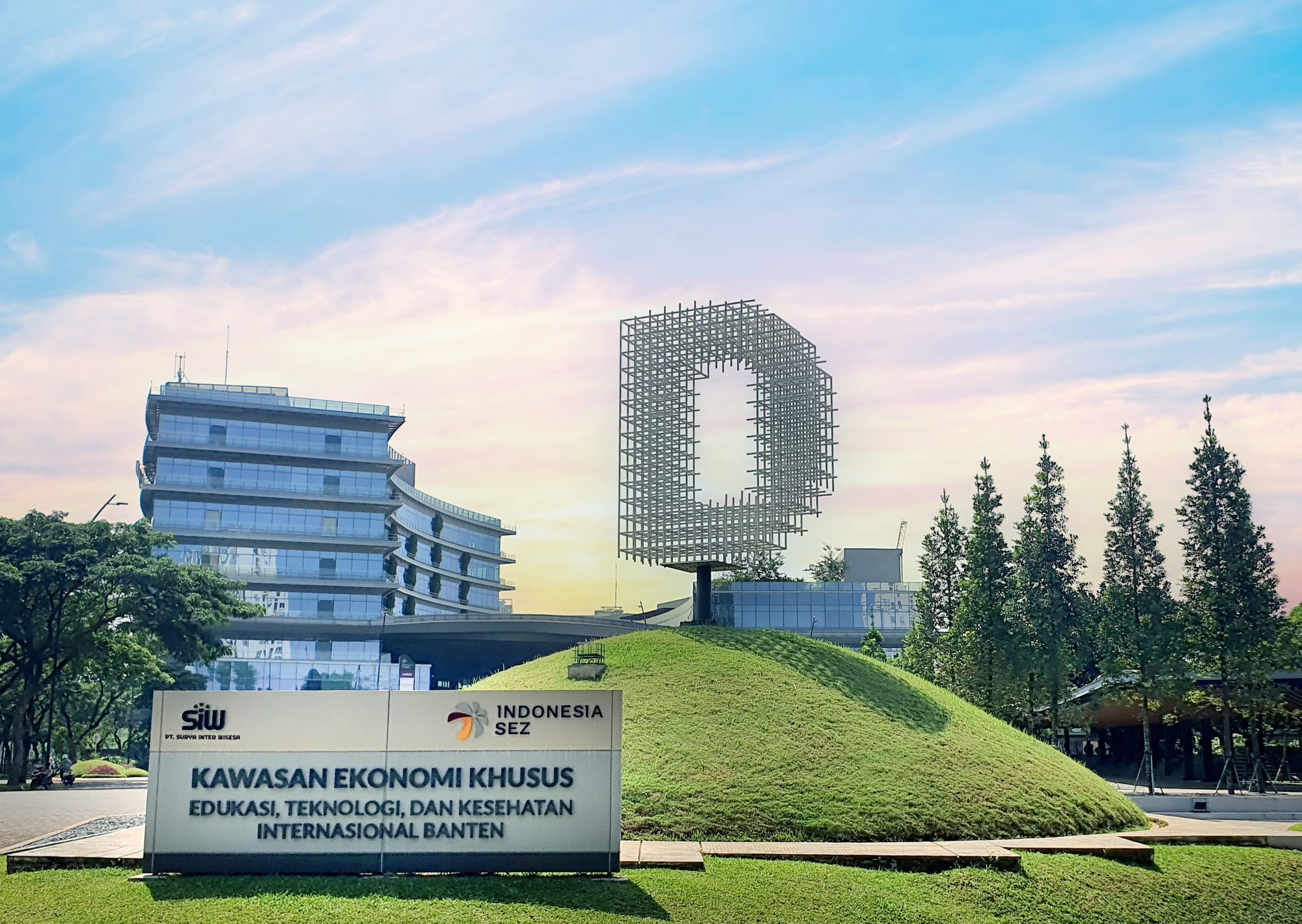
Graduate studies at a renowned foreign university, while remaining in Indonesia and integrated with various facilities that support modern life, can only be found in the Banten International Education, Technology, and Health Special Economic Zone (KEK ETKI), also known as D-HUB SEZ in the BSD City area, Tangerang Regency, Banten Province.
Yes, Monash University, ranked 36th in the QS World University Rankings 2026, already operates in this area. Monash University Indonesia offers four postgraduate programs consisting of Data Science, Public Policy and Management, Urban Design, and Business Innovation.
In addition to Monash University Indonesia, D-HUB SEZ is also home to Bina Nusantara University (Binus), which collaborates with foreign educational institutions and has opened a campus in D-HUB SEZ under the name BINUS University.
The education sector is one of several investment focuses that D-HUB SEZ is trying to manage. This sector is tailored to Indonesia's greatest opportunity, namely:
- Education: universities, vocational schools, research centers, medical schools.
- Technology & digital: startup ecosystem, R&D labs, deep tech, digital nomads.
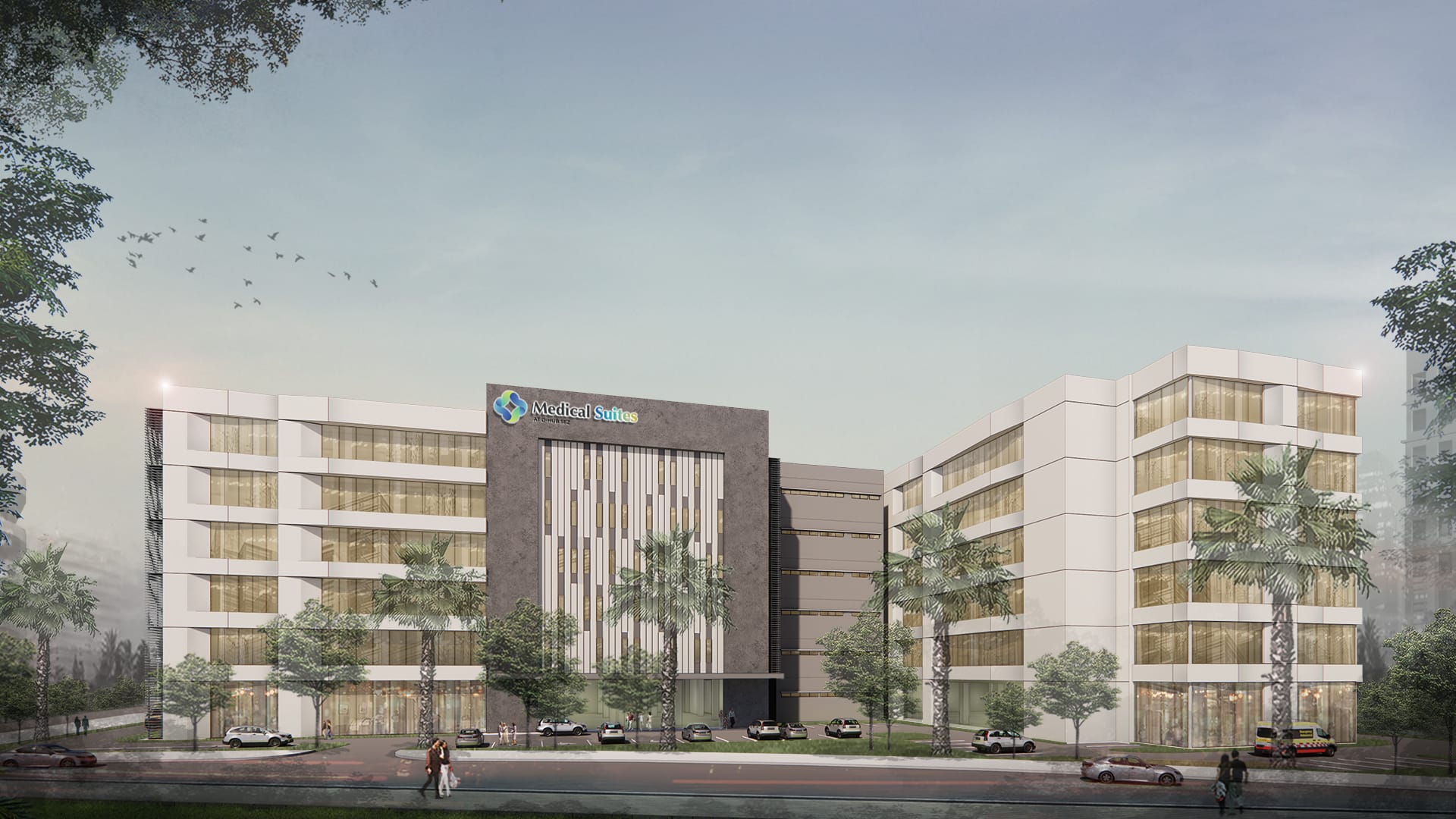
- Healthcare: international hospitals, specialty clinics, rehabilitation centers, CRO/CDMO.
- Creative economy: animation studios, production houses, digital arts, fashion tech.
In other words, D-HUB SEZ is designed to be a world-class center for innovation and modern services, a new city that is truly future-oriented.
D-HUB SEZ considers the education sector as one of the sectors offered to investors, because in the last ten years, the number of Indonesian students studying abroad has continued to increase, reaching 62,828 in 2022. Indonesia has even become the second largest country in ASEAN for outbound students.
This trend sends a simple message: Indonesian families, especially the middle class, want a global-quality education, but the supply is still limited.
This opens up vast opportunities for international campuses, vocational schools, research institutes, and training institutions to establish a physical presence in Indonesia. With a complete ecosystem, Indonesia has the potential to become a higher education hub in Southeast Asia.
In the health sector, it is estimated that every year, more than 2 million Indonesians travel abroad to obtain medical services. Many of them do not leave because Indonesia is unable to provide adequate services, but because their perceptions and expectations of the quality of health services are increasingly high.
Data shows that 42% of Indonesian patients seeking treatment abroad choose Malaysia as their primary destination, while 32% choose Singapore. The remainder are spread across Thailand, South Korea, and the United States.
The amount of money spent on overseas medical treatment alone is estimated to reach US$ 11.5 billion annually. This potential shows that the demand already exists, but has not yet been absorbed by world-class health facilities in the country.
In the next few years, according to Lindawaty Chandra, Head of the Banten ETKI Special Economic Zone Development and Management Agency (BUPP), D-HUB SEZ will focus on developing an international-standard healthcare industry. A number of efforts are being made to attract global investment to Indonesia. One of the issues being addressed is the fact that many Indonesians still prefer to seek medical treatment abroad.
In the coming years, D-HUB SEZ will focus on developing an international-standard healthcare industry.
One of the efforts is to invite leading international hospitals to build health facilities in the D-HUB SEZ area, which will ultimately also have an impact on improving Indonesia's human resources.
"For the next three years, we will continue to focus on health first. We are currently in intensive discussions with several anchor hospitals. Hopefully, next year, some anchor hospitals will join us. We are currently in discussions with Korea and Japan. The presence of these hospitals will certainly increase our competitiveness, in addition to creating job opportunities," explained Lindawaty.
In addition to health and education, two other sectors are growing rapidly: the digital economy and the creative economy. Indonesia's digital economy is currently the largest in ASEAN, contributing 40% of the regional digital economy's value. By 2030, its value is predicted to surge to between US$220 billion and US$360 billion, three to five times its 2022 value. This growth shows that Indonesia is not only a digital market, but also a regional center of innovation.
Meanwhile, the creative economy is being prepared as a pillar towards "Golden Indonesia 2045" with ambitious targets, namely contributing up to 8.37% to GDP, employing 27.6 million creative workers, and triggering stable export and investment growth.
These sectors—health, education, and digital-creative—all require space, ecosystems, and policies that enable innovation to flourish. And the Banten SEZ plays its part in encouraging these three sectors to grow significantly and contribute to economic equality in Indonesia.
Special Economic Zone rich in facilities
To contribute to accelerating this development, on October 7, 2024, the government officially designated D-HUB SEZ as part of Indonesia's Special Economic Zone portfolio. With this designation, D-HUB SEZ, located in BSD City, became the first SEZ in the Greater Jakarta area, a region with a high concentration of affluent residents.
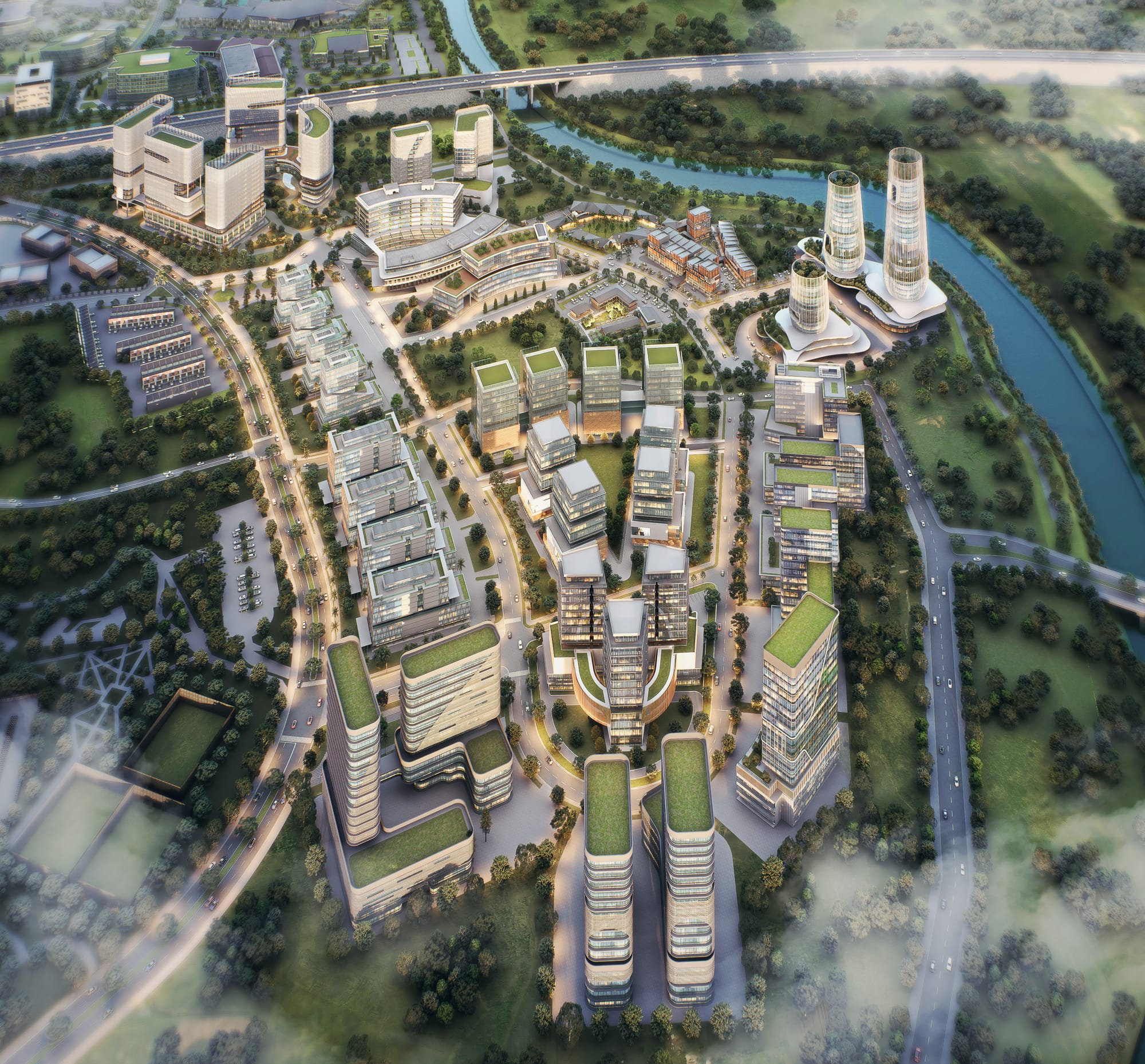
BSD City has allocated 60 hectares divided into five development zones. These areas are designed to complement each other: from a science tower for medical research and a knowledge tower for education to a creative district and tech district that can develop into a hub for innovation in Southeast Asia.
- D-Hub Area 1 – 29 Ha (SEZ 1A – 1 Ha, 1B – 3 Ha, 1C – 25 Ha)
- D-Hub Area 2 – 31 Ha (Situ Gadung) (SEZ 2A – 14 Ha, 2B – 17 Ha)
This development model is deliberately designed so that the ecosystem does not stand alone, but rather reinforces each other. Students meet researchers, researchers meet startups, startups meet hospitals or creative studios, all in one living area.
To strengthen the ecosystem in the BSD City area and particularly the D-HUB SEZ, Lindawaty also mentioned that in the future, her party will strive to attract data center investments .
The process of attracting investment in the data center is currently still ongoing, and the infrastructure ecosystem that supports data center needs such as water, electricity, and fiber networks is also continuing to be strengthened.
"The investment for this one data center could exceed Rp1 trillion. And of course, it could also bring capex investment to Indonesia, as well as facilitate the entry of equipment and so on, so that from a business model perspective, it may still be feasible to enter this location," said Lindawaty.
According to Lindawaty, with the ecosystem that has been created in the BSD City area and strengthened by the SEZ status, it is hoped that it will be able to revitalize and bring the national economy to an even higher level.
"The D-HUB SEZ is located in BSD City, which is an integrated city that has already developed and has complete infrastructure and ecosystem. We, as developers, feel that BSD City is ready for the next step in attracting global investment," said Lindawaty.
Unlike many other SEZs that had to start from scratch, D-HUB SEZ is located in the middle of one of Indonesia's most rapidly developing new cities. BSD and its surrounding areas are now home to 2.2 million people within a 10 km radius, representing a large and well-established captive market.
Over the next 30 years, as the BSD City development area expands, this number is projected to reach 4.5 million residents. This means that D-HUB SEZ is not waiting for the market to come; the market already exists and will continue to grow.
In order for economic zones to provide sustainable opportunities for residents who work and do business within them, they must be easily accessible, thereby ensuring smooth and efficient mobility. BSD City fulfills this requirement with a travel time of only 30 minutes to Soekarno-Hatta Airport, 8 toll road access points, 5 train stations, and support from TransJakarta, commuter line, and integrated transportation services.
This advantage makes BSD one of the most connected areas in Greater Jakarta, on par with and even surpassing many new cities in Southeast Asia.
In addition, regulatory certainty and competitive fiscal and non-fiscal benefits are also advantages of the D-HUB SEZ. Several comprehensive regulations that are already in effect include:
- Government Regulation No. 40/2021 (National SEZ Regulation)
- Government Regulation No. 38/2024 (Establishment of the Banten ETKI BUPP)
- Ministry of Health Regulations 1/2023 & 18/2023 for hospital and clinic services
- SEZ administration (licensing, facilitation, special services)
This combination of regulations provides legal certainty and ease of operation for investors. In addition to preparing a comprehensive regulatory framework to ensure investors can operate safely, quickly, and efficiently.
The government also provides fiscal facilities such as tax holidays ranging from 10 to 20 years, ● net income tax reductions, VAT and import duty exemptions, and capital goods import facilities. This makes it one of the most competitive SEZs in Indonesia.
Meanwhile, non-fiscal facilities, such as 100% foreign ownership, express mechanisms for importing medical equipment, multiple-entry visas, and 80-year land use rights, were created so that investors would not be hindered by typically complicated bureaucracy.
Various investment options
Not only in the health sector, in attracting investment to D-HUB SEZ, Lindawaty said that her party has prepared a number of business schemes that can be offered to business actors.
"We are not like other SEZs that may require long-term leases or large areas of land, or even the purchase of land. We have various types of suitable investments, ranging from small and medium to anchor tenants that will enter the SEZ," explained Lindawaty.
Currently, there are three investment schemes offered to prospective investors:
- Rent – Biomedical Campus Premium space in the Knowledge Tower and Science Tower for educational institutions, research, and medical facilities.
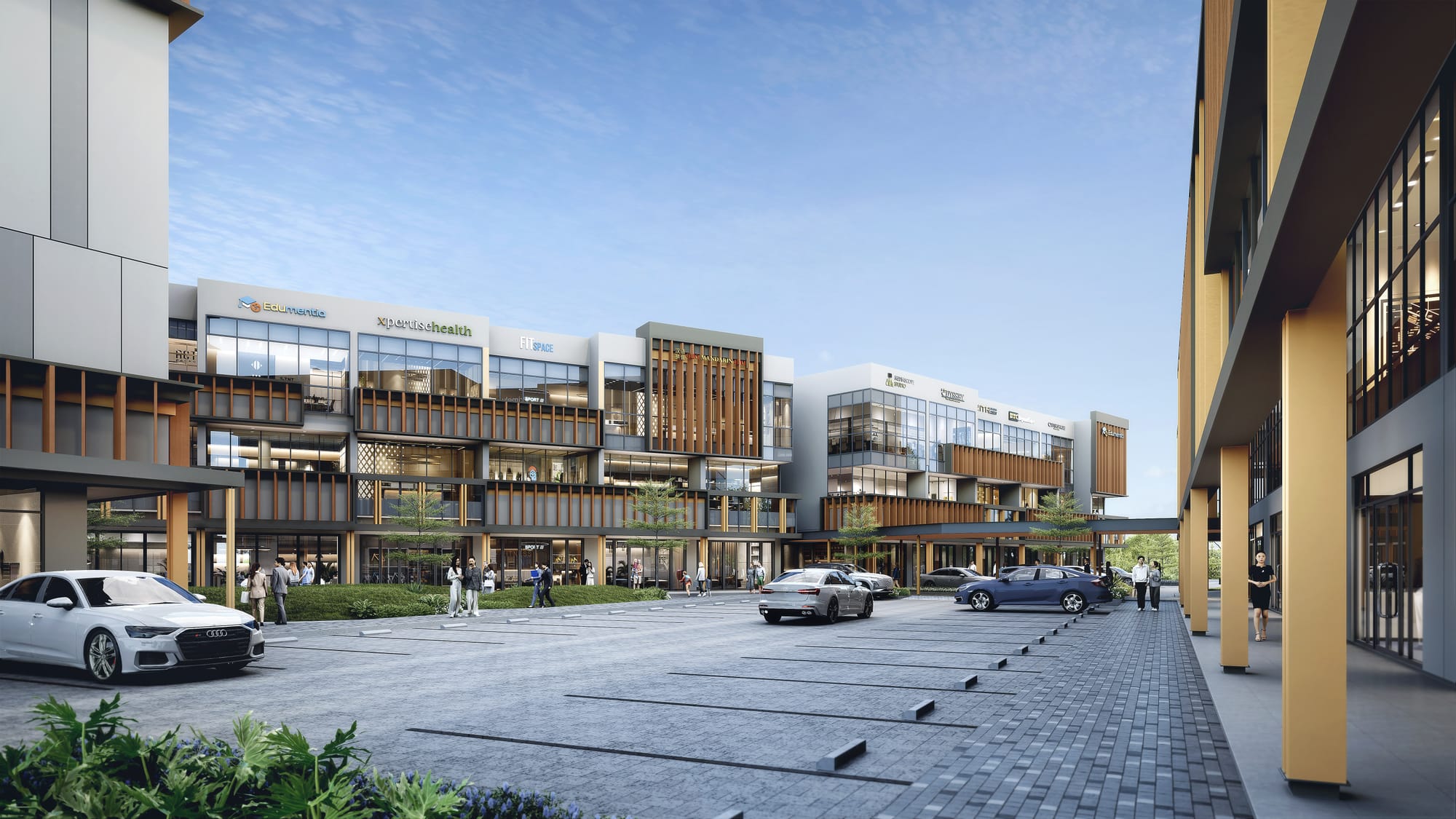
- Commercial Units for Sale (POWEL) Ready-to-use commercial units for creative, technology, and support services businesses.
- Commercial Lots Including 3.2 hectares of land specifically for international hospitals, which can be developed according to global standards.
With this combination, investors can choose the most suitable model, ranging from campuses, research centers, health facilities, to digital innovation centers. "So the benefits are more or less the same, it will be easier in terms of lecturer visas, and the curriculum can also follow the curriculum of the country of origin," said Lindawaty.
However, Indonesia is currently moving towards a new phase of economic growth. Public demand for high-quality services is becoming increasingly apparent, the middle class is growing stronger, and the government is demonstrating its strong commitment through progressive policies.
The Banten Special Economic Zone for Education, Technology, and International Health (KEK ETKI) or D-HUB SEZ is the answer to these great opportunities: a vibrant, connected, globally-oriented area that is fully supported by government regulations.
Now is the time for educational institutions, technology companies, healthcare providers, and creative industry players to enter and grow together with Indonesia.