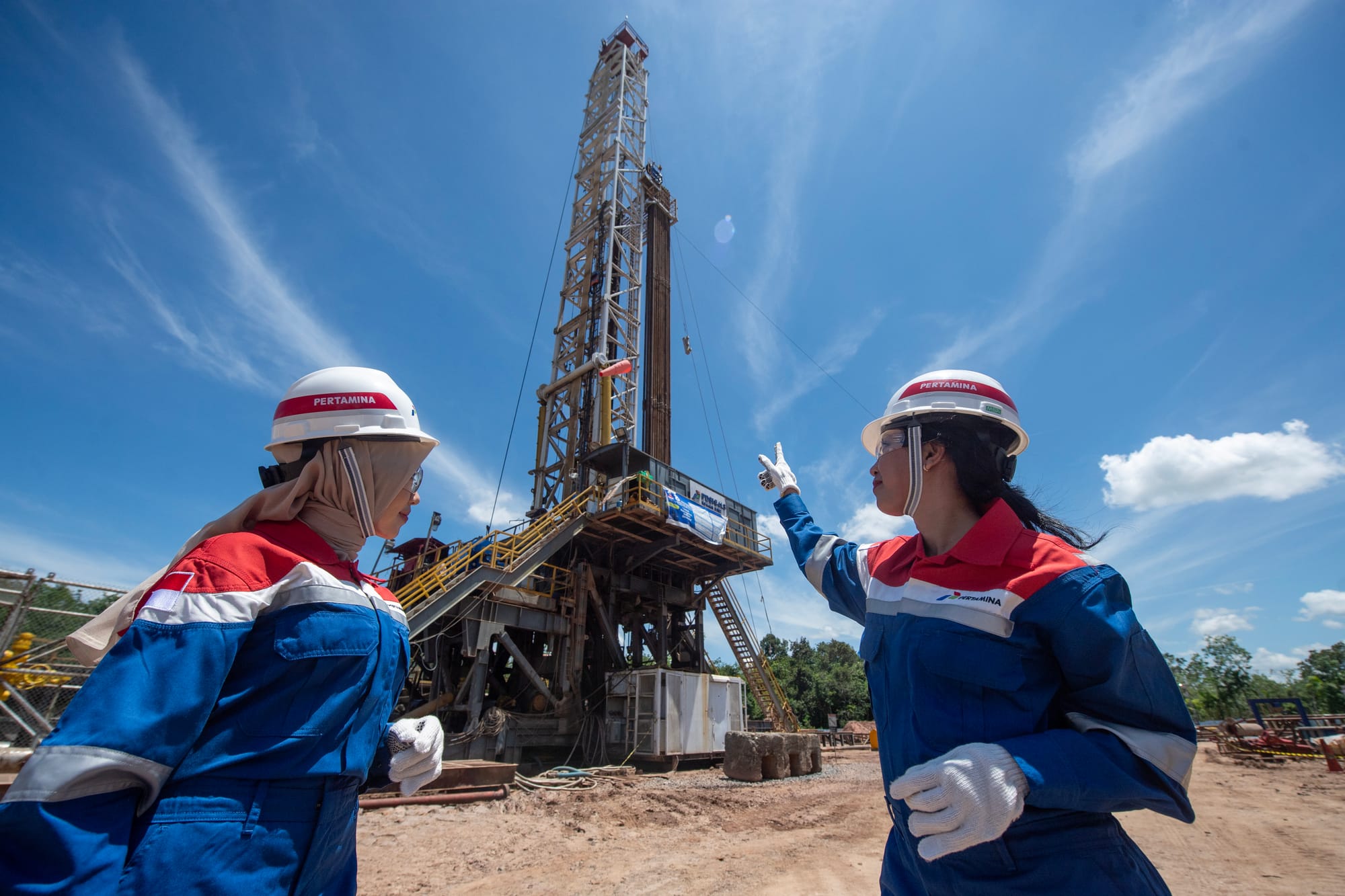
Crude oil from the 70 exploration wells began flowing into PT Pertamina Hulu Rokan's (PHR) processing facilities in July. It is estimated that there is a potential of around 3,400 barrels of oil per day (BOPD) that can be produced from all these wells.
This achievement is the highest result of put on production (POP) efforts or the process of connecting exploration wells that have been discovered to production facilities owned by a subsidiary of PT Pertamina (Persero) which specializes in managing oil exploration fields in the Rokan Zone, Riau Province.
"This is certainly a motivation for us to continue to improve our performance and contribution to maintaining national energy security. Through various initiatives and innovations, we continue to strive to increase production in the Rokan Zone." said Rokan Zone GM, Andre Widjanarko.
Pertamina received a mandate from the Government of Indonesia to manage the Rokan Working Area since August 9, 2021. PHR continues to manage the Rokan Zone for 20 years until August 8, 2041.
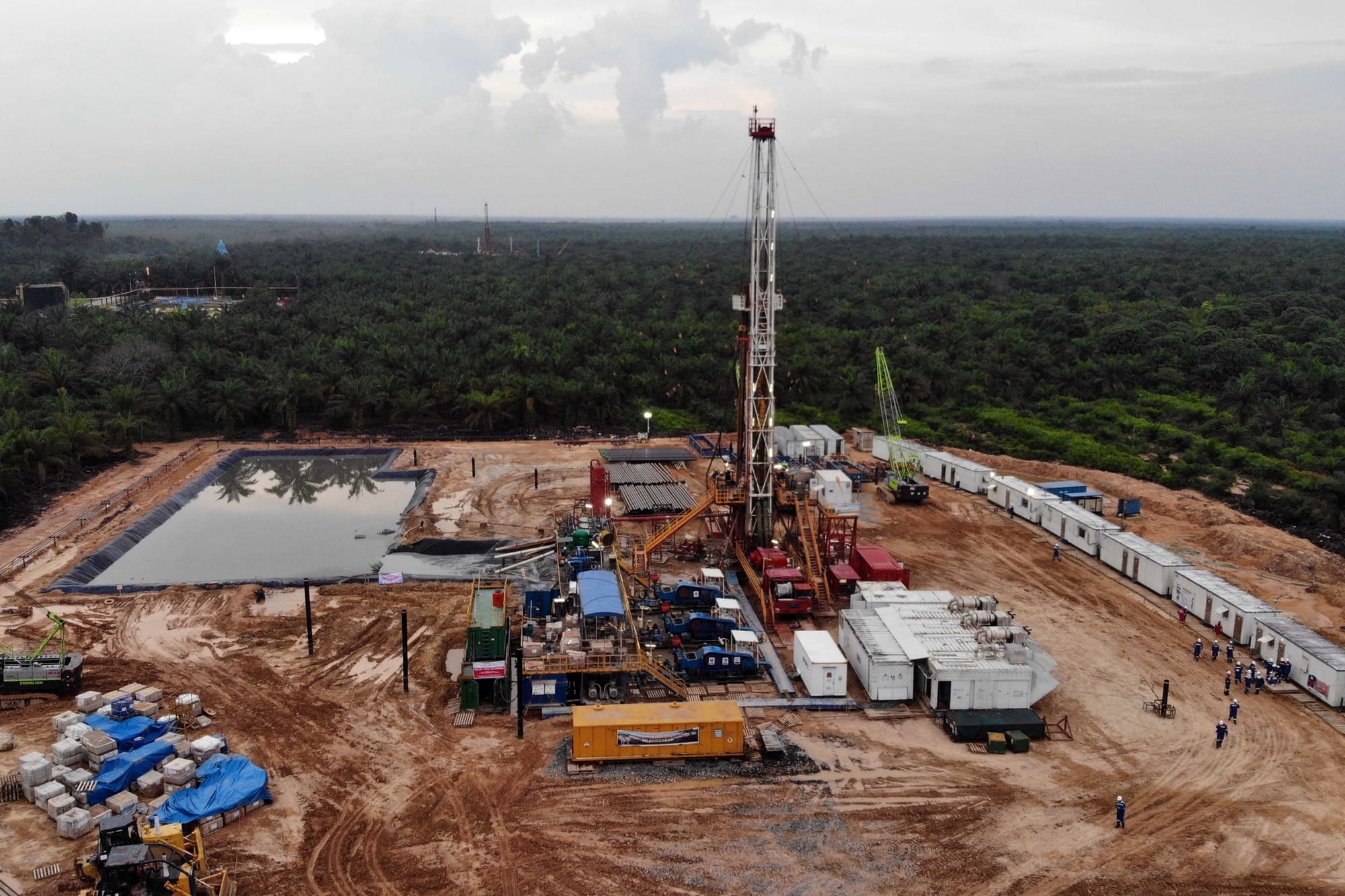
In the midst of declining domestic oil production, such as in the Rokan Zone, Pertamina continues to explore and rejuvenate old oil wells in order to maintain domestic oil production.
Specifically to maintain production at wells in the Rokan Zone, the company applies the latest technology and operational innovations to maintain drilling effectiveness and efficiency. The strategy used is to maintain baseline production through revitalization of existing production facilities, well production optimization through reworking and well stimulation.
In addition, PHR also continues to explore to increase production by looking for new oil reserves, both conventional and unconventional oil. Currently, PHR has completed six conventional exploration wells, two unconventional exploration wells, and will complete one conventional exploration well by the end of 2025.
Boost production with innovation
The government aims to increase oil production in the future, including through optimization of existing fields and operation of new blocks. In addition, production optimization in existing fields or old wells. This effort is being rolled out, as existing oil reserves are depleting.
Indonesia's oil production has declined significantly, from around 1.6 million barrels per day in 1996-1997 to approximately 600,000 barrels per day today. As a result of this decline, Indonesia is forced to import around 1 million barrels per day to fulfill its fuel needs, impacting the trade balance and national energy security.
This fact has made state-owned oil and gas companies continue to try to find alternatives to increase production. Like Pertamina Hulu Rokan, this year has made efforts to increase production with a target of drilling 560 wells.
In addition to drilling new wells, field development efforts are also carried out by utilizing enhanced oil recovery (EOR) technologies such assteamflood and chemical injection (such as alkali-surfactant polymer or ASP), utilization of digital technology forleveraging assets, and improved well management, including through cooperation involving local communities, BUMDs, and cooperatives.
Meanwhile, drilling efforts, both for development and exploration wells, use modern technology to find new reserves and increase production from existing fields.
Examples include the drilling of development wells in Banyu Urip Field and Duri Field which contributed to the achievement of national production targets. Thanks to the development well drilling activities, the national oil and gas production and lifting significantly reached 608,100 barrels per day, even exceeding the state budget target of 605,000 barrels per day in June 2025.
Pertamina also conducted exploration in new areas to find new oil and gas reserves, such as in the West Java Basin, with the aim of calculating potential reserves more accurately. The drilling of new wells, including development wells, has increased national oil lifting.
Pertamina is also exploring in new areas to find new oil and gas reserves, such as in the West Java Basin.
For example, Banyu Urip Field, after drilling, was able to increase its production to 180,000 barrels per day. Pertamina uses advanced technology, including optimization technology with the MaxiDrill drilling method, to improve drilling efficiency and speed.
In general, to ensure energy governance in general and domestic fuel governance is maintained and sustainable, according to Pertamina Vice President Corporate Communication Fadjar Djoko Santoso, Pertamina uses adual strategy growth. "This is in line with the Indonesian Government's Asta Cita target in achieving energy self-sufficiency and sustainable economic growth," he said.
There are two main pillars carried out by PT Pertamina in realizing these goals. The first pillar isstrengthening legacy business. Then the second pillar isexpanding the business into the green energy sector(expanding into new green business).
Pertamina is committed to developing a low-carbon energy business. "On the one hand, Pertamina focuses on optimizing the existing business, especially in the upstream oil and gas sector, but also pioneers the development of a low-carbon energy business," Fajar said.
Fuel supply in the domestic market
Indonesia, as a country with a population of 250 million, must always guarantee the fuel consumption needs of its citizens. As demand increases from year to year, the government needs to utilize domestic oil reserves, as well as import. In addition, the government is also encouraging a shift to the use of renewable energy for the sake of environmental sustainability.
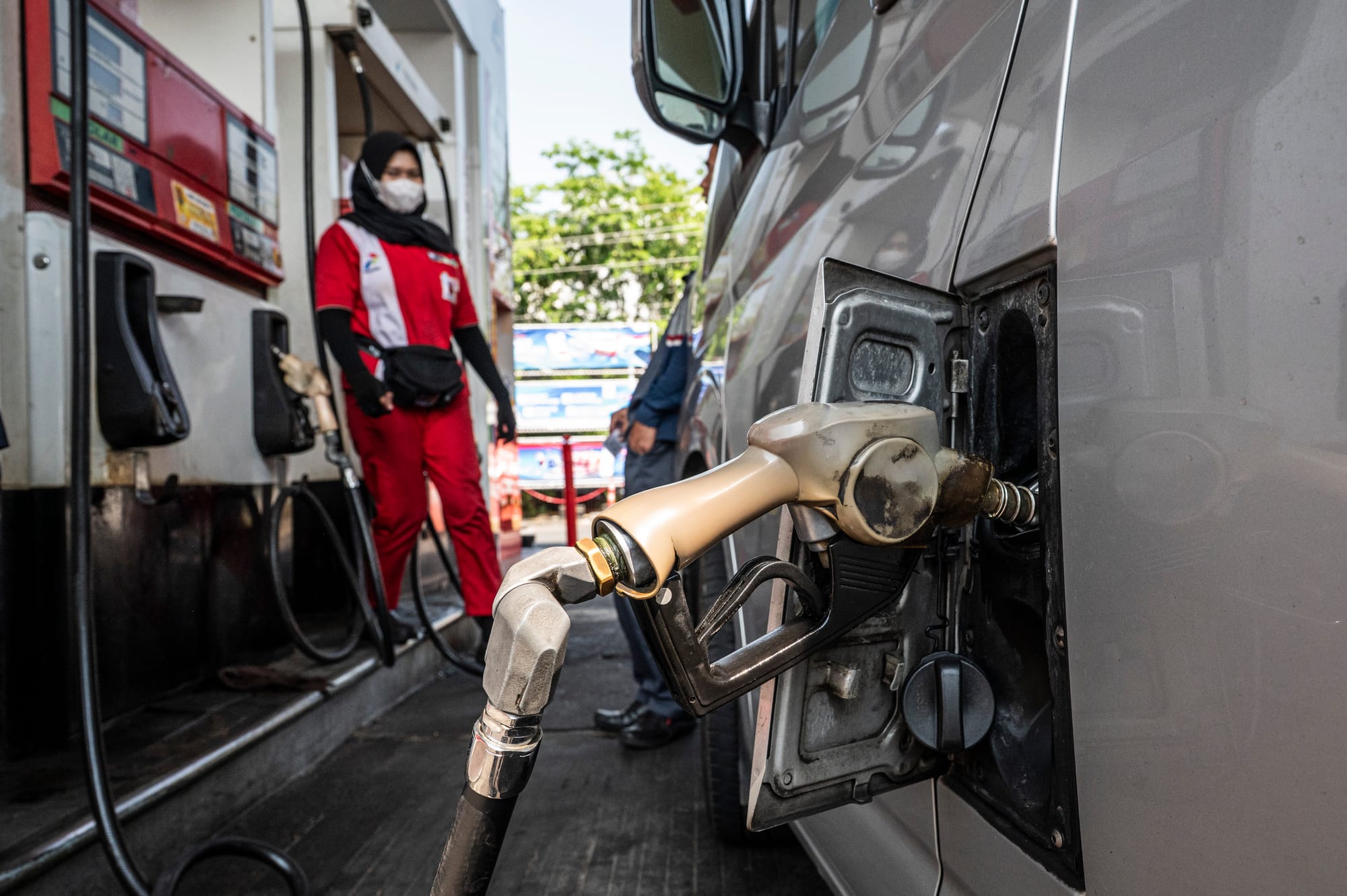
Indonesia's current oil consumption is estimated to reach around 1.6 million barrels per day, with a specific figure of 1,603,769 barrels per day by 2023. This puts Indonesia as one of the largest oil-consuming countries in the world. This consumption is largely met from imports, which account for more than 50% of total national consumption in 2023.
Meanwhile, the state budget requirement for fuel oil (BBM) subsidies in the 2025 Draft State Budget (RAPBN) is set at IDR 113.6 trillion. This also includes subsidies for 3 kg LPG cylinders, with the total 2025 energy subsidy budget reaching Rp 203.4 trillion.
Fuel subsidies do not trigger a new economic cycle.
From a financial activist's point of view, the size of this subsidy is wasteful and unproductive. This is because fuel subsidies do not trigger new economic revolutions, but simply evaporate like vehicle exhaust fumes. Ideally, subsidies should be given by the state to productive sectors and to the poor to improve their living standards.
The existence of subsidies for fuel also triggers misdirected budgets that are unproductive and burden state finances. Therefore, it is only natural that then Minister of Finance Purbaya Yudhi Sadewa hopes that Pertamina as the state oil operator will anticipate optimally so that energy subsidies can be controlled.
In a working meeting with Commission XI of the House of Representatives on September 30, 2025, Purbaya voiced his disappointment over Indonesia's continued dependence on imported fuel oil (BBM), without any real steps to renew the national refinery infrastructure. According to Purbaya, Indonesia has been importing fuel for decades, but has never significantly built new refineries.
He said Pertamina's promise to build seven new refineries was never realized, even calling the company less serious in this regard. This criticism comes amid concerns over national energy security and the fiscal burden of high fuel imports.
In response to the criticism, Pertamina's President Director, Simon Aloysius Mantiri, stated that what Purbaya said to the institution he leads is a valuable input. However, he stated that Pertamina's claim of not building the refinery was a false statement.
Simon also stated that Pertamina will soon operate the development refinery which is part of the Balikpapan Refinery Development Master Plan (RDMP) project which is in its final stage and is scheduled to start operating on November 10, 2025, with a processing capacity of 90,000 barrels per day.
However, without new refineries, Indonesia will continue to be trapped in an import cycle that weakens its fiscal position and national resilience. On the other hand, the half-hearted liberalization of the oil and gas sector also makes the governance of this sector sometimes face obstacles in the field.
For example, fuel stocks at private gas stations have been low since late August. Private gas stations such as Shell, BP-AKR, and ExxonMobil have had difficulty operating due to the government's restrictions on fuel import quotas. This happened in the midst of a surge in demand for non-subsidized fuel from people who began to switch from Pertamina products, following the polemic surrounding the alleged oplosan fuel.
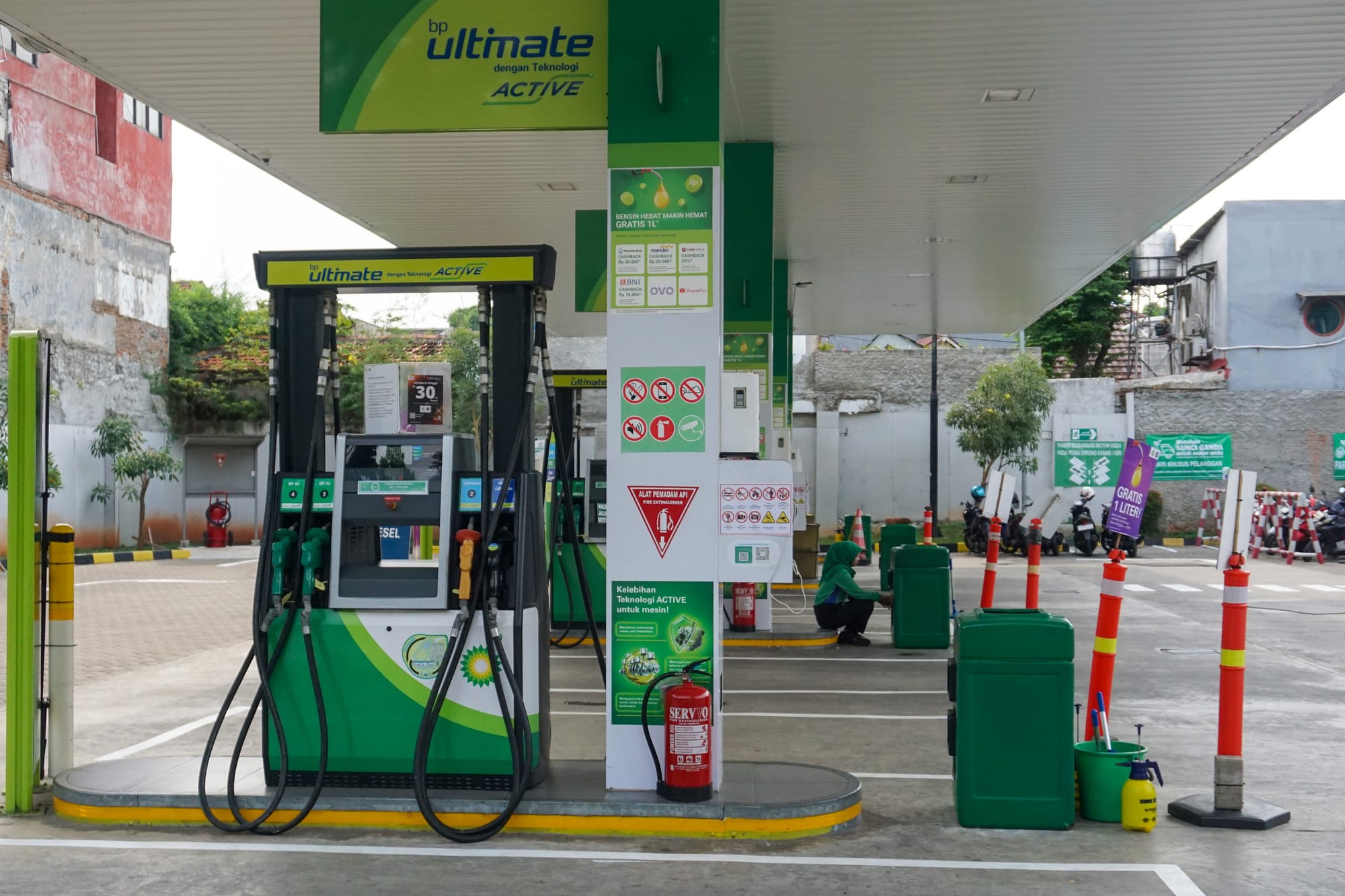
Restricted fuel import quotas have made it difficult for private gas stations to obtain fuel supplies. The government also suggested that private gas stations purchasebase fuel from Pertamina instead of importing their own. However, non-Pertamina gas station managers, who initially agreed to buy crude oil raw materials from Pertamina, canceled.
The manager of Vivo brand private gas stations stated that although the agreement is currently canceled, Vivo did not rule out the possibility of working together again if Pertamina could meet the desired qualifications. Meanwhile, BP-AKR emphasized its commitment to providing quality fuel by ensuring that every step of collaboration is measured and responsible.
In a statement sent to SUAR Editor, BP-AKR management stated that at this time it is still continuing to carry out intensive coordination with all related parties, to ensure the fulfillment of base fuel supplies that meet three aspects of governance, namelycompliance, conformity to specifications and quality standards, and commercial.
"Our focus remains the same, ensuring consistent product quality, as well as providing the best service for customers," wrote BP-AKR management.
BP-AKR management also appreciates the openness built in constructive dialog in order to achieve the best solution for all parties, especially the community. "BP-AKR remains committed to accelerating the normalization of fuel supply to support community mobility," he continued.

As a result of the scarcity of fuel at private gas stations, a foreign gas station fuel consumer was even desperate to file a lawsuit at the Central Jakarta District Court against Minister of Energy and Mineral Resources Bahlil Lahadalia regarding the scarcity of fuel at private gas stations. The plaintiff as a user of RON 98 fuel feels disadvantaged due to the absence of this type of fuel at gas stations in Indonesia.
When asked for a response about today's first trial, ESDM Minister Bahlil Lahadalia said he was ready to respect the ongoing legal process. "We respect, yes, we respect all legal processes," he said.
Need for market freedom
Regarding the issue of fuel scarcity at non-Pertamina gas stations, member of Commission XII DPR RI Syafruddin emphasized that the Ministry of Energy and Mineral Resources in making policies in this sector needs to have two mindsets. Namely, as a service institution and an institution that pays attention to business.
So, if the Ministry of Energy and Mineral Resources issues a policy on one-door purchases, where private gas stations are required to buy fuel from Pertamina, has mitigation been carried out. "If it turns out that the mitigation is still small or still low, the one-door policy should not be taken first," said the politician from the National Awakening Party.
The reason is that in the midst of low public trust in Pertamina, private gas stations should also be given space. Given that Indonesia still needs to import fuel. "The government should be happy if there are other parties who are able to import themselves, because one million barrels is not small," said Syafruddin.
Meanwhile, member of Commission XII of the House of Representatives Yulian Gunhar from the PDI-P faction suggested that private fuel stations also build refineries in disadvantaged, frontier, outermost or 3T areas. "If private fuel stations can build in 3T areas, maybe the price of fuel can be the same," he said.
The government's plan to implement a one-door fuel oil import policy has the potential to eliminate healthy competition in the downstream oil and gas sector.
Yulian also emphasized the need for a revision of the Oil and Gas Law, as a legal umbrella for the government in implementing strategic policies. "But the fact is that today we don't get it, only in processes, for approximately eleven years," he said.
Meanwhile, Energy Economics Observer from Gadjah Mada University, Yogyakarta, Fahmy Radhi, assessed that the government's plan to implement a one-door fuel oil import policy has the potential to eliminate healthy competition in the downstream oil and gas sector and strengthen Pertamina's monopoly.
According to Fahmy, this policy will change the face of Indonesia's downstream oil and gas governance from a system that was originally liberalized to fully controlled by the government. "The government seems to be returning the governance of the downstream sector from liberalization back to a regulated policy," he said.
Fahmy explained that foreign companies have been willing to invest in Indonesia's gas station business because of its open mechanism. They are free to establish gas stations in various regions, free to import fuel according to the approved quota, and free to determine the selling price to consumers based on market mechanisms.
However, with a one-door fuel import policy, that freedom will be lost. This condition will cut the company's efficiency and profit space. "One of the sources of foreign gas station margins is their ability to find the most efficient import prices. If everything must go through Pertamina, their margins will be eroded," he added.
Fahmy warned that if this policy is implemented without careful calculation, the impact could be fatal. In the short term, foreign gas stations' margins will get smaller. In the medium term, they could lose money and choose to leave the Indonesian market. "When all foreign gas stations fall, downstream oil and gas governance will be fully monopolized by Pertamina," he said.
In fact, the presence of foreign gas stations has had a positive impact on consumers, ranging from improved services, fuel quality standards, to price efficiency in the market. "The loss of competition means the loss of pressure for Pertamina to innovate. This can have an impact on service quality and inefficient fuel prices," he added.
Switching to renewable energy
In addition to making efforts to increase production and reduce imports by building refineries, the government has also begun to encourage the use of environmentally friendly renewable energy. Indonesia targets 35% renewable energy in the national energy mix by 2034.
In addition to focusing on the use of solar, hydro, and geothermal power, the government is also encouraging Indonesia to implement a B40 policy by 2025, which is a 40% blend of biodiesel in diesel fuel, with an allocation of 15.6 million kiloliters.
Some sectors have even started testing B50, such as PT ASDP Indonesia Ferry on its Merak-Bakauheni shipping fleet. Biodiesel is a biofuel produced from palm oil and blended with fossil diesel in various concentrations, such as B30 (30% biodiesel), B40, and B100.
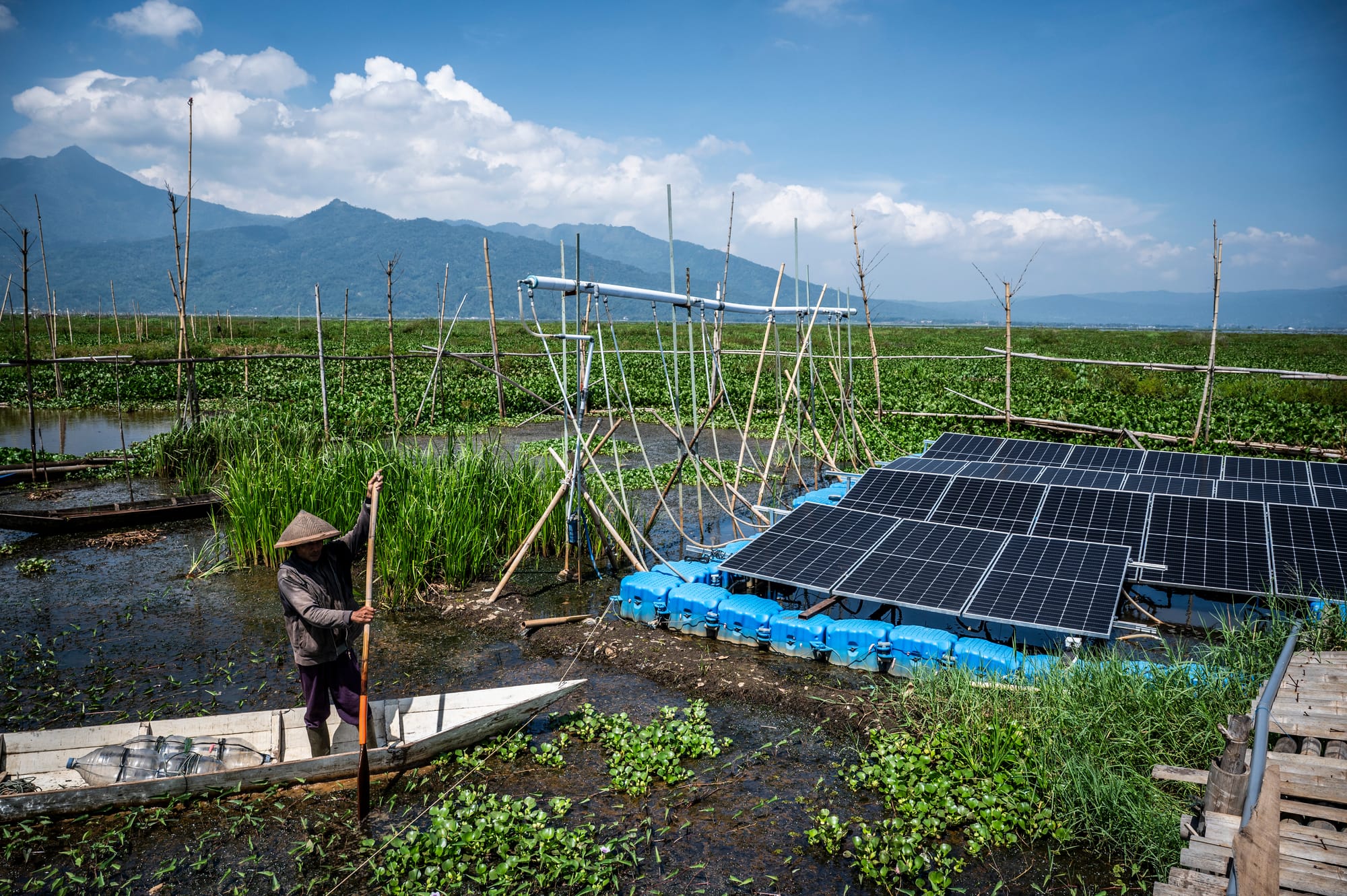
In the midst of the climate crisis and dependence on fossil energy, biodiesel is a strategic solution to reduce carbon emissions, improve national energy security, and boost the added value of the domestic palm oil industry.
Most recently, the government will also mandate the blending of bio ethanol in fuels sold in Indonesia. The government is preparing a mandatory policy on the use of ethanol blends in gasoline fuel (E10) as a step towards national energy independence and reduction of oil imports.
Minister of Energy and Mineral Resources (ESDM) Bahlil Lahadalia emphasized that this policy has been discussed with President Prabowo Subianto and will be implemented in the near future. "This is not just a trial. We will run it nationally. The mixture of gasoline with 10% ethanol (E10) has been agreed," Bahlil said.
According to Bahlil, Indonesia's dependence on imported fuel oil is still high. Of the total gasoline demand of around 42 million barrels per year, around 27 million barrels still have to be met from imports. "That means, almost 70% of our gasoline still depends on foreign countries. If this continues, we will never be independent in the energy sector," he said.
Through the implementation of E10, the government hopes to reduce imports while optimizing domestic natural resources. One of them is by utilizing ethanol from sugarcane and cassava as raw materials for gasoline blends. "Indonesia has sugarcane and cassava in large quantities. So, ethanol is not a foreign product. This is a potential that has not been maximized," he explained.
In addition to reducing the energy deficit, Bahlil also believes that the E10 policy will open up new economic opportunities in the agricultural sector. "With ethanol, sugarcane and cassava farmers will have a new market. We are talking about clean energy as well as economic equality," he said.
He dismissed the notion that the ethanol policy would only increase the burden on the oil and gas industry. According to him, other countries have long utilized ethanol as a fuel mixture and successfully reduced dependence on oil.
"It is not true to say that ethanol is not good. Look at Brazil, they use E27, even E100 in some areas. The United States has long used E10 to E85, India E20, Thailand E20, Argentina E12. So we are actually left behind," said Bahlil.
Bahlil ensured that the government will prepare a roadmap and supporting infrastructure so that the implementation of E10 runs smoothly. "We will ensure technical and supply readiness. This is not an instant project, but part of the transition to sustainable clean energy," he said.
Mukhlison, Gema Dzikri, and Dian Amalia