Before the #KaburAjaDulu hashtag hit the internet, residents of Pati Regency had been practicing it for 30 years. Becoming migrant workers, supporting the village economy.
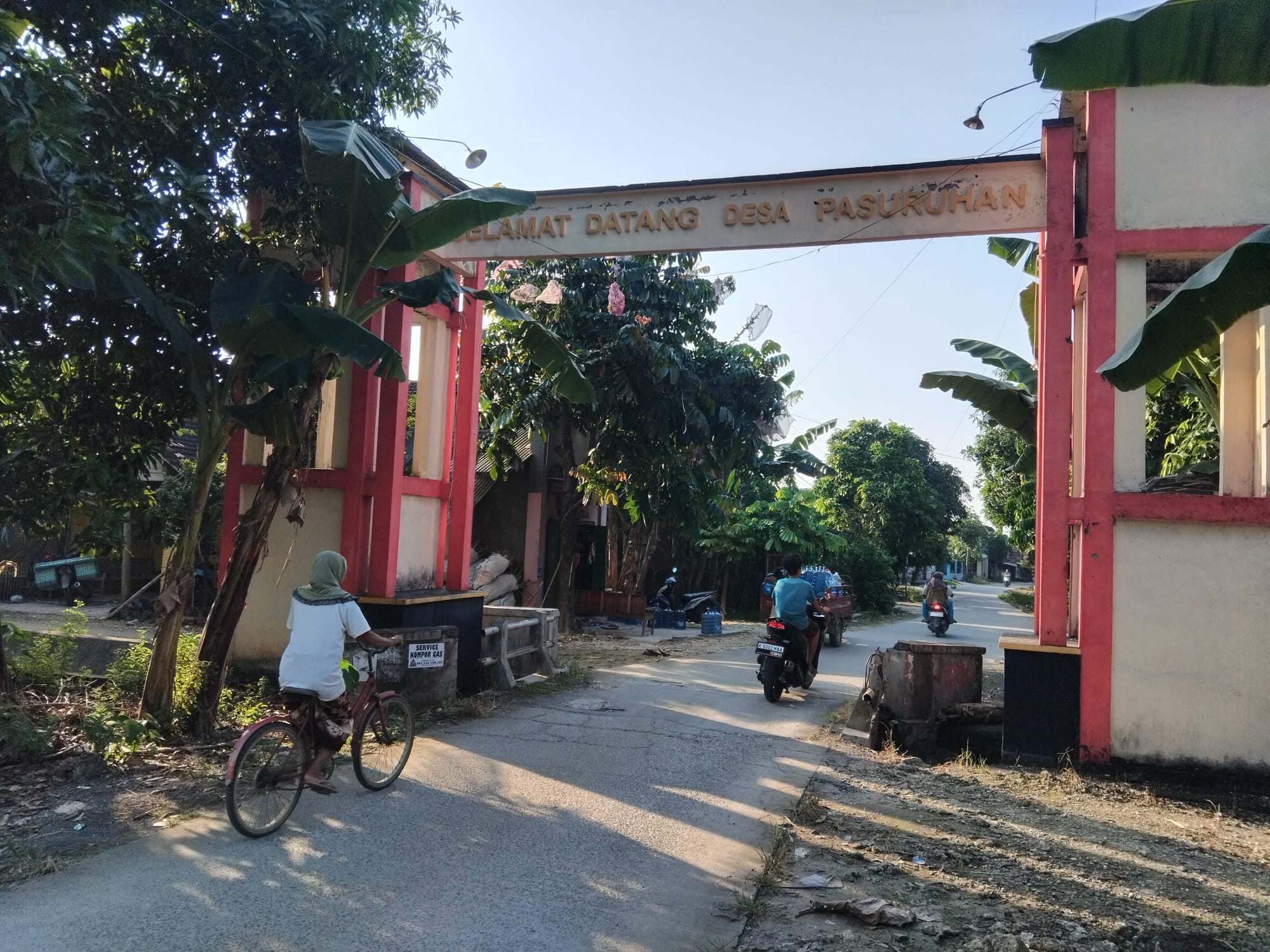
The gate ofPasuruhan Village, Kayen Subdistrict, Pati Regency, Central Java, may look like most other village gates. But entering the village, which is located 20 kilometers south of the center of Pati Regency, a different atmosphere is immediately felt. The most obvious are the gates in each alley. With a striking red color, the gates are built tall and made of ceramic.
Entering the village area on Wednesday, July 2, 2025, most of the houses looked new, magnificent, and strikingly colored. Many are building or renovating their houses. On top of that, in the middle of the village stands the magnificent yellow-brown Jami' Baiturrohim Mosque with a minaret. "This renovation took about a year, including the support of migrant workers from Pasuruhan," said Pasuruhan Village Head, Nurul Huda.
Since the early 1990s, many Pasuruhan residents have worked abroad. They migrated to a number of countries, such as Malaysia, Hong Kong (China), Taiwan, South Korea, and Saudi Arabia. "Around 70%-80% percent of Pasuruhan residents are or have been migrant workers," said Huda.
Currently, there are 901 households in Pasuruhan. The village claims that Pasuruhan residents have the highest number of migrants in Kayen Subdistrict, even in Pati Regency. "During the election, out of 1,700 people on the voter list, only 800 people voted," said Huda.
From Off-Island to Beyond
The number of people who work abroad is due to Pasurahan's natural conditions, which have an impact on the economic level of the residents. In the 1990s, Pasuruhan was often hit by drought. Agricultural yields were not as expected. At that time, a number of residents decided to migrate outside Java, especially to Sumatra. From this experience, some people decided to "spread their wings" to other countries.
One of them is 66-year-old Syafii. Met after planting corn in his field, he claimed to be the second generation of Pasuruhan residents to become migrants. In 1987, he first migrated to an oil palm plantation in Palembang, then to the Kerinci area in West Sumatra. In those years, he said the first batch of 3-4 Pasuruhan people left for Malaysia. "I followed in 1990. At that time, there was a broker," he said, referring to the term broker.

Syafii admitted that he migrated until 2021. He had returned home several times, but decided to quit when his residence permit expired. "But I already got a memento, my head was stepped on by a 25-kilogram palm," he said, recalling the bitter incident with a laugh. He used the proceeds from migrating to send his children to school and buy rice fields. Of his two children and three grandchildren, none have followed in his footsteps as a migrant worker.
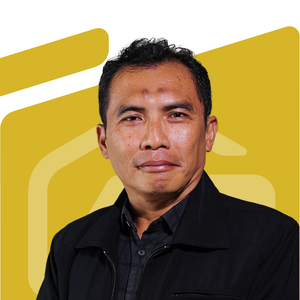
Huda (43), the village head himself, followed the path of inter-generational migrant workers. After graduating from high school in 2000, as the only and oldest son - he had one older brother, but he has since passed away - he was required to help his parents support his three younger sisters.
Huda migrated to Malaysia following in his father's footsteps. For three years, he worked on oil palm plantations in Perak and Johor. After that, his migration continued to Saudi Arabia - but in a different field.
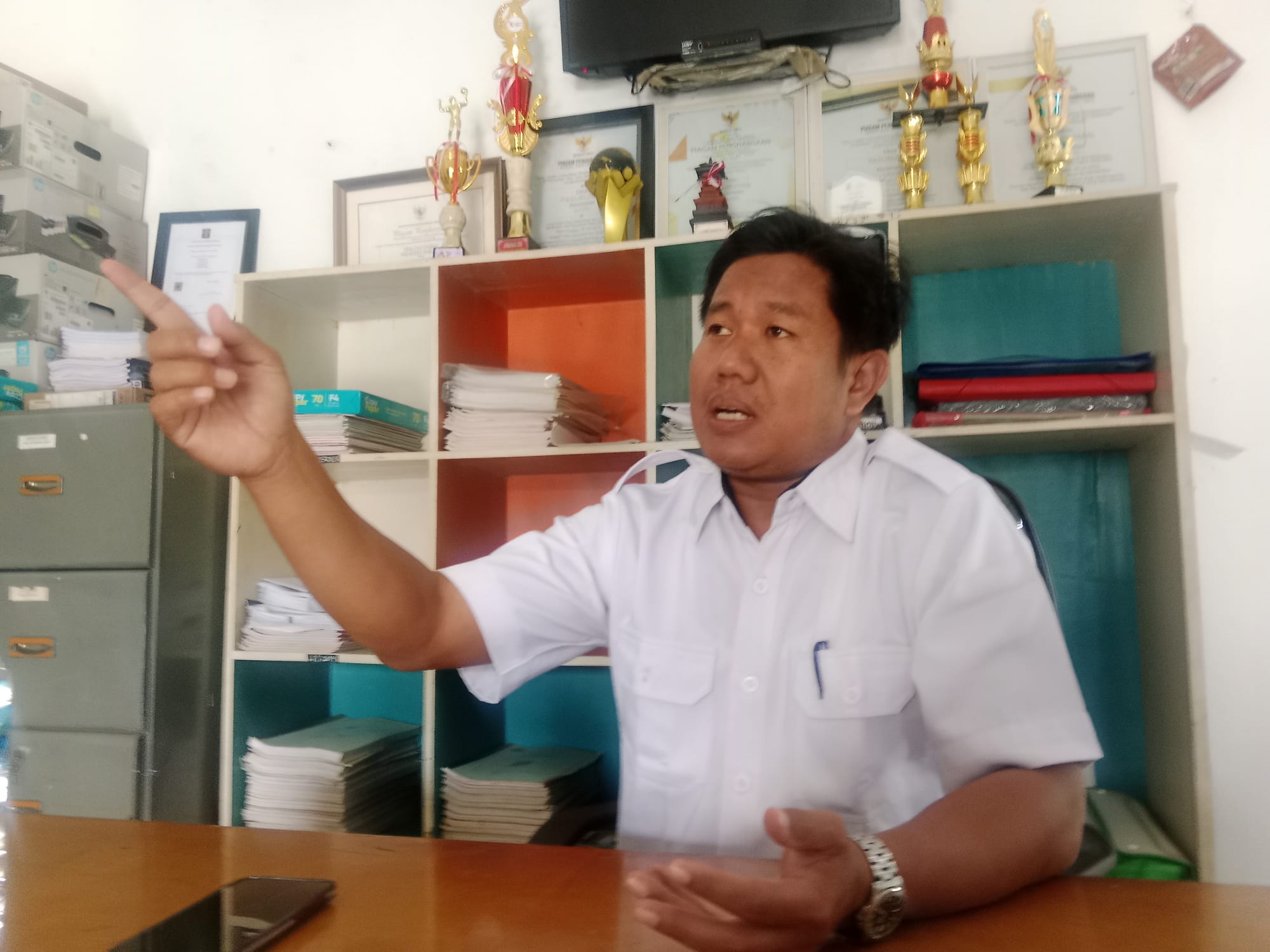
Huda became a cook in a restaurant. "I should have had the skills first, but at that time I was desperate. I got there dlongap-dlongop (not knowing anything). But there was training and we were taught. I was considered smart," said the father of three.
Indonesians overseas are fast learners, adaptive and diligent. This is in contrast to migrants from other countries such as India and Bangladesh who take a long time to learn and are not diligent.
Huda said that Indonesians overseas are fast learners, adaptive and diligent. This is in contrast to migrants from other countries such as India and Bangladesh who take a long time to learn and are not diligent. Spending three years in Saudi Arabia, Huda returned home in 2007. After a few years in his village, he migrated again in 2012. This time to South Korea to work in a battery box factory for four years.
"After returning home, I played around like this (in the village government), and it continued. Actually, I want to go back (migrate) again. But there was encouragement from the residents to serve," said Huda, who has served as village head since 2021.
Returning home to become a farmer
If in the 1990s it was due to drought, the current condition of Pasuruhan rice fields is actually affected by flooding. When visited directly to the location, some of the land did look newly planted. Others still had muddy soil that could not be used as a place to grow crops. Others are still inundated with water. In early 2025, this rice field area was hit by flooding and has not yet dried up in a number of rice fields. Last year the flooding even affected residential areas.
The village is subject to flooding because it is traversed by a branch of the Pamali Juwana River. The river has silted up so that it easily overflows when it rains. Normalization efforts have been made, but the results are not satisfactory. Moreover, the contour of this area is also a basin.
"The harvest of 6-7 tons per hectare here is very good. Even though the Regent's target is only 10 tons per hectare," said Huda, referring to the statement made by Pati Regent Sudewo, who was appointed earlier this year.
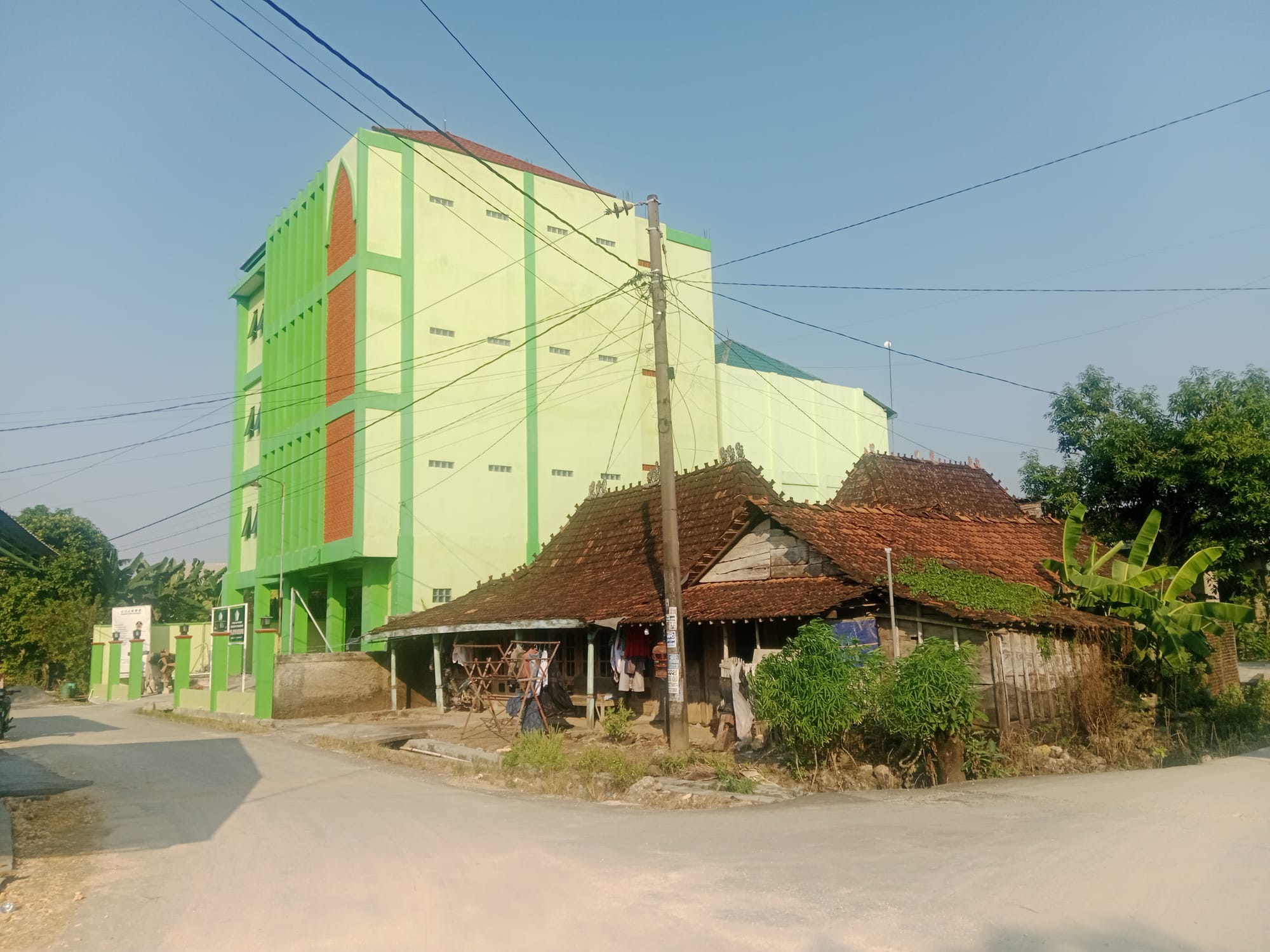
The farmers in this area are also former migrant workers. Almost all of them have migrated abroad. "The majority of Pasuruhan residents are migrant workers, not farmers," said Huda.
According to him, the main factor for migrant workers to continue working abroad is the salary. Without mentioning the nominal, at least the proportion of salary in other countries is 2.5 times the salary of similar jobs in their own country. This money is certainly sent to the village to support the economy. Another impact is on improving human resources (HR). "Parents can send their children to school, even to college. There are also many schools and Islamic boarding schools (built) here," he said.
Donations also flow for various social and religious activities. Starting from recitation, death fund, earth alms, 17-an carnival, to horeg music performances, received support from migrant residents. The fund is managed collectively.
For example, Huda once initiated a Pasuruhan association in South Korea. Each person contributes 10,000 Won per month. From 20-30 migrants there, around Rp25 million can be collected per year. "This is for the benefit of the poor, orphans, orphans and the elderly. It is distributed every year ahead of Eid al-Fitr door to door until now. That's not from other countries," he said.
Another factor is prestige. Imam Buchori, a local resident who migrated to Saudi Arabia to work in the automotive field, for example. After high school, he was tempted to become a migrant worker after seeing the lifestyle of his colleagues. "They have rice (Honda motorcycle) PCX, so we still ride (Astrea) Grand," he said.
Unafraid of the Bad Stories of Living in a Foreign Land
Huda does not have detailed data regarding migrant activities. What is clear is that his desk has received dozens of requests for documents as a condition for working abroad. "If the turnover of money from shipments, well, it's already huge. There are many foreign exchange heroes here who help the country," he said.
However, Huda stated that there was no facilitation from the government and the private sector regarding migrant activities in Pasuruhan. "All departures are on their own initiative. They find their own agents, join the training themselves," he said.
According to him, as long as Pasuruhan residents have been migrants, nothing bad has happened. Residents are also not worried overseas because they usually have relatives who are there. There are migrants who experience violence, but not many, he said. There are also victims of fraud, but most residents are not deterred.
"There were those who died in Arabia, but it was a long time ago. In total, there are around 20 people who have suffered work accidents and illnesses until they died. No one went to Cambodia because of the lure of a big salary (in the online gambling business)," he said.
According to him, the handling of migrants has improved, especially since the administration of President Susilo Bambang Yudhoyono. "At that time, Pasuruhan residents were taken by bus to their homes. Because previously, it was busy about migrant workers who were held hostage by unscrupulous people in Medan," added Huda.
What is of concern today is the social and psychological impact on families left behind by migrants. Negative culture from outside, such as drinking alcohol, has entered the village and even spread to the children. "Children who are left behind by their parents do not focus on their studies. Many are naughty," he said.
For this reason, he agrees that there are empowerment programs so that residents do not continue to migrate. In his description, successful migrants are those who are able to manage their finances, such as creating productive businesses. A handful of examples already exist, such as chicken farms or shop businesses. "Successful migrants usually have a house and a business. If there is no business, they are not successful. If you have a house but are unemployed, you will go back to overseas," he said.
Village Care for Migrant Workers
In 2017, Pasuruhan along with a number of villages in Pati Regency were targeted by the Productive Migrant Village (Desmigratif) program of the Ministry of Manpower (Kemenaker). This program provides training to former migrants or their families so that they have skills, are empowered, and no longer go abroad.
In 2020, Pasuruhan Village was awarded by the Ministry of Manpower as an Indonesian Migrant Worker Care Village. The certificate, signed by Minister of Manpower Ida Fauziyah, is displayed in a cabinet behind Huda's desk. But during his tenure as village head since 2021, he felt there was no follow-up to the program in Pasuruhan.
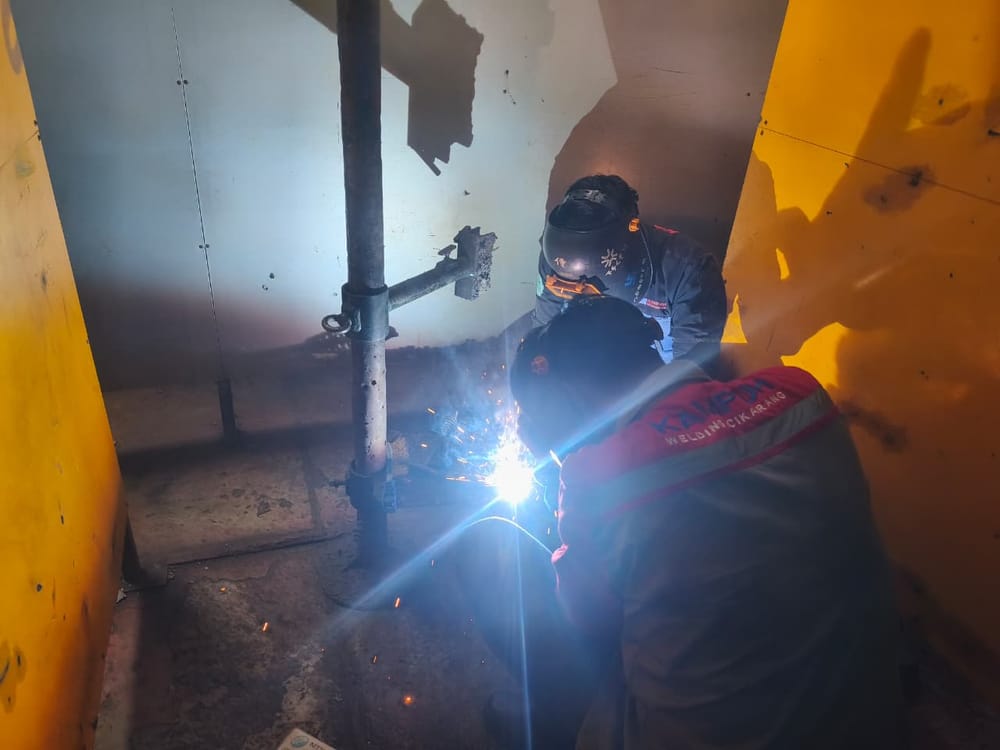
The program was managed by the previous village administration. "Actually, in the past, the residents did not go abroad anymore. There was training first at the agency. Welding, workshop, PKK. Even though it was like that, there was no effect. They still go abroad. After that, they disappeared by themselves," said Huda.
He had proposed the establishment of a vocational training center (BLK) in Pasuruhan. However, the request did not come to fruition. Two BLKs in the fields of computers and tailoring were instead opened in neighboring villages. "It's like we're just waiting for the rain," said Huda.

Eko wahyu Anggoro, staff of the One-Stop Integrated Service for Overseas Worker Placement at the Pati District Manpower Office, explained that Desmigratif was indeed intensified by the Indonesian Ministry of Manpower in 2017-2021. At that time, six villages in Pati, including Pasuruhan, were targeted and supported by training and infrastructure. "This is aimed at former migrant workers and their families," said Wahyu, who is directly involved in managing the ex-migrant empowerment program in villages in Pati.
However, after that period, the Desmigratif program did not continue. Last year, the program was held again targeting two villages, Sitiluhur and Sugihrejo, in the form of culinary training. The funding was not from the center, but from the Central Java Provincial Government and the Pati Regency Government.
Kabupaten Pati ranks fourth in Central Java in terms of the number of migrant workers-with centers in Kayen and Sukolilo sub-districts.
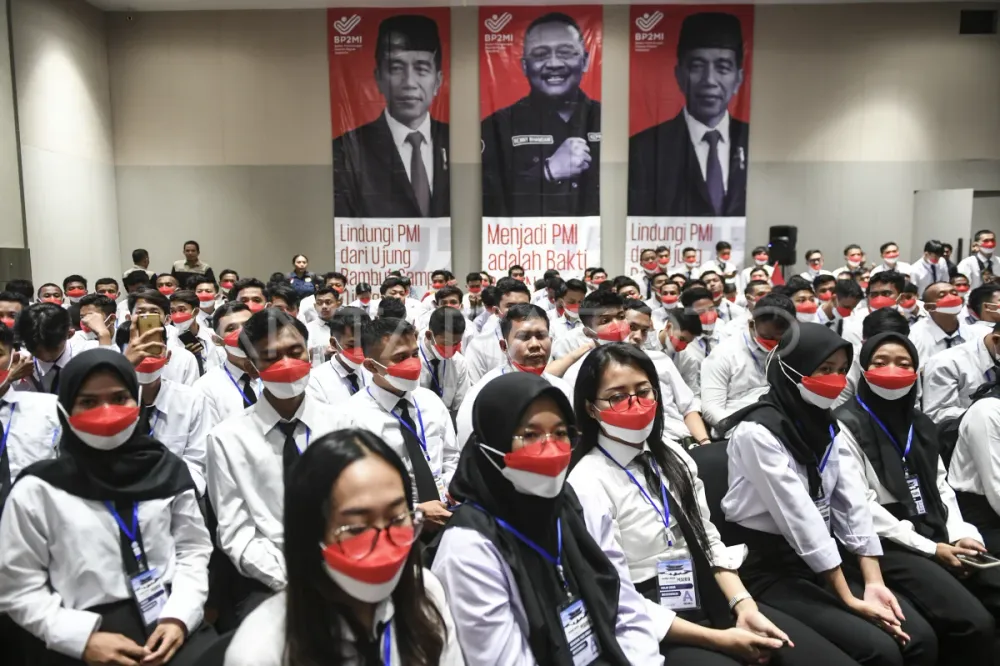
The program targets villages that are considered to be migrant enclaves in Pati based on data from the Indonesian Ministry of Manpower. Pati Regency ranks fourth in Central Java in terms of the number of migrant workers - with centers in Kayen and Sukolilo sub-districts. As of June this year, 1000s of Pati residents have officially registered to work abroad.
Programs Affected by Budget Efficiency
This year, the ex-migrant empowerment program is no longer on the agenda due to budget efficiency. "In the past, the program received equipment assistance such as computers, special rooms, and for the long term. But the reality is that now there is none, the program is not running, especially since the Desmigratif areas have shifted from the Ministry's data," Wahyu said.
Of course this is very unfortunate. Because the PMI placement program, especially those with high competence, will have an impact on the regional economy where these migrant workers come from.
Remittance funds, invariably, flow into the local economy through spending on basic needs, education, and even small business investment once the migrant worker returns home. In 2023, Bank Indonesia reported remittances of $14.2 billion - an amount comparable to the entire GDP contribution of the healthcare and social work sectors.
While remittances provide immediate financial assistance, their long-term impact on sustainable economic mobility from research conducted by the Indonesia Business Council shows that a 1% increase in remittances is associated with a 0.01% increase in provincial GDP (GRDP).
The potential economic benefits of remittances can be significantly increased by improving the placement of migrant workers and upskilling workers for roles that require higher skills.
Upskilling is crucial as it not only increases the amount of remittances but also equips returning migrants with more valuable skills.
Arif Koes Hermawan (Pati)