Fresh cabbage and pumpkin, which are usually covered in peanut sauce, are combined with a paste made from fermented soybeans that we usually enjoy in Japanese miso soup. The flavor turns out to be unique but also delicious.
In addition, there are Gendar crackers that accompany the hodgepodge as well as Nori Tempura, a Japanese-style seaweed snack that is also dry-fried. The sensation becomes double kriukkkk.
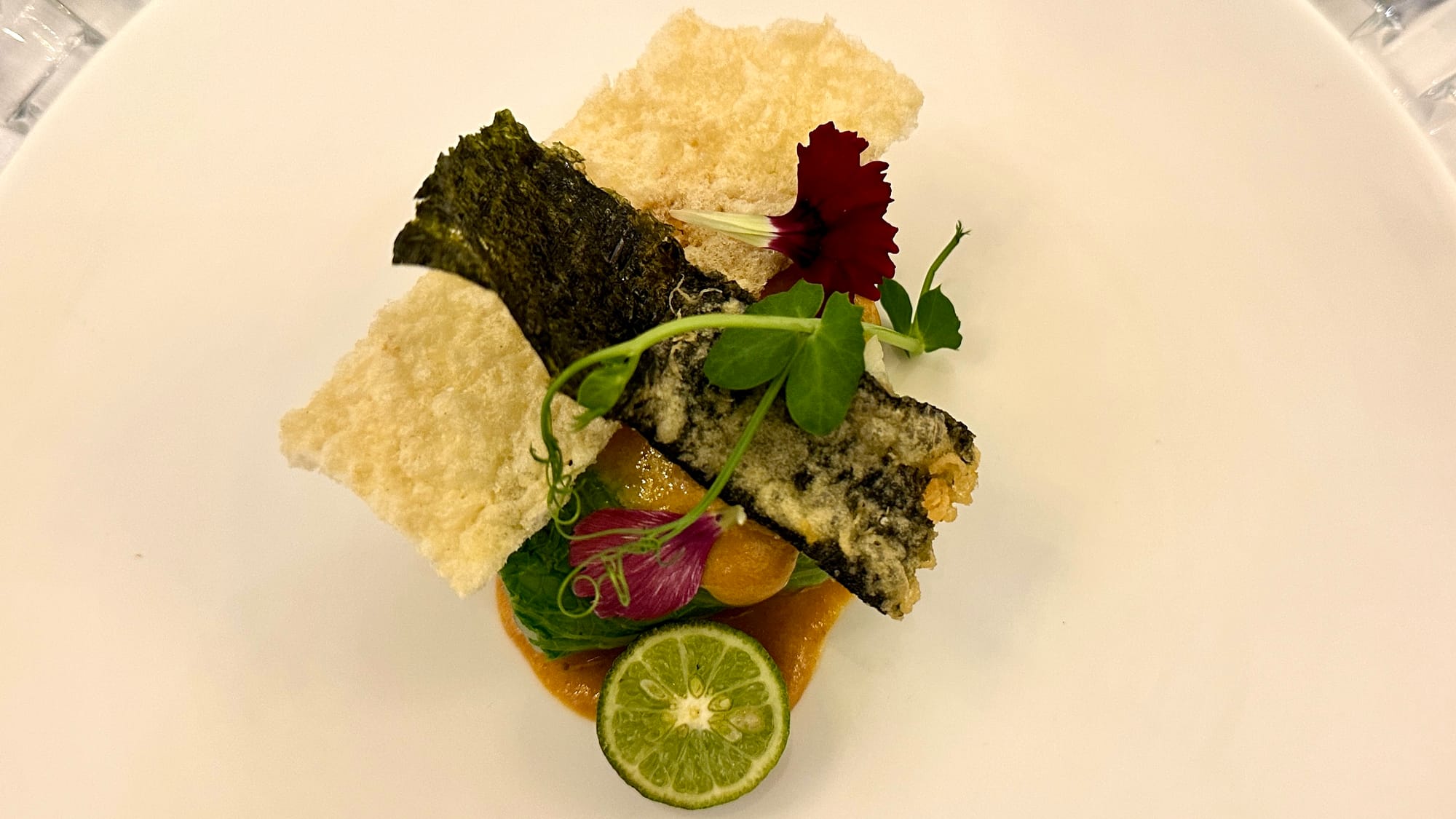
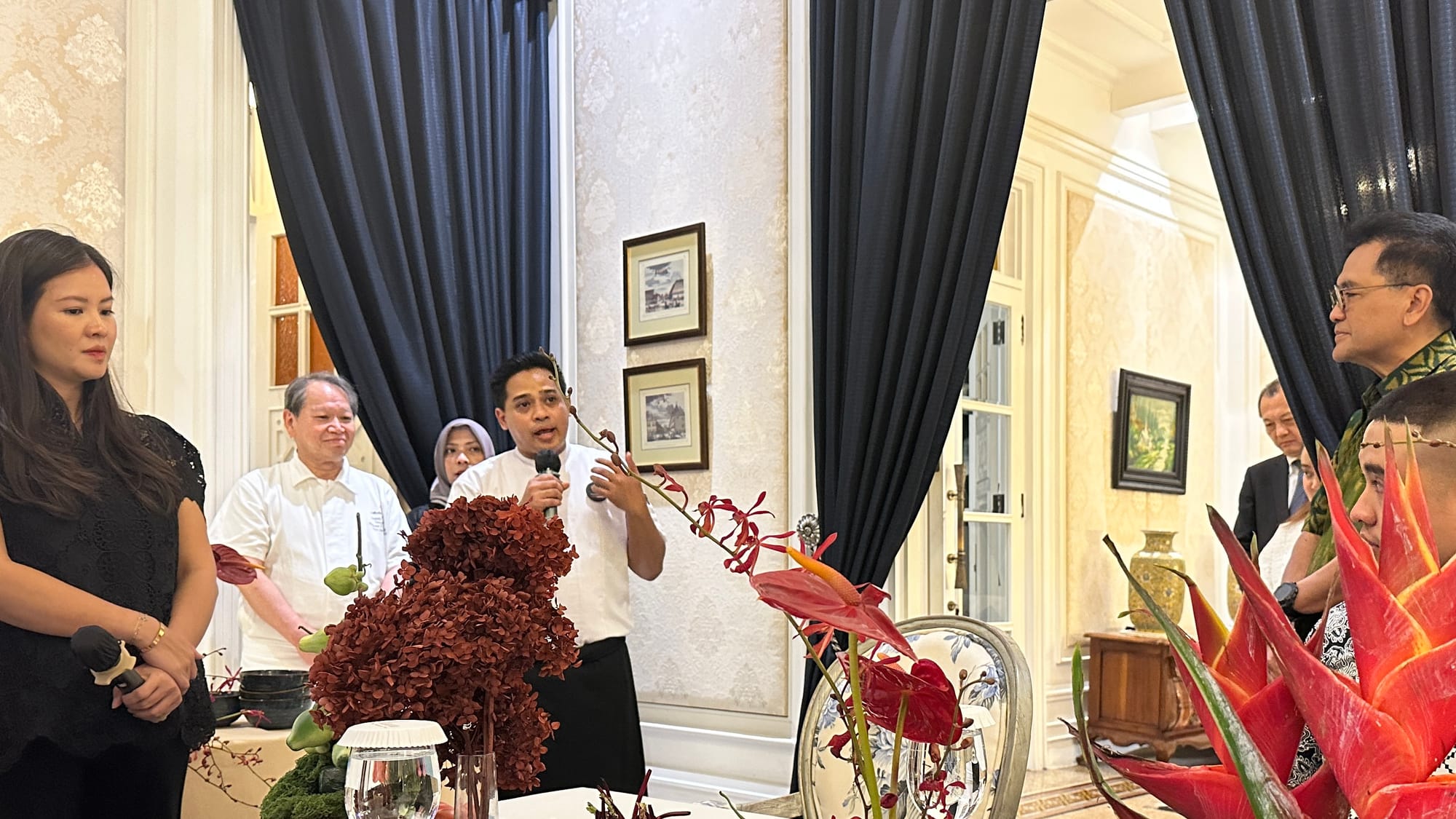
This is Gado-Gado Miso, a modern interpretation of the collaboration of appetizers from two nations, namely Indonesia and Japan, which Plataran Indonesia did with Hotel Okura Japan in an event entitled Gastronomy Diplomacy: Four Hands Dinner at Rumah Heritage Jakarta, Thursday, October 23, 2025.
Plataran Indonesia is an upscale hotel in Indonesia that has been committed to introducing Indonesian values to foreign countries since its inception. Meanwhile, Hotel Okura is an upscale hotel renowned for its ability to combine traditional Japanese beauty with the world's best standards of accommodation, cuisine and service.
The two collaborate to roll out culinary diplomacy. Blending the flavors, arts, and culinary philosophies of Indonesia and Japan, representing harmony, friendship, and shared values through a universal language: gastronomy.
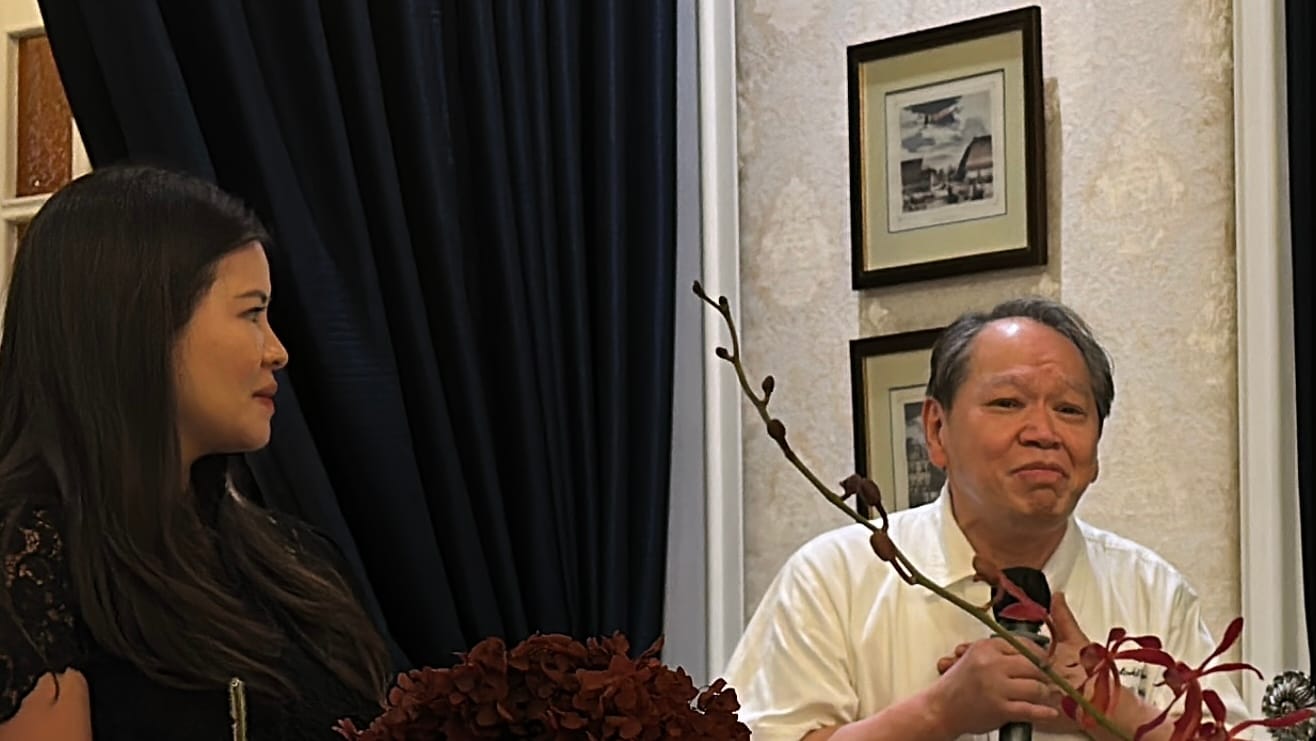
"We believe the language that many people understand, many people are interested in is culinary. Who doesn't like to eat," said Anandita Makes, Chief Strategy Officer of Plataran Indonesia.
Through Gastronomy Diplomacy, Anadita added, we try to combine Indonesian culture and Japanese culture. Then, we combine them into a synergy so that we can appreciate each other. Anadita also invited the guests to enjoy it.
Main Course
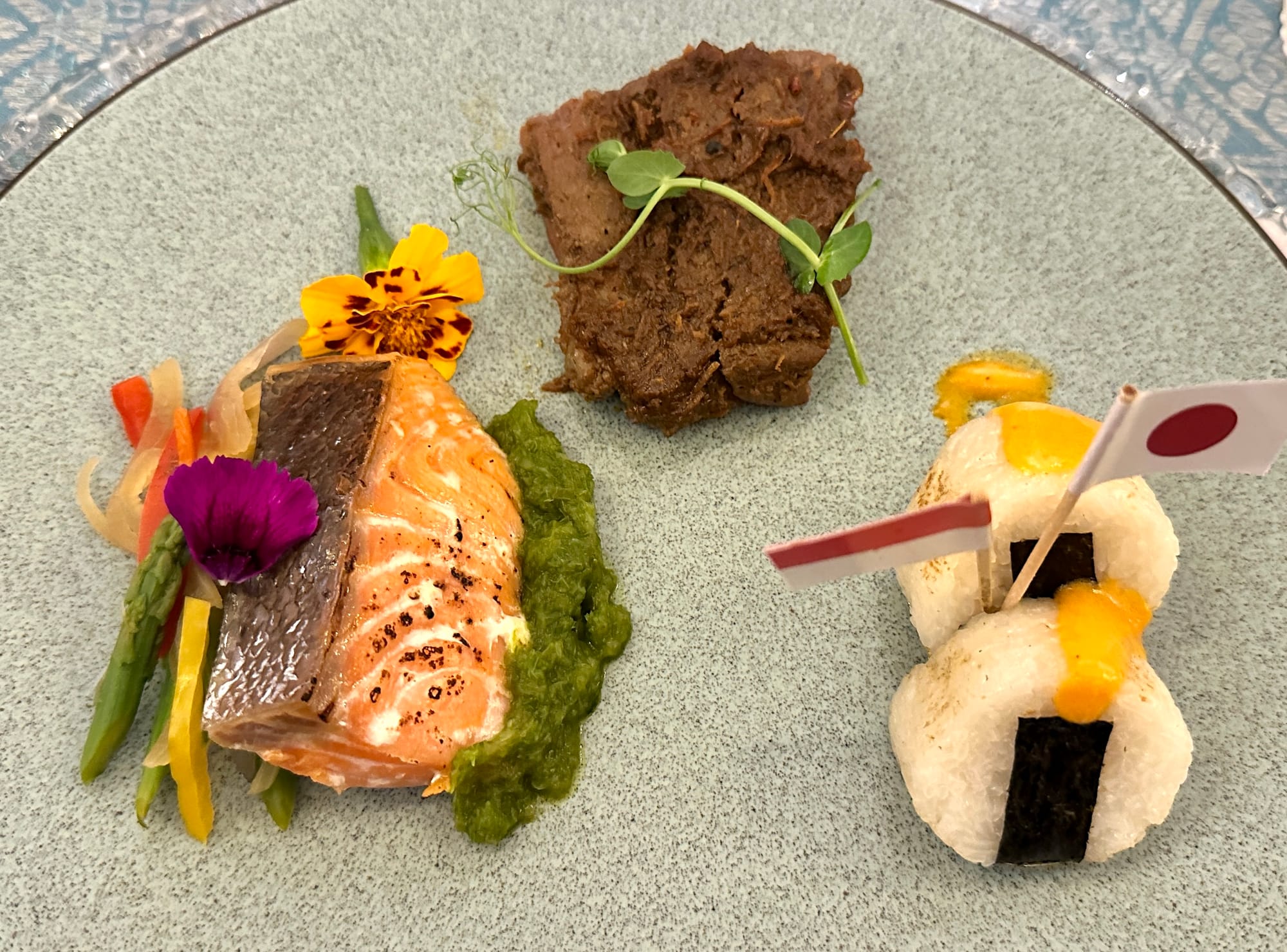
After the appetizing appetizers, what about the main course? It seems to be much more unique and even unexpected.
Two chefs from two nations, Tadashi Sawaichi and Reiyan Trisandra, wrapped Lemper Tapa Kolo from East Nusa Tenggara with seaweed Onigiri, and combined it with Salmon Miso Zuke and beef prepared like Oyah Madura or Rendang.
"We combine Japanese lemper and Indonesian lemper into one. This is Tapakolo wrapped in seaweed. That's the fusion and marriage between Indonesia and Japan. Please enjoy your main course," said Anandita with a smile.
Everyone immediately grabbed a knife and fork and ate it. The taste of the food from NTT, Madura, combined with Japanese cuisine was very rich but harmonious on the tongue. It was delicious... The guests spontaneously commented on the enjoyment of the four-handed collaboration of Sawaichi and Reiyan, who have been working for 52 years and 10 years respectively.
Indonesia has 1,300 ethnic groups and each has its own culinary traditions. Because of this, the flavors of Indonesian food are very rich. Meanwhile, Japanese culinary flavors prioritize simplicity but harmony with nature, which emphasizes the quality of natural ingredients without over-seasoning but presented beautifully and colorfully.
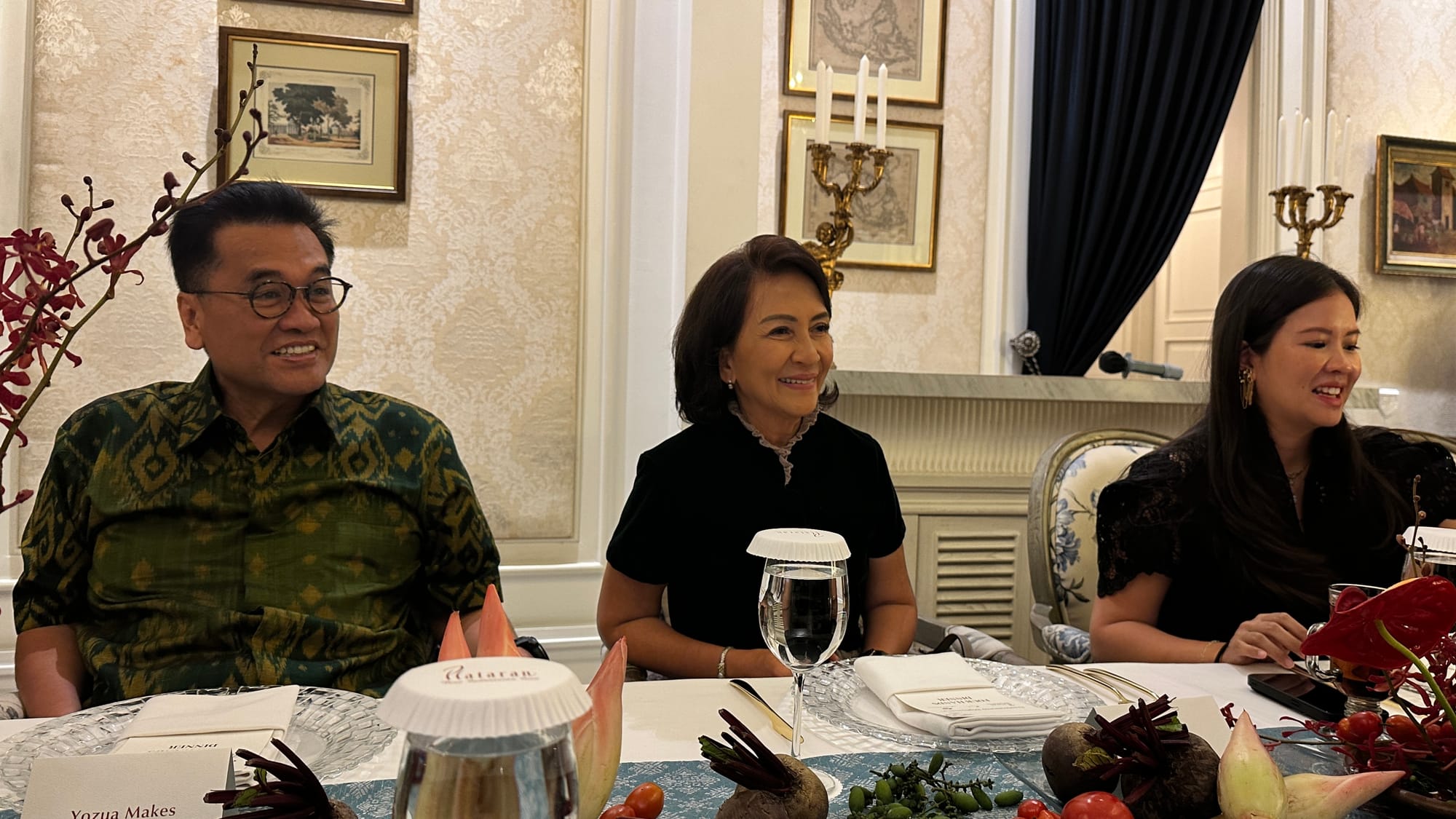
Yozua Makes, Founder and CEO of Plataran Indonesia when giving a speech emphasized that the culture of building trust between nations and today is very necessary.
"Currently, all countries are thinking about reformulating policies, relationships, business models because there is no trust anymore," said Yozua, who said he had just returned from Singapore to attend a conference held by Temasek, which was attended by many former heads of state who were concerned with the current global conditions.
While savoring the delicious food and chatting, dessert finally arrived. Again, a wonderful collaboration of menus.
The title is Sweet Duo. It combines mochi with ball cakes covered in matcha mitarashi sauce and kuromitsu. Nyam nyam...
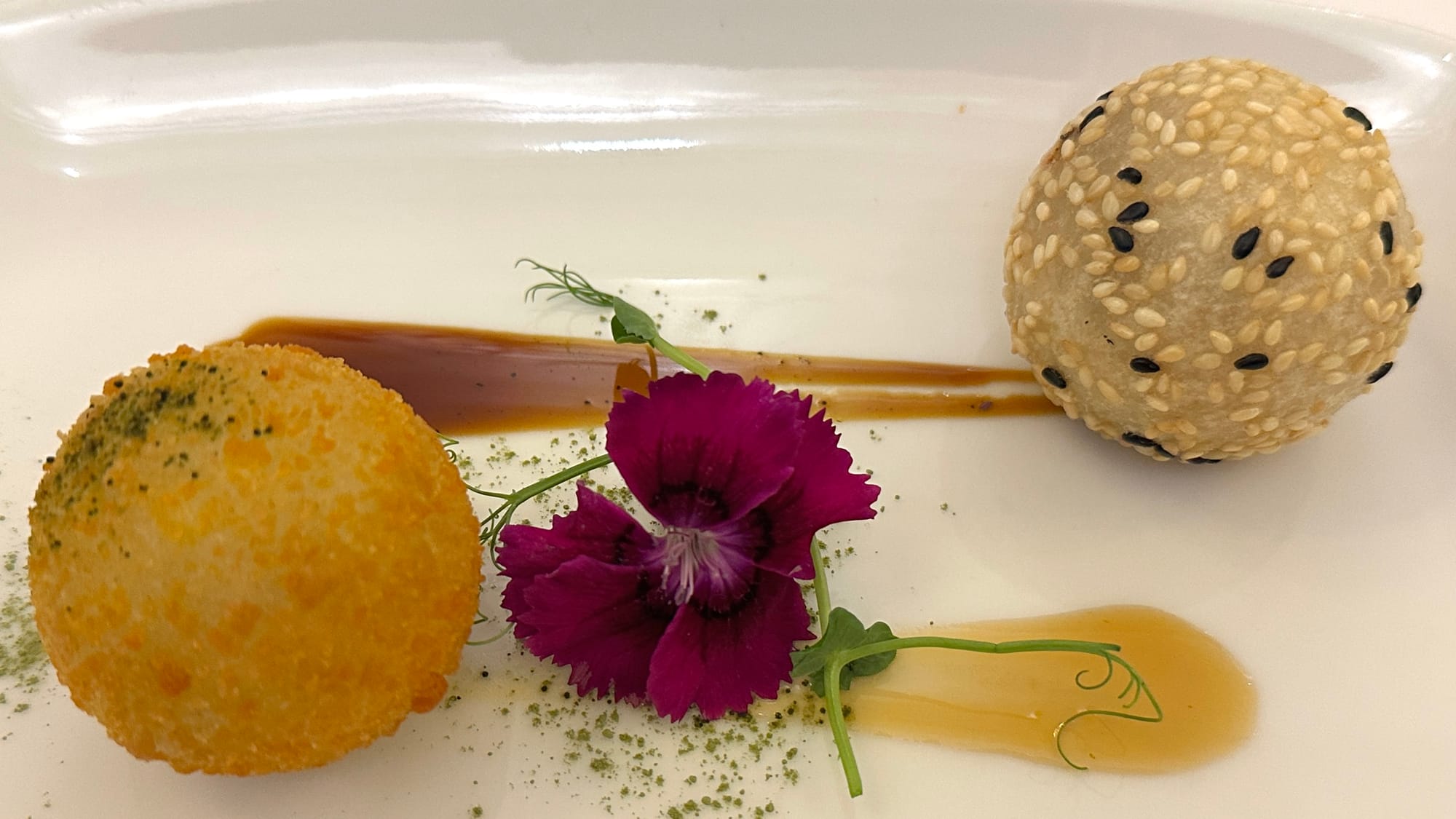
Indonesian and Japanese culinary lovers who are still confused about choosing a place to taste new and special flavors on weekends, can make Rumah Makan Plataran as one of the options on the list. With a note to make a special reservation in advance.
While indulging your taste buds, help promote good relations between the two nations, which share the same red and white flag.