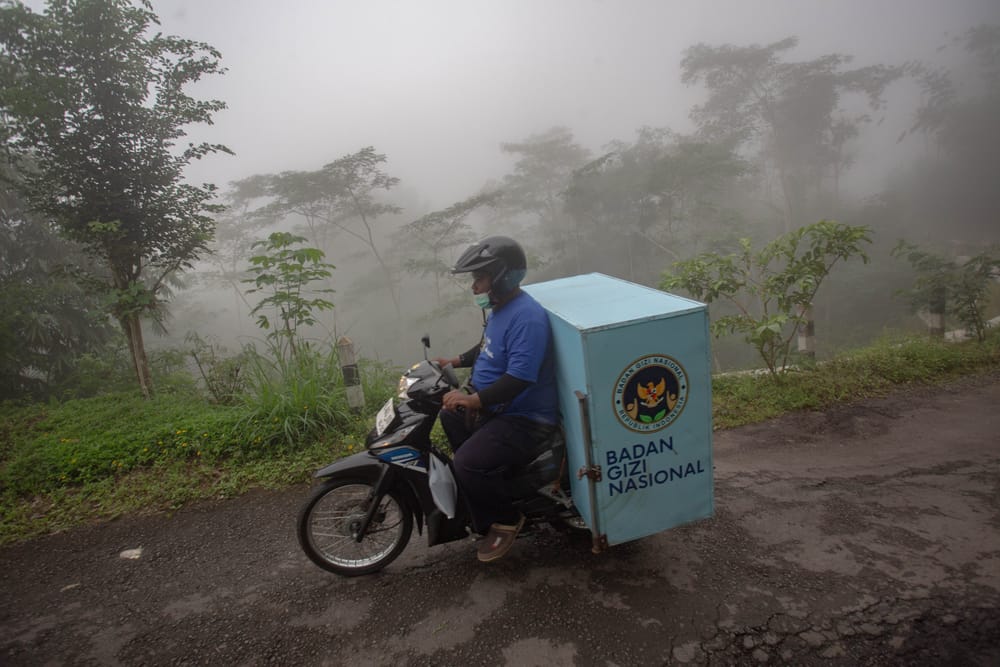
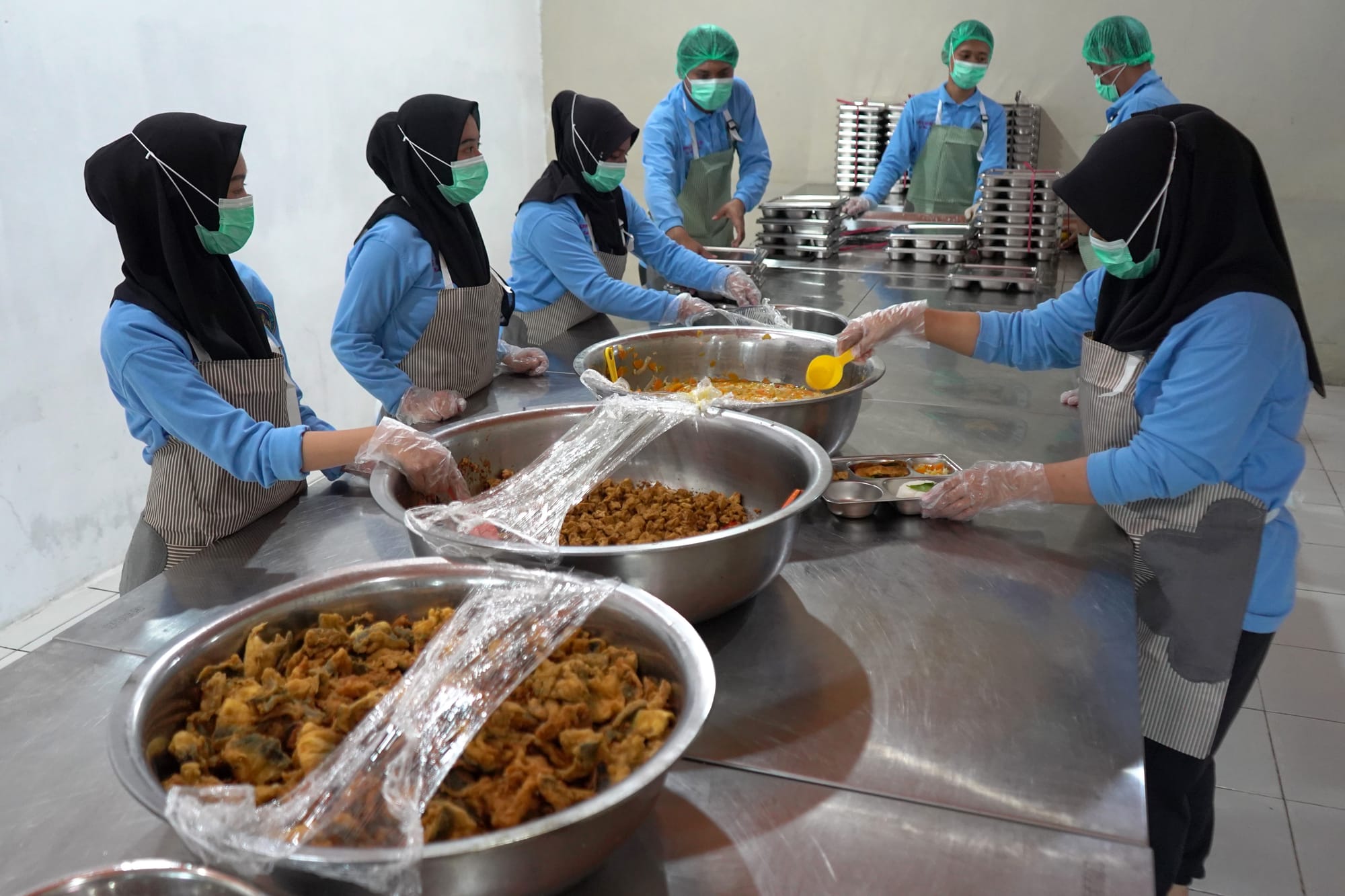
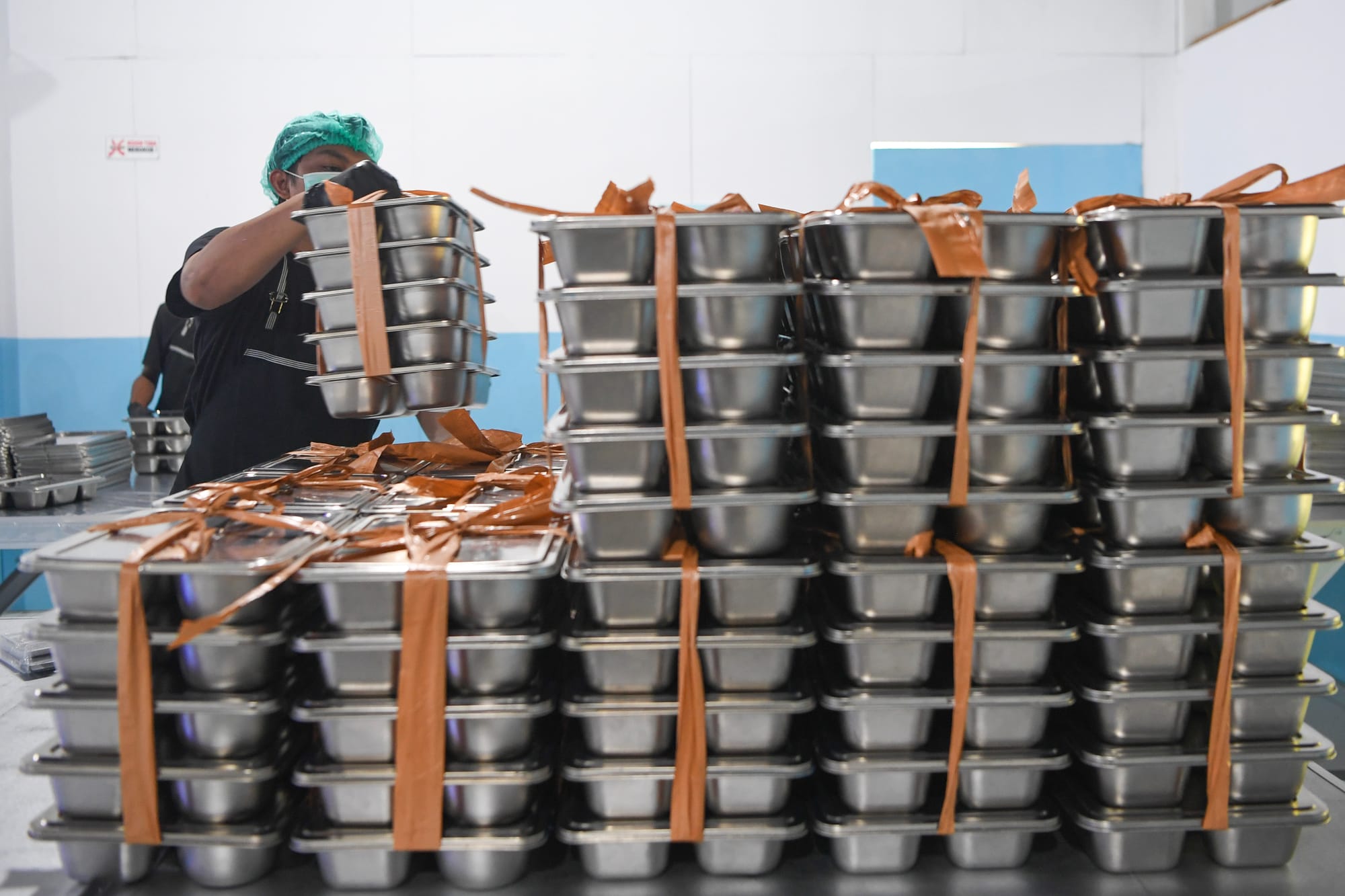
For six months, the Nutrition Fulfillment Service Unit (SPPG) established by the Indonesian National Police (Polri) in Pejaten, South Jakarta, has been one of the public kitchens supplying food for the Free Nutritious Meal (MBG) program. Since its establishment in March, the SPPG has supplied around 3,417 portions of nutritious food for school children and residents around Pejaten every day.
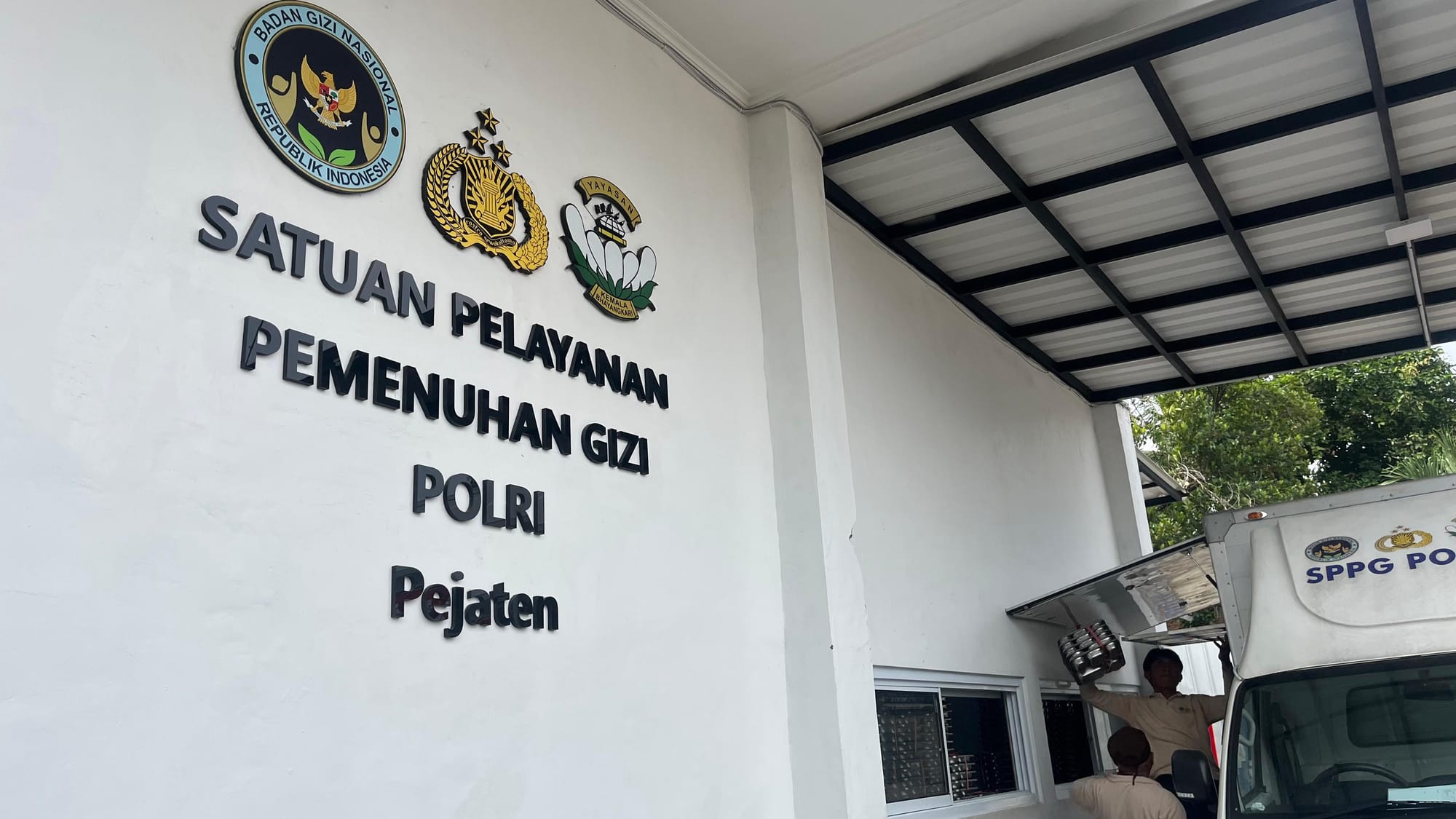
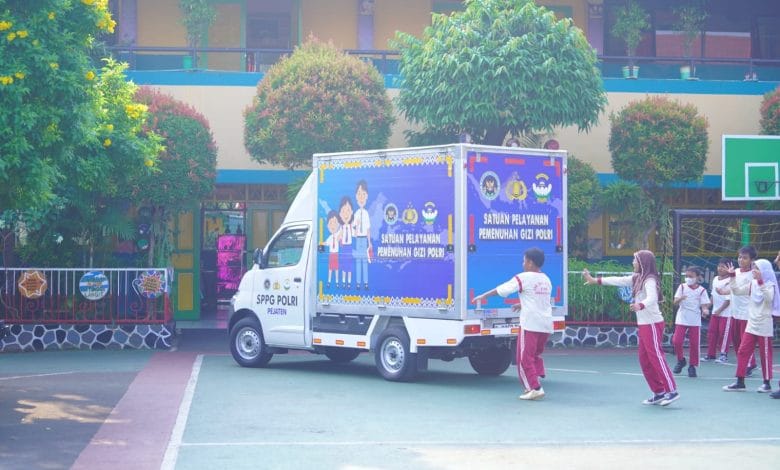
The SPPG Polri in Pejaten is one of 18 prioritized Nutrition Fulfillment Service Units (SPPG), consisting of 2 SPPGs at the National Police Headquarters and 16 others in the police ranks. One of those served by the SPPG Polri in Pejaten is SMK Kemala Bhayangkari Delog in South Jakarta.
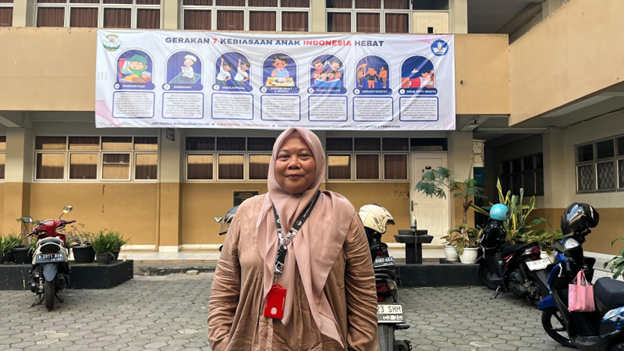
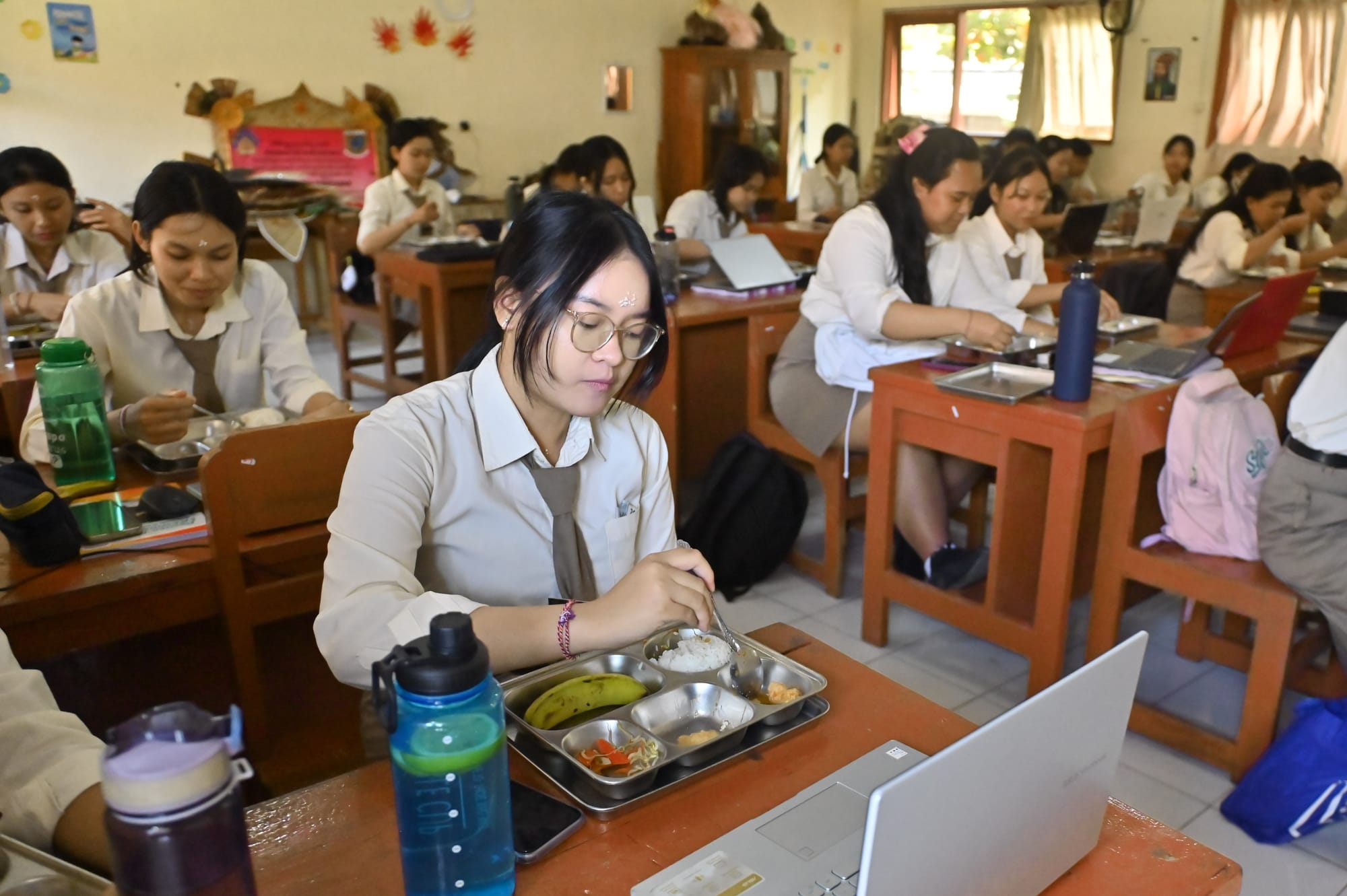
There are 695 students who receive MBG every day at this school. Asih Wisata Sari, 54, a student affairs staff member who is also the person in charge of MBG distribution at SMK Kemala Bhayangkari, admitted that for the past six months the MBG program supplied by SPPG Polri in Pejaten has run smoothly without any significant obstacles.
"So far the quality of the food we have received is still good, quite decent," Asih told SUAR, Tuesday, September 9, 2025. He also saw firsthand the SPPG Polri kitchen which was equipped with modern equipment. "The kitchen is sophisticated, so human error can be minimized. The quality control (QC) is strict," she added.
The SPPG Polri in Pejaten was even rated by BGN as one of the best, with high standards of hygiene and sanitation, making it a national reference model.
Asih admits that there are one or two challenges in SPPG operations, such as delays in distribution due to flooding at several distribution points due to heavy rain or work accidents in the kitchen. She also said that during a large demonstration in Jakarta, the program was halted. "But we were always notified. If there are no obstacles, the food usually arrives before 11am," he said.
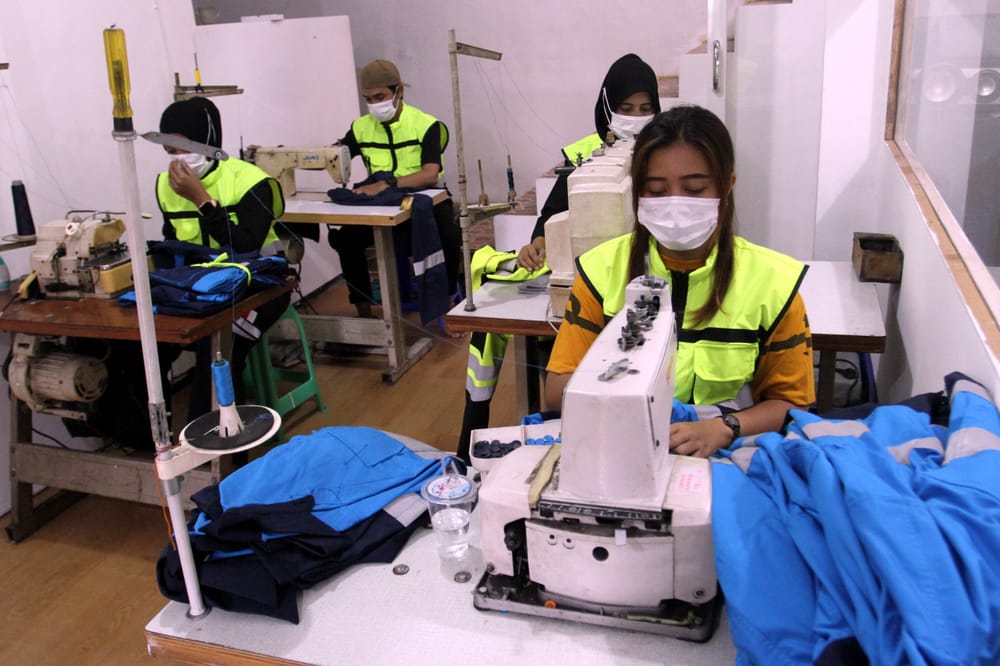
During operation, SPPGs usually involve a large number of workers to provide meals for program beneficiaries. One SPPG unit is estimated to employ around 50 people, which includes professionals such as the SPPG head, nutritionist, and accountant, as well as 47 operational workers such as cooks, portioners, logistics, and cleaners.
The number of SPPGs itself is also growing, as the implementation of this program expands to many regions.
The number of SPPGs itself also continues to grow, as the implementation of this program expands to many regions. When the implementation of the MBG began in January 2025, there were 220 SPPGs implementing this program, and there were 589,902 beneficiaries from students, pregnant women, and toddlers.
Then, after six months of implementation, the National Nutrition Agency (BGN) noted that by June 22, 2025, 1,837 SPPG units had been established and were operating in almost all provinces in Indonesia.
HR needs continue to grow
This program can also directly and indirectly become a new locomotive to boost the economy. According to Dadan Hindayana, Head of BGN, one SPPG unit requires operational costs of Rp1.5 billion to Rp2 billion, so the total turnover of funds in the community is estimated to have reached more than Rp28 trillion. "This is 100 percent public funds, not from the state budget," said Dadan during a hearing with Commission IX of the House of Representatives, Monday, September 8, 2025.
The service capacity has increased significantly, from an average of 500 servings per day to around 3,500 servings that are directly distributed to schools, pregnant women, nursing mothers, and children under five without eating on the spot.
The implementation of the MBG is also said to encourage business sector activities. Many restaurants, cafes, and hotels have shifted their kitchen functions to become SPPG production kitchens. Service capacity has increased significantly, from an average of 500 servings per day to around 3,500 servings that are directly distributed to schools, pregnant women, nursing mothers, and children under five without eating on the spot.
According to the Special Staff of the Head of BGN for Communication, Redy Hendra Gunawan, the number of SPPGs will continue to grow in the next few months. "Exponentially until November the target is a total of 32,000 SPPG units throughout Indonesia," Redy said, as quoted from the National Nutrition Agency website.
Also in June, BGN noted that 72,521 people were employed in MBG operations at SPPGs. "If the target of 32,000 SPPGs is met, there will be at least 1.5 million jobs from this program," Redy added.
On the other hand, the demand for raw materials for MBG is also very large, especially for vegetables. Tigor Pangaribuan, Deputy for Governance Systems at the National Nutrition Agency of the Republic of Indonesia, pointed out that one service kitchen can consume up to 300 kilograms of vegetables every day. If there are 100 SPPGs, then the need for vegetables can reach around 30 tons per day.
In addition to vegetables, the SPPG kitchen needs around 200 kilograms of rice, 150 kilograms to 300 kilograms of animal food such as beef, fish, chicken, or eggs, and 150 kilograms to 160 kilograms of vegetable food such as tofu and tempeh.
The vegetables needed are 120 kilograms to 150 kilograms, while the fruit is 350 kilograms. To complement the children's nutritional needs, 345 liters of milk are needed every day, plus between 5 kilograms and 8 kilograms of onions, and 54 liters to 72 liters of cooking oil.
In one month, one SPPG must prepare 4 tons of rice, 3 tons to 6 tons of animal protein, 3 tons to 3.2 tons of vegetable protein, 2.4 tons to 3 tons of vegetables, and 7 tons of fruit.
When converted to monthly needs, these numbers can multiply significantly. In one month, one SPPG must prepare 4 tons of rice, 3 tons to 6 tons of animal protein, 3 tons to 3.2 tons of vegetable protein, 2.4 tons to 3 tons of vegetables, and 7 tons of fruit.
Equally important, milk should be available in the amount of 6,900 liters per month, followed by onions at 100 to 160 kilograms, and cooking oil at around 1,080 liters to 1,440 liters.
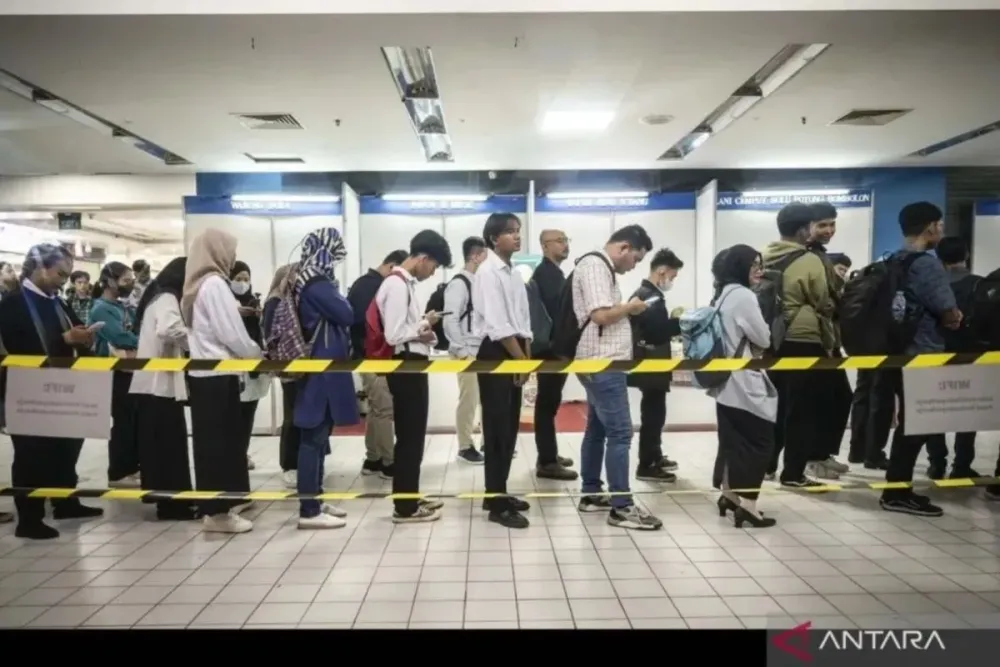
For human resource needs, the establishment of SPPG is also expected to answer the labor supply that has not been absorbed by the employment sector.
With a target of 30,000 SPPGs, where one SPPG will require a unit head, nutritionist, and accountant, it will open up at least 90,000 jobs. "So the head of the unit, there are 30,000, we will automatically recruit 30,000 graduates in Indonesia to become the head," said Tigor.
Deputy Head of the National Nutrition Agency (BGN) Major General TNI (Ret) Ludwig Pusung emphasized that these figures are not the result of estimates or simulations on paper. "These are not simulation figures, these are the results of real trials and simulations in the field," he said.
In some places, the implementation of this program has also begun to take off. In the city of Palangkaraya, East Kalimantan, the local government calculates that 650 workers have been absorbed in the implementation of this program.
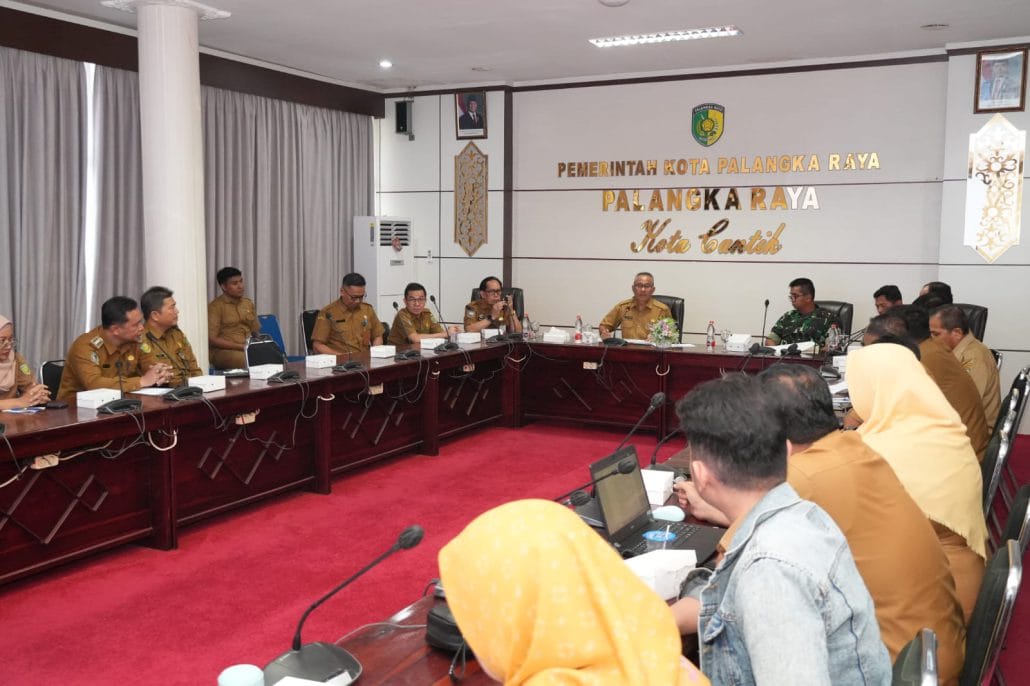
The Secretary of the Education Office of Palangkaraya City, Central Kalimantan, Aprae Vico Ranan, emphasized that his office has been encouraging the implementation of the MBG program to continue to involve various elements of the local economy, such as farmers, fishermen, breeders, and UMKM players, as suppliers of food for the SPPG kitchen.
"This program certainly provides significant economic opportunities for local communities, and currently there are 13 SPPGs operating," said Vico, Friday, September 5, 2025.
According to him, each SPPG unit employs around 50 people, consisting of 1 SPPG head, 1 accountant, 1 nutritionist, and 47 volunteers. Future program development plans include the addition of 19 new SPPG units, which are currently under verification.
"With this addition, it is expected to create more jobs and expand the involvement of UMKM in the MBG program supply chain," he said.
Effective program optimal economic impact
Minister of National Development Planning/Head of Bappenas, Rachmat Pambudy, stated that the MBG program has the potential to contribute to national economic growth of up to 0.86 percent, provided that the Rp71 trillion budget is fully absorbed and on target. "But if the spending is not full or not on target, it cannot," Rachmat said.
According to him, the economic contribution of the MBG program will largely depend on the realization and quality of its spending. He emphasized the importance of monitoring the implementation of the MBG so that its impact is not only visible from the budget side, but also from direct economic and social outcomes.
Meanwhile, Finance Minister Sri Mulyani Indrawati projects that the MBG budget increase will contribute 0.7% to the formation of gross domestic product (GDP) this year. Meanwhile, the workforce involved is projected to be around 185,000 people. Then, poverty is estimated to be reduced by 0.19 percentage points.
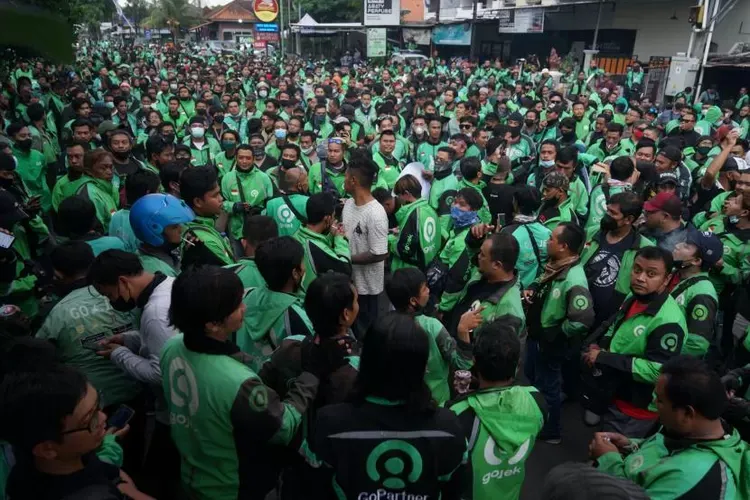
A simulation conducted by the Institute for Development of Economics & Finance (Indef) stated that the implementation of the MBG Pilot Project in May 2024 also showed a positive economic impact. Indef's research captures the MBG pilot implemented by one of the digital platform companies, GoTo Group, as a case study.
The online transportation service selects the closest UMKM partners from the school to supply the MBG program menu. The estimated multiplier effect of the MBG program, based on the implementation of the pilot project, shows a large economic impact.
As the allocation of MBG program expenditures will encourage higher import growth compared to export growth and domestic investment. Thus, the MBG program should be decentralized to use local food sources and raw materials to reduce distribution costs, reduce the value of imports, and improve the welfare of farmers and UMKM.
Indef found that there was an average increase of 3 workers in UMKM involved in the MBG program pilot project in 10 cities/districts. UMKM involved in the MBG pilot project program had an average monthly net income of 33.68% higher than their income before joining the MBG program.
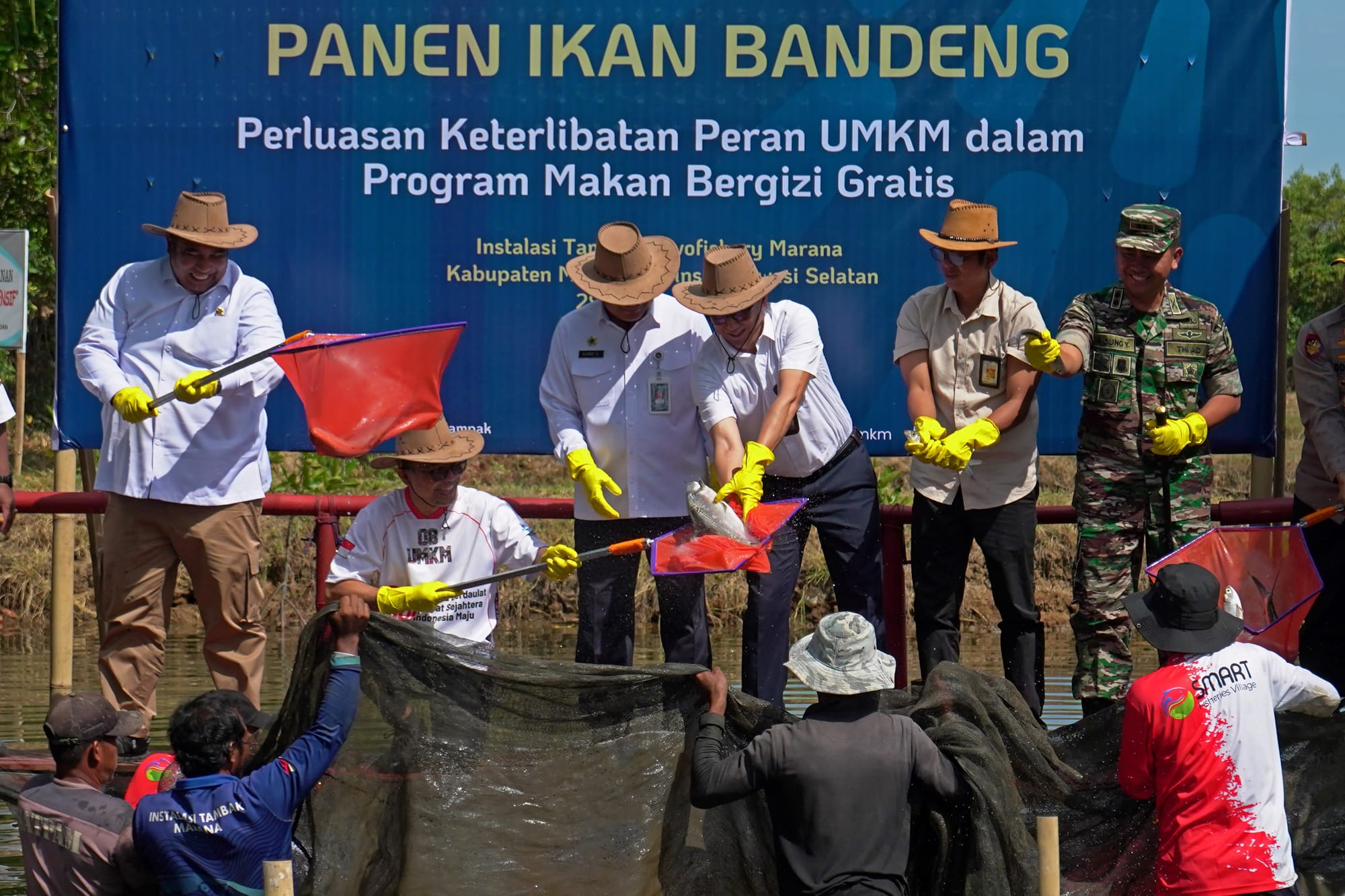
Meanwhile, driver-partners in the 10 cities/districts that implemented the MBG program pilot project earned 17% higher net income compared to their income before implementing the MBG program.
In addition, there was an average increase of 2 additional bookings received by driver-partners in the 10 cities/districts that implemented the MBG program pilot project.
Meanwhile, the Center of Economic and Law Studies (Celios) noted that the MBG design is too state-centered. This institution highlights the MBG program with a centralized work pattern from top to bottom. "Excessive intervention actually disrupts market mechanisms," said Celios' Director of Fiscal Justice, Media Wahyudi Askar.
The impact of MBG, he continued, is not only felt at the policy level. In the household and school environment, the program has a substitution effect. Before the program, children's consumption was mostly supplied by stalls or canteens. After MBG was implemented, as a result, transactions at the canteen decreased.
The situation is even more complex when the MBG provider's large kitchen does not shop at local UMKM , but instead sources staples from large companies outside the school area. "This program should have a multiplier effect. But because the shopping is not from UMKM and the labor absorption is also not transparent, the economy below is not excited," said Media.
He is concerned that the MBG supply chain will be concentrated in a handful of large suppliers, including in the purchase of rice and staples. "Money rotates outside the village," he said.
In fact, he said, local UMKM actually get minimal space. In fact, the involvement of entrepreneurs is almost absent. "Business entities should be included in the MBG design process in a participatory manner. That is relatively not happening today. Even Apindo is not involved," he said.
Media encourages the government to lock in the involvement of UMKM through clear regulations. He pointed out that other strategic projects can set the obligation to absorb a certain portion of local UMKM . "Why can't MBG? It can be locked through regulations," he said.
The spotlight is also on labor. According to him, the government's claim about job creation in the provider's kitchen has not been proven. The worker database is not transparent, and the kitchen registration process is prone to violating the principle of fair competition.
According to him, the registration and selection process has unclear parameters and has the potential to favor those with political affiliations. "Honest entrepreneurs are reluctant to enter because of reputational risks, those who queue to enter are those with political affiliations," said Media.
Business collaboration
On the other hand, the many obstacles did not discourage the Indonesian Chamber of Commerce and Industry (Kadin) from building 1,000 SPPGs. Chairman of Kadin Indonesia Anindya Bakrie emphasized that BGN's efforts to build 30,000 SPPG kitchen points were a big step that needed broad support. "This is not a small thing and seems to be on target," said Anindya.
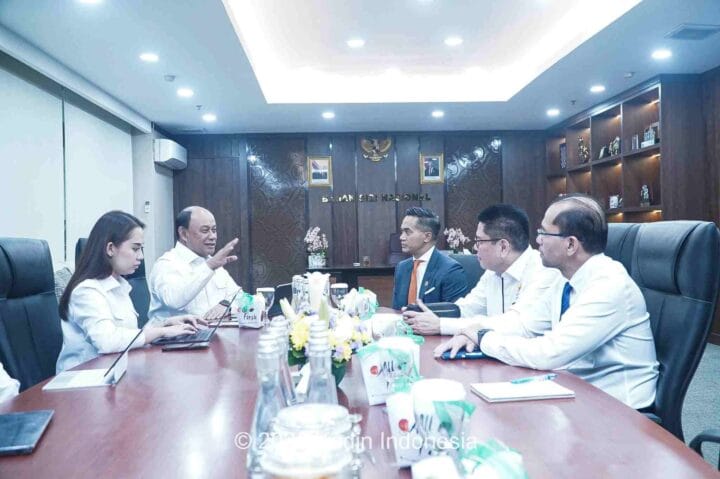
He emphasized that his party will mobilize the power of the business world to accelerate the development of nutritious kitchens, including involving UMKM in the funding aspect. Anindya said that his party is enthusiastic and wants to contribute to this government program. According to him, this is an example of a real partnership between the government and entrepreneurs.
He estimates that if the target of 1,000 SPPGs can be realized, more than 50,000 people can work, thus helping to drive the economy, while also guaranteeing that raw materials for MBG will be fully supplied from the region. "This policy empowers local entrepreneurs and communities. So it is not only a matter of nutrition, but also the people's economic turnover whose goal is for the welfare of the community," he said.
Mukhlison, Harits Arrazie, and Dian Amalia