
Menjadi salah satu penyambung lidah Selatan Bumi di Konferensi Tingkat Tinggi (KTT) G20 di Johannesburg, Afrika Selatan, 22-23 November 2025 mendatang, Indonesia mengusung sejumlah usulan penting dan mendesak. Isu yang diusung antara lain reformasi institusi keuangan global dan rekonstruksi rantai pasok global yang rusak akibat perang dagang. Tak hanya mengangkat reputasi, aspirasi ini membawa Indonesia mendekat ke dalam rantai pasok mineral kritis dunia.
Deputi Bidang Koordinasi Kerja Sama Ekonomi dan Investasi Kementerian Koordinator Bidang Perekonomian Edi Prio Pambudi menyatakan, dari 12 tema yang sedianya diangkat dalam Leaders Declaration yang akan disampaikan dalam KTT, Indonesia telah memajukan sejumlah gagasan di finance track yang meliputi sektor fiskal dan moneter, maupun di sherpa track yang meliputi sektor lebih luas, melalui rapat-rapat kelompok kerja G20 sepanjang 2025.
"Dalam kelompok kerja inclusive economic growth, Indonesia menekankan pentingnya mineral kritis serta penguatan hilirisasi. Sementara itu, dalam kelompok kerja trade and investment, kami mengupayakan reformasi inklusif WTO dan rekonstruksi rantai pasok yang rusak akibat perang dagang," ucap Edi dalam taklimat media di Jakarta, Jumat (14/11/2025).
Selain kedua isu tersebut, Indonesia bersatu suara dengan negara-negara anggota BRICS lain untuk mendorong reformasi arsitektur keuangan global, termasuk IMF dan Bank Dunia. Reformasi itu antara lain menolak keberlanjutan pinjaman bilateral tertutup dan tidak transparan, serta dorongan agar G20 memberikan perhatian pada akumulasi utang negara-negara berkembang yang mencapai USD 102 triliun pada 2024.
"Bersama kaukus BRICS, Indonesia memperjuangkan agar jangan sampai utang bilateral yang tidak tercatat memicu keruntuhan tanpa disadari, terutama di Asia Selatan dan Afrika. Mekanisme di Asian Development Bank sedang disusun agar tersedia waktu lebih fleksibel untuk mengatasi ketergantungan pinjaman di luar batas toleransi," jelas Edi.
Tuntutan reformasi institusi keuangan global merupakan salah satu strategi multilateral Indonesia untuk menemukan relevansi dalam dunia yang berubah. Kepala Pusat Strategi Kebijakan Multilateral Kementerian Luar Negeri Masni Eriza menegaskan, lemahnya pengawasan IMF mengakibatkan program pinjaman menciptakan ketergantungan struktural, alih-alih membawa kesejahteraan.
"Lewat program-program pembangunan kapasitas, masih banyak negara debitur kesulitan untuk mengubahnya menjadi reformasi berkelanjutan dan berwujud pada program riil. Kalaupun terjadi, hasilnya belum jalan dan memperburuk keadaan," tukas Masni dalam diskusi publik "Menguatkan Peran Indonesia di G20 untuk Tatanan Global yang Adil dan Seimbang" di Jakarta, Senin (17/11/2025).
Melalui kaukus BRICS, Masni menjelaskan, Indonesia mengusung gagasan agar kuota aspirasi yang representatif untuk negara-negara berkembang. Cara memajukan aspirasi melalui kaukus ini lebih efektif dan memperkuat daya tawar Indonesia di hadapan negara-negara maju, terutama karena saran-saran konkret seperti diversifikasi mata uang guna membangun sistem keuangan global yang lebih tangguh dan inklusif.
Selain untuk meningkatkan daya tawar, menurut Masni, kekuatan sebuah negara mendorong agenda di forum multilateral seperti G20 tidak semata-mata berhasil karena kemampuan negara itu saja, melainkan juga sekuat apa aliansi yang dibangun Indonesia untuk mendorong isu tersebut mencapai pembahasan.
"Sejak G20, Indonesia sudah menjadi bridge builder, karena kalau kita berdiri sendiri, akan susah. Maka kita majukan kedua isu penting tadi lewat kelompok kecil, mengikuti penyesuaian-penyesuaian, lalu sesudah selesai, kita majukan bersama-sama. Cara ini memberi kita kekuatan lebih untuk menghadapi negara-negara besar," ucap Masni.
Lebih didengar
Di samping konsistensi posisi sebagai satu-satunya negara Asia Tenggara di G20, kepemilikan atas cadangan mineral kritis seperti nikel, tembaga, bauksit, dan timah yang menjadi bahan baku industri masa depan menjadi salah satu penguat daya tawar Indonesia di panggung multilateral.
Analis Perekonomian Sekretariat Sherpa Indonesia di G20 Dita Herdiana mengungkapkan, sebagai Presiden G20 2025, Afrika Selatan berhasil mengarusutamakan pembahasan tentang perlunya sebuah framework yang mengatur tata kelola rantai pasok mineral kritis di tingkat internasional. Khusus dalam Leaders Declaration yang tengah disusun saat ini, terdapat sedikitnya 5 paragraf yang membahas soal mineral kritis, mulai dari hilirisasi hingga peran bagi transisi energi.
Dita menjelaskan, posisi Indonesia yang disampaikan berulang kali dalam rapat-rapat sherpa track tentang mineral kritis adalah mendukung agar framework mengikutsertakan langkah-langkah realisasi potensi cadangan di negara-negara berkembang, memperkuat investasi, serta keamanan rantai pasok.
Di samping itu, Indonesia mendorong agar negara maju bersedia menanamkan modal untuk membangun smelter dan pabrik-pabrik pengolahan nikel, tembaga, dan bauksit di negara berkembang, agar di Selatan Bumi terbentuk industri hilir berupa baterai dan panel surya yang menjadi tulang punggung energi bersih global.
"Kesepakatan-kesepakatan Indonesia bertujuan mengembangkan kemitraan negara maju dan negara berkembang, terutama untuk meminimalisasi dampak geopolitik. Negara-negara berkembang harus memiliki akses yang setara dalam pendanaan hijau global, serta alih teknologi yang membentuk resiliensi dalam jangka panjang," kata Dita.
Baca juga:
 Zikrina Ratri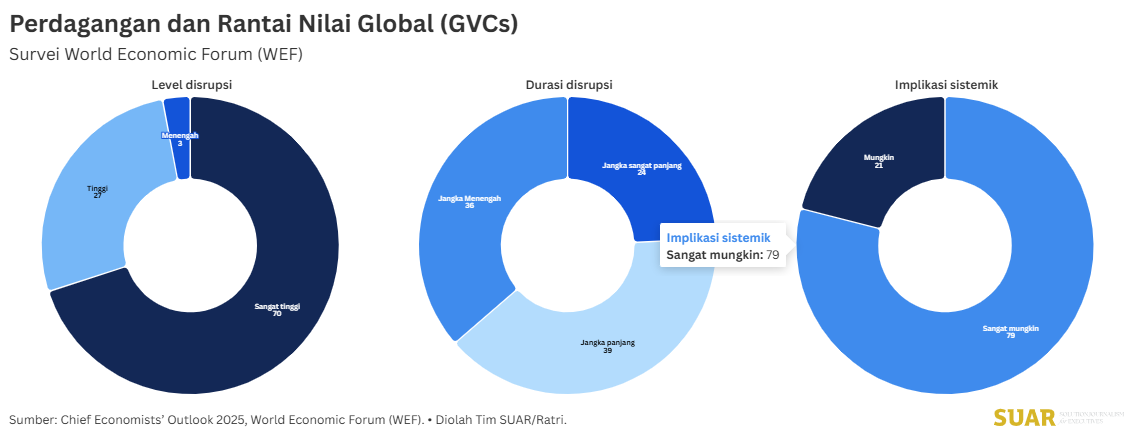
Kendati memiliki suara lantang, Deputi Direktur Publish What You Pay (PWYP) Indonesia Meliana Lumbantoruan mengingatkan bahwa hilirisasi dan kehadiran mineral kritis tanpa tata kelola yang siap justru membuka celah bagi deforestasi dan degradasi lingkungan. Daya rusak akibat keduanya sebagai risiko hilirisasi bahkan dapat menjangkau hingga dua kali lebih luas dari wilayah pertambangan.
"Dengan critical mineral framework yang dibawa Afrika Selatan, Indonesia bisa menjadi negara yang lebih didengar daripada sekadar menjadi pemasok, yaitu sebagai rule-shaper untuk membentuk kebijakan yang cocok tentang mineral kritis, dengan pendekatan mendahulukan manusia daripada tambang," tegas Meliana.
Melalui pendekatan yang mendahulukan manusia itu, aspek lingkungan dari eksplorasi mineral kritis tidak serta-merta berbicara terkait AMDAL, melainkan juga keberpihakan kepada masyarakat di sekitar tambang, hingga menentukan benefit-sharing yang tidak hanya menambah profit perusahaan dan penerimaan negara, tetapi juga dirasakan masyarakat lokal dan pemerintah daerah.
Meliana mengusulkan, dengan semakin dekatnya Indonesia sebagai pemain utama dalam rantai pasok mineral kritis global, forum G20 dapat menjadi ruang Indonesia mendorong terciptanya global traceability mechanism, suatu pedoman lengkap yang menginformasikan lokasi tambang, asal bahan baku, dan pemenuhan standar lingkungan dalam produk elektronik.
"Indonesia juga bisa mendorong standar global ESG+ benefit sharing, memastikan komunitas lokal mendapatkan manfaat jangka panjang, bukan hanya kerugian lingkungan. Kita perlu memastikan transparansi berbagai izin, menjamin akuntabilitas, dan menyediakan semua informasi yang perlu dibuka kepada publik," ujar Meliana.