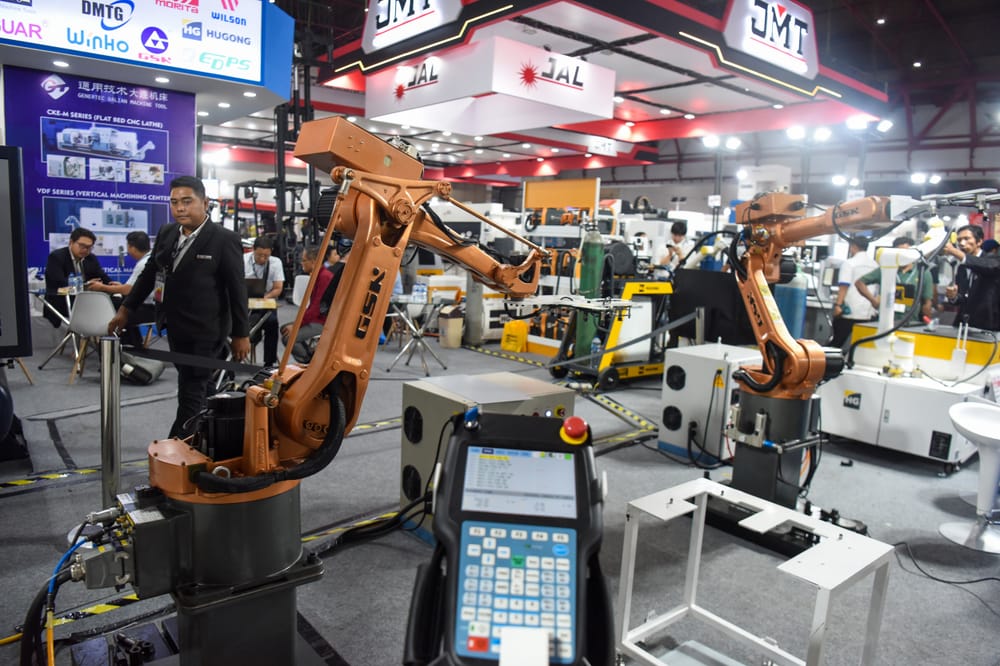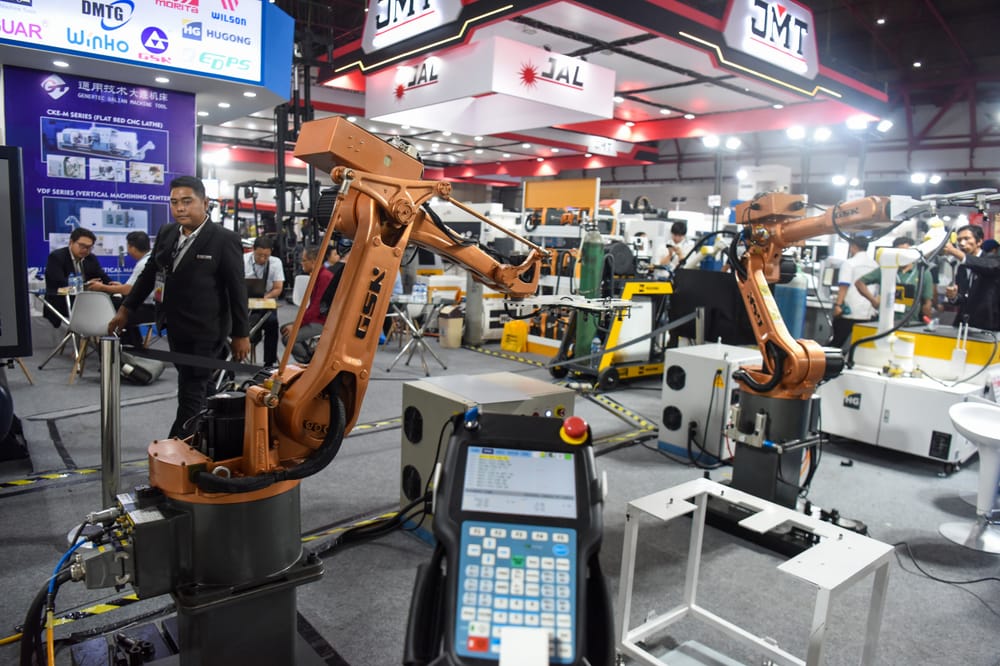

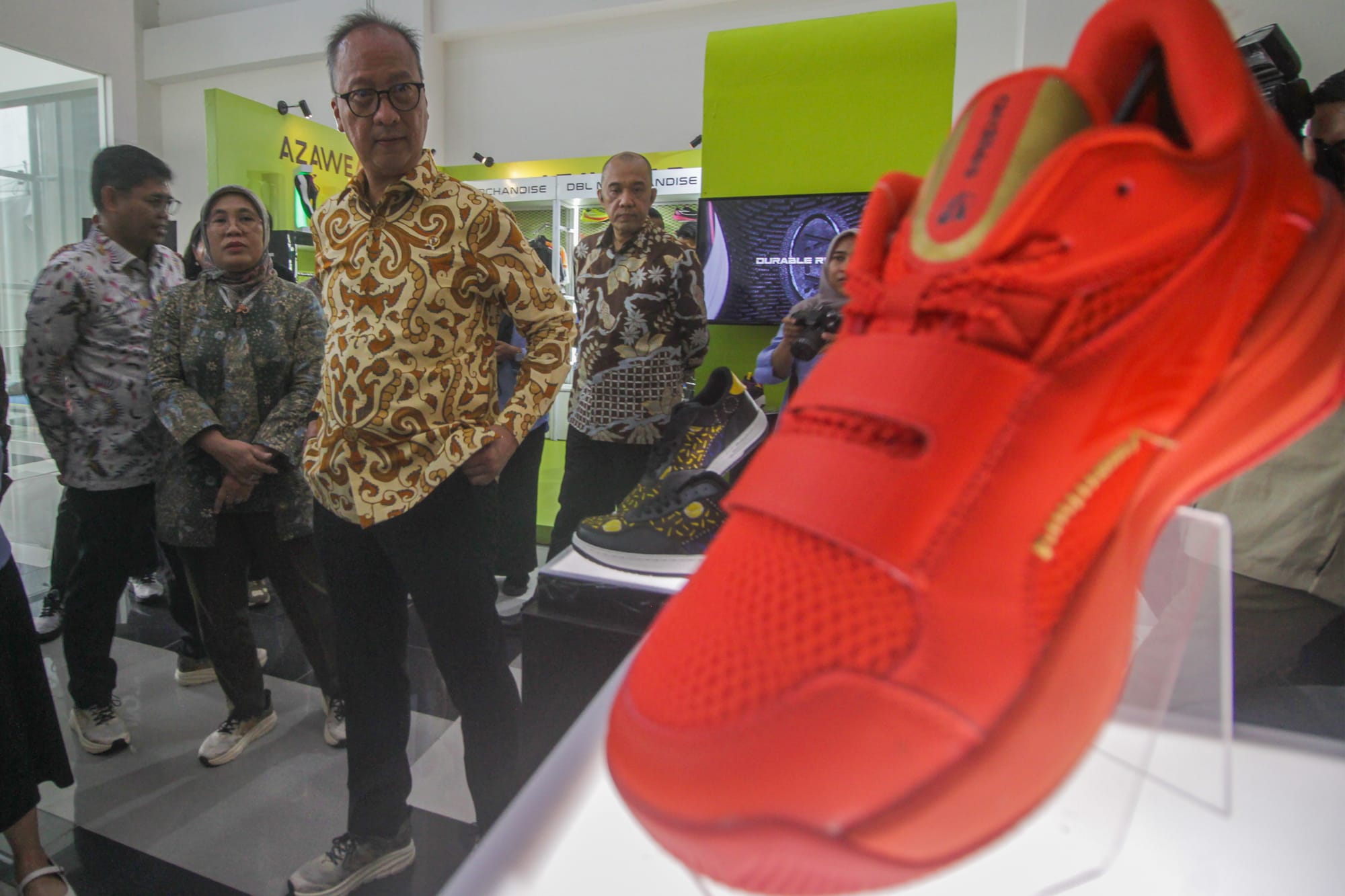
The Ministry of Industry on Thursday (6/11/2025) reported that the manufacturing sector has again become the main motor driving the Indonesian economy for both the domestic and export markets.
In the third quarter of 2025, manufacturing grew by 5.58 percent (year on year), again higher than the national economic growth of 5.04 percent (year on year).
Previously, in the second quarter of 2025, manufacturing growth was 5.60 percent (y on y) and higher than economic growth of 5.12 percent (y on y).
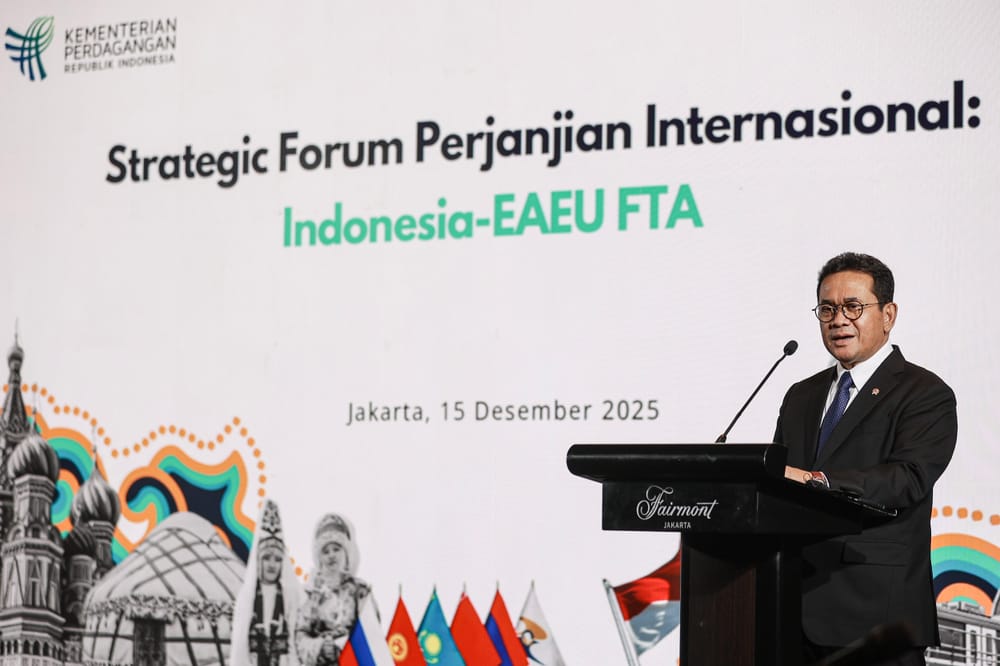
"Manufacturing again became the main driver of the national economy in the third quarter of 2025 as shown by the contribution to national GDP and also to national economic growth," Industry Minister Agus Gumiwang Kartasasmita said in an official statement received by SUAR in Jakarta (6/11).
Based on data from the Central Statistics Agency (BPS), the contribution of manufacturing to national GDP increased by 0.47 percent from 16.92 percent to 17.39 percent in the third quarter of 2025.
Meanwhile, manufacturing contributed to the source of Indonesia's economic growth, with a contribution of 1.13 percent (y-on-y).
"This means that this sector remains the main driving force of the national economy which provides large added value, absorbs labor, and strengthens the national economic structure," Agus said.
Industry Sub Sector
Agus added that manufacturing growth in the third quarter of 2025 was supported by increased demand from both domestic and foreign markets. A number of industrial subsectors even showed significant growth.
The food and beverage industry grew by 6.49 percent, mainly driven by increased production of Crude Palm Oil (CPO) and its derivative products. Meanwhile, the base metal industry recorded a surge in growth of up to 18.62 percent, in line with increasing export demand for base metal products, particularly iron and steel.
Furthermore, the chemical, pharmaceutical, and traditional medicine industries grew by 11.65 percent, driven by an increase in the production of chemicals and chemical goods used to meet domestic and export market needs.
Likewise, the machinery and equipment industry subsector and other processing industry subsectors, repair and installation services of machinery and equipment also experienced growth of 11.74 percent and 16.30 percent, respectively.
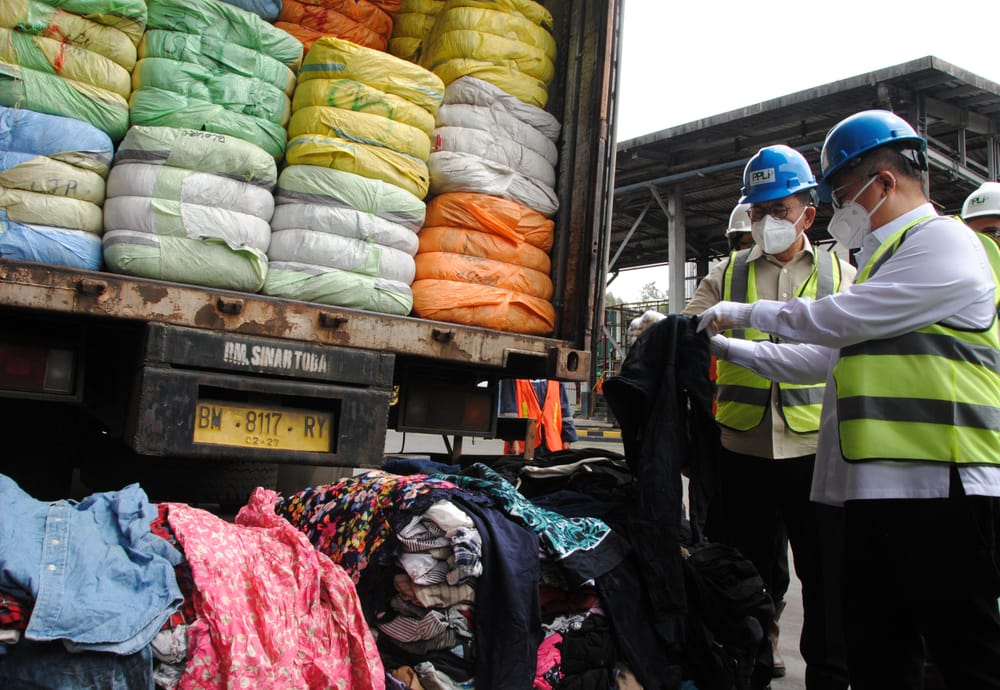
"This solid growth in various subsectors shows that the government's strategy in encouraging the industrialization of natural resources, protecting the domestic market from the flood of imported products, strengthening production technology, developing the industrial workforce and strengthening the national supply chain ecosystem has been effective. Going forward, we will continue to strengthen policies based on increasing industrial productivity and competitiveness," he said.
According to Agus, the Ministry of Industry continues to be committed to maintaining this positive momentum through various programs, including the New Strategy for National Industrialization (SBIN), optimizing the Domestic Component Level (TKDN), developing the halal industry, transforming the green industry and supporting export-oriented investment and green technology innovation.
Food and Beverage Industry
Chairman of the Indonesian Food and Beverage Manufacturers Association (GAPMMI) Adhi Lukman said the food and beverage industry is one of the sources of Indonesia's economic growth. The sector contributes 7% to the national GDP or around 40% of the GDP of the non-oil and gas processing industry.
"The high growth of the manufacturing sector cannot be separated from the role of the food and beverage industry," he told SUAR in Jakarta (6/11).
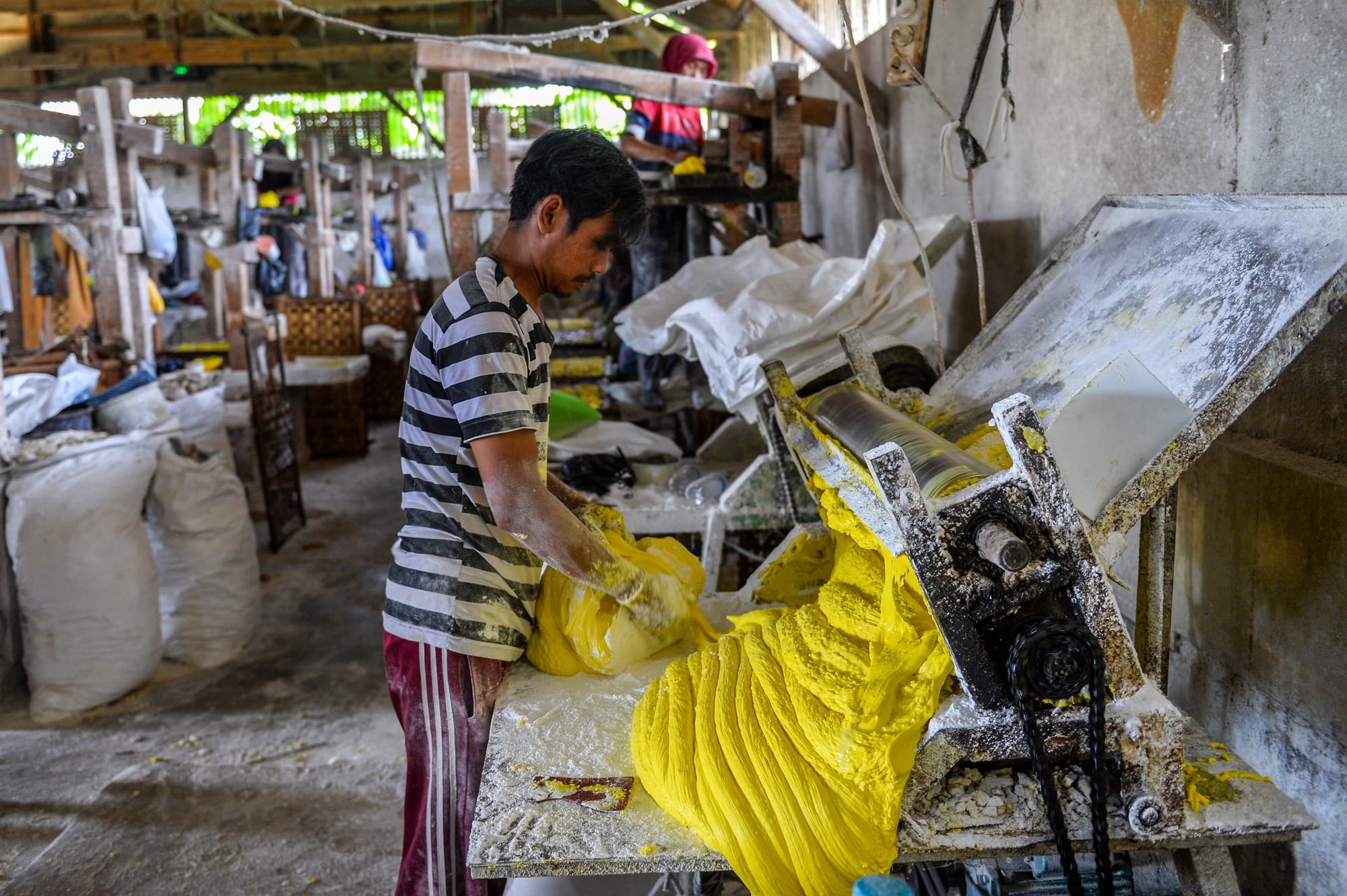
In the first semester of 2025, the F&B industry grew by 6.15%, exceeding the national economic growth target of 5.12%. However, competitiveness and dependence on imported raw materials are still a challenge.
Packaging is essential for the food and beverage industry, not only for packaging products, but also for distribution and communicating with consumers.
The main challenge for the F&B industry remains imported raw materials, Indonesia is still heavily dependent on imports for some raw materials such as milk and cocoa, which makes the industry vulnerable to weakening currency exchange rates.
For this raw material solution, coordination between business actors and the government is needed on how to build import substitution.
Automotive Industry
General Secretary of the Indonesian Automotive Industry Association (Gaikindo) Kukuh Kumara said the automotive industry is still a significant support for Indonesia's GDP due to its large contribution to the national economy, both through domestic production and exports, and also because of its linkages with various UMKM sectors.
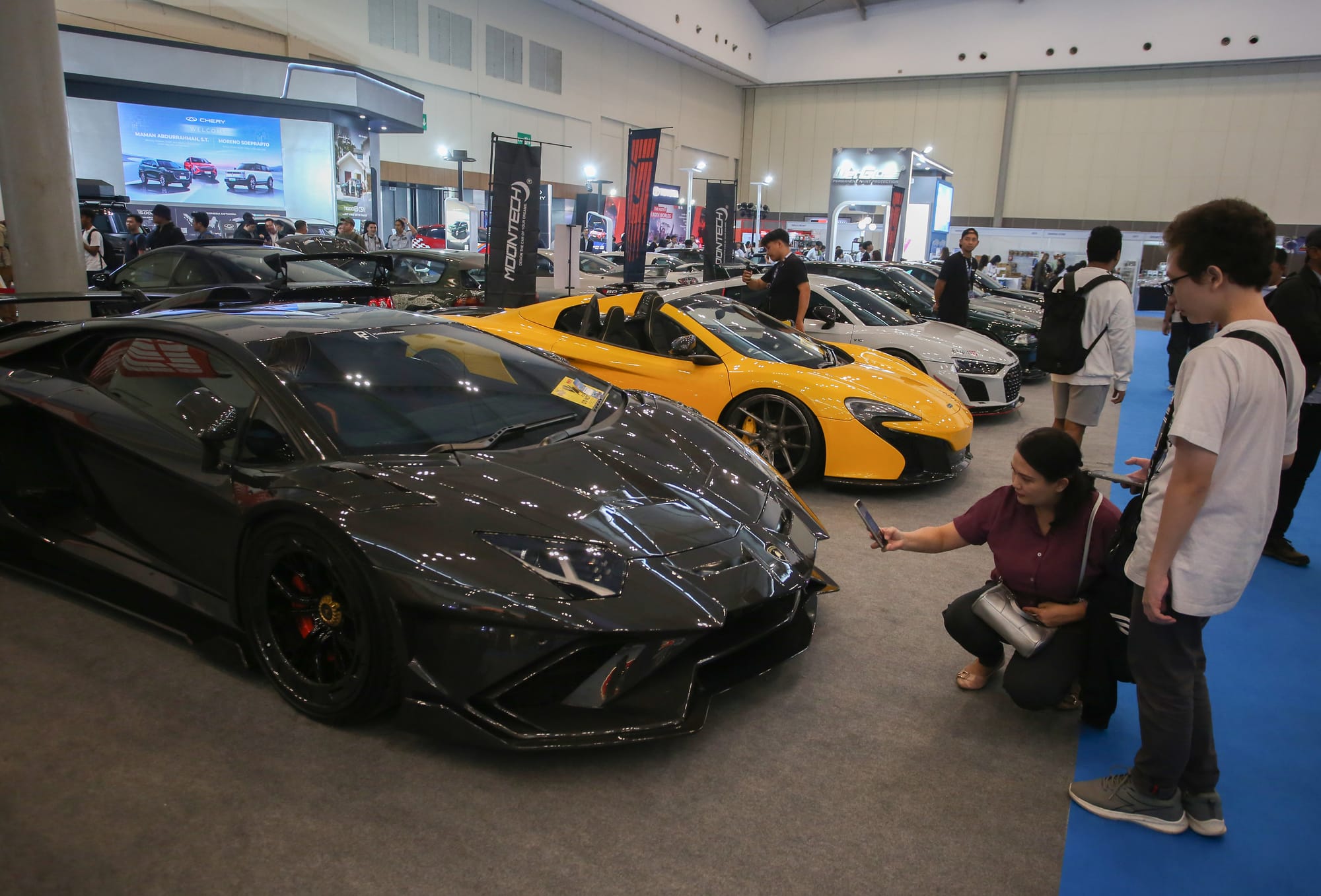
This sector is one of the five mainstay manufacturing sectors that are considered to have a major role in driving the Indonesian economy.
"The automotive industry is included in the five main manufacturing sectors that are the mainstay of national economic growth, along with the food and beverage, textile, petrochemical and electronics industries," he told SUAR in Jakarta (6/11).
Indef Economic Observer Eko Listiyanto said several policies are needed to encourage the manufacturing sector, including infrastructure improvements such as industrial estates and logistics, fiscal incentives such as tax discounts and subsidies,
Human resource development through training and apprenticeship, technological innovation such as industry 4.0 and strengthening the domestic market through TKDN optimization and protection from unfair competition.
"If all these policies are well realized, the manufacturing sector will grow," he told SUAR.