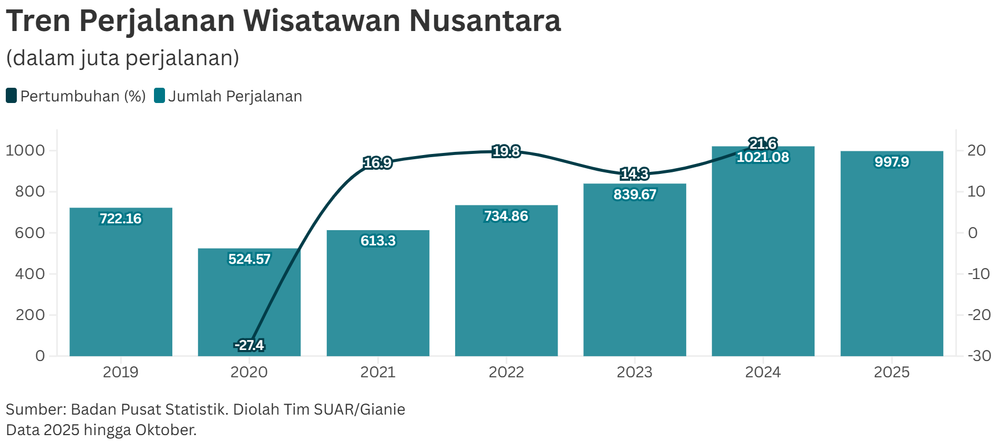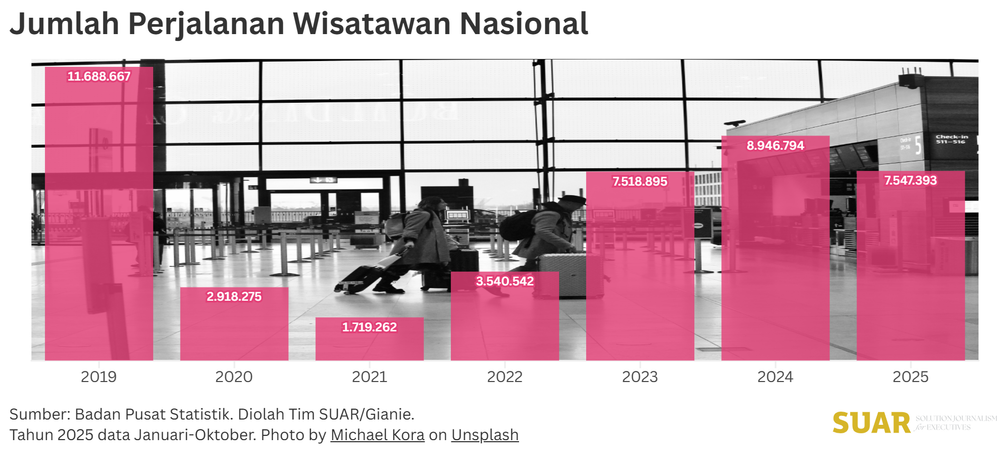

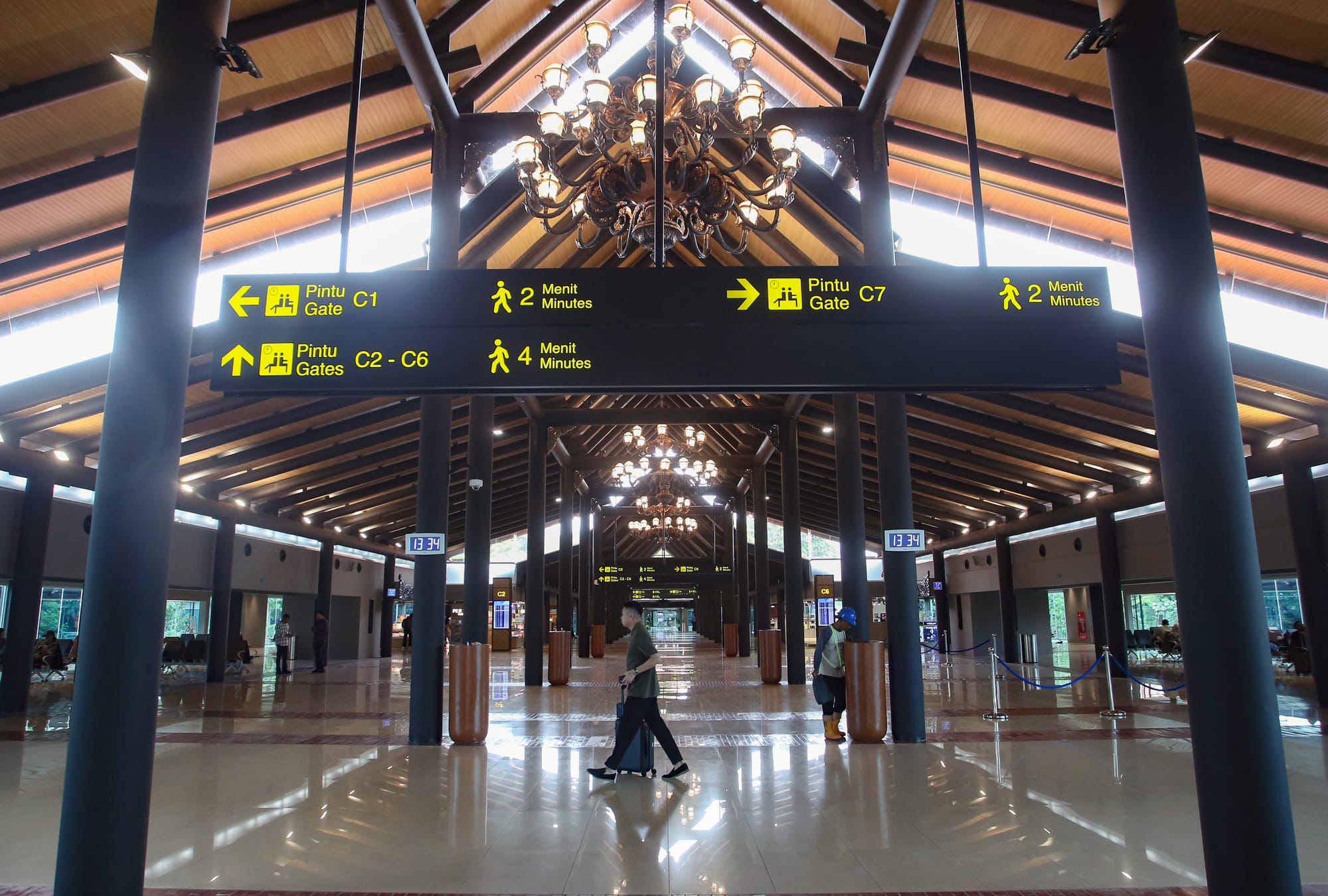
Visits from both domestic and foreign tourists continue to grow. Tourist spending has also increased. As a result, this has contributed to economic growth.
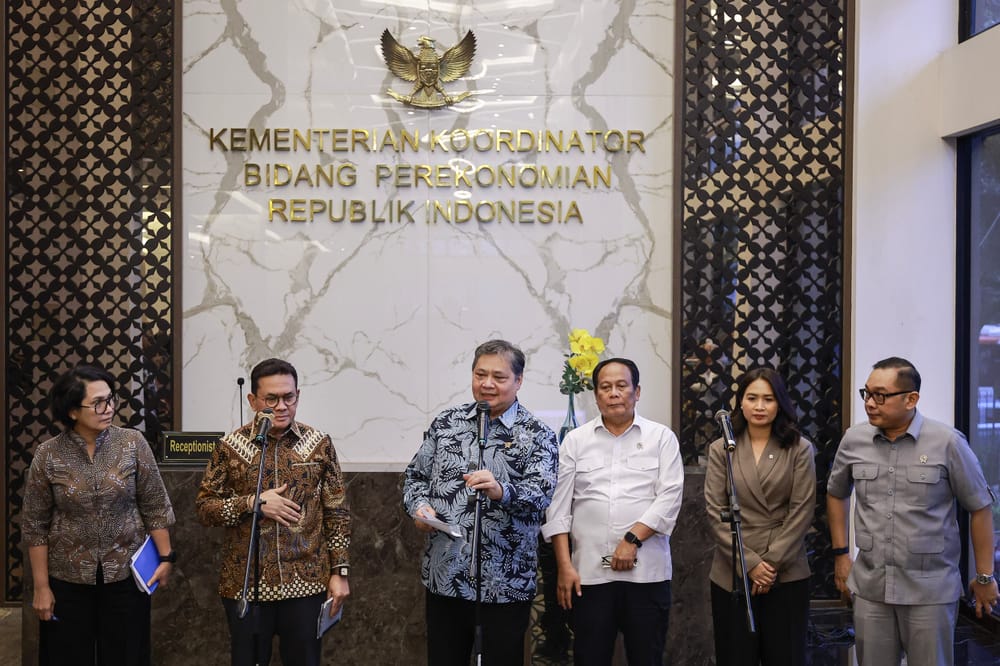
In a working meeting (raker) of Commission VII of the House of Representatives with the Ministry of Tourism, Monday (17/11/2025), Tourism Minister Widiyanti Putri Wardhana said that tourism performance throughout 2025 showed a strong recovery trend with an increase in domestic and foreign tourist visits.
According to Widiyanti, the pattern of tourist movement continues to increase along with improved access and the development of tourism activities in various regions. In her presentation, Widiyanti explained that tourist spending showed a positive trend.
"The average spending of foreign tourists has reached USD 1,297 and this exceeds our target this year of USD 1,220," he said. This increased spending has helped drive the achievement of tourism foreign exchange which reached USD 8.2 billion until the second quarter of 2025, with year-end projections in the range of USD 18 billion.
Widiyanti also highlighted the contribution of tourism to the national economy. "Tourism's contribution to GDP is at 3.97% according to BPS, while Bank Mandiri's estimate is at 4.9%," she said.
He added that the sector has absorbed 25.88 million workers, which shows the strategic role of tourism in strengthening Indonesia's economic foundation.
A number of excellent programs have been prepared to strengthen tourism competitiveness in the following year. Widiyanti explained the development of Karisma Event Nusantara, which has completed 95 out of 110 agendas this year, as well as the development of gourmet tourism, wellness tourism, and the artificial intelligence-based Tourism 5.0 initiative.
The programs, he continued, are directed at encouraging higher-quality and more equitable tourism growth in various regions.
For the 2026 target, it projects the level of foreign tourist arrivals to be between 16 million-17.6 million people with tourism foreign exchange potential of USD 22 billion to 24.7 billion.
Tourist spending is targeted to be in the range of USD1,372 to USD1,404 per arrival. In addition, Indonesia is targeted to enter the Top 20 in the Travel and Tourism Development Index or TTDI.
Complementing Widiyanti's presentation, Deputy Minister of Tourism Ni Luh Enik Ermawati emphasized that the development of tourism villages is still the main focus of the ministry. Assistance is currently prioritized for the winners of the 2024 Indonesian Tourism Village Award through certification, managerial and creative economy training, and collaboration with various partners. Ni Luh added that the program will be expanded next year so that tourist villages are better prepared to support quality tourism. "This tourism village assistance does not stop in 2025, but will continue in 2026 covering the entire deputyship," she said.
Various inputs
Responding to the government's presentation, Member of Commission VII DPR Banyu Biru Djarot appreciated the international promotion that has been carried out to the global level, but emphasized that the success of tourism still depends on the availability of equitable access.
With 96.3% of tourism actors coming from UMKM, he considered infrastructure to be the most urgent issue. "What is needed is access," said the legislator from the Indonesian Democratic Party (PDIP).
Banyu also highlighted non-cash payment innovations such as the tourist travel pack that was piloted at Ngurah Rai Airport and is considered to increase tourist convenience.
According to him, digitalization should not stop at established destinations. The success of tourism transformation must be accompanied by equitable distribution of basic facilities and connectivity so that the economic benefits are truly felt by UMKM players in various regions.
Meanwhile, legislator from the National Democratic Party (Nasdem) Samuel Wattimena, highlighted the consistency of the ministry's flagship programs, especially the Clean Tourism Movement, which is no longer listed in the 2026 plan.
He assessed that the issue of cleanliness is still a big job and has not been well understood by the tourism office in the regions. "They don't understand, what is the standard of cleanliness?" he said.
Samuel also emphasized the importance of utilizing the experience economy potential of thousands of tourist villages across Indonesia. According to him, each region has unique cultural experiences, ranging from landscapes to culinary and traditions, but they have not been developed evenly. He encouraged the ministry to strengthen communication with local governments so that the development of tourist villages can run synergistically and produce better service standards.
Read also:
 Tria Dianti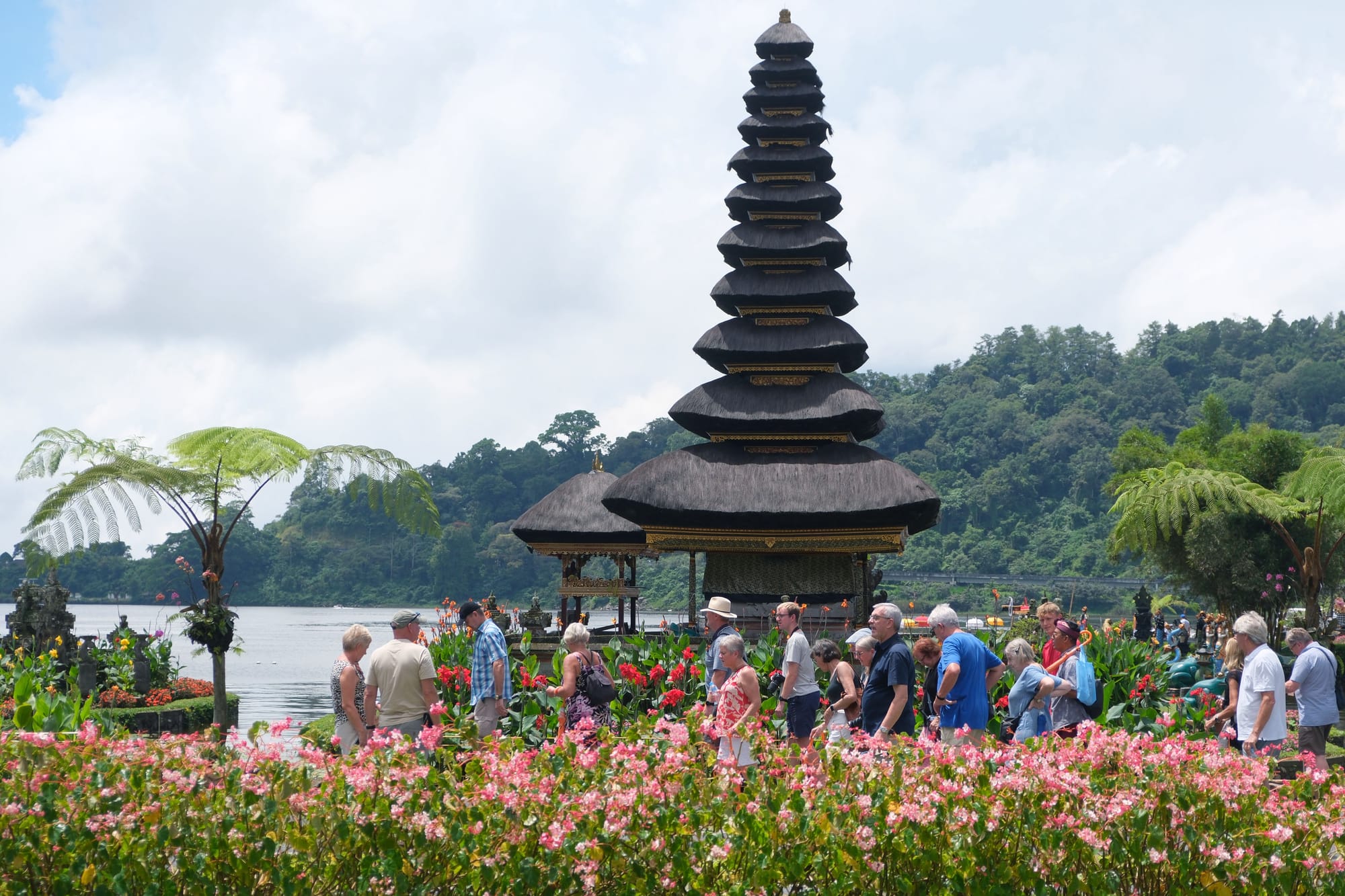
On the other hand, Eva Monalisa highlighted the gap between the 2026 tourist target and the readiness of basic amenities in many destinations. She appreciated the ministry's achievements but assessed that facilities such as toilets and trash bins were still not up to Cleanliness, Health, Safety, and Environmental Sustainability or CHSE standards.
Vice Chairwoman of Commission VII Evita Nursanty emphasized that the increase in tourism must be accompanied by measurable service quality. Indonesia needs to have a strong monitoring system so that promotion and destination development policies can be evaluated objectively. "We must have a tourism dashboard like Thailand and Vietnam, so that the impact of promotions, the number of tourists, and the contribution of UMKM can be seen clearly and in real time," she concluded.
Future projection
Bank Mandiri Chief Economist Andry Asmoro estimates that tourist visits in 2025 will reach 16.0 million visits, growing 15.5% YoY. Meanwhile, the hotel occupancy rate in 2025 nationally averaged 49.12%.
It sees that the performance of the tourism sector in 2025 will be faced with a number of challenges, especially from budget cuts for meetings and official travel even though relaxation has been given so that government meetings and official travel activities are not carried out excessively.
A positive catalyst that could boost tourism performance is the 2025 year-end holiday. Previously, the school holiday period in June-July, summer vacation for foreign tourists in July-August, and also the collective leave holiday have increased the visit of domestic tourists which has an impact on increasing the occupancy rate. -
However, according to Asmo, the risk factor from the global side is economic uncertainty due to global geopolitical conflicts and trade wars between the US and China and other countries, which could suppress global economic growth.
As a result, tourists prefer to allocate their money just in case. Meanwhile, risk factors from the domestic side are budget cuts for meetings and official travel, which could reduce MICE activities.