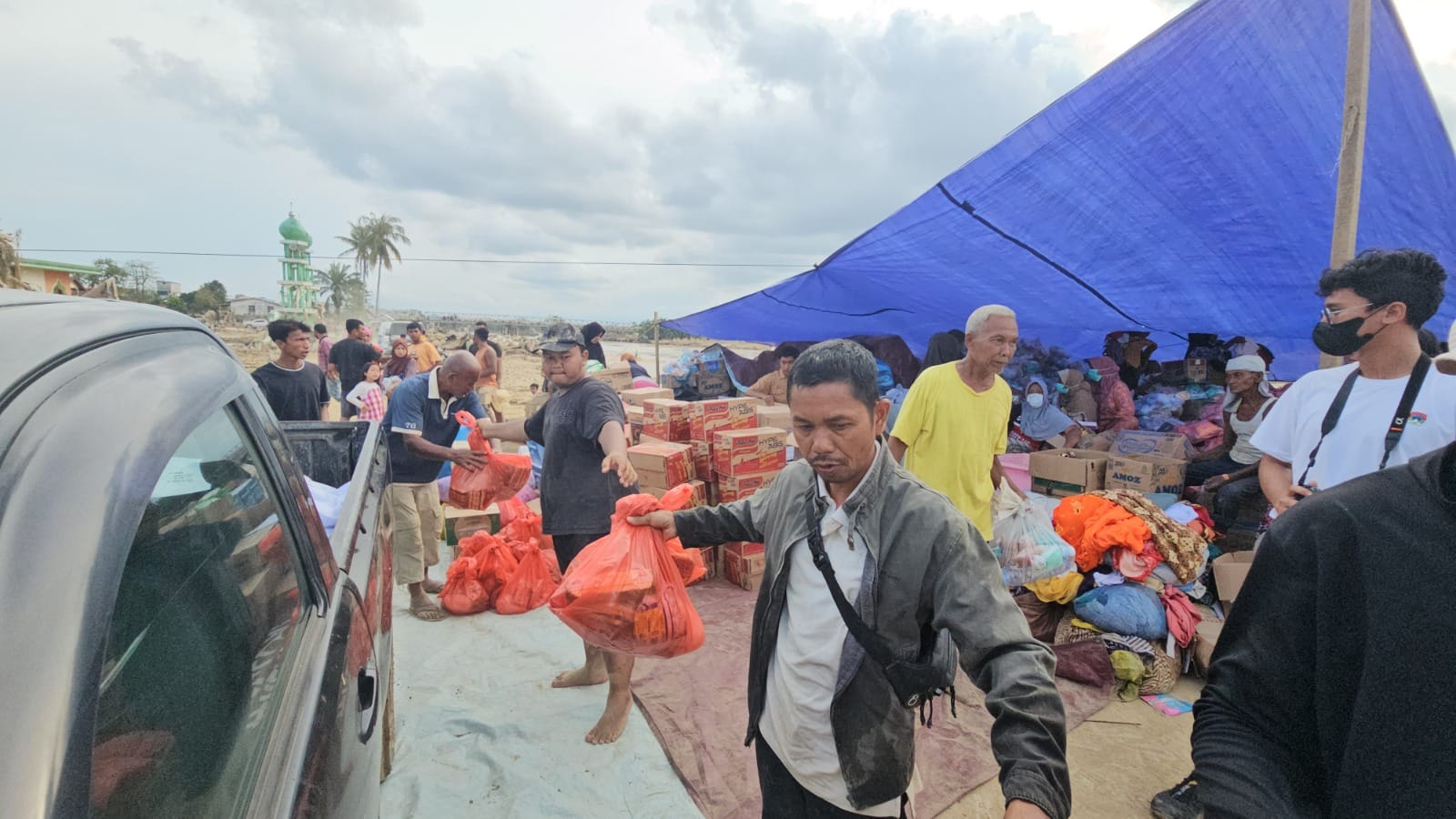
City governments in various regions that are members of the Association of Indonesian City Governments (Apeksi) provided assistance to disaster victims in three provinces in Sumatra.
These various forms of assistance include setting up command posts, collecting aid, sending personnel, and others, as a reflection of humanitarian solidarity that grows from empathy and solidarity.
This was done as a follow-up to the appeal letter from the Chair of Apeksi and Mayor of Surabaya, Eri Cahyadi, to all member mayors, as well as to implement the circular letter from the Minister of Home Affairs to regional heads regarding the coordination framework.
"This letter reinforces the coordination of information and distribution of aid. Funds from APEKSI's treasury are also immediately set aside for rapid response. However, in the field, solidarity among cities has already been in motion, born from the awareness that a disaster in one region is a shared concern. With or without media coverage, humanitarian action continues."
In Aceh Province, the Mayor of Banda Aceh and Deputy Chair of APEKSI for Environment and Climate Change, Illiza Sa'aduddin Djamal, is always in the field and regularly updates fellow city leaders on the situation.
"In Banda Aceh, we can still handle the flooding. But what the people of Aceh need right now is access, electricity, fuel, and heavy equipment. Especially for other areas that are isolated due to the disaster," said Ilzabeliau in one of his communications.
Illiza even recommended and mobilized aid to Langsa and Lhokseumawe, areas that were severely affected, while continuing to work hard to ensure the restoration of basic services, including the certainty of electricity supply, in the city of Banda Aceh. In North Sumatra, the Mayor of Medan, Rico Tri Putra Bayu Waas, as Chair of APEKSI Regional Commissariat I, faced a situation that was no less complex.
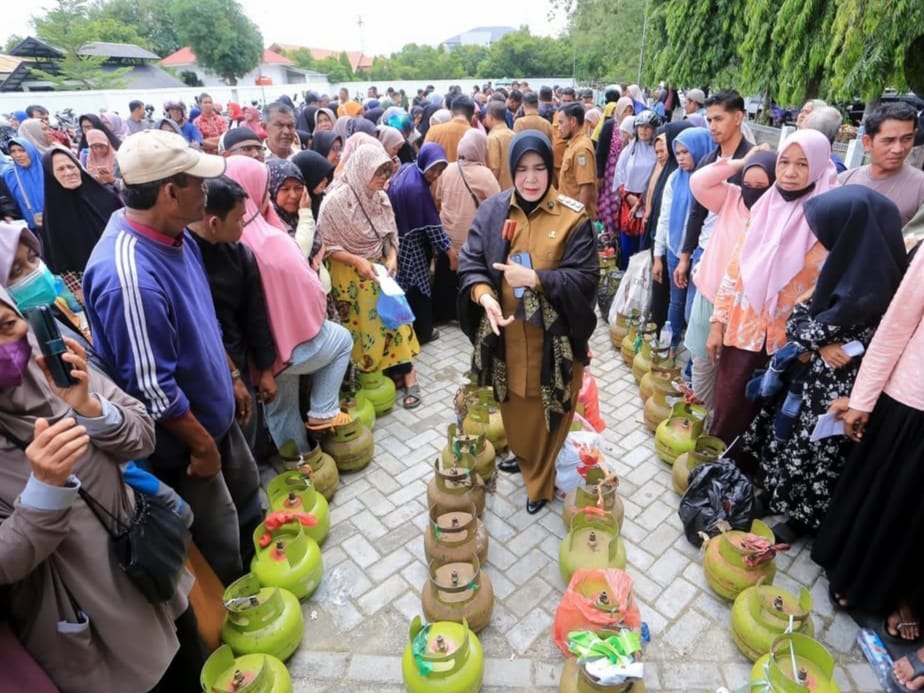
Of the 24 cities that are members of Komwil I, 16 cities were affected by the disaster. Amidst all the limitations, cross-city coordination continues to be pursued with a focus on ensuring that aid reaches the areas most in need without overlap.
The Mayor of Bukittinggi, who is also the Deputy Chair of APEKSI for Law and Advocacy, Ramlan Nurmatias, is also active in the West Sumatra region. He went directly to the affected areas and was present alongside the community. A number of other city leaders did the same.
The support provided was also diverse, ranging from the deployment of firefighters, heavy equipment, medical personnel, to cleaning staff. The assistance not only reached nearby cities such as Padang Panjang, but also extended to Agam Regency and a number of other neighboring regencies and cities.
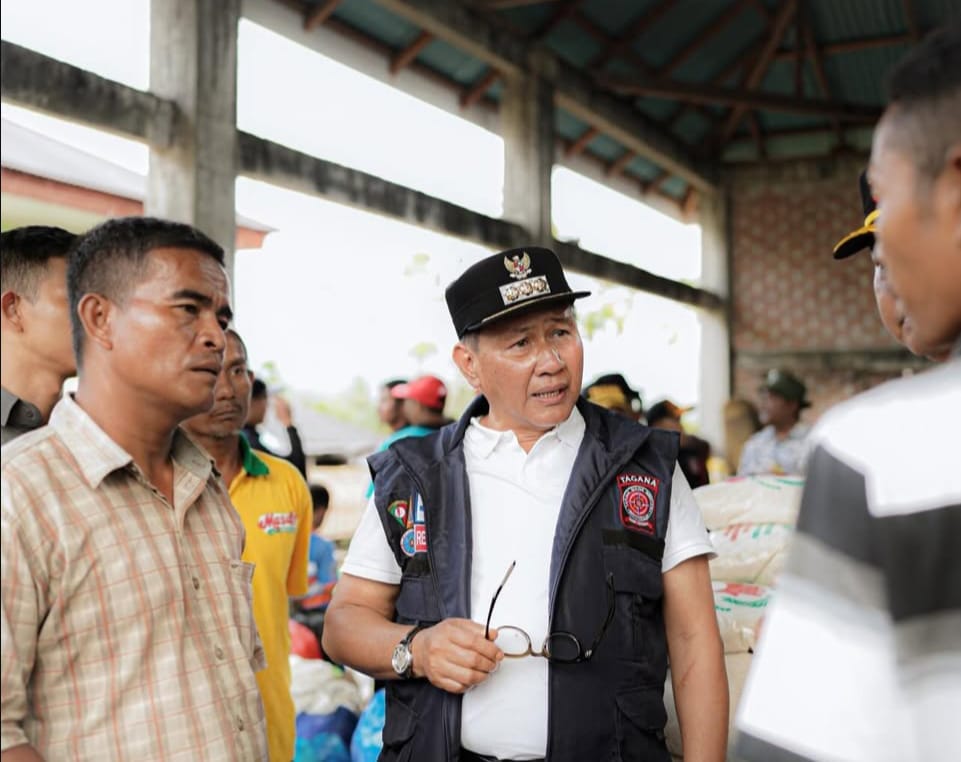
City hall transformed into an aid post
Outside the affected areas, a number of city halls were turned into solidarity posts.
Residents came to bring aid, the community was involved in packaging the logistics, and the city government opened up space so that public participation could run smoothly and on target.
In Surabaya, City Hall is being used as a relief collection center, serving as a meeting point for residents who want to show their concern for their brothers and sisters in Sumatra.
Aid was sent by Hercules aircraft via the Air Force Base. The Mayor of Surabaya, Eri Cahyadi, is the Chair of the APEKSI Executive Board, while the Mayor of Malang, Wahyu Hidayat, is the Chair of the APEKSI Regional IV Commissariat. From Lampung, support was mobilized on a cross-provincial scale.
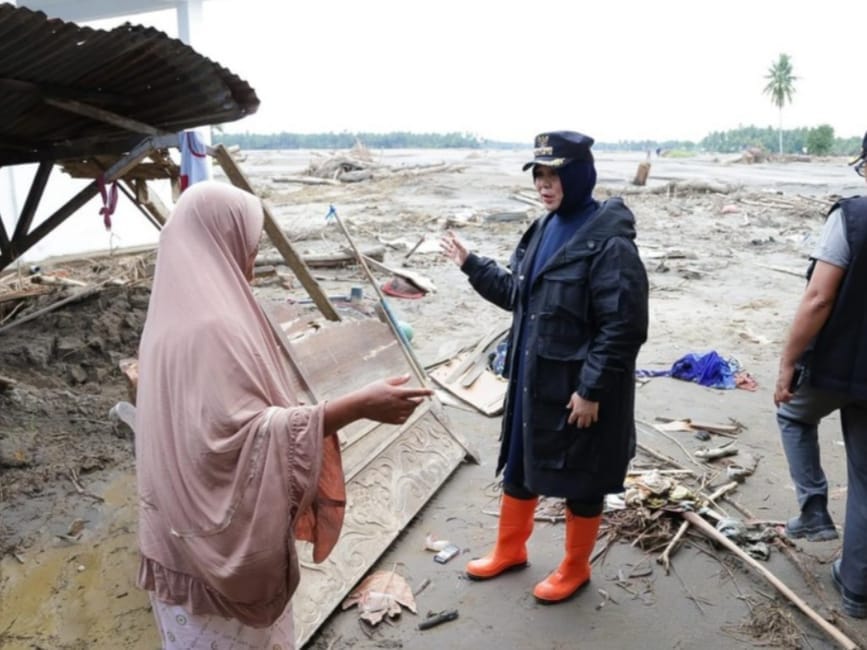
Some of the aid distribution included:
- In collaboration with the East Java Provincial Disaster Management Agency, more than two tons of rice and other aid were sent by the Surabaya City Government to Sumatra via cargo in early December.
- The cities of Malang and Batu also played a similar role. The city government opened a space for collecting aid together with residents, communities, and volunteers, then sent logistical support to the affected areas in Sumatra since early December.
- The Bandar Lampung City Government dispatched aid to several affected areas at once, ensuring that logistics could reach the areas in need.
- The city of Mojokerto, which helped collect aid and sent it directly to the areas affected by the disaster
- The mayor of Pontianak, Edi Rusdi Kamtono, worked together with other mayors. They raised funds and distributed them to affected cities through coordination with the APEKSI Secretariat.
- The city of Bekasi, for example, chose to send medical personnel to strengthen health services in the affected areas, while the city of Depok sent PMI volunteers and 100 bags of blood for medical needs in the field.
"We sent 12 trucks of logistics in the form of mattresses, blankets, decent clothing, basic necessities, children's needs, and even new underwear. We also sent Rp 350 million per province. We mobilized our civil servants. Everyone is doing this willingly because of their humanitarian spirit. If we all work together, it will be easier," said Bandar Lampung Mayor and Deputy Chair of APEKSI for Government and Autonomy, Eva Dwiana.
Outside Sumatra, Mojokerto City did the same thing by raising aid and sending it directly to the areas affected by the disaster.
"So it's no longer about the size of the city, or the amount of donations, but rather the willingness to be present and share," said Mojokerto Mayor Ika Puspitasari, who is also the Deputy Chair of Social Welfare at APEKSI.
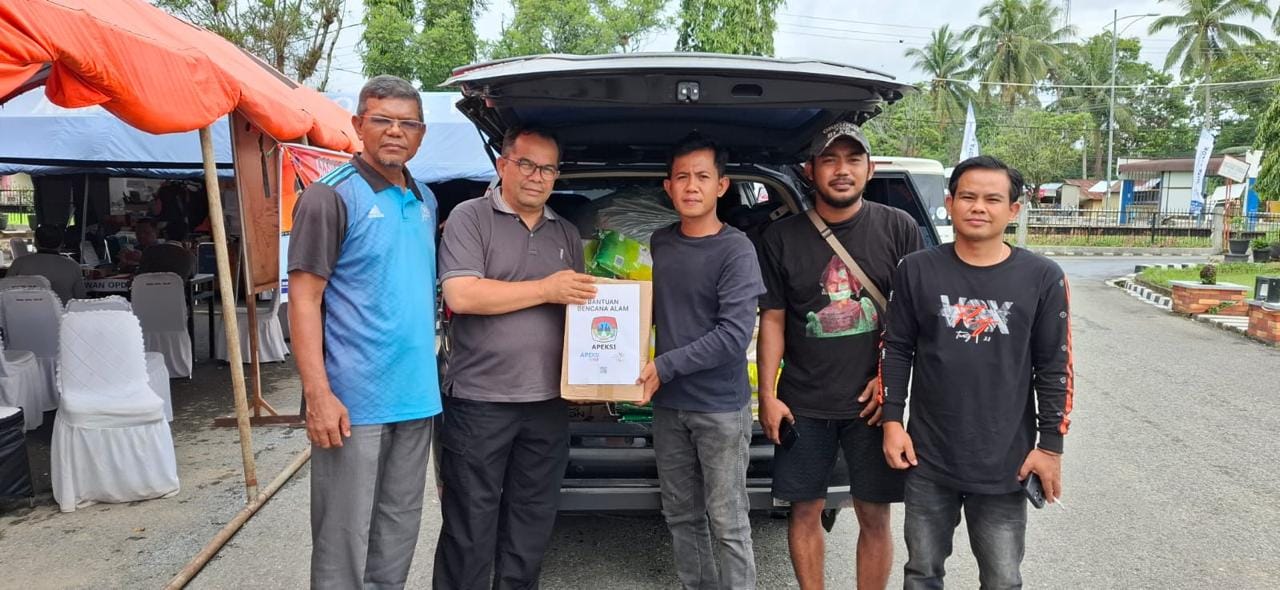
Collective support also came from nine cities on the island of Kalimantan that are part of Regional Commission V, namely Pontianak City, Singkawang City, Palangka Raya City, Banjarmasin City, Banjarbaru City, Samarinda City, Balikpapan City, Bontang City, and Tarakan City.
The Chair of Regional Working Committee V and Mayor of Pontianak, Edi Rusdi Kamtono, worked together with other mayors. They raised funds and distributed them to affected cities through coordination with the APEKSI Secretariat.
These various efforts show that APEKSI member cities are working according to their respective capacities, but with the same goal of helping each other in times of need.
"All cities are taking action. Some are acting independently, while others are working together through APEKSI. On social media, we also say, 'don't wait for each other, let's help each other,' considering that every minute is precious for the affected residents. At the secretariat, we continue to coordinate with the mayors who are at the location, especially the Executive Board, and regularly update other mayors on the situation and needs of the affected areas," said Alwis Rustam, Executive Director of APEKSI.
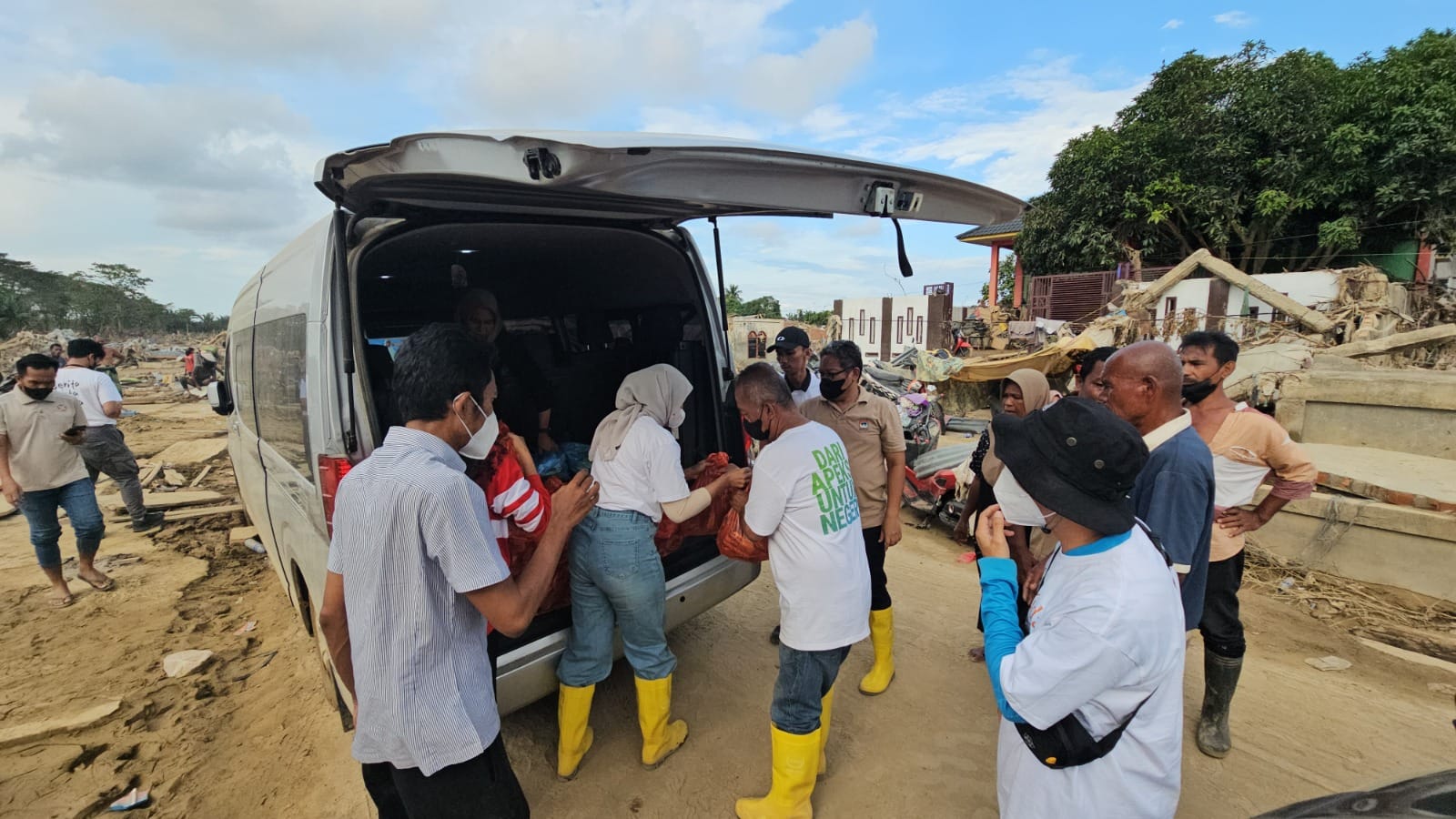
Young APEKSI contributes
Young People Respond In some cases, the main challenge is not only the availability of aid, but also the isolation of the region. To that end, APEKSI has distributed five solar-powered satellite internet connection units to regions such as Aceh and North Sumatra, particularly in the city of Langsa.
Every time communication access is opened in isolated areas, food aid and basic necessities are also included, so that support is provided in its entirety.
Uniquely, this initiative is widely promoted and even carried out together with young change makers (Youth City Changers) in various cities that are members of APEKSI Muda.
They operate in their own cities, but also target nearby districts where the situation is more severe, as done by YCC Binjai and Medan in Tamiang District.
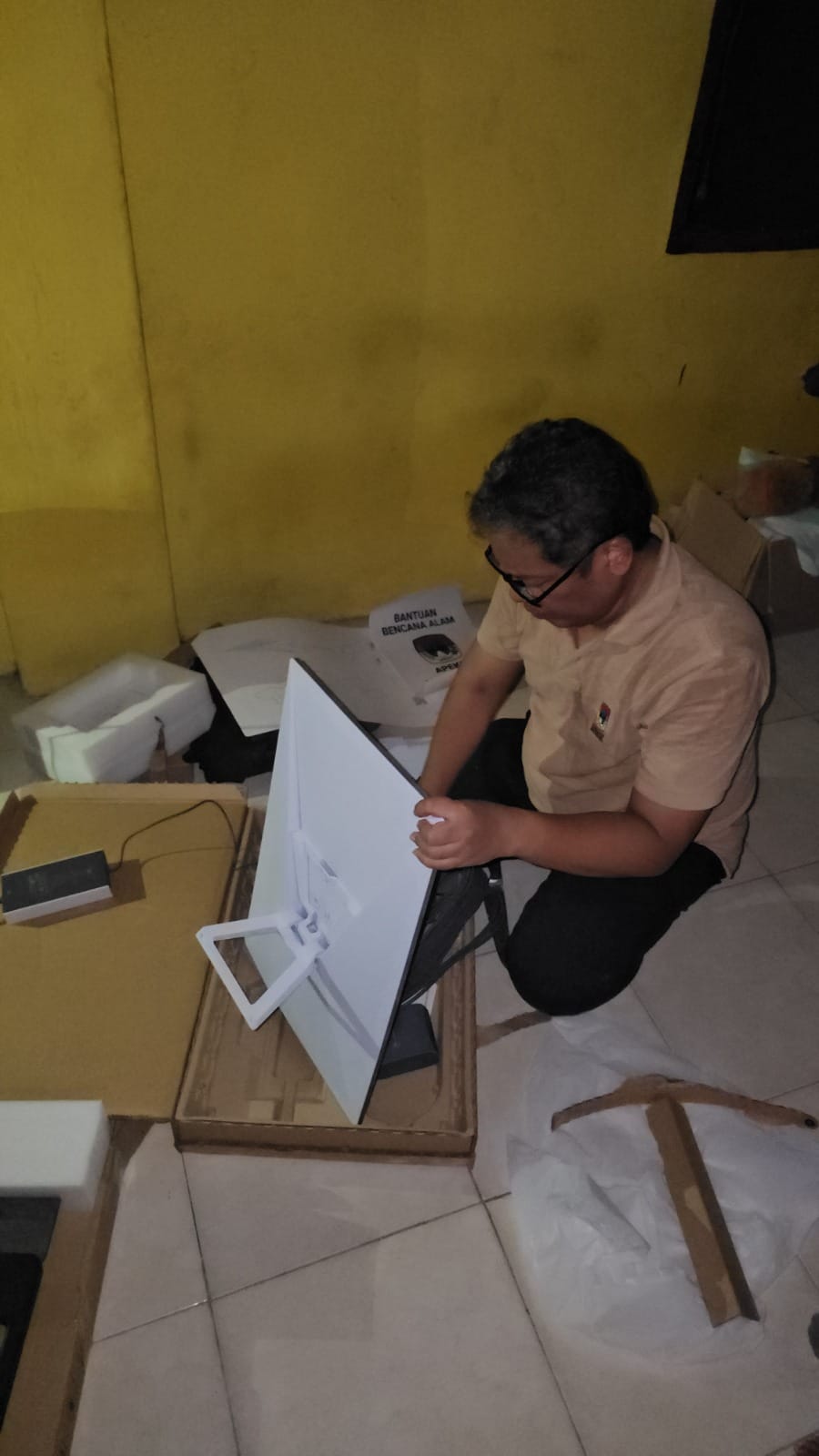
There was also YCC Jambi, which traveled by land to Solok City, coordinating with local youth volunteers.
"When we arrived in Solok City, the flood had receded. From the command post at City Hall, we went to one of the affected villages and talked with residents. We saw rice fields covered in mud and farmers worried about crop failure," said the Apeksi Muda representative.
From Solok City, they moved to Padang City. Collaborating with local youth, they were able to deliver aid to Batu Busuk on foot. The amount was not much, but their enthusiasm and the stories they shared with other young people further sharpened their awareness of the city and humanity.
Meanwhile, at the APEKSI Secretariat, young interns who are members of APEKSInternship are always ready to monitor and update information on affected areas and other important notes related to disaster response. For APEKSI, this series of responses is not merely a record of emergency activities, but a reflection of mutually supportive city governance practices. In a disaster situation, the most important thing is not who stands out the most, but how cities come together, maintain openness, and ensure that no region feels left behind.
This awareness became an integral part of the APEKSI Outlook in Bandar Lampung City on December 20, 2025, as reflected by 98 APEKSI member cities.