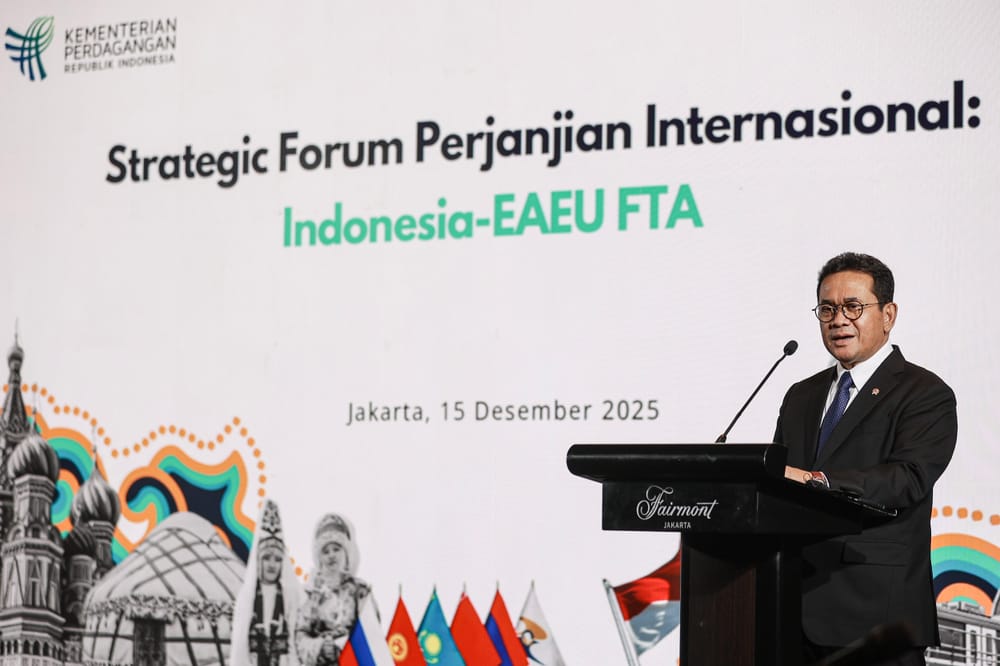

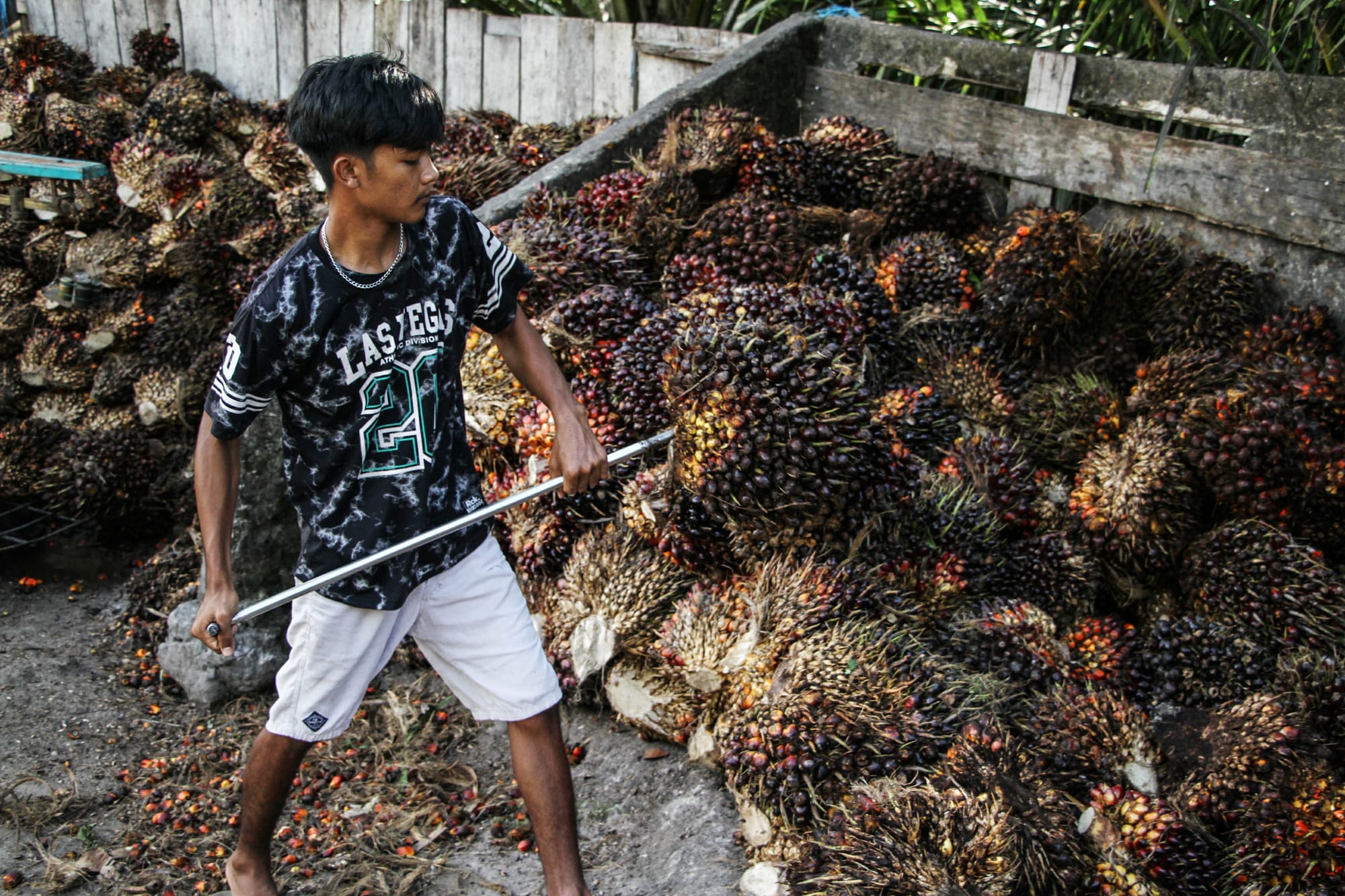
The export value of crude palm oil (CPO) and its derivatives recorded an impressive growth of 32.40% year on year (YoY) in January-September 2025. One of the supports is various international economic cooperation with various regions that encourage export performance. The growth in the export value of these commodities also helped Indonesia's trade balance surplus.
Based on data from the Central Statistics Agency (BPS), the export value of CPO and its derivatives in the first 9 months of 2025 reached USD18.14 billion, growing from the same period last year which amounted to USD13.70 billion. Meanwhile, the export volume of CPO and its derivatives in January-September 2025 reached 17.58 million tons, growing 11.62% YoY from 15.75 million tons last year.
Indonesian Palm Oil Association (Gapki) Chairman Eddy Martono said the growth in export performance was influenced by various trade agreements with a number of regions that Indonesia had finalized.
This boosted CPO export performance especially the IEU-CEPA trade agreement, although the increase has not been too significant but there has been new demand to Europe.
While global economic conditions are uncertain, especially the US market after Trump imposed import tariffs, the Indonesian government's initiative to negotiate tariffs has kept CPO exports to the country undisturbed.
"The government has tried to negotiate tariffs with the United States so that it affects export performance plus the government also continues to add to the list of trade agreements with non-traditional countries so as to open up new export market opportunities," he told SUAR in Jakarta (4/11/2025).
The increase in CPO exports was also influenced by domestic factors, especially domestic CPO production which continued to increase, CPO production until August 2025 reached 35.65 million tons, up 13 percent compared to the same period last year.
Encouraging Palm Sustainability, Gapki Holds IPOC
Eddy added that Gapki is again holding an annual strategic forum that is a barometer of the direction of policies and prospects for the national and global palm oil industry, namely the palm oil conference attended by the government, international experts and palm oil industry activists. The 21st Indonesian Palm Oil Conference (IPOC) 2025 will take place on November 12-14, 2025 at the Bali International Convention Center, The Westin Resort Nusa Dua, Bali,
This year's IPOC takes the theme "Navigating Complexity, Driving Growth: Governance, Biofuel Policy, and Global Trade." The theme reflects the commitment of the Indonesian palm oil industry to strengthen governance, maintain competitiveness amid the dynamics of world trade and address global developments regarding the contribution of the palm oil industry in the energy mix or biofuel policy.
As the world's largest palm oil producer, Indonesia plays a strategic role in maintaining the balance of global vegetable oil supply. The industry continues to adapt to policy changes, environmental challenges, and the rapidly growing green energy transformation in various countries.
In the context of the national economy, the palm oil sector is also an important pillar that supports non-oil and gas exports and opens up opportunities for sustainable economic growth for millions of people in plantation areas.
Read also:
 Benedictus Krisna Yogatama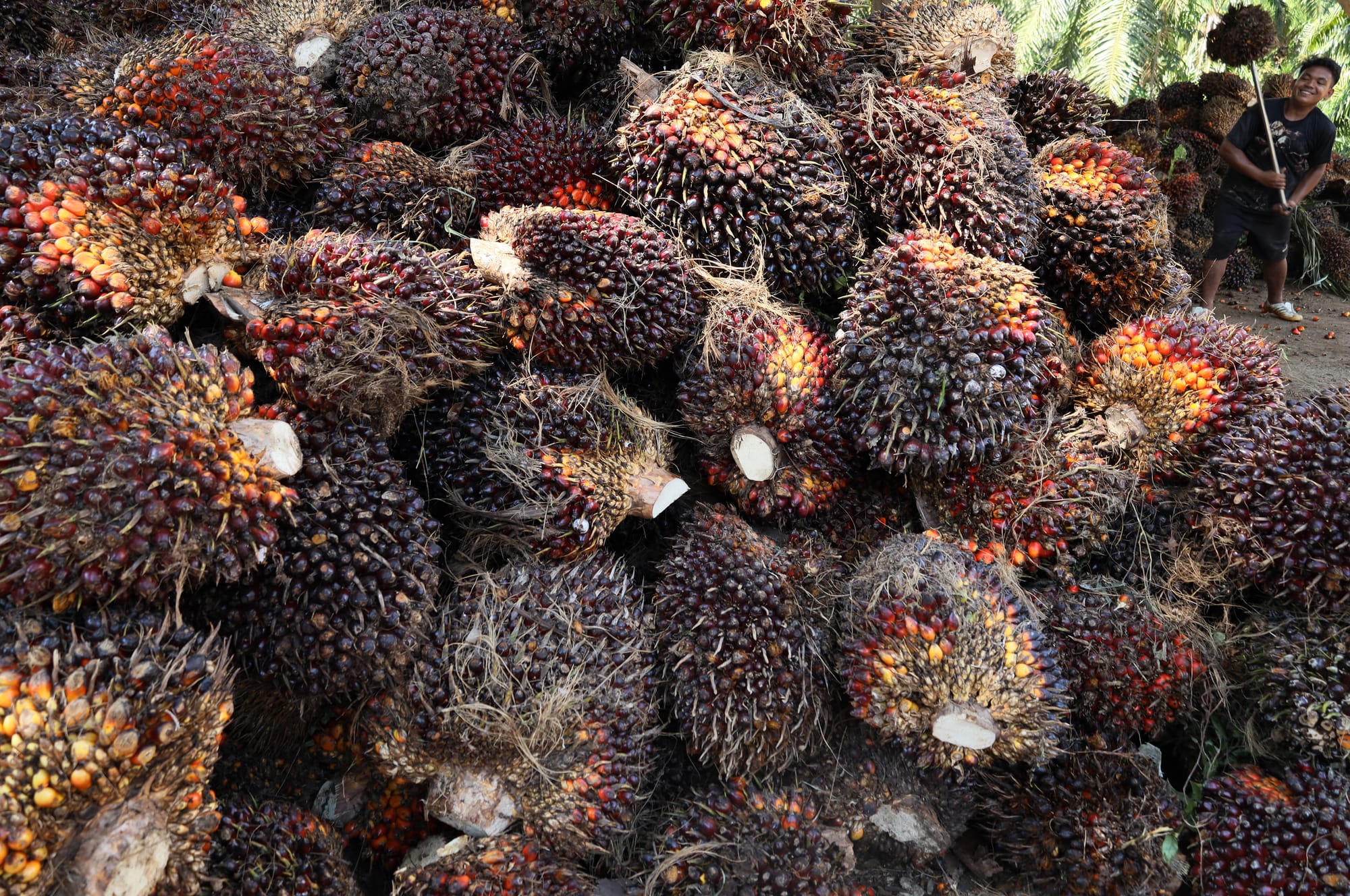
The organization of IPOC 2025 is an important momentum to strengthen cross-sector collaboration in facing increasingly complex global challenges. The forum is expected to generate strategic ideas and adaptive policies that strengthen Indonesia's position in the global market.
"IPOC is a strategic forum to discuss the future direction of the palm oil industry, especially the efforts that can be made by palm oil industry players in encouraging productivity amid various domestic and global opportunities and challenges," Eddy said.
Impressive Performance in the First Half of 2025
PT Dharma Satya Nusantara Tbk (DSNG) made an impressive performance in the first half of 2025. The company, which operates in the palm oil, wood products, and renewable energy sectors, recorded an 80% jump in net profit to Rp 915 billion, compared to the same period the previous year.
The achievement was mainly supported by higher sales volume and higheraverage selling price (ASP) of crude palm oil (CPO).
The palm oil segment is still the backbone of DSNG with a dominant contribution to revenue, reaching 89%. Meanwhile, the wood products segment contributed 10%, and renewable energy 1%.
DSNG President Director Andrianto Oetomo revealed that the increase in fresh fruit bunch (FFB) production by 3.9% to 1.1 million tons contributed to the increase in CPO sales volume.
"We expect CPO prices to remain resilient as demand for CPO is still quite good, domestically in line with the implementation of the B40 program, as well as from major export markets such as India and China," Andrianto said in a press release received by SUAR in Jakarta (4/11).
DSNG's CPO Average Selling Price (ASP) recorded a 19.3% increase to Rp14,575 per kilogram, driving profit contribution from the palm oil segment. Not only in terms of price, productivity also recorded a positive trend. CPO production rose 4.9%, along with stable product quality as indicated by Free Fatty Acid (FFA) and Oil Extraction Rate (OER) figures at 3% and 23%, respectively.
In the wood products segment, DSNG showed consistent recovery. Global demand is starting to normalize, especially from the United States, Europe, and China markets. By the end of June 2025, revenue from this segment grew 11% to IDR 621 billion.
Sales of wood panel products increased 12.4% to 62 thousand cubic meters, although the ASP edged down 1.4% to USD 358.20 per cubic meter. On the other hand, engineered flooring products recorded sales volume growth of 5.2% to 325 thousand square meters. The ASP of this product increased significantly by 10.9% to US$33.72 per square meter.
Two Steps to Boost CPO Exports
IPB Agriculture Observer Dwi Andreas said there are two steps to boost CPO export performance, including First, improving quality and competitiveness, focusing on improving the quality of CPO to meet international standards.
Obtain relevant certifications to open access to wider markets and ensure CPO prices are competitive in the global market, even compared to other countries such as Malaysia.
Second, Market Expansion and Promotion, Identify and explore new markets outside of traditional markets.
"Actively promote CPO products on the international stage to attract buyers and take advantage of economic cooperation agreements to facilitate access to export markets," he told SUAR in Jakarta (4/11/2025).