
President Prabowo Subianto's decision to appoint Purbaya Yudhi Sadewa as Minister of Finance on Monday (8/9) marks a new chapter in Indonesia's economy after replacing Sri Mulyani Indrawati, who held the position for nine years.
From this sudden change, the business world and economists hope that the new guardian of the country's finances can maintain fiscal discipline, provide corrections if mistakes are found, while still maintaining the continuity of policies that greatly affect the business world and financial markets.
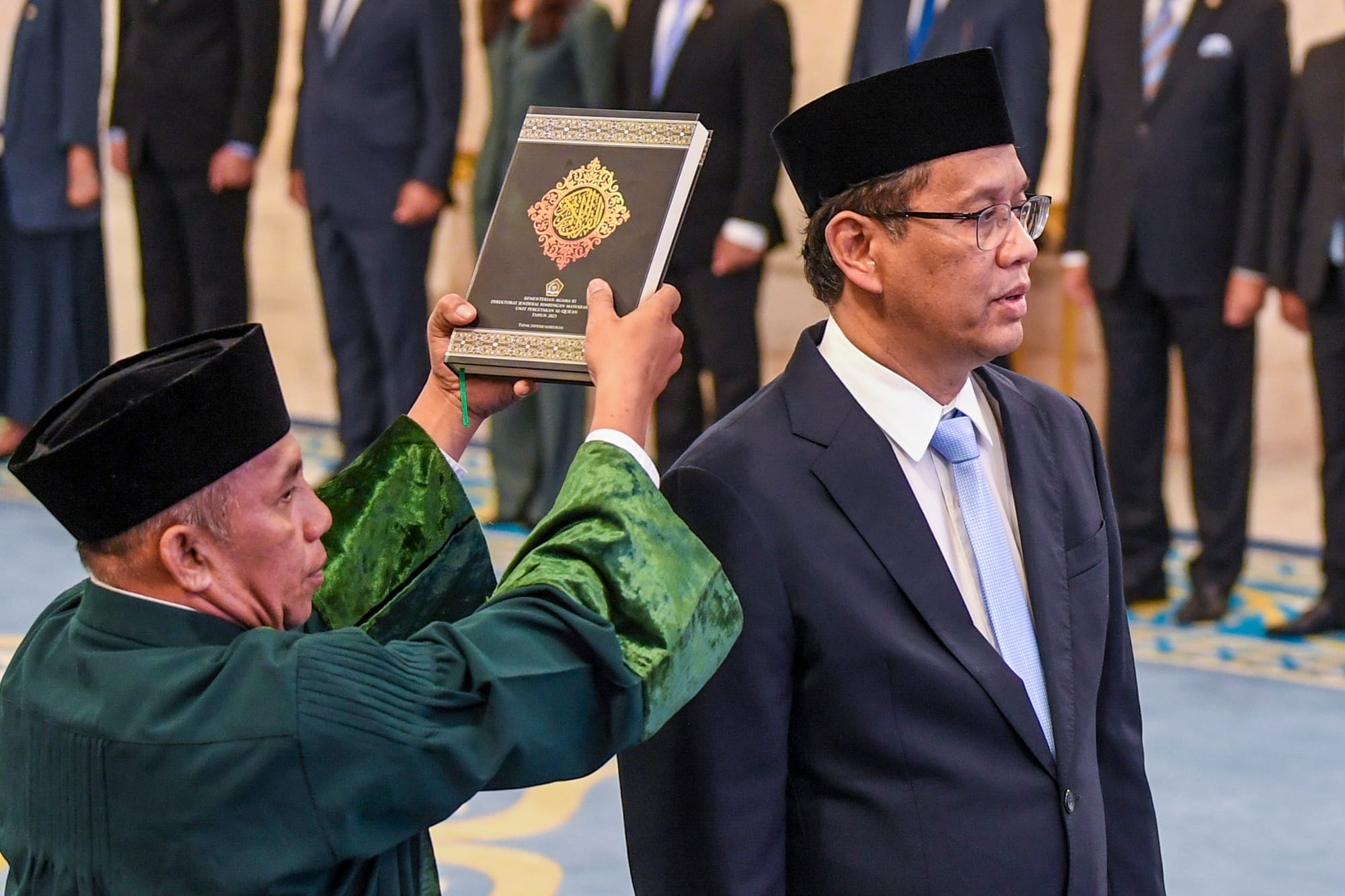
As we know, the Minister of Finance is one of the posts affected by the reshuffle in the Red and White Cabinet that has only been running for 11 months. The appointment of the new ministers was based on Presidential Decree Number 86B of 2025, which was read out in the inauguration of ministers and deputy ministers of the Red and White Cabinet at the State Palace, Jakarta, Monday (8/9), at around 16.00 WIB.
Previously, Minister of State Secretary Prasetyo Hadi and Cabinet Secretary Teddy Indra Wijaya had first delivered the official statement of the Cabinet reshuffle in front of the media at 15.30 WIB.
In addition to Purbaya, the President also inaugurated three other ministers and one deputy minister, namely Mukhtarudin as Minister of Protection of Indonesian Migrant Workers (P2MI); Ferry Joko Juliantono as Minister of Cooperatives; Muhammad Irfan Yusuf as Minister of Hajj and Umrah; and Dahnil Anzar Simanjuntak as Deputy Minister of Hajj and Umrah.
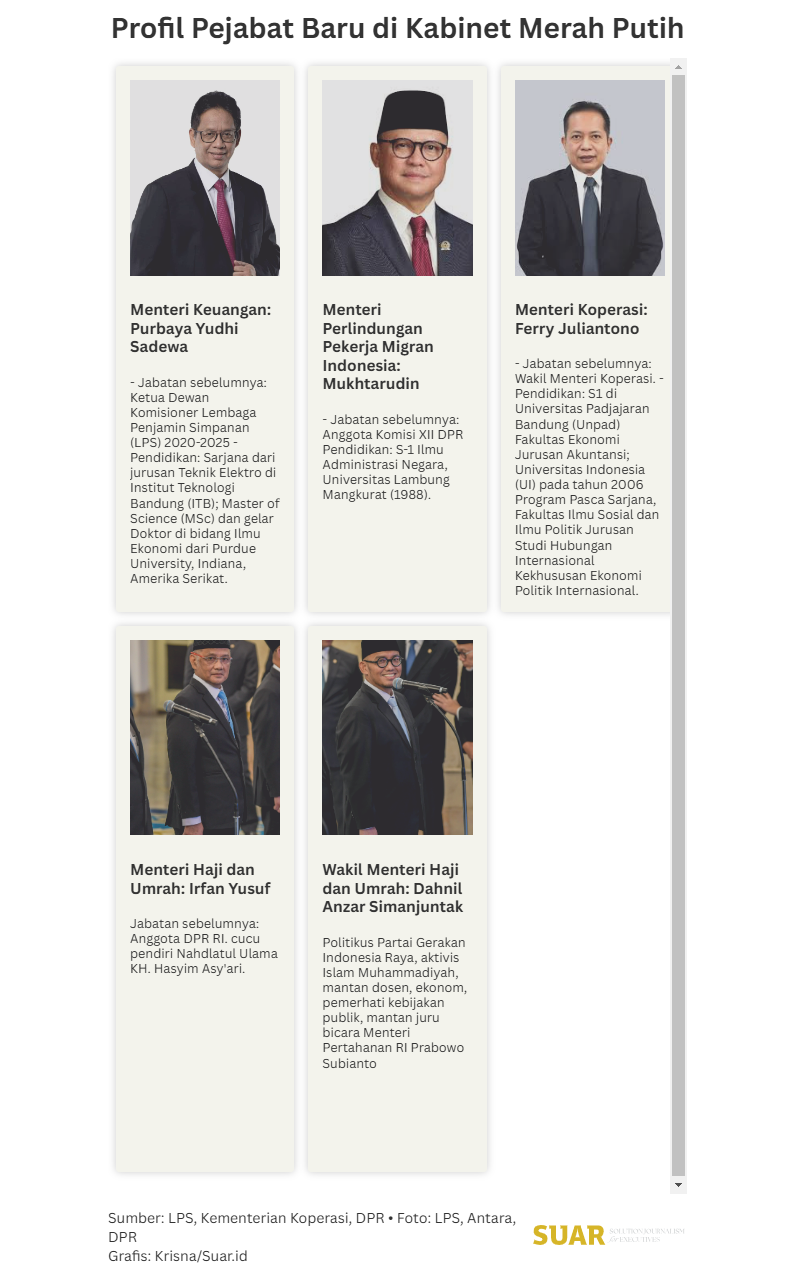
The replacement of this ministerial position was indeed impromptu. One of the ministers who was replaced even admitted that he only received information about his replacement at around 2pm, or 20 minutes after hanging up from the SUAR Editor.
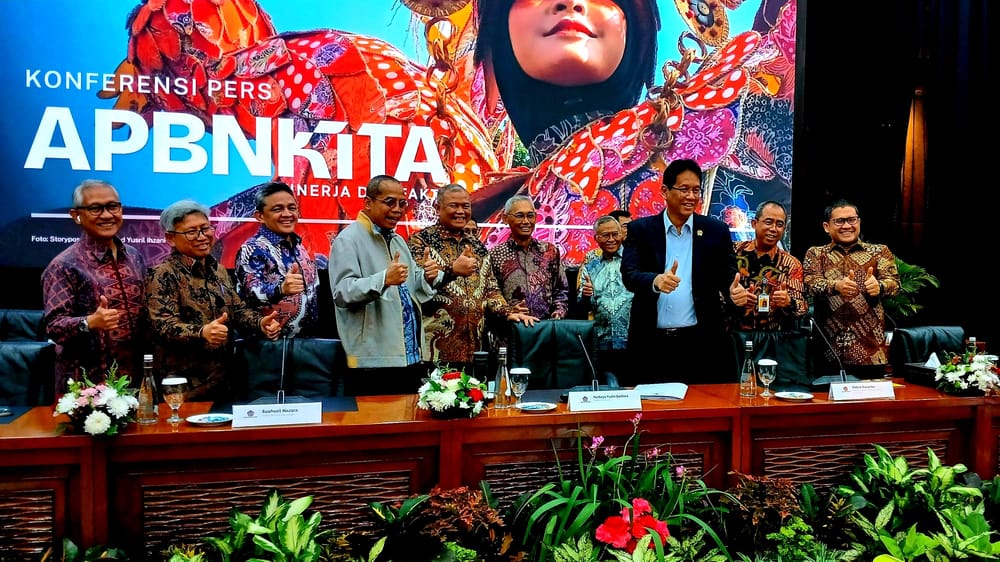
In a press statement delivered directly in the lobby of the Ministry of Finance Building after the inauguration, Purbaya stated that the notification from the Palace occurred suddenly at 13.30. So that he did not have time to contact and meet with Sri Mulyani before being inaugurated.
"Mr. President's message is to reverse the direction of the economy, create economic growth as quickly as possible, and we will work on that going forward. I will first see what instruments exist in the Ministry of Finance, there I will maximize," said Purbaya.
Despite the sudden notice and appointment, Purbaya said he was ready to take up the position. This is considering his experience working as an economist who routinely provides input to the government, including helping Joko Widodo's administration formulate the right fiscal policy when the country's economy was at a crisis point due to the Covid-19 pandemic.
"We will optimize the existing system. We will make the fiscal system have optimal thrust for the economy, but also not disrupt the financial system and state spending. We will run everything that has been stopped, and accelerate everything that has been running. This is not a new machine. This is an old machine, but we will make it even better in the future," said Purbaya when answering questions about the actions he will take in the near future.
As an economist, Purbaya claimed to have observed the economic slowdown in the last two quarters. He has also heard the complaints of the people, which are summarized in the "People's Demands 17+8" submitted to the DPR. However, Purbaya stated that these demands are the voices of a small number of people who feel disturbed, their lives are still lacking, and that he will immediately overcome them.
"When I can create growth of 6 percent, 7 percent, it will disappear automatically, they will be busy looking for work and eating well instead of demonstrating. I would be lying if I said that tomorrow economic growth will be 8 percent. But we will pursue the fastest growth, and we are moving there," Purbaya said before leaving the press conference area.
Need correction and evaluation
The business world and economic researchers welcomed the appointment of Purbaya Yudhi Sadewa as positive news for the economy for various reasons. In a written statement received by SUAR, Monday (08/09), Executive Director of the Center of Economic and Law Studies (Celios) Bhima Yudhistira assessed the replacement of the finance minister as the government's response to civil society criticism regarding Sri Mulyani's performance.
During her tenure as state treasurer, Sri Mulyani was considered unable to encourage equitable tax policies, prudent management of state spending, and the rising debt burden that has narrowed fiscal space. For this reason, Celios suggests that there are five urgent tasks for Minister Purbaya to restore public confidence.
First, ensuring that tax revenue strategies are carried out by taking into account the purchasing power of the middle and lower classes, such as lowering the VAT rate to 8% and raising the non-taxable income (PTKP) to IDR 7 million per month.
Second, budget efficiency must be based on transparent macroeconomic policies that do not disrupt public services and basic infrastructure. Faulty efficiencies must be re-evaluated, as they have caused shocks to regional transfer funds and increases in local taxes that are detrimental to society.
Third, restructuring government debt, reducing the debt interest burden, opening up space for swapping debt obligations with energy transition and mangrove forest conservation, and canceling harmful debt.
Fourth, remove deputy ministers and Ministry of Finance officials who hold concurrent positions in SOEs.
Fifth, evaluate all tax expenditures (stimulus and fiscal incentives) that are detrimental to state finances, and re-audit companies that have received tax holidays and tax allowances, so that there are no more fiscal incentives that exacerbate the inequality between large-scale companies and UMKM actors.
Strict discipline, maintain continuity
In addition to these five urgent tasks, Minister Purbaya shoulders the expectation of maintaining continuity and maintaining the confidence of the financial markets which were briefly shaken - marked by the negative sentiment of the Composite Stock Price Index (CSPI) which closed down 1.28% or 100.49 points to 7,766.84 due to the selling of a number of stocks on Monday (8/9).
The JCI started slumping around 15:40, when the index value of 7,870.35 dropped 73 points at the close of trading. It was a moment minutes after the Palace's official announcement that one of the ministers being replaced was Sri Mulyani from the position of Finance Minister.
But at the same time, the rupiah exchange rate strengthened. Citing the Jakarta Interbank Spot Dollar Rate (JISDOR) of Bank Indonesia (BI), the rupiah exchange rate on Monday (8/9/2025) closed at Rp 16,348, 0.54% stronger than Friday's position (4/9/2025) at Rp 16,438 per US dollar.
Bank Permata Chief Economist Josua Pardede underlined that Minister Purbaya should implement fiscal discipline and financing strategies carefully. This is because the 2026 Draft State Budget has set an anchor in the form of a deficit of 2.48% of GDP, an exchange rate assumption of IDR 16,500 per US$, and a 10-year SBN yield target in the range of 6.9%.
"The official statement from the new Minister of Finance regarding fiscal direction is the first key to measuring the level of market confidence," said Josua when contacted by SUAR, Monday (08/09).
Not only from economic performance, Josua also assesses another challenge for Minister Purbaya is the quality of communication and consistent, transparent, and data-based policy governance that Sri Mulyani has always maintained until the end of her term.
"The business world will judge whether Purbaya Yudhi Sadewa is able to maintain this tradition, especially in terms of openness of methodology and regular communication schedules that can provide certainty. Academics and research institutions also emphasize the need for the government to return the policy process to an evidence-based technocratic path so that credibility is not compromised," he said.
To business players and investors, Josua recommends that they immediately prepare a resilience test scenario to face the potential for rupiah depreciation and rising SBN yields in the near future, while waiting for firmer signals from the government. This resilience test is needed because rupiah volatility, pressure on the stock market, and capital flow turmoil over the past year have signaled the fragility of the resilience pillars of the fiscal, monetary, and financial services sectors.
"The change of the Minister of Finance is not merely assessing the figure, but also the consistency of fiscal discipline, openness of communication, clarity of spending priorities, and coordination between authorities. If these four things can be maintained in the first 100 days, market confidence will recover and the business world can resume expansion with stronger confidence," concluded Josua.
The need to maintain the credibility of fiscal management that Sri Mulyani has successfully implemented is a call from the business world, which welcomes and respects the President's decision to refresh his cabinet. Chairman of the Indonesian Employers Association (Apindo) Shinta W. Kamdani also expressed her appreciation to Sri Mulyani for her dedication and work so far in encouraging structural reforms that are the foundation of national economic resilience.
"With his track record, we hope Mr. Purbaya Yudhi Sadewa can continue the steps of fiscal strengthening with a spirit of collaboration, and present policies that support the investment climate, industrial competitiveness, and job creation. Market stability and consistency of policy direction remain the key to creating business progress," Shinta explained in a written statement received by SUAR, Monday (08/09).
Apindo realizes that the challenges ahead are not light, ranging from maintaining fiscal space, strengthening purchasing power, to ensuring that the real sector continues to grow amid uncertain global dynamics.
Therefore, the business world hopes that the new leadership at the Ministry of Finance will be able to maintain the continuity of policies that have been going well, continue to commit to structural reforms, while presenting concrete breakthroughs to answer current economic challenges.
Sri Mulyani is globally recognized for her domestic economic reforms and tight control over public spending.
Sri Mulyani is considered to have an impressive track record. She first served as Minister of Finance in 2005 in the era of President Susilo Bambang Yudhoyono (SBY) and returned to serve in two periods of the Jokowi administration starting in 2016.
Interestingly, he has never joined a political party or shown any political ambition.
He has also served as Managing Director of the World Bank and Executive Director at the International Monetary Fund (IMF). These experiences give him a valuable global perspective in formulating economic policies.
His tenure as Minister of Finance is often praised for being able to bring Indonesia through difficult times, such as the 2008 global financial crisis and the economic impact of the Covid-19 pandemic.