
The Ministry of State-Owned Enterprises (SOEs) will change its face. In a meeting of the DPR RI Working Committee (Panja) with the government on Friday (26/9/2025), it was agreed that the nomenclature of the Ministry of SOEs would be changed to the SOE Regulatory Agency (BP).
Chairman of the Working Committee for the Revision of the BUMN Law (UU) Andre Rosiade said that this point was the first in the revision of BUMN. "Regulations related to institutions that carry out government duties in the field of BUMN with the nomenclature BUMN Regulatory Agency, hereinafter referred to as BP BUMN," said Andre at the Parliament Complex, Friday (26/9/2025).
This change is not just a name change. BP BUMN will have the function of regulating and supervising SOEs, while investment management will still be handled by Daya Anagata Nusantara (Danantara) - a strategic investment management institution established earlier this year by President Prabowo Subianto.
The news of a change in the status of the Ministry of SOEs has actually been circulating for a long time. After Erick Thohir shifted to Minister of Youth and Sports on September 17, President Prabowo did not immediately appoint his successor. Deputy Minister of State-owned Enterprises Dony Oskaria was then appointed as acting COO of Danantara.
The situation led to speculation that the Ministry of SOEs would be merged into Danantara. However, the DPR and the government eventually opted for another option: establishing BP BUMN.
Law Minister Supratman Andi Agtas explains the reasons behind this move. "Institutional transformation is carried out to optimize the management of SOEs. Despite the change, the duties and functions of BP BUMN are almost the same as the previous Ministry," he said.
The Gerindra politician emphasized that BP BUMN is not the same as BP Danantara. "BP BUMN still holds the function of regulator, while Danantara will be the operator," he said.
This point is part of the results of the fourth revision of the BUMN Law brought by Commission VI of the House of Representatives to the plenary meeting, which was agreed to be taken to the next discussion.
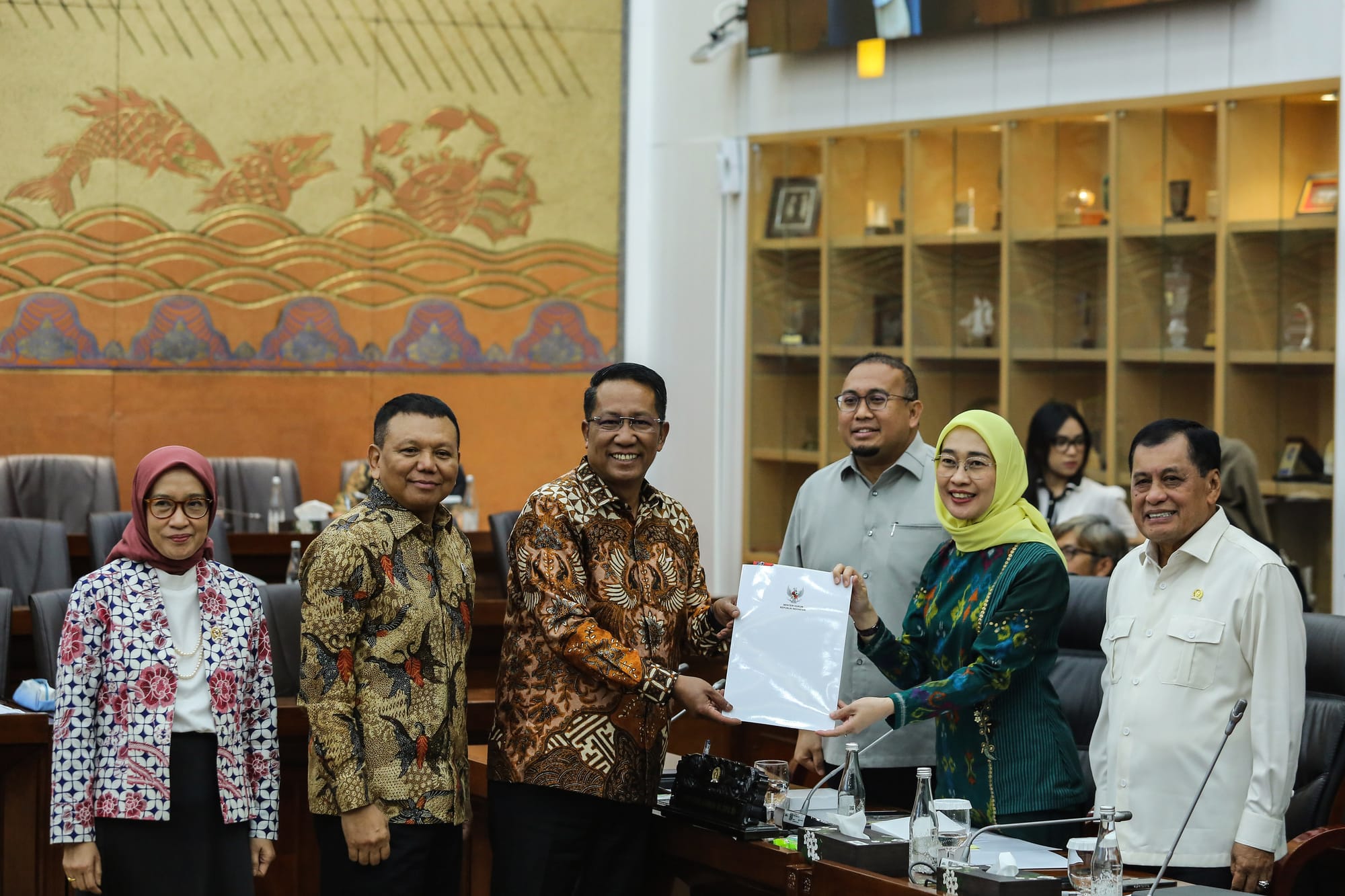
Launching Metro TV, member of Commission VI DPR RI Gede Sumarjaya Linggih said this step is needed to reorganize BUMN institutions, which have been considered overlapping.
"This revision is not institutional beautification, but a grand strategy to strengthen national economic sovereignty. BP BUMN must become a strategic authority that can direct BUMN to increase dividends, create new jobs, and expand Indonesia's role in the global arena," he said.
The hope is that BP BUMN can focus more on oversight, governance and grand strategy functions. Meanwhile, SOE management can be more free to take care of business.
In addition to changes in nomenclature, the revised law also regulates:
- Prohibition of concurrent positions for ministers/ministers on the board of directors or commissioners of SOEs.
- Emphasize gender equality in the managerial ranks of SOEs.
- Strengthening the role of BP BUMN in dual-color series A dividends, taxes, and interholding relationships.
Efficiency or concentration of power?
This change is said to be an effort to improve governance while reducing the bureaucratic burden that has been wrapped around state companies. However, the big question remains: is this change really about efficiency, or does it mark a new concentration of power over state assets?
"This is not just a matter of the name of the institution, but a major repositioning of the role of the Ministry of BUMN," said Muhamad Saleh, Researcher in Law and Regulation at Celios, to SUAR in a written statement, Sunday (28/9/2025).
Read also:
 Tria Dianti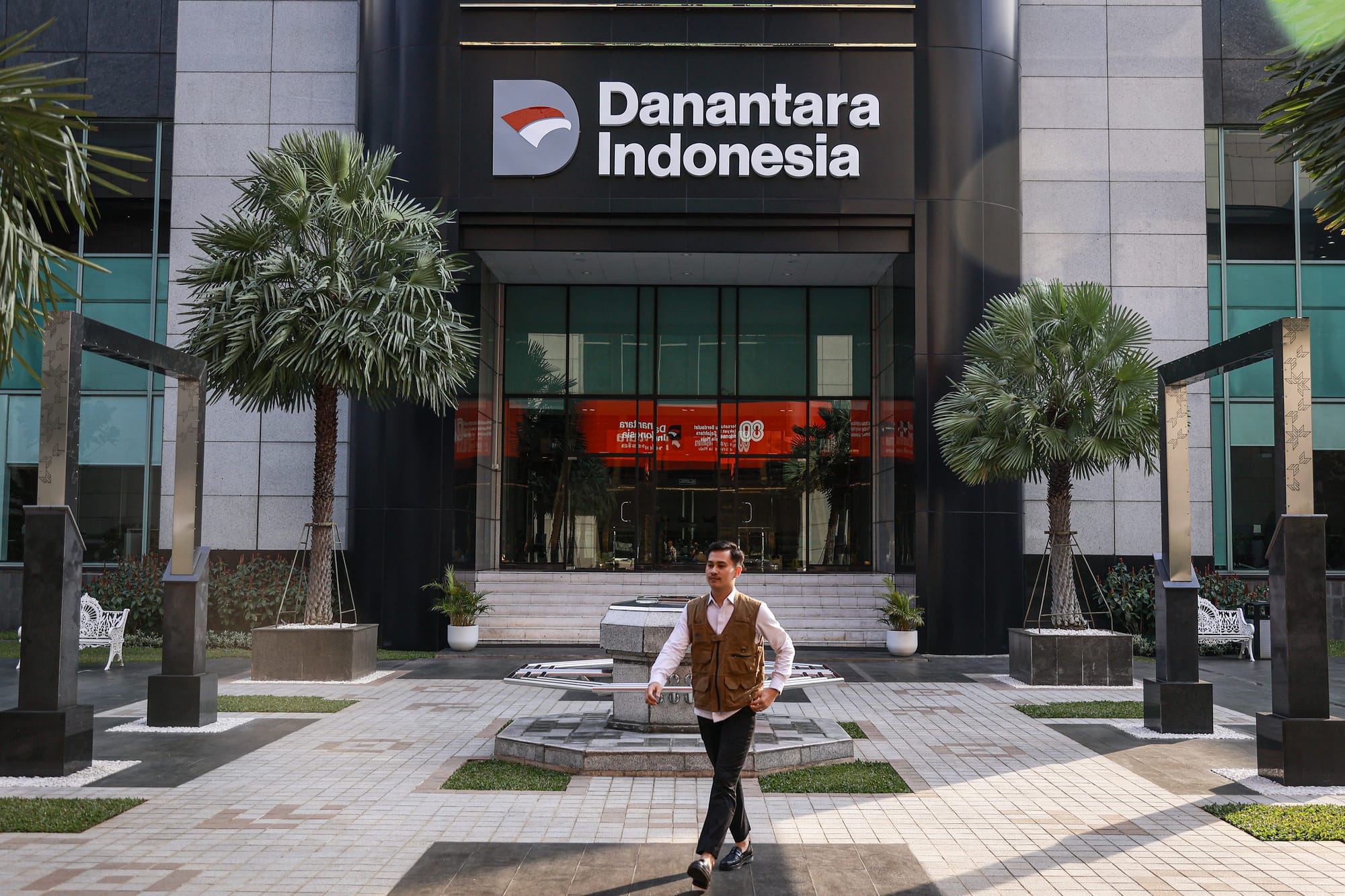
"With strategic shares transferred to Danantara, the Ministry of SOEs risks becoming just a symbol without substantive functions. The implications are serious, because SOE governance is now concentrated in one new entity. So, this is not only an economic restructuring, but also a test for the checks and balances mechanism in managing state assets," Saleh said.
According to him, from a macroeconomic perspective, this step is like a double-edged knife. He considered that the consolidation of SOEs through Danantara could open up opportunities for efficiency and synergy with the private sector, but it also posed a threat.
"If Danantara is truly professional and transparent, SOE consolidation can drive efficiency," he said. "But without strict supervision, there is a risk that SOEs will become more dominant and squeeze the private sector."
According to Saleh, it is about the balance of the business ecosystem. "In essence, the regulatory design must ensure balance: SOEs are strong but do not kill the private sector," he said.
For the government, Danantara is projected as a way out of the classic SOE problems of slow bureaucracy, political intervention, and poor governance practices.
SOE observer and Managing Director of the FEB UI Management Institute Toto Pranoto agrees that the amendment to the law is driven by the spirit of efficiency.
With the enactment of Law No. 1 of 2025 on the Third Amendment to Law No. 19 of 2003 on State-Owned Enterprises promulgated on 24 February 2025, the functions of the Ministry of SOEs are increasingly limited so that the existence of a ministry-sized organization is no longer necessary. Instead, the government established BP BUMN
This step, according to Toto, has a dual purpose. Namely, strengthening the quality of SOE governance while removing the old stigma attached to the ministry.
"The process of debureaucratization and depoliticization of SOEs may be underway, because the image of the Ministry of SOEs has often been associated with complicated bureaucracy, slow decision-making, political intervention, or bad governance practices," he explained.
However, Toto cautioned that the success of the new body will entirely depend on its credibility as a regulator and series A shareholder. Vital functions such as regulating public service obligations (PSO), privatization, dissolution of SOEs, and regulation of corporate governance (GCG) must be formulated with the right formula. Including, said Toto, the role of BP BUMN in reviewing and approving Danantara's work plan or business plan through the GMS mechanism.
"This body needs to be filled with figures with integrity and credibility, who truly understand the future direction of BUMN businesses," he said.
Saleh also highlighted another crucial issue: accountability. According to him, the new law opens up dangerous legal loopholes.
"Now there are legal loopholes that weaken supervision. For example, Danantara's losses are not counted as state losses and its officials do not have the status of state administrators," he said. "In that case, who can ensure they are truly accountable?"
He emphasized the need for a redefinition of authority if the SOE Agency is retained. "The focus should be on strong independent supervision equal to the authority. Without it, the concentration of power in Danantara could lead to monopoly and lack of public control," Saleh added.
Danantara Spokesperson Kania Sutisnawinata did not comment much when asked for an explanation regarding this merger discourse. Kania only mentioned Danantara's current position in line with the statement of Minister of State Secretary Prasetyo Hadi, which is still in the study phase.
According to Kania, it is not yet time for her party to reveal the official stance or details of the steps that will be taken. "I can't give a statement yet. Later if there are further developments," said the former Metro TV journalist when contacted on Tuesday (09/23/2025).