

Part two of the Roundtable Decision event summary : Accelerative Attractive Special Economic Zones Boost Investment and Employment, organized by SUAR on Tuesday (02/12/2025) at D-Hub Special Economic Zone (SEZ), BSD, Tangerang, discussed how the readiness of the health Special Economic Zone could be a game changer in the phenomenon of many Indonesians seeking medical treatment abroad.
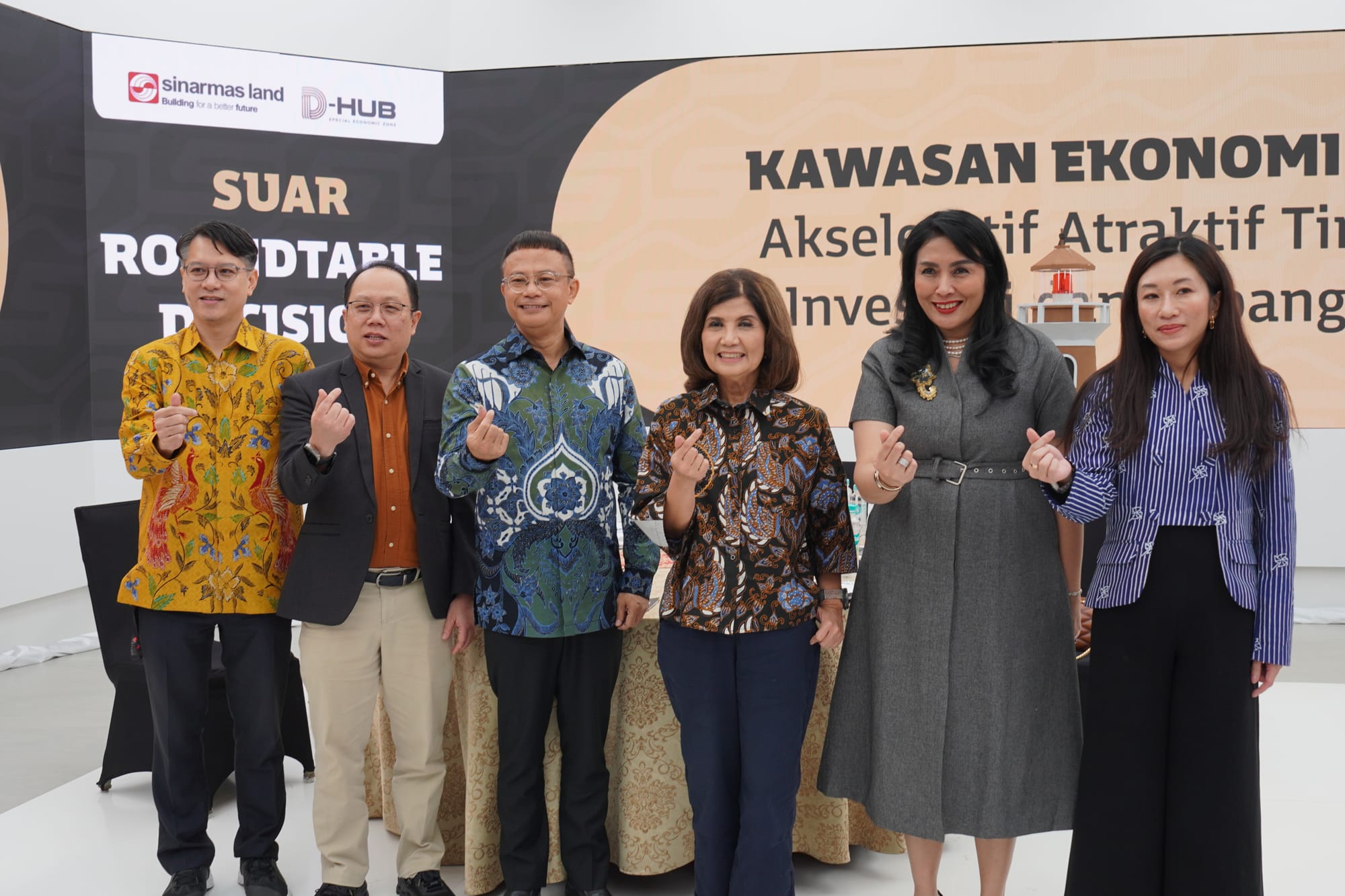
Not only that, the Health SEZ is also expected to become a new destination for global citizens to visit Indonesia, becoming a new source of foreign exchange. Therefore, policy synchronization and regulations that are interpreted consistently by state institutions are needed so as not to cause uncertainty. The following is the explanation:
Healthcare industry translation
Health is the new wealth, such is the credo that lies at the heart of the spirit of local entrepreneurs who are members of the Indonesian Chamber of Commerce and Industry (KADIN), to build the health industry. And to be able to drive this health industry, KADIN has completed a hundred-page white paper .
This book is a roadmap that outlines how Indonesia's healthcare industry can become a key driver of national progress and directly support Indonesia's ambition to achieve 8% economic growth.
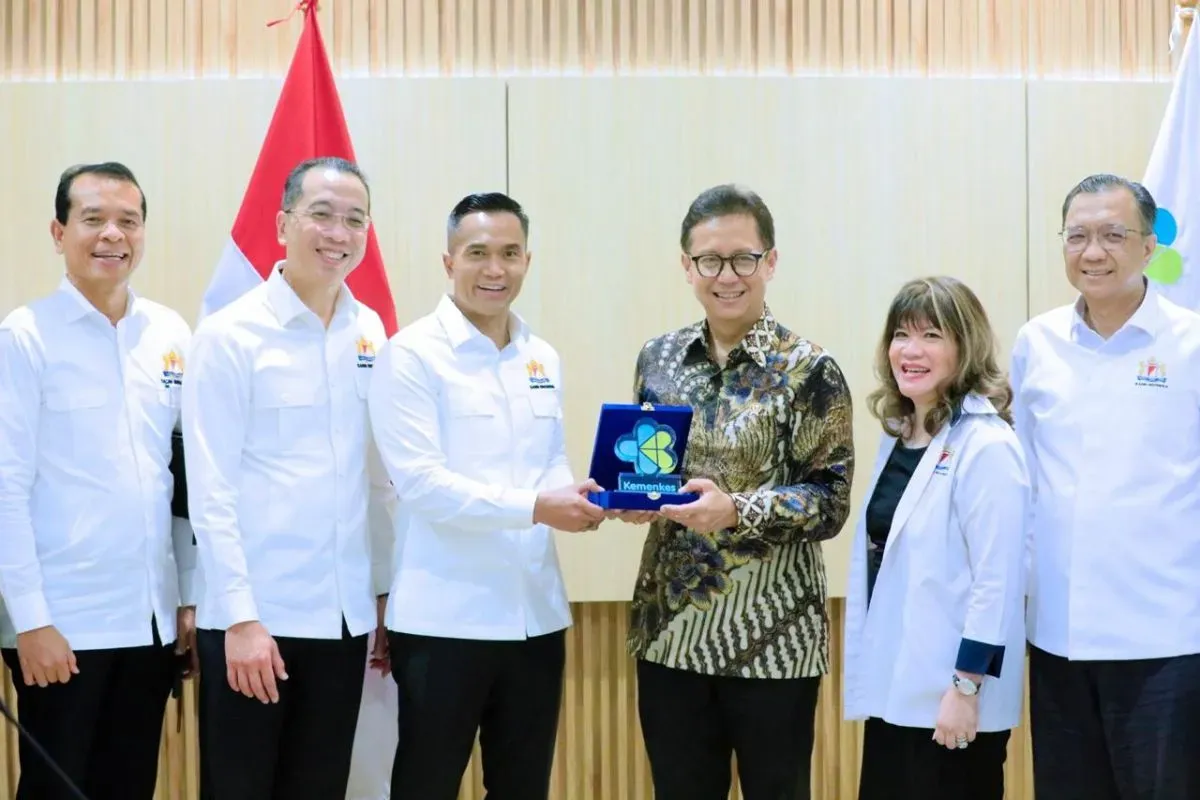
The compilation of this white paper also marks the first step in the realization of the cooperation between the Ministry of Health (Kemenkes) and KADIN as outlined in the MoU on Improving Public Health and Transforming the Health System and the cooperation agreement on Synergy and Implementation of the Program to Accelerate Stunting Reduction, which was signed last February.
Minister of Health Budi Gunadi Sadikin said there are three main points in the cooperation between the Ministry of Health and KADIN. First, cooperation to improve health issues in Indonesia. Second, KADIN will assist the Ministry of Health in addressing stunting issues. Third, KADIN will coordinate its member companies to participate.
"For us at the Ministry of Health, it is impossible to solve health problems on our own. We must work together with our friends. We cannot be exclusive; we must be inclusive," said Minister Budi.
The healthcare industry does indeed have great economic potential, in line with people's awareness of health and a population that is beginning to require adequate healthcare services.
Health Minister Budi Gunadi Sadikin in an online speech at the Roundtable Decision discussion : Accelerative and Attractive Special Economic Zones Increase Investment and Employment organized by SUAR.id at the D-Hub Special Economic Zone (SEZ), BSD, Tangerang, on Tuesday, December 2, 2025, stated that the health industry grew by 9% to 11%. "However, this has not been fully translated into economic activities within the country," he said.

This is because, until now, health components, such as medical equipment and raw materials for medicines, are still imported. Therefore, the government has an interest in revitalizing the health sector so that it can contribute to the economy.
According to the Minister of Health, his office and the Indonesian Chamber of Commerce and Industry (Kadin) have formulated various measures to ensure that the health sector's annual expenditure of around Rp 640 trillion can be served domestically. "Through the Special Economic Zone (KEK), we need to build manufacturingin Indonesia, so that economic growth in the health sector occurs domestically and creates jobs," he said.
Reversing the phenomenon
To achieve this target, the government initiated the establishment of a special economic zone for the health industry. Last January, President Prabowo Subianto inaugurated the Sanur Special Economic Zone (KEK) on Wednesday, June 25, 2025, at the Bali Beach Convention Center in Bali.
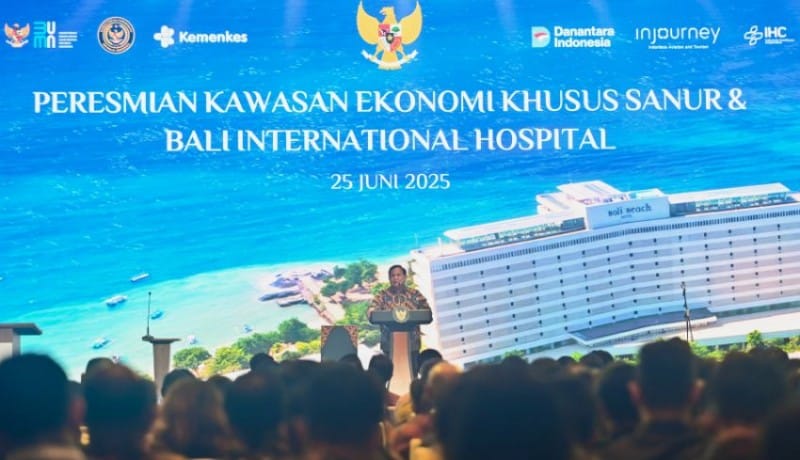
The Sanur Special Economic Zone was established to reduce foreign exchange outflows resulting from the large number of Indonesians seeking medical treatment abroad. It is estimated that around 2 million Indonesians seek medical treatment abroad, spending up to Rp 150 trillion per year. Around 74% of this market is dominated by Singapore and Malaysia as health tourism destinations.
The Sanur SEZ is encouraged to become one of the game changers in this phenomenon , through various facilities and special incentives provided. These include one-stop services through the SEZ administrator, tax holidays, import duty exemptions, and special regulations in the fields of employment, immigration, and others.
This special zone also has special facilities such as relaxation of procedures for foreign doctors working in the SEZ, relaxation of the approval process for the use of imported drugs, and relaxation of the process for using imported health technology in health facilities within the SEZ.
This policy is expected to open up opportunities for the world's best doctors, as well as cutting-edge health technology and medicines that have been recognized in their countries of origin.
Located in the heart of Bali's tourism industry, KEK Sanur stands on 41.26 hectares of land in Denpasar City and was designated as a KEK through Government Regulation No. 41 of 2022 on November 1, 2022.
This area is designed to accommodate a variety of modern and integrated facilities, ranging from international-standard medical facilities, hotel and MICE accommodations, health research centers, to ethnomedicinal botanic gardens.
Designed with a total investment projection of Rp 10.2 trillion, it is estimated that the Sanur SEZ will absorb 18,375 direct workers and 25,272 indirect workers when fully operational.
During the Roundtable Decision discussion event : Accelerative Attractive Special Economic Zones Boost Investment and Employment, President Director of PT Hotel Indonesia Natour/InJourney Hospitality (Sanur Special Economic Zone), Christine Hutabarat, emphasized that as the first Health Special Economic Zone in Indonesia, the Sanur Special Economic Zone is expected to be globally competitive. "So why are we in Bali? Because Bali is a world-class destination," said Christine.
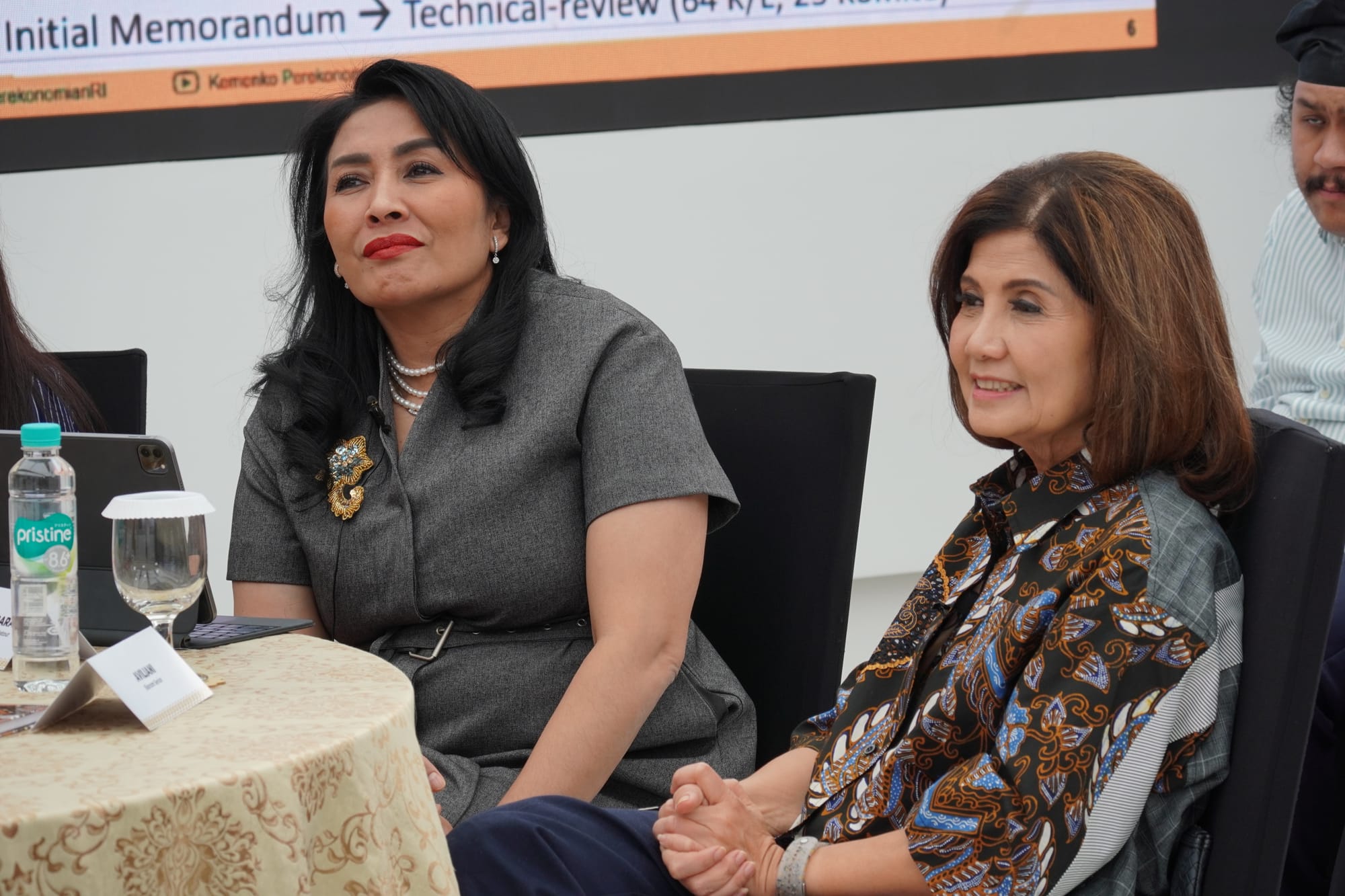
And, in order to compete, the most important thing to prepare is equipment that meets the same standards as large world-class hospitals, which are certainly more advanced in terms of technology and service.
Therefore, KEK Sanur is also expected to not only divert Indonesians seeking medical treatment. "So our hope is not only about the Rp 150 trillion in foreign exchange outflow, but also how we can track as many global patients entering Indonesia as possible ," said Christine.
With the existence of three Health SEZs, it is hoped that there will be synergy to bring as much traffic to Indonesia as possible. According to Christine, precisely because the vision is to be a world-class, international health and wellness destination, potential patients from both globally and domestically can seek treatment in Bali or other health SEZs.
"Come on, patients from Surabaya, Medan, Jakarta who usually go abroad, just stay in Indonesia, because we already have the expertise," said Christine.
Since its establishment until the first quarter of 2025, KEK Sanur has recorded a cumulative investment realization of IDR 4.42 trillion and created 3,822 jobs. In the current year of 2025, the realized investment value has reached IDR 167 billion and absorbed 373 workers.
Currently, various facilities and incentives as a SEZ are enjoyed by the Sanur SEZ and businesses operating within it, such as a 20-year tax holiday, exemption from import duties on capital goods, issuance of Medical Practice Licenses (SIP) for 125 doctors, 11 of whom are foreign doctors, and 11 diaspora; as well as SAS (Special Access Schemes) for Medical Devices.
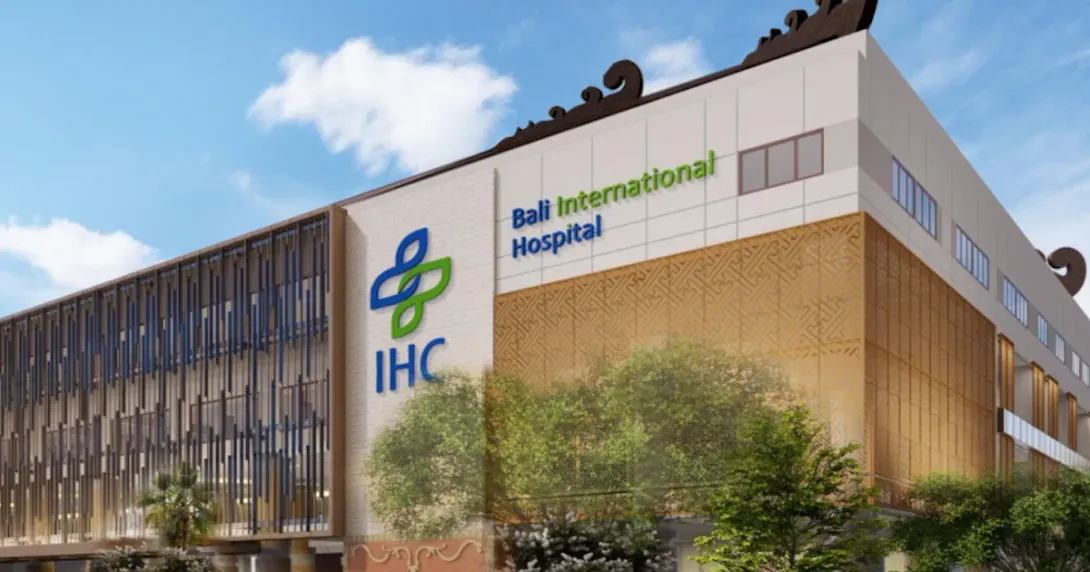
In the Sanur SEZ, a modern hospital, Bali International Hospital (BIH), has also been operating, forming strategic partnerships with several global medical institutions such as Icon Cancer Centre, Sapporo Cardiovascular Clinic, and Innoquest.
As of June 17, 2025, BIH has served 1,425 patients, 60% of whom are foreign patients, reflecting the potential of KEK Sanur as an international referral destination. In addition, this area is also the location of the Alster Lake Clinic (ALC), a cell therapy and regenerative research center currently under development.
Clear regulations
In addition to the Sanur SEZ, the government also inaugurated the operation of other health SEZs, namely the Banten Education, Technology, and International Health SEZ (ETKI) through Government Regulation No. 38 of 2024, and the Batam International Health Tourism SEZ through Government Regulation No. 39 of 2024 on October 7, 2024.
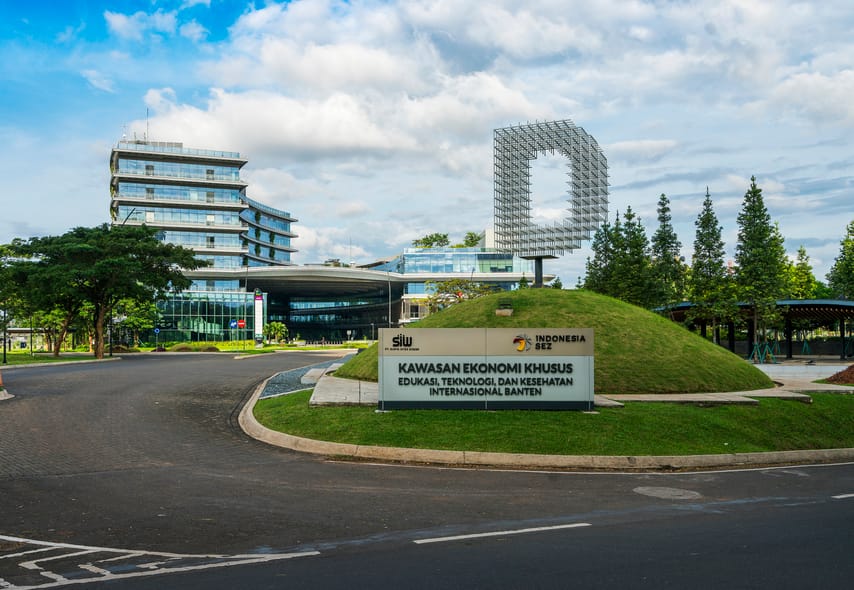
These two SEZs are expected to have a significant impact on the national economy while providing direct benefits to the community, with increased employment and innovation as well as various other multiplier effects .
The Banten International Education, Technology, and Health Special Economic Zone in Tangerang Regency is engaged in international education and health services with the development of digital technology and covers an area of 59.68 hectares. With a target investment realization of IDR 18.8 trillion when fully operational, the Special Economic Zone is expected to absorb up to 13,446 workers.
This SEZ will become an international education hub with the operation of Monash University, ranked 37th among the world's best universities, in the fields of research, digital economy, and technology development with a target of 100 start-ups, healthcare with integrated services, and creative industries.
The establishment of the Banten International Education, Technology, and Health Special Economic Zone aims to accelerate job creation and encourage economic growth in Tangerang Regency, Banten Province.
In addition to contributing to local economic development, this SEZ is also designed to support the acceleration and expansion of national economic development. PT Surya Inter Wisesa, as the proponent, brings a network of international health practitioners focused on medical aesthetics, while in the field of technology, this area will become a digital hub and incubator for start-ups.
The presence of foreign universities in this region will also enrich the educational ecosystem, making this SEZ a center for innovation, technology, and international-standard education.
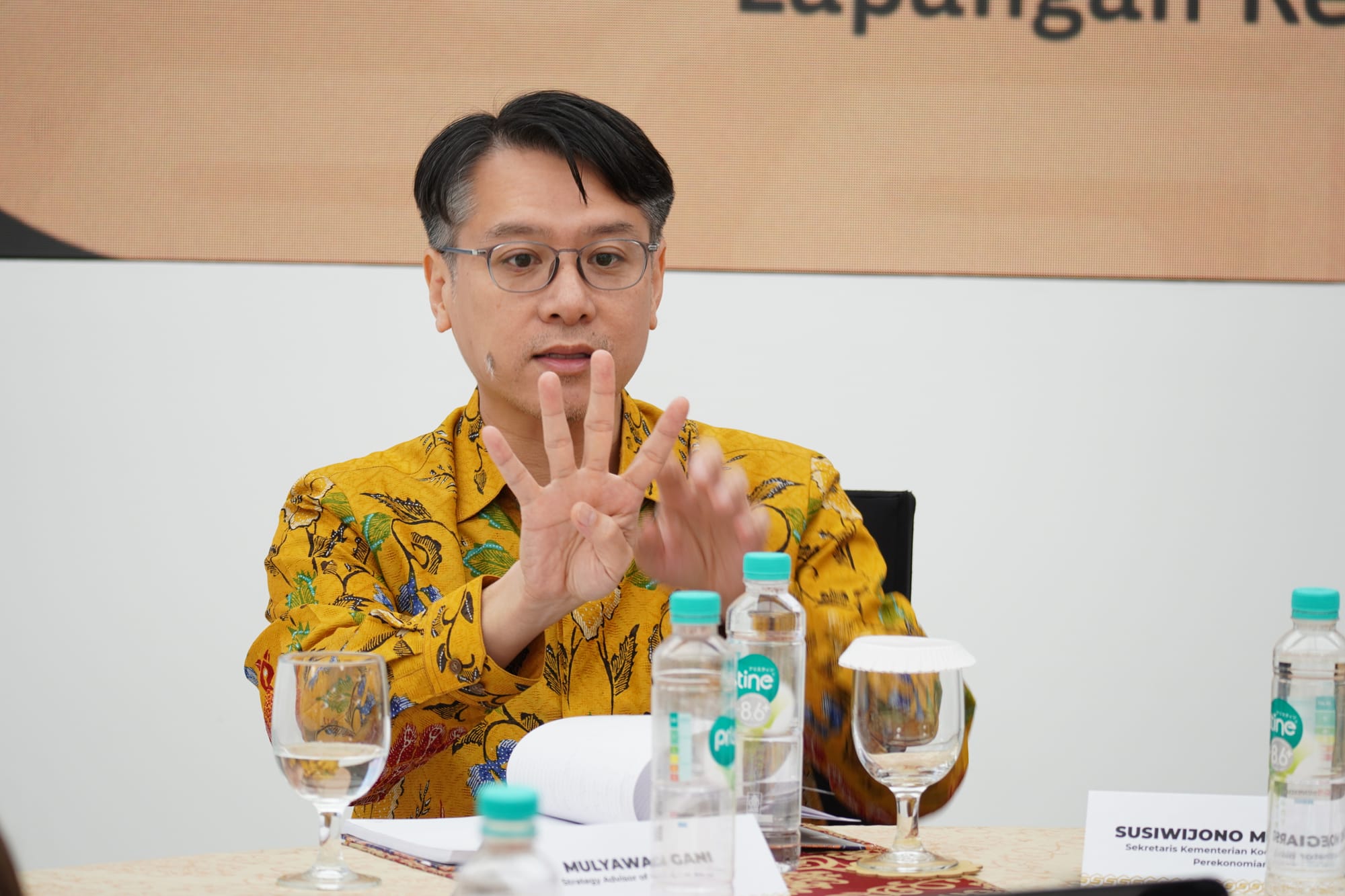
According to the Strategy Advisor of KEK ETKI Banten, Mulyawan Gani, when speaking at the Roundtable Decision: Accelerative and Attractive KEK Increases Investment and Employment event , as a special area, the government has indeed provided many incentives and facilities in various matters, such as taxation and tariffs.
However, according to Mulyawan, what KEK currently needs, especially in the health sector, is not only incentives but also regulatory certainty. "We are grateful that we have a Minister of Health who is actively creating regulations quickly, but there are still shortcomings in terms of clear rules to prevent differences in interpretation," he said.
Mulyawan admitted that he had met many surgeons who were Indonesian diaspora living in neighboring countries. Almost all of them expressed their willingness to return to Indonesia, but they were concerned about the changing regulations, which caused them to have doubts.
"They always think, if the permit is only for five years, what will happen next? Well, people tend to be uncertain. Is that right? What are the regulations like?" said Mulyawan.
He also sees the need for Health SEZs to be developed in various other regions in Indonesia and collaborated with other sectors in accordance with the characteristics of each region. "Health SEZs must exist on every island. Sumatra has one, Sulawesi and Papua must have one too," he said.
In Papua, said Mulyawan, it could be collaborated with the education sector, considering the lack of educational support in Papua. "So there must be very good coordination, so that regulations and permits and everything needed in each ministry can be supported, as we have received from the Ministry of Health," he said.
Mukhlison, Dian Amalia, and Gema Dzikri