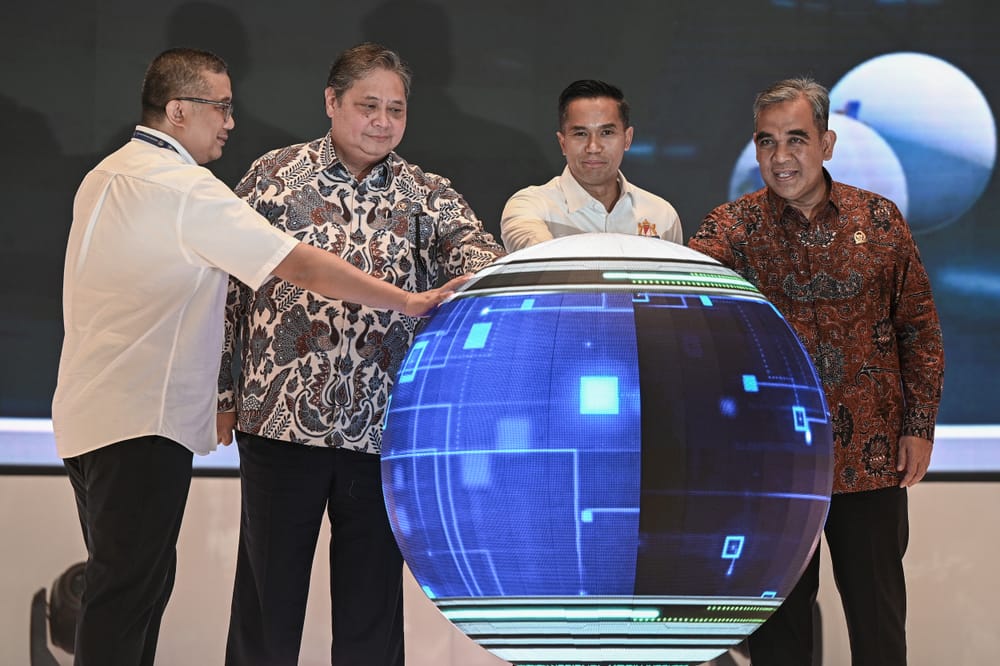
On Monday (December 8, 2025), the Danantara Investment Management Agency stated that it was ready to share its role with the private sector in attracting investors and maintaining domestic market confidence to achieve 8% economic growth by 2029.
Meanwhile, expanding the co-investment strategy with foreign partners and improving the domestic business climate are two key priorities that need to be addressed immediately.
Managing Director of Global Relations Danantara Mohamad Al Arif explained that, as a new chapter in state-owned enterprise management, Danantara has strengthened its institutional foundations while taking expansive steps in the 10 months since its establishment.
"In the past, there were concerns that our activities would crowd out the private sector , when in fact our goal is to crowd in. Our approach has always been to work synergistically with the private sector, because no country can achieve high growth without them. We want to be the catalyst for that synergy," said Arif in Jakarta on Monday (12/08/2025).
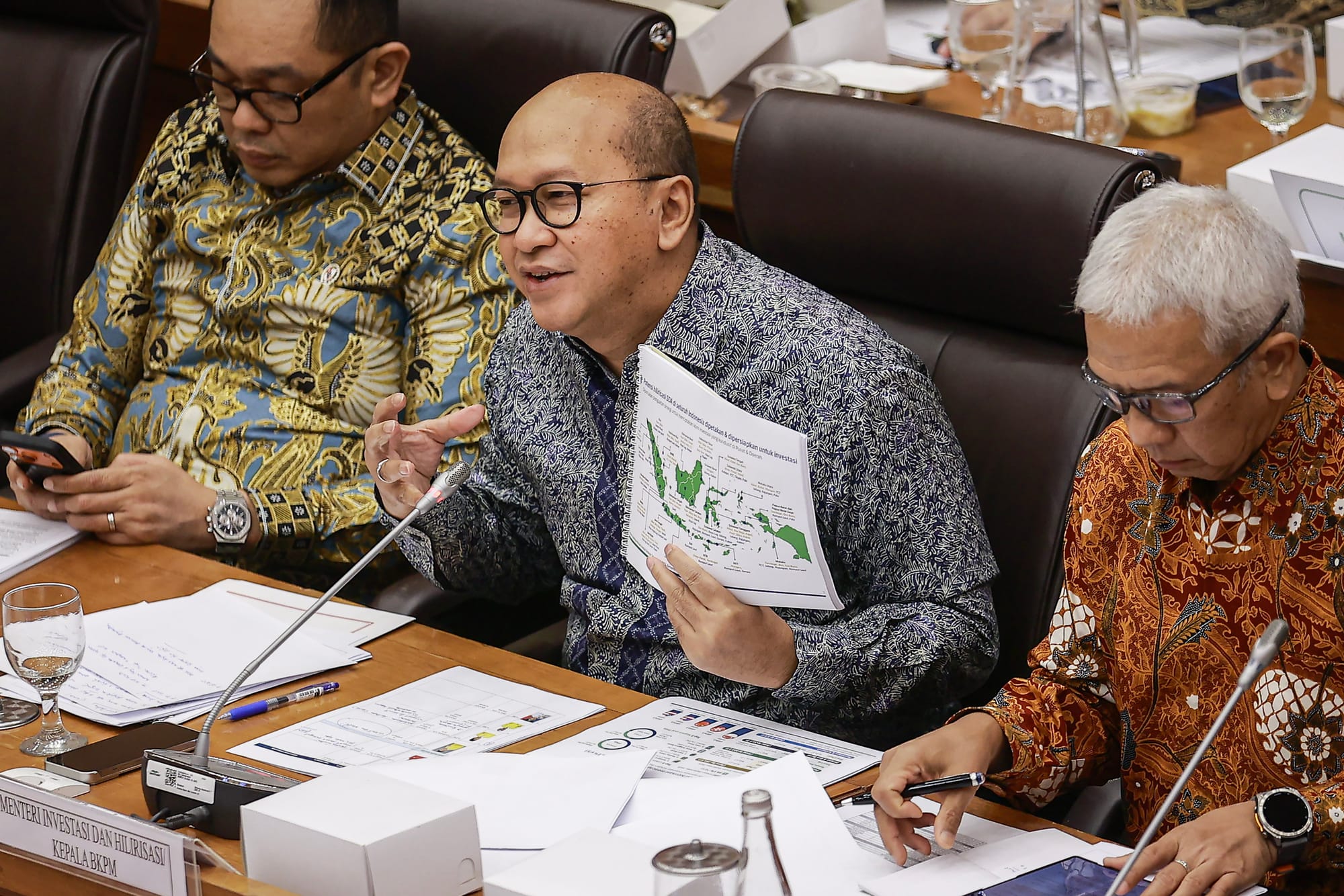
Previously, Commission XI of the Indonesian House of Representatives encouraged Danantara to pursue an economic growth target of 8% by attracting domestic and global investment.
Currently, Danantara has identified 22 sectors that the government has prioritized, with 8 of them having comparative advantages, including mineral downstreaming, renewable energy, industrial estates, property, health, and food and agriculture.
The model that Danantara uses for these eight sectors is co-investment, which aims to mobilize long-term financing.
"Growth and innovation go hand in hand with job creation. Our role in mobilizing financing is only possible if we bridge the interests of the private sector and the state to find better partnership structures to support growth," he said.
One of the co-investment projects recently developed by Danantara and the United Arab Emirates is an investment inwaste-to-energy power plants at 30 locations throughout Indonesia. This management, which is based on the need for a coherent waste management system , aims to have a dual impact on the energy economy and on improving the environment.
In addition to attracting co-investment, Danantara is expanding its network overseas and learning from various sovereign wealth funds around the world through the International Forum of Sovereign Wealth Funds ( IFSWF).
According to Arif, Danantara earned a prestigious position as the sixth largest SWF in the world, and from the forum, Danantara learned best practices that can be implemented in Indonesia.
"We learn from them to quantify their socioeconomic impact. We see challenges as opportunities. We are very optimistic and attract the best human capital to our institution. The best talents in Indonesia and the diaspora are the driving force behind all of this," he said.
Tips for gathering the best talent are necessary because Danantara is responsible for transforming 1,068 state-owned enterprises that employ millions of workers. Professionalism, good business practices (good governance), and public service are the three core areas that Danantara will focus on in the future.
"We are building a structural foundation towards 8% and we hope that this institutional reform will serve as momentum to get us there. State-owned enterprises play a significant role in the economy, so we are responsible for managing them in a more professional and value-oriented manner," Arif concluded.
Keeping the 'ball'
Complementing Arif's view, Chairman of the Indonesian Chamber of Commerce and Industry Anindya Bakrie emphasized that with government spending only reaching 8% of GDP, the business world has a crucial role to play in boosting purchasing power and investment. Not only government invitations, but also references from the business world serve as a reference for foreign investors to invest in Indonesia.
"At the Kadin National Executive Meeting, we likened local entrepreneurs to free-range chickens that must continue to lay eggs in order to answer questions from the chickens at the neighboring farm about the condition of their own farm. Here, cooperation with the government is important so that the chickens continue to lay eggs," said Anindya.
The responsibility of large companies to create jobs is currently a priority for Kadin. Therefore, with Danantara committed to crowding in investors , the private sector welcomes any opportunity that can reduce investment risk.
"If Danantara speaks, the private sector will not only be interested in co-investment, but also asset management, divestment, and so on. Our job is to remain optimistic, but we must also compare. Everywhere, the private sector has its own challenges, but the bottom line is whether or not it will grow, whether or not it will be achieved with inflation, and whether or not it will be achieved with massive debt," he explained.
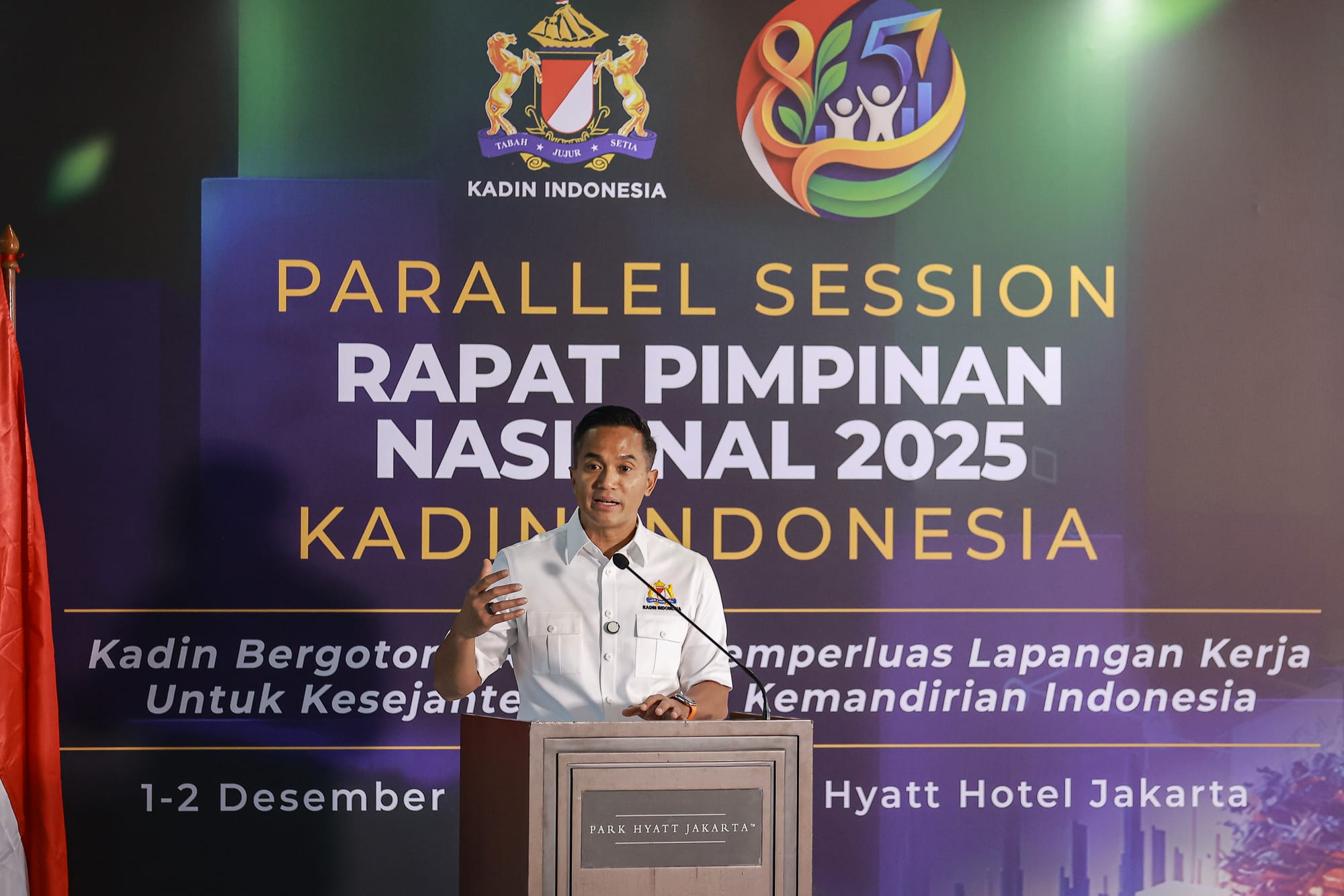
In meetings representing Indonesian businesses at APEC, G20, and COP30, Anindya candidly revealed that investment prospects in Indonesia will be very attractive in the next 5-10 years, but could potentially cause shocks during the adjustment period between 2024 and early 2026. This adjustment is not only related to domestic governance, but also in responding to international economic tensions.
"Danantara can attract investors through co-investment, but not all foreign companies are comfortable investing in local companies whose future is uncertain. However, its subsidiaries can choose which ones they want to divest, or provide funding for contracts that are comfortable for them," said Anindya.
Anindya concluded that in facing this situation, the private sector needs to prepare for all possible opportunities that may arise next year, including the easing of US-China tensions, the strengthening of emerging markets, and the potential market rebound for Indonesian products such as textiles, footwear, and electronics.
"The important thing is, I always remind myself, when playing tennis, don't get caught up in the net. Stay calm. Stay still. Focus on the ball and make sure it bounces. Don't be too flashy, as long as the ball bounces back," concluded Anindya.
The capital market is waiting
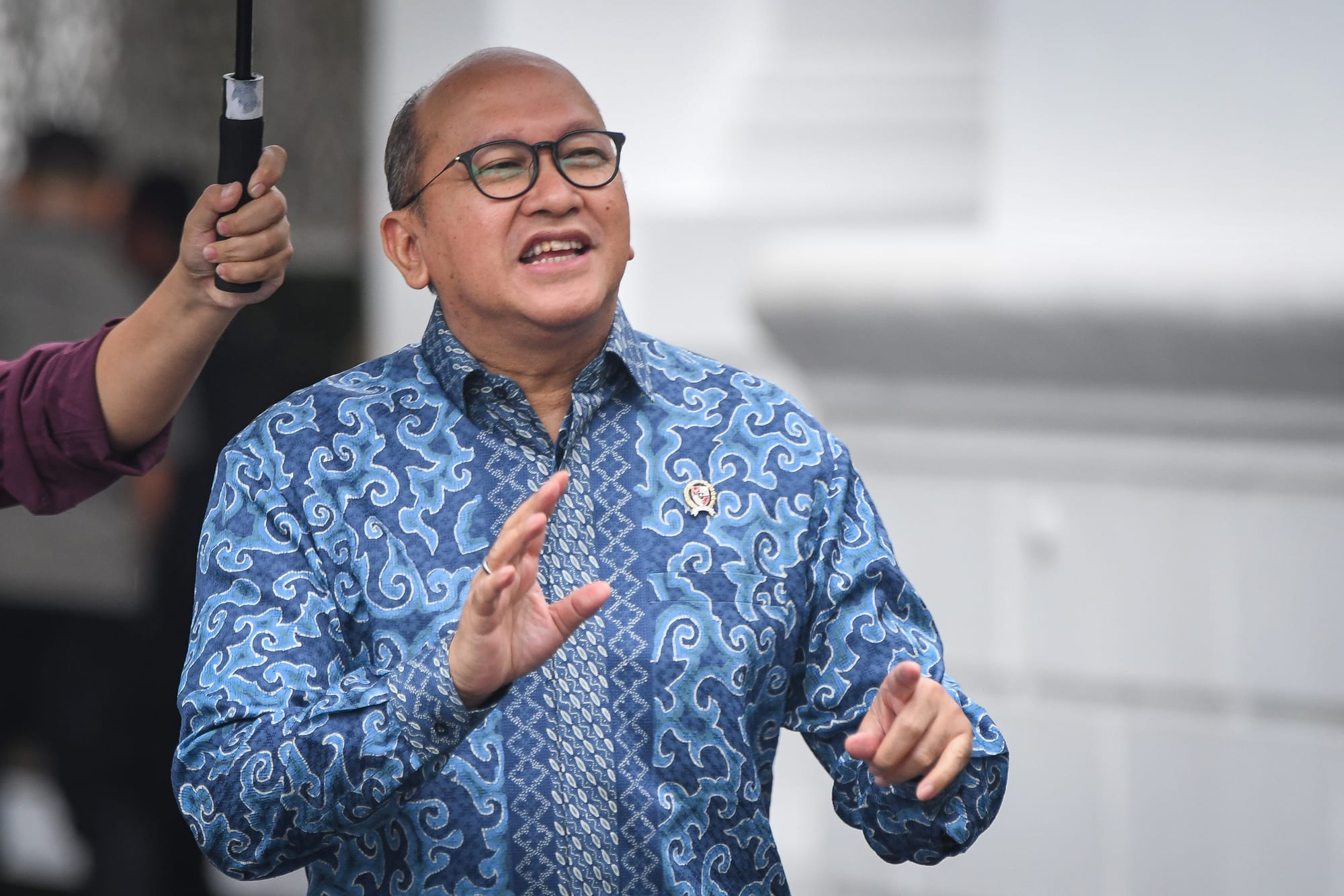
Market sentiment, which can be measured through capital market movements, is one indicator of the extent to which Danantara and the private sector have succeeded in achieving their growth targets. Executive Director of the Indonesian Issuers Association Gilman Pradana Nugraha revealed that during the current transition period, there have not been many initial public offerings throughout the year because the private sector is still adopting a wait-and-see approach.
"Since the challenge is to increase liquidity, we are waiting to see whether Danantara will play the role of a market stabilization fund or a liquidity provider. If the exchange develops new products, we can explore the extent to which Danantara can play a role in the capital market," said Gilman.
The growth of the capital market, according to Gilman, provides issuers with opportunities for expansion. The increase in quality IPOs, he said, not only raises stock prices and indices, but also facilitates new funding entering the real sector. Currently, with more than 19 million registered investors, the capital market is also responsible for improving financial literacy among investors.
"Danantara provides positive sentiment for the market. Singapore and Malaysia already have a playbook, and positive expectations exist. When we talk about the market, positive sentiment must be utilized to increase confidence in all lines of business in Indonesia," he concluded.