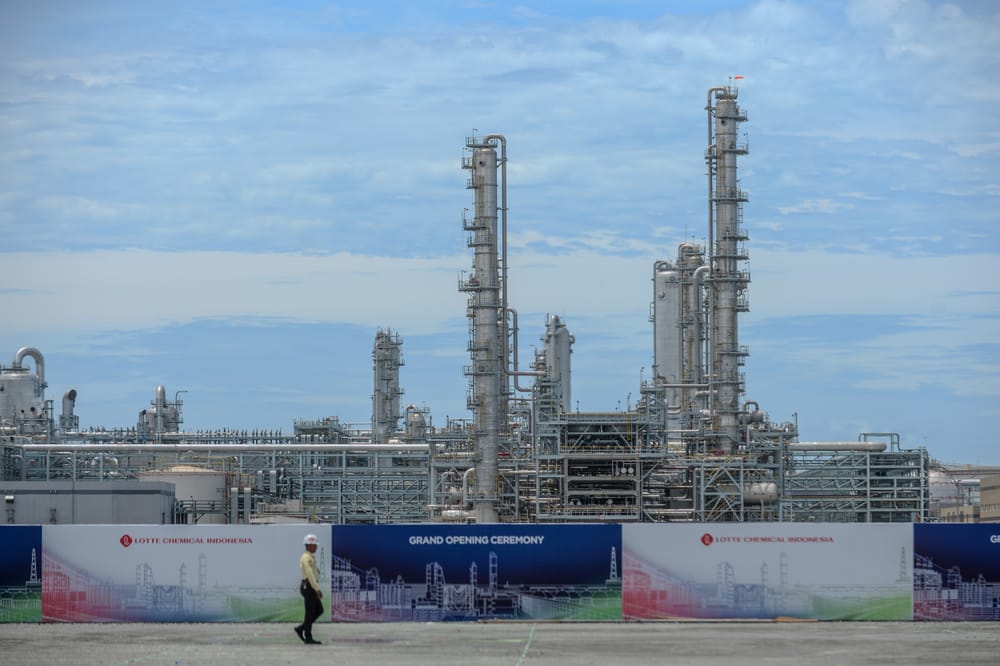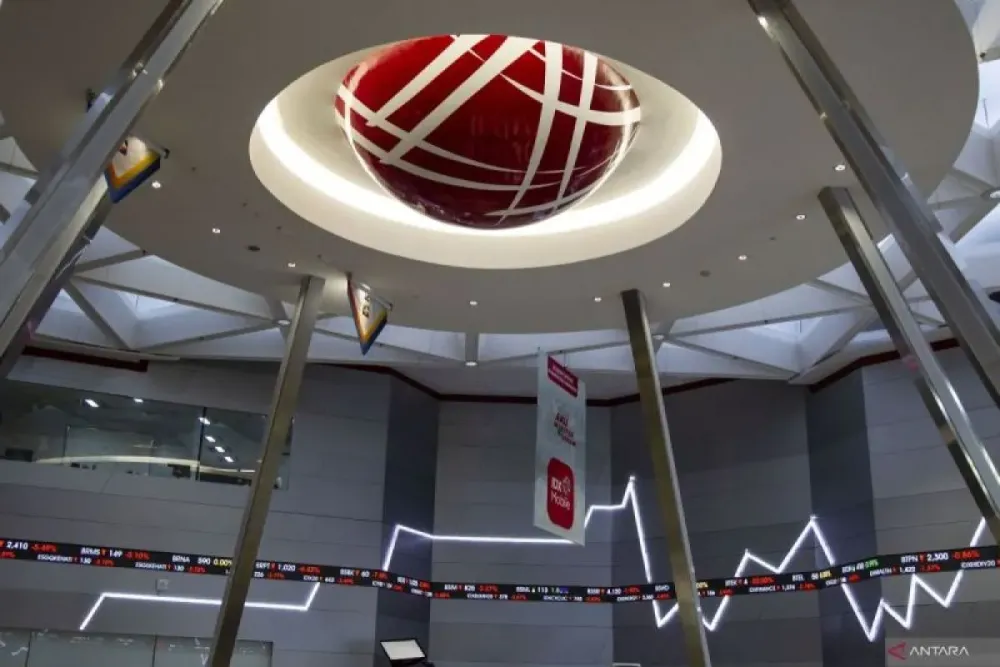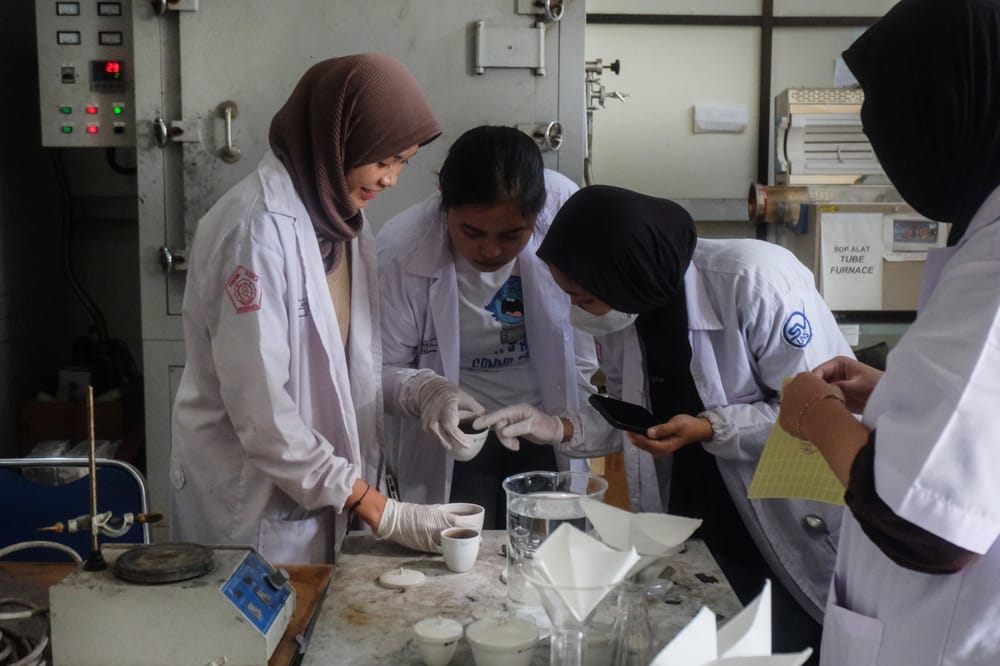


Indonesia's weak competitiveness compared to a number of countries in Southeast Asia overshadows the target of accelerating Indonesia's economic growth to 8% in the next few years, said Finance Minister Purbaya Yudhi Sadewa.
He highlighted Indonesia's weak competitiveness compared to a number of countries in the region, such as Vietnam, Thailand, Singapore, and Malaysia, as reflected in Nvidia's decision to choose Johor as its investment location over Indonesia.
This is what has prompted the government to plan to boost the investment climate in Indonesia by removing all investment barriers. This will be done by forming a debottlenecking task force to address issues in the field.
Finance Minister Purbaya Yudhi Sadewa emphasized that accelerated economic growth cannot be achieved without comprehensive reforms to the national investment climate.
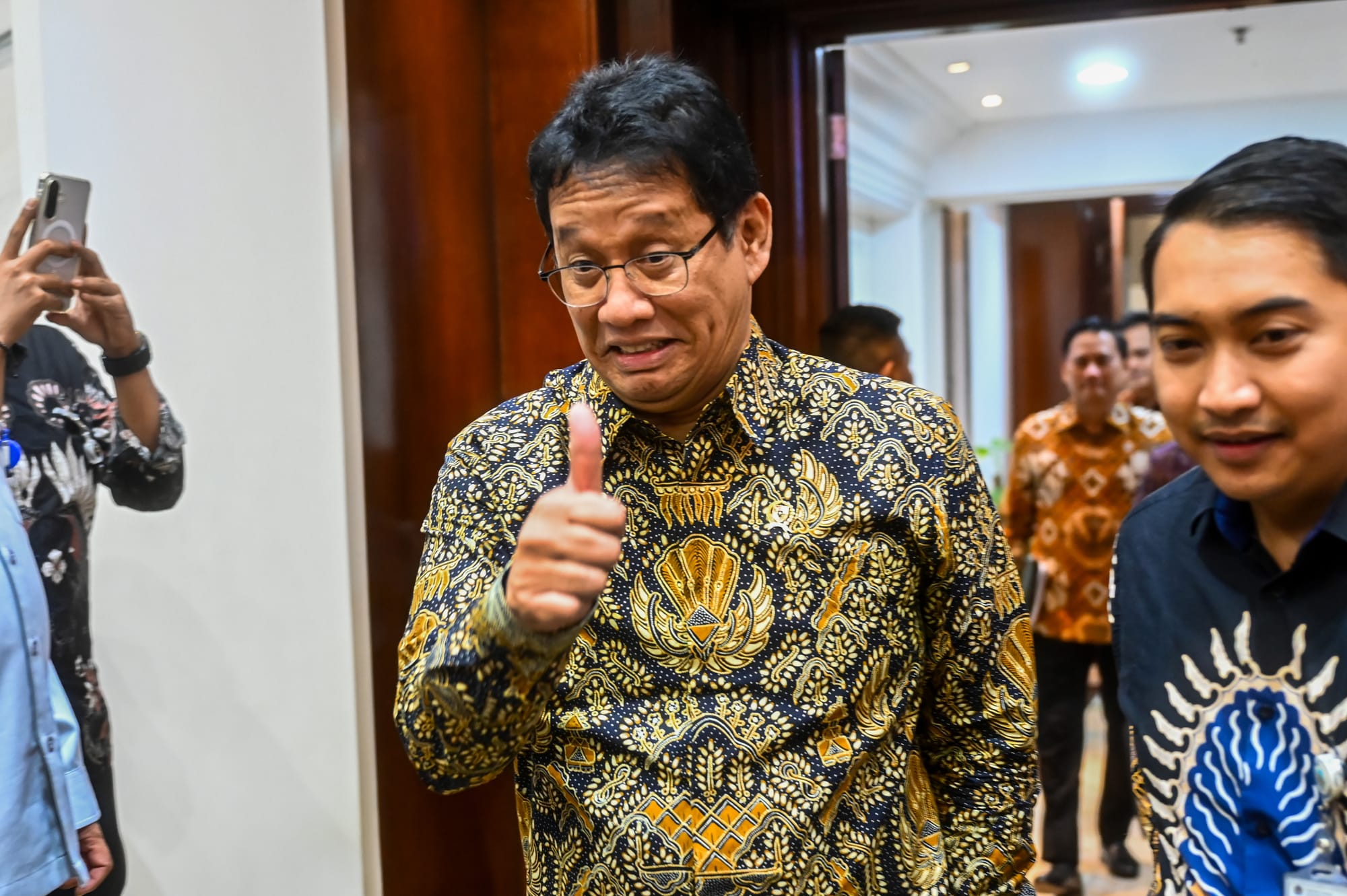
"I proposed the formation of a task force to address investment obstacles to the Coordinating Minister, and it was approved," said Purbaya at the opening of the 2025 Kadin National Executive Meeting in Jakarta on Monday evening (01/12).
This working group/task force was established as an official channel for business actors to convey real obstacles in the field, which will be resolved through periodic debottlenecking meetings.
The task force was established in October 2025 and has been working to gather information on investment barriers at both the central and regional levels.
The main obstacles to investment include complex, convoluted, and overlapping licensing processes between various government agencies, which can be time-consuming and hinder investment. The implementation of regulations is also often inconsistent across regions.
"Legal uncertainty is one of the biggest concerns for investors, as it creates high risks," he said.
Another obstacle to investment in Indonesia is infrastructure, where uneven public infrastructure and logistical problems remain a challenge. This includes challenges in acquiring land for project development.
You need skills like Abu Nawas.
Purbaya said that his experience in handling issues before becoming Minister of Finance was quite extensive and complex.
He has presided over more than 600 cases over three years, both maritime and manufacturing related.
"My ability to deal with problems in the field is already high, and I can handle them at the level of Abu Nawas," he said.
Purbaya expressed his belief that a field-based approach will accelerate improvements to the investment ecosystem. This belief is based on the experience of resolving 193 debottlenecking cases worth Rp894 trillion in the 2016–2019 period. Through this new mechanism, the government emphasizes that regulatory reforms will be formulated based on the realities on the ground, not the other way around.
"In the future, we will improve this, so that we can gradually improve the business climate directly from the field, and then we will fix the regulations. Not from regulations to the field, but from the field to regulations," explained the Minister of Finance.
In addition to bureaucratic reforms, the government also emphasizes the importance of protecting the domestic market from being dominated by illegal imported products. Tightening border controls on illegal secondhand goods is aimed at providing room for local industries to grow.
The combination of strengthening domestic demand, fiscal-monetary collaboration, and improving the investment climate is cited as a prerequisite for Indonesia to achieve 6% growth starting next year, then move towards a target of 8% in the next 4-5 years.
Entrepreneurial optimism
The Chairman of the Indonesian Chamber of Commerce and Industry, Anindya Bakrie, emphasized the importance of building optimism in the business world amid various economic challenges, both globally and domestically.
Anindya emphasized that Kadin has two strategic roles as an umbrella organization for the business world and a partner to the government.
"The goal is one: how KADIN can show that the business world is solid and ready to work together with the government," he said.
Kadin's main focus is to expand employment as an effort to boost growth to 8 percent. This step can be realized if the synergy between investment, consumption, and government policies is effective.
"We want to spread optimism amid various challenges, both global and domestic, to work together to expand employment opportunities. Because in the end, that is what will drive the economy up to 5 percent, 6 percent, 7 percent, even 8 percent," he said.
He explained that Indonesia's Gross Domestic Product (GDP) is divided into four main components, namely domestic consumption, government spending, investment, and trade. Domestic consumption accounts for around 57 percent of GDP, while investment accounts for 28 percent. Anindya emphasized the importance of synergy between the business world and the government in driving the economy.
Anindya gave an analogy of the Kadin logo, which depicts two horses. According to him, the first horse symbolizes the government and its policies, while the second horse represents the business world. With clear roles between the government and the business world, Indonesia's economic growth can continue to increase and have a direct impact on the welfare of the people.
The Chairman of the Indonesian Exporters Association, Benny Soetrisno, said that the main expectation of entrepreneurs towards the government is to encourage economic growth by inviting the business world to work together with the government to achieve the economic growth target of 8%, with a focus on strengthening consumption and investment.
Job creation by significantly promoting job creation through the consolidation of job growth plans per sector, which is a vital foundation for increasing people's purchasing power.
Digital Transformation by Accelerating digital transformation, especially for UMKM creative industries, to support economic acceleration and increase productivity.
"Strengthening the creative economy ecosystem, including strengthening intellectual property rights and promoting national content in international forums," he said.
Promoting investment efficiency and providing input to the government regarding investment barriers that need to be addressed so that foreign and domestic investment can increase.
Indef Executive Director Esther Sri Astuti said Indef recommends strategies to encourage investment, including focusing on increasing productivity. Economic growth must be able to increase productivity, not just numbers.
Indef sees investments that are less productive and only focused on mineral downstreaming or non-tradable sectors such as construction and transportation. To encourage investment, a strategy that expands the overall industrial base is needed.
Indef suggests the need to encourage the conversion of intermediate goods into final products, as well as clarity regarding the government's focus on downstreaming, such as nickel-based products.
"Indef believes that tax incentives alone are not enough to encourage investment. In addition, other policies are needed to support the performance of key economic growth indicators," he told SUAR.