

Exclusive interview
Head of the Central Bureau of Statistics Amalia Adininggar Widyasanti
Facing polemics in the public sphere, triggered by the findings of her agency, Head of the Central Statistics Agency (BPS) Amalia Adininggar Widyasanti is more careful when making statements. She also chose not to respond, when someone asked her for an explanation regarding the release in early August that said Indonesia's Economic Growth in the Second Quarter of 2026 (y to y) reached 5.12%.
Winny, as Amalia is familiarly called, did not want to respond rashly to questions in the public, considering that she was part of the state administration. However, Winny admitted that as a researcher, she wanted to educate the public about data literacy. "So as not to be influenced by perceptions. Because Indonesian people are easily influenced," she said.
As the holder of national data, BPS is now in a very central position. In almost every limited meeting on the economy, this institution always becomes a strategic institution whose findings are always heard during meetings with President Prabowo Subianto.
Because of the importance of this institution, Winny is always asked at the beginning of the meeting, to provide background socio-economic facts to participants in the limited meeting of the Red and White Cabinet. "Ah, who said that," said Winny, when met by the SUAR team in her office in the Pasar Baru area, Jakarta, Monday, August 25, 2025.

The involvement of BPS in the work of the government cabinet has actually started since the issuance of Presidential Regulation (Perpres) Number 1 of 2025 concerning Amendments to Presidential Regulation Number 86 of 2007 concerning the Central Bureau of Statistics. This Presidential Regulation changes several provisions in Presidential Regulation Number 86 of 2007, in which the BPS is a government agency under and responsible to the president led by a ministerial-level head.
Then, the institution's role became more significant, when last June President Prabowo issued Presidential Instruction Number 4 of 2025 on the National Social and Economic Single Data (DTSEN).
The issuance of the Presidential Instruction replaces the Integrated Social Welfare Data (DTKS) which is the government's reference in distributing social assistance to the community so that it is right on target.
In a limited meeting, the President asked BPS to immediately collect data from all special economic zones (SEZs) and industrial zones.
As a policymaker, Prabowo does need to consider based on field facts, data driven, which is comprehensive. Until July 2025, in a limited meeting, the President asked BPS to immediately collect data from all special economic zones (SEZs) and industrial estates.
For the record, the government sees significant achievements in SEZs throughout 2024 that have managed to exceed investment and employment targets. The total investment that entered the SEZs during the January to December 2024 period reached IDR 90.1 trillion, far exceeding the set target of IDR 78.1 trillion.
From this fact, the government began to push for the need for BPS to improve the quality and accuracy of national data. However, efforts to update and expand the scope and quality of this data sometimes sparked public controversy.
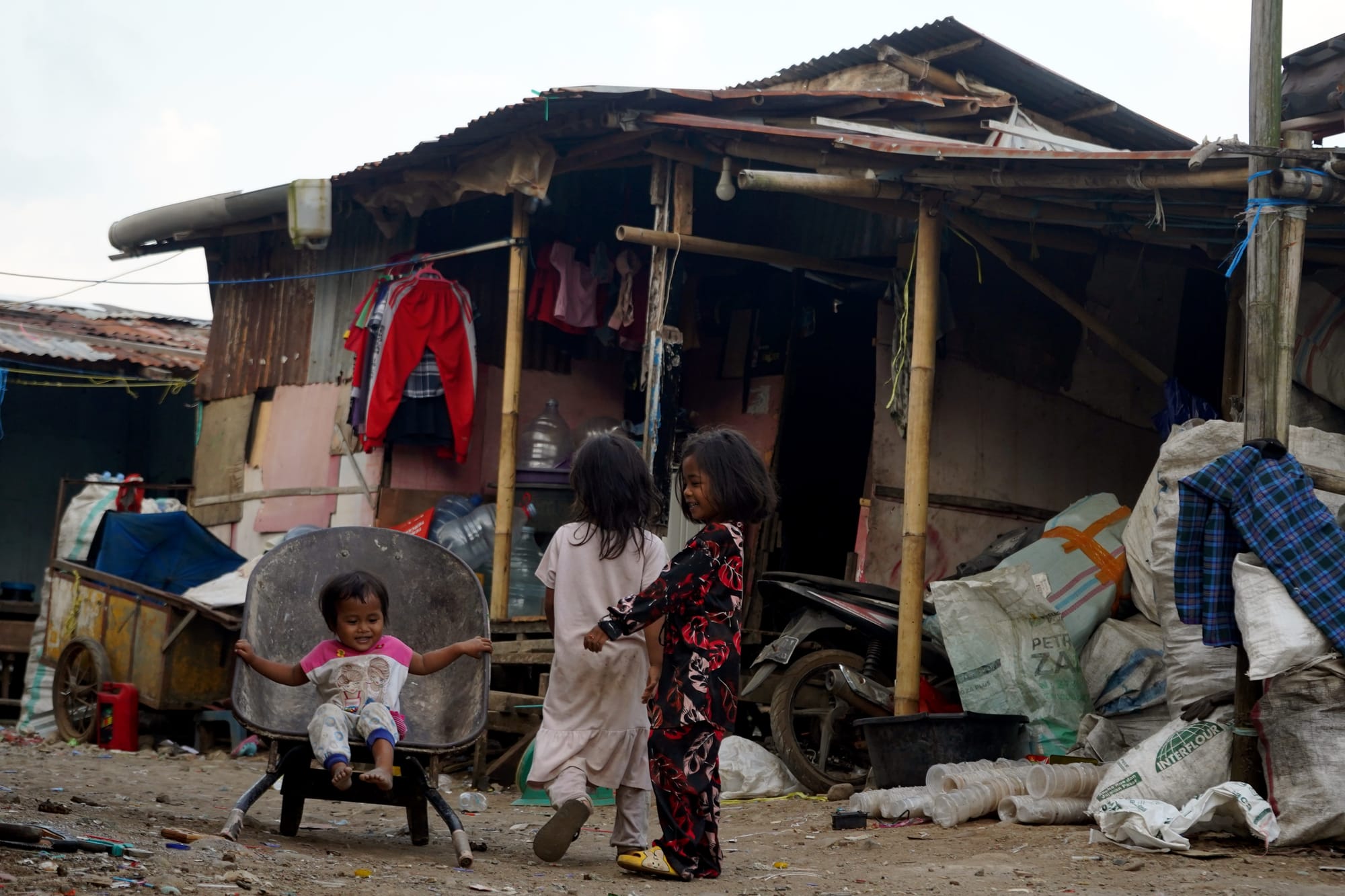
For example, when BPS released data on the poverty rate, the result was that the poverty rate was reduced. At that time BPS stated that as of March 2025, the national poverty rate was recorded at 8.47%, down from 8.57% in September 2024. This is the lowest figure in the last two decades, with the number of poor people reaching 23.85 million.
Amalia stated that updating the data is valid in an effort to record numbers related to the process of state administration. "It means there are more sources, we check the coherence," he said.
Met by the SUAR Team in her office on the second floor of the BPS office in the Pasar Baru area, Jakarta, on August 25, 2025, Winny explained the BPS methodology in compiling Indonesia's economic growth figures. She also countered accusations directed at BPS about the independence of the institution. The excerpt:
BPS is now increasingly relied upon in government decision-making, but it seems the challenges are becoming greater?
Yes. BPS has been around since 1945, since independence. We have also been issuing GDP figures for a long time, but why are we being shaken now? At that time, we also released data that was different from the consensus. This depends on the political situation, but do we want to be influenced by the political situation? No, we must be objective.
Is this GDP calculation method the same as in previous years?
Same. Calculating GDP has a system, there is a standard, so you have to follow it. The World Bank itself says that to calculate the level of welfare in a country, it is measured using the National Poverty Line.
How does BPS determine the GDP figure in Indonesia?
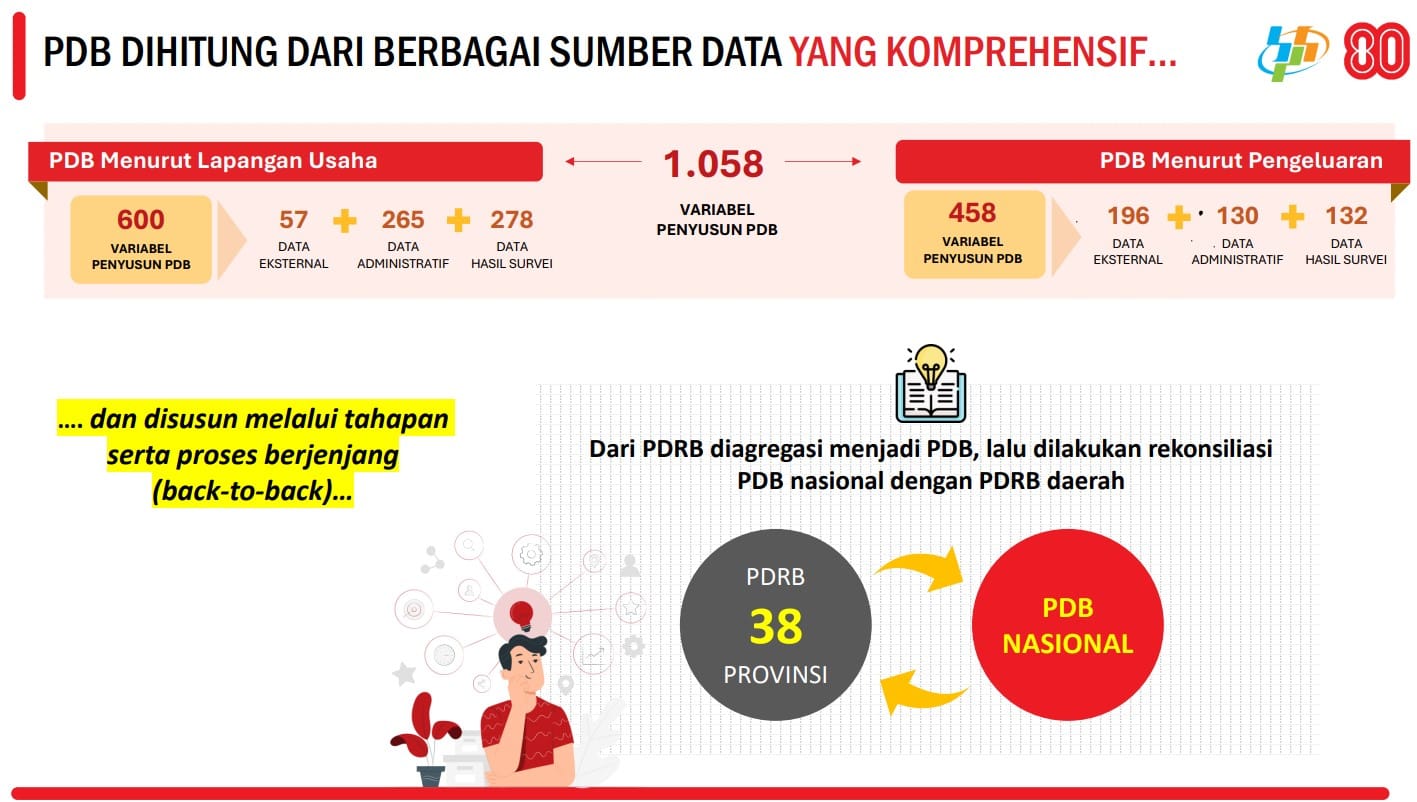
We calculate the GDP without messing around. We have data sources in 38 provinces, hundreds of surveys. There are 1,058 variables that make up GDP. That's why we measure directly in the field.
Many parties consider BPS data on the Purchasing Managers' Index (PMI) which is the basis for determining growth to be less valid?
Who is the PMI using the data ? How many respondents? We have Seruti (Quarterly Household Survey), 76,000 respondents, want to compare it with 400 respondents? Bank Indonesia also has PMI with expansion zones, right? There are about 600 respondents.

BPS is also considered inaccurate in including data related to special economic zones and industrial zones. Your response?
We have data collection, we have a survey of large and medium industries every month. The survey is every month. On the other hand, every data collection has a quality improvement process, so it's natural.
Updating the data source does not violate the methodology?
It doesn't violate. Because it means there are more sources, we check the coherence. We have 20,454 employees. All of them are down.
For data on special economic zones and industrial zones, was there any measurement in the previous period?
Yes, we have the data. And, there are many components of industrial data. So, look, we continue to conduct all these surveys to calculate GDP. Each directorate and region has, there are surveys of large, medium, small industries, there are construction surveys, there are price surveys. All go into GDP.
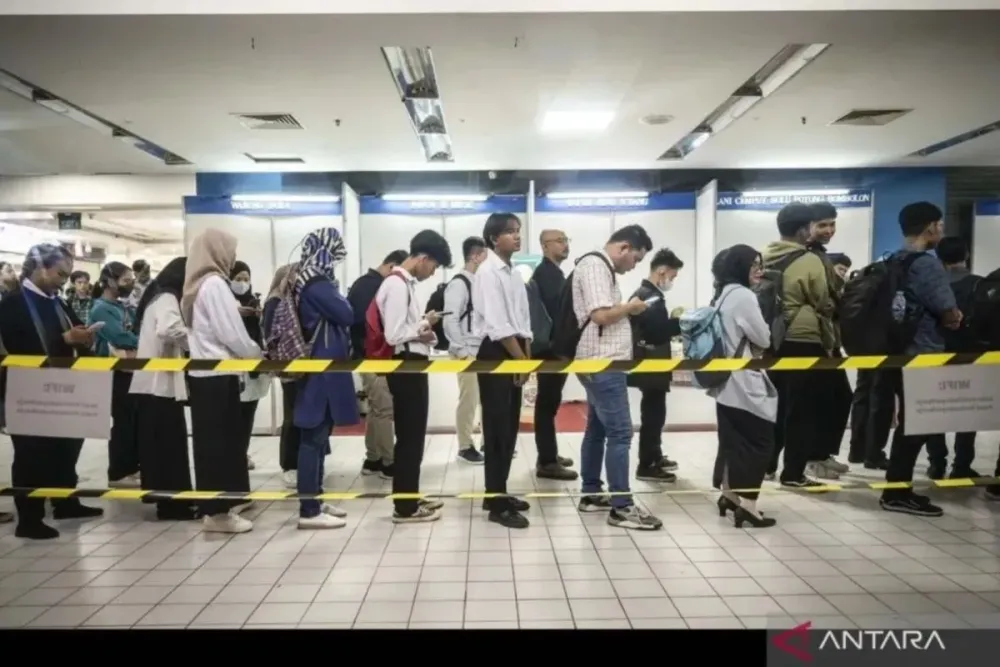
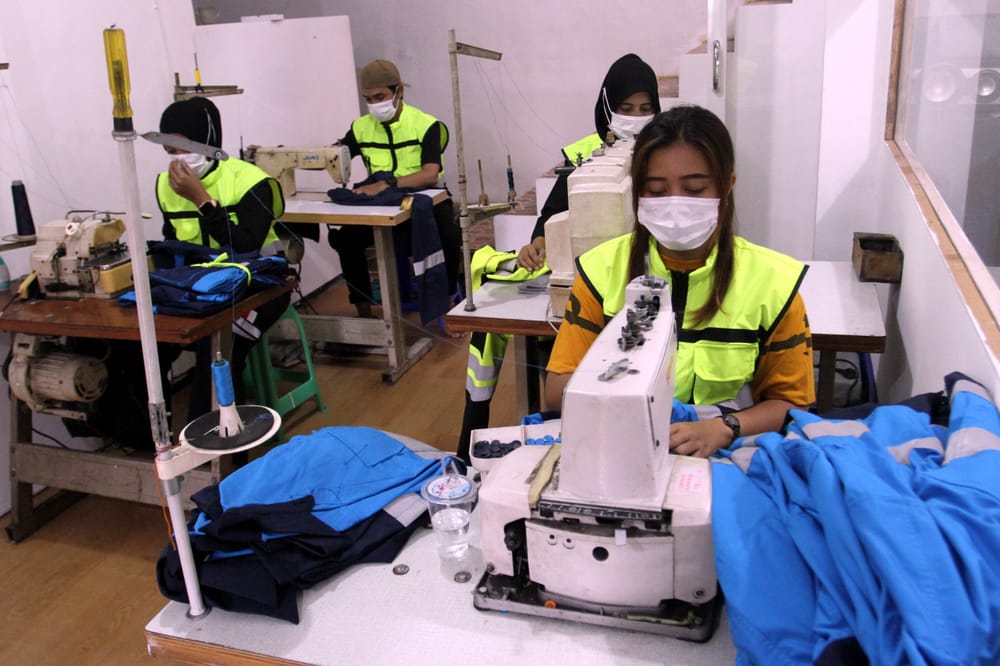
The industrial sector in the BPS report experienced an increase in performance, but now there are many layoffs?
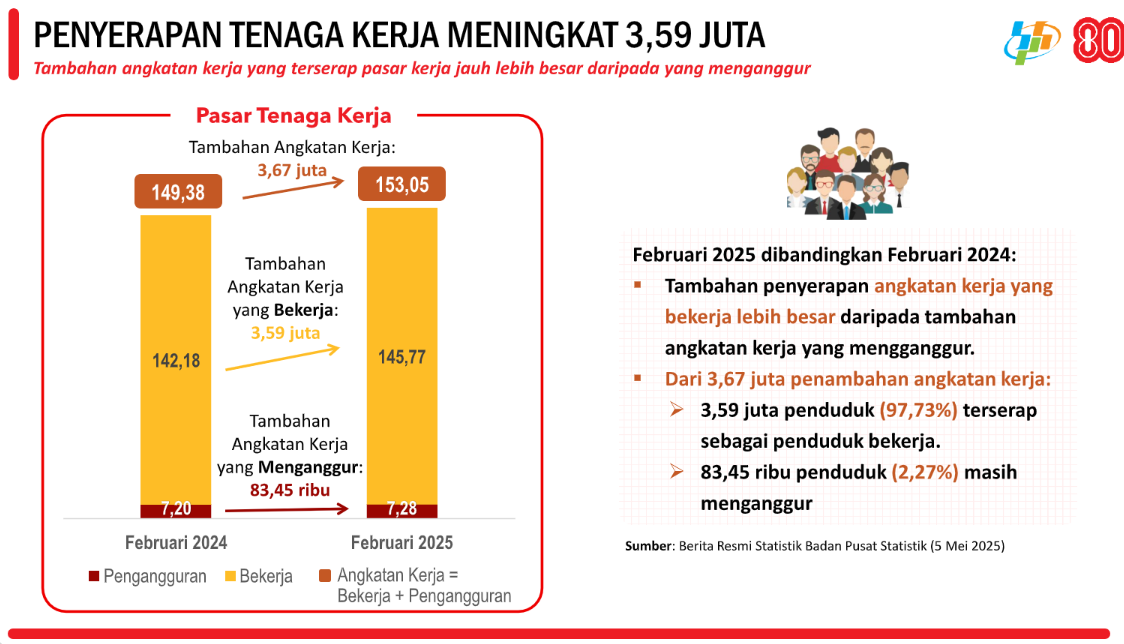
Let's see what Indonesia's labor statistics look like. If we look at an elephant, let's see that an elephant has a trunk, a tail, and legs, not just a tail. If we only see the tail, it's like people only want to see layoffs.
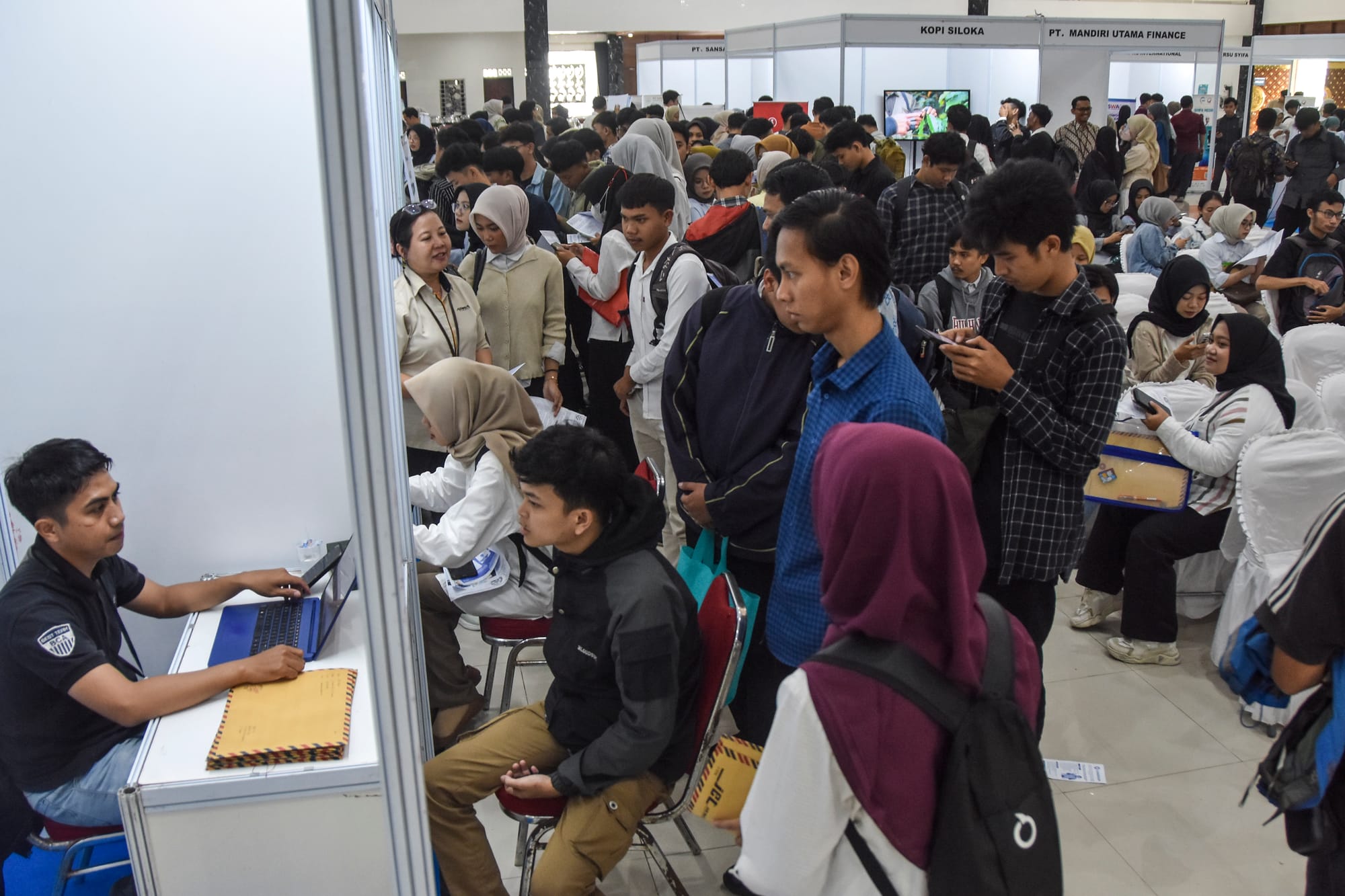
Then, what about the situation of the trade sector in malls that are screaming because many visitors do not buy their merchandise?
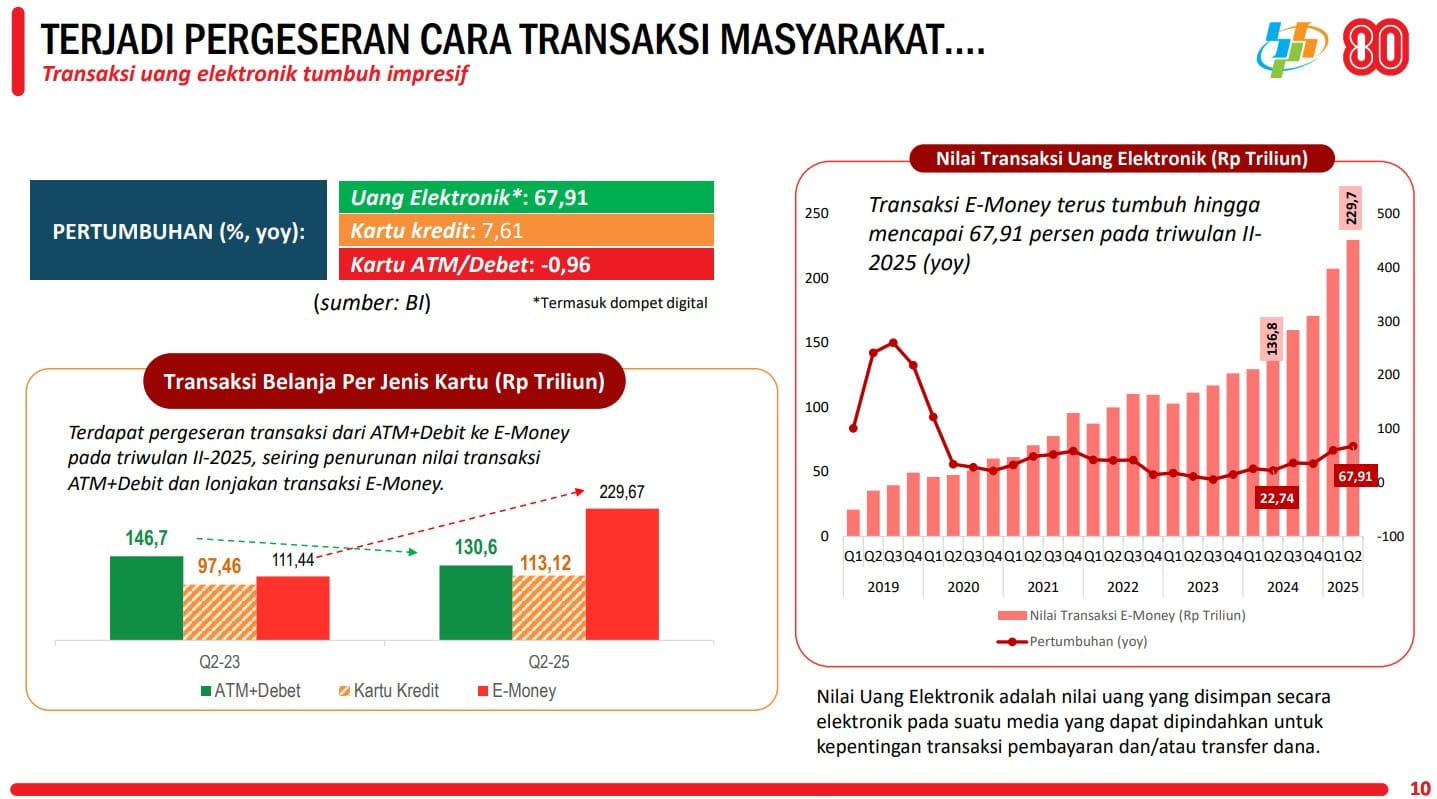
There is a shift in people's consumption, we have long signaled it. See where the shift in consumption patterns is. Especially with Lebaran, Eid al-Adha, long holidays. That is what makes consumption rise, increase above 6%. Food, beverages 4.15%.
So I said, now you have to be wiser. Shifting consumption patterns is absolutely right. Also shifting the way of shopping transactions, here, such as the use of QRIS rose high.
How do you explain that car sales are down, while consumption is up?
This is what is often discussed, car sales are down, PMI is down, that's what is repeated over and over again. But other data that went up was not exposed. Rail transportation increased, this shows there is mobility.
So if you see an elephant, don't look at the tail. When the tail turns to the left, the head, it turns to the right. But what you see is the tail turning to the left.

The gross fixed capital formation (PMTB) post also increased significantly, the issue is because BPS includes a component of defense equipment purchases, your response?
That is not an issue. The way it is recorded is based on the international standard manual. All government capital expenditure goes into PMTB.
So the previous ones have also been recorded?
It's already in. All government capital expenditure, whatever capital expenditure it is. Like building bridges, buying buildings, infrastructure, that's capital expenditure in investment. Government capital expenditure, APBN for example, is included in PMTB.
BPS also stated that there was an increase in export-import, what was the driving factor?
One of them is that CPO prices are rising. In addition, derivative products, such as chemical products, also rose. In addition, exports of electrical machinery and equipment also rose significantly, by 48.51 percent. Chemical products also increased. However, there were also commodities that fell, for example coal, because prices were down.
The increase in exports was also affected by the issue of front loading, where American importers bought goods from Indonesia before tariffs were imposed. Do you agree with that opinion?
I don't know whether this includes front loading or not. What is clear is that BPS' job is to record exports. Policies such as front loading or tariffs, please ask other parties; we only record.
Data on the export of goods recorded by BPS comes from Customs. In addition, we also collect data from PT Pos Indonesia, because there are some exports of goods that are not recorded by Customs.
You are often called to the President, any interventions?
I was summoned by the President to attend a limited meeting (Ratas). One of the meetings was a presentation on the development of special economic zones. I saw how the development was going. I checked this and that data.
Any message for the public, regarding statistical literacy?
Let's read the statistics fully and comprehensively. Let's look at the data wisely and carefully. Don't be swayed by perceptions. Seeing the data should not be a piece. It must be intact. That's all.
Read the full presentation in the following file: