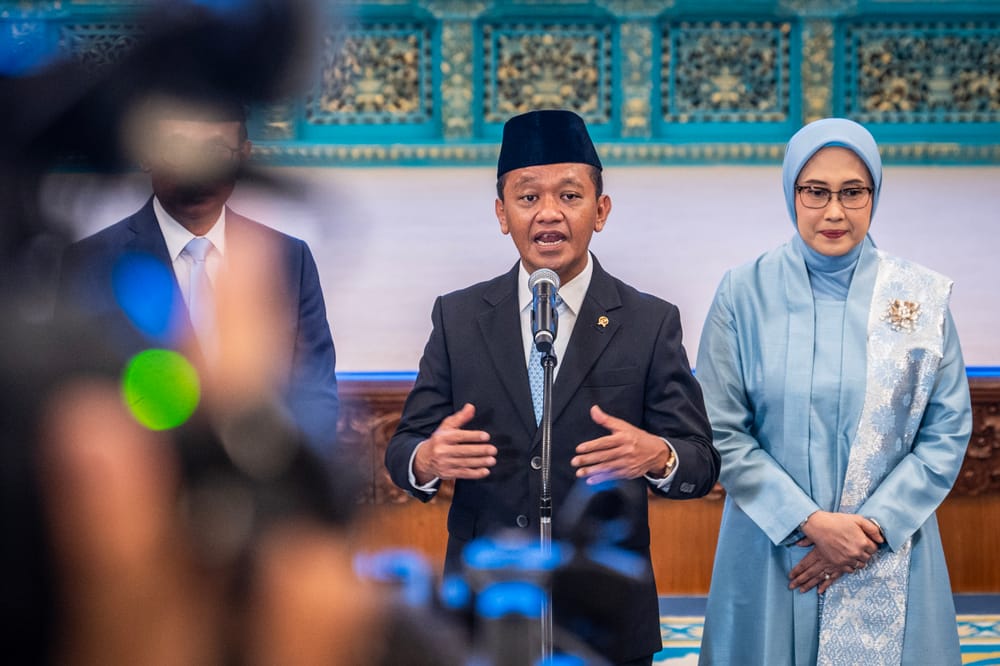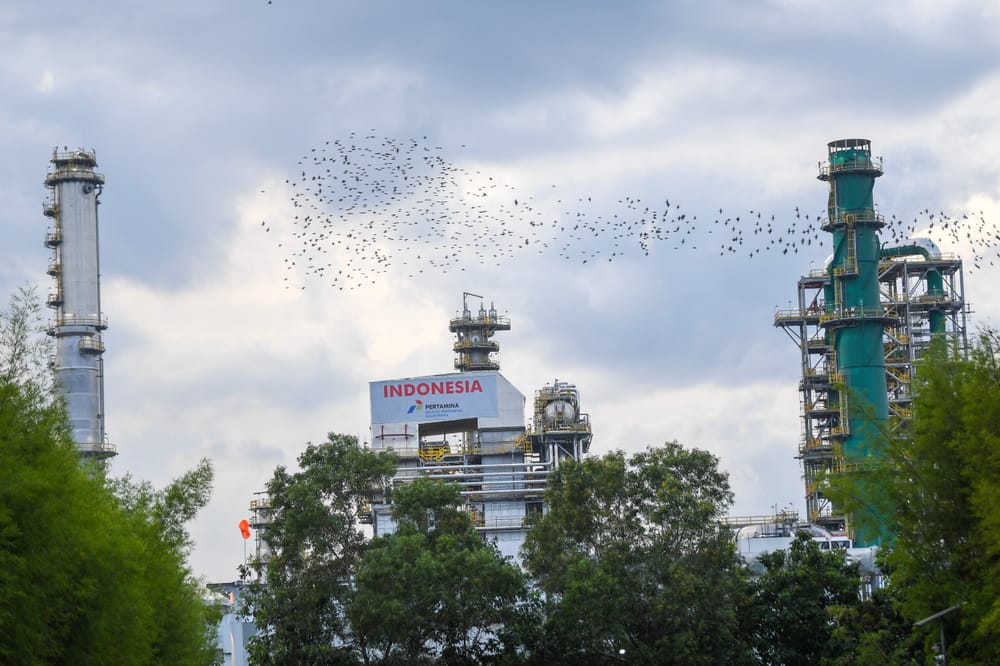
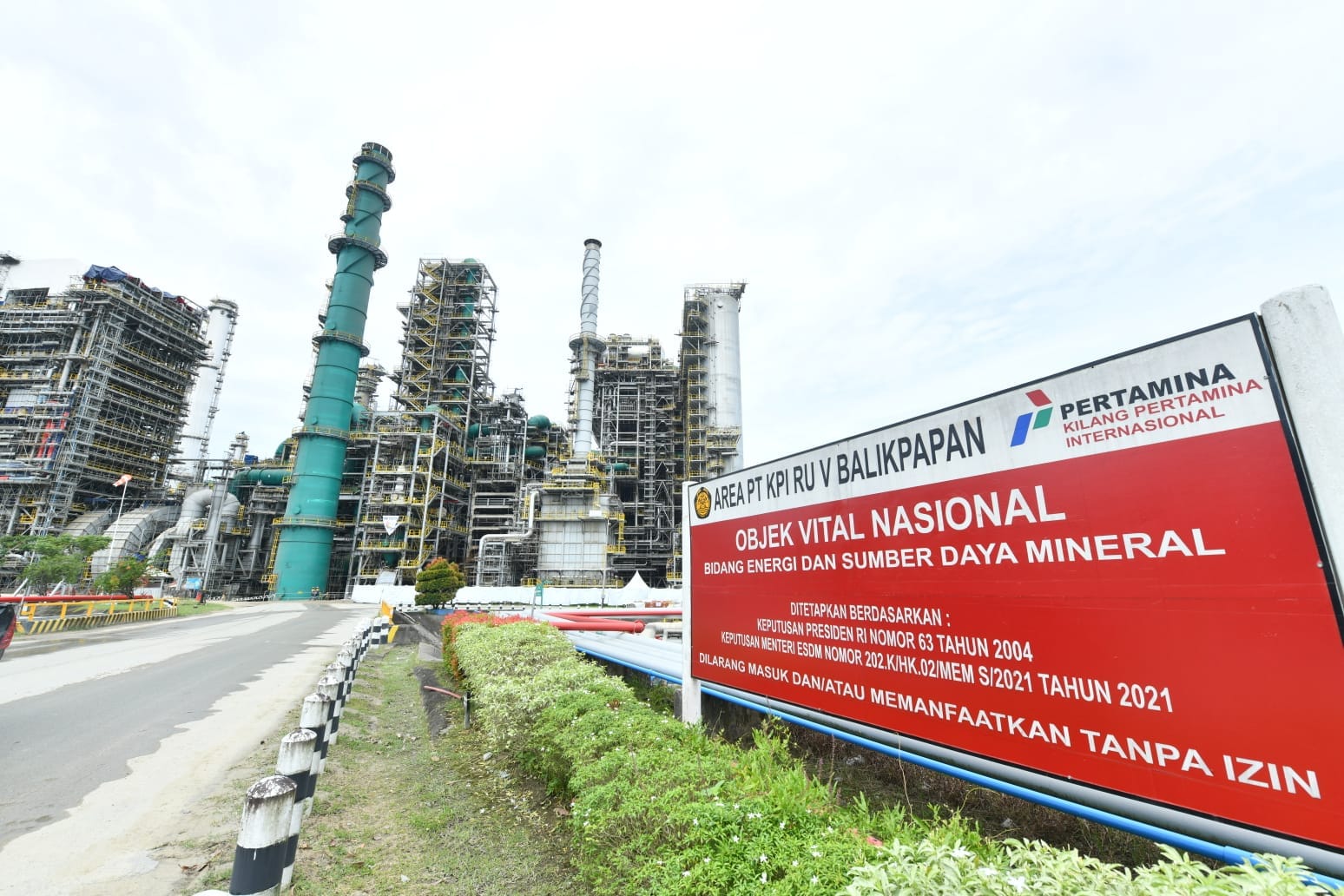
President of the Republic of Indonesia Prabowo Subianto inaugurated Pertamina's Integrated Energy Infrastructure Refinery Development Master Plan (RDMP) in Balikpapan, marking a strategic step by the government to accelerate national energy independence and sovereignty. This inauguration was a historic moment because the last time an RDMP project was inaugurated by a president was in 1994, 32 years ago.
The Balikpapan RDMP is the largest refinery development project in Indonesia with an investment value of approximately US$7.4 billion or Rp123 trillion. This project increases processing capacity from 260,000 barrels to 360,000 barrels per day, produces Euro 5-equivalent products, and supports net zero emission targets.
With this increase in capacity, Indonesia has the potential to save more than Rp60 trillion in foreign exchange per year. Additional fuel production is estimated to reach 5.8 million kiloliters per year, thereby reducing gasoline imports to around 19 million kiloliters from a total national consumption of 38 million kiloliters. Bahlil also highlighted the achievements of the upstream oil and gas sector.
In 2026, national oil lifting will reach 600.5 thousand barrels per day, exceeding the state budget target and increasing significantly compared to the 2024 realization, which is in the range of 580 thousand barrels per day.
Economically, according to Bahlil's calculations, the Balikpapan RDMP absorbs around 24,000 workers, increases TKDN by up to 30%, and contributes around Rp514 trillion per year to the national GDP.
In his speech, Prabowo expressed his pride in this achievement and conveyed his appreciation to all parties involved, from engineers, field workers, Pertamina management, local government, to the people of Balikpapan and East Kalimantan.
"This is a very important achievement for the country and the nation. Today, we are taking a step further towards becoming self-sufficient in the energy sector," said Prabowo on Monday (12/1/2026).
Prabowo emphasized that energy independence is a fundamental requirement for an independent country, on par with the ability to meet food needs independently. According to him, Indonesia is blessed with enormous energy resources, ranging from coal, oil and gas, palm oil-based biodiesel, to geothermal and hydroelectric potential.
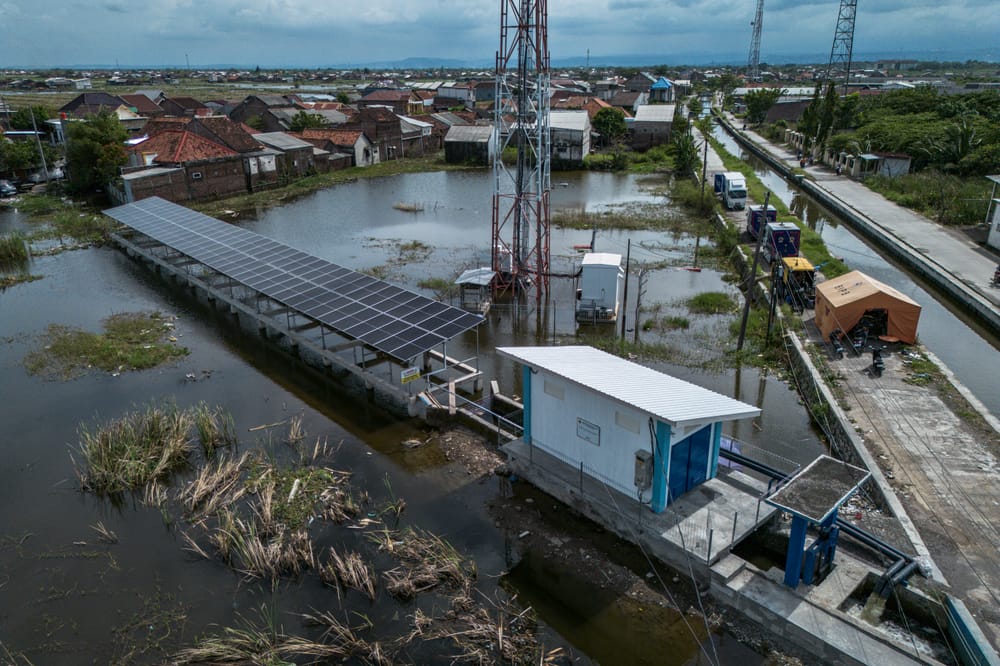
He said Indonesia has the capacity to produce various types of energy, including biodiesel, gasoline, coal gasification, and LPG import substitution products. The government will also accelerate the development of renewable energy, such as geothermal, hydroelectric, and solar panel-based electricity.
"We don't need to import energy from abroad. Our goal is clear: to achieve energy self-sufficiency. We hope to achieve this within five years, but even if it takes six or seven years, it doesn't matter, as long as the direction is clear," he said.
As a comparison, Prabowo mentioned the government's success in achieving rice self-sufficiency much faster than the target. After being inaugurated in October 2025, he targeted rice self-sufficiency within four years, but this was achieved in just one year through regulatory reform and the reduction of bureaucracy in fertilizer distribution.
The government cut 145 regulations that were deemed to be hindering the distribution of subsidized fertilizer. As a result, fertilizer prices were successfully reduced by 20%, distribution volume increased by 700,000 tons, and the farmer exchange rate jumped from 106 to 125, the highest in Indonesian history. National rice production and reserves also reached their highest levels.
According to Prabowo, this achievement proves that Indonesia is capable of competing and should not continue to feel inferior to other nations. Self-confidence and nationalism must be the foundation for development in all sectors, including energy.
In the context of Pertamina, Prabowo highlighted the company's strategic role as Indonesia's national champion and the only state-owned enterprise to be listed in the Fortune 500 with a valuation of around US$100 billion. However, he also openly acknowledged the existence of governance issues and unhealthy practices in the past that had harmed the people.
"Therefore, since I became president, I have been determined to clean up Pertamina. I have given the Board of Directors full authority to take decisive action. No corruption, no seeking personal gain at the expense of the people," he said firmly.
He emphasized the importance of leadership by example and requested that all state-owned enterprises, particularly Pertamina, be managed professionally, faithfully, and with the interests of the nation in mind. Prabowo also instructed the relevant ministries to carry out comprehensive reforms of state-owned enterprises that are considered inefficient and rife with irregularities.
Downstreaming and National Industrialization
Furthermore, Prabowo linked energy sovereignty to the national downstreaming and industrialization agenda. The government will soon launch 34 waste-to-energy projects in various cities to address the waste crisis while generating electricity. In addition, 6 to 11 downstreaming projects with an investment value of around US$6 billion will begin in the near future, accompanied by large foreign investments.
He emphasized that the success of these programs requires strong management and young human resources with integrity. His administration, said Prabowo, focuses on tangible results, as demonstrated by the free nutritious meal program, which has reached 58 million beneficiaries and is targeted to increase to 82 million people by the end of 2026.
Concluding his remarks, Prabowo asked Pertamina to resume its historical role as an agent of development, an agent of modernization, and an agent of change, as well as a source of national pride.
"Pertamina must once again become a national champion. We want Pertamina to be efficient, clean, and truly work for the people and the future of Indonesia," he concluded.
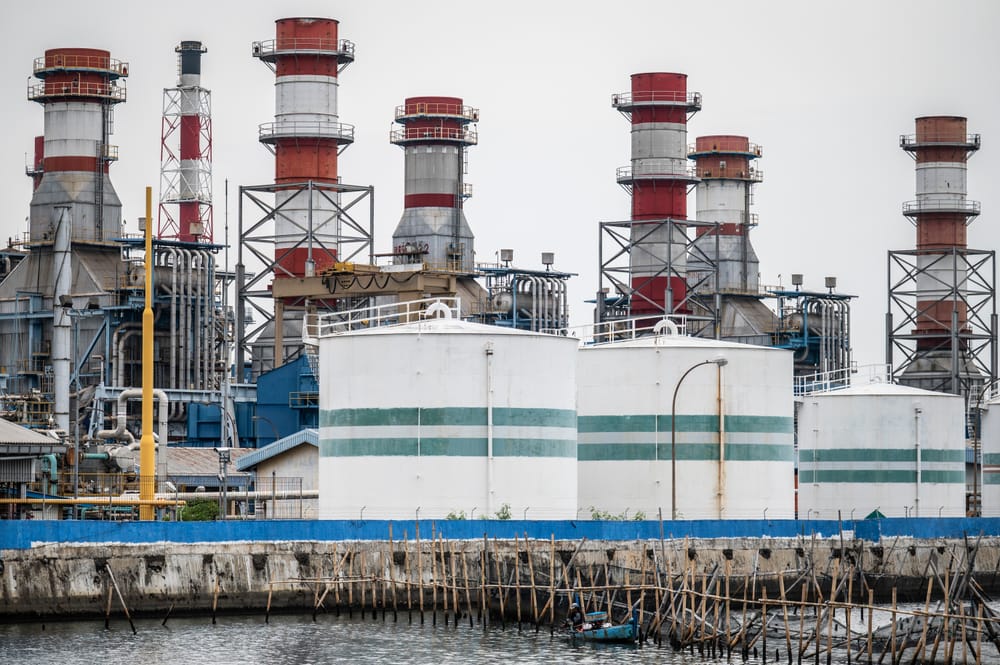
For your information, the Rp123 trillion Balikpapan RDMP megaproject is an effort to modernize integrated refineries from crude oil reception to supply chain strengthening, in order to increase processing capacity, produce environmentally friendly fuels, encourage petrochemical downstreaming, and strengthen national energy security.
In line with the President's directive, PT Pertamina (Persero) inaugurated the Balikpapan RDMP Integrated Infrastructure project, which integrates the upstream and downstream sectors as part of strengthening national energy security and independence.
PT Pertamina (Persero) President Director Simon Aloysius Mantiri emphasized that this project is not only oriented towards increasing capacity and efficiency, but also represents Pertamina's commitment to serving the people and the country.
Simon explained that the RDMP project began with the construction of a 78-kilometer pipeline to supply raw materials to the refinery. At the heart of the project is a Residual Fluid Catalytic Cracking (RFCC) facility that allows oil residues to be processed into value-added products.
The implementation of RDMP increased the refinery's production capacity from 260,000 barrels per day to 360,000 barrels per day, with Euro 5 standard fuel quality that is more environmentally friendly and produces lower emissions.
In addition, Pertamina integrated distribution through the Tanjung Batu Fuel Terminal with a capacity of 125,000 kiloliters to serve eastern Indonesia. On the storage side, a tank terminal was built in Lawe-lawe with an additional capacity of 2 million barrels, bringing the total capacity to 7.6 million barrels.
According to Simon, this inauguration is a milestone in the nation's long journey toward energy sovereignty.
"Today is not the end, but the beginning. We still have many strategic initiatives to implement, in line with the President's Astacita, particularly energy security and downstreaming and industrialization," he said.
Read also:
 Benedictus Krisna Yogatama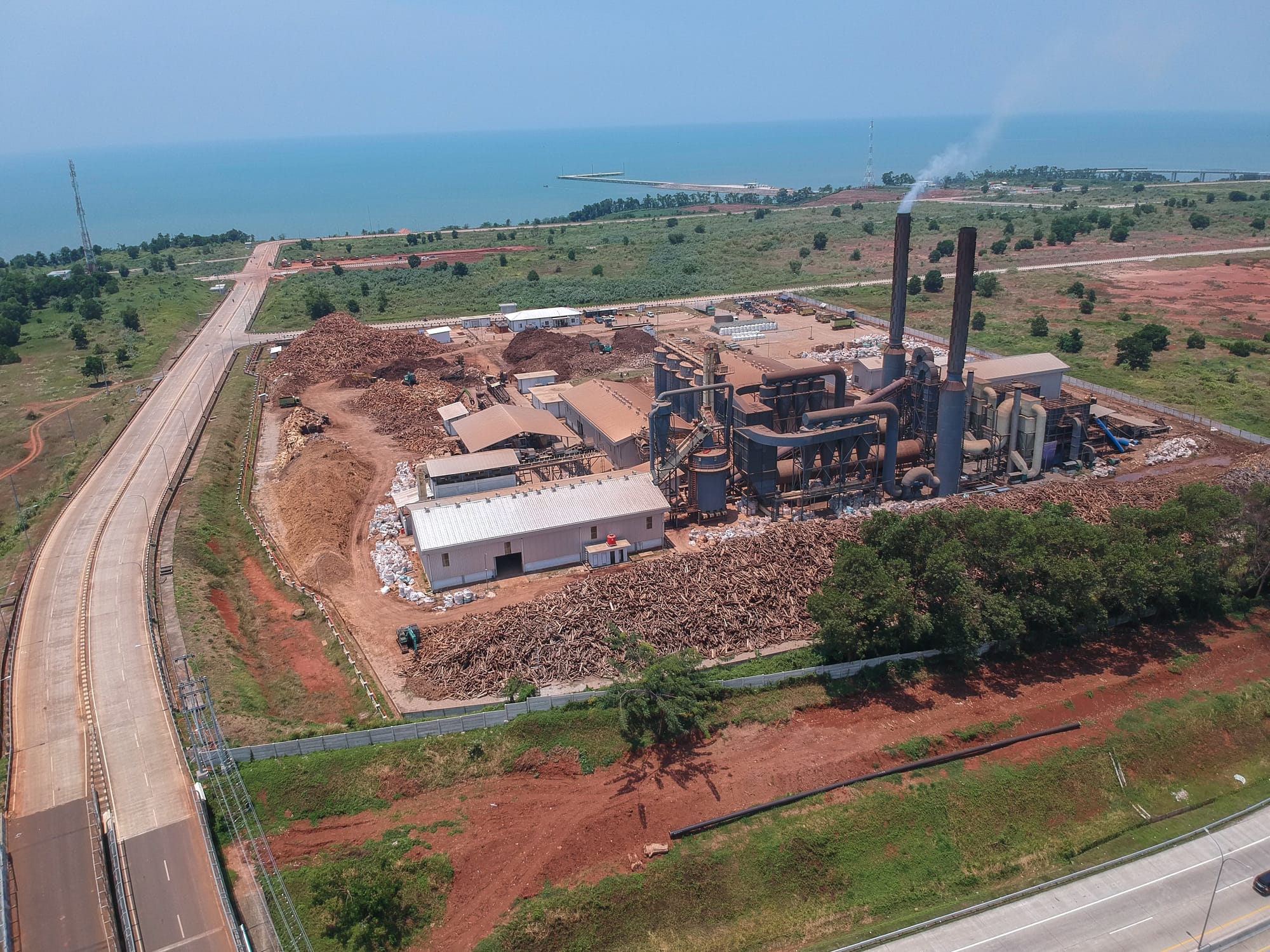
Downstreaming Must Have High Leverage
Responding to the government's aggressive downstreaming policy in various areas, Indonesian Employers Association (Apindo) Economic Policy Analyst Ajib Hamdani believes that downstreaming policies need to be directed at sectors with broad leverage so that they have a more optimal impact on the national economy.
According to him, the agriculture, plantation, and fisheries sectors are key because they are able to connect many business chains while aggregating the informal sector into the formal sector.
Ajib emphasized that the success of downstreaming is largely determined by the industry's ability to respond to four main challenges, namely high energy costs, high cost of capital, logistics costs, and labor costs.
"Without structural improvements to these factors, the added value generated by downstreaming risks not being maximized," Ajib told SUAR.
He believes that downstreaming has the potential to increase the added value of leading commodities while reducing production costs through a more integrated supply chain. Therefore, an efficient supply chain design is a prerequisite for making the cost of goods and services in Indonesia more competitive.
Ajib also emphasized the importance of certainty and ease of doing business. The government was asked to strengthen deregulation, speed up services, minimize unrecorded costs, and guarantee legal certainty.
"A business-friendly commitment is key to Indonesia's Ease of Doing Business ranking breaking into the top 40," he said.
According to Ajib, downstreaming must ultimately become the driving force behind industrialization, creating optimal added value, absorbing skilled labor, and promoting sustainable economic growth.