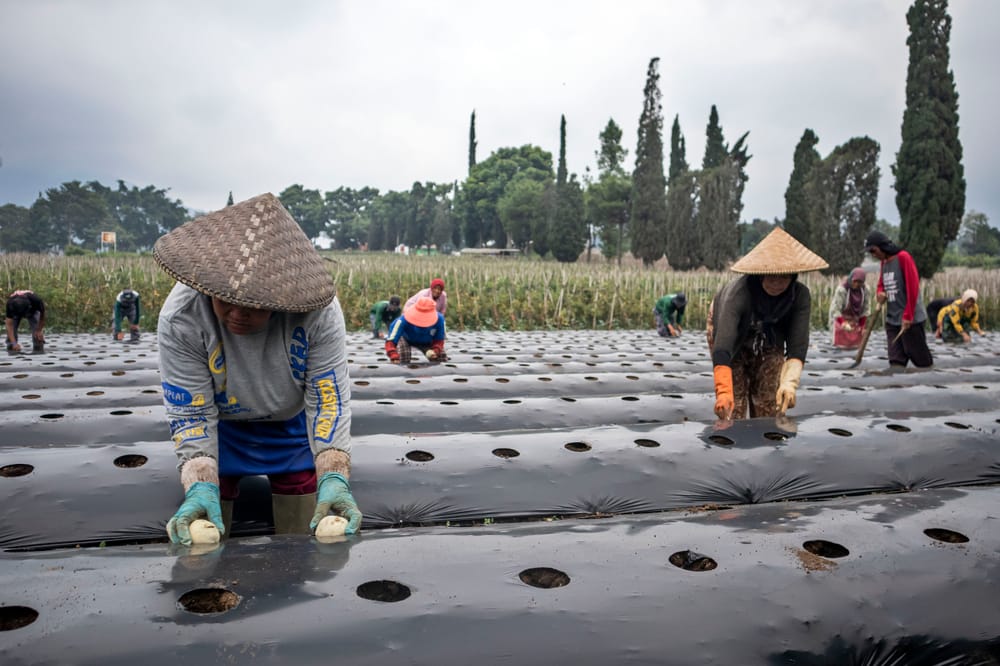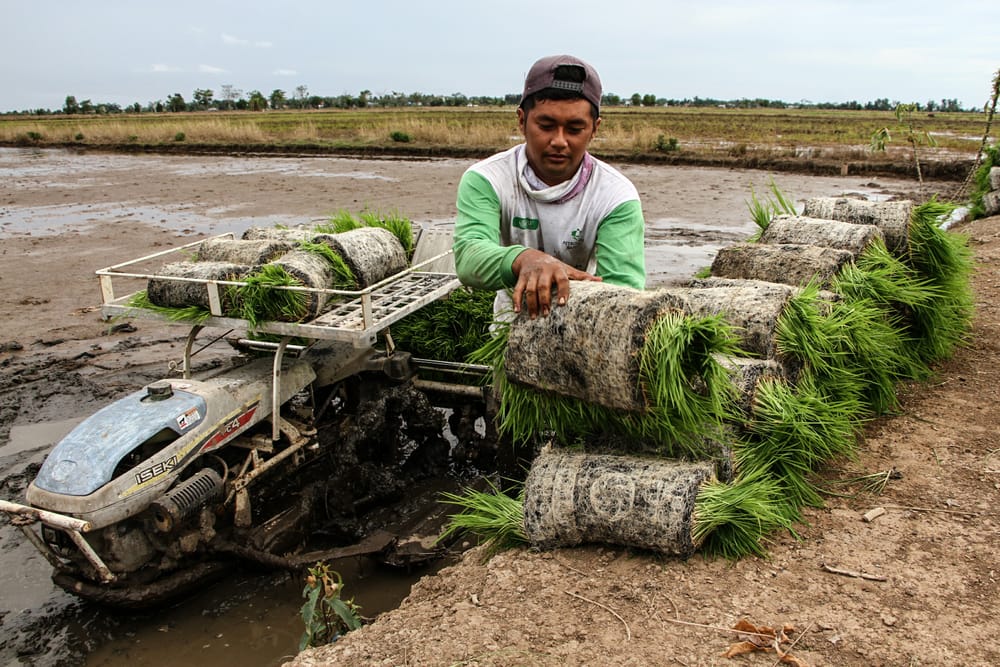

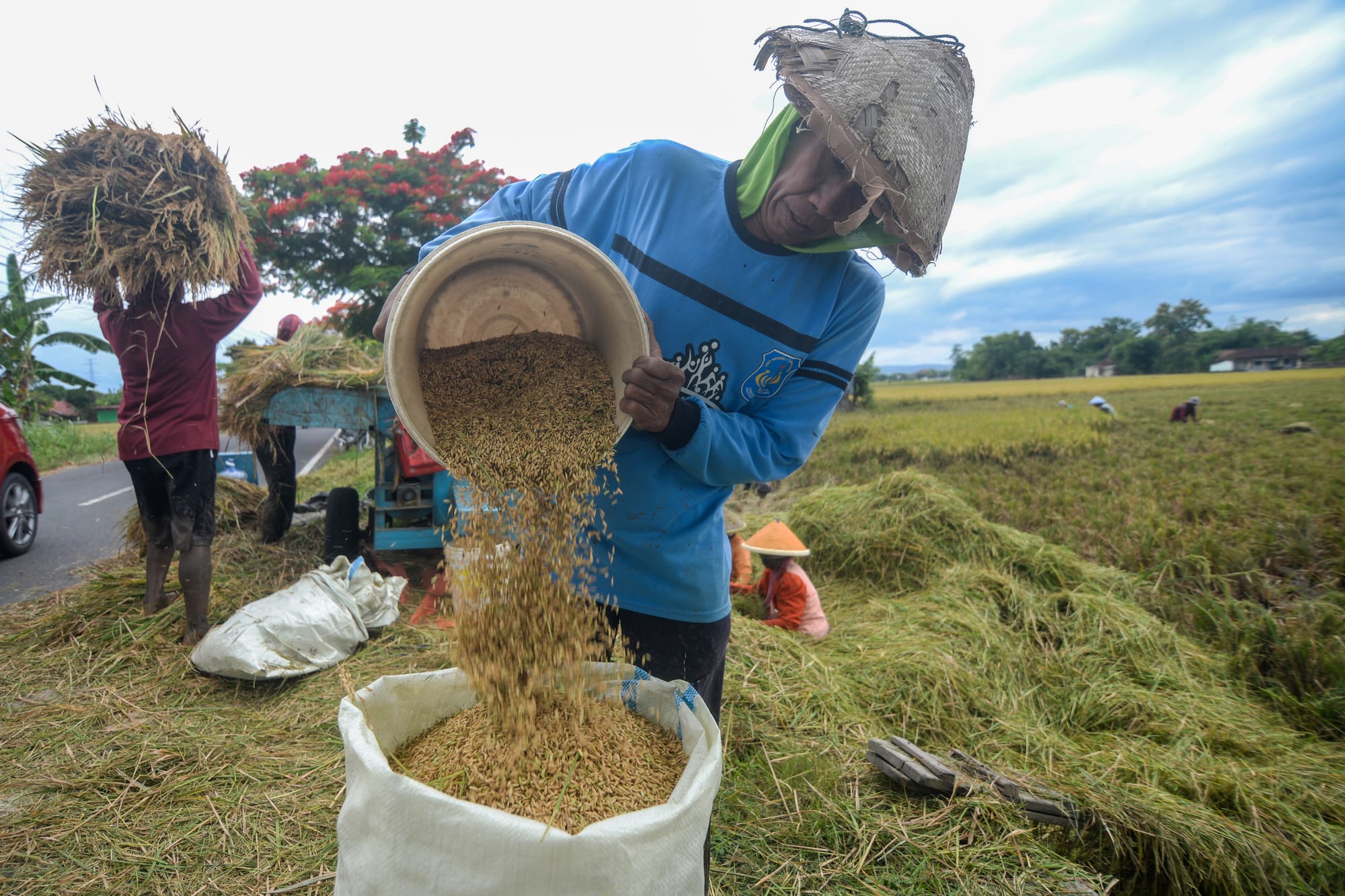
The future welfare of farmers requires cooperation from all parties to ensure that the supply chain runs with a spirit of innovation in line with the needs of supporting national food security. Strengthening research on superior varieties at the upstream level, optimizing real-time fertilizer distribution digitalization, and polishing the branding of Bulog's rice reserves are three solutions offered as steps to guide future-oriented agriculture.
Member of Commission IV of the Indonesian House of Representatives Endang Setyawati Thohari said that as a legislative body, her party appreciates the performance of the Ministry of Agriculture (Kementan) in increasing production and raising the selling price of crops. However, she also suggested that Kementan be more actively involved in the formulation of a grand strategy that guarantees the availability, adequacy, affordability, fulfillment of consumption, safety, quality, and nutrition of food.
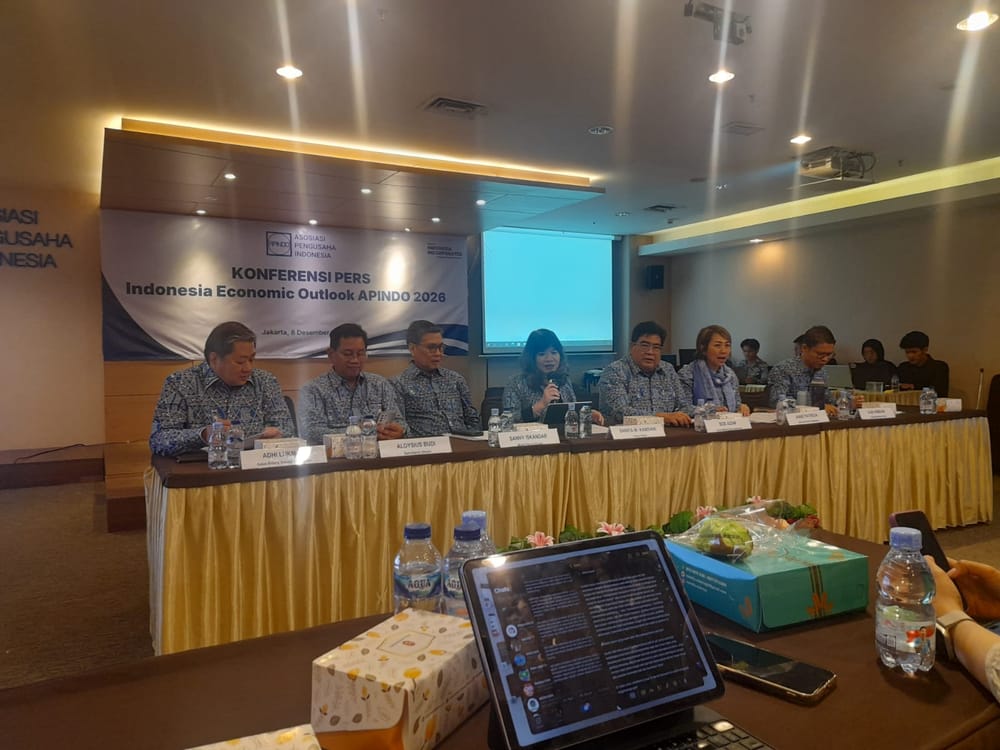
"The Ministry of Agriculture's duty as the government is to be the driving force behind various agricultural development activities because the President's political will is very clear and strong, so this excellent program needs to be sustainable," said Endang in the "Agricultural Outlook 2026" discussion held by the Institute for Development of Economics and Finance (INDEF) in Jakarta on Thursday (4/12/2025).
One of the key elements that Endang hopes will be included in the grand strategy is the strengthening of innovation and agricultural technology. Reflecting on his 30 years of experience working at the Ministry of Agriculture, Endang observed that agricultural extension centers (BPP) were neglected and their research contributed relatively little. In fact, food security is the second point in Prabowo Subianto's Asta Cita program.
Through strengthening agricultural innovation, according to Endang, Indonesia can save up to Rp2.97 trillion in foreign exchange reserves used to import rice specifically for stunting and diabetes, as well as 364,300 tons of industrial rice. In addition, research on superior varieties can also explore the potential of local foods that can diversify the community's nutritional sources.
"In Bogor, there is potential for taro, breadfruit, cassava, and sweet potatoes, which need to be promoted. Unfortunately, due to insufficient funding for researchers, many research centers have been rendered useless, especially with the establishment of BRIN. In the end, the researchers who developed these local varieties had to return to their respective ministries," he said.
From this phenomenon, Endang realized that one of the obstacles to agricultural innovation in Indonesia is the disharmony between regulations and inadequate infrastructure. Therefore, with mechanization, the use of the Internet of Things ( IoT), and a one map policy that integrates the distribution of seeds, fertilizers, farming businesses, and irrigation under the management of the Ministry of Agriculture, she hopes that the agricultural sector can contribute more to economic growth.
"Agriculture is the spearhead of economic strength. With abundant food from agricultural production, food self-sufficiency will bring prosperity to the people. If not us, then who else? If not now, then when? Let's fight for our food, energy, and water sovereignty," concluded Endang.
Real-time fertilizer distribution
Moving on from the upstream sector, agricultural innovation at the production level requires support, one of which is adequate fertilizer distribution. Contributing up to 62% to crop productivity, fertilizer is a key requirement that ensures harvests can meet farmers' expected targets.
Director of Operations at PT. Pupuk Indonesia (Persero) Dwi Satriyo Annurogo revealed that with a production capacity of 9.4 million tons of urea and 4.6 million tons of NPK per year, PTPI is the largest producer of nitrogen-based fertilizers in the Asia Pacific, Middle East, and North Africa. Of this amount, the demand for subsidized fertilizer as PSO can be met, albeit with a relatively small margin.
"The year 2025 is a milestone, because previously there was an assumption that subsidized fertilizer was complicated and difficult to obtain. It turns out that the fertilizer is available, but it is difficult to redeem because there are 145 regulations. Through Presidential Regulation 6/2025 and Minister of Agriculture Regulation 15/2025, Pupuk Indonesia is tasked with distributing it to the point of delivery, unlike in the past," said Satriyo.
To ensure accuracy, PTPI's headquarters in Jakarta has innovated by establishing a command center that can directly monitor every subsidized fertilizer transaction at 27,000 kiosks and delivery points throughout Indonesia. Not only that, the command center is also capable of monitoring the movements of 12 ships, the entry and exit of goods at 509 warehouses, and the movements of 6,151 fertilizer transport trucks, including the identities of their drivers and assistants.
"We ensure that only eligible farmers can redeem, complete with their photos. With a combination of regulatory simplification, digitization, and other updates, we can distribute fertilizer much more smoothly than before," he added.
Through real-time data monitoring, Satriyo revealed that as of December 2, 2025, PTPI had distributed 7,515,999 tons of subsidized fertilizer, or around 87% of its annual responsibility. This amount is 785,112 tons higher than the distribution in the same period last year, which reached 6,730,887 tons as of December 1, 2024.
Satriyo suspects that one of the reasons for the higher absorption of subsidized fertilizer is the fertilizer price reduction that took effect on October 22, 2025. Specifically, urea fertilizer can currently be purchased at a price of Rp1,800/kg, NPK Phonska fertilizer at Rp1,840/kg, NPK fertilizer for cocoa at Rp2,640/kg, organic fertilizer at Rp640/kg, and ZA fertilizer specifically for sugar cane at Rp1,360/kg.
Read also:
 Tria Dianti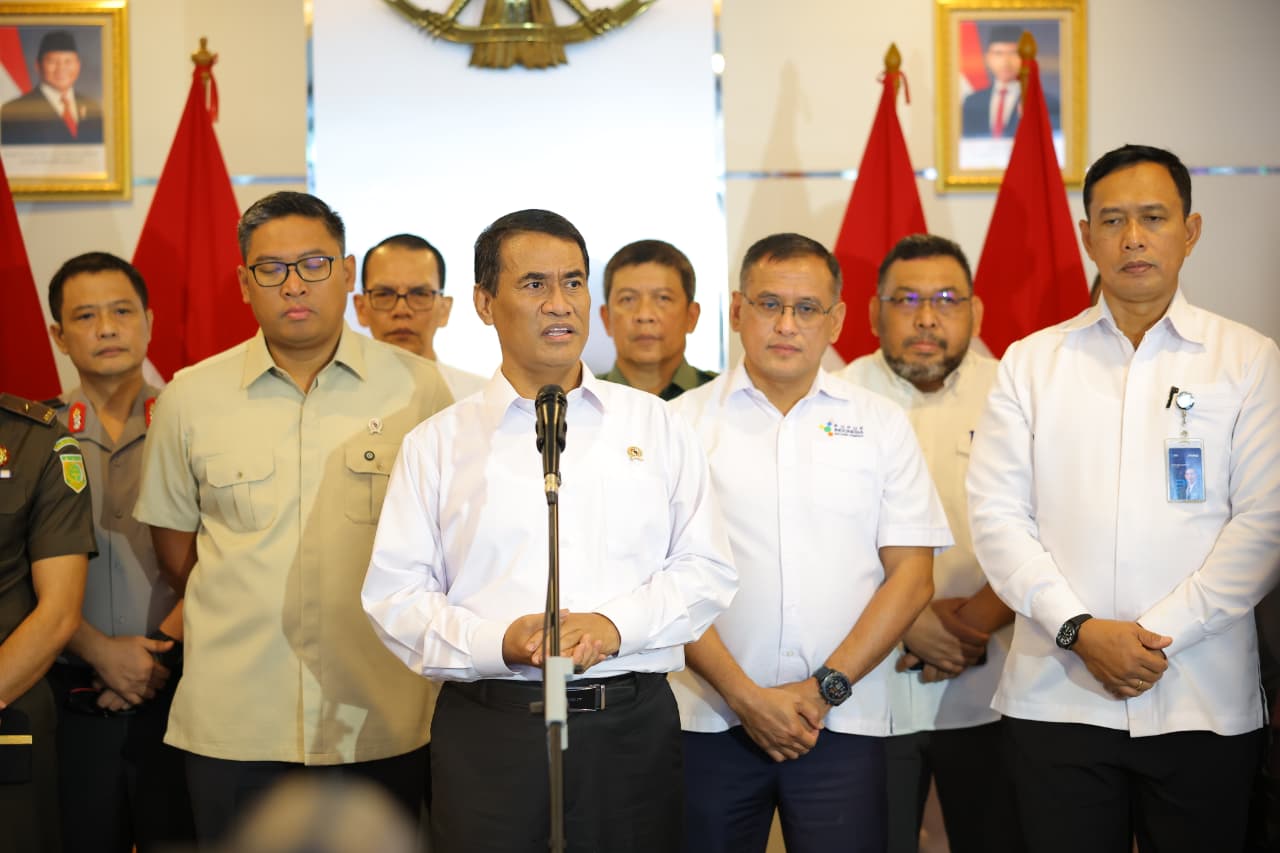
"We strive to provide the best for national food security. Currently, we are expanding by increasing production capacity and developing facilities for Pupuk Kujang and Petrokimia Gresik. Because fertilizer is a primary need, we need to anticipate the next 5-10 years," said Satriyo.
Balance inputs and outputs
In understanding food security as a whole, the government needs to pay attention to the balance between agricultural production inputs and outputs . This is important so that Indonesia does not only pursue short-term quantitative growth, but instead declines in the long term, at a time when food demand is increasing.
Head of the Center for Food, Energy, and Sustainable Development at INDEF Abra Talattov explained that even though it is above target, the average growth of the agricultural sector in relation to GDP per quarter, which reached 2.24%, is still below the pre-pandemic optimal level of 3.72%. Therefore, instead of focusing on expanding land for production, the government needs to pay more attention to crop productivity.
"By the end of this year, grain and rice production will be much higher than last year's realization. Again, the determining factors must be considered. The key is sustainability. We must not allow production to be abundant this year, only to decrease next year because the speed of demand for agricultural products is not matched by the speed of production," said Abra.
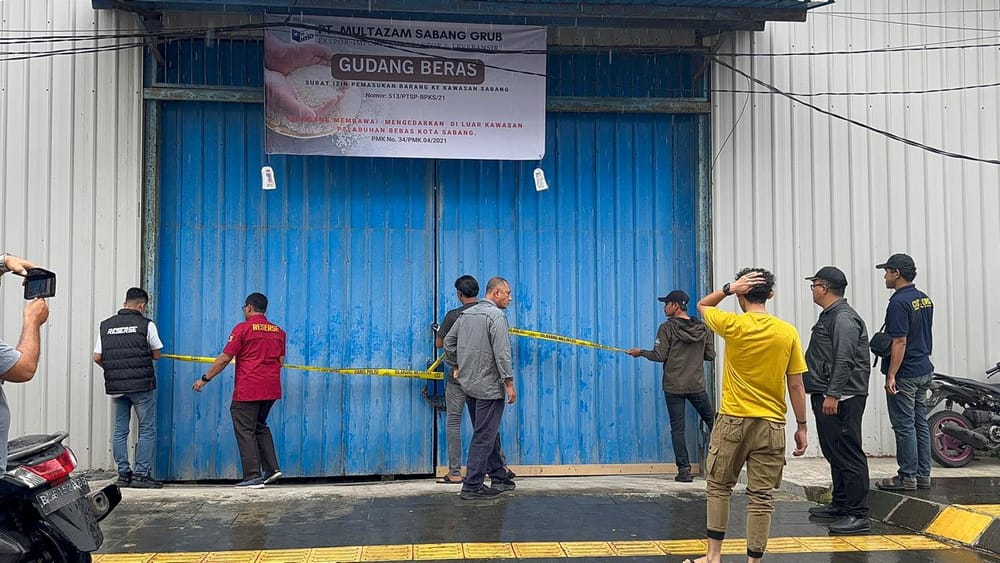
According to Abra, the Free Nutritious Meals program can be one of the catalysts that accelerate crop absorption. In addition, the national rice trade needs to be monitored closely to prevent fraud, among other things by optimizing the release of 271,000 tons of government rice reserves (CBP) in Bulog warehouses.
"The slower the release, the less Bulog's warehouses can absorb. When the warehouses are full and cannot absorb any more, the allocation is locked, and this could create a new problem. Prices could fall, and this could be exploited by the rice mafia," he said.
According to Abra, the problem of releasing CBP to the public can be solved by strengthening branding, which must be more convincing and increase public preference. Currently, the supply of SPHP rice is relatively unattractive, and the connotation of "Bulog rice" is still associated with low-quality rice.
In fact, with more appealing branding such as "Red and White Rice," or by supplying Bulog rice for consumption by members of the cabinet and the House of Representatives, the government can demonstrate that Bulog rice is of good quality, produced by Indonesian farmers, and increases food self-sufficiency for consumers, which in turn will reduce subsidy costs and achieve independence.
"The government is committed to promoting food security with an allocation of 144.6 trillion, but the absorption rate is still at 44%, so the speed of execution must be accelerated, not only by the Ministry of Agriculture, but also by various ministries and agencies. We must not allow taxes to be suboptimal again due to slow absorption," he said.