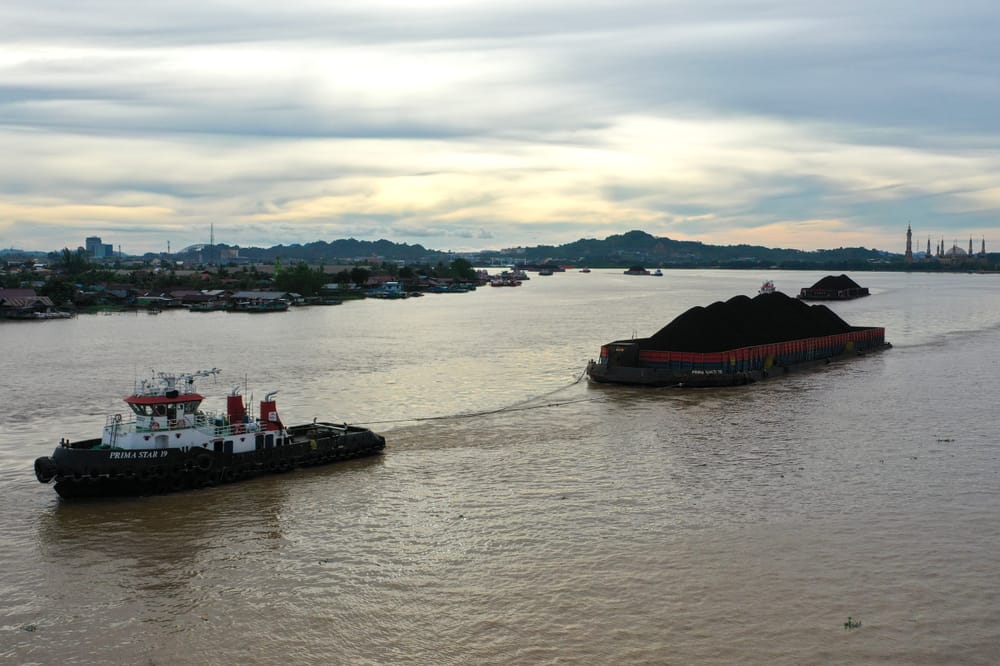

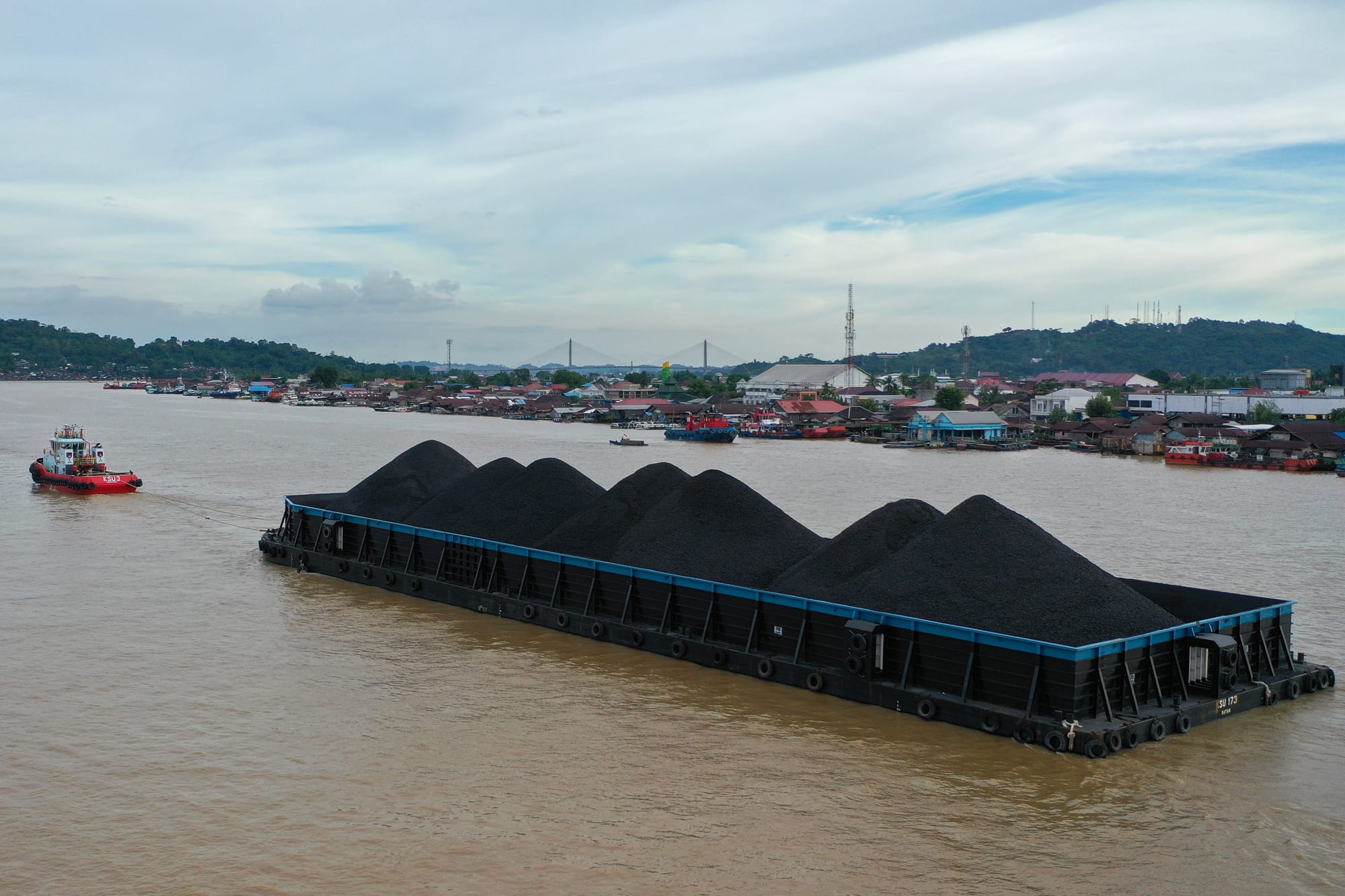
Mining industry entrepreneurs have proposed that the government conduct an evaluation of royalty policies and fiscal frameworks for mining commodities as a short-term solution to save the industry.
This was done to understand the decline in the contribution of minerals and coal (minerba) after being affected by the impact of global supply chain disruption.
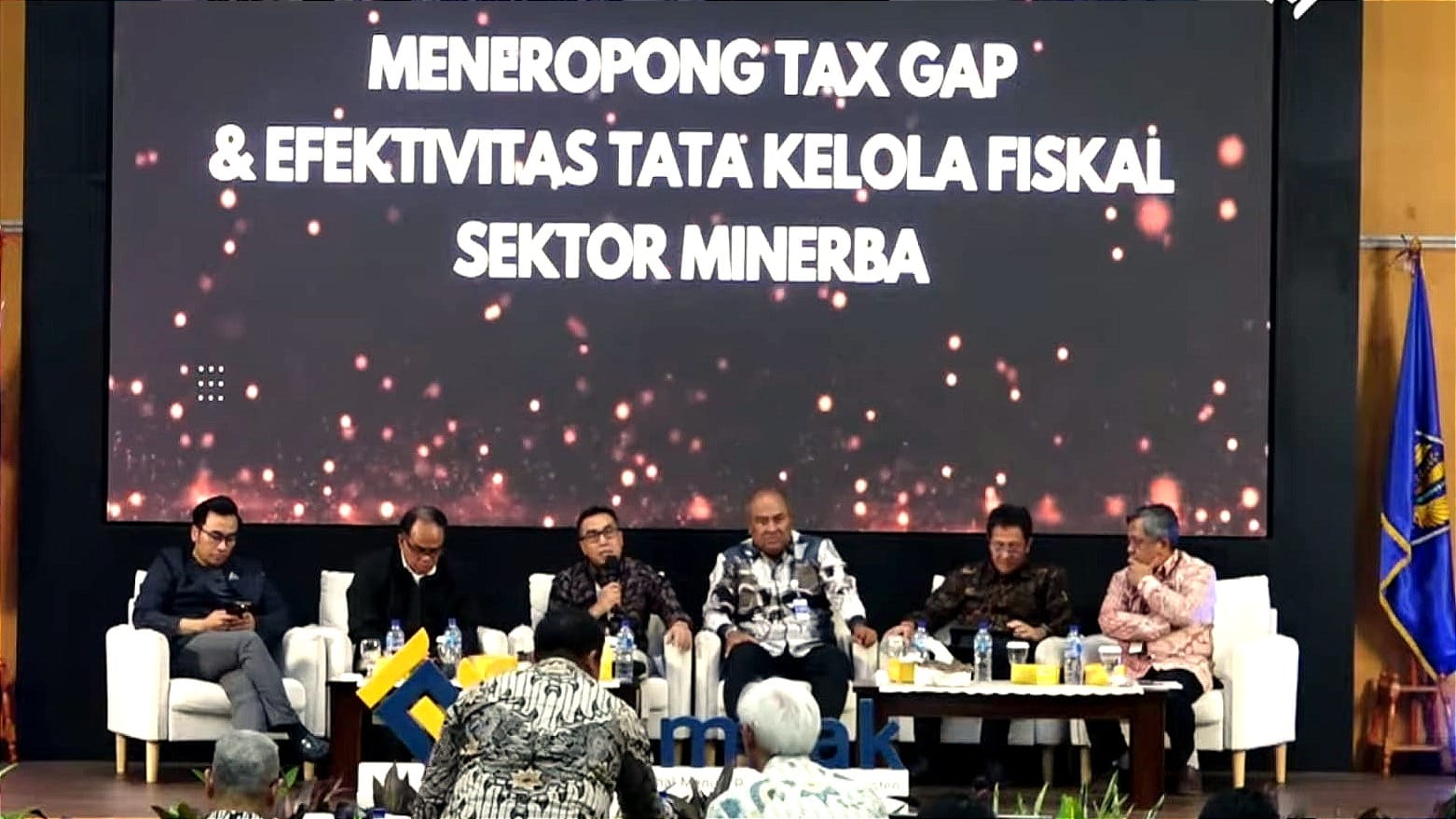
CEO of Tura Consulting Indonesia and Deputy Chair of the Indonesian Mining Association (Perhapi) Resvani said that geopolitical events were the main cause of the ongoing decline in mineral commodity prices.
As a result, despite having the world's largest nickel reserves, Indonesia is experiencing an oversupply due to reduced market demand.
"Today, there are still 200,000 tons of nickel in stock on the LME, while EV battery production is now based on lithium iron phosphate ( LFP), not nickel. Copper prices are rising, as are gold prices, but the downtrend in coal remains severe due to geopolitical tensions that are impacting the supply chain," said Resvani in a discussion in Jakarta on Thursday (11/12).
He explained that the total value of Indonesia's main mining products reached USD 7 trillion.
From this enormous value, he said, the government could earn a total revenue of USD 1-2 trillion, which is obtained from 50% of the total government revenue (total government takes ( TGT)) through taxes, royalties, and customs duties from eight mineral commodities (coal, bauxite, nickel, copper, tin, iron, gold, and silver).
However, these projections will undoubtedly not be achieved if mining is not managed properly. The government is expected to act wisely and implement an appropriate and supportive fiscal framework.
Currently, more than half of the mining industry's attention must be focused on changes to mineral royalty rates set by Government Regulation No. 26 of 2022.
The industry considers this regulation to be an additional burden on businesses, as it increases the range of tariffs that must be paid each time production takes place.
"One of the companies under the Coal Mining Concession Agreement (PKP2B) even pays royalties of up to 75% of its total revenue. The difference between the fiscal regimes for coal and nickel is truly vast, and the extreme increase in royalties is very unfriendly to holders of Production Operation Mining Permits (IUP OP) or smelter owners," he added.
Resvani explained that smelter owners face several challenges at once: royalty increases occur when the mineral reference price (HPM) is regulated, while when companies have to purchase ore to meet production needs, they are also subject to royalties.
The two companies that have experienced this double royalty case are PT. Aneka Tambang and PT. Wanatiara Persada.
Without a clear resolution, the portion of TGT that the government collects from mining companies increases as commodity prices fall and production costs rise.
This pattern, according to him, is considered reversed, because government spending should be increased when corporate profits increase, that is, when commodity prices rise and production costs fall.
"Indonesia's mining royalty rates are among the highest in the world, and they remain high even when commodity prices fall. As a result, we stand to lose reserves because the mining industry is likely to shut down when prices are falling," Resvani said.
To prevent the long-term failure of mineral and coal industrialization, appropriate strategies are needed for each mining commodity. According to him, some minerals play a greater role in supporting fiscal needs than others. Differentiated fiscal strategies should be tailored to the characteristics of the mining commodity market, not the other way around.
"Indonesia can learn from Chile's Mining Law, which focuses on a hybrid model. There, ad valorem royalties are only charged at 1% plus a progressive margin tax of between 8-26%, accompanied by a tax burden cap that automatically cuts royalties when taxes rise. This method has proven to be more favorable and has gradually increased the contribution of mining to state revenue," concluded Resvani.
Stay alert
With the mining sector contributing Rp120 trillion to non-tax state revenue (PNBP), or 96% of the Rp124.7 trillion target at the end of November 2025, the government is optimistic that commodity price fluctuations are only temporary. Full support for mining businesses continues to be provided through integrated and targeted regulations.
Senior Policy Analyst at the Directorate General of Economic and Fiscal Strategy of the Ministry of Finance, Hadi Setiawan, stated that the government's current focus is on encouraging investment in natural resources, which is projected to reach USD 618.1 billion by 2040, with USD 500 billion of that coming from the mineral and coal sector.
Therefore, to keep added value within the country, downstreaming has become a long-term strategy that is being implemented gradually.
"From nickel, the added value if we send ore or ferronickel is only 4-5 times, but if it is processed into EV batteries, the added value is up to 175 times that of the ore that has been exported as is. Copper ore and concentrate are the same. Now, both are also prohibited," said Hadi.
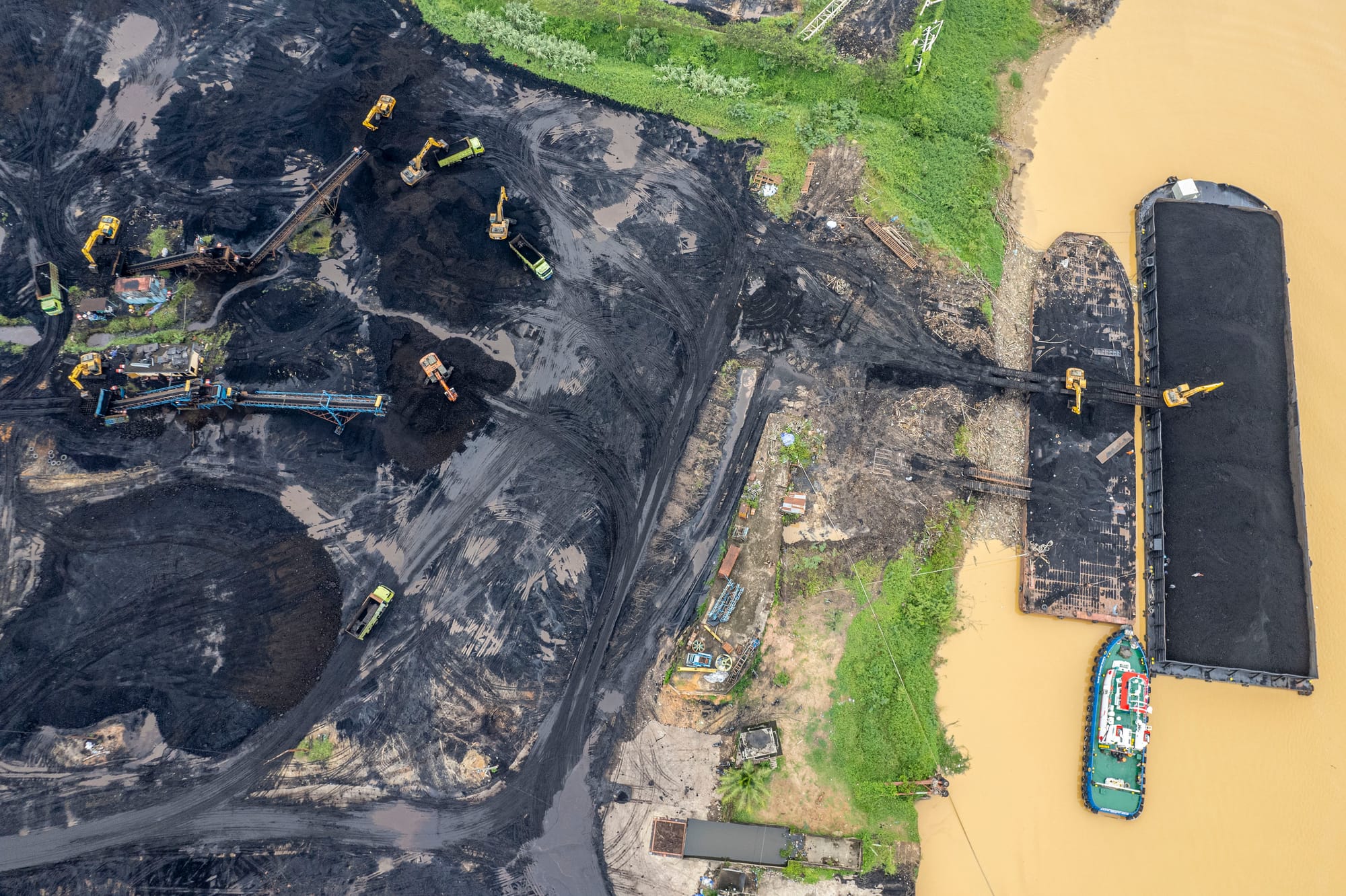
With the need to keep the added value of mining products within the country, the Ministry of Finance has promised to provide full support in the form of import duty and royalty exemptions of up to 0%. The condition is that the upstream industry must carry out downstreaming and not export raw materials.
"We also provide incentives for infrastructure and systems in SEZs, investment and market access with tax holidays and tax allowances, as well as research development with income tax deductions for R&D and vocational training," he explained.
Despite the full support given by fiscal authorities to mineral and coal industrialization and downstreaming, Director of Tax Compliance and Revenue Potential at the Directorate General of Taxes Ihsan Priyawibawa ensured that compliance would continue to be improved, including by utilizing Compliance Risk Management ( CRM) analysis based on the DGT database.
Ihsan explained that CRM is an analytical data product that utilizes internal and external data to assess the compliance risk position of taxpayers and provide recommendations to the DGT regarding the appropriate treatment related to the compliance level and risk profile of those taxpayers.
"The CRM recommendations for treatment of WP in the mineral and coal sector are mostly inspections, with a fairly high level of compliance risk. We conduct supervision and inspections of incorrect sales value reporting, incorrect quality data, transfer price manipulation in affiliate transactions, and cross-jurisdictional tax avoidance," said Ihsan.
The mapping of this data cannot be separated from the characteristics of WP minerba, which has a very complex business group structure and high affiliate transactions, thereby potentially shifting profits through transfer pricing schemes that lead to tax evasion. Not to mention that remote business locations will limit supervision and trigger unrecorded economic activities, report manipulation, and even illegal mining.
"The DGT collects profiling data as a taxpayer database to reduce the shadow economy and ensure that actors who have been engaging in illegal practices can be detected immediately and their contributions to state revenue can be collected," concluded Ihsan.