
Coal industry players are pushing for the acceleration of energy downstreaming to strengthen national energy independence amid government efforts to mitigate climate change.
This step is considered strategic not only to boost the added value of commodities, but also to free Indonesia from its dependence on energy imports.
However, the road to this transformation is still recognized as being steep. The Chairman of the Indonesian Energy, Mineral, and Coal Suppliers Association (Aspebindo), Anggawira, said that implementation in the field is still overshadowed by various real challenges, ranging from infrastructure readiness to investment certainty.
"It is indeed not easy to promote coal downstreaming because there are still many challenges in the field. A well-thought-out strategy is needed to realize sustainable downstreaming," said Anggawira during a discussion event in Jakarta on Wednesday (18/12).
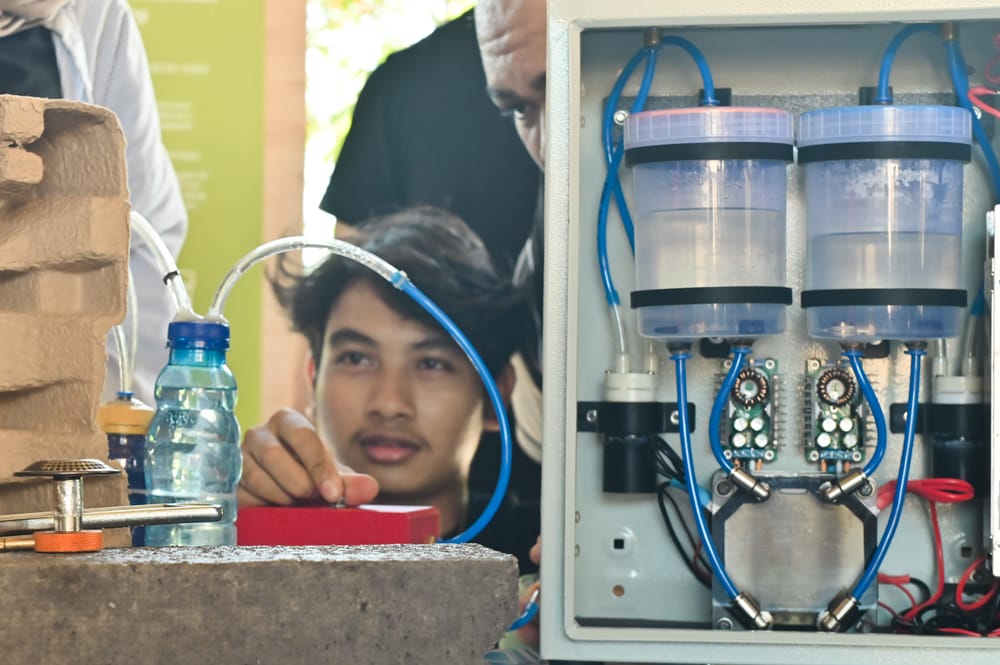
One of the breakthroughs that continues to be promoted is the use of gasification technology. Through this process, coal is no longer simply burned, but converted into high-value derivative products such as Dimethyl Ether (DME) as a substitute for LPG, and methanol for industrial needs.
Coal downstreaming requires clean technology, known as Clean Coal Technology (CCT), which uses supercritical/ultra-supercritical boilers and fluidized bed boilers for energy efficiency and to minimize emissions, in line with energy transition targets.
"Government policies and regulations are certainly needed for coal downstreaming," he said.
Angga said that opportunities for foreign investors and involving state-owned enterprises such as PTBA and PGN in strategic downstream projects are the right steps to take.
Challenges
Angga said that coal downstreaming still faces challenges in the form of high costs, especially for investment costs, as downstreaming facilities are very expensive.
Downstreaming still poses a high emission risk even when using CCT technology, so integration with CCUS (Carbon Capture, Utilization, and Storage) is necessary.
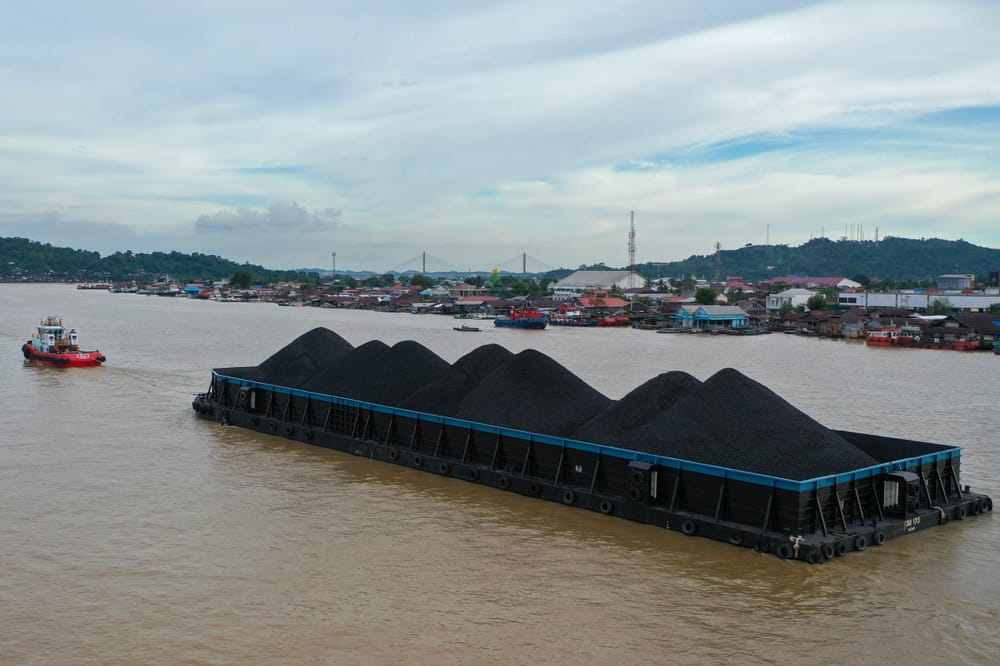
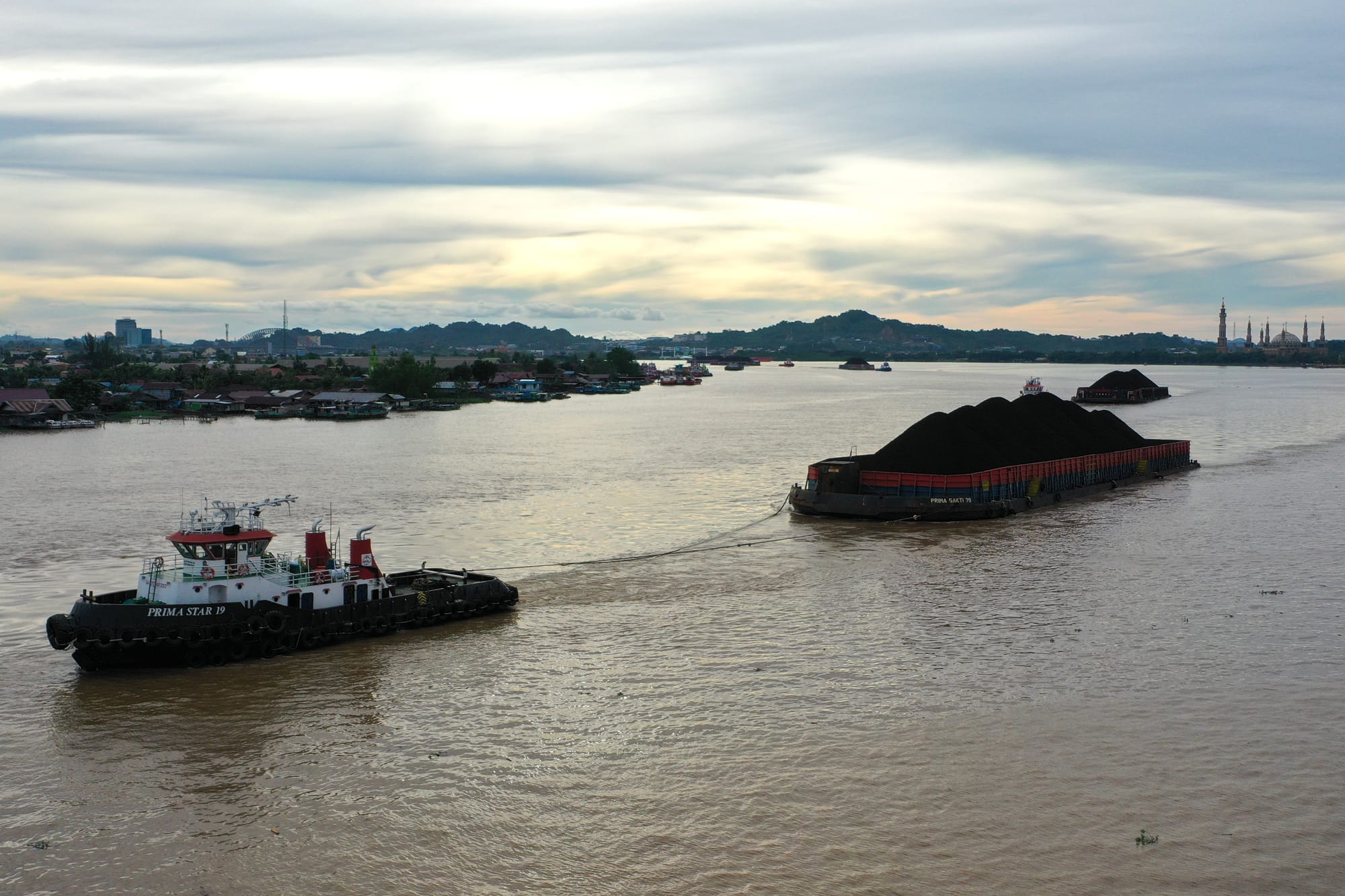
Global coal consumption remains high, with Asia being the main supporting region. Indonesia, with coal reserves of 97.96 billion tons of resources and 31.95 billion tons of reserves, remains an important supplier in the region.
Director General of Oil and Gas at the Ministry of Energy and Mineral Resources (ESDM) Laode Sulaeman emphasized the importance of coal in maintaining national energy security, while reaffirming Indonesia's commitment to a just energy transition.
"Indonesia's coal production reached 836 million tons in 2024, the highest record in history. In 2025, production had exceeded 509 million tons by August. With this achievement, this year's production target can be achieved if the performance in the fourth quarter remains stable," he said.
Coal also makes a significant contribution to the economy. In 2024, non-tax state revenue (PNBP) from the coal sector was recorded at Rp142.89 trillion, more than 70% of the total PNBP from mineral and coal.
Impact
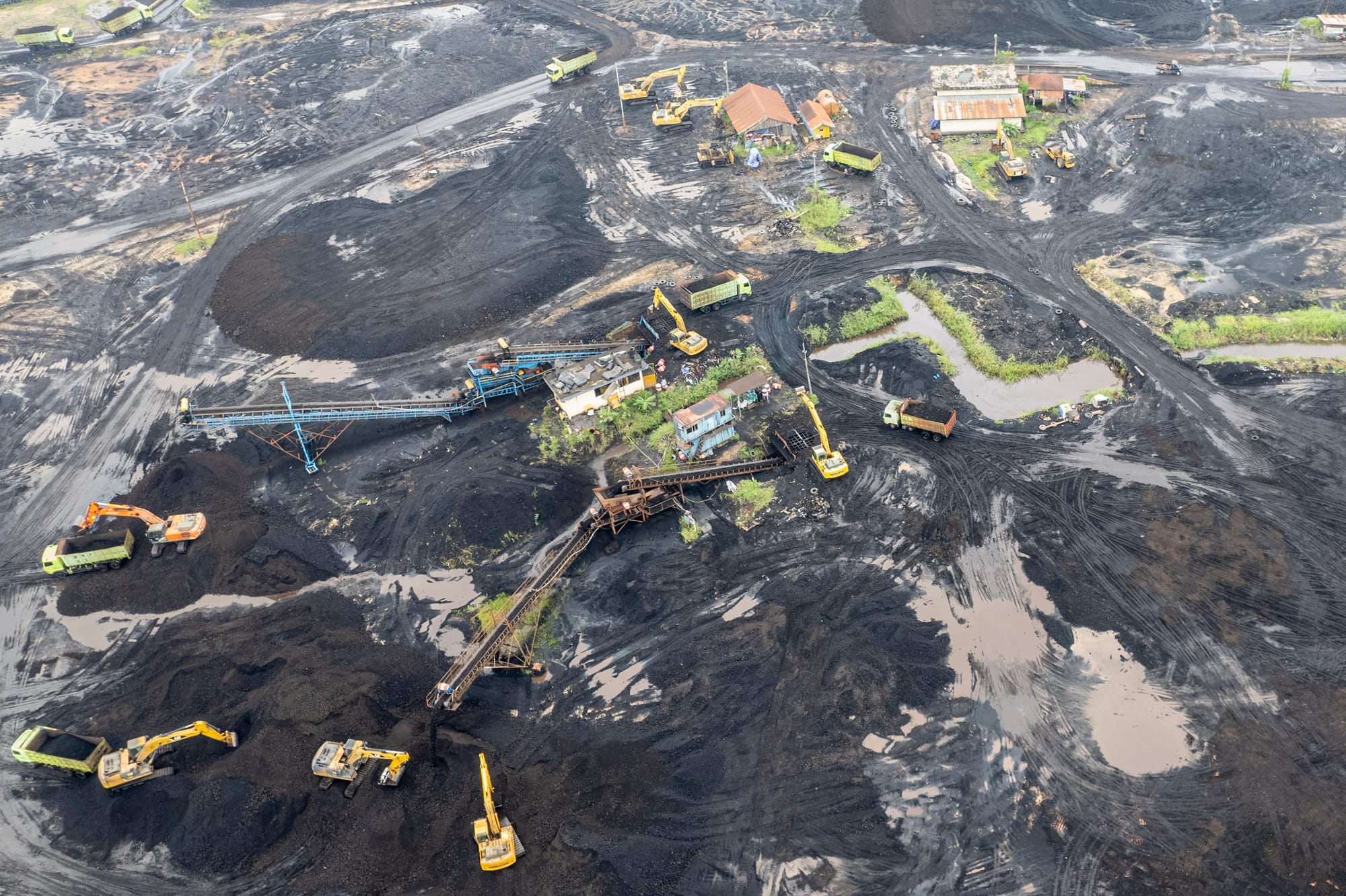
On the same occasion, Deputy Chairman of Commission XI of the House of Representatives Fauzi Amro said that coal downstreaming has a significant impact on economic growth by increasing the added value of commodities, encouraging industrialization, creating jobs, increasing investment, and strengthening the country's foreign exchange reserves.
"Reducing dependence on raw material exports and building a stronger downstream industry, that is the essence of downstreaming," he said.
Downstreaming can attract massive investment for the construction of smelters and factories, especially in the energy and mineral resources sector.
The House of Representatives' Commission XI plays a vital role in coal downstreaming by discussing and approving related fiscal policies, such as the implementation of coal export duties, to encourage domestic added value, strengthen energy security, support the transition to green energy, and optimize state revenue, while ensuring technical regulations that support investment and national economic stability.
Commission XI is a strategic partner of the government in ensuring that fiscal regulations have legal certainty and provide maximum benefits for the people.