

Indonesia still faces severe challenges in the pharmaceutical industry, namely high dependence on imported raw materials or no independence of medicinal raw materials. Dependence on imported raw materials is high due to the undeveloped upstream pharmaceutical industry and limited local raw materials that do not meet the standards.
Director General of Chemical, Pharmaceutical and Textile Industries (IKFT) of the Ministry of Industry Taufiek Bawazier said that his party continues to strive to overcome the problem of high raw material imports by continuing to find the right solution, namely encouraging the development of the upstream pharmaceutical industry and increasing local raw material production.
"From year to year the problem of the pharmaceutical industry remains the same, imports of raw materials are still high," he said when met at Indonesia Pharmaceutical and Cosmetics Sustainability 2025, at the Ministry of Industry, Jakarta (12/11/2025).
He said there have been many developments in the field where many local pharmaceutical companies have joined forces with foreign companies to build raw material factories, one of which is done by Kalbe Farma. The government continues to encourage pharmaceutical companies to take the initiative, if obstacles are found then it is ready to help.
Of the top 5 industrial export commodities, the chemical, pharmaceutical and traditional medicine industry sector also contributed significantly with an export value of US$ 5.35 billion until the first quarter of 2025.
Seeing this encouraging achievement, the Ministry of Industry emphasizes its commitment in supporting the growth of the industrial sector, including the pharmaceutical industry, so that it continues to grow and become a major contributor in driving national economic transformation.
Kalbe Farma Investment
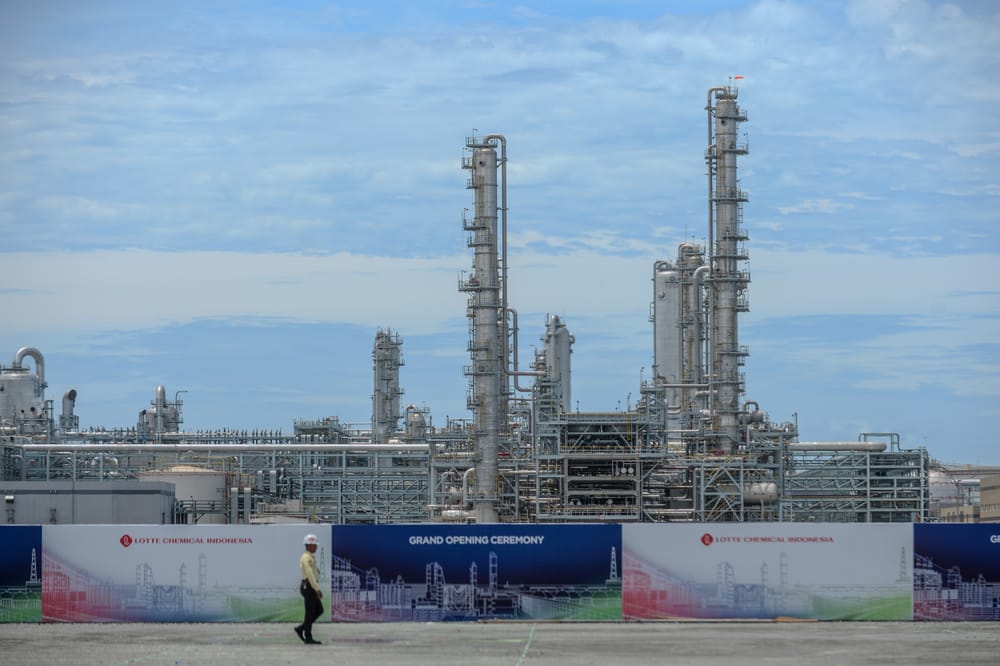
PT Kalbe Farma Tbk through its subsidiary, PT Livzon Pharma Indonesia, is investing US$40 million (around Rp 650 billion) to build an active pharmaceutical ingredients (API) factory at the Greenland International Industrial Center (GIIC), Kota Deltamas, Cikarang, West Java.
PT Livzon Pharma Indonesia is a joint venture between Kalbe Farma's PT Global Chemindo Megatrading and Lian SGP Holding Pte Ltd, a leading Chinese pharmaceutical company, Livzon Group.
In the initial phase, the facility will be equipped with a freeze-dried sterile powdered drug raw material production line, a quality control center, a power plant, and an emission-free waste treatment system. The plant is scheduled to begin operations in mid-2027.
Kalbe Farma Director and Livzon Pharma Commissioner Mulialie emphasized that the plant will primarily focus on the production of APIs for the export market.
"The partnership with Livzon is strategic in building API production competencies, which will ultimately strengthen Indonesia's pharmaceutical industry in the long term," Mulialie said as quoted on Kimia Farma's official website (12/11).
Livzon Pharma's GM Operations, Jian Lei, added that the new facility in Indonesia marks a significant step in Livzon Group's global expansion strategy. The plant will produce sterile antibiotics, including Vancomycin HCl, Teicoplanin, and Colistimethate Sodium.
This product will comply with the latest Good Manufacturing Practice (GMP) standards set by the FDA, EMEA, and PIC/S.
In addition, the plant aims to obtain halal certification to meet domestic and international market demand. (DH)
Build a Raw Material Ecosystem
On a different occasion, Vice Chairwoman of Commission VII of the House of Representatives Evita Nursanty asked the Directorate General of Chemical, Pharmaceutical and Textile Industries (DG IKFT) of the Ministry of Industry to build a raw material ecosystem by strengthening downstream industries.
Read also:
 Tria Dianti
He considered that the main challenge for the domestic industry still lies in the high dependence of the industry on raw materials. According to him, the government and various parties need to find solutions to the problem.
"How do we now re-strengthen those industries that were superior to us before and add new industries that do have high opportunities for the global market," Evita said during a meeting with the Directorate General of IKFT at the DPR Building, Jakarta (12/11).
He said that the current condition of the domestic industry cannot always depend on imported raw materials. Moreover, he said, the situation of global trade tariffs and international cooperation has not fully added value to the national industry.