A fresh breeze is blowing for Indonesia’s plantation entrepreneurs. After months of subdued growth, crude palm oil (CPO) prices have been rising steadily, buoyed by stronger global demand and domestic biodiesel policies.
On the Malaysian exchange, CPO has been trending upward since May, closing at MYR 4,472 (US$945) per ton on August 15, 2025. Indonesia’s own reference price rose 3.76% to US$910.91 per ton, reflecting tighter supply and robust demand.
The main driver behind this demand surge is the spike in imports by the world’s largest consumers, India and China, which cut their import taxes on vegetable oils by half.
In addition, the successful implementation of Indonesia’s mandatory B40 biodiesel program has also affected domestic supply. This upward price trend, driven by strong market demand, comes as good news for palm oil entrepreneurs.
Although there has been a shift in the global vegetable oil market share due to U.S. trade policies, palm oil still holds the largest share, with soybean oil in second place. According to a report by Mordor Intelligence, palm oil maintained its market share in 2024, with Indonesia and Malaysia as the main producers.
However, behind the promising price increase, the palm oil industry in Indonesia still faces challenges related to productivity. Data from the Central Statistics Agency (BPS) shows that palm oil productivity per hectare has tended to decline in recent years. In 2024, palm oil productivity fell to less than 3,000 tons per hectare
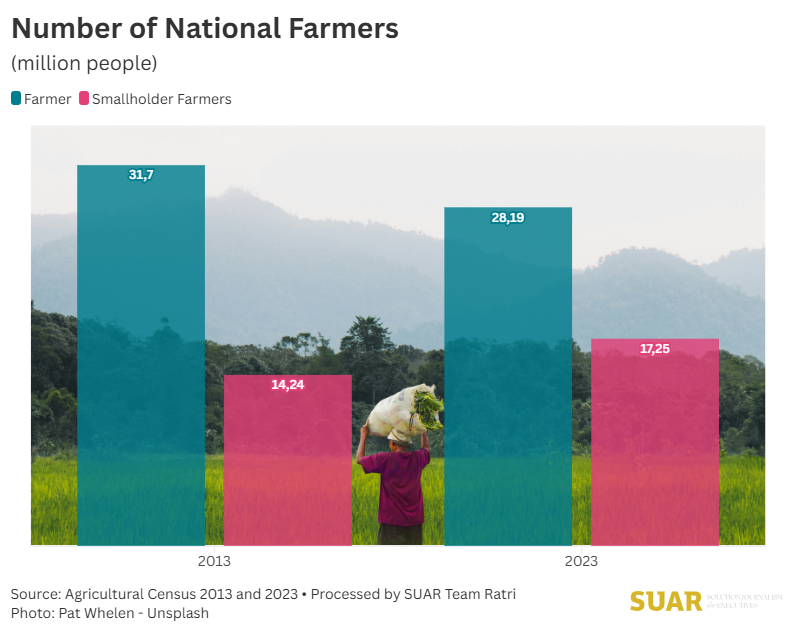
This decline is mainly due to the low productivity of smallholder palm oil plantations, which account for around 42% of the total plantation area. Many smallholders use non-superior seeds, do not apply proper cultivation techniques, delay replanting old trees, and face issues with fertilizer management and pest control.
As a step to boost productivity and ensure sustainable supply, comprehensive solutions are needed. One strategic effort is the Smallholder Palm Oil Replanting Program (Peremajaan Sawit Rakyat/PSR), run by the government through the Palm Oil Plantation Fund Management Agency (BPDPKS).
Although the program’s realization is still far from its target, PSR is key to replacing old trees with superior, more productive seedlings. In addition, increased investment in downstream capacity—particularly to support the B40 and B50 biodiesel programs—will secure domestic demand and create added value for palm oil products.