

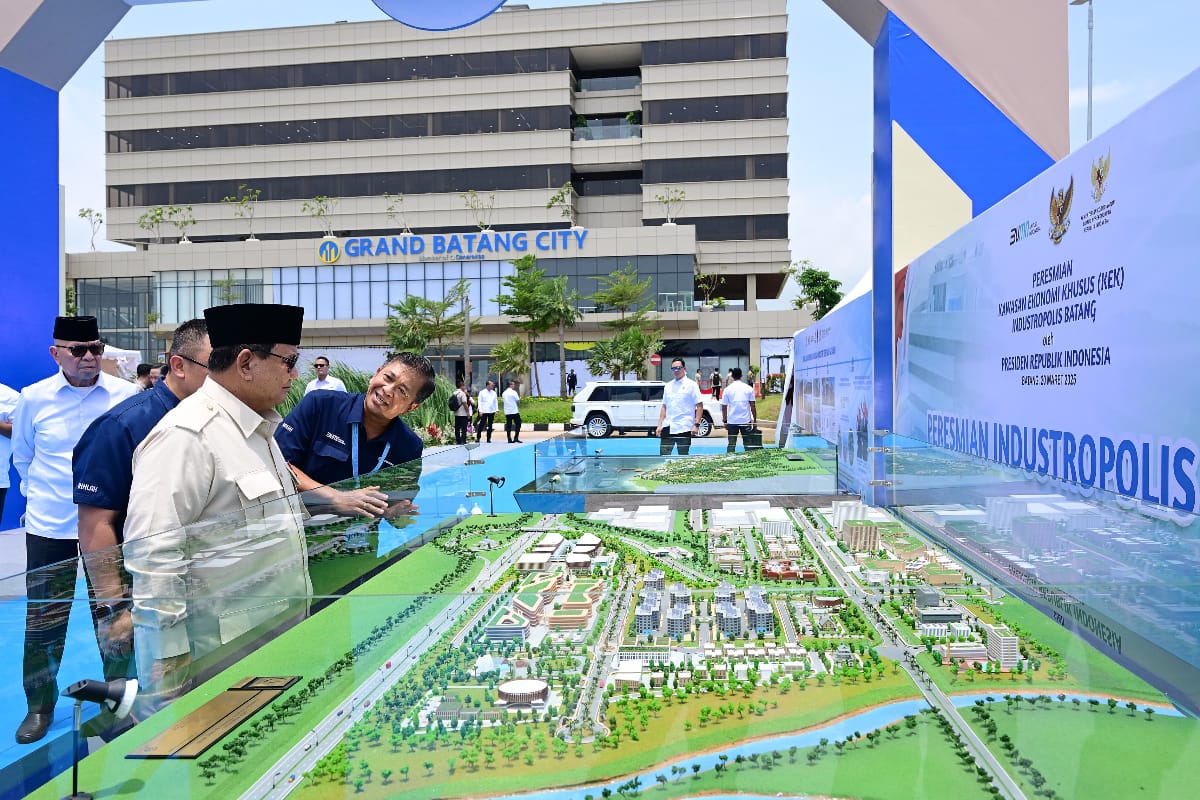
Special economic zones (SEZs) in a number of regions in Indonesia play an important role as centers of economic growth that attract large investments with various fiscal and non-fiscal incentives, as well as creating jobs for the community. The enormous potential of SEZs needs to be continuously developed in order to be competitive with SEZs in other countries.
Investment realization in SEZs by the end of July 2025 reached IDR 294.4 trillion. This figure was obtained cumulatively, with an additional investment of IDR 40.48 trillion during the first half of 2025.
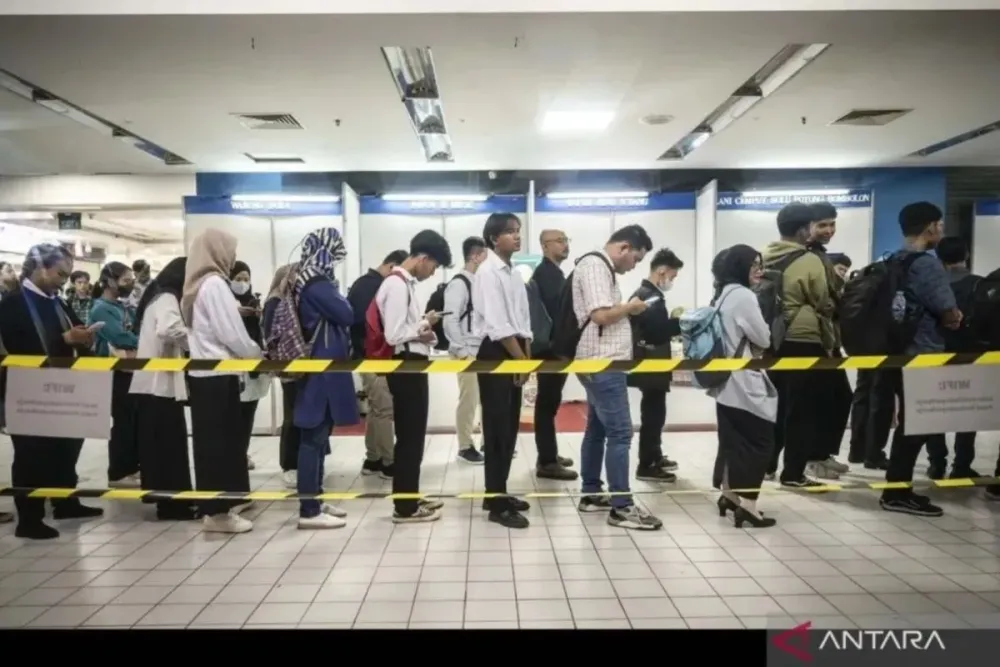
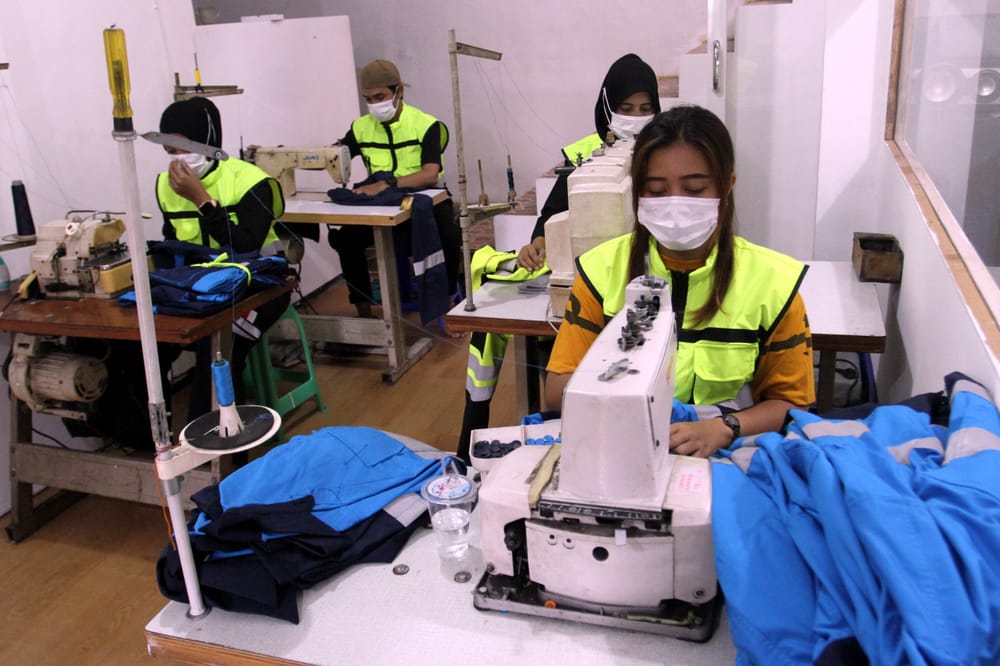
SEZs managed to absorb 28,094 workers or 56.4% of this year's target. Thus, the total employment since the SEZ was established until now has reached 187,376 people - involving 442 business actors.
This special region also has ultimate facilities, in the form of facilities and conveniences such as fiscal and non-fiscal incentives. Tax incentives take the form of tax holidays that apply to income received or obtained from main activities in the SEZ.
The various achievements to date confirm that SEZs are not only centers for investment and downstreaming, but also strategic instruments for Indonesia to strengthen its global competitiveness and bring about a tangible impact on national economic growth.
In addition to investment achievements, factors contributing to the success of SEZ development also need to be encouraged so that they have a broader impact on the national economy and society in general, in order to support the achievement of the targets of the 2025–2029 National Medium-Term Development Plan (RPJMN) and the Indonesia Emas 2045 vision.
However, despite these considerable achievements, there are still various obstacles that prevent the acceleration of SEZ performance from reaching its full potential. These include regulatory issues and coordination between ministries and institutions, both at the central and regional levels.
These points were the common thread running through the Roundtable Decision discussion : Accelerative Attractive Special Economic Zones Increase Investment and Employment, organized by SUAR.id at the D-Hub Special Economic Zone (SEZ), BSD, Tangerang, on Tuesday, December 2, 2025.
Speakers from various backgrounds—including decision makers, SEZ managers, and observers—agreed that SEZs need to become the driving force behind accelerating new economic power in preparation for the Golden Age of Indonesia.
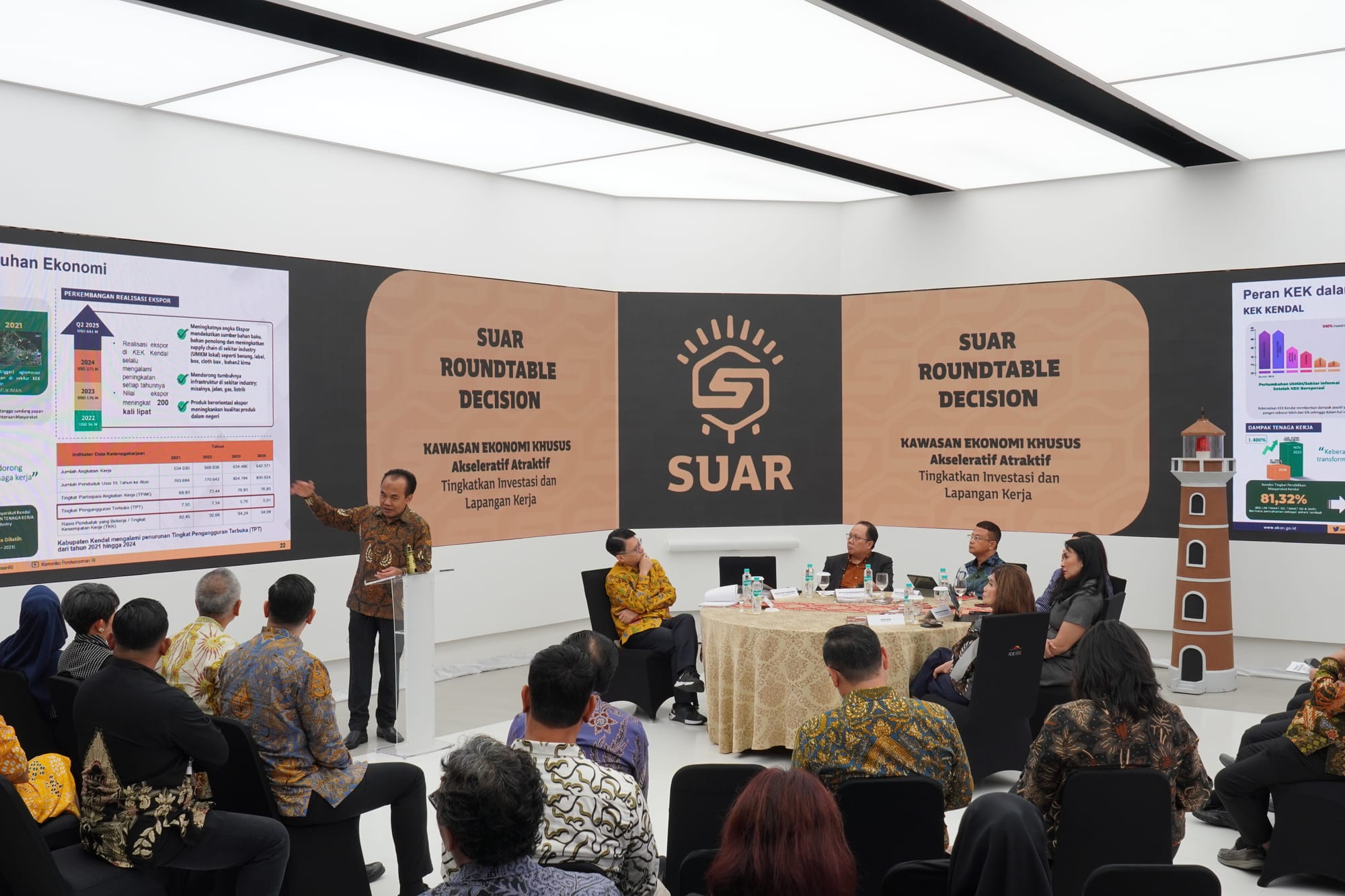
The speakers at the Roundtable Decision event held SUAR were Minister of Health Budi Gunadi Sadikin, who gave an introduction online; while the speakers who were present were Secretary of the Coordinating Ministry for Economic Affairs Susiwijono Moegiarso; Executive Director of KEK Kendal, Juliani Kusumaningrum; President Director of PT Hotel Indonesia Natour/InJourney Hospitality (KEK Sanur), Christine Hutabarat; Strategy Advisor of KEK ETKI Banten, Mulyawan Gani; Senior Economist Aviliani, and moderated by Founder & Editor in Chief of SUAR Dharmasaputra.
Results of the speakers' thoughts in the discussion Roundtable Decision , we have summarized the results for this week's edition. We hope that this will spark a more in-depth and concrete discussion on how to make the SEZ ecosystem more perfect and effective for improving national economic performance.
In writing up the results of this discussion, the resume format has been edited to match the theme under discussion. Happy reading!
Performance impacting special economic zones
Standing in front of the podium next to the speakers seated around a round table, the Secretary of the Coordinating Ministry for Economic Affairs, Susiwijono Moegiarso, began the discussion by recounting the meeting of world leaders at the end of the year.
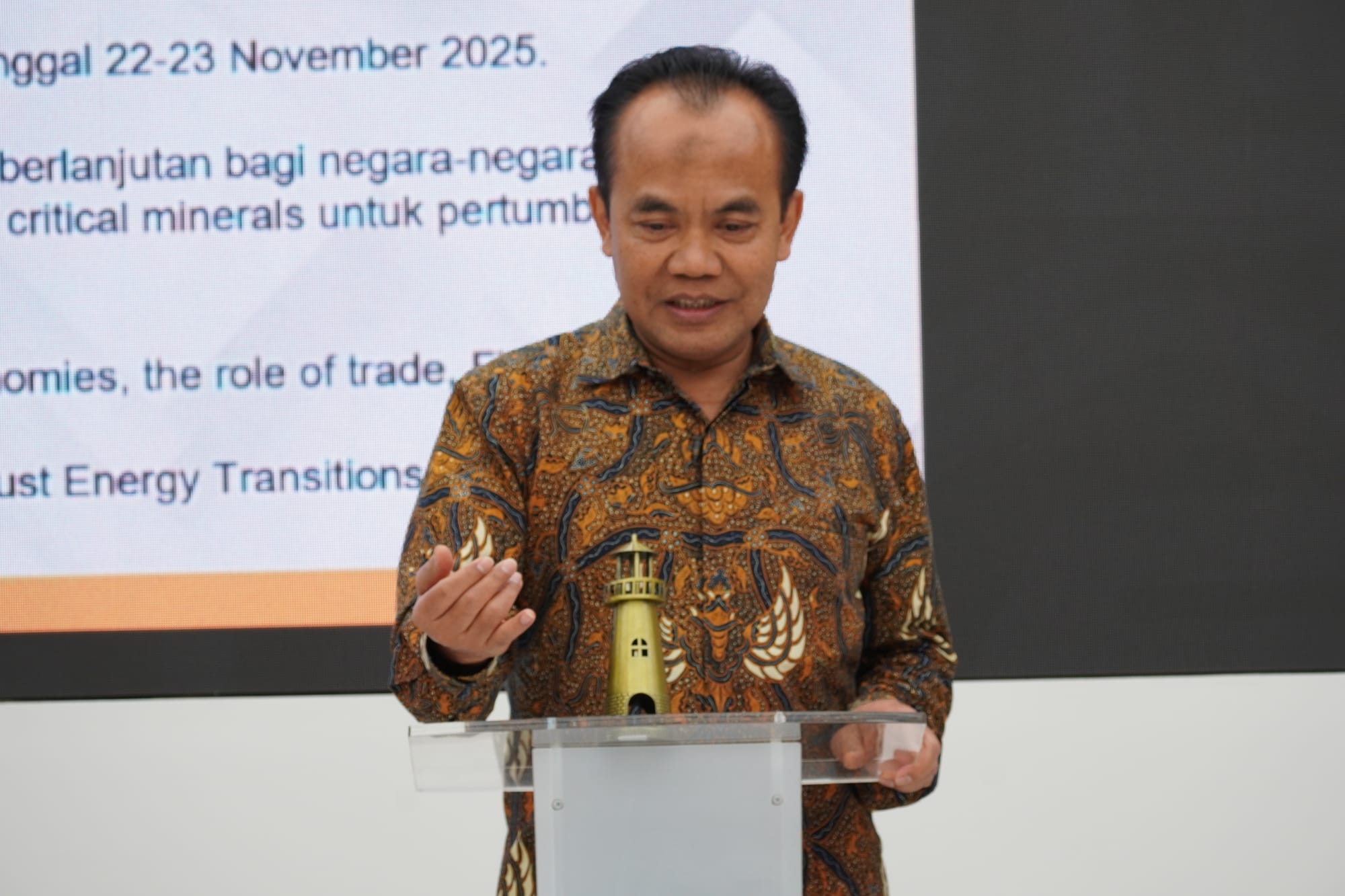
The most popular topics discussed at the meeting were trade, investment, and supply chains. Digital technology and artificial intelligence were also discussed. Susiwijono also mentioned the ASEAN Summit, which agreed on the formation of the Digital Economic Framework Agreement (DEFA). "This is the only regional bloc that has a digital economy agreement," he said.
He then explained Indonesia's economic performance achievements, touching on the issue of SEZs, whose contribution to the increase in SEZs' contribution to gross regional domestic product (GRDP) appears to be positive. "Not only does it create additional jobs, but SEZs also have an impact on GRDP," said Susiwijono.
Citing findings from the University of Indonesia's Institute for Economic and Social Research (LPEM UI) in 2023, several SEZs have had a significant impact on the GRDP, such as the Sei Mangkei SEZ in North Sumatra, which contributed up to IDR 6.6 trillion to the GRDP of North Sumatra province. Meanwhile, job creation reached 24,000 to 74,000 per year.
The investment that has entered the SEZ, reaching Rp 314 trillion, is considered quite substantial. Especially when compared to the national achievement, which in just one quarter has reached over Rp 450 trillion. Therefore, the performance of the SEZ needs to be further strengthened. "We have a lot to catch up on," said Susiwijono.
The number of SEZs also needs to be increased, considering that in Indonesia itself, such economic zones are still minimal compared to neighboring countries such as Malaysia or Thailand. While Indonesia currently has a total of 20,912 hectares of SEZs, Thailand already has 622,000 hectares, and Malaysia has 2,143,300 hectares.
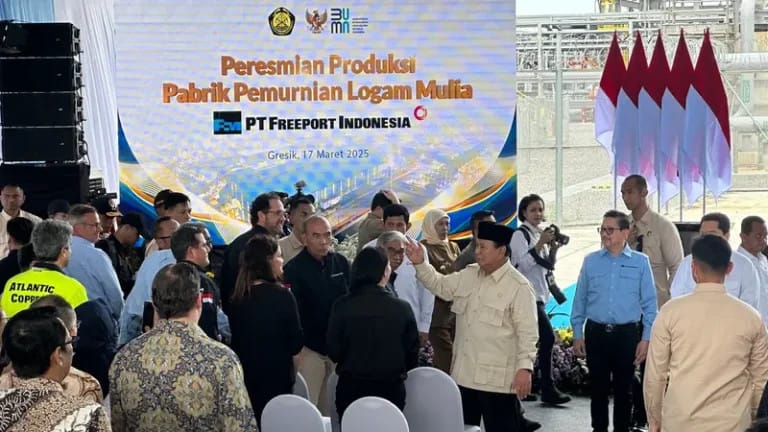
In addition, SEZs are also the cornerstone for the realization of downstreaming promoted by the government, such as the Gresik SEZ, which is home to the world's largest copper smelter built by PT Freeport Indonesia. "We strongly encourage downstreaming investment in SEZs," added Susiwijono.
The PT Freeport Indonesia smelter is the world's largest single-line copper smelter, with a processing capacity of 1.7 million tons of copper concentrate per year. Together with the PT Smelting smelter, the total copper concentrate processing capacity is 3 million tons per year, making it one of the largest copper processing facilities in the world.
Meanwhile, the Gresik SEZ itself also contributed up to IDR 10 trillion to the 2023 National GDP.
Various points of improvement
The Executive Director of KEK Kendal, Juliani Kusumaningrum, admitted that managing KEK has many advantages with various concessions granted by the central government. Even in the regions, her office still receives concessions. "So, if we talk about Kendal, the Kendal Regional Government provides a 50% discount for BPHTB. From 5% to 2.5%," she said.
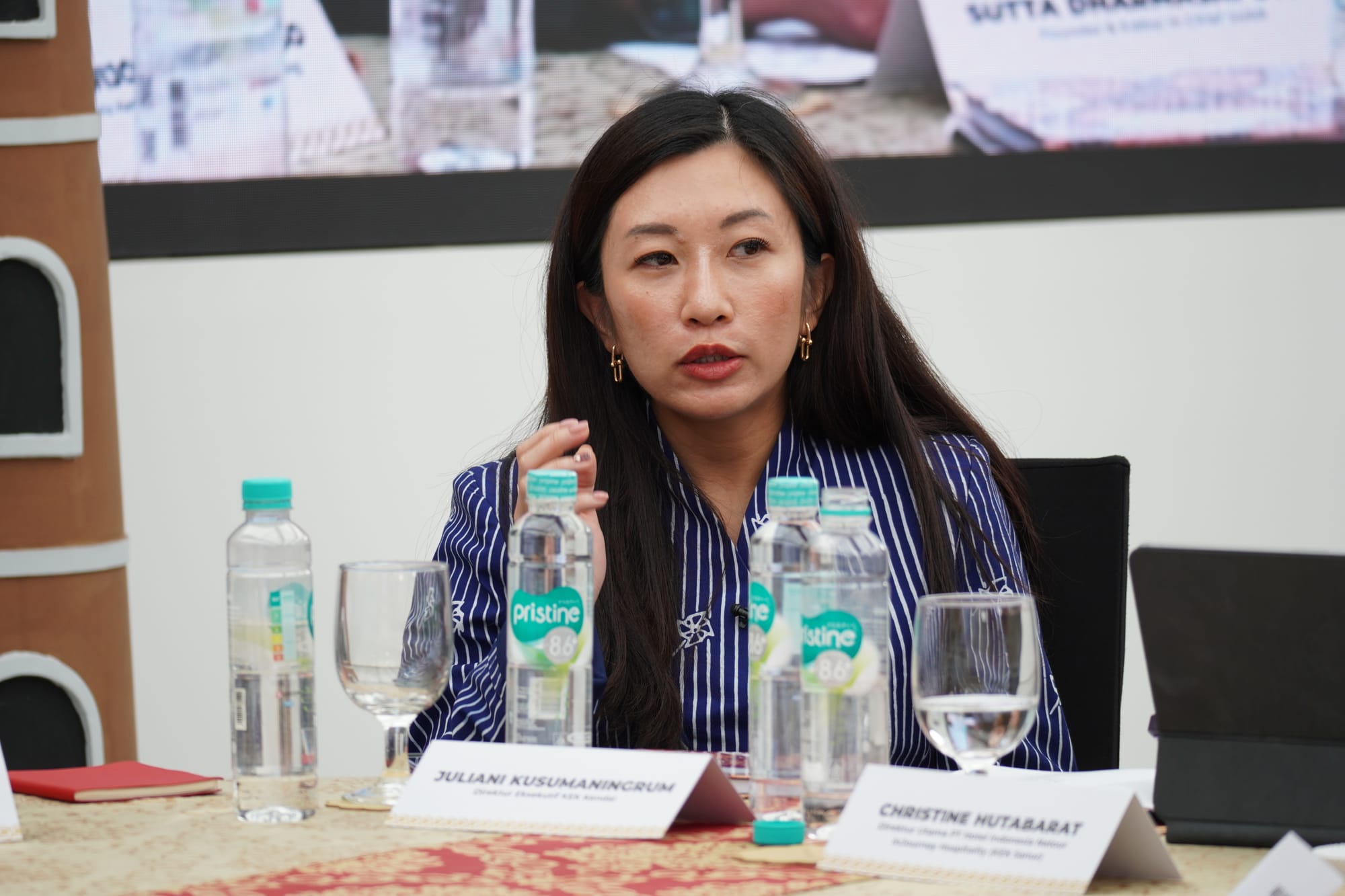
Even so, there are various requirements from the local government, such as the need to collaborate with SMEs for development. According to Juliani, in terms of needs, this collaboration with SMEs is actually mutually beneficial. However, the number of SMEs is limited.
"The types are limited, such as culinary SMEs, F&B, and basic services, such as outsourcing, security, and others, which I think are very basic , " he said .
Meanwhile, in future developments, there are three top industrial sectors, such as textiles and textile products, renewable energy, automotive, and electronics, which can collaborate with SMEs. "Well, this should be synchronized with the SME sector. So, what we hope for in the next 5 to 10 years is that SMEs will not only provide basic needs, but also follow what the industry needs," he said.
Strategy Advisor of KEK ETKI Banten, Mulyawan Gani, emphasized that as an area that has just begun to have special status, the incentives provided are not the most important factor, but rather the regulations. With four sectors to manage, SEZ Banten needs a regulatory framework to manage each sector.
And, to date, there are no regulations that serve as a reference for KEK to develop the education sector, as well as the creative industry. "Well, there are no ministerial regulations yet. And the authorities are still overlapping," he said.
According to Mulyawan, because the underlying regulations do not yet exist, the Banten SEZ must proactively approach the relevant institutions, which sometimes leads to confusion. "This should all be done through a single point of contact," he continued.
Responding to the problems faced by the Banten SEZ, Acting Secretary General of the National Council for Special Economic Zones, Rizal Edwin Manansang, acknowledged that the digital and creative industries are only now being developed in SEZs.
"If initially the SEZ contained the industrial and tourism sectors, and tourism, digital, and creative economy were only recently developed, there are indeed no standard regulations related to these sectors. Well, we are all learning together. And of course, we need to collaborate with ministries, such as the Ministry of Health. Because everything needs to be adjusted to current developments," he explained.
Edwin said that every three months, his office holds meetings with relevant parties and institutions to discuss existing problems. "We look for solutions together. Of course, new regulations cannot be issued immediately. It must be done gradually, and there must be cases that can be raised for discussion with the relevant ministries," he said.
Regulations that guarantee
President Director of PT Hotel Indonesia Natour/InJourney Hospitality (Sanur SEZ), Christine Hutabarat, admitted that the Sanur SEZ actually began three years ago and now has tenants in operation. "So we have indeed gone through everything, especially as the first health SEZ, there are bound to be a few obstacles. Initially, it was in the regulations," she said.
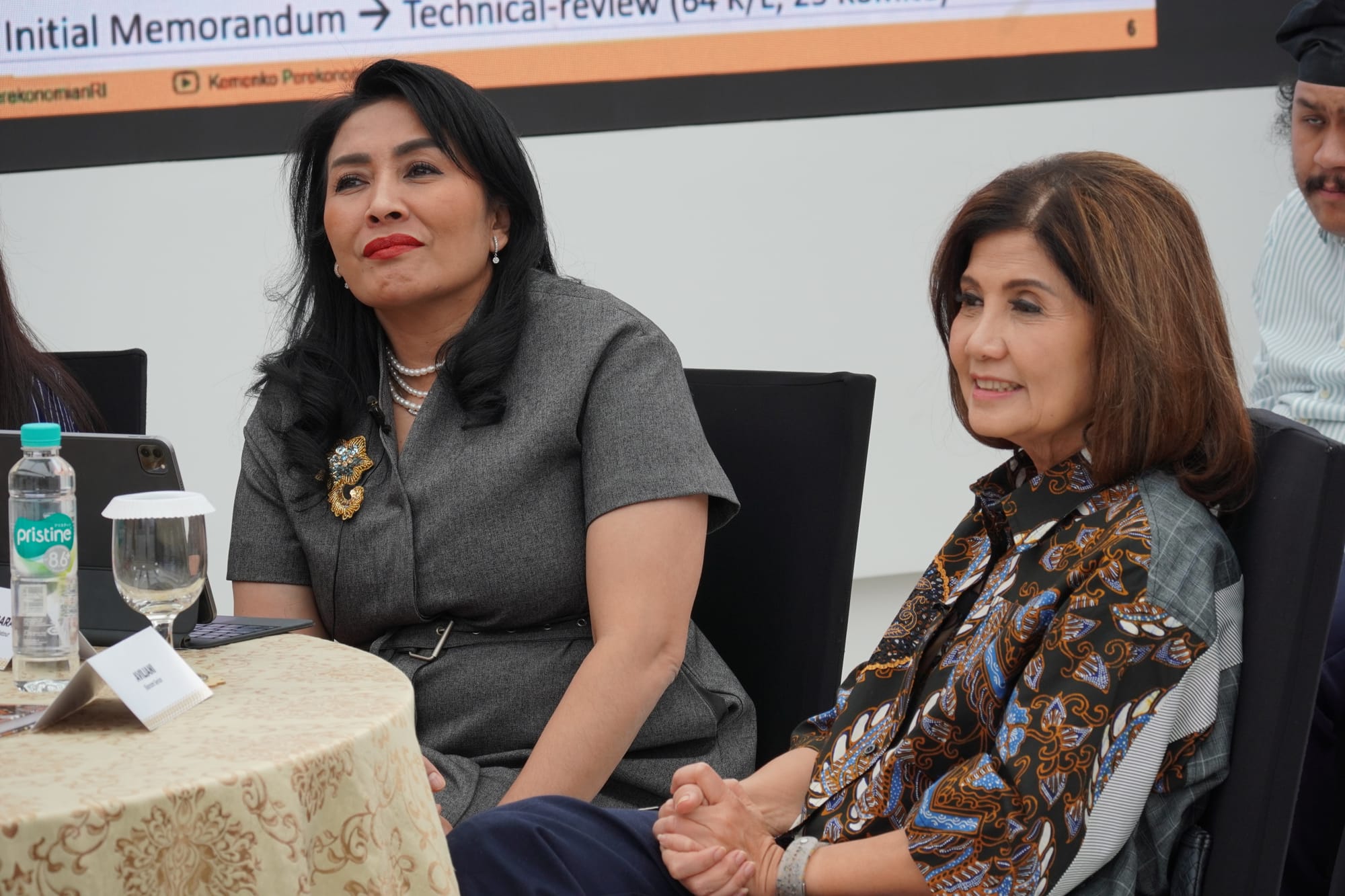
Christine emphasized the need for harmonization of regulations governing SEZs, particularly in the health sector, which could serve as a reference for all parties in SEZs, and that all parties involved in this sector must have a common understanding. "This orchestration must truly accelerate the licensing and investment processes," said Christine.
Meanwhile, Senior Economist Aviliani acknowledged that SEZs play a major role in reducing unemployment, but there are policies that are not yet supportive, so that industries located in SEZs are not yet competitive. "Especially when we consider that our fuel prices are still much higher than Malaysia's," she explained.
This also means that domestic industries do not yet have high competitiveness, so they end up sacrificing margins. "Well, we also need to pay attention to what factors the government can help with to reduce their costs ," he continued.
In addition, the ecosystem infrastructure is also lacking in support. "So I see that our ecosystem is not yet functioning properly. Perhaps we need to think about how the ecosystem, from the sub-sectors at the central to regional levels, and everyone involved, can become a unified whole," Aviliani emphasized.
Mukhlison, Gema Dzikri, and Dian Amalia