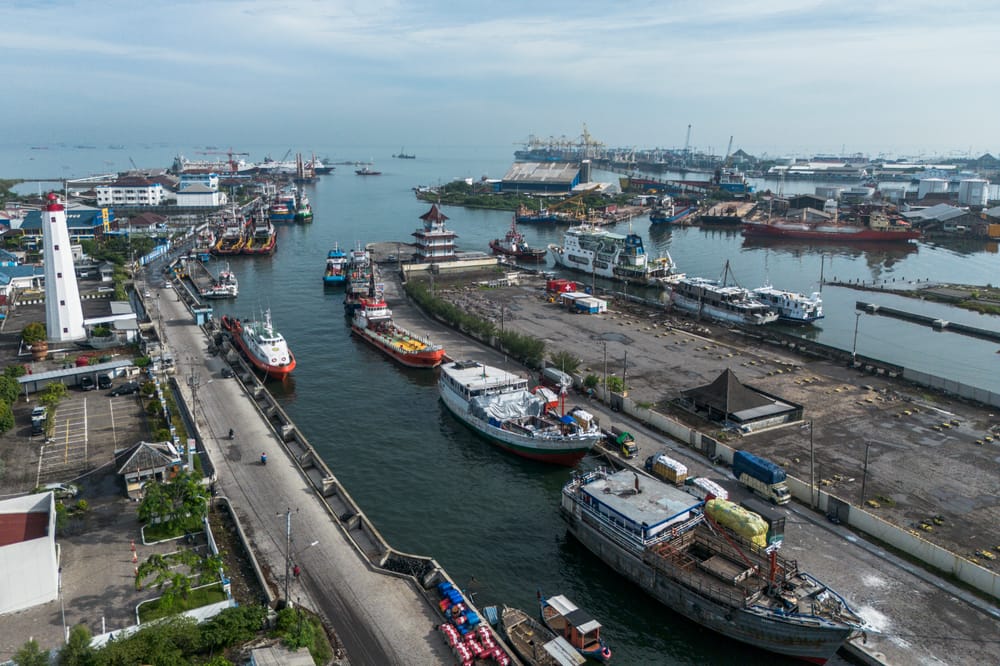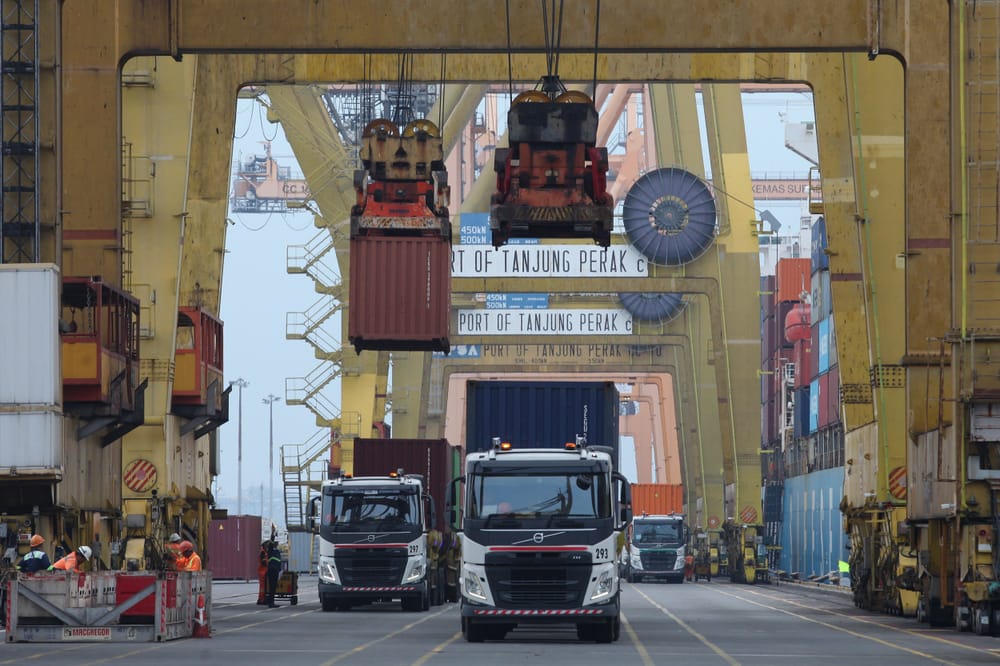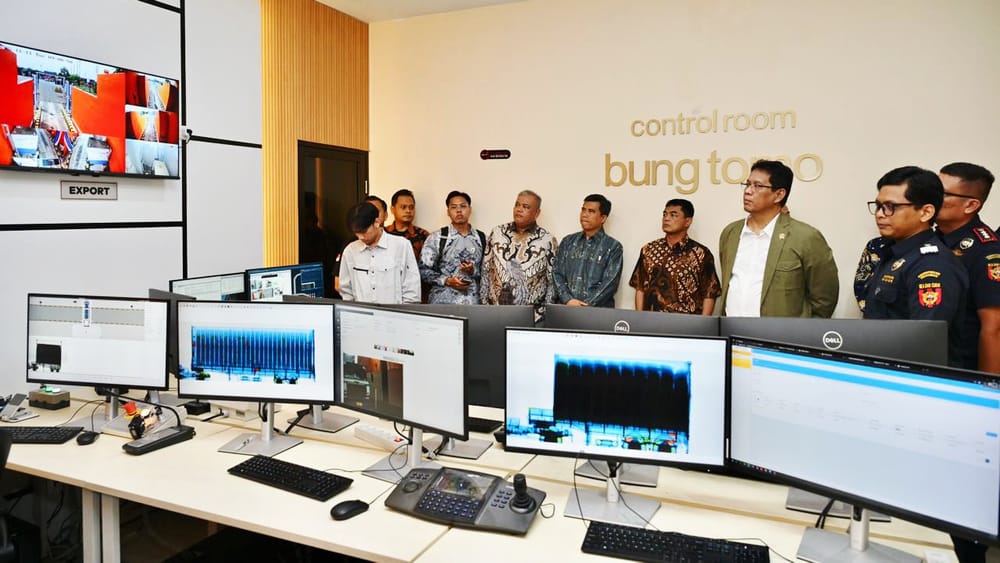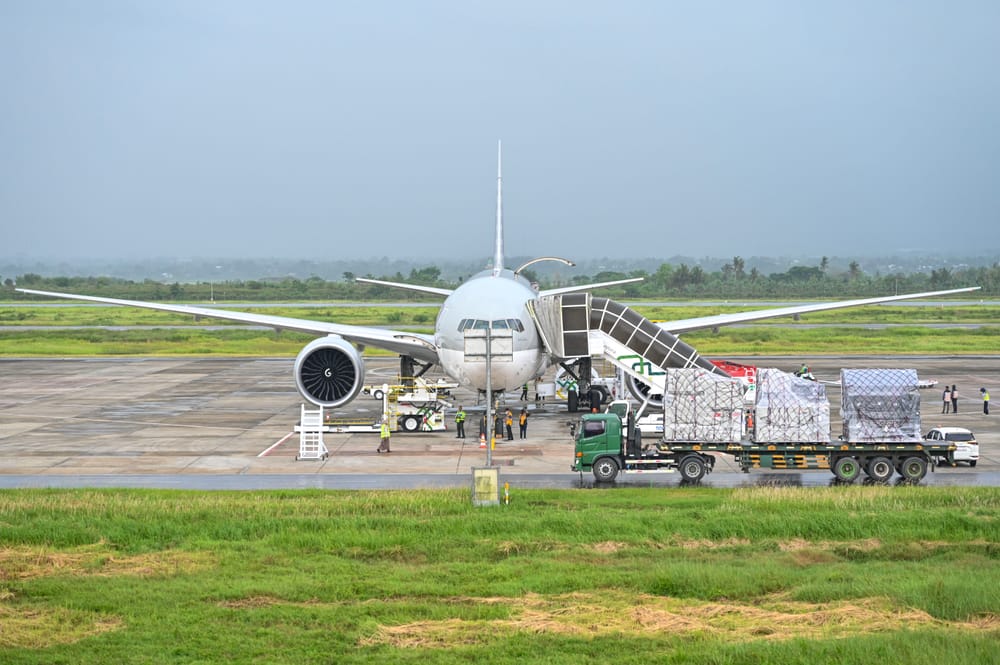

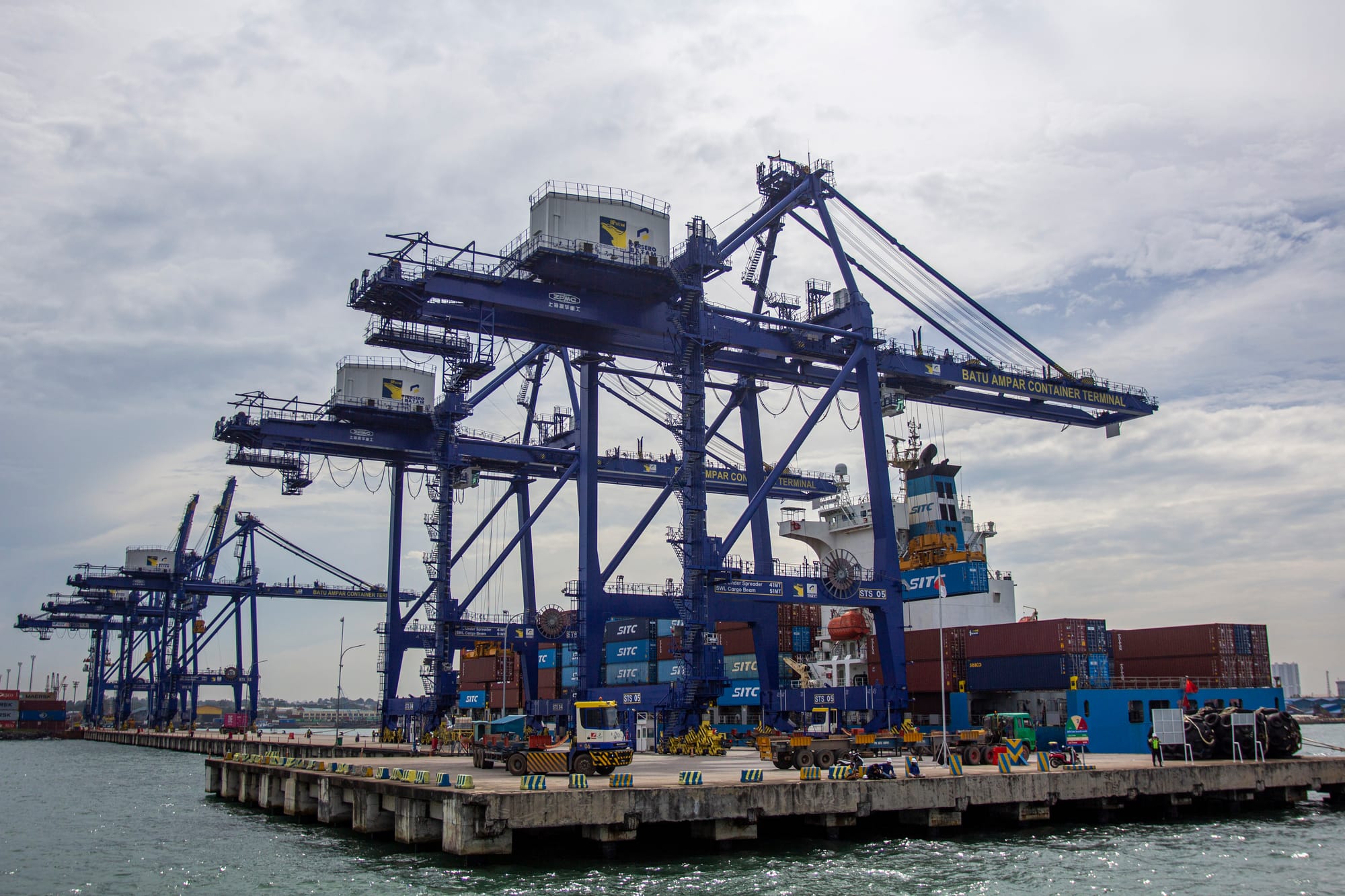
The high cost of logistics, which has become one of the sources of business unrest, has triggered logistics sector players to innovate in order to improve the efficiency of the national supply chain, especially in inter-island trade. Digitalization of warehousing and relocation of logistics centers to potential economic growth points outside Java are two offers from logistics sector players for efficiency while building a sustainable supply chain.
Chairman of the Indonesian Logistics Association (ALI) Mahendra Rianto stated that logistics efficiency and performance need to be accelerated, especially as the transportation and warehousing industry managed to achieve promising growth of 8.62% and the reliability of the national supply chain is increasingly being tested with government programs such as the Free Nutritious Meal targeted to reach 82.9 million students across Indonesia.
"Bappenas noted that national logistics costs have fallen progressively over the past 20 years, currently reaching 14.29% of GDP, but this is still high and a big challenge because the government's target is to reach 9% of GDP by 2045 to be able to compete with other countries at the global level," Mahendra said at the opening of the LogiSYM Platinum Indonesia 2025 one-day workshop in Jakarta, Thursday (27/11/2025).
According to Mahendra, in addition to high costs, the logistics industry's challenge in facing supply chain disruption also lies in the demand for sustainable mobility, as trucks and other land transportation contribute up to 35.6% of global carbon emissions, while Indonesia has the responsibility to achieve Net Zero Emission by 2060 which must be achieved strategically.
"Not only trucks, but also last mile delivery transportation modes are very influential on the smoothness of logistics, especially with the increasing number of e-commerce. With this situation, electrification of logistics channels is important to make Indonesia a sustainable logistics hub in Southeast Asia," he said.
The commitment of logistics industry players to improve efficiency has received a positive response from the government. Director of Trade and Logistics Facilities of the Ministry of Trade Sri Sugy Atmanto said, based on input from industry players, the Ministry of Trade issued a regulation that simplifies and unifies national data on goods shipped through ports for inter-island domestic trade in Indonesia.
"The government is strengthening connectivity to ensure the flow of goods reaches all parts of Indonesia evenly to maintain market balance, strengthen food security, and product access throughout the country. Efficiency through licensing integration and strengthening digital platforms as logistics instruments are two policies that we strive for on an ongoing basis," said Atmanto.
Atmanto added that the government currently has three priorities in encouraging the transformation of the logistics sector. First, digitization that allows real-time tracking. Second, encouraging green logistics by using renewable energy and optimizing delivery routes. Third, strengthening data security systems and supply chain risk management, accompanied by cross-sector data interoperability.
"Synergy needs to be promoted to build a supply chain ecosystem that is adaptive and responsive to change and based on the real needs in the market. We encourage all stakeholders to strengthen dialog and build logistics service standards that are dynamic to global fluctuations," Atmanto concluded.
30 percent efficient
Apart from transportation issues, the root of logistics inefficiency also lies in unreliable warehousing mechanisms. Intramega Global Director Andi Wibisono stated that inefficiencies in the warehousing supply chain tend to have a direct impact on margins, especially when the main sectors of national economic growth are supported by the manufacturing sector, retail industry, and agriculture, which rely heavily on warehousing reliability.
"Moreover, with the growth of e-commerce, warehouses are now storing more Stock Keeping Units (SKUs). Warehousing is increasingly shifting from storage to fulfillment centers for e-commerce customers, as well as drop points and multifunctional facilities that can create more value for the company. Therefore, warehousing needs more visibility, accuracy, space optimization, and efficiency," Andi said.
Having been in the warehousing business for the past 20 years, Andi suspects that warehouse inefficiencies are generally caused by a reliance on operations that are still manual and dependent on human labor. According to Andi, efficiency choices are made not because the company employs too many people, but because too many warehouse workers work below the productivity levels that support the business.
"The location of goods, storage time, and the flow of goods in and out still rely on the skills of workers. Therefore, increasing productivity requires warehouse workers who are more digitally literate, at least the ability to work with digital instruments and what is really needed today. I invite my colleagues to see digital transformation as value creation, not as a cost," he said.
From his experience at Intramega Global, Andi emphasized that there are four steps in creating a warehouse that is integrated with digital technology. First, map the optimization points in the warehousing process, starting from the input of goods to the exit. Second, lay a digital foundation by building an inventory system and using Radio Frequency Identification (RFID) at the exit points. Third, maximize the use of all space with a high-density layout. Fourth, encouraging automation of processes without the touch of human hands.
"With dark warehouse technology, 30% space efficiency is certain, and the return of investment can be calculated from there. It depends on the area, but if we can optimize the space by 40 to 50%, the price of land that we have to invest is reduced. The number of workers also becomes more knowledge workers than blue-collar, so productivity increases," Andi explained.
However, Andi admits that the idea of a digital warehouse will only be possible if infrastructure challenges, including adequate energy supply, are overcome. Without an adequate supply, digital warehousing technology will actually become a burden for companies.
"Logistics is like a river, but the upstream must be competitive too. That's why it comes back to infrastructure. Why warehousing is difficult in Indonesia, among other things, because we are an archipelago, like it or not, there must be a lot of infrastructure. There is no other choice. Only the government has the capacity to build infrastructure, because there is no private sector that can achieve that much," Andi concluded.
Proven.
One proof of the success of a reliable supply chain in sustaining business is experienced by Singapore Airlines. President of the Logistics and Supply Chain Management Society Raymon Krishnan revealed that, as of January 2026, 100% of the food served on Singapore Airline's economy class flights will no longer be made in Singapore, but Thailand.
"Why not Indonesia or Malaysia? Because Thailand has a conducive logistics business climate, so the cost of producing food in Thailand and shipping it back to Singapore is still cheaper than producing the food itself in Singapore," says Raymon.
Read also:
 Benedictus Krisna Yogatama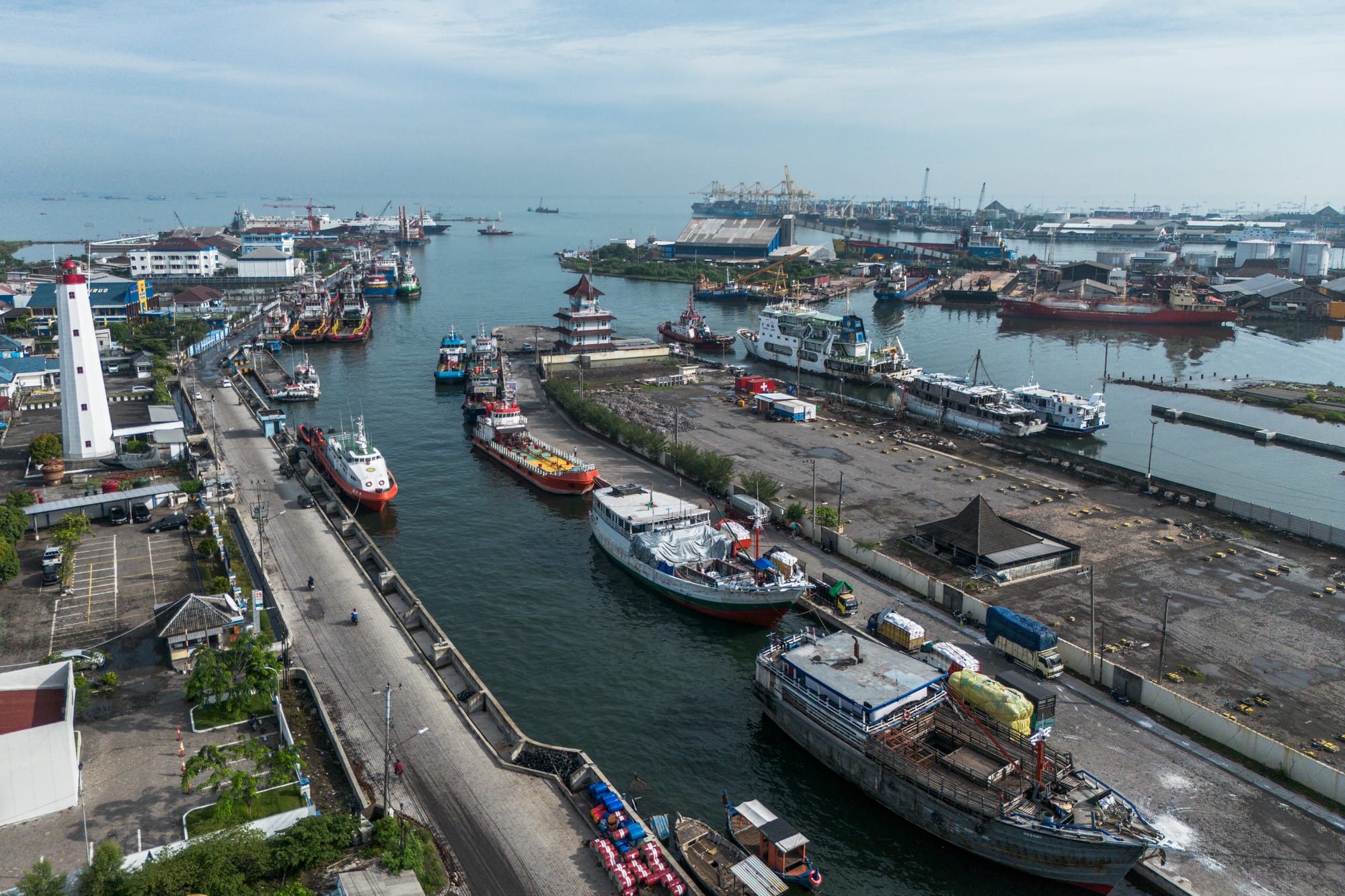
This situation is proof that a reliable supply chain is necessary for businesses to run.
The practice of relocating logistics centers like Singapore Airlines can be drawn in the Indonesian context. ALI Vice Chairman and HAVI Indonesia Country General Manager Adithya Sari explained that the effort to relocate the logistics center has the right momentum by looking at the latest economic growth data. Apart from Java, Sulawesi managed to achieve an economic growth of 5.84%, higher than the national economic growth.
"With this growth, it means that the regions outside Java are starting to be noticed and the direction of investment there is growing, but logistics delivery there is still very lacking, especially food needs. The logistics industry can enter there to strengthen the inter-island supply chain, which will also help ensure that growth outside Java becomes more accelerated," added Adithya.
However, the availability of energy supply outside Java is still a challenge to be solved. In order to meet sustainable criteria, the logistics and warehousing industry is now encouraged to use solar panels for warehouses and electric vehicles for transportation. However, according to Adithya, both are not feasible in terms of cost and EV technology, which has not yet reached the technology of making electric-powered logistics transportation modes.
"Efficiency can be achieved not by simply changing modes, but by overcoming existing infrastructure barriers first. After all, the main challenge of logistics is to ensure that the goods arrive, although sustainability criteria are also an issue that must be resolved on the ground," Adithya concluded.