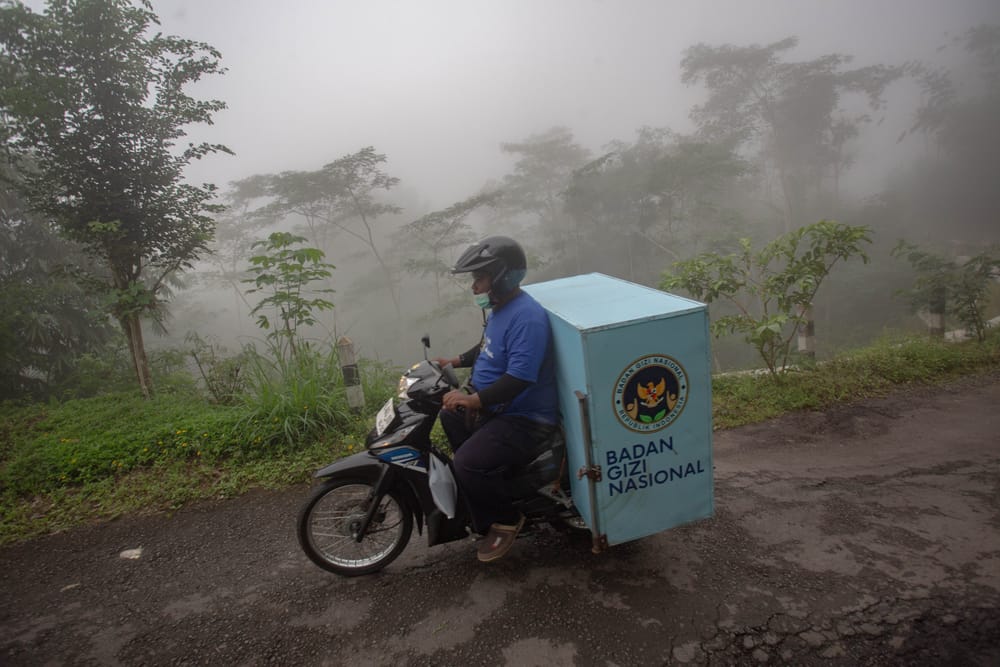
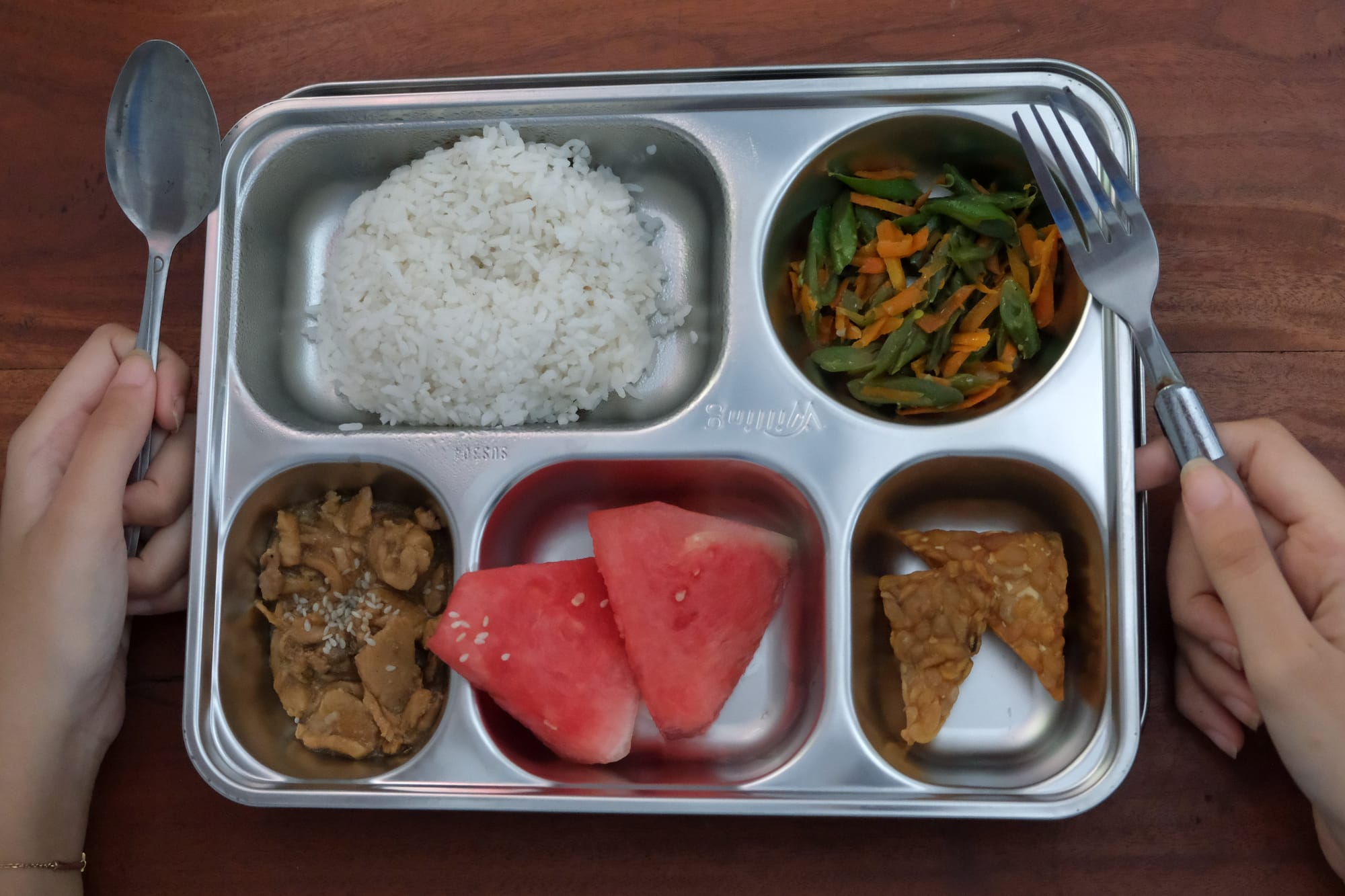
The white box car entered a small alley on Pulo Gebang Education Street, Cakung District, East Jakarta, Thursday, September 4, 2025. After going through several bends, the car then stopped in the courtyard of SMP Negeri 138 East Jakarta. A moment later, the back door was opened, then thousands of Free Nutritious Meal Packages (MBG) were unloaded, ready to be distributed to all students at the school.
The teachers quickly transferred the packages to transparent boxes, arranged them neatly, and prepared to distribute them at 1pm. "Today the menu is dry food because we have just started running again after the holiday due to the demonstration," said Yosi, the driver of the car carrying the packages.
The MBG program at SMP Negeri 138 resumed operations after a three-day break due to Jakarta's demonstrations that led the Provincial Government to recommend online teaching and learning activities. During the distribution halt, cooking activities in the kitchen also stopped.
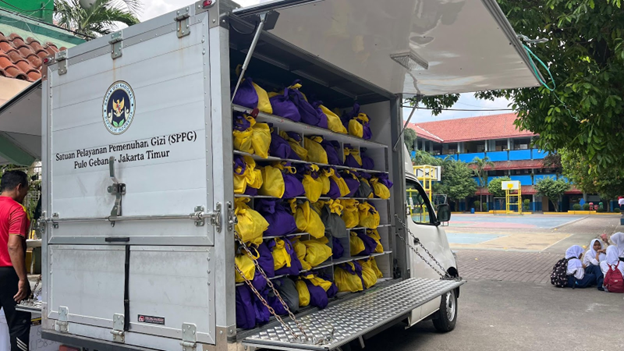
Truck carrying MBG at SMP N 138. Photo: SUAR Amalia.
The food was sent from the National Nutrition Agency (BGN) kitchen located at the Era Mas 2000 Pulo Gebang Complex, East Jakarta. The kitchen, owned by Salman Peduli Berkarya Foundation, cooks and distributes the MBG to various schools in Cakung District, including SMPN 138.
When SUAR visited the kitchen on Thursday, September 2025, there was no visible cooking activity. The kitchen staff were seen just chatting with each other to pass the time. "We will start cooking again next Monday," said a kitchen employee.
The MBG program at SMP Negeri 138 East Jakarta has been running since January 2025. The program coordinator at this school, Jayadi, emphasized that the program has provided great benefits for students, although it is not free from notes of improvement.
Jayadi recalled that at the beginning of the distribution, there were problems with the food arriving late. Several times the packages only arrived when the students had gone home. "That was only once at the beginning, maybe the kitchen was still adapting," said the sports teacher. After that, the distribution went smoothly.

The next obstacle is related to students' tastes. Menus that are compiled based on nutrition are sometimes not in accordance with the habits of students who are more familiar with snacks. "What children like is not necessarily good nutrition, while the MBG menu has good nutrition but children sometimes don't like it," he said.
Even so, the food that suited my taste buds was gone in no time. Fried noodles, potatoes as a substitute for rice, and chicken wrapped in flour are favorites. "If it's suitable, it's all gone," Jayadi said. He emphasized that reports on the menu are always forwarded to the kitchen for improvement.
According to Jayadi, of the 1,080 MBG recipients spread across 30 classes, only two to three children per class sometimes did not finish their meals. This number is considered small compared to the total number of recipients. For Jayadi, input on the menu is important so that the food is more suited to taste without sacrificing nutritional value.
There was also a time when vegetables were not completely clean. Jayadi reported it to the kitchen, and since then the problem has not arisen again.
There was also a time when vegetables were not completely clean. Jayadi reported it to the kitchen, and since then the problem has not arisen again. "Once reported, it was immediately fixed," he said.
To maintain the sustainability of school canteens, MBG is not distributed immediately during the first break. Jayadi explained that this was to provide space for the canteens to continue operating. "The children have snacks first, then after the second break we distribute the MBG," he said. That way, the canteen remains alive and students still get lunch.

In order for the food to be fresh when distributed, he requested that the delivery arrive at 11.00 WIB. With a short break, students can enjoy the food in good condition. "This is also so that the canteen continues to sell, children continue to eat, and the quality of the food is maintained," said Jayadi.
The burden of handling the program is considerable due to the number of students reaching over a thousand. The school has to unload 30 boxes of food every day, distribute them, and then return the containers when they are finished. "There are 40 teachers, 12 pickets come in, 12 pickets go home, different people so they don't get too tired," he said.
Jayadi himself admitted that he often had to sacrifice teaching time to prepare the MBG administration. "Sometimes at two in the afternoon it's not finished yet, even though I also have other duties," he said.
He realizes that this condition is different from other schools. In some schools, the number of students is only around five hundred, some even less than a hundred. "We have a thousand students, we are the biggest school in Cakung. It's natural that the burden is heavier," he said.
Until now, Jayadi admits that he has not found an effective solution to ease the distribution process. Lowering the boxes, distributing, and returning the containers remains labor-intensive. "I haven't found the right way yet, what is clear is that it is quite draining," he said.
Although it is tiring, the teachers still carry out their duties with full responsibility. Jayadi assessed their commitment as high. "Even though they are tired, the teachers are still doing well. That's proof of commitment," he said.
In terms of nutrition, he considers the daily composition to be relatively complete. The menu always features vegetables, carbohydrates in the form of rice, potatoes, or non-instant noodles, as well as fruit and milk. "If you look at the four healthy five perfect, it has been fulfilled," said Jayadi.
There is still variety on the menu, although chicken and eggs appear more often. Fish is rarely served, even though Indonesia is a maritime country. "The fish menu needs to be added. Our country has many seas, fish should be easy," he said.
communication with the kitchen is always open. Any feedback from the school is responded to quickly and used as evaluation material.
He added that communication with the kitchen is always open. Any input from the school is responded to quickly and used as evaluation material. "If there is inappropriate food or children don't like it, we immediately report it. It is always responded well," he said.
So far, there has never been a case of poisoning or allergy at SMP 138. For Jayadi, this proves that the MBG program is safe for students. He believes the nutrition team involved in the program is capable of maintaining food health standards.
Jayadi assessed that the existence of MBG is very important for students, especially those from the lower middle class. The majority of SMP 138 students are Jakarta Smart Card (KJP) recipients or come from around the school. "This program is like direct meal assistance for children in need," he said.
"This program is like a direct food aid for children in need," Jayadi said.
He hopes that this program will continue with a small note on menu variations. "The important thing is that the food is not wasted, eaten by the children, and remains nutritious," said Jayadi.
Investment in superior human resources
The Free Nutritious Meal Program initiated by President Prabowo Subianto was officially launched on January 6, 2025, after going through various trials. The program under the management of the National Nutrition Agency (BGN) is one of the mainstays - as well as included in the 8 programs of the Prabowo Subianto administration to build superior human resources (HR) as the foundation of the Golden Indonesia 2045.
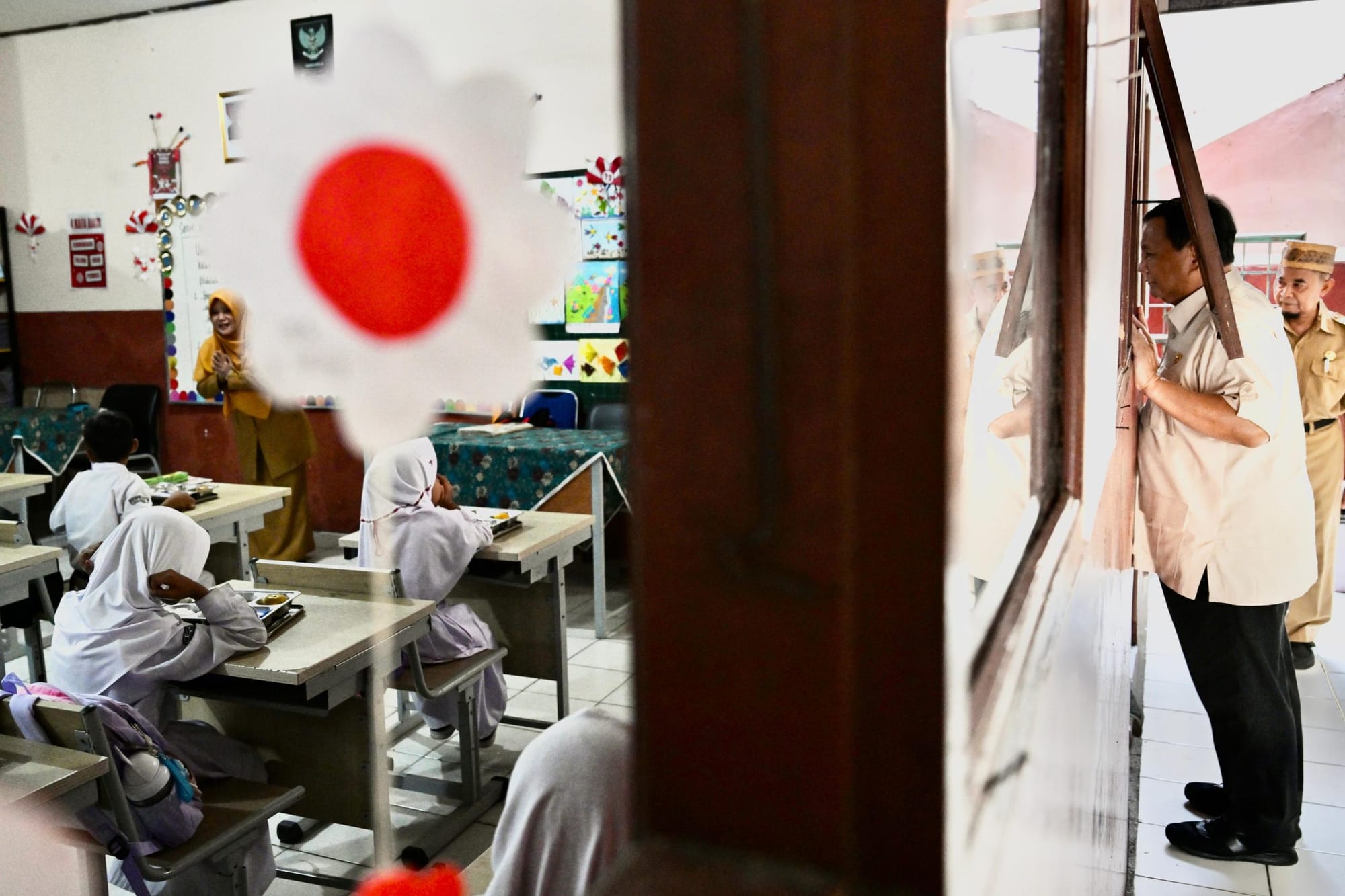
Among Southeast Asian countries, Indonesia is the 8th country to provide free nutritious meals to children, after Thailand, Malaysia, Philippines, Cambodia, Laos, Timor Leste and Brunei Darussalam.
In the 2025 State Budget, the government has allocated a budget of IDR71 trillion to fund the MBG program with a target of 19.47 million beneficiaries. The MBG program targets students from early childhood education (PAUD) to senior high school, toddlers, pregnant women, and nursing mothers.
Meanwhile, in the Financial Note of the 2026 Draft State Budget read by President Prabowo in mid-August, the MBG budget jumped to Rp335 trillion. This program has been a dream program since Prabowo campaigned.
She believes MBG addresses the challenges of malnutrition in Indonesia, namely malnutrition and micronutrient deficiencies. Data from 2022 noted that 32% of Indonesian children are anemic, 41% do not eat breakfast, and 58% have an unhealthy diet, especially in vulnerable groups in the golden phase of growth.
With a kitchen called Sentra Satuan Pelayanan Pemenuhan Gizi (SPPG) that can serve an average of 3,000 people per day, MBG menus are prepared based on the principle of "Fill My Plate" and meet 25%-35% of daily nutritional needs. The program is directly supervised by the National Nutrition Agency, local governments, and a national digital system to ensure transparency and accountability.
In addition to the nutrition and health benefits, MBG also strengthens economic resilience by reducing the burden of household expenditure, creating millions of jobs, and stabilizing food prices through direct purchases from smallholder producers.
Head of the National Nutrition Agency (BGN) Dadan Hindayana stated that the MBG program continues to roll out and expand with the establishment of new SPPGs per day in every province in Indonesia. According to BGN records, as of Monday, September 8, 2025, there were around 7,477 SPPGs officially operating in 38 provinces, 509 districts, 7,022 sub-districts.
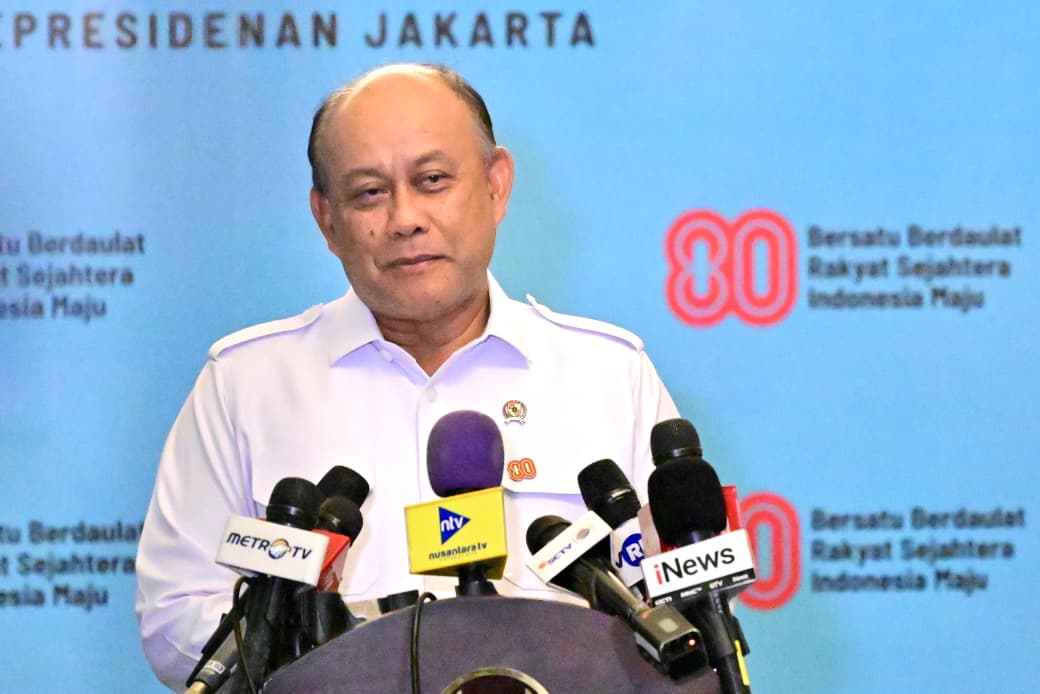
"So there are five regencies where none of the SPPGs are operational," said Dadan. The regencies without SPPGs are Arfak Mountains Regency, West Papua Province; Central Sumba, East Nusa Tenggara (NTT) Province; Maybrat Regency and Tambrauw Regency in Southwest Papua Province; and Mahakam Hulu Regency, in East Kalimantan Province.
This program involves broad support from the TNI, Polri, the National Intelligence Agency (BIN), Nahdlatul Ulama, Muhammadiyah, the Chamber of Commerce and Industry (Kadin), the Indonesian Association of Catering Entrepreneurs (APJI), and business actors in various regions. In addition to thousands of active SPPGs, there are thousands more that are in the preparation stage for operation.
BGN, said Dadan, is also currently accelerating the SPPG activation target in various regions. So that the number of service recipients is also wider. As in July 2025, the initial target set for SPPG activation was up to 1,994 units with 6 million beneficiaries, the realization could reach 2,391 SPPGs with 7 million beneficiaries.
This acceleration is also in line with BGN's move to recruit SPPI or Sarjana Penggerak Pembangunan Indonesia, which is a training and education program to produce graduates who will become leaders and technical drivers, especially in supporting this national MBG program.
Bachelor of Indonesian Development Drivers, which is a training and education program to produce graduates who will become leaders and technical movers
This November, this acceleration is also expected to boost the number of SPPGs to 25,000 units in agglomeration areas and 6,000 SPPGs in remote areas.
Dadan emphasized that his party is indeed continuing to boost the establishment of SPPGs because this is synonymous with budget absorption, which so far has been considered less than optimal. In BGN's calculations, the operation of one SPPG in a month is estimated to absorb Rp 1 billion. "This means that if there are 7,000 SPPBs, Rp7 trillion will be absorbed in a month," he said.
Need to listen to students' aspirations and tastes
Although the obstacles are not too big, the inappropriate MBG menu sometimes makes this program less than perfect. Some confessions from guardians and students need to be noted for BGN to improve.
As expressed by Lia, not her real name, who is the older sister of a student at SMP Negeri 138 East Jakarta. Her sister is in grade 7 and has been receiving MBG since the first day of school. According to Lia, her sister often complained about the taste and quality of the MBG food.
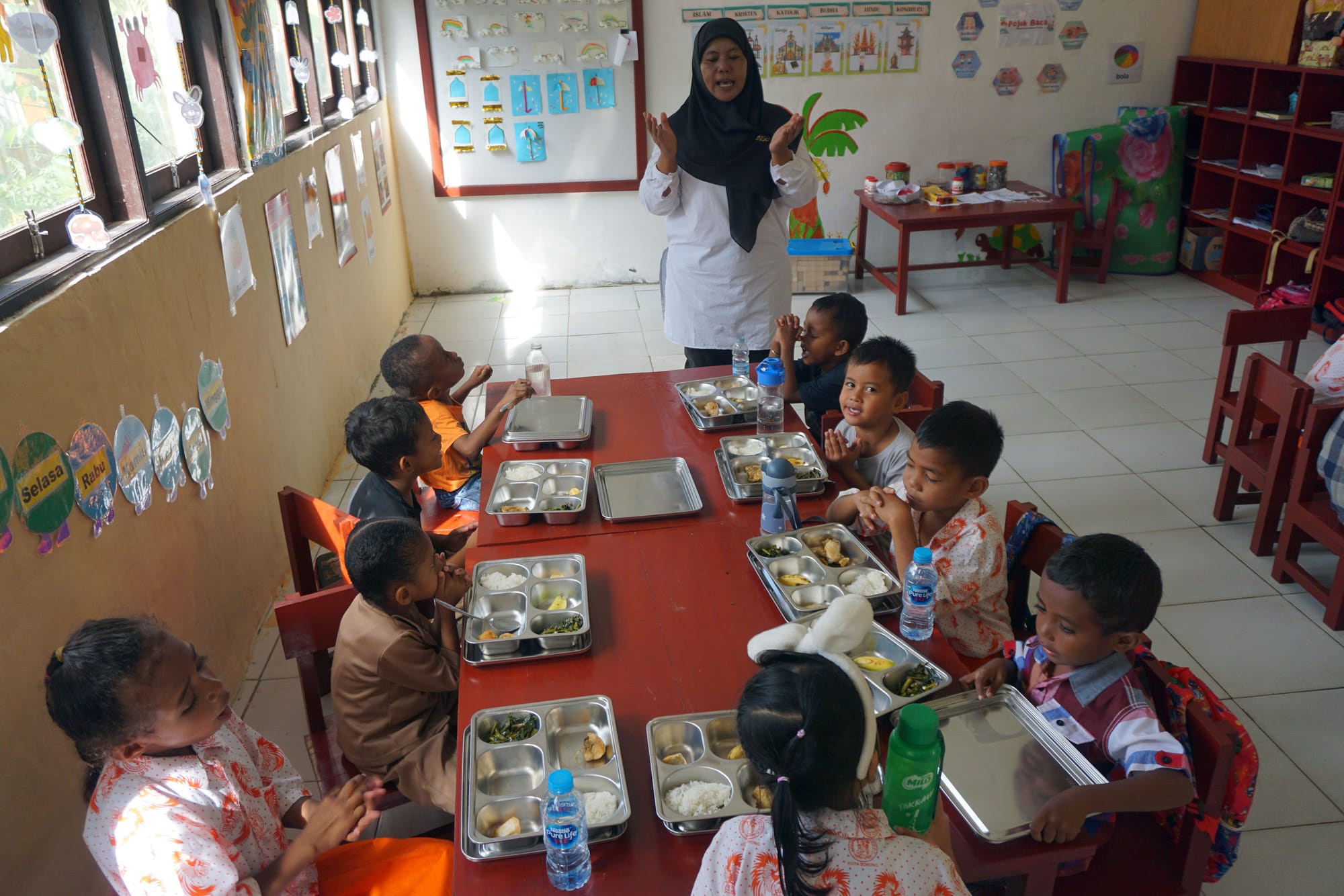
Lia said that her sister often brought MBG home because she didn't finish eating it. "At the beginning, she said the eggs were smelly and tasted bad," she said.
At home, Lia tried to prove her sister's complaint. She tasted the vegetables in the MBG package. "They tasted sour. Like it wasn't fully cooked," she said.
Wati, Rohim's parent, also not her real name, who attends SDN 07 Pulo Gebang, adjacent to SMP 138, added a similar complaint. She said vegetables are often bitter or sour.
For the teriyaki chicken, Wati has seen slime on the chicken. "If there is something like that, I tell my children not to eat it," said Wati.
Rohim admitted that he disliked the vegetables and eggs served by MBG the most. Similar to his mother's confession, he considered the taste bitter. Rohim admitted that he once melted the tofu and eggs served in MBG. "You can't swallow it. As soon as it enters the mouth it immediately tastes bad," he said.
When the MBG food was not finished, Rohim took the food home in a container that Wati had brought from home. Wati also told Rohim to be careful before snacking on MBG food. "He would only take fruit or milk," said Wati.
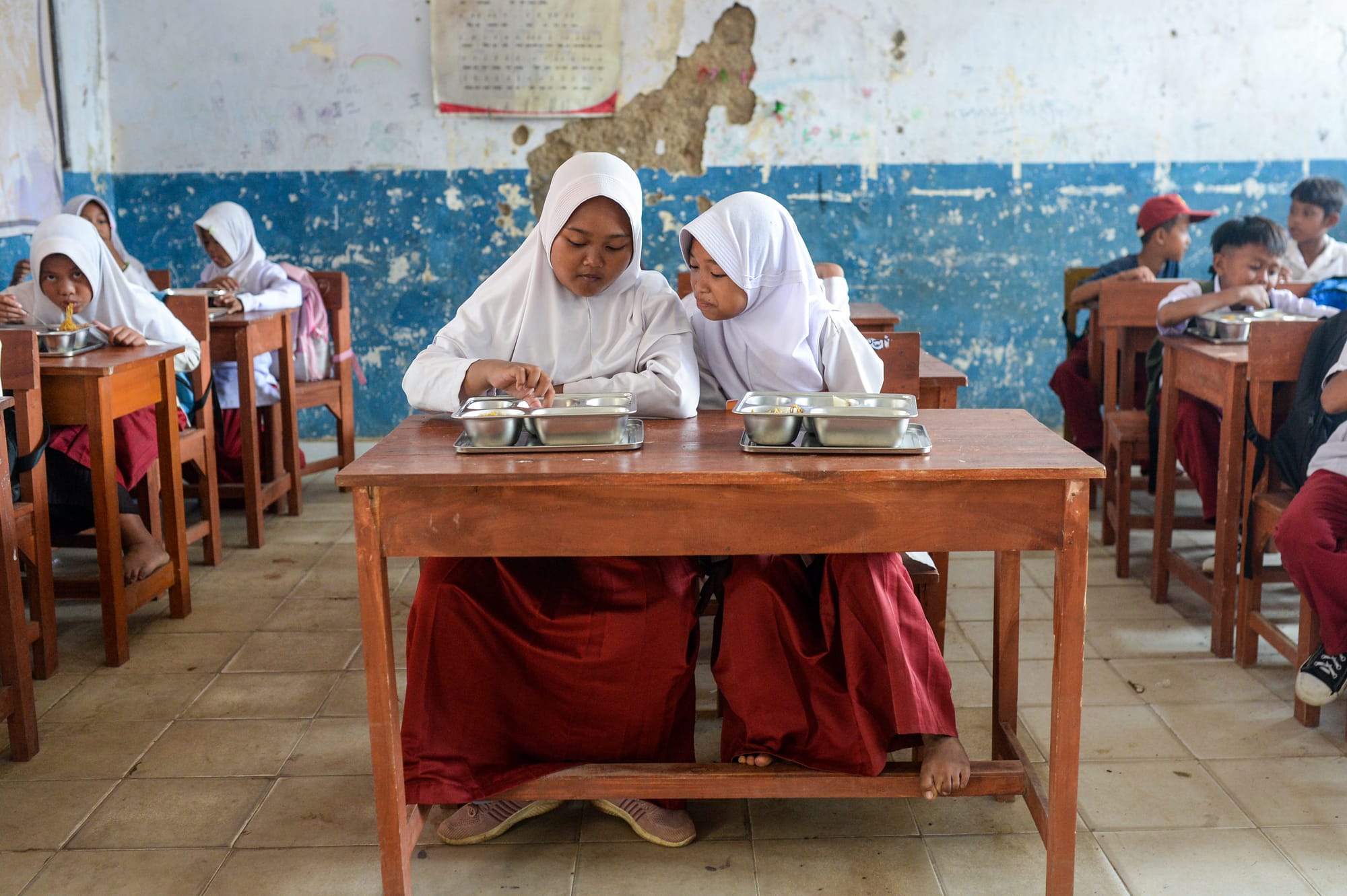
Regarding the channeling of their aspirations, Wati and Lia admitted that they had not yet dared to convey their complaints directly to the school. They are worried about being considered cranky because the program is free. "The teachers are actually open, but about the kitchen we don't know," said Wati. They can only convey their complaints to the school with the hope that they will be forwarded to the kitchen.
Because MBG is not always eaten, Wati says her child's pocket money is not reduced. If the menu is suitable, children can delay eating at home. If not, the child still snacks or eats lunch. With this pattern, the family considers that the impact of savings from the MBG program has not been felt at all.
Wati says that Rohim has never experienced stomach pains after consuming MBG. "Alhamdulillah, no," she says. They choose to be careful, eating only what they deem fit and discarding the rest when in doubt.
Seeing that the quality of MBG food is questionable, Lia thinks that the proposal for improvement can be directed at the aid distribution model. She cited schemes in other regions that provide daily cash assistance directly to parents. "If you give Rp15,000 every day and cook it at home, it will be cooked," said Lia.
Seeing that the quality of MBG food is questionable, Lia thinks that the proposal for improvement can be directed at the aid distribution model. She cited schemes in other regions that provide daily cash assistance directly to parents.
In addition, Wati also thinks that giving cash directly to students will be more targeted. That way, students can immediately use the money for snacks at the school canteen. "If it's like now, it's a shame. A lot of food is not spent," she said.
Wati and Lia think MBG menus are safer when they come in the form of packaged dry food or milk and fruit. On such days, children tend to take and finish them. They hope that the daily menu considers safety and taste so as not to be redundant.
Families also recognize that the school maintains orderly distribution and asks students not to leave leftover food in the school environment. Therefore, food that is not finished is taken home. At home, the decision to eat or throw it away is decided after trying it.
Lia and Wati reiterated that they do not reject the government's concern through the MBG program. However, they asked that the quality, taste, and variety of the menu be improved so that it is actually eaten and beneficial to students. "The important thing is that it is decent, so that it is eaten up," said Lia.
Dadan Hindayana emphasized that his party will always evaluate so that the lunch menu from this program is of high quality. BGN also ensures that strict selection is carried out for food managers, to maintain service quality, including the fulfillment of technical requirements and food distribution management.
Dadan Hindayana emphasized that his party will always evaluate the quality of the lunch menu from this program.
Dadan added that service quality improvement was carried out through tightening standard operating procedures (SOPs). This includes selecting better raw materials, cutting cooking and delivery times, and ensuring food is not stored in schools for more than four hours to maintain freshness and food safety. "We also have evaluations by nutrition experts," he said.
Regional heads are ready to succeed
The Regent of Central Tapanuli, North Sumatra, Masinton Pasaribu, expressed his support for the Free Nutritious Meal (MBG) program initiated by the central government. He said the program must be supported because it is in line with the president's big policy.
In his region, the implementation of MBG is still in its early stages. Masinton explained that his area is targeting the construction of 42 kitchens, but until now only 18 have applied for licenses and three of them are already operating. "The rest are still under construction," he told SUAR.
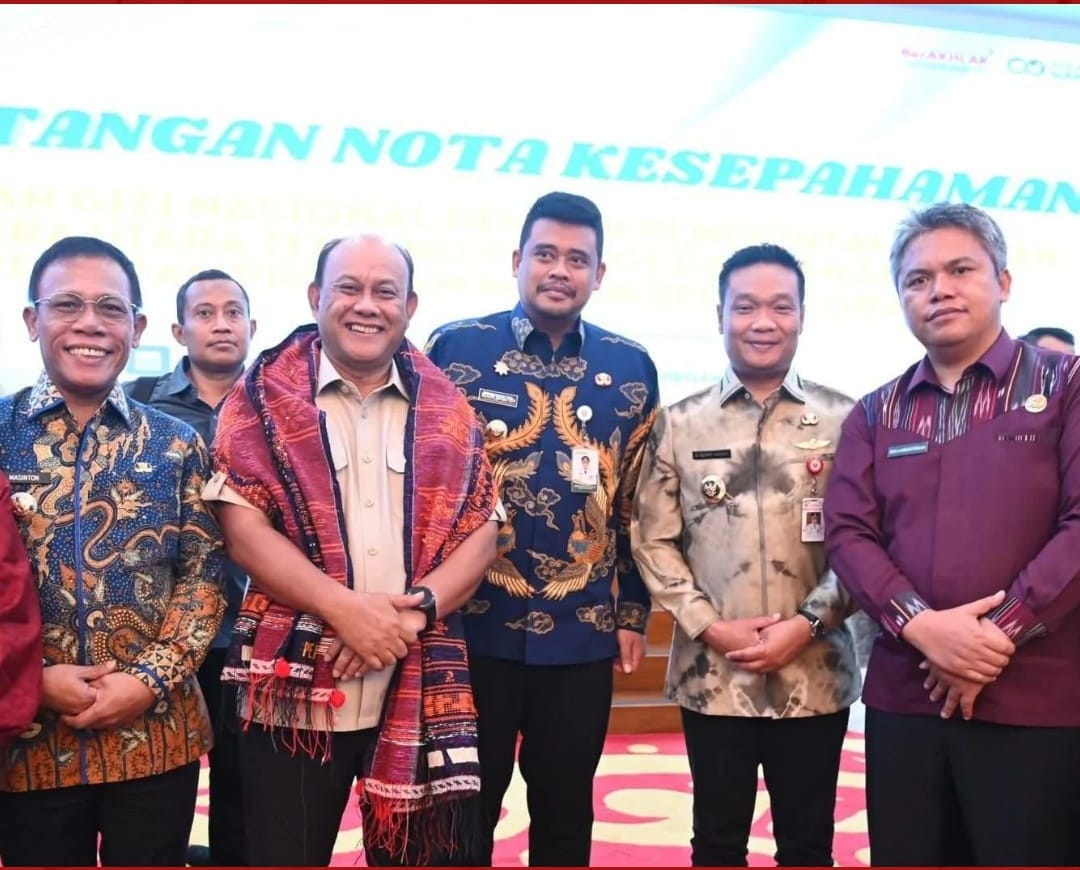
Although it has only been running in three points, challenges have already arisen. According to Masinton, the main problem lies in the cooking process and food distribution because the distance between areas is quite far. He ensured that the local government continues to monitor so that the construction of other kitchens can be completed soon.
Meanwhile, Johannes Rettob, Regent of Mimika, Central Papua Province, stated that his region has prepared the MBG program, although with a different approach compared to the Java region. Of the 24 kitchens planned, 13 have already been prepared. However, he emphasized that Papua has its own challenges.
According to Johannes, cultural factors make the pattern of MBG implementation in Papua cannot be equated with other regions. He gave an example, the nutritious supplementary food program from the special autonomy fund has actually been running since 2018 in almost all schools in Papua. "We feed almost all schools," he said.
Even so, public acceptance of the MBG is uneven across regions in Papua. In Mimika, for example, some accept it, while others reject it. Johannes sees that if the implementation model is only left to the foundation, the program has a risk of stopping halfway. "After just one week, there will be a lot of rejection if the model is like that," he said.
He proposes a different model, where the government prepares the kitchen only, while parents are directly involved in cooking. According to Johannes, this method guarantees the quality of the food and keeps costs under control. "Parents will cook the best for their children, without the motivation to earn money," said Johannes.
He proposes a different model, where the government prepares the kitchen only, while parents are directly involved in cooking. In his opinion, this method guarantees better food quality and keeps costs under control.
Johannes appreciated the central government's intention to provide nutritional intake through the MBG program. However, he emphasized that the implementation in the field must be adjusted so that it is right on target.
Organizing budget control
As the government pushes for an ever-expanding budget allocation to hold the MBG, concerns have arisen. Because MBG is considered to burden the government's budget posture. Reallocation from existing posts, including education, to MBG could have an impact on other sectors.
Such as long-term investment in research, teachers, school infrastructure, and transfers to the regions are potentially depressed. Therefore, the Center of Economic and Law Studies (Celios) urges the government to conduct a comprehensive evaluation of this relocation. "The budget story must be seen as a whole, from research to road access to schools," said Celios Director of Fiscal Justice, Media Wahyudi Askar.
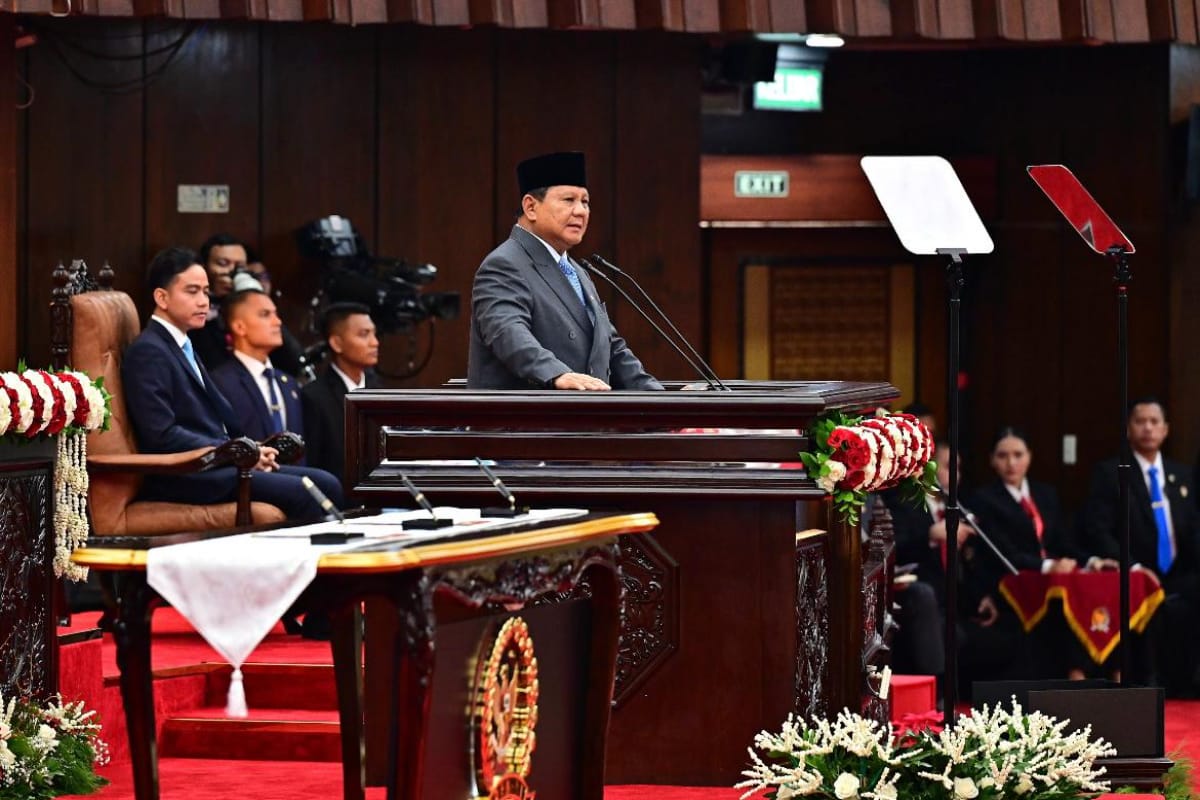
He compared the value received by beneficiaries for free meals with direct income, and the difference is large. With a budget of Rp335 trillion in 2026, each recipient gets an average of Rp20,000 per day. If it is narrowed down to only poor families, per day they can get around Rp50,000. This value is certainly greater than the MBG ration, which is plotted at Rp10,000 a day.
Targeted cash transfer schemes, according to Media, are potentially more effective than small food packages of often questionable quality.
Targeted cash transfer schemes, according to Media, are potentially more effective than small food packages of often questionable quality.
He also touched on the source of the recent political turmoil: the budget cut policy or what is more familiarly known as 'efficiency'. The government cut regional funds, research, and stationery, then shifted them to central spending, including the MBG. "The 'wasteful regions' argument is more gimmick than reality," he criticized.
For Media, fiscal issues are not just about spending, but also state revenue. Taxes, he said, are still pursued with hunting logic rather than a fair social contract. "As a result, people are resistant, while strategic policies such as the MBG continue," he said.
Mukhlison, Harits Arrazie, and Dian Amalia