

The rapid development of technology has made startups compete to create new innovations in the midst of business competition. This makes the company's growth determined not only by expansion, but by the ability to manage human resources in it.
Commissioner of PT Datascrip said any sophisticated technology would be meaningless without a strategy that puts humans as the main driver.
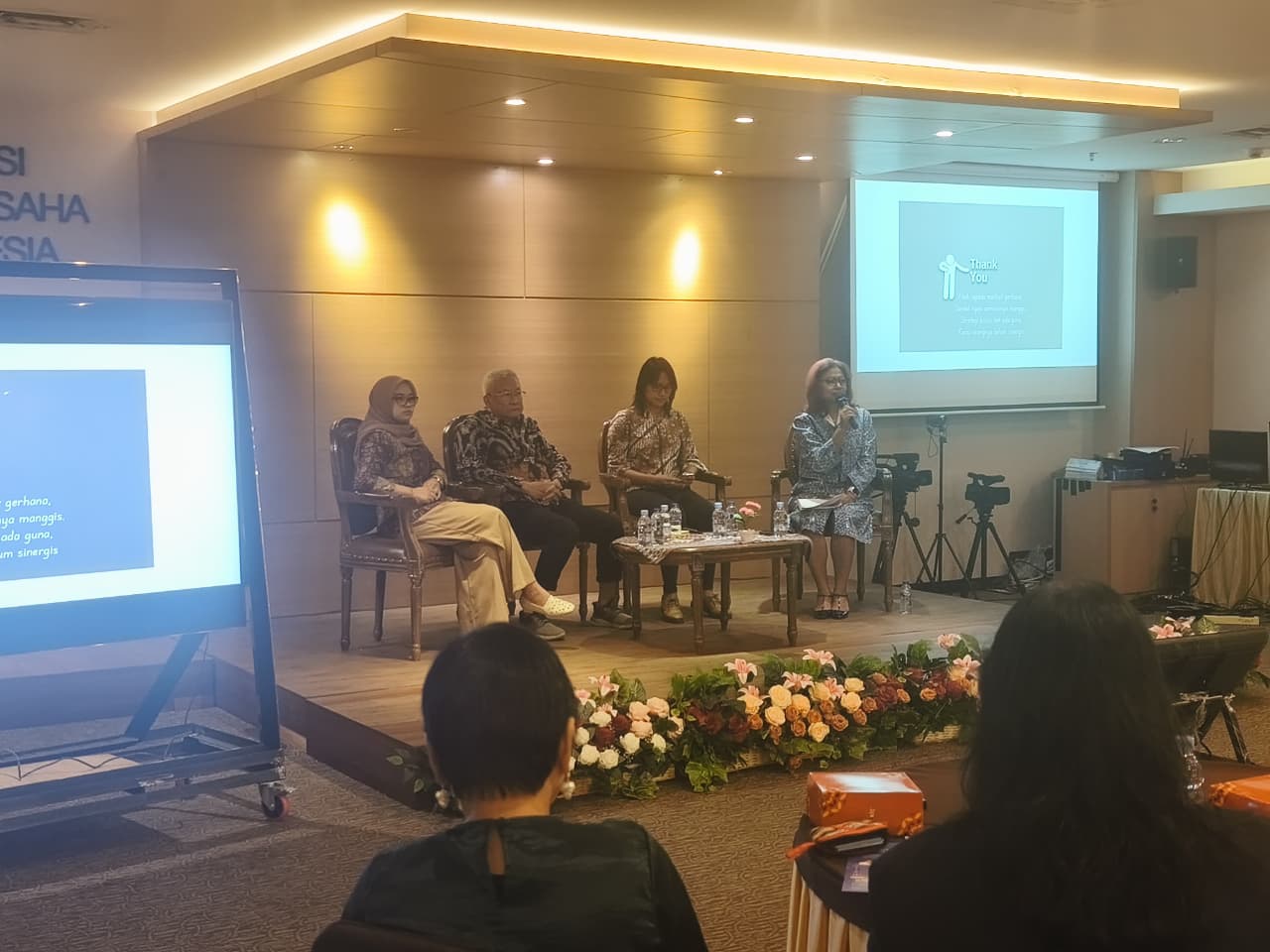
"It's no longer about having people as assets, but about having people with the right mindset," said Mery T. Oetomo, Commissioner of PT Datascrip, when opening the Smart Growth: Aligning People Strategy with Business Strategy organized by the Indonesian Employers Association (APINDO) and PT Datascrip.
This event is part of the members gathering among APINDO members. The theme related to Human Resources (HR) was chosen because it is the backbone of the organization, and the timing is considered appropriate, coinciding with the corporate planning period for 2026.
APINDO Executive Director Rudolf Saut said APINDO wants to help companies design business strategies as well as human strategies that are aligned.
In her presentation, Kompas.id HR & Learning and Development Manager Dinda Richfiela emphasized that the speed of technological change requires the world of work to be more agile in adjusting the direction of its strategy.
According to him, it is not enough for companies to recruit new talent, but also to ensure that all employees understand the overall goals and direction of the business. "The most difficult thing as HR is to change the working mindset ," he said.
Dinda cited the transformation of Kompas from print media to digital as a real challenge in aligning the readiness of human resources (HR) with business strategy.
These changes require companies to balance old employees with new talents who bring different competencies. The combination of recruitment and upskilling, said Dinda, is a middle way so that the digital acceleration does not leave anyone behind.
According to Dinda, the success of HR is no longer measured by administrative functions, but by its contribution in driving productivity and keeping business direction data-driven. HR, she said, must be a business partner who is involved from the beginning of decision-making, so that HR policies are aligned with the needs and targets of the company.
At Kompas.id, the concept is implemented through a Key Performance Indicator (KPI) system that applies from managers to staff.
Each division is required to have annual learning hours and produce innovations, including on the topic of artificial intelligence. A data-driven approach and a culture of learning are key for people and business to truly grow in unison.
In line with Dinda, Indra Sosroardjo, Chief Executive Officer of Andal, emphasized the importance of aligning business and HR strategies for balanced growth.
He cited Andal's experience in the early 2000s, when sales increased rapidly after a series of trainings, but the internal team was not prepared for the surge.
As a result, the company actually experienced financial pressure a year later. From there, he concluded that growth must be followed by the readiness of human resources who act as the driving force of the company.
Indra shared the experience of one of these applications. In recent years, Andal has started to integrate AI into the work process.
"My Head of Engineering said, 'Sir, we can't not use AI,'" Indra said.
According to Indra, the technology is applied to functions such as coding, code review, and debugging, while ensuring the team understands how to interact with AI through the right questions.
After three months, productivity doubled with the same number of people. "The key to AI is productivity," Indra said.
He added that the alignment between people strategy and business strategy can only work if the company has a clear direction at the level of vision, values and culture.
Its key pillars include values-aligned recruitment, structured development, accurate performance appraisals, and fair employee rewards and engagement.
Complementing Indra and Dinda's presentation, Rani Desiana, Sales Department Head of Andal, discussed the technology side that supports the HR development strategy.
In one of Andal's platforms, data is entered directly by the employee or department concerned, while the system automatically provides reminders if any data is incomplete. With this approach, employees can monitor remuneration details on a daily basis without waiting for the end of the month.
The automation system, Rani continued, provides room for HR to move from an administrative function to a strategic role.
With task reminders, contract period reminders, and direct integration with banks for payroll, HR can focus on analysis and decision making.
"The role of HR is no longer a call center, but a strategic partner that ensures business and employee development processes run efficiently and accurately," he said.
Met after the event, Rudolf Saut assessed that the development of AI, which is now widely discussed in the business space, is an inevitable necessity.
APINDO, he said, is even preparing a national program called AI Fluency in collaboration with Microsoft to provide free online training. "We start with APINDO members first, then go to schools," he said.
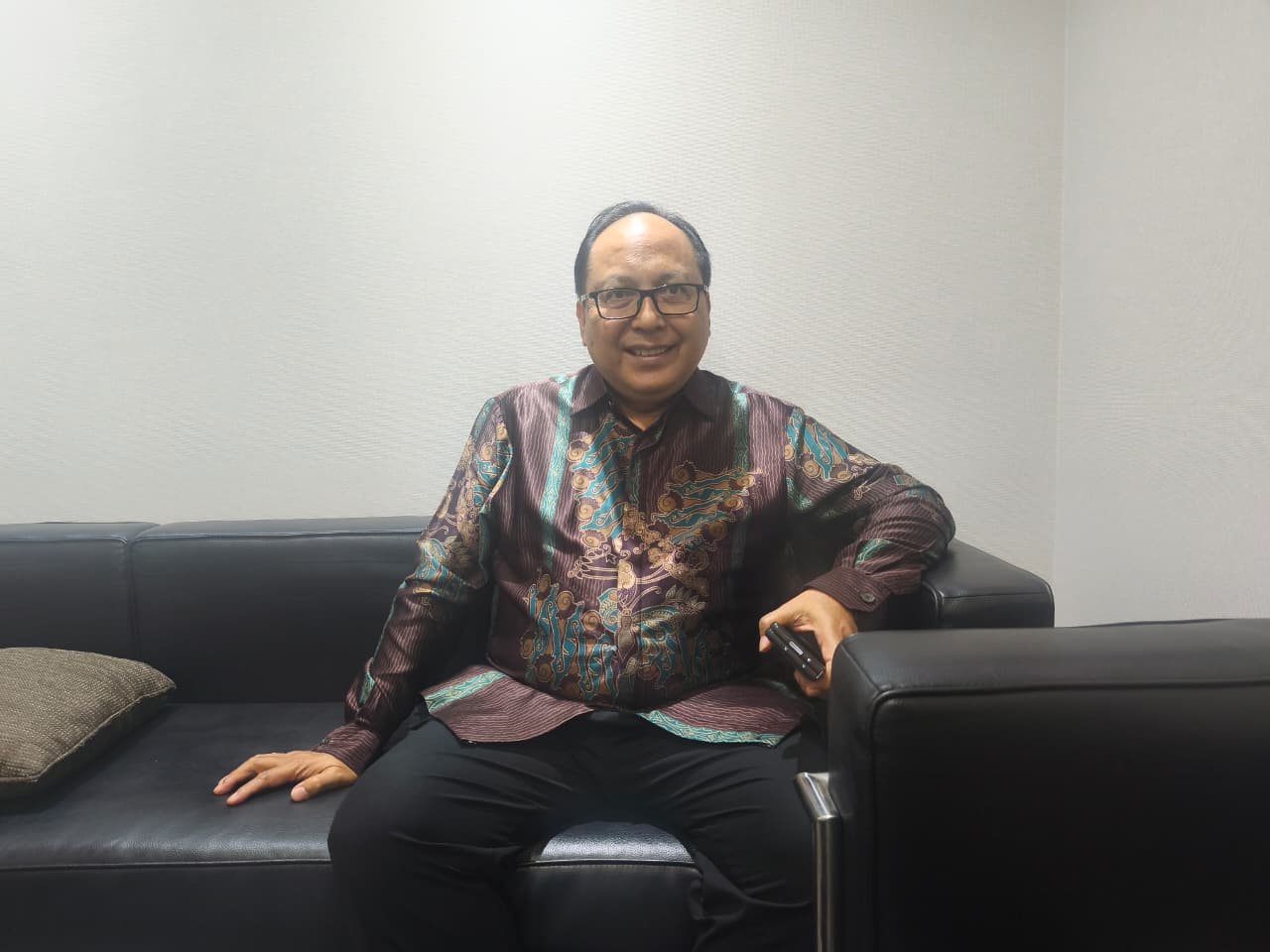
This program is APINDO's commitment to expand the understanding of technology in the business world. Rudolf believes that the ability to understand and utilize AI will make a difference in the productivity and competitiveness of companies.
Therefore, APINDO encourages businesses to not only focus on the business aspect, but also the readiness of its people to adapt to change.