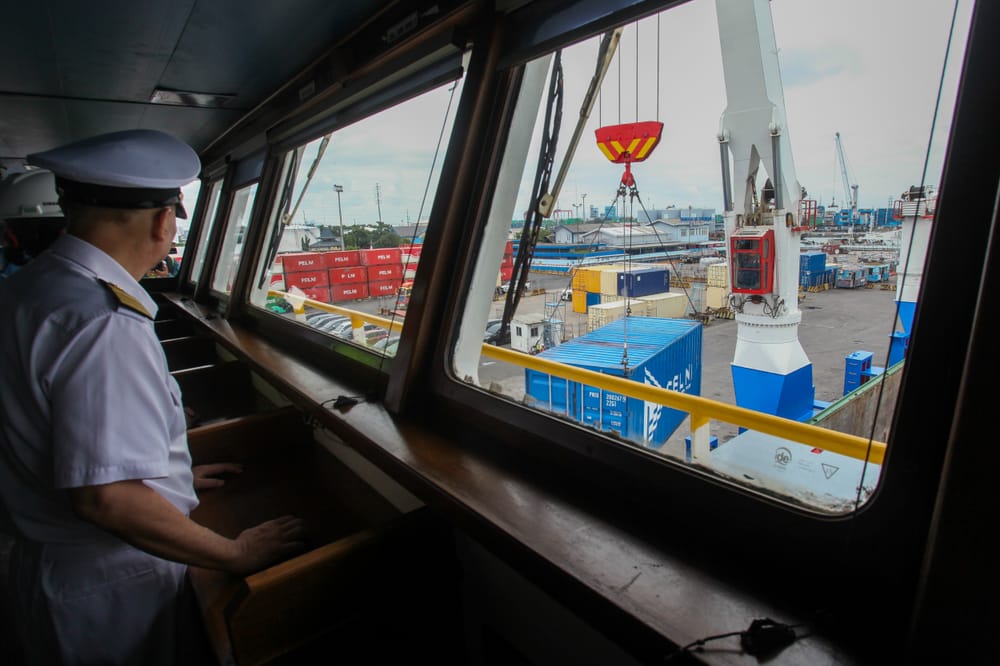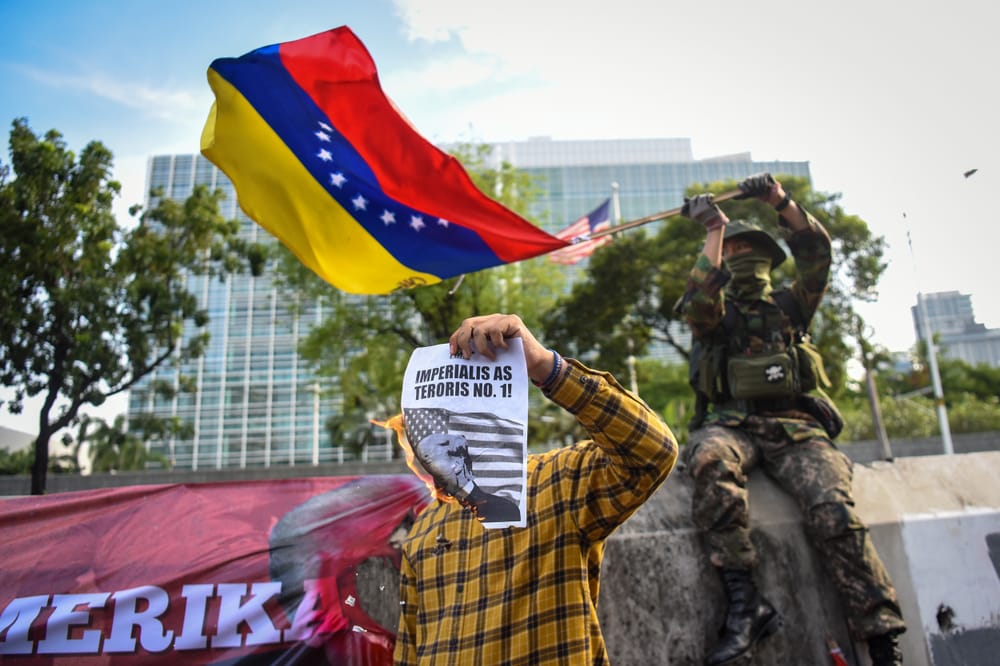

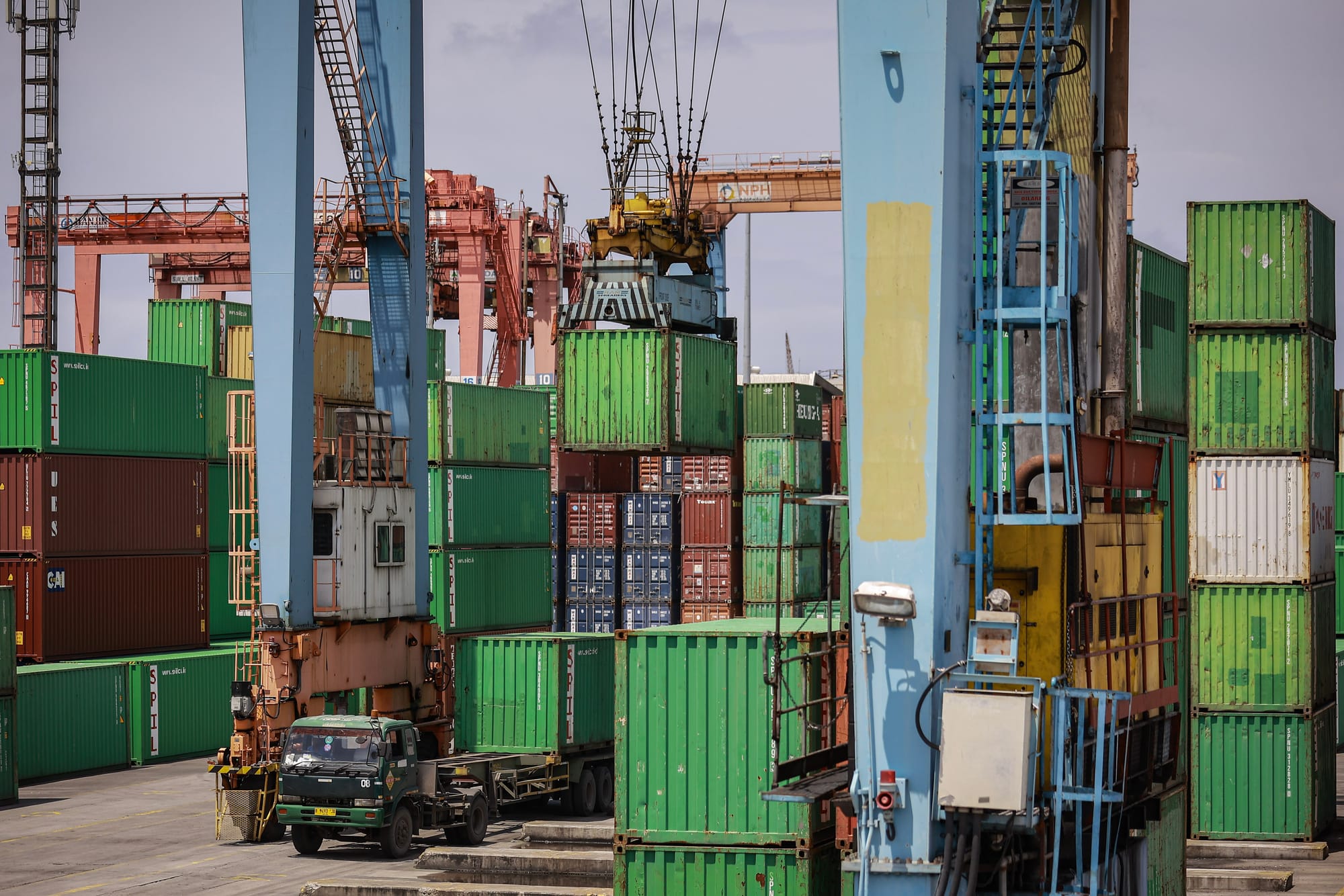
Exporters are concerned about rising logistics costs to the American continent following the United States' attack on Venezuela last weekend, escalating tensions in the region that are likely to affect global commodity prices such as gold and crude oil.
CEO of Supply Chain Indonesia (SCI) Setijadi said Indonesian exporters need proactive risk mitigation to secure the interests of market expansion that has been initiated, among others, through the Indonesia-Peru CEPA and the planned Indonesia-Brazil CEPA.
According to him, the geopolitical escalation resulting from the US attack on Venezuela has the potential to cause indirect impacts on the global supply chain, particularly through energy price volatility and international logistics costs.
"This impact could affect transportation costs and the reliability of delivery schedules to South America, although it does not directly disrupt Indonesia's trade flow to destination countries in the region," said Setijadi when contacted by SUARon Tuesday (06/01/2026).
In the context of Indonesia's efforts to expand its market to South America through trade cooperation such as the Indonesia-Peru CEPA and the planned Indonesia-Brazil CEPA, Setijadi believes that the market potential remains open and promising. However, Indonesian exports still need to anticipate an increase in logistical risks that may occur in the near future.
Specifically, there are at least three logistical risks that will arise in foreign trade to the region, mainly due to increased shipping costs by sea. First, the possibility of increased freight costs affecting total logistics costs. Second, changes in shipping routes to avoid vulnerable areas. Third, caution on the part of buyers in Peru and Brazil, which could delay shipments and lead to purchase rescheduling.
Faced with these three risks, Setijadi advises Indonesian exporters to strengthen supply chain risk management, not only through diversifying routes and logistics partners in countries prone to political crises, but also through adjusting export contract clauses and establishing intensive communication with buyers, especially to prevent longer delays and increased shipping costs.
"Supply chain resilience and flexibility are key factors in enabling Indonesia to not only maintain its exports to South America, but also strengthen its competitiveness amid increasing global uncertainty," Setijadi concluded.
Sharing Setijadi's view, Faculty of Economics lecturer Fachru Nofrian Bakarudin believes that the domestic political interests of the US are greater than the geo-economic interests resulting from the attack. Therefore, even though Venezuela's oil reserves are at stake, global crude oil production is relatively unaffected, as confirmed in an official statement by OPEC+ a few days ago.
"The US considers this attack part of an effort to save its declining economy, while China is leading the de-dollarization efforts of the countries of the Global South. Therefore, with the macroeconomy relatively depressed as a result of these changes, the business sector still needs to respond cautiously so as not to be directly affected," explained Fachru in Jakarta on Monday (05/01/2026).
Bargaining power
In addition to anticipating logistical risks in the near future, Chairman of the Indonesian Logistics Association (ALI) Mahendra Rianto said that export-import businesses could find a blessing in disguise after the US attack on Venezuela, especially embracing uncertainty as a new certainty since Donald J. Trump returned to power.
"Amidst geopolitical uncertainty, we have warned export buyers that we can no longer offer long-term contract rates , with a maximum of two weeks to one month, so that when we make promises to customers, we are not stuck with fluctuating prices," said Mahendra when contacted on Tuesday (06/01/2026).
Not only shortening the contract rate period, exporters and logistics operators need to take advantage of supply chain disruptions to increasetheir bargaining position. For example, when importing raw materials for domestic production, businesses can change the trade terms from Cost, Insurance, and Freight ( CIF) to Free On Board, so that the rights and risks are borne by the buyer.
"With these changes to the terms , the government can appoint local logistics companies to handle imports of these raw materials. When the government imports medical equipment or materials for EVs, we have the right to purchase and determine which logistics services to use. There are already many companies that are capable of doing this," he said.
According to Mahendra, taking advantage of the momentum of supply chain disruption to drive local logistics companies has a number of advantages, ranging from facilitating alignment with Indonesian regulations to maximizing the potential of logistics costs, which have long been a source of complaint, forthe upscaling of local logistics companies.
"If Bappenas says that Indonesia's supply chain costs 14.29% of GDP, that means almost Rp3,000 trillion. Of that amount, 40% is for transportation costs. This amount can help logistics companies invest and have branches abroad, so we can learn from them," said Mahendra.
Learning lessons amid ongoing global disruption will increase the resilience of local logistics companies, teaching them to survive by being proactive and taking initiative. Mahendra emphasized that this is how export companies can survive and remain resilient amid global disruption.
Under observation
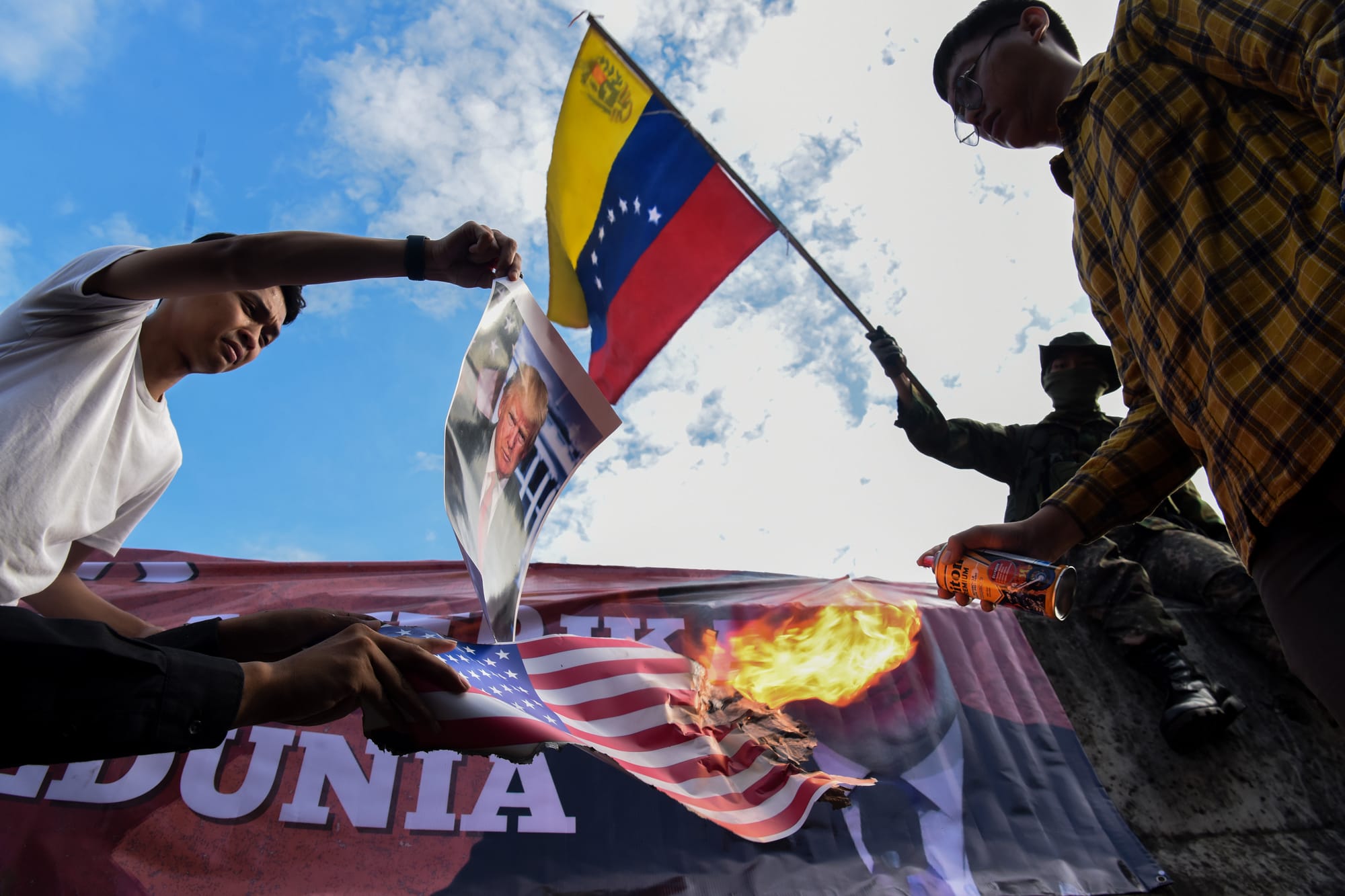
Separately, Spokesperson for the Coordinating Ministry for Economic Affairs Haryo Limanseto emphasized that the current situation in Venezuela has not had a direct impact on the Indonesian economy, given that Venezuela does not have a significant direct transmission to Indonesia's real sector. Therefore, production, consumption, and the domestic trade balance have not been relatively affected by last Saturday's US attack.
"The relationship between Indonesia and Venezuela in the areas of trade, investment, and energy dependence is still very limited, so it does not have a significant impact that directly affects Indonesia's economic fundamentals," Haryo told SUARon Tuesday (06/01/2026).
However, the government continues to monitor any potential impacts resulting from increased global geopolitical tensions following the attack on Venezuela, particularly in relation to crude oil prices and supply chains, which affect not only Indonesia's energy security but also that of the entire world.
"The Indonesian government remains consistent in its position, calling on all parties to prioritize peaceful resolution through de-escalation measures and dialogue, as well as continuing to open up trade and economic cooperation with various countries in anticipation of the current global conditions," he concluded.