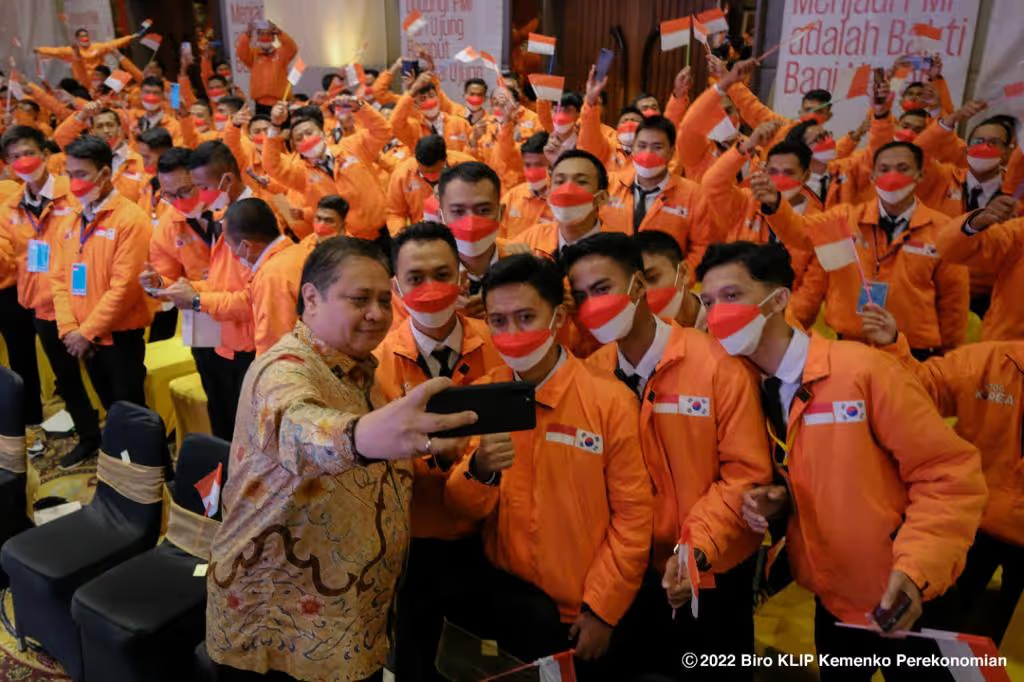
Indonesia is one of the largest migrant worker sending countries in the world, especially to Southeast Asia and the Middle East.
The placement of migrant workers has significantly contributed to the national economy through remittances, but efforts are still needed to encourage a significant increase in the placement of migrant workers abroad.
These efforts are still faced with various social, legal and labor protection challenges.
Related policies
Law No. 18/2017 on the Protection of Indonesian Migrant Workers (PMI) as the main legal umbrella.
BP2MI (Indonesian Migrant Workers Protection Agency) as the implementing agency for protection and placement.
G-to-G (government-to-government) programs and digitized placement systems such as SIPMI for efficiency and transparency.
The data shows that unemployment can be significantly reduced in the future, one of which is by well-managed labor dispatch from now on.
The government is also serious about training and advocating for protection, including before departure and after return.
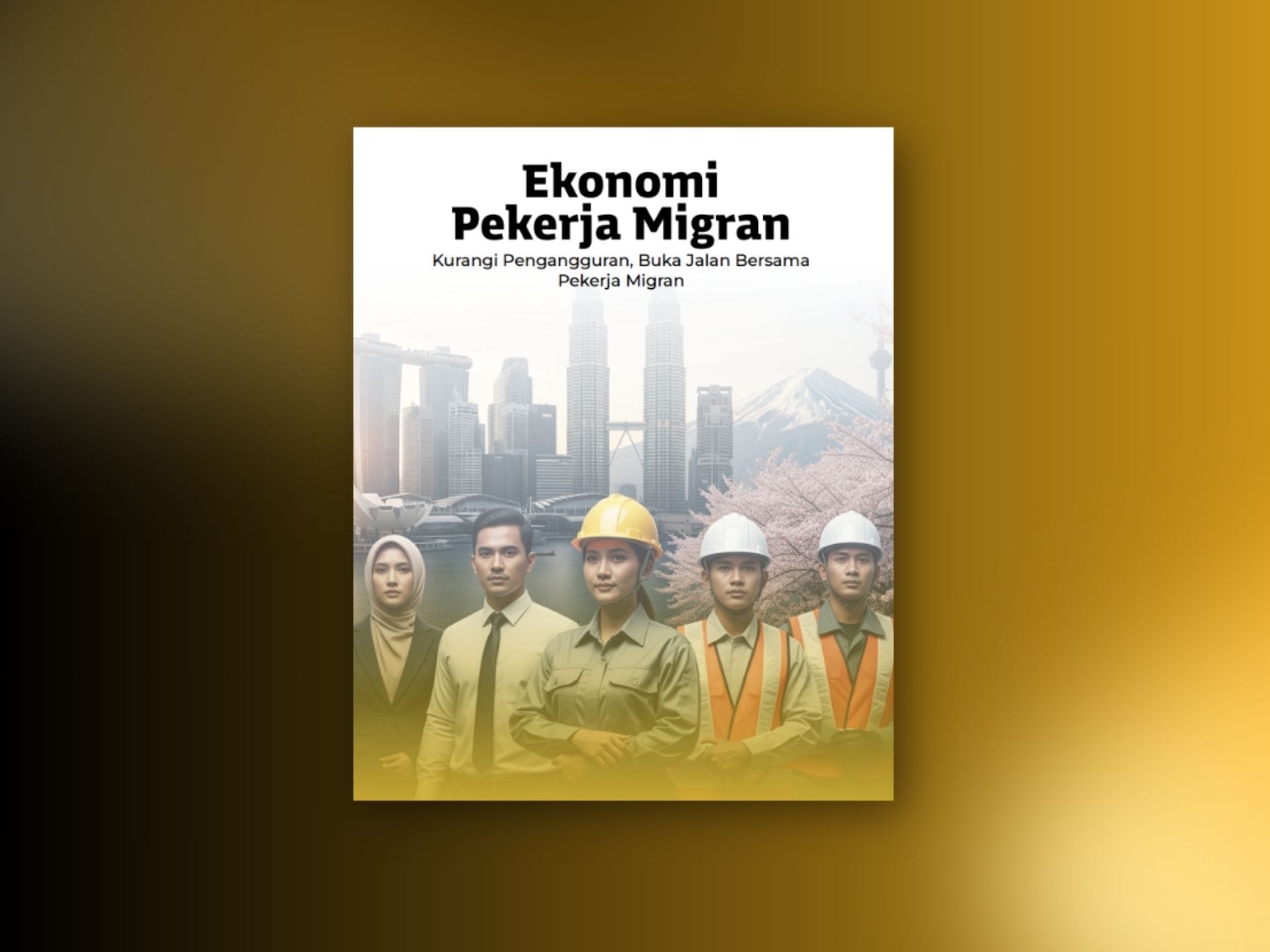
There are four sectors and occupations that are the main destinations for the placement of Indonesian migrant workers:
- Care sector: Caregivers/Elderly Care Workers
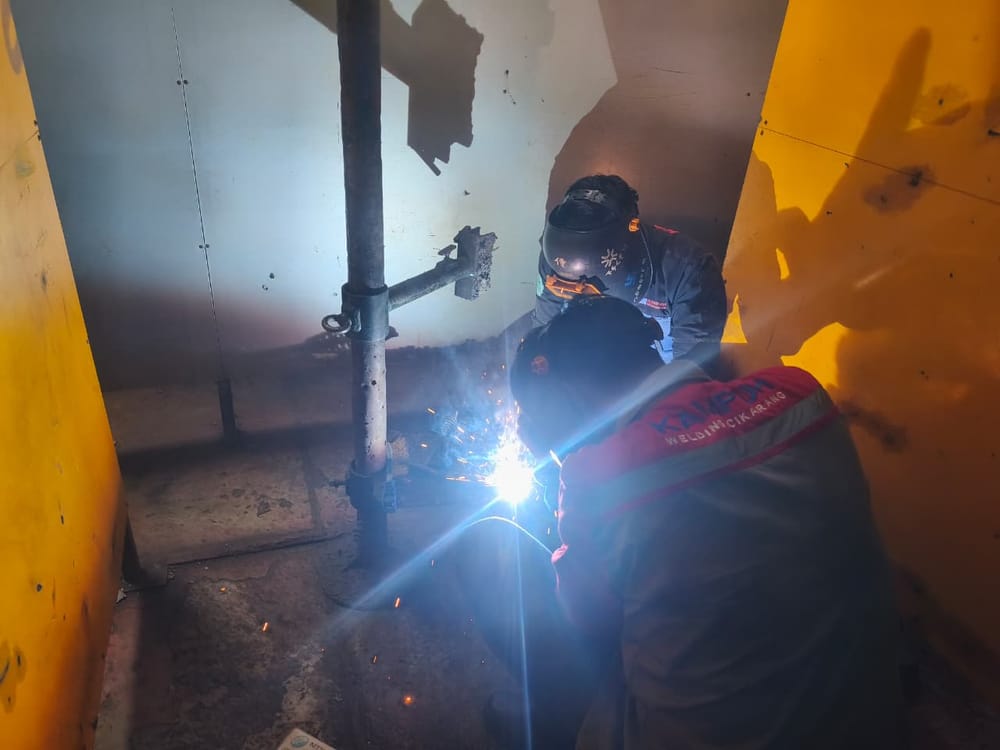
- Industrial sector: Welder
- Hospitality sector: Hotel staff
- Agricultural sector: Horticultural workers
Challenges in increasing the placement of migrant workers
- Limited number of competent training institutions
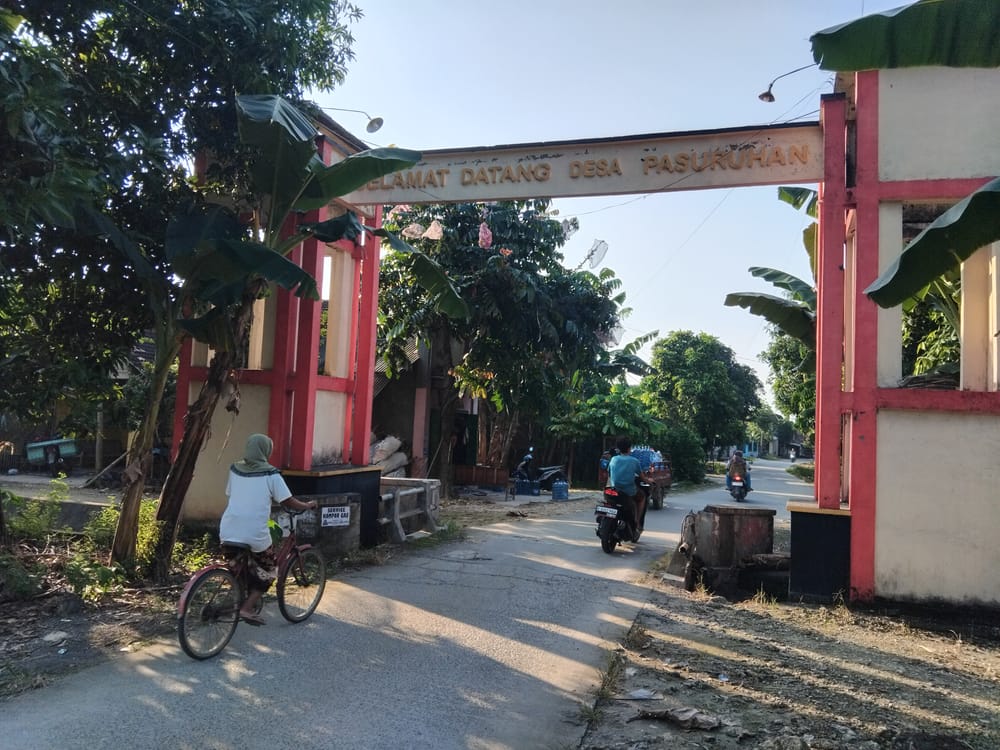
- Lack of access to information and skills for prospective migrant workers, especially in remote areas.
- Brokering practices and high placement fees.
- Weak mechanisms for handling cases of violence or exploitation in destination countries.
There have been many efforts to improve skills:
- Central government: building vocational training centers, as well as language centers
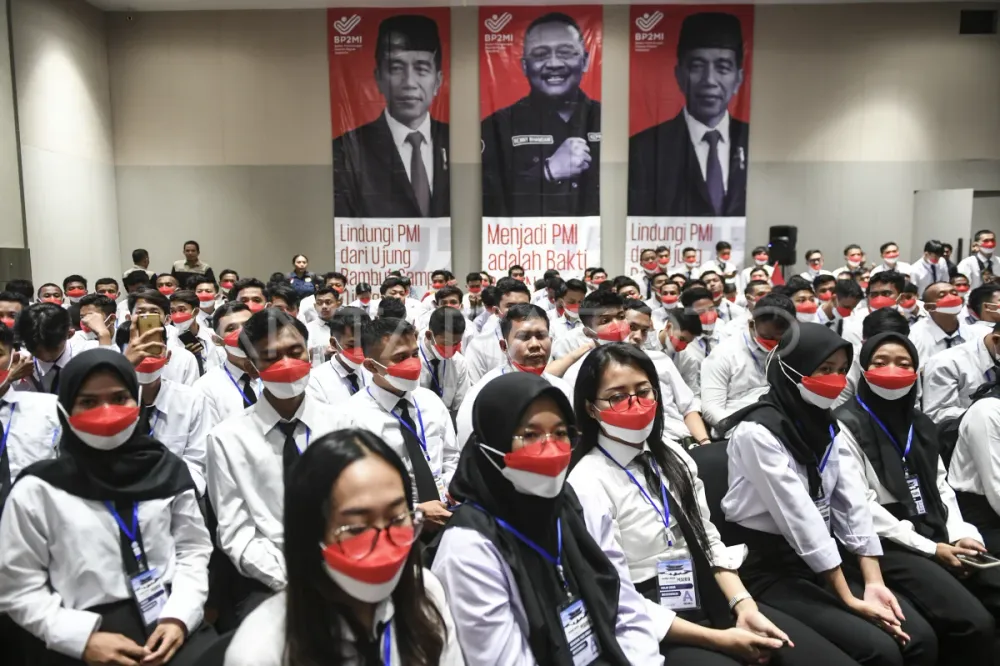
- Local government: conduct socialization to prospective migrant workers (CPMI). Also cooperate with the Indonesian Migrant Worker Placement Company regarding the needs of PMI placement.
- Private or P3MI: acts as a training institution, strengthening skills and language in collaboration with the language institute of the placement country.
- Embassies or representatives of countries abroad, in addition to protecting migrant workers, also look for new opportunities related to the migrant worker placement sector.
Ongoing solution
-
Universities are collaborating to become migrant centers for integrated services that combine information, training, certification, and overseas job placement.
-
Strengthening the bailout system or soft loans through cooperatives, subsidiaries of placement companies as well as the People's Business Credit (KUR) for business capital, can also be through assistance from village funds.
-
Revitalize and expand privately-owned certified training institutions.
Improving the quality of human resources who will work abroad will have a major impact on the country's economy. Of course, each migrant worker also needs to adjust to the culture of the placement country. After returning home, migrant workers also need to be nurtured so that they can develop the economy in their own homes.