Indonesia’s economy is showing sharper signs of stress as global headwinds weigh on domestic demand. The country’s Manufacturing Purchasing Managers’ Index (PMI) fell to 46.9 in July 2025, its lowest level since August 2021 and the third consecutive month of contraction, signaling a deepening slowdown in factory activity.
The downturn reflects weakening household purchasing power, with new orders falling at their fastest pace in nearly four years, according to S&P Global.
Export sales have held steady, but soft domestic demand is dragging down production, forcing manufacturers to scale back capacity, cut purchases, and trim jobs.
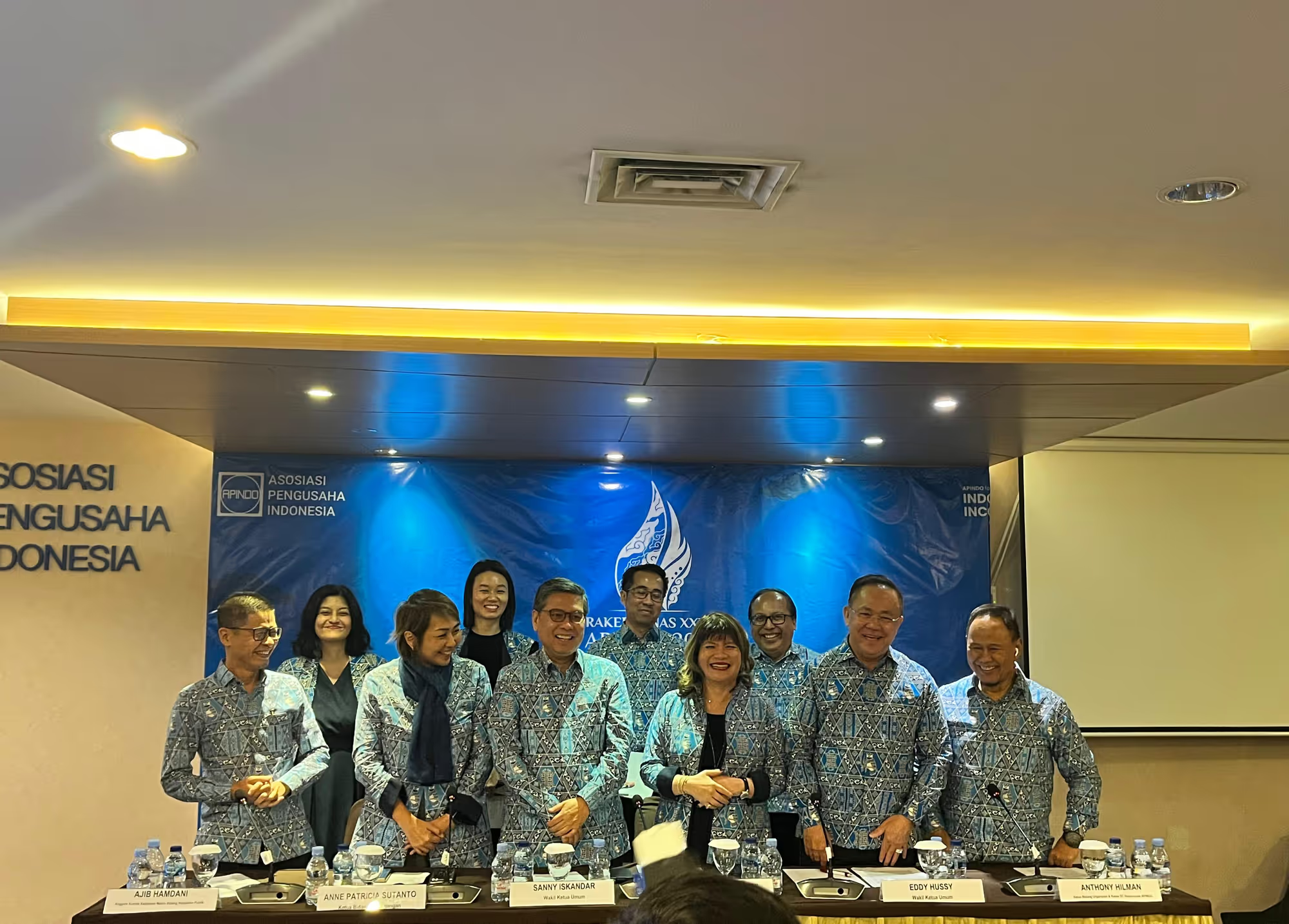
“Uncertainty in global conditions, weakening purchasing power—indeed, the economy as a whole is not in good shape. We saw from the June manufacturing PMI data that it remained in contraction territory, below 50,” said Shinta Kamdani, Chairwoman of the Indonesian Employers’ Association (Apindo), during a press conference ahead of Apindo’s 2025 Rakerkonas (July 29, 2025).
The PMI’s continued position in contraction reflects weak manufacturing production activity amid global uncertainty.
“And especially in labor-intensive sectors, such as PPT, textiles—sectors that are heavily pressured today,” Shinta added. The decline hits hard, as labor-intensive industries remain a key pillar for job creation.
Meanwhile, S&P Global data in July showed new orders fell at the fastest pace in nearly four years.
According to Usamah Bhatti, Economist at S&P Global Market Intelligence, this is a worrying signal for the months ahead.
“Sharp sales declines since August 2021 have forced manufacturers to cut production, reduce purchasing activity, and even downsize their workforce,” Usamah said in an official statement (July 1).
“Looking forward, companies are less optimistic about future output, with confidence dropping to its lowest level in eight months,” he continued. This comes amid persistent concerns over the fragile global economy.
Another key fact: the decline in new orders is driven mainly by domestic demand. Indonesian producers reported export sales remained steady, but weak local demand dragged down factory output, forcing a reduction in production capacity.
This situation triggered a fall in employment levels and purchasing activity for the third straight month, although the pace of decline remained relatively moderate.
Apindo’s Rakerkonas: Searching for a Turning Point
Faced with mounting economic pressures, the Indonesian Employers’ Association (Apindo) is set to convene its 34th National Working and Consultation Meeting (Rakerkonas) on August 4–6, 2025, in Bandung. With the theme “With the Spirit of Indonesia Incorporated Towards Golden Indonesia 2045”, this year’s Rakerkonas is positioned as a consolidation forum to push forward practical steps that can keep the economy moving amid turbulence.
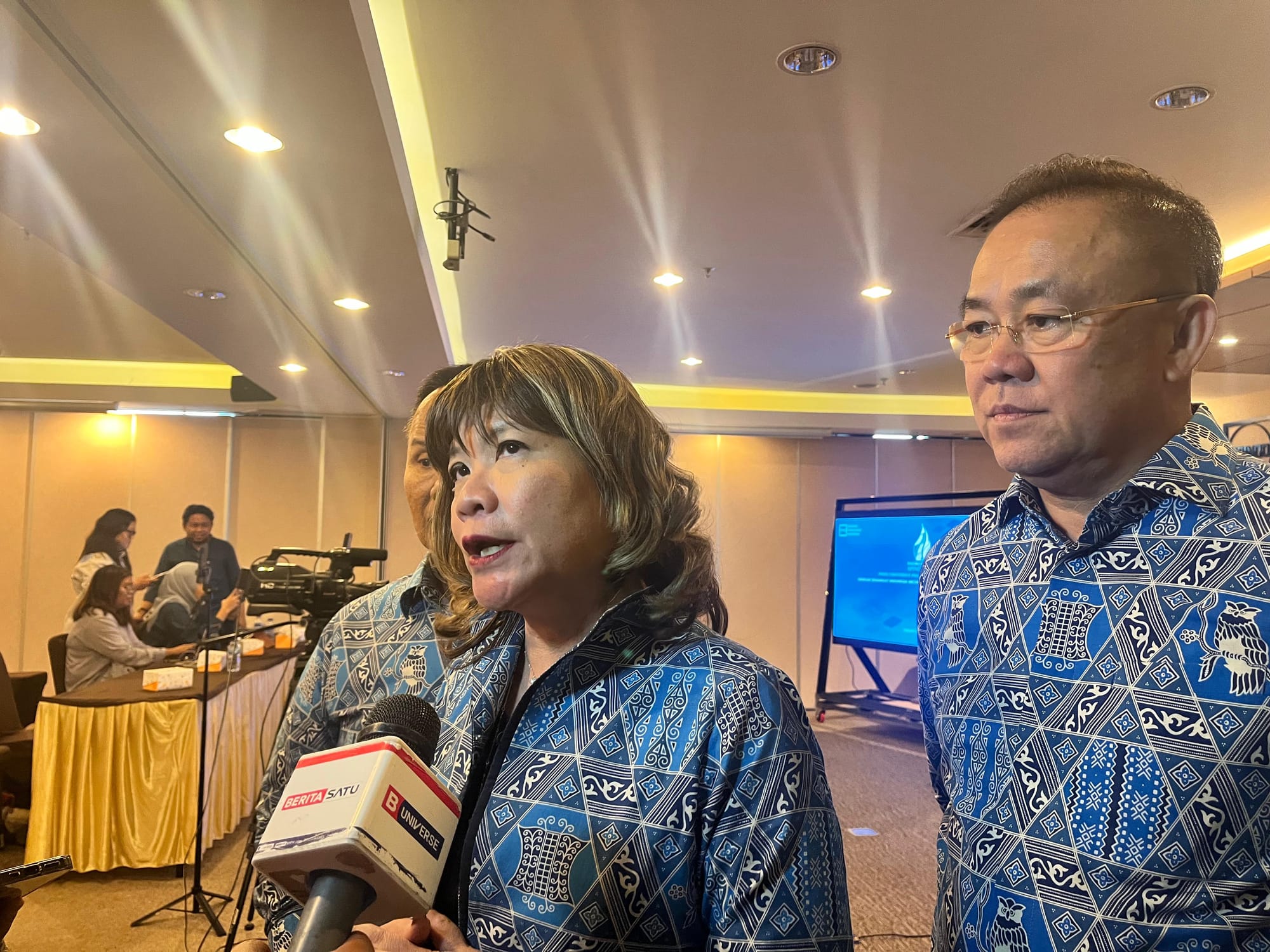
Shinta Kamdani, Apindo Chairwoman, emphasized that the biggest concern is not merely economic growth figures, but the shrinking job market.
“Our greatest worry is once again job creation. We see so many job seekers waiting for opportunities, while vacancies remain limited. This is compounded by waves of layoffs and the looming threat of deindustrialization,” she said.
Apindo stressed that the forum would focus on tangible measures to ensure businesses not only survive but also generate added value under global pressure.
Still, Shinta noted that internal efforts alone are insufficient, calling for stronger synergy between business and government.“We hope for policies that support not only large enterprises but also MSMEs and labor-intensive sectors,” she added.
For MSMEs, Apindo introduced the Panduan Lestari this year as a strategic step to help small businesses and cooperatives become more resilient and adaptive to change. “This guide is an ESG (environmental, social, governance) reporting framework designed to make businesses more resilient and responsive,” explained Dewi Meisari, Head of MSME and Cooperatives at Apindo.
Through the guide, MSMEs are expected to be better prepared to enter international markets while strengthening their role in a global business ecosystem that increasingly demands innovation alongside social and environmental responsibility.
“With this launch, Apindo invites all business players to embrace sustainability as a new identity in doing business,” Dewi said.
Incentives and Reforms: A Lifeline for Labor-Intensive Sectors
Among its key recommendations, Apindo urged the government to provide targeted incentives with direct impact on the survival of labor-intensive industries currently under pressure. “Apindo stresses the importance of well-measured incentives that have real impact on industrial diversity, especially labor-intensive sectors,” Shinta stated.
Proposals include VAT exemptions for office storage services and selected raw materials, faster VAT restitution, and the removal of import duties on raw materials. “We also propose expanding government-borne income tax (PPh 21),” she added. These steps, Apindo argues, are crucial for maintaining competitiveness.
Apindo also highlighted the burden of expensive financing. “Equally important, we are pushing for easier access to funding. Our interest rates remain too high, making it difficult for companies to sustain operations, manage affordable costs, and maintain production capacity,” Shinta said.
On top of fiscal measures, Apindo pointed to the need for cost and energy efficiency. Proposals include stimulus for BPJS Healthcare subsidies for affected sectors, affordable energy schemes such as subsidized electricity and gas, and renewable initiatives like rooftop solar (PLTS Atap). Regulatory reforms were also urged to reduce licensing barriers and logistics costs.
Holding on to Optimism Amid Dark Clouds
Despite PMI data and manufacturing contraction flashing red warnings, businesses continue to hold onto optimism. Apindo believes that with the right policy support, Indonesia’s economy still has room to move forward.
“With the many challenges faced by businesses, the stagnation of growth in recent years threatens the achievement of our national vision,” said Eddy Hussy, Apindo Vice Chairman and Commissioner of PT Rezeki Graha Mas Utama.
Meanwhile, Apindo’s Economic Policy Analyst, Ajib Hamdani, reiterated the association’s commitment to pushing forward priority issues with direct impact on the national economy, particularly job creation.
“Apindo will remain consistent in monitoring and advocating business priorities that directly affect the economy, especially those linked to job creation,” Ajib said.
Looking ahead, Rakerkonas will not only serve as a forum to air grievances but also as a platform to craft real solutions—ranging from product innovation and digitalization to efficiency strategies.
Behind the red numbers of PMI lies a spirit of adaptation, collaboration, and perseverance. As Shinta put it: “The economy must keep moving,” in order to preserve the hopes of millions of workers and ensure business sustainability toward 2045.
Seizing Opportunities for Labor-Intensive Sectors Amid Contraction
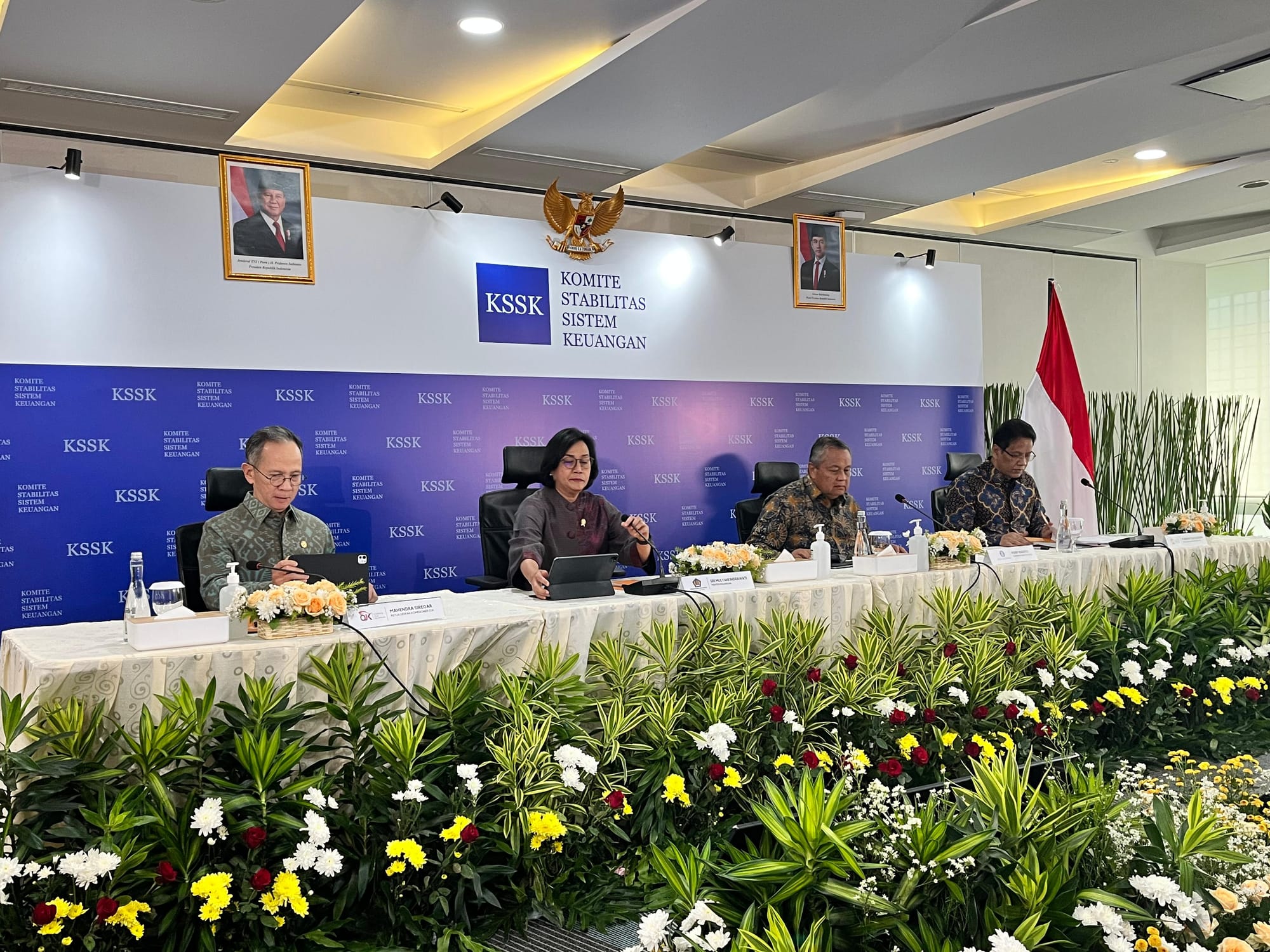
Concerns from the business community have also been echoed by the Financial System Stability Committee (KSSK). In a press conference on Monday (July 28), Finance Minister Sri Mulyani Indrawati highlighted the importance of strengthening the resilience of the national manufacturing sector, particularly labor-intensive industries, amid increasingly complex global pressures.
“The role of the private sector as a growth driver will continue to be encouraged through policy support and accelerated deregulation, including promoting cross-sector collaboration for greater optimization,” Sri Mulyani said.
She acknowledged that the PMI’s position below the expansion level must be taken seriously, as it directly correlates with job absorption and the threat of deindustrialization—especially in industries such as textiles, footwear, and garments.
To counter these pressures, the government is actively pursuing strategic measures, including negotiations to reduce reciprocal U.S. tariffs to 19% for Indonesian products. “This step is expected to boost the performance of labor-intensive industries,” she noted.
On the other hand, implementing 0% import tariffs for several U.S. products is also expected to help lower the cost of raw materials, including oil and gas as well as food commodities, thereby easing the production burden on domestic manufacturers.
The government believes that these measures, supported by cross-sector synergy and collaboration with Bank Indonesia, will help safeguard liquidity and industrial competitiveness. “Strategic policies will continue to be enhanced to create a larger multiplier effect, with Indonesia’s economy in 2025 still projected to grow around 5%,” Sri Mulyani concluded, underscoring the need for rapid adaptation and innovation to ensure manufacturing remains the backbone of the national economy.
Expert View: Time to Think Out of the Box
Amid contracting PMI and global headwinds, economists argue that businesses must adopt more creative and adaptive strategies. Bhima Yudhistira, Executive Director of the Center of Economic and Law Studies (Celios), stressed that collaboration is not just a slogan but a concrete survival key.
“Collaboration can take the form of co-investment or joint project financing, syndicated loans from multiple financial institutions, or factory sharing,” Bhima explained (July 29).
He gave the example of factory sharing, where businesses share responsibilities for machinery and production facilities. “For instance, MSMEs in the metal sector partnering with PLN for electrical components,” he added. Such initiatives are seen as critical to reduce investment costs and strengthen competitiveness.
Bhima also suggested pivoting towards more resilient sectors. “These include the leisure economy—entertainment businesses—and the lipstick economy, or personal care products,” he said. These industries tend to remain stable as consumer demand persists despite weakening purchasing power.
Product adaptation is another crucial strategy. “For example, large-size food and beverage products can be repackaged into sachets,” Bhima noted. This approach addresses declining household purchasing power by keeping products affordable while retaining market share.
Equally important, Bhima reminded businesses to safeguard liquidity.
“Cash is king in times of uncertainty,” he emphasized.
By ensuring healthy cash flow, companies will have the breathing space to adapt, realign strategies, and face prolonged global pressures.