
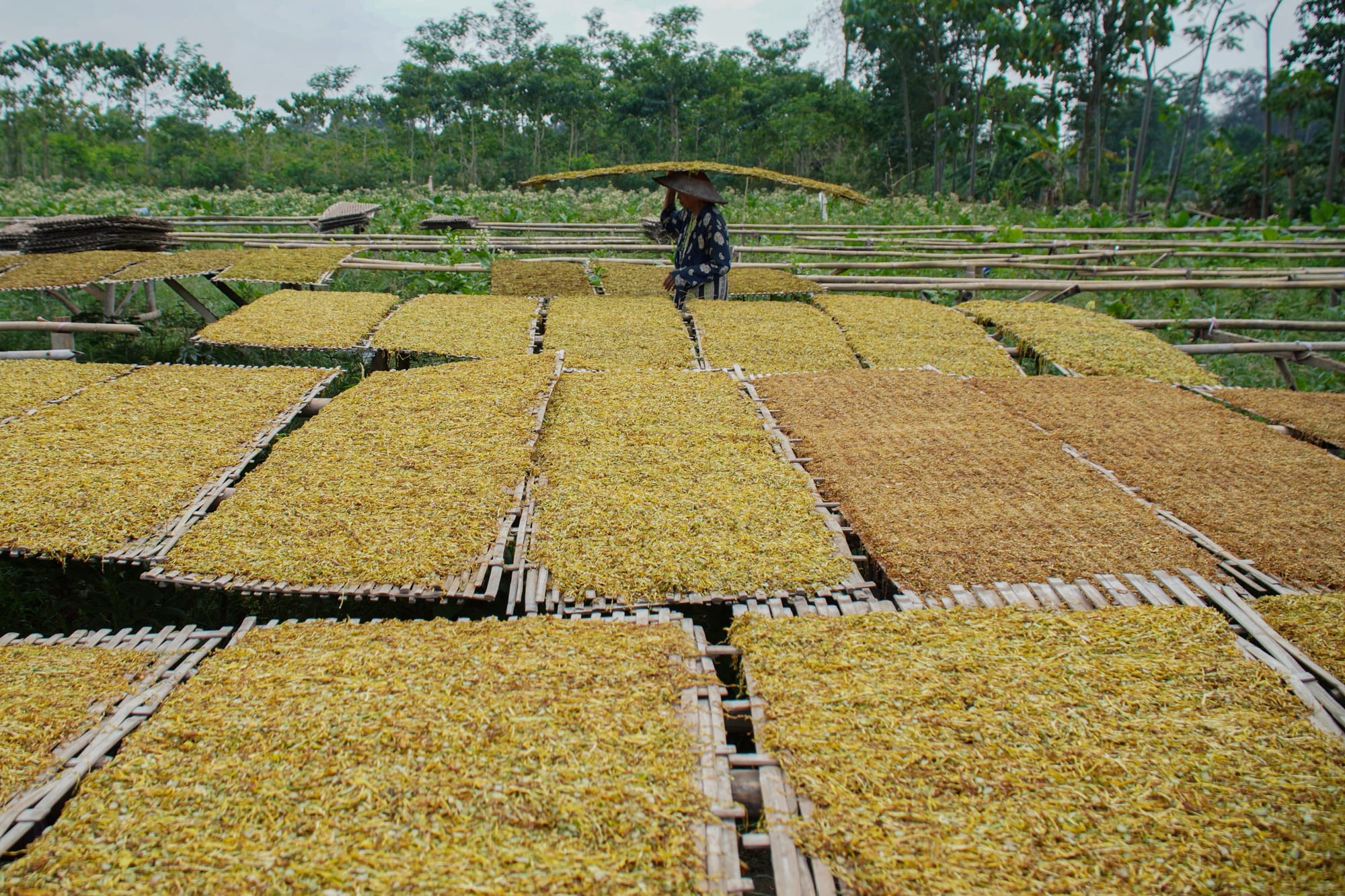
The business world is asking the government not to increase excise rates next year. The aim is to protect labor-intensive industries that are currently under pressure.
Chairperson of the Indonesian Employers Association (Apindo) Shinta Kamdani said that labor-intensive sectors that are not doing well are the food and beverage industry and tobacco products. The food and beverage industry is weakening due to unstable consumer purchasing power and high production costs due to logistical raw material prices.
Meanwhile, the tobacco industry is still facing an ever-climbing increase in excise tax on tobacco products (CHT). If there is an excise tax increase next year, it will reduce the competitiveness of labor-intensive industries. Even though this industry absorbs a large enough workforce.
"The government should consider not raising excise rates next year. Just postpone it for the good of labor-intensive industries, especially food and beverages and tobacco," he said in his official statement in Jakarta (8/9/2025).
Apindo also appreciates the government's decision not to raise tax rates for next year and to focus more on pursuing taxpayer compliance.
The decision not to increase the tax rate must be balanced with the decision not to increase the excise rate to make it equally fair. Shinta added that the improvement of the tax refund mechanism, the provision of energy incentives, logistics, and the acceleration of VAT refunds are needed to maintain company liquidity.
This decision not to raise tax rates must be matched by a decision not to raise excise taxes to make it fair.
In addition, Apindo proposes additional incentives, such as a reduction in industrial gas prices, discounts on LWBP electricity, renewable energy incentives, and the expansion of Government Borne Income Tax (PPh 21 DTP). According to Shinta, such support will provide room for the labor-intensive sector to survive amid global uncertainty.
"With consistent policies and effective implementation, state revenue can remain optimal without sacrificing business sustainability and job creation," he explained.
Needs to be reviewed again
Economic observer from the Institute for Development Economics and Finance (Indef) Eko Listiyanto said the government should look at the condition of the real sector first before deciding to raise excise rates.
There are several industries that are affected if excise rates increase, such as tobacco.
On the one hand, the reduction in excise tax rates also has a positive impact. Among them is maintaining people's purchasing power. An increase in excise tax can lead to an increase in the price of excisable goods, such as cigarettes. If excise taxes do not increase, the prices of these goods tend to stabilize, so that people's purchasing power is not eroded.
"Small and medium industries that are not yet economically strong may find it difficult to raise their selling prices if excise taxes rise. With no excise tax increase, they can operate more stably," he told SUAR in Jakarta (8/9/2025).
An increase in excise tax on legal goods can encourage consumers to switch to illegal goods because they are cheaper. If excise taxes do not increase, the desire to switch to illegal goods will decrease, so the circulation of illegal goods will also decrease.
Gudang Garam is not doing well
Cigarette issuer PT Gudang Garam Tbk (GGRM), one of the large labor-intensive industries, is reportedly facing challenges along with declining performance in the last five years. During this period, the excise tax on tobacco products (CHT) routinely increased every year.
GGRM is rumored to have conducted mass layoffs at one of its partner companies in Tuban, East Java. However, this information was denied by the President of the Confederation of Labor Unions of the Archipelago (KSPN) Ristadi, who claimed to have received information directly from management.
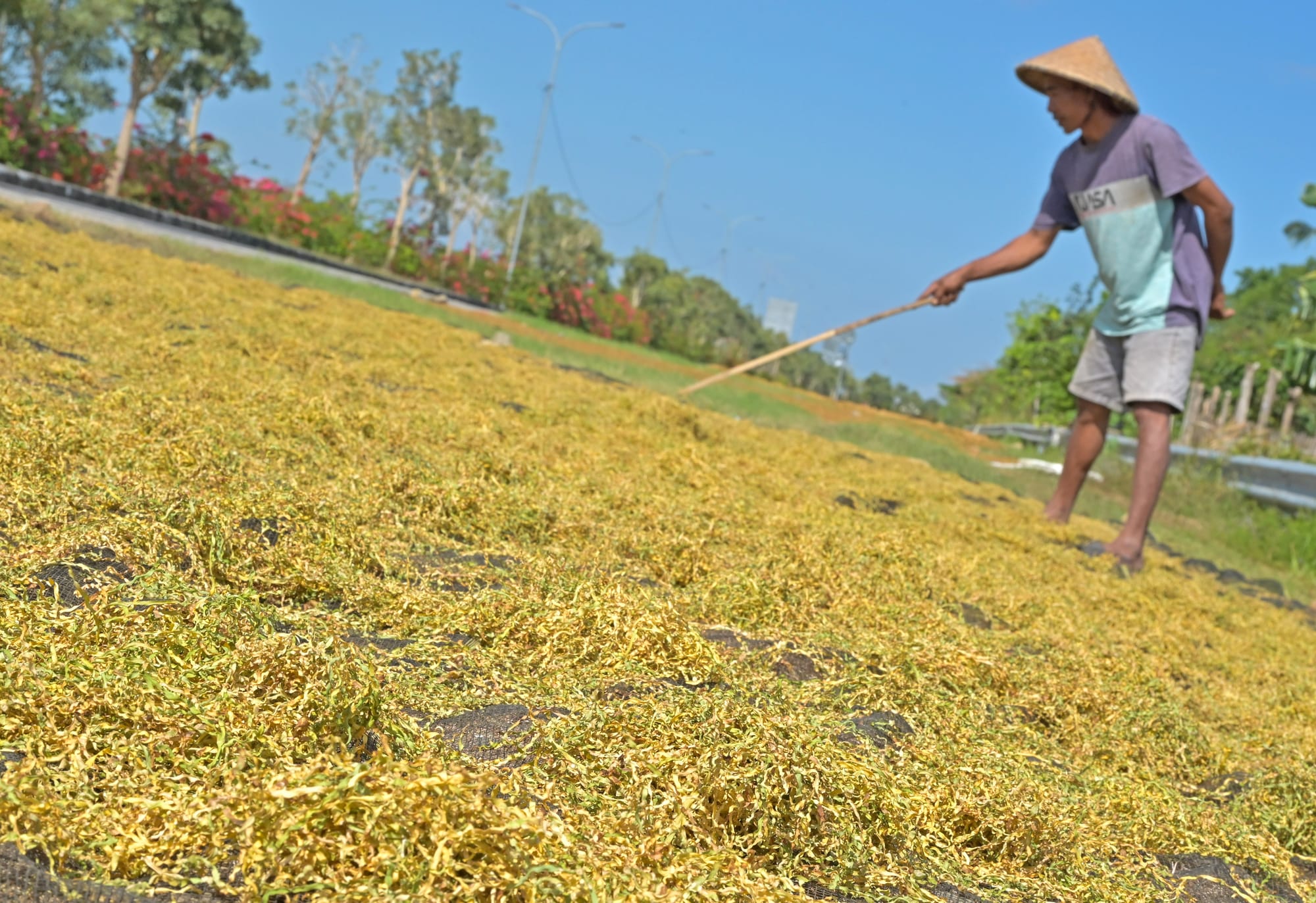
Coordinating Minister for Economic Affairs Airlangga Hartarto responded to news related to layoffs at PT Gudang Garam. Until now, there has been no report from the largest cigarette producer.
Airlangga said that the layoffs at Gudang Garam were due to the possibility that the company had begun to implement modernization. He ensured that he would continue to monitor the development of the issue.
"We monitor, because Gudang Garam has also used modernization. Later we will see, yes, Gudang Garam has not reported," said Airlangga in Jakarta (8/9).
Excise revenue 2026: IDR 334.3 trillion
Previously, when she was still Minister of Finance, Sri Mulyani Indrawati targeted state revenue from the customs and excise sector to reach IDR 334.3 trillion by 2026. This figure is part of the total state revenue target pegged at IDR 3,147.7 trillion.
He added that the government will also intensify import duties in line with the fast-changing dynamics of international trade. The current global trend is to reduce import duty tariffs, while export duties are more directed to support downstream products.
The government is also committed to strengthening law enforcement and combating the circulation of illegal excisable goods - including tobacco products and other goods - to prevent smuggling.