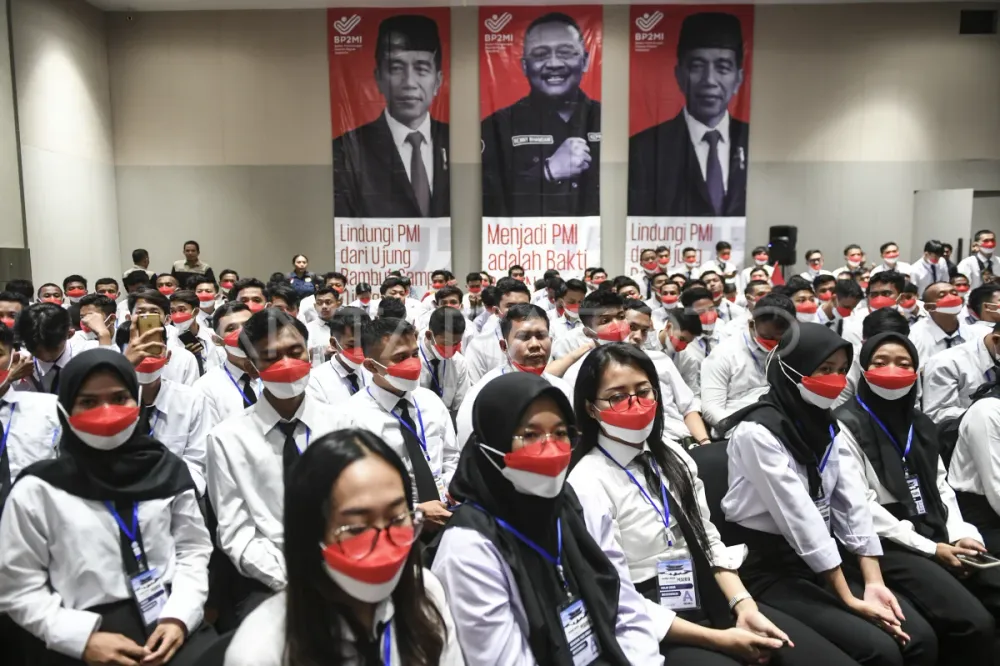
The government and private sector collaborate to boost the skills of prospective migrant workers. Financing problems are solved with credit initiatives through cooperatives and banks.
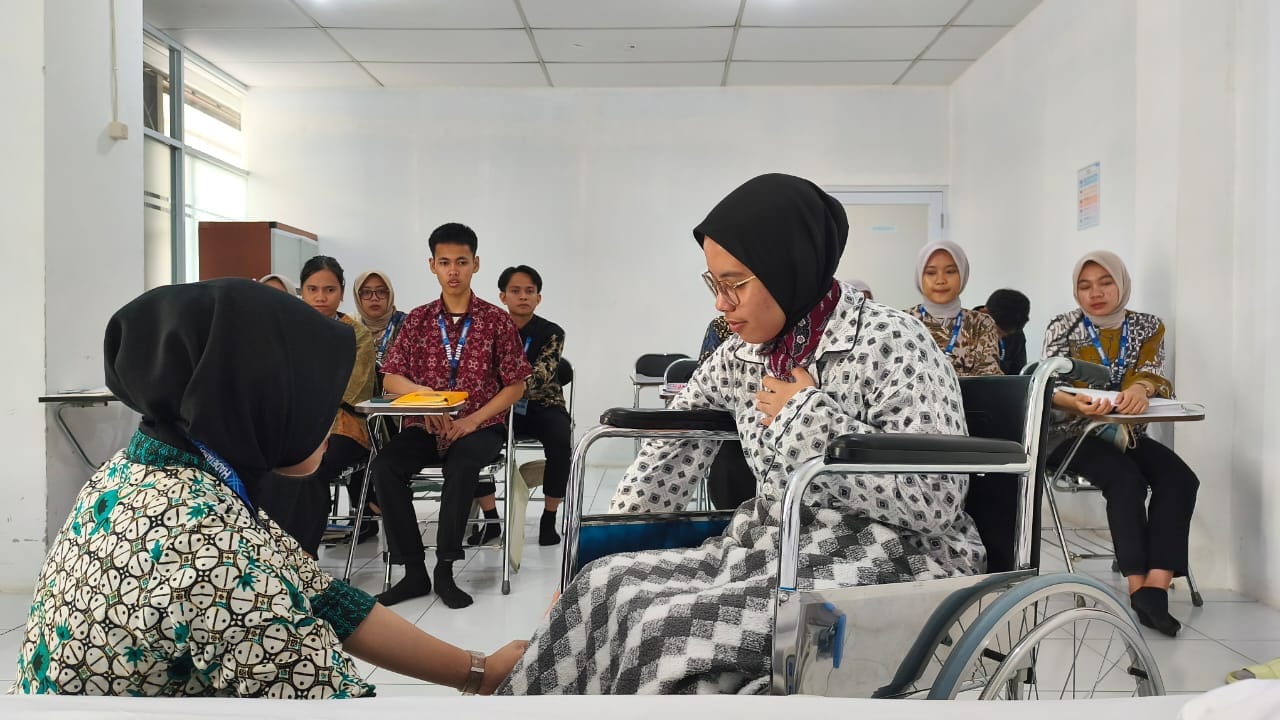
Tia Novianti still looked exhausted when met on Tuesday afternoon, July 1, 2025. This 24-year-old woman had just finished practicing carrying patients in the middle of a field that was exposed to the sun. Previously, she had also practiced walking ethics, while carrying a tray loaded with plates and glasses.
She repeats this activity every day until she becomes proficient in her goal of qualifying as an Indonesian Migrant Worker (PMI) to Taiwan as a nanny or cargiver. For 10 months, she has been training at the Sentosakarya Aditama Vocational Training Institute (LPK) located in Bekasi City, West Java.
Departing from her hometown in Cirebon, Tia was determined to increase her competence so she could work abroad. The training started at 8am, with Mandarin lessons until noon. In the afternoon, instructors train technical competencies such as how to bathe elderly people, suck phlegm, drain food from a hose, learn to count and lift weights.
For Tia, the training program at LPK was new. This is because her experience as a domestic assistant or ART for six years in West Jakarta is different from that of a caregiver, whichrequires advanced skills - not just domestic work such as cooking and cleaning.
Tia's patience in practicing has paid off. This July, she is waiting for her ticket to Taiwan. The agency there matches Tia's profile and competencies presented by the Indonesian Migrant Worker Placement Company (P3MI). Tia departed facilitated by a channeling company integrated with Tia's LPK.
According to the Taipei Indonesian Economic and Trade Office, the salary range for caregivers starts at NT$29,000, or around Rp16 million. "I want to go abroad so I can pay off my parents' debts. I can repair my house, buy rice fields and land. (And) so I can live a good life," Tia told Suar.
After practicing and gaining knowledge, Tia also completed the requirements with a caregiver certificate from the National Professional Certification Agency (BNSP). PT Sentosakarya Aditama's Operations Director, Febri Eko, explained that all PMI candidates must pass the BNSP competency test.
Skill Costs Money
In addition, instructors who train prospective Indonesian migrant workers (CPMI) must also be equipped with BNSP certificates. "We cannot take our own initiative. All training, debriefing, and empowerment refer to BNSP," said Eko.
Even so, said Eko, his party also cannot rely on standards according to BNSP certification. The training institute took the initiative to cooperate with a hospital in Bekasi for training, so that their clients would be satisfied. However, all training is not cheap. As of July, there are at least 60 CPMIs training at the LPK.
During the training, there are costs incurred by the manager and from CPMI's pocket. "Roughly speaking, per month it can be up to 50 million, (for) housing, food and not yet operational," Eko explained.

Meanwhile, from the CPMI side, the costs incurred are at least IDR 15 million. That also applies to the time spent waiting for a job call. The longer the job call, the impact on operational and training expenses that exceed the normal duration of 6-8 months.
Therefore, in order to ease the burden, according to Eko, the government is present to provide assistance. "If you want to create an ecosystem for zero cost, the government must be present, meaning that PMI is not charged at all," he said.
Currently, there is also quite a lot of demand for PMI in the nursing sector, such as caregivers, which can reach hundreds of people per year. This is only from one training center such as LPK Sentosa. Usually, the placement countries are Taiwan and Hong Kong. This is in line with data from the Ministry of Protection of Indonesian Migrant Workers, which exposes the dominance of PMI in these two countries, with job specifications in the care sector.
The care work sector such as caregivers is now one that is encouraged to increase its placement, semi potential remittances and strengthen the bargaining power of PMI. In worker specifications referring to the International Labor Organization (ILO), caregivers fall into the medium-skilled job category.
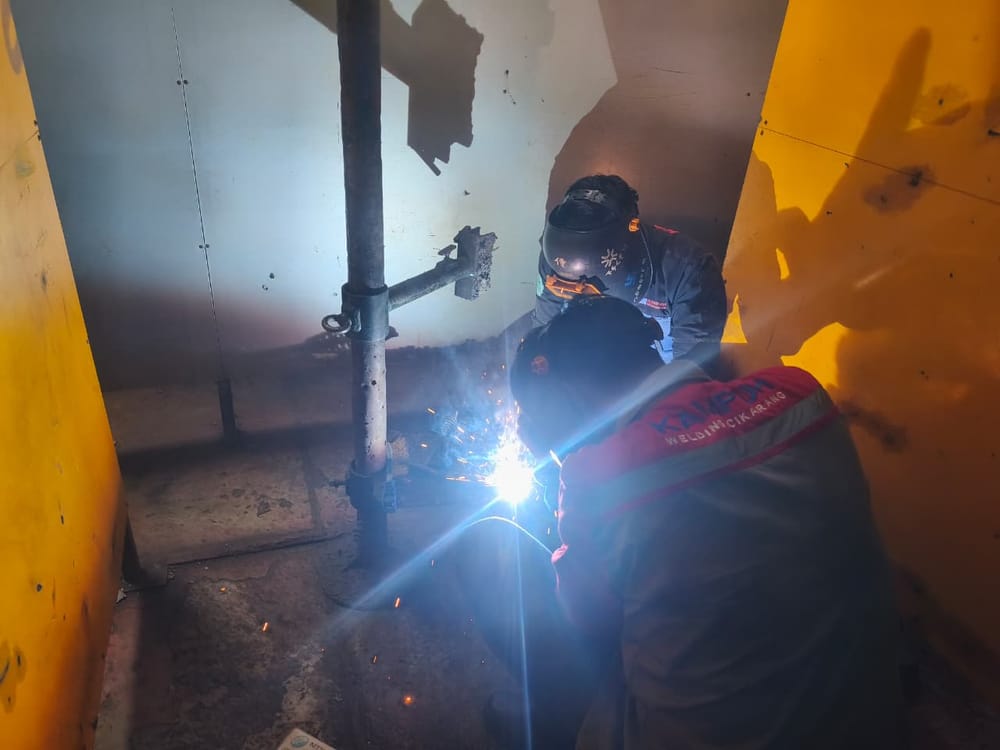
According to a study by the Indonesia Business Council (IBC), caregiver jobs are one of the four jobs that are a competitive advantage for PMI, in addition to the welding, horticulture, and hospitality sectors.
Still in the IBC study, the allocation of PMI in the care sector is directed for placement in Germany and Japan, as the need for caregivers in the two countries will reach nearly 270,000 workers by 2024. Meanwhile, the distribution of PMI with caregiver status is only 59,000 people.
In addition, competitor countries such as the Philippines, which supply migrant workers in the care sector, tend to place most of their migrant workers in Hong Kong and Vietnam, instead of Europe, where only 8 percent of their total migrant workers are employed.
Local Government Involvement
The need for foreign workers for various job sectors in several placement destination countries is actually also evenly distributed, not only nurses. Purwanti Utami, Head of the Placement and Expansion of Employment Opportunities Division, East Java Provincial Manpower and Transmigration Office (Disnakertrans) admitted that she meets with P3MI migrant labor channeling companies every day, asking them to prepare skilled workers such as last repairmen, painters, electrical workers and plumbers to be placed in several Asian countries, such as South Korea, Japan and Taiwan.
These countries are currently opening massive job vacancies. "They are building a lot of shipping industries," said Ami, Purwanti's nickname. The need is around 100 people before the end of this year. So it needs to be prepared quickly.
The high demand for competent migrant workers from East Java is natural, because East Java is the province with the most migrant workers. In 2024, there were more than 79,000 migrant workers who worked abroad from the province in the eastern part of Java.
Currently, there are five countries with the highest number of migrant workers from East Java, namely Hong Kong, Taiwan, South Korea, Japan, and Malaysia. And from the estimates of the East Java Provincial Government, in the next 5 years gradually, the demand for formal sector PMI will increase and the Disnakertrans of the East Java Provincial Government (Pemprov) wants more PMI to sit in formal positions.
"The problem is whether in terms of skills our workforce is able to meet these opportunities," said Ami, who also serves as PLT Head of UPT Labor Protection Services, East Java Disnakertrans.
In the next 5 years, the demand for formal sector PMI will gradually increase.
To polish PMIs to have competence, in East Java there are already 16 Work Training Centers (BLK) as training centers for prospective PMIs. Not to mention vocational schools, one of whose graduates is directed to meet the demand for labor in other countries.

In addition, the East Java Disnakertrans also has many partnerships with universities that produce many skilled workers, such as polytechnics. So that if it cannot be fulfilled from BLK or SMK, it can be from universities. This cooperation is also intended to educate the education sector, which sometimes does not know the official procedures for sending migrant workers abroad.
Hendra Kusuma Sumantri, Head of the Manpower Expansion and Transmigration Placement Division, West Java Provincial Manpower and Transmigration Office agrees that sending workers abroad can be one of the solutions to reduce unemployment in the country.
According to him, over the past two years, from 2023 and 2024, job vacancies in Indonesia have ranged from 200 thousand vacancies to 300 thousand vacancies. For West Java, the number is about half, or around 100 thousand vacancies to 150 thousand vacancies. So the competition is very tight.
However, when compared to job vacancies abroad, following data from the Ministry of P2MI, there are around 900 thousand vacancies to 1.2 million job vacancies abroad. "We should take this opportunity," said Hendra.
Although there does need to be preparation. For example, since the school level, the education office has to adjust the character needs of the existing job demand. "There needs to be a pairing between the labor market and the source of the workforce," Hendra said.
Central-Local Policy Harmonization
In addition, to be able to boost the delivery of skilled workers, one of the obstacles is the prospective migrant workers themselves. Who sometimes are not well prepared in terms of commitment.
While the formal obstacles are more in the context of government regulations, then also related to the main tasks and functions that exist at each level of government. Because there needs to be synchronization between policies at the central level that are consistent with what is done by the local government.
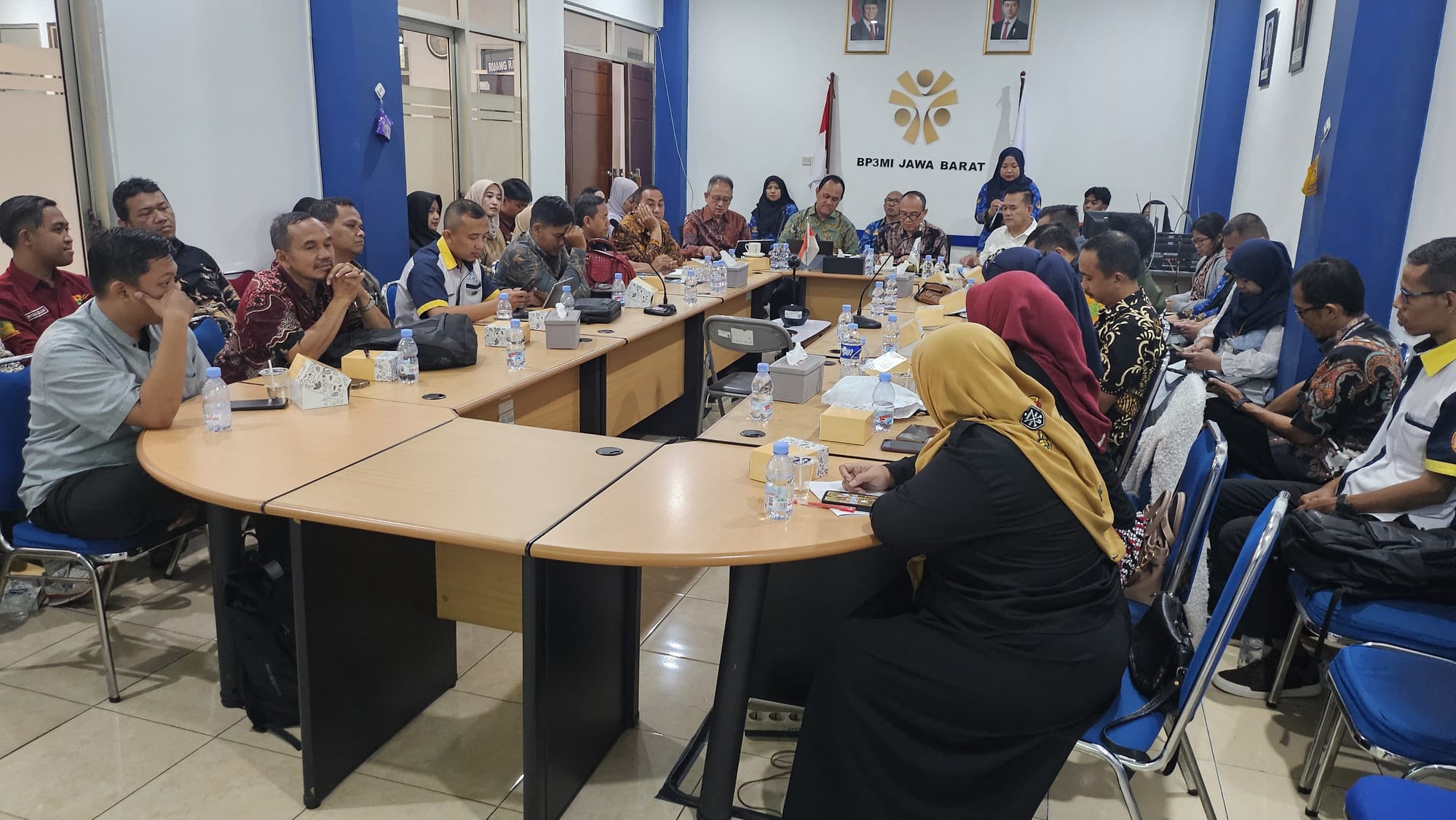
Hendra said that once the central government encouraged the sending of migrant workers to a country. When the local government had already conducted training, suddenly the central government did not continue the program, so many prospective migrant workers failed to leave. "We also lost money because we had already spent the budget for training," Hendra said.
West Java itself has long made policies related to the sending of migrant workers. During the time of Governor Ahmad Heryawan, there was the term Jabar Mengembara, a policy of encouraging workers in West Java to go abroad.
The short-term goal is to reduce unemployment, improve the welfare of workers, and in the long term, they are expected to become entrepreneurs who can absorb labor.
At that time around 2019, the most travelers from West Java were in Sydney, Australia. The number is approximately 5,000 people. This policy was also continued by the governor after him.
Finally, West Java Province has also made regional regulations related to migrant workers, which are derived from Law number 18 of 2017. "We even made a regional regulation before there was a Government regulation, Regional Regulation number 2 of 202," Hendra said, this also emphasizes the commitment of the West Java Provincial Government to manage migrant workers.
The West Java Provincial Government also cooperates with the Ministry of P2MI in advocating and protecting migrant workers. To facilitate coordination, the Provincial Government also built the West Java Migrant Workers One-Stop Service (LTSA PMI) in 2022 as a training center and case settlement for problematic migrant workers.
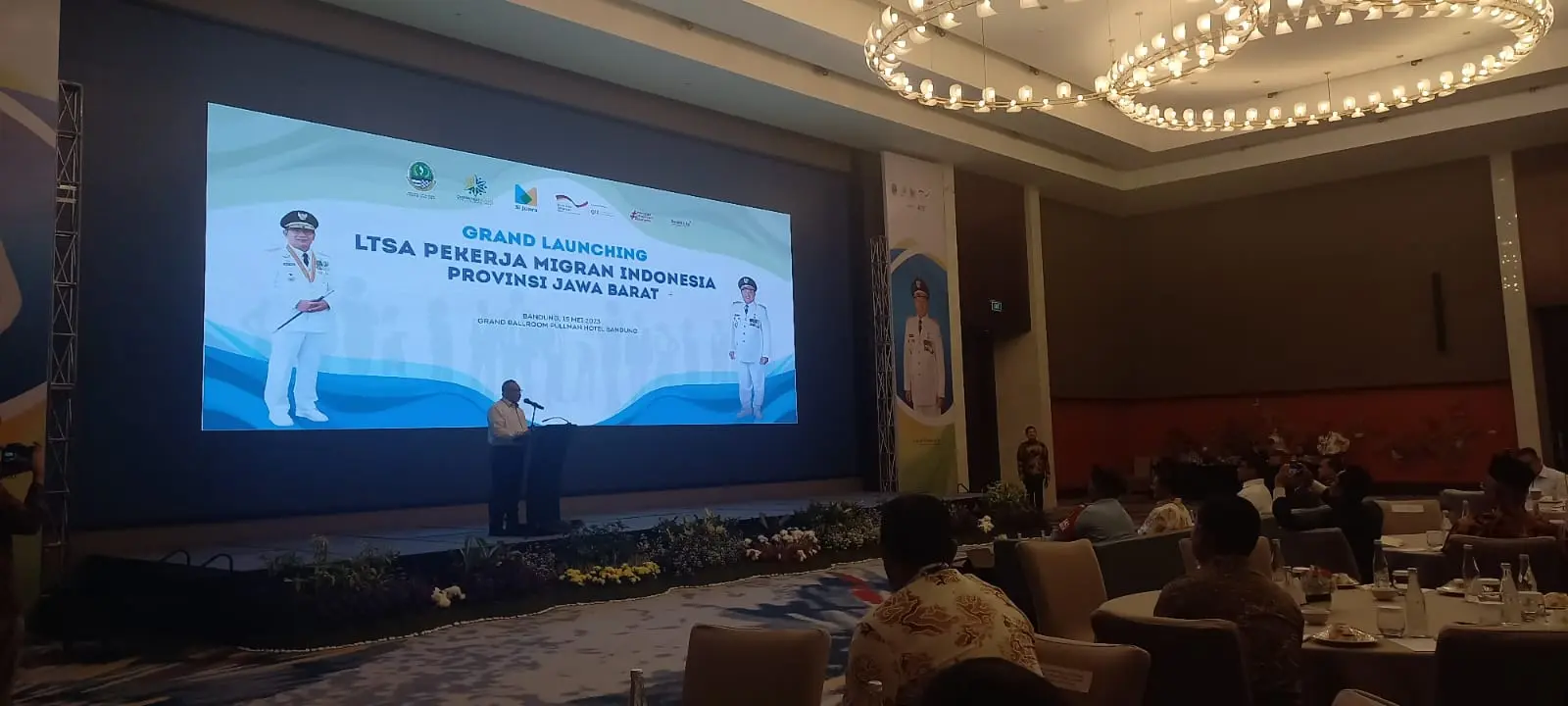
Collaboration is also carried out with parties from abroad such as with GIZ or Deutsche Gesellschaft für Internationale Zusammenarbeit (GIZ), an international cooperation agency from Germany. West Java Provincial Government and GIZ initiated cooperation through a program called Zentren für Migration und Entwicklung (ZME) or, Migration and Diaspora Program. "There we prepare many things, tools, related to syllabus, training to increase the capacity of migrant workers in West Java," Hendra said.

According to Hendra, what the West Java Provincial Government has done is indeed to increase the capacity of migrant workers. However, for shipping and placement issues, it must indeed talk about a larger ecosystem, namely coordination with the central government. Because after all, the decision for that is the authority of the central government.
Reducing obstaclesbefore departure
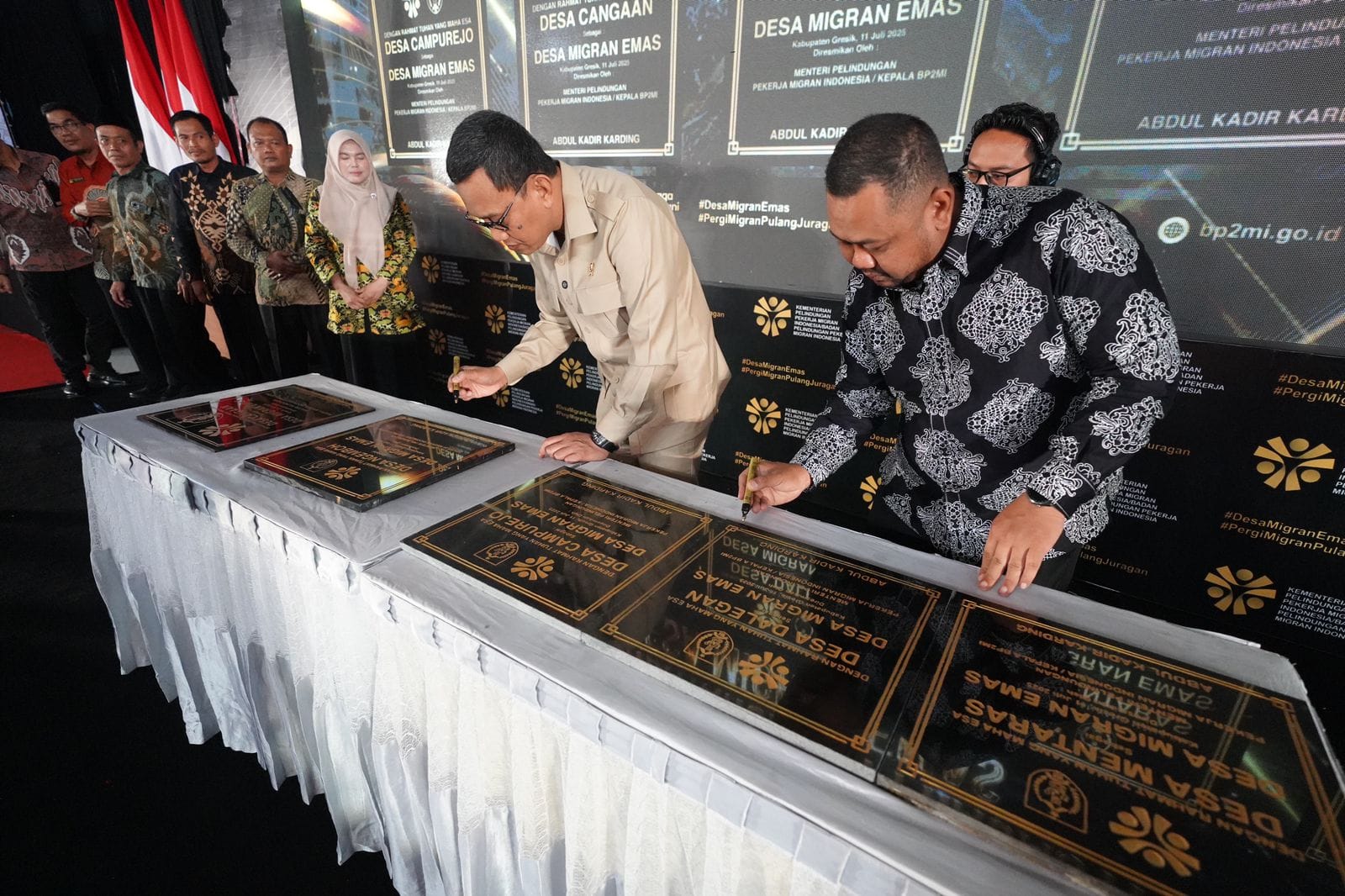
Speaking of training, the Director General of Empowerment of the Ministry of Protection of Indonesian Migrant Workers / Indonesian Migrant Workers Protection Agency (KemenP2MI / BP2MI), Dr. Muh Fachri said, one of the things that his directorate is now strengthening is to be involved in the work of developing CPMI language competence. Through the policy of establishing the Golden Migrant Village, a number of language villages were built.
This policy is aligned with the characteristics of PMI supplier areas. For example, Indramayu, which sends quite a lot of migrant workers to Saudi Arabia. "We cooperate with Islamic boarding school institutions and so on, for the Arabic Village for example," said Fahri.
Still in pre-departure, the directorate led by Fahri functions to assist CPMI to access capital through KUR. The Ministry of P2MI facilitates CPMI to national and regional banks. However, it is not yet clear what is the concrete action of KUR facilitation from the ministry. This is in line with the difficulty of CPMI accessing KUR as said by P3MI entrepreneurs.
The funds are usually used for training costs at LPK and living expenses while waiting for the departure queue at P3MI. The allocation of funds is also used to take care of the cost of health checks, administrative costs and costs from the area of origin. Often, it is also used to cover the burden of departure.
According to the website of the Coordinating Ministry for Economic Affairs, the realization of KUR for the placement of PMI from 2015 - 12 March 2024 amounted to Rp2.32 trillion. Trillions of funds flowed to 150,561 debtors, who were charged 6 percent interest. The amount of KUR disbursement for hundreds of thousands of debtors with CPMI status is very small compared to the total number of PMI. As of 2024 alone, the total number of PMI reached 297,434 people or almost double the total number of CPMI for more than eight years since 2015.
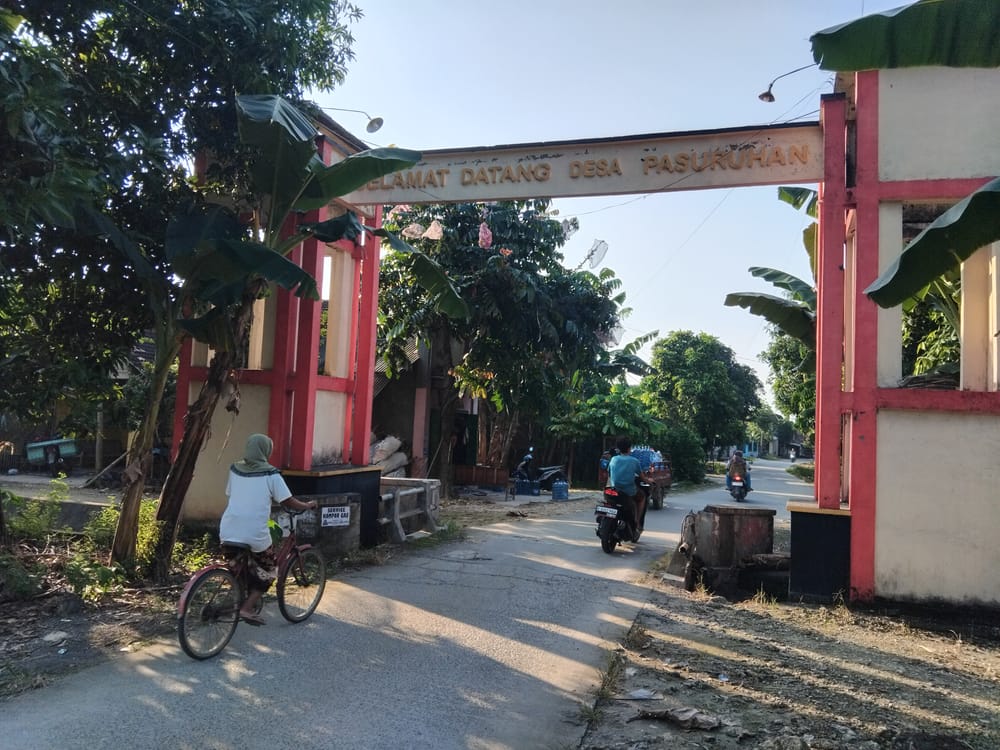
As a result, the Ministry of P2MI has begun to use village funds from village-owned enterprises or Bumdes to assist CPMI. This kind of practice began in Ponorogo, East Java. According to Fahri, the Bumdes scheme can be quickly disbursed because of the trust capital from the village head to the residents.
Unlike banks, which have to look in detail at the financial profile of prospective debtors. Moreover, the majority of village officials there are former PMI workers, so they know the twists and turns of being a PMI worker. "Now I am asking my friends in NTB (West Nusa Tenggara) to replicate the good practices in Ponorogo. This was only 2 years ago and this is an innovation plus legacy in the future," he said.
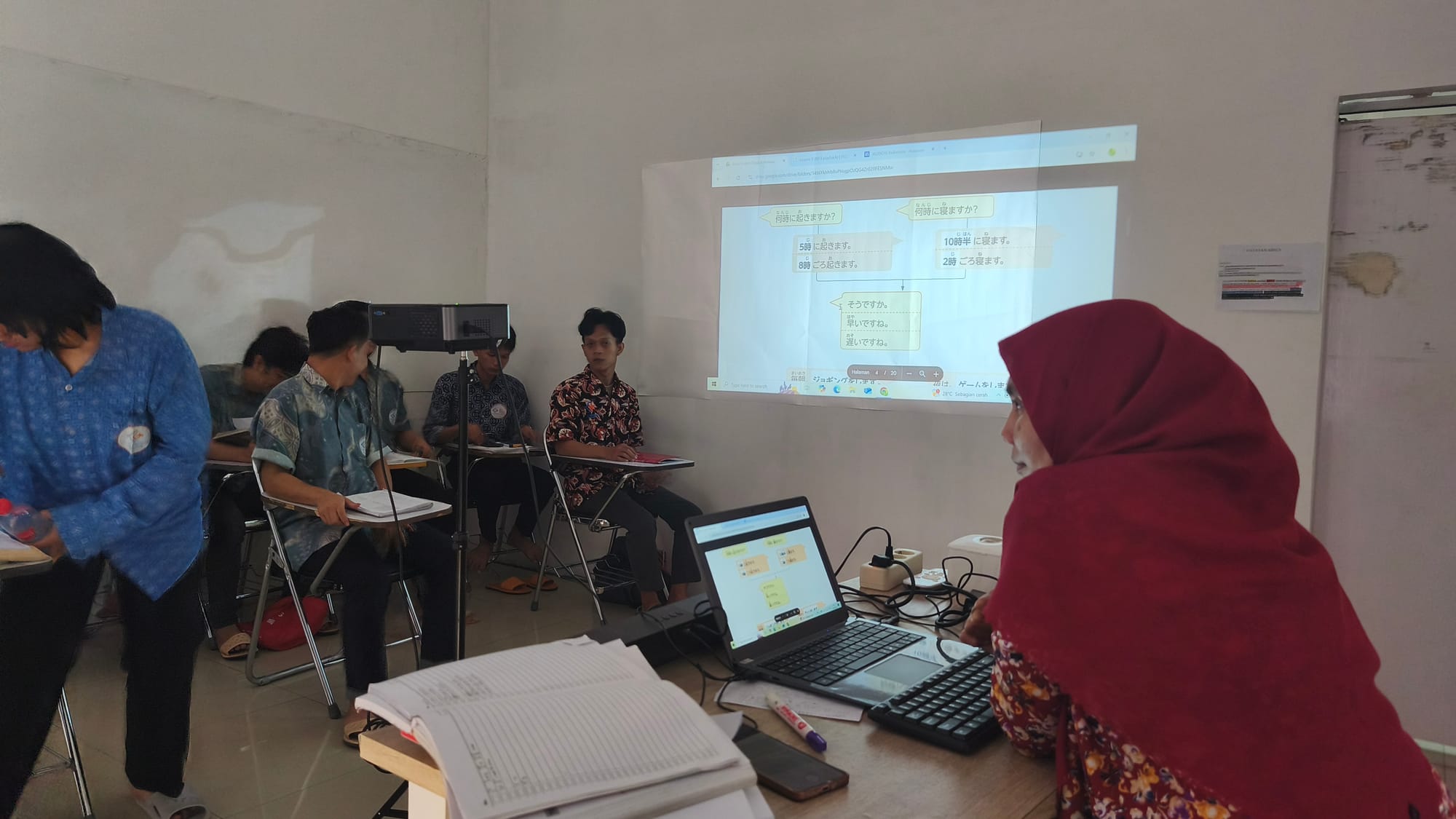
Several government-owned and local government-owned work units have actually also carried out this capacity building function for prospective migrant workers. The West Jakarta Regional Job Training Center (PPKD), for example, is conducting special training for migrant workers destined for Japan as caregivers.
Japan was chosen because it is facing an aging population problem and a shortage of young workers. "In all PPKDs in Jakarta, we are the first to conduct this program," said Agus Susanto, Head of the West Jakarta PPKD Training and Competency Test Unit.
West Jakarta PPKD, Agus said, collaborates with the Japanese government and private parties in organizing this program. So far, 10 prospective migrant workers have participated in the training. They learn Japanese intensively, as well as relevant skills to become caregivers. "We will make sure they get a job first, and then depart." said Agus.
Mapping destination countries is important before sending migrant workers. Agus said, West Jakarta PPKD conducted research first before determining the destination country and compiling a training program. "It can't be careless. We first look for the country, what the needs are, then we determine the training," said Agus.
Many Practices, Diverse Challenges
Bekasi Vocational and Productivity Training Center (BBPVP), a vocational training center directly under the Ministry of Manpower, has encountered various challenges in improving the skills of these prospective migrant worker students.
Wira, an instructor for the tourism vocational program, said that students with diverse backgrounds are one of the challenges. "I have taught 18 and 47-year-olds at the same time. You can imagine what the challenge is like," he said.
Wira also often finds students who do not come with the intention of practicing skills to get a job. Several times he trained students who openly admitted that they were just filling their spare time.
Wira trains 8 students per class, following the recommendations of the world labor organization ILO. The composition of the training is 30%:70%, "The ratio is 30 percent theory, 70 percent practice," he said. Another challenge arises when entering practical sessions. Many of the tools used at BBVP Bekasi are old. Although the tools are still usable in terms of performance, Wira said that they need to be rejuvenated.
"Thegrinder we use here is from 2018. It's durable because we force it to last, we disassemble and maintain it ourselves. In terms of feasibility, it's actually not feasible. But we are limited by the state budget, there is efficiency, we cannot procure."

In addition to rejuvenating equipment, improving the quality of students can be done by increasing the number of training rooms. Yani, head of the welding vocational program, and Wira are of this opinion. With more training accessible, there is more potential to produce a skilled workforce.
Despite working with various companies at home and abroad, BBVP Bekasi is not in charge of placing workers. Laksmi, from the BBVP Bekasi Ready to Work Kiosk, said BBVP's job is only to recruit students. "As for the choice of workplace, it depends on where the students want to work," she said.
The President Director of PT Assalam Karya Manunggal, Sulaiman Sultoni, has begun to look at opportunities for the distribution of migrant workers to European countries. Since 2019 or before the Covid-19 pandemic, Sulaiman's company has sent migrant workers as hotel staff, factory operators, mechanics and drivers. These low-skilled jobs are usually sent to Eastern European countries such as Poland, Romania, Hungary and Slovakia.
The targeted education level is Vocational High School (SMK). Before leaving, the CPMIs are trained in English at the LPK, which is also owned by Assalam Karya Manunggal. Regarding technical skills, for example hospitality staff, Sulaiman sends the CPMI to hotel partners and his own hotel. Sulaiman claims that all language teachers and instructors who teach workers are certified.
Turning to the care sector, Germany and the Netherlands are the main countries where Assalam Karya's migrant workers are placed. Sulaiman said that nurses who work in hospitals or nursing homes there can be paid up to IDR 45 million per month. With salaries much higher than in Indonesia, PMI targets D3 and S1 graduates. The main competency that must be possessed is language. Regarding technical skills, P3MI lobbies employers in the two countries to follow the certification or diploma of the worker's home campus.
However, language training was not easy for CPMI. The problem is, his LPK has not been able to facilitate it. For example, in German, he had to transfer the training to a German work consultant in Bandung. There, there is language training for 7-9 months with the target of B-2 certification.
If you refer to the price of training from the Goethe Institute, the cost of language training plus certification exams exceeds Rp 30 million. This amount has not been added to living expenses during training for CPMIs who come from outside the region. Not to mention the cost of departure, which costs at least tens of millions of rupiah.
When referring to Law No. 18/2017 on the Protection of Indonesian Migrant Workers, CPMI is only not subject to placement fees, but does not regulate training costs or other costs in preparing for departure.
And based on the Decree of the Head of BP2MI Number 325/2024 concerning Placement Costs for Indonesian Migrants Placed by P3MI to Legal Entity Employers in Germany, CPMI was charged nearly IDR 50 million. The amount of funds starts from domestic transportation costs, medical checks to company service fees of EUR 2,273 or the equivalent of IDR 43 million. "Free (fees for CPMI) does not exist, nonsense!" said Sulaiman.
Seeing that the policy was not fully in favor of CPMI, Sulaiman lobbied companies or employers in Germany and the Netherlands to bear most of the placement costs. The result of persuading the 'foreign' parties resulted in subsidization of some costs. Even training costs were covered. "For this nurse I asked specifically, finally the Netherlands first agreed to pay for the ticket and school," he said. Meanwhile, Germany is willing to bear the entire cost of placement, provided that workers bear the cost of language training.

Still on the subject of cost challenges, the government actually has a people's business credit policy for CPMI to utilize as capital. This July, the Ministry of Economy stated that the KUR limit that can be borrowed for the departure process, including training, reaches Rp100 million. However, the implementation of KUR for migrant workers, which has been rolled out since 2015, is not as smooth as imagined. Sulaiman said he has heard many stories of CPMIs whose KUR applications were rejected due to BI-checking results.
Again, he took the initiative to propose himself as a guarantor for CPMIs who did not pass the bank's financial profile screening. From his experience, the CPMIs he helped administratively could only go through the micro scheme, with higher bank interest rates. "If they don't pay later, I'll be the one to bear the cost," he said.
The government actually has a people's business credit policy for CPMI to utilize as capital.
Sulaiman said that currently there are quite a lot of migrant workers with ART status who have been vulnerable to exploitation without clear work contracts and minimum wages. So it is necessary to shift the status of domestic workers to caregivers and increase the expansion of nursing jobs, especially in the European region, must be done. "Just polish (the ability). Because it is our country's duty to make this person smart," he said.
Meanwhile, in Japan, the absorption of PMI in the nursing sector is still dominated by apprenticeship status, rather than full-time workers. From a search of 300 LPKs registered with the Ministry of Manpower, the majority offer internships. This work status has an impact on the limited duration of work and the amount of wages. In fact, the jobs offered include caregivers, and Japan is always in the top five countries for PMI placement.
Departing with a Private Loan
Rose Lina, a manager at LPK Indonusa Gemilang, said that apprentices are usually paid half the wage of workers who have Specified Skilled Worker visas. Take for example, the salary of an elderly nurse or caregiver in Sakura country starts at IDR 15 million so that the intern's salary is only IDR 7.5 million or only slightly greater than the Jakarta minimum wage. That is still gross and not covered by living expenses.
Just like working in Europe, the challenge of working in Japan is also about cost. Prospective migrant workers must spend up to IDR 10 million for language training for 6 months. Plus, the departure fee is at least IDR 35 million. Rose said, many CPMIs have passed language certification, but failed to leave due to limited funds.
So far, the Bekasi-based LPK has offered loans to CPMI. Rose said that prospective workers' efforts to gain access to KUR are always hampered by collateral. As a result, they mostly choose private loan schemes. Now, there are at least 10 graduates of LPK Indonusa Gemilang who have successfully departed to Japan from P3MI in Jakarta. "We provide bailout funds for departure. The salary will be deducted in the second month until it is paid off," said Rose.
Another LPK initiative to boost quantity is to improve the quality of CPMI language training. The involvement of the private sector such as the Japan Foundation Jakarta plays an important role. A number of teaching mediums such as books and learning media infrastructure are supplied by the non-profit organization owned by the Japanese government. The same involvement is expected to come from the government itself. "There should be subsidies, because we also create jobs," Rose hopes.
Rohman Wibowo, Harits Arrazie and Mukhlison