
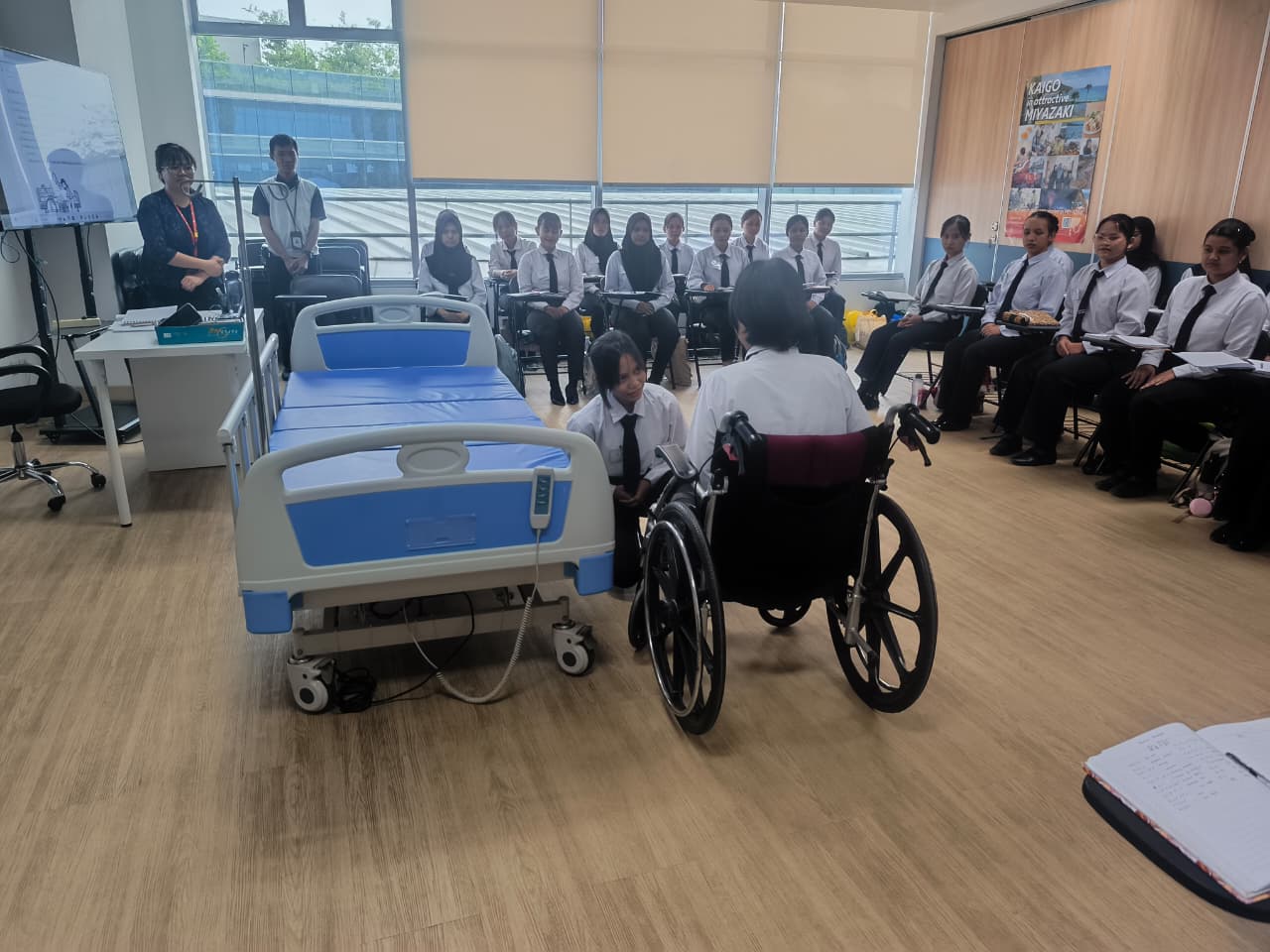
The dozens of students in the classroom were watching a sensei, as a teacher is called in Japanese. In unison, they are all wearing their uniforms: white shirts, black ties, and black pants and shoes.
While listening to sensei's explanation, they took notes on the important points.
In the center of the classroom, there is a mattress and a wheelchair. With the class due to finish at 5pm, sensei Lili asked her students to do some jitsugi or practice. Lili had them practice ijo kaijo, or simulating moving an elderly person from a bed to a wheelchair.
Many students were enthusiastic about Lili's request. They competed to raise their hands as quickly as possible to be selected. Lili appointed two people. One acted as the person in charge of moving the elderly, the other as the elderly. The one who played the role of the elderly immediately took a sleeping position on the mattress.
Razka Maula was chosen as the person who would be in charge of moving the elderly. After saying her greetings in Japanese, Razka went straight to work. She woke up the sleeping elderly, politely asked permission, and then immediately carried her to the wheelchair. Once the elderly was in the wheelchair, the whole class showed their appreciation by clapping.
That's one description of the job of a kaigo or caregiver for the elderly in Japan. Razka is a student learning these skills at Fuji Academy's Vocational Training Institute (LPK) located at Biomedical Campus, BSD City, Tangerang. This LPK focuses on training and channeling prospective Indonesian migrant workers (PMI) in the care sector to Japan.
Fuji Academy BSD is a branch of Fuji Academy located in Denpasar, Bali. Established in February 2025, Fuji BSD has successfully trained and graduated 25 students in February and 40 students in June.
"In August there were 29 students who had passed. They have already found a company. We are just waiting for the administrative documents to be completed and they can leave immediately," said Thiki Adelina Permatasari, Principal of Fuji BSD.
Thiki added that high income is one of the motivations for students to work in Japan.
"After deductions here and there, our kaigo there can net IDR 17 to 18 million every month," Thiki said.
Meanwhile, Razka said she had dreamed of working in Japan since childhood. She was already familiar with Japanese popular culture through anime that used to be shown on national TV. After graduating from SMK Telekomedika Bogor's Health Services program, Razka made up her mind to become a kaigo.
"At that time Fuji came to promote my school. I immediately wanted to continue studying at Fuji so I could go to Japan," said the 18-year-old.
After enrolling and studying at Fuji, Razka's daily activities are filled with learning Japanese and practicing kaigo skills. Study time starts at 08:00 and ends at 17:00. However, Razka doesn't just study according to the schedule. After returning to the dormitory, Razka diligently re-opens his notebooks, delving into the material he thinks he hasn't mastered.
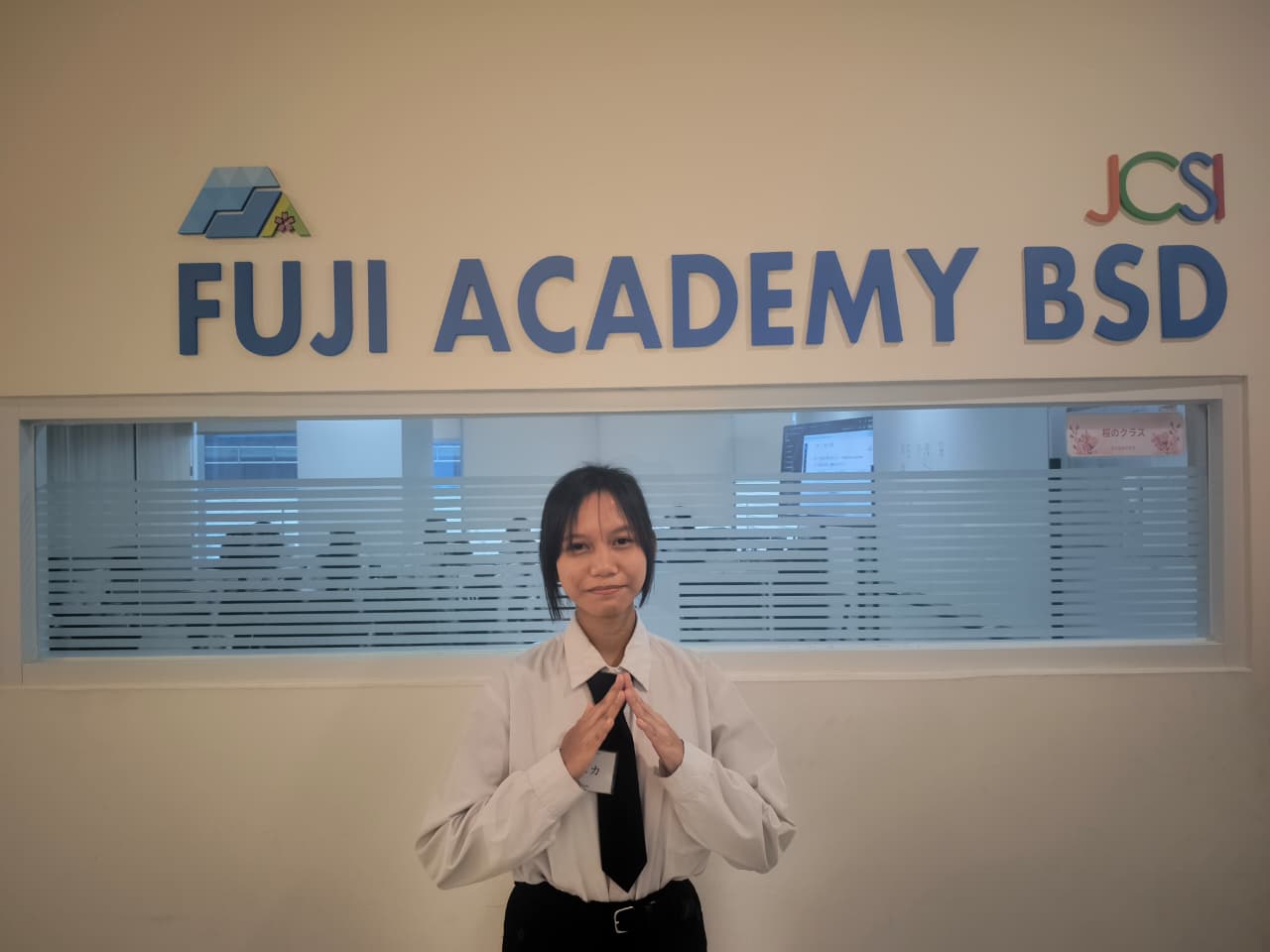
It's paying off. After only three months of studying at Fuji, Razka has already obtained a Japan Foundation Test (JFT) certificate or Japanese language proficiency certificate as one of the requirements for departure. A company in Fukushima has also taken her on as an employee. In the remaining two months of his study at Fuji, Razka is focusing on honing his technical skills to be ready to work as a kaigo.
Economic circumstances also motivated Razka to try his luck in Japan. The first of two children, she wanted to help her family's economy.
"My father is in sales, but he's quite old. My mother is selling and the situation is not good. So I want to help them," he said.
High salary
Kaigo jobs in Japan do offer lucrative wages. Sensei Lili, a teacher at Fuji BSD says the figures far exceed similar jobs in the country.
"Definitely double digits," says the former kaigo who worked in Hyogo from 2014 to 2018.
Lili added that if a kaigo works well, the company will increase his salary regularly. Based on her experience, Lili's salary increases by Rp300,000 to Rp500,000 every year.
According to a report by Japan's Ministry of Health, Labor and Welfare (MHLW) for fiscal year 2024 released in 2025, the average monthly salary of a caregiver in Japan is 338,200 yen or equivalent to IDR 37.1 million per month. If you only count the basic salary and fixed allowances, the average is 253,810 yen or around Rp27.8 million.
On the other hand, demand for kaigo in Japan is also relatively high. The Cherry Blossom country is experiencing an aging population. The number of elderly people who need care is increasing, while there are fewer young and local caregivers.

MHLW estimates that the need for elderly care workers in Japan will continue to increase, reaching around 2.43 million people by 2025. This figure is an increase of around 320 thousand compared to 2019. The Japanese government also projects the need for about 2.40 million care workers in 2026.
"The opportunities are relatively large. It's just a matter of training them so that their competence is up to standard so that they can work optimally," said sensei Lili.
Cost Constraints
However, kaigo training in Indonesia is still quite expensive. At Fuji BSD, the rate is Rp35 million for 6 months. This includes language and skills training, dormitory living, and daily meals.
"I often visit nursing schools and colleges in various regions. There I noticed that their enthusiasm to become a kaigo is quite high. But the obstacle is one, cost," said Fuji BSD Principal Thiki Adelina.
For this reason, Fuji BSD implemented a lighter payment mechanism. During the six-month training period, students are allowed to pay in installments of Rp2.5 million per month. The remaining costs can be repaid after the student successfully gets a job in Japan. Thiki said, this scheme was created so that participants from underprivileged families still have the same opportunity to work abroad.
Nevertheless, Thiki admits that the installment scheme has not been able to solve the students' cost constraints. He said there were still many students who could not pay off the installment fee of IDR 2.5 million each month.
Scholarship Potential
The government is preparing a new financing scheme to help training institutions such as Fuji Academy produce more skilled workers. Coordinating Minister for Community Empowerment Muhaimin Iskandar said the President is committed to providing two forms of support for prospective migrant workers, namely interest-free loans and skills scholarships.
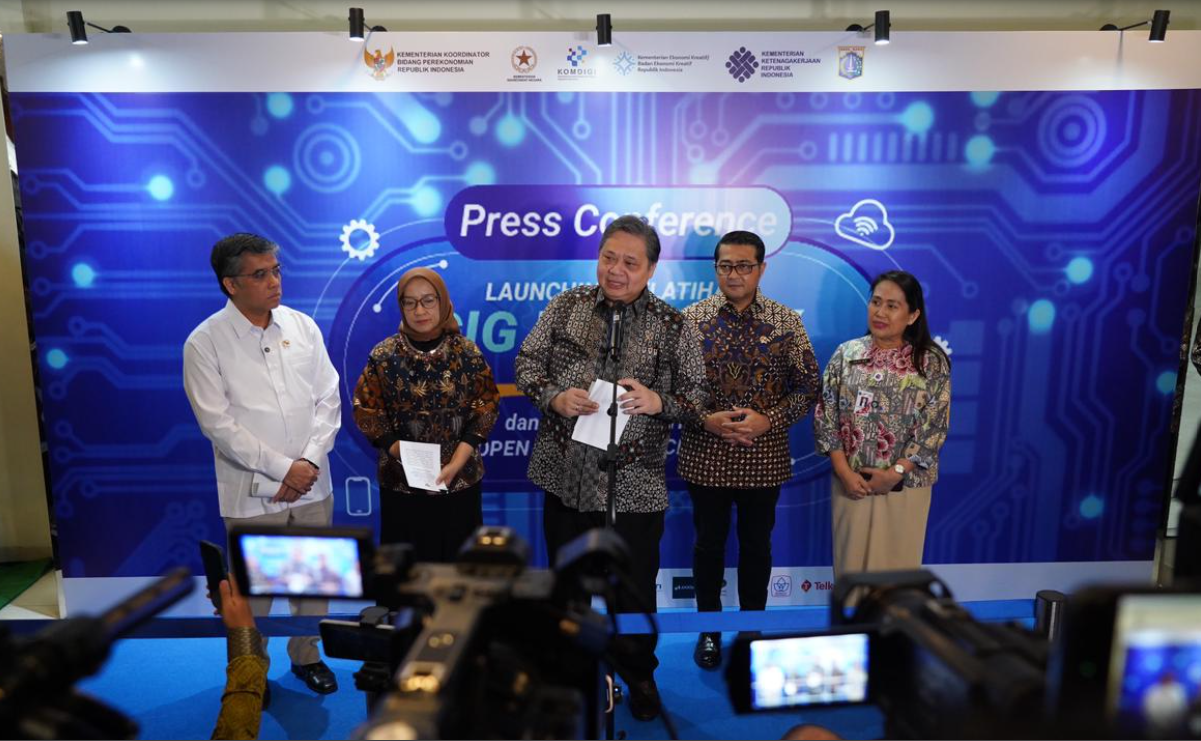
"This policy is expected to remove barriers to training costs for prospective workers who want to prepare themselves professionally before leaving abroad," he said as a speaker at the Suar Roundtable Decision: The Economic Power of Indonesian Migrant Workers, in South Jakarta, Thursday (09/18/2025).
Cak Imin, his nickname, explained that this step is in line with the government's efforts to increase the portion of skilled migrant workers. Therefore, job training institutions and vocational schools will be encouraged to establish partnerships with universities and migrant centers so that training is more efficient and targeted.
The financing scheme is part of institutional reform under the Ministry of Protection of Indonesian Migrant Workers (P2MI), which now coordinates financing, training and labor placement. Cak Imin said the government hopes this policy will open wider access for prospective migrant workers, including kaigo candidates, to take training without being constrained by costs.
In response to this policy discourse, Razka was enthusiastic. The student, who received a full bailout scheme for excelling at Fuji BSD, thinks this kind of assistance will be very meaningful for prospective migrant workers who are constrained by costs.
"That would really help, especially for those who have the ability but no money to study," he said.
Fuji BSD Principal Thiki Adelina agrees. Thiki thinks the policy can expand opportunities for prospective migrant workers. If realized, Thiki hopes that this policy will be able to help overcome the limited absorption of labor in the country by providing a way for more prospective workers to be absorbed abroad.