

The 30th UN Climate Change Conference (COP30) in Belém, Brazil, held from November 10, 2025 to November 21, 2025, is an important moment for Indonesia as a driver in raising funds in renewable energy financing.
President Prabowo Subianto once stated that the plan to build a 100 gigawatt (GW) solar power plant (PLTS) within a decade is still hampered by the highcost of capital for clean energy in Indonesia.
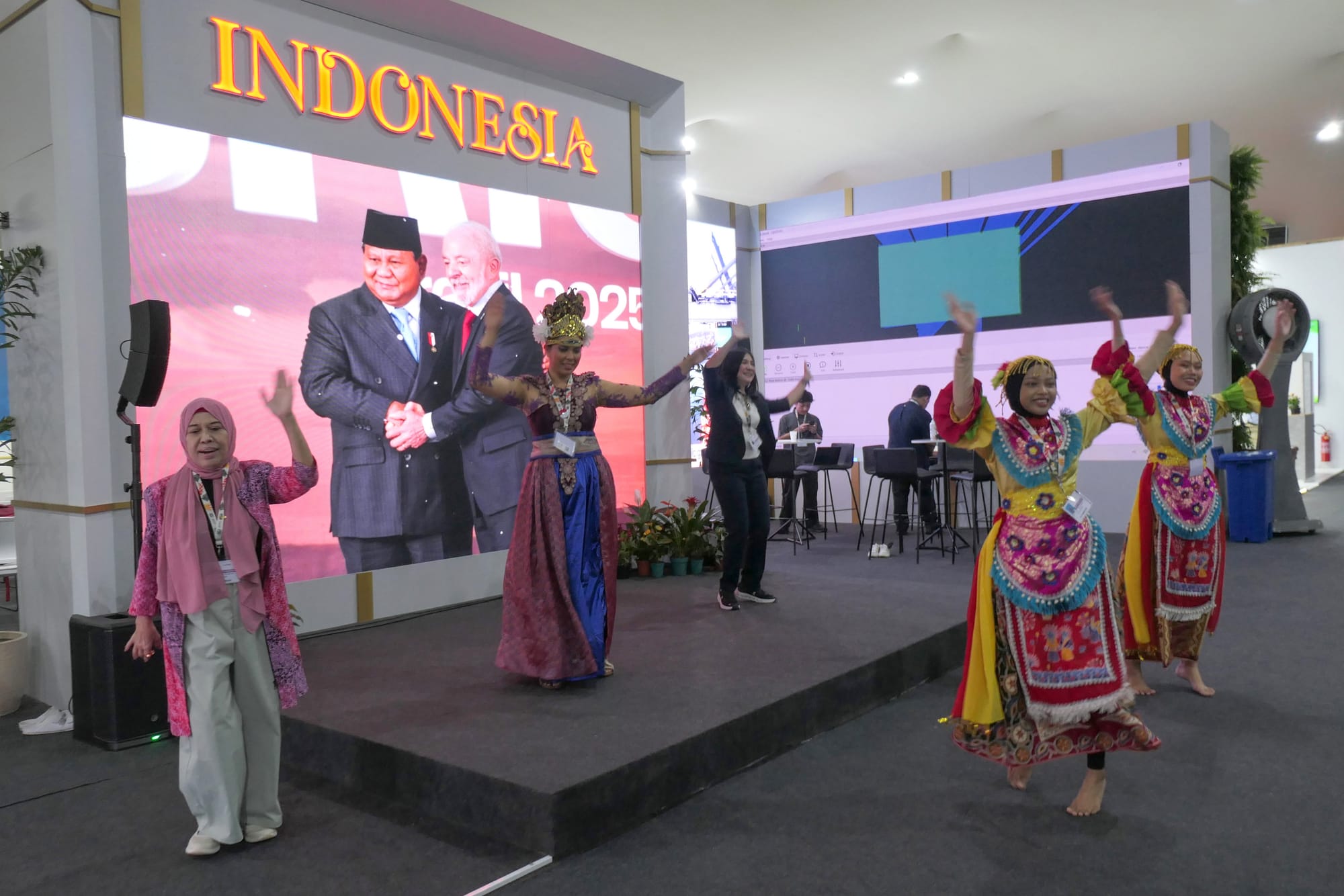
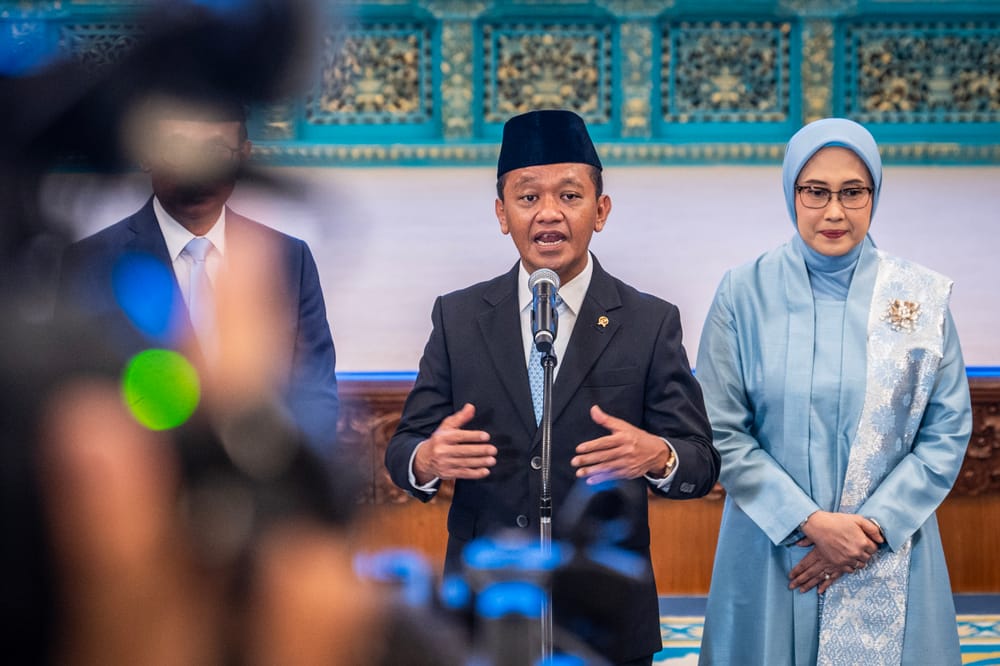
Indonesia's strategy in Brazil is to develop a National Adaptation Plan (NAP) tailored to Indonesia's needs. "This is a document requested from all countries to be submitted to the UNFCCC for measurement parameters related to our adaptation efforts," said LH Minister Hanif Faisol Nurofiq on the sidelines of the PCOP30 Conference in Belém, Brazil, Friday, November 14, 2025.
The NAP document has a strategic function to utilize resource opportunities for climate change adaptation actions. Some important elements included in the National Adaptation Plan include impact inventory, climate change projections, preparation of adaptation based on impacts, implementation strategies, and monitoring and evaluation elements.
In COP30, a number of Indonesia's priorities include strengthening green diplomacy to encourage investment and climate finance. Then strengthening carbon markets with integrity, and promoting green economic growth through nature-based solutions and technological innovation.
In addition, Indonesia also emphasizes equitable energy transition, forest protection, and the implementation of policies such as the Presidential Regulation on Waste Management and Carbon Economic Value.
In addition, there is also a strengthening of the governance of the Carbon Economy Value (NEK), which will be used as a key to attract global investment. minister Hanif said that the NEK is a strategic instrument that ensures that the benefits of the energy transition reach the community. "NEK is not just a transaction, but an instrument of justice and an accelerator of the green economy transition," he said.
The government also announced the successful mobilization of cross-sector investment worth US$7.7 billion per year through the carbon market, while affirming its commitment to stop funding new power plants and accelerate the early retirement of old ones. This clarity of policy direction is starting to attract green capital to Indonesia, from clean energy, ecosystem restoration, to modern waste management technologies.
From the COP30 forum in Belem, at least two big opportunities emerged for Indonesia. First, the potential for mobilizing international climate finance that can accelerate national renewable energy development up to US$ 1.3 trillion.
Secondly, Indonesia's position in carbon trading is strengthening, driven by the initiatives of state-owned enterprises such as Pertamina, which have begun to record significant transactions in carbon schemes.
Regulatory and funding reforms
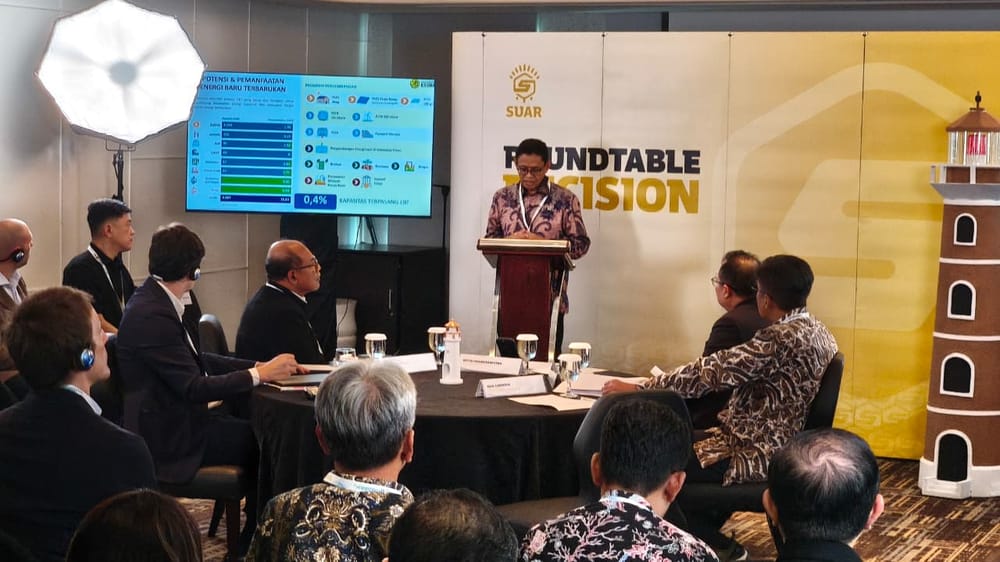
In order for these opportunities to be realized, the government is preparing a number of regulatory accelerations in the energy sector. Director General of New, Renewable Energy and Energy Conservation (EBTKE), Eniya Listiani Dewi, said that renewable energy investments are still directed according to the Electricity Supply Business Plan (RUPTL), both by PLN and non-PLN developers.
He said that the government is discussing the revision of Government Regulation (PP) 14 on Electricity, PP 7 on Geothermal, and finalizing the revision of Presidential Regulation 112 on renewable energy prices. "We are also preparing a new Permen of ESDM to regulate the hybrid renewable energy pricing scheme," Eniya told Suar. Suaron Sunday, November 16, 2025.
One of the crucial issues at COP30 was the Brazilian Presidency's proposal to boost global climate finance to US$1.3 trillion per year. This is important for developing countries like Indonesia, which face much higher capital costs for clean energy projects than developed countries.
According to Climate Policy Initiative Director Tiza Mafira, Indonesia's cost of capital can reach 8%-12%, double that of developed countries. This makes it difficult for renewable energy projects to compete and slows down the expansion of solar power plants.
Tiza emphasized that lowering the cost of capital is an absolute requirement to achieve the national solar energy target. If Indonesia does not lower the cost of capital, then the target of 100 GW of solar power in a decade will be difficult to achieve. "COP30 is a forum to convince global investors that Indonesia is ready with policies that provide long-term certainty," Tiza said.
This funding reform is also directly related to energy security. In its World Energy Outlook 2025 report, the International Energy Agency (IEA) said developing countries could add up to 600 GW of renewable energy capacity per year by 2035. If Indonesia is able to capture some of this opportunity, national dependence on fossil fuels, especially coal, will be drastically reduced.
In terms of climate justice, Indonesia also emphasizes the principle of differentiated responsibilities of developed countries (CBDR). Head of the Center of Food, Energy, and Sustainable Development (FESD) of the Institute for Development of Economics & Finance (INDEF), Abra Talattov, believes that transition funding must be fair and not a fiscal burden.
"Energy transition funding must be fair and not burden the state budget. Developed countries have a historical responsibility, and Indonesia must emphasize that in every negotiation," he said, as quoted from Bisnis Indonesia, Thursday (14/11/2025).
The business world is waiting for momentum
Eka Satria, Chairman of the Energy and Mineral Resources (ESDM) Division of the Indonesian Business Association (Apindo), believes that Indonesia has great green capital ranging from solar, hydro, waste-to-energy (WTE), geothermal, to forest carbon sequestration.
"This can be a source of economic growth, job creation, and even foreign exchange through the export of green electricity and carbon credits," he told SUAR.
However, the business world needs a clear policy foundation. According to Eka, what investors in Indonesia need most is regulatory certainty, competitive energy prices. "And access to green financing with lower cost of funds," he said. The national industry, according to him, will move much faster if these three prerequisites are met.
In line with Eka, Maria R. Nindita Radyati, Energy and Mineral Resources Observer at the Indonesian Chamber of Commerce and Industry (Kadin) and President Director of the Institute for Sustainaibility and Agility (ISA), COP30 is a crucial point for Indonesia to strengthen its industrial competitiveness amid the global shift towards low-carbon supply chain. He considers that future industrial competitiveness will be determined by the emission footprint, energy efficiency, and credibility of the green transition carried out by business actors.
Maria said there are three big opportunities that Indonesia can capture from COP30. First, the acceleration of clean energy investment in industrial areas and energy-intensive sectors that are now facing the pressure of international standards such as CBAM, SBTi, and IFRS S2 which will begin to be applied in the 2027 annual report. "COP30 can be a catalyst for transition strategies, especially the development of renewable energy in industrial areas and green corridor schemes," he said.
Second, strengthening national Environmental, Social, and Governance (ESG) governance and standardization. COP30 encourages countries to demonstrate climate transparency readiness, in line with Kadin's initiative through Net Zero Hub and alignment with global standards such as IFRS S1/S2 and TNFD. The stronger the governance, Maria said, the greater the chance of Indonesian products being accepted in the world's premium markets.
Third, the opportunity to showcase the achievements of Indonesian industry on the international stage. From the mineral and coal sector, energy, to FMCG, Maria sees more and more companies that have a net zero roadmap, implementing co-firing, energy efficiency, electrification, to nature-based solutions. "COP30 is a momentum to show that Indonesia is ready to become a trusted green manufacturing base in Asia," said Maria.
From a business perspective, the entry of green investment into Indonesia is largely determined by three things: harmonized regulatory certainty, competitive renewable energy access, and more attractive green financing schemes.
The business world needs bankable business models, ranging from long-term PPAs, flexible wheeling systems, to accelerating renewable energy infrastructure. At the same time, financing instruments such as blended finance, transition finance, tax incentives, and green bonds are considered crucial so that the transition does not stop as a normative commitment.
Furthermore, Maria emphasized four main needs for global green capital to really flow post-COP30: long-term policy certainty, integration of renewable energy in industrial areas, ESG data readiness, and fiscal and non-fiscal incentives that can compete with competitors.
"Investors see policy consistency. The business world needs a stable clean energy roadmap for 20-30 years and the integration of renewable energy in industrial areas," he said. Without that, he said, Indonesia risks being left behind in the increasingly competitive race for green investment in the region.
"Neighboring countries such as Vietnam, Malaysia, and Thailand have been aggressive in providing incentives for green manufacturing. If Indonesia is not competitive, we could be left behind in the race for green investment in the region," Maria said.
Not only green but also gold
The COP30 event was also used by state-owned companies as a moment to collaborate. During the "Seller Meet Buyer" session at the Indonesian Pavilion, the state-owned energy company signed a Carbon Credit Trading document witnessed by Minister of Environment Hanif Faisol Nurofiq.
PT Pertamina has agreed to sell 37,000 tons of CO₂e carbon credits to two banking institutions, Bank Mandiri and CIMB Niaga. This figure adds to the previous sales portfolio that has reached 846 thousand tons of CO₂e since 2023. The carbon credits come from the Sei Mangkei Biogas Plant and Lahendong Geothermal Power Plant.
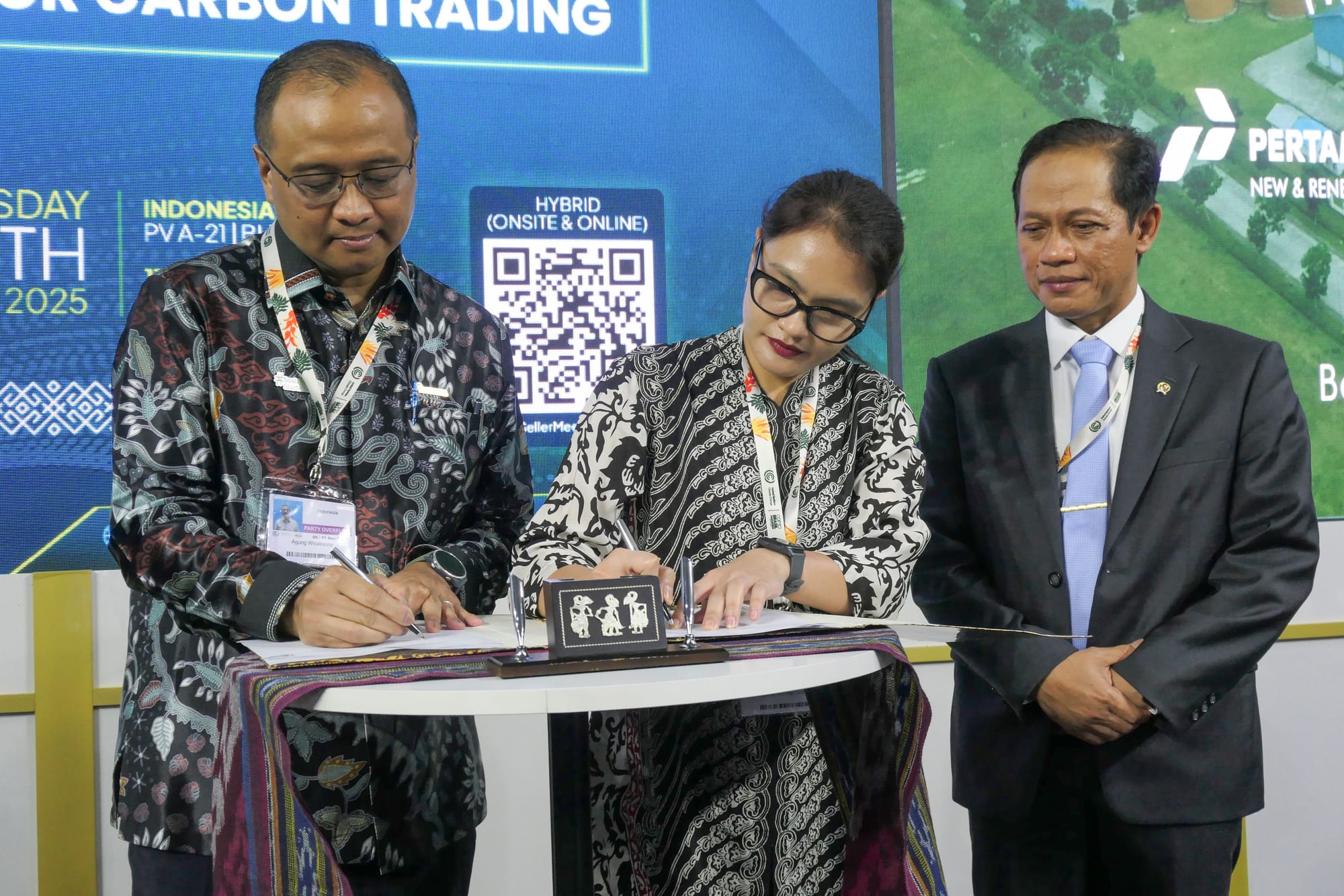
Pertamina's Director of Business Transformation and Sustainability, Agung Wicaksono, stated that global opportunities are far greater than current transactions. "Our renewable energy projects are not only green, but also gold. This market can support Indonesia to become a more advanced and richer country," he said on the sidelines of the Summit, Belem, Brazil last November 12, 2025.
Pertamina views COP30 as a catalyst to accelerate six green business initiatives: biofuels, renewable energy, carbon sinks, clean hydrogen, battery and electric vehicle ecosystems, and carbon trading.
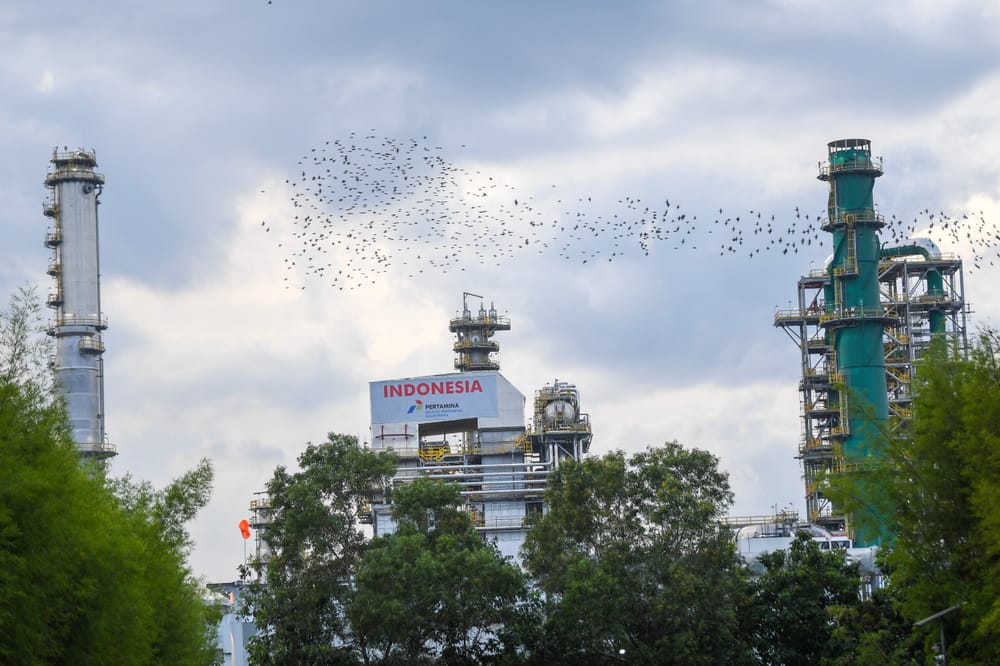
One of the highlighted achievements is biofuel production, from the implementation of 40% biofuel or B40 that reduces fuel imports and creates millions of jobs, to the development of Sustainable Aviation Fuel (SAF). The Cilacap refinery is now capable of producing 238,000 kiloliters of SAF per year and is targeted to increase to 300,000 kiloliters by 2029.
"Pertamina has expanded its roadmap towards Net Zero Emission 2060 to include not only Scope 1 and 2 emission reductions, but now includes Scope 3 for the entire business chain," Muhammad Baron, spokesperson for PT Pertamina (Persero), explained to Suar on Monday, November 17, 2025.
In addition to showcasing its achievements, Pertamina opened new collaboration opportunities post-COP30. The company is exploring cooperation in three sectors: biofuels, especially bioethanol and SAF, hydrogen value chain development, and Carbon Capture and Storage/Utilization (CCS/CCUS) projects.
In bilateral meetings with the Singapore Government, for example, discussions were directed at two priority agendas: the market potential of SAF and the development of CCS as a long-term emission reduction solution.
"We are pursuing a dual growth strategy: strengthening the conventional oil and gas business while accelerating the development of low-carbon businesses such as bioenergy, hydrogen, and CCS."
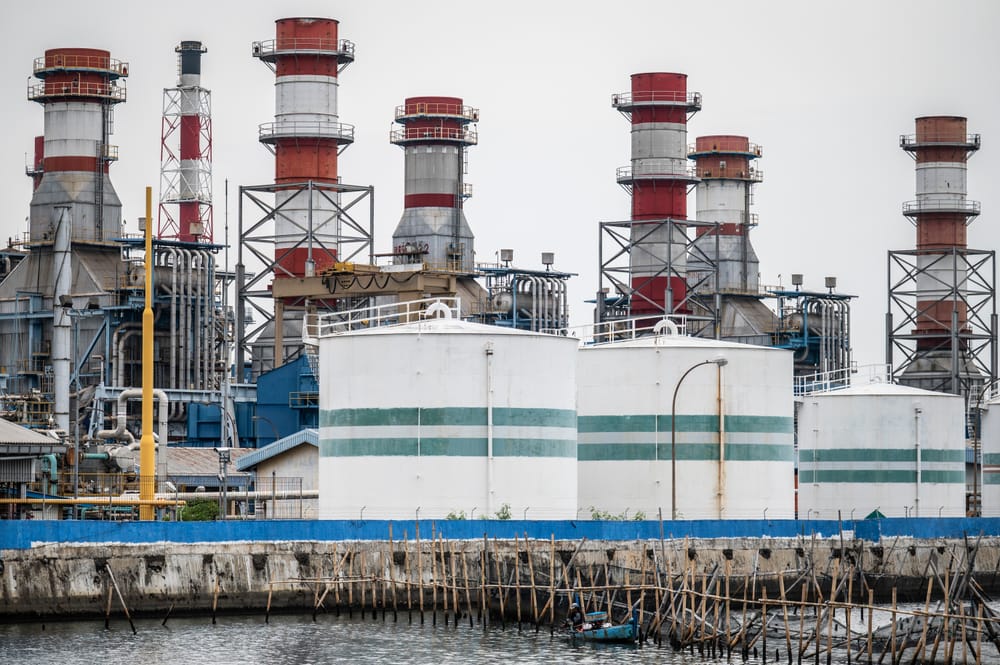
On another occasion, PT PLN (Perusahaan Listrik Negara) also brought the agenda of village electrification, super grids, and reducing emissions from existing plants through emissions trading. PLN's Director of Technology, Engineering and Sustainability, Evy Haryadi, said the 2025-2034 RUPTL would be "much greener".
"The expansion of renewable energy is our main focus, but we are also working to reduce emissions from existing plants through emissions trading in Indonesia," he said.
PLN targets a green energy mix of more than 75% in ten years and estimates the potential for 250 million tons of emission reduction certificates. "This potential green attribute is not just a matter of fulfilling regulations. This is an opportunity to create green economic value that can accelerate the national energy transition," he said.
The big opportunity of 100 GW of solar power
SUSTAIN Executive Director, Tata Mustasya, also believes that the target of 100 GW of solar power plants (PLTS) has the potential to become a new economic engine if supported by adequate domestic incentives and funding.
He said the potential levy from coal production could reach Rp360 trillion in four years, which could be directed to solar energy financing.
"Combined with incentives to expand the use of solar energy by households, industries, and commercials and the development of a domestic solar panel industry by attracting domestic and foreign investment," he said.
The development of village solar power plants is considered to create green jobs and expand the domestic solar panel industry.
In terms of macroeconomics, CELIOS Director Bhima Yudhistira warned that clean energy projects are still hampered by high capital costs. He emphasized that maintaining fossil energy actually causes economic and health losses in the long run.
"The capital cost of clean energy projects in Indonesia is still twice that of developed countries. The government needs to shift fiscal incentives, stop credit for power plants, and lower the risk of renewable energy investment. Otherwise, the target of 100 GW of solar power plants will only be a slogan," he said.