
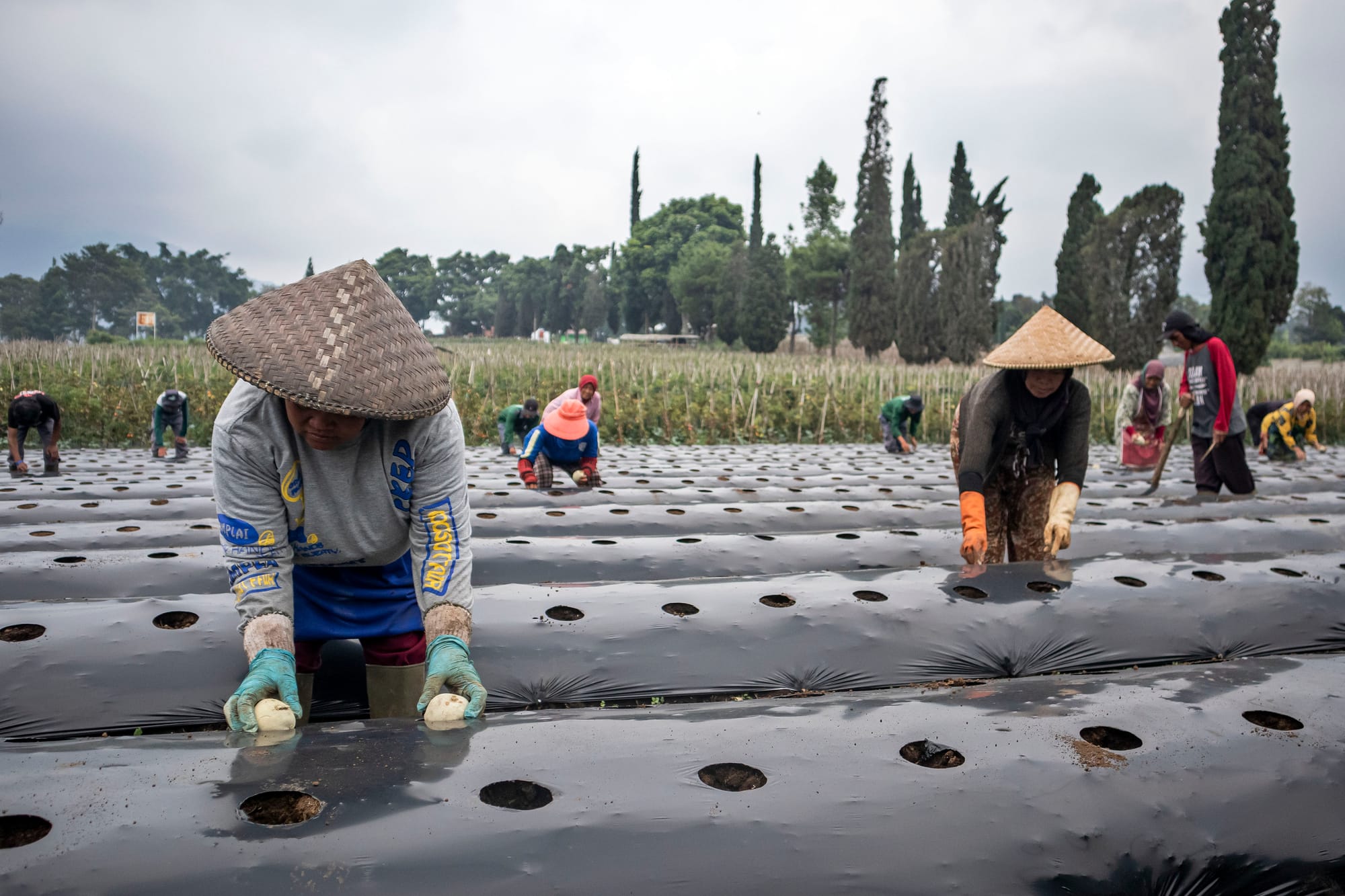
Indonesia and Canada are opening up opportunities for expanded cooperation in the agrifood sector, such as agricultural technology, innovation, and sustainable practices, ahead of the signing of the Indonesia-Canada Comprehensive Economic Partnership Agreement (ICA-CEPA).
Indonesia, the most populous country in ASEAN, has a market with strong influence in the region. Canada also has strong trade relations in this sector. In 2024, Canadian agrifood and seafood exports to Indonesia reached more than US$1.2 billion. Commodities such as wheat, soybeans, and potash play an important role in maintaining Indonesia's food security and supporting national agricultural productivity.
Asia Regional Director, Asia Pacific Foundation of Canada (AFP Canada) Barret Bingley said Canada has established the Indo-Pacific Agriculture and Agrifood Office (IPAAO) in the Philippines.
"This office is the center for coordinating Canadian agri-food strategy in the region, and Indonesia is one of the key countries in its development," he said when met at the Canada-Indonesia Agri-food Success Story event at the Four Seasons Hotel, Jakarta (10/12).

The ICA-CEPA will strengthen the foundation for cooperation between the two countries. When the agreement comes into full effect, more than 95% of Canadian exports to Indonesia will receive preferential tariffs, including duty-free access for wheat and various other agricultural products.
In addition to tariff benefits, Canada has also prepared an economic and technical support package worth US$25 million, to be allocated over five years.
The fund is focused on strengthening Indonesian small and micro enterprises (SMEs), making it one of the largest bilateral support programs in the agri-food sector in Canadian history.
The agri-food sector has long been a successful area of collaboration for both countries and still holds great potential, especially through the ICA-CEPA.
Strengthen food security
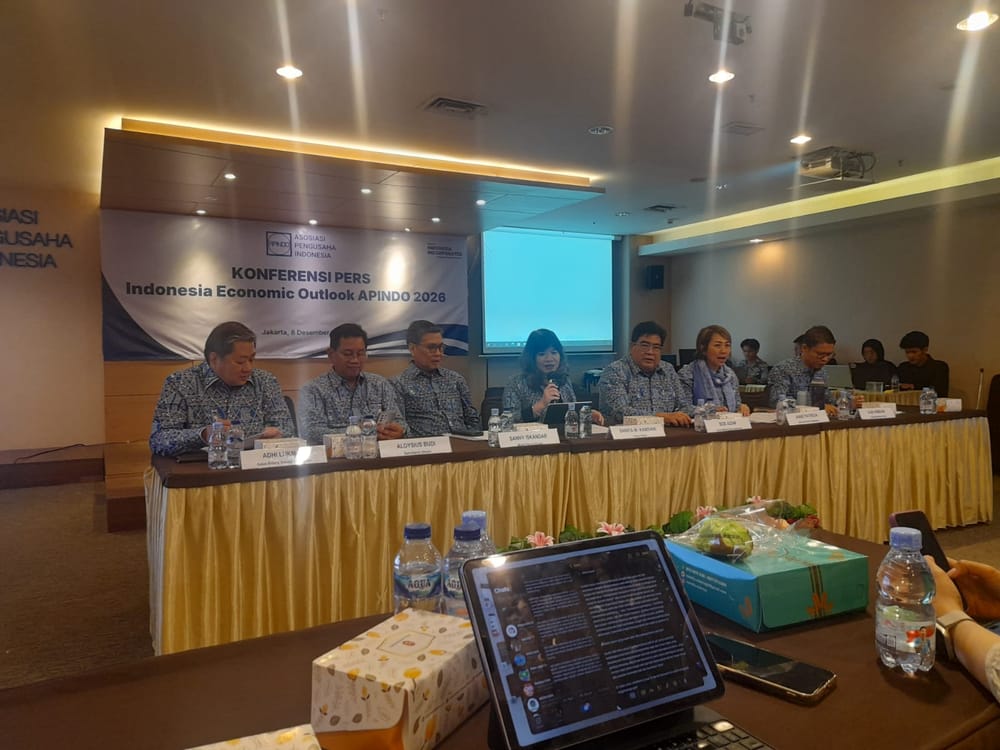
On the same occasion, Chairman of the Indonesian Food and Beverage Producers Association (Gapmmi) Adhi Lukman said that the Indonesia-Canada agri-food cooperation is important because it strengthens food security amid global challenges, opens up wider market access for leading products such as palm oil, cocoa, processed foods from Indonesia, wheat, and milk from Canada, and facilitates the transfer of modern agricultural technology.
He supports inclusive agricultural modernization and encourages economic growth and bilateral investment through the Comprehensive Economic Partnership Agreement (CEPA), which is expected to significantly increase Indonesia's exports.
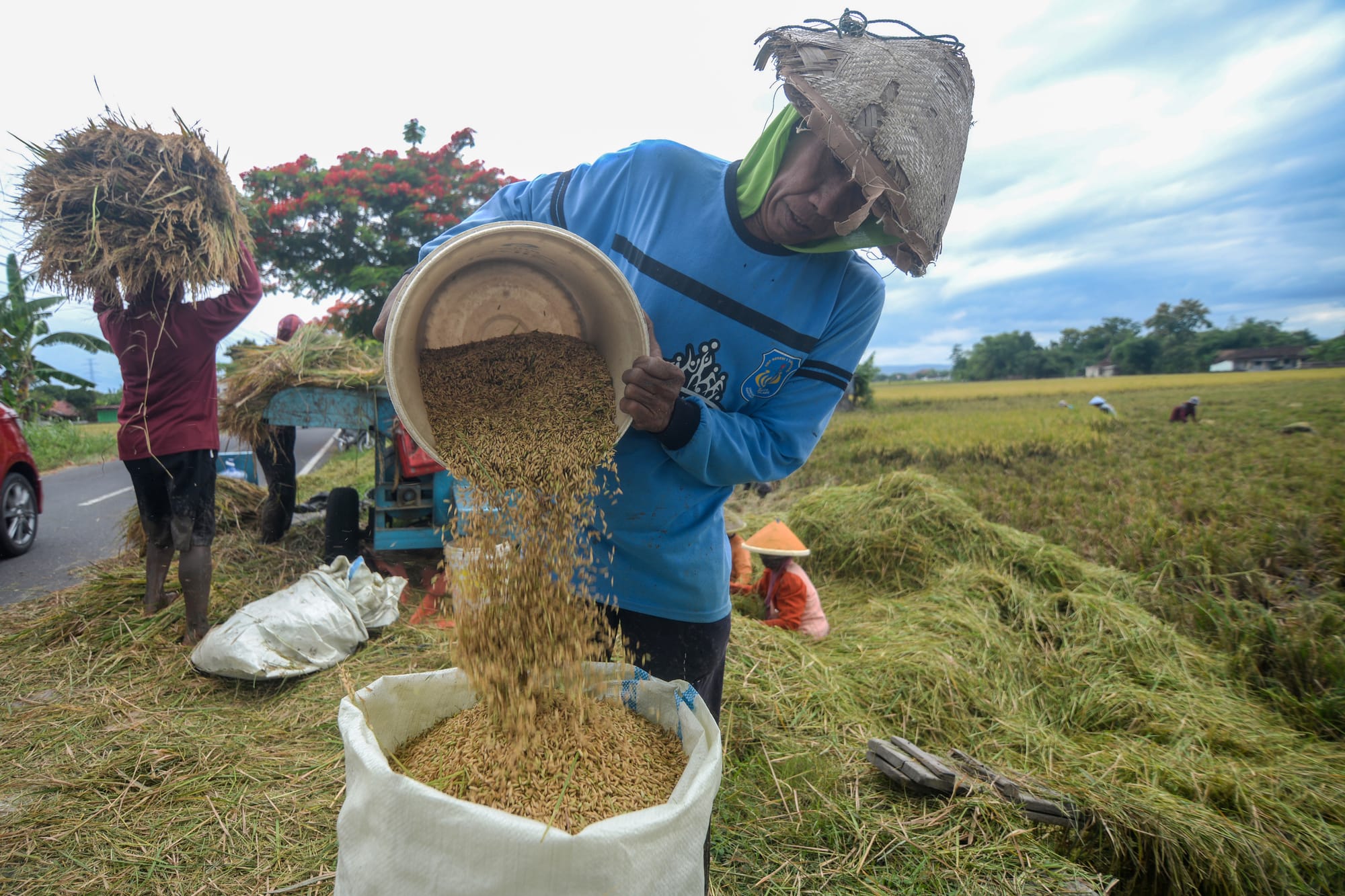
Canada offers modern agricultural technology, especially in dairy farming and cattle farming, while Indonesia focuses on increasing palm oil exports and product diversification.
"The ICA-CEPA agreement serves as a platform to boost trade, investment, innovation, and sustainable economic growth," he said.
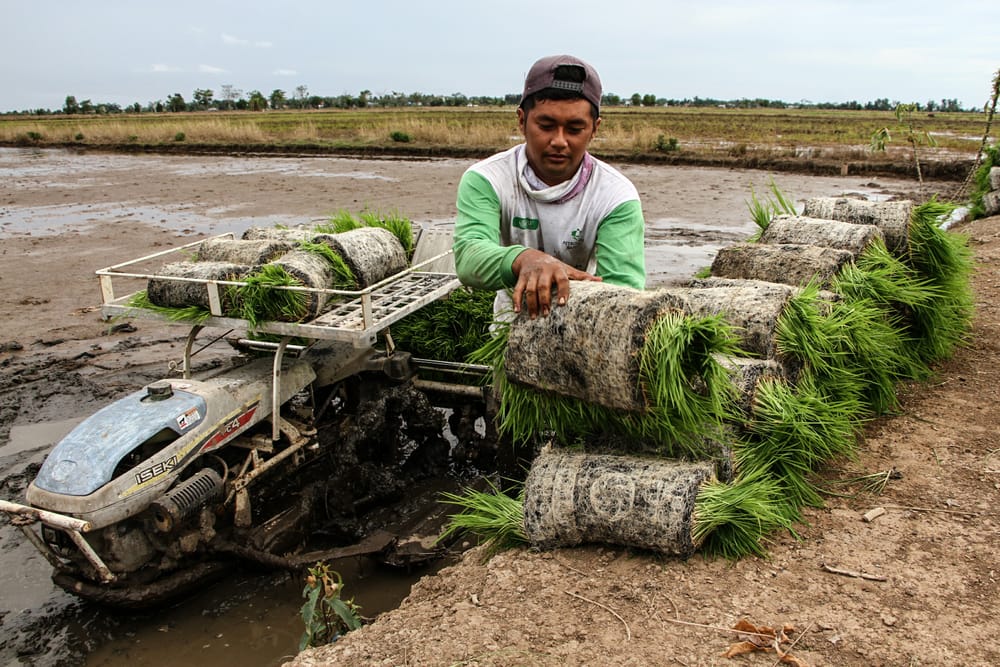
Chairperson of Kadin's Agriculture Division Devi Ratchmawati said Indonesia could learn agricultural technology from Canada, especially in precision farming with sensors, drones, and satellites for land monitoring, modern agricultural machinery such as innovative wheat drills, as well as grain processing technology and large-scale land management.
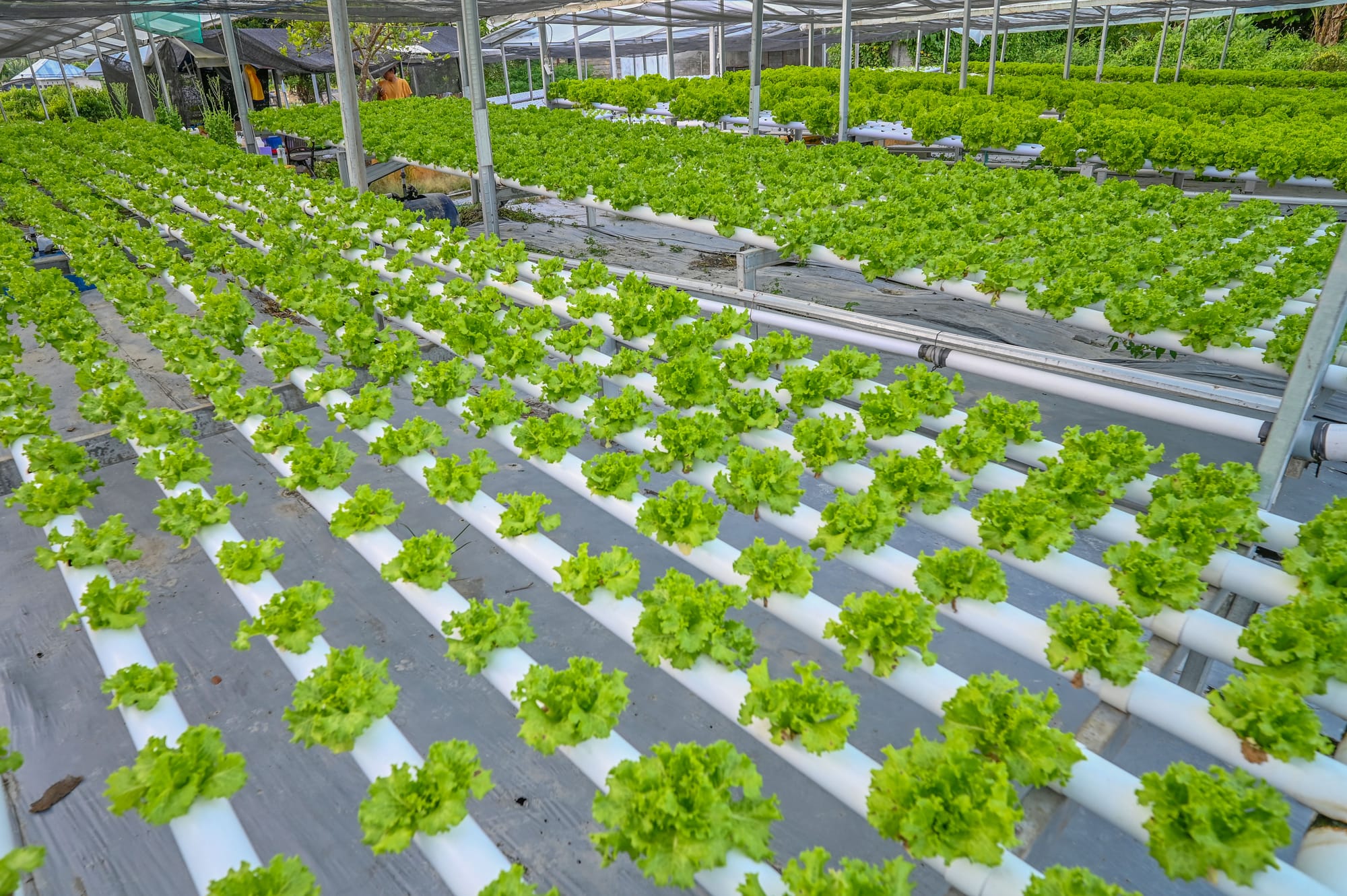
Canada extensively utilizes drones for precision fertilizer/pesticide spraying and soil/weather sensors for real-time data, reducing waste and increasing yields.
"Canada has advanced technology for storing and processing grain commodities (wheat) that can be adapted to other agricultural products in Indonesia to maintain their quality," he said.
Canada is developing technologies that improve efficiency and productivity, which are well-suited to assist in the modernization of Indonesian agriculture.