

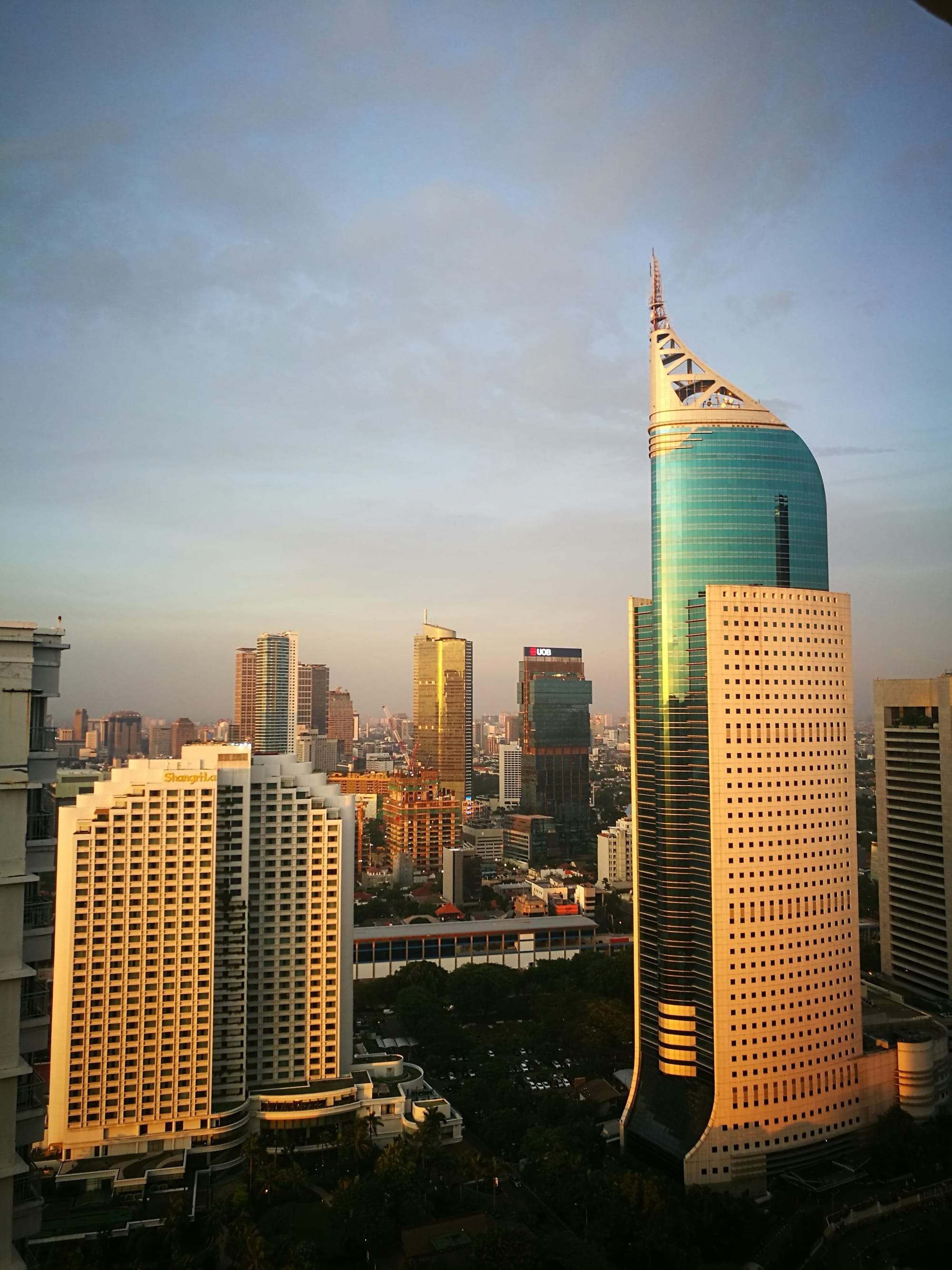
The robust banking sector, which performed brilliantly throughout 2025, became one of the foundations of the financial sector's health in Indonesia, especially amid global uncertainty. Looking back on the events of the past year, SUAR notes 16 significant events that have shaped the banking sector this year, while also serving as a starting point for the future navigation of the banking business.
January 2025
Bank Indonesia cut interest rates by 25 basis points (bps) to 5.75%.
The BI Board of Governors' Meeting on January 15, 2025 announced a 25 basis point cut in the interest rate to 5.75%, the deposit facility rate to 5.00%, and the lending facility rate to 6.50%. This move aims to encourage growth, despite causing surprise and accelerating market adjustments at the beginning of the year, given that the last reduction occurred in September 2024.
- Credit Distribution: IDR 7,782 trillion (+10.27% YoY)
- Third Party Funds: IDR 8,879.2 trillion (+5.51% YoY)
February 2025
The Financial Services Authority (OJK) recorded bank lending surging by 10.3% year-on-year ( YoY).
Bank Indonesia and OJK recorded banking credit growth of around 10.3% year-on-year in February 2025, indicating positive banking intermediation performance at the start of the year. This credit growth was supported by increased corporate demand, with investment credit experiencing the highest growth (14.62%), followed by consumer credit (10.31%), and working capital credit (7.66%).
- Credit Distribution: IDR 7,782 trillion (+10.27% YoY)
- Third Party Funds: IDR 8,879 trillion (+5.51% YoY)
March 2025
OJK notes that bank lending has begun to slow to a rate of 9.16% YoY
The OJK noted that bank lending grew by 9.16% to reach IDR 7,908 trillion, slowing slightly compared to February but remaining on an expansionary trend. Investment lending remained the main contributor to growth. The OJK suspects that the slowdown was due not only to internal banking factors but also to external pressures. Nevertheless, the balanced diversification of the debtor profile between corporations and UMKM the portfolio remains prudent and adaptive.
- Credit Distribution: IDR 7,908 trillion (+9.16% YoY)
- Third-Party Funds: IDR 9.010 trillion (+4.75% YoY)
April 2025
People's Credit Banks begin merger process
A number of Rural Credit Banks have recorded corporate actions in the form of mergers to strengthen their capital. BPR Saudaraku merged with BPR Karunia Dewata on April 17, 2025, while BPR DP TASPEN Central Java joined PT. BPR DP TASPEN to strengthen its capital. This decision is in line with the OJK's encouragement for BPRs to consolidate through mergers or acquisitions to meet the minimum core capital requirements.
- Credit Distribution: IDR 7,908 trillion (+9.16% YoY)
- Third-Party Funds: IDR 9.010 trillion (+4.75% YoY)
May 2025
Bank Indonesia has again lowered its interest rate by 25 basis points to 5.50%.
Bank Indonesia continued its monetary easing by lowering the BI Rate by 25 basis points to 5.50%, followed by the deposit facility rate to 4.75% and the lending facility rate to 6.25%. In this month's RDG, BI highlighted the tendency of a number of banks to offer higher deposit interest rates than those published, while credit interest rates remained relatively high at 9.19% in April 2025.
- Credit Distribution: IDR 7,960 trillion (+8.43% YoY)
- Third-Party Funds: IDR 9,047 trillion (+4.55% YoY)
June 2025
The Deposit Insurance Corporation (LPS Rate) guarantee interest rate for rupiah deposits fell 25 bps to 4.00%.
LPS Rate lowered the rupiah deposit guarantee interest rate to 4.00% in line with BI's monetary policy easing and signaled banks to lower deposit interest rates, thereby reducing funding costs.
Bank DKI officially changed its name and logo to PT. Bank Jakarta.
The Jakarta Special Region Provincial Government changed the name of Bank DKI to Bank Jakarta as part of its rebranding and business repositioning. In addition to emphasizing ownership, the change in identity is part of Bank Jakarta's efforts to expand its business reach and increase competitiveness beyond the regional banking segment in general.
- Credit Distribution: IDR 8,059 trillion (+7.77% YoY)
- Third-Party Funds: IDR 9,329 trillion (+6.96% YoY)
July 2025
Bank Indonesia has again lowered its benchmark interest rate by 25 basis points to 5.25%.
Bank Indonesia has again lowered its benchmark interest rate by 25 basis points to 5.25%, followed by a deposit facility rate of 4.50% and a lending facility rate of 6.00%. In this month's RDG, BI highlighted the cautious behavior of banks in extending credit amid a 6.96% YoY growth in third-party funds in June 2025. As a result, banks tend to invest in securities and tightentheir lending standards.
- Credit Distribution: IDR 8,043 trillion (+7.03% YoY)
- Third Party Funds: IDR 9,294 trillion (+7.00% YoY)
August 2025
Bank Indonesia lowered its benchmark interest rate by 25 basis points to 5.00%.
Bank Indonesia lowered its benchmark interest rate by 25 basis points to 5.00%, followed by a deposit facility rate of 4.25% and a lending facility rate of 5.75%. The decline in interest rates remains relatively slow, recorded at 9.16%, which is relatively the same as the previous month. On the other hand, demand from businesses remains weak, and they continue to use internal financing for their businesses.
Read also:
 Benedictus Krisna Yogatama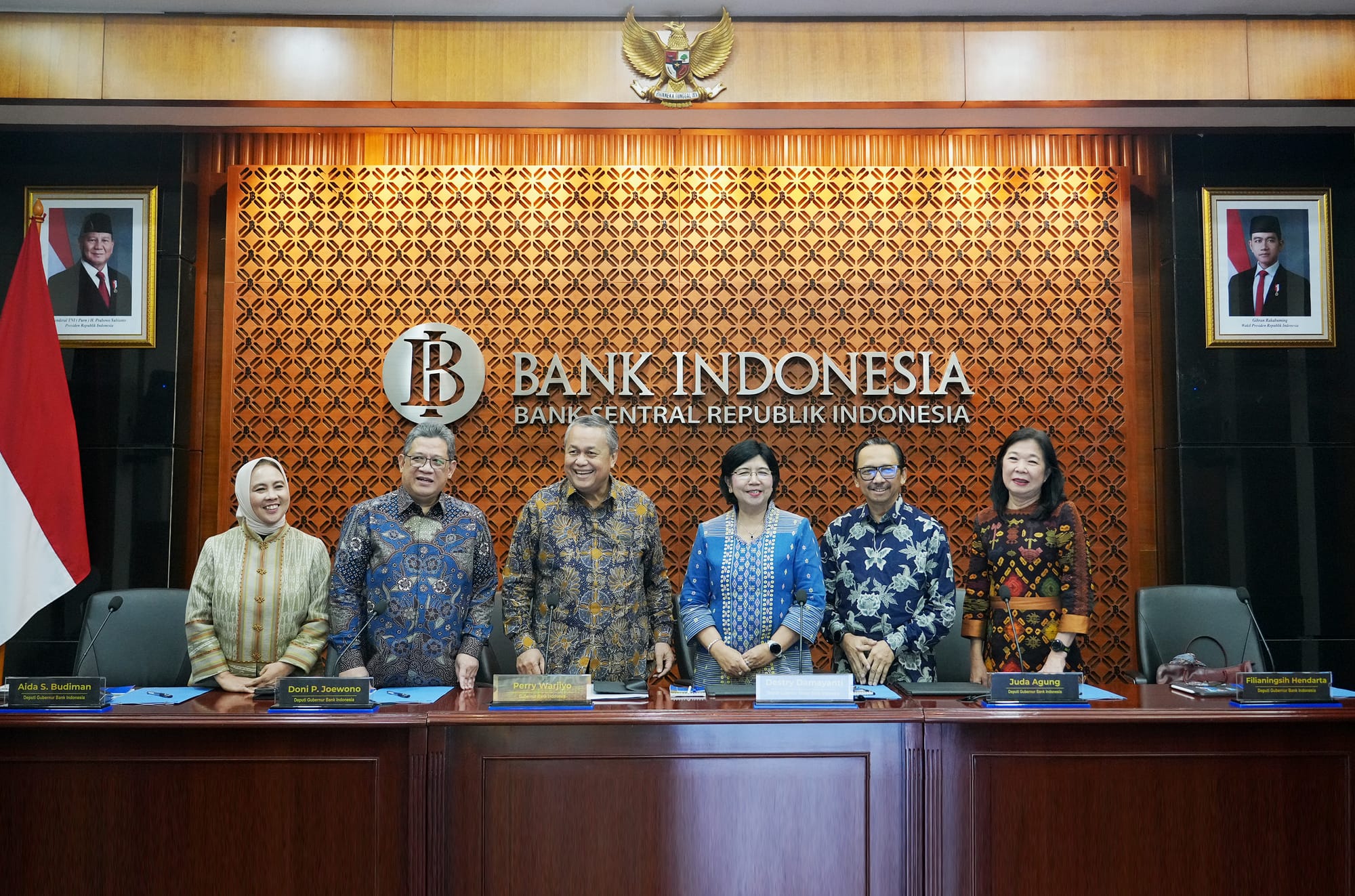
Bank Bukopin changed its name to Bank KB Indonesia
Bank Bukopin has officially changed its name to Bank KB Indonesia, which reinforces Bank Bukopin's integration into the ecosystem of South Korea's KB Financial Group, while also signaling a strengthening of its capital structure and long-term business direction.
- Credit Distribution: IDR 8,075 trillion (+7.56% YoY)
- Third Party Funds: IDR 9,386 trillion (+8.51% YoY)
September 2025
Bank Indonesia lowered its benchmark interest rate by 25 basis points to 4.75%.
Bank Indonesia lowered its benchmark interest rate by 25 basis points to 4.75%, setting a precedent for a 150 bps interest rate cut over the course of a year since September 2024, while also reaching the lowest benchmark interest rate since the post-Covid-19 pandemic recovery period in 2022.
In this month's RDG, BI highlighted that slow credit growth has resulted in a significant amount of undisbursed loans, as reflected in the August 2025 undisbursed loan ratio, which reached Rp2,372.11 trillion or 22.71% of the available credit ceiling. Therefore, even though interest in lending has improved, high interest rates are still holding back further increases in credit demand.
Read also:
 Benedictus Krisna Yogatama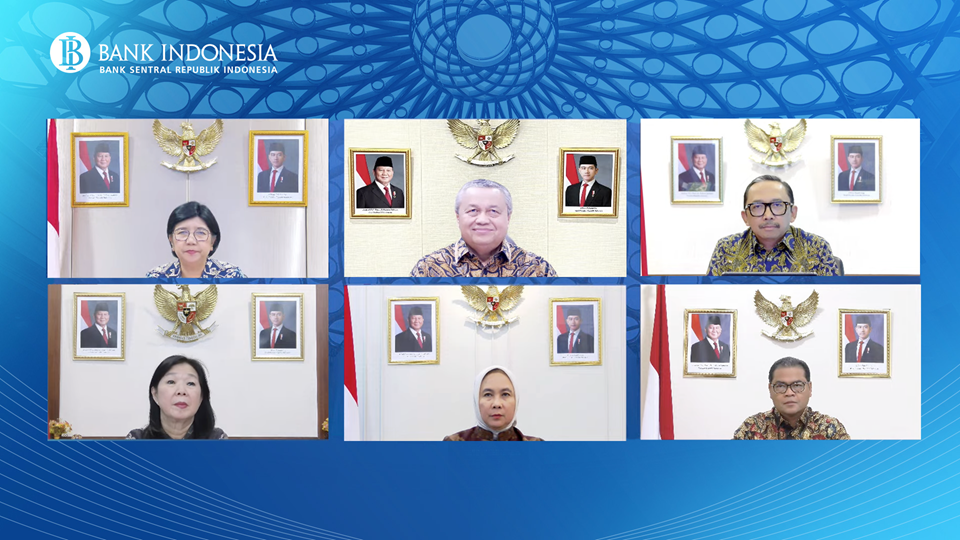
The Ministry of Finance transferred Rp200 trillion in surplus funds to Bank Mandiri, BNI, BRI, BTN, and BSI.
Finance Minister Purbaya Yudhi Sadewa announced the transfer of the government's surplus budget funds (SAL) from Bank Indonesia to five state-owned banks, namely Bank Mandiri, BNI, BRI, BTN, and BSI. The transfer of these funds is intended to increase liquidity, stimulate credit demand, and increase the private sector's interest in accelerating spending.
- Credit Distribution: IDR 8,163 trillion (+7.70% YoY)
- Third Party Funds: IDR 9,695 trillion (+11.18% YoY)
Read also:
 Benedictus Krisna Yogatama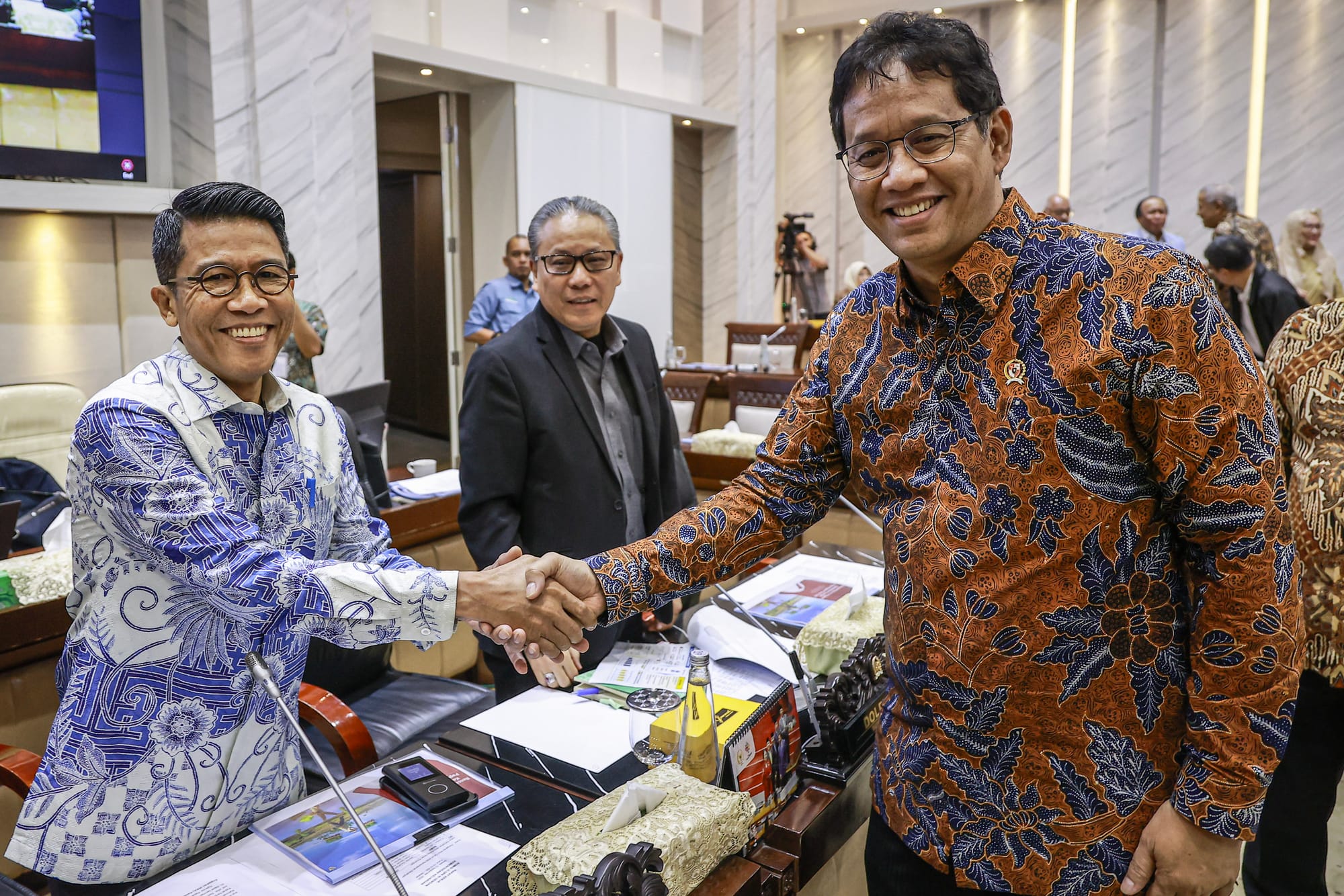
October 2025
LPS lowers rupiah deposit guarantee interest rate by 25 bps to 3.50%
LPS has again lowered the rupiah deposit guarantee interest rate to 3.50%, the lowest level in 2025. This policy aims to accelerate the normalization of deposit interest rates, reduce competition in deposit interest rates, and encourage banks to be more aggressive in channeling funds for productive credit. The consecutive declines between June, August, and October confirm the low interest rate environment in banking throughout 2025.
Read also:
 Benedictus Krisna Yogatama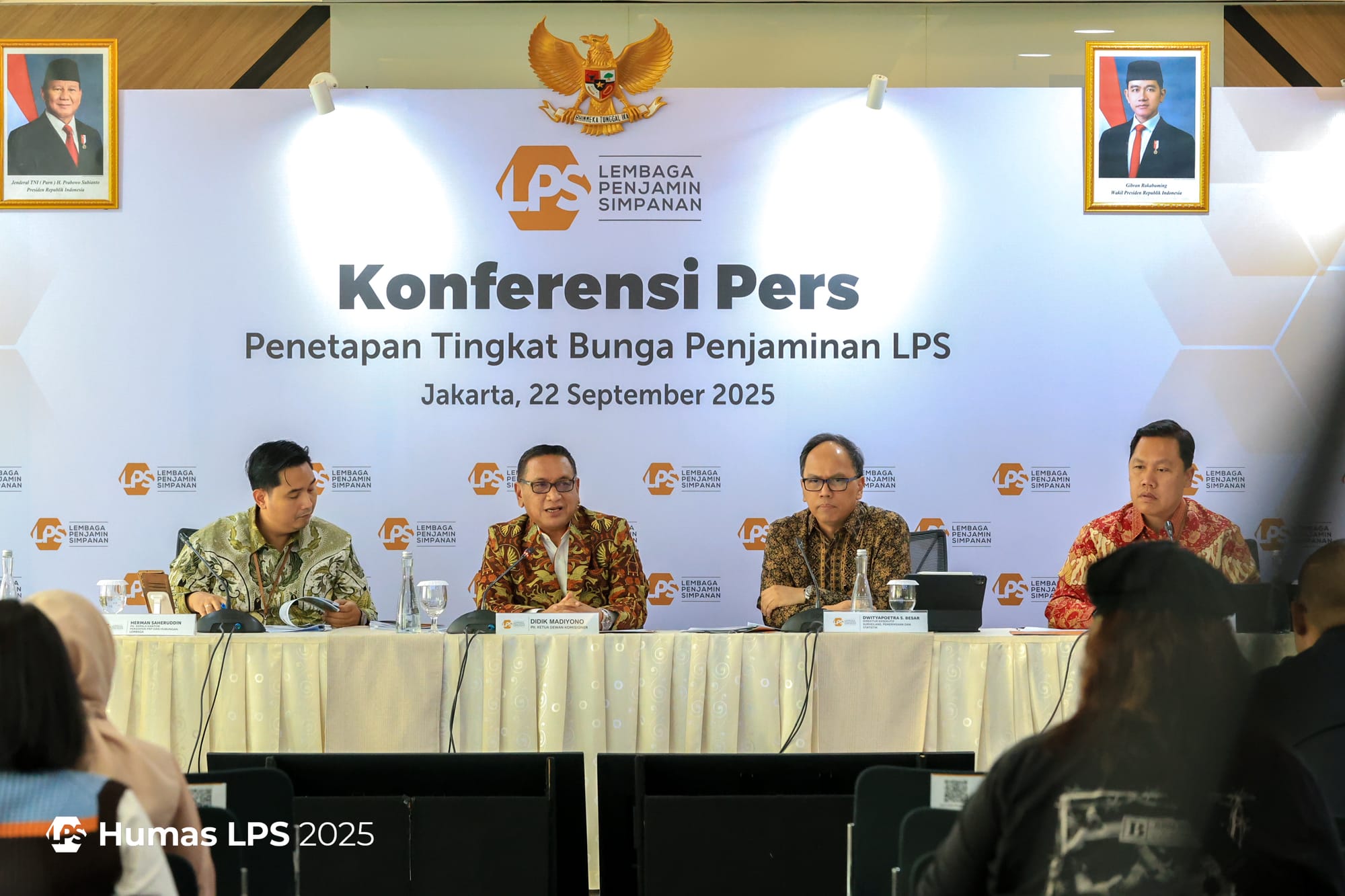
Bank Syariah Nasional (BSN) officially begins operations
Following up on the results of the Extraordinary General Meeting of Shareholders in August 2025, Bank Syariah Nasional officially began operations. With total assets of around Rp100 trillion, BSN's presence is expected to drive the growth of the Islamic banking industry, while also supporting national programs, ranging from food security, renewable energy, the halal industry, to the Hajj ecosystem.
- Credit Distribution: IDR 8,220 trillion (+7.36% YoY)
- Third Party Funds: IDR 9,756 trillion (+11.48% YoY)
Read also:
 Benedictus Krisna Yogatama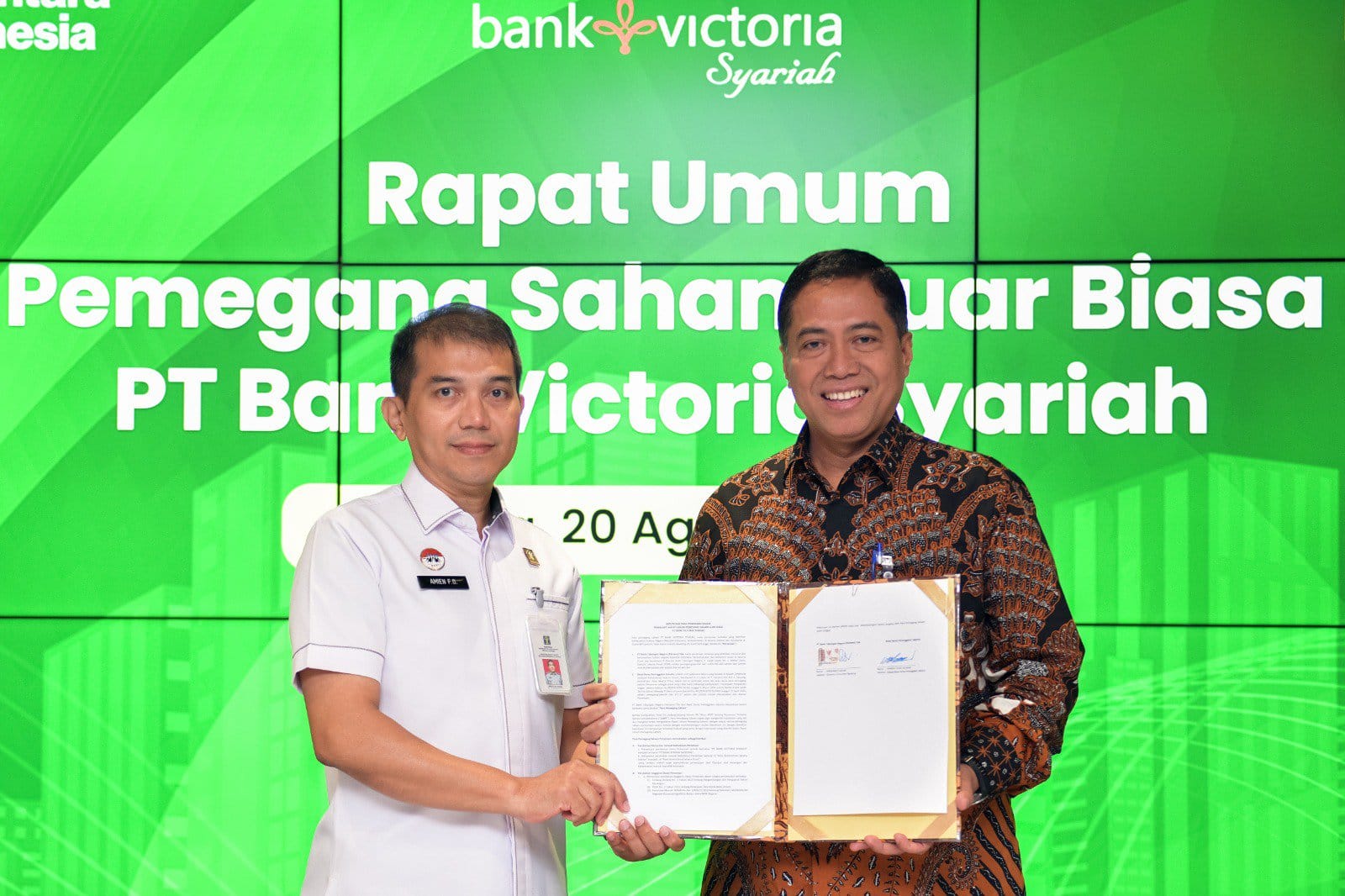
November 2025
The Ministry of Finance continues the second wave of transferring Rp76 trillion in SAL funds
Finance Minister Purbaya Yudhi Sadewa has again transferred government SAL funds at Bank Indonesia to the financial system by injecting Rp76 trillion in liquidity into four state-owned banks, namely BRI, Bank Mandiri, BNI, and Bank Jakarta. The addition of these funds aims to increase the amountof base money so that banking liquidity increases, funding costs decrease, and distribution to the real sector becomes stronger.
- Credit Distribution: IDR 8,220 trillion (+7.36% YoY)
- Third Party Funds: IDR 9,756 trillion (+11.48% YoY)
December 2025
PT. Superbank Indonesia officially conducted its initial public offering on the Indonesia Stock Exchange.
PT Super Bank Indonesia Tbk (SUPA) officially conducted its initial public offering (IPO) and successfully raised Rp 2.79 trillion. On its first day of trading, SUPA's share price immediately opened significantly higher, exceeding the auto reject limit. The majority of the IPO proceeds will be used as working capital to strengthen credit distribution to underbanked segments such as retail and UMKM.
In addition to distribution to these two segments, the funds raised will be allocated for capital expenditure covering product development, digital payment systems, and technology infrastructure. Superbank's strategy focuses on developing a loan portfolio with a credit cycle based on artificial intelligence (AI) reinforced by machine learning and big data to drive innovation.
This year's lessons
Throughout 2025, Indonesia's banking policy direction moved simultaneously towards measured easing. Bank Indonesia opened up room for expansion through five cuts in its benchmark interest rate, reinforced by the Deposit Insurance Corporation's move to gradually lower its deposit insurance rate to its lowest level.
On the fiscal side, the government complemented this policy mix by placing Rp200 trillion in Himbara banks in September, as a liquidity buffer and an incentive for credit to flow back into the productive sector.
However, the banking sector's response has been consistently cautious: interest rate adjustments have been gradual, credit expansion remains selective, and risk management is a priority amid demand that has not yet fully recovered.
This combination of monetary policy, deposit insurance, and liquidity intervention marks 2025 not merely as a year of stimulus, but as a transition phase toward a more efficient, adaptive banking structure that is ready to enter the next growth cycle.