

Rapid transformation marked the growth of Indonesia's digital financial economy (EKD) throughout 2025. As a milestone for the future of the economy and a pillar of economic growth, EKD showed significant development, alongside responsive and proactive law enforcement efforts to strengthen integrity and uphold Indonesia's digital sovereignty in the economic sector.
As a year-end note, SUAR has curated 16 important events in Indonesia's EKD in 2025, which will serve as a starting point and direction for the business world in navigating business digitalization in 2026.
January 2025
The Financial Services Authority (OJK) has implemented new interest rate caps for fintech lending.
Mulai 1 Januari 2025, OJK memberlakukan batas bunga (manfaat ekonomi) baru untuk fintech lending di Indonesia, dengan penyesuaian utama adalah penurunan bunga pinjaman daring konsumtif menjadi maksimal 0,3% per hari untuk tenor di bawah 6 bulan, 0,2% per hari untuk tenor di atas 6 bulan, serta batas produktif untuk Mikro dan Ultra Mikro menjadi 0,275% (< 6 bulan) dan 0,1% (> 6 bulan). Kebijakan ini bertujuan menjaga debitur tetap terjangkau dan mendukung pemakaian infrastruktur EKD untuk segmen UMKM.
QRIS transactions reach Rp80.88 trillion in one month
Bank Indonesia recorded that the nominal value of Quick Response Code Indonesian Standard ( QRIS) transactions reached Rp80.88 trillion from 790.79 million transactions carried out at 36.57 million merchants. This increase represents a 170.1% year-on-year (YoY) growth in transaction volume, maintaining the impressive growth achieved in the previous year.
In the January 2025 RDG, BI also announced a policy to reducethe merchant discount rate (MDR) from 0.4% to 0% in March 2025 for thePublic Service Obligation ( PSO) merchant category, which will eliminate transaction fees so that the massive use of QRIS does not interfere with payment efficiency.
February 2025
Kredivo Group acquires GajiGesa
Kredivo Group acquired the earned wage access (EWA) platform GajiGesa as a strategic move to expand its services to low-income workers and support financial inclusion. GajiGesa will continue to operate under its own brand as part of Kredivo Group.
This acquisition allows GajiGesa to leverage Kredivo's funding and risk management capabilities, while Kredivo gains entry into the payroll segment of workers who are underserved by the conventional banking sector.
March 2025
Bank Indonesia launches QRIS Tap
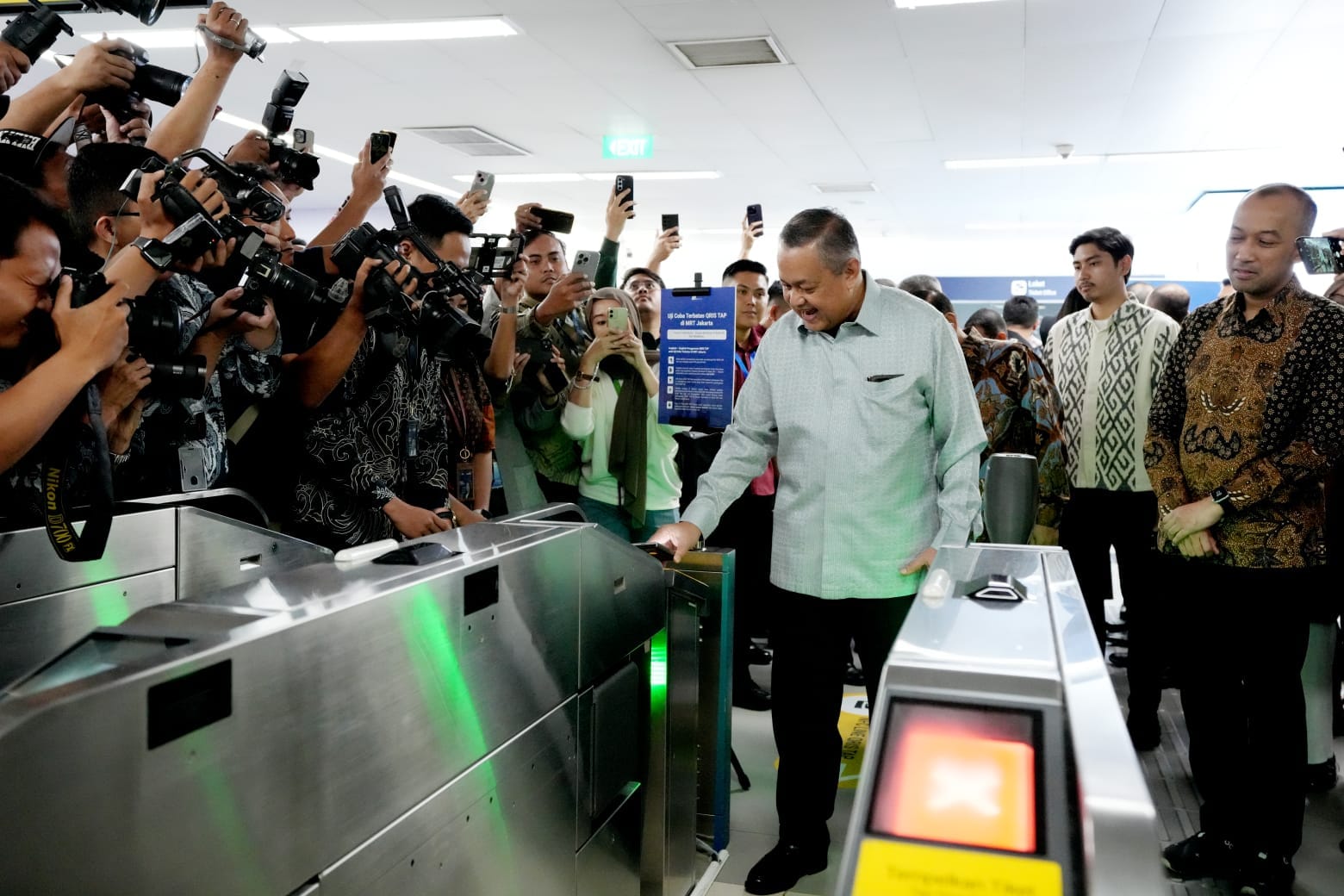
Bank Indonesia has officially launched QRIS Tap, a new responsive version of QRIS with Near-Field Communication (NFC) features. This technological development allows users to make transactions bytapping their mobile phone's on the payment machine without having to scan a QR code as usual.
In its first month since launch, QRIS Tap recorded 42.9 million transactions by 20.8 million users with a total value of Rp3.24 billion. BI hopes that this innovation will support the acceleration of payment system digitalization in Indonesia, as well as support more reliable public services, particularly in the public transportation sector.
April 2025
OJK revokes Ringan's license
The Financial Services Authority (OJK) officially revoked the business license of fintech lending company PT. Ringan Teknologi Indonesia (Ringan), which voluntarily returned its business license as a provider of Information Technology-Based Joint Funding Services (LPPBTI).
The business license was returned after conducting an internal evaluation of Ringan with shareholders, who projected continued losses if the business continued to operate. With total assets of around Rp18.89 billion and total liabilities of Rp1 billion, the liquidation of Ringan officially reduced the number of licensed online lending companies in Indonesia to 96 registered companies in 2025.
May 2025
Scam reports exceed 100,000 cases
The Indonesia Anti-Scam Center (IASC) reported that it had received 105,202 reports of fraud with total losses reaching Rp2.1 trillion. From these reports, the IASC blocked 42,504 accounts to stop the flow of funds to the perpetrators. The number of cases exceeding 100,000 reports in a period of 5 months indicates that digital fraud and scams are structural issues that still pose a risk to digital economy players.
Financial literacy and inclusion increase
The Financial Services Authority (OJK) and the Central Statistics Agency announced an increase in the financial literacy index to 66.46% and the financial inclusion index to 80.51% in May 2025. This increase reflects the growing understanding of the public, including in the use of digital financial services such as online loans and e-wallets.
Through measurable and targeted follow-up actions, improving financial literacy and inclusion is expected to help the public understand financial health, in addition to strengthening the adoption of technology and the digital economy, including fintech, e-wallets, and QRIS, which are increasingly understood and used by all segments, including UMKM.
Read also:
 Tria Dianti
June 2025
Bank Indonesia launches "Eling Raga"
Bank Indonesia's Bali Representative Office launched a financial sector consumer protection program called Eling Raga in collaboration with the OJK and banks. This program focuses on bottom-up advocacy for digital financial literacy, inter-agency synergy, and encouraging a culture of smart consumers in digital transactions as a follow-up to the Joint Consumer Protection Education Movement launched in December 2024.
July 2025
Income Tax Plan for E-Commerce Transactions
Minister of Finance Regulation (PMK) Number 37 of 2025 officially imposes a final income tax (PPh) rate of 0.5% on gross online sales . This step was taken as an expansion of the digital tax base in a fair manner, namely by taking a small portion of gross sales without adding new rates. In addition, the application of this rate helps create a level playing field and equality between offline and online merchants, who have been scattered across various platforms and difficult to monitor.
During his tenure, Finance Minister Purbaya Yudhi Sadewa decided to postpone the e-commerce tax, even though the collection system was already in place. The Minister of Finance's considerations included the desire to restore people's purchasing power and the fiscal stimulus effect on the economy before adding new tax burdens.
Read also:
 Tria Dianti
Former CEO of eFishery arrested
The Criminal Investigation Agency of the Indonesian National Police detained the founder and former CEO of PT Multidaya Teknologi Nusantara or eFishery, Gibran Huzaifah, in a case of alleged embezzlement on Thursday (7/31/2025).
The Indonesian National Police Criminal Investigation Unit stated that Gibran and two of his colleagues were involved in embezzling investment funds reportedly amounting to Rp15 billion, manipulating information to investors, which caused discrepancies between internal reports and actual economic facts. The police stated that they had collaborated with the Financial Transaction Reports and Analysis Center (PPATK) to audit the use of funds and transaction flows during the period of the alleged violation.
August 2025
QRIS can be used in Japan
Bank Indonesia officially implemented cross-border QR between Indonesia and Japan starting August 25, 2025. With the agreed local currency transaction (LCT) agreement, the QR interoperability scheme allows more than 500,000 Japanese tourists to Indonesia and Indonesian tourists to Japan to make transactions using digital payment applications.
In the initial stage, QRIS is valid at 35 merchants in Japan by scanning JPQR Global using domestic payment applications. This coverage will be expanded to help facilitate Indonesian citizens' transactions in Japan using QRIS.
Read also:
 Tria Dianti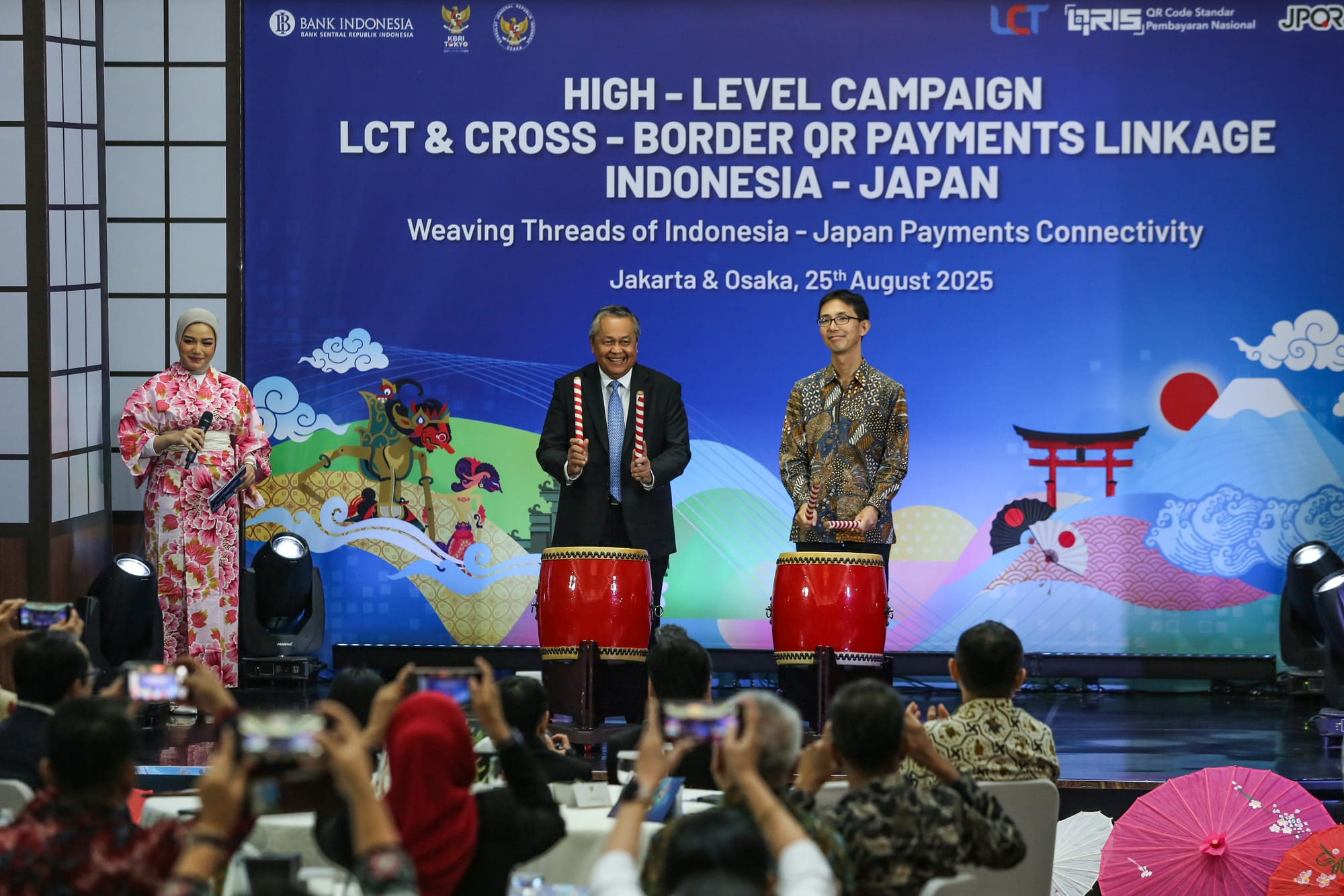
September 2025
Former Investree CEO arrested in Qatar
The Indonesian National Police arrested former CEO and founder of fintech startup Investree Adrian Asharyanto Gunadi in Doha, Qatar, in cooperation with the local Interpol National Central Bureau, and he was then forcibly repatriated to Indonesia on September 24, 2025. Adrian was named a suspect in the alleged collection of public funds without OJK permission between January 2022 and March 2024 through the Investree entity.
The misuse of funds for personal gain is estimated to have caused investors losses amounting to Rp2.75 trillion. Upon arrival in Indonesia, Adrian was placed under OJK custody and faces up to 10 years in prison and fines in accordance with Indonesian law.
Read also:
 Benedictus Krisna Yogatama
October 2025
The Indonesian Digital Finance Festival is held
Bank Indonesia held the Indonesian Digital Financial Economy Festival together with the Indonesia Fintech Summit & Expo (FEKDI x IFSE 2025). During this 3-day event, BI showcased the acceleration of Indonesia's digital economic and financial transformation and presented an overview of the Indonesian Payment System Blueprint (BSPI 2025-2030).
Along with the opening of FEKDI x IFSE 2025, BI launched the innovative QRIS Tap In/Tap Out feature, which can be used in 5 modes of public transportation in Greater Jakarta, as well as launching the Indonesia-South Korea Cross-Border QRIS Sandbox initiative as a step to strengthen cross-border payment system connectivity.
Read also:
 Tria Dianti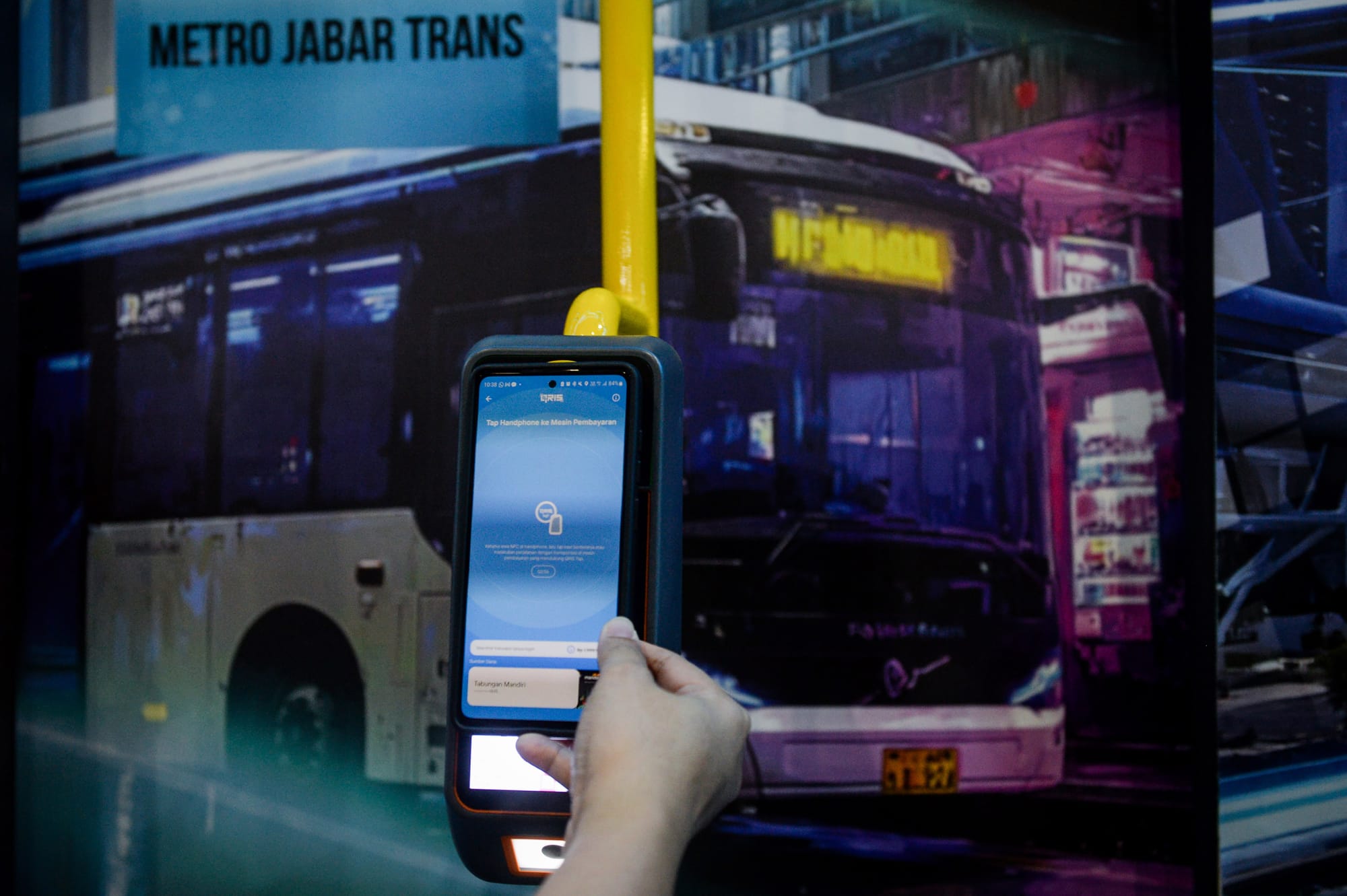
November 2025
OJK revokes Crowde's license
The OJK has officially revoked the business license of fintech lending company PT. Crowde Membangun Bangsa (Crowde) as a fintech peer-to-peer lending operator based on OJK Board of Commissioners Decree Number KEP-68/D.06/2025. In its consideration, the OJK stated that Crowde failed to meet the minimum equity requirement of IDR 12.5 billion as stipulated in POJK 40/2024.
Prior to revocation, OJK had imposed administrative sanctions in the form of written warnings, Business Activity Freezing (PKU), and Reassessment of Main Parties (PKPU) for Crowde's CEO and Co-Founder. However, by the specified deadline, Crowde was unable to meet the performance improvement requirements, resulting in the final decision to revoke its business license.
December 2025
Harbolnas targets transactions worth IDR 35 trillion
Coordinating Minister for Economic Affairs Airlangga Hartarto is targeting transaction value during the 2025 National Online Shopping Day (Harbolnas) to reach IDR 35 trillion, higher than the actual transaction value of IDR 31.2 trillion in 2024.
Harbolnas will synergize with the Epic Sale and Bina Great Sale programs so that the total spending target throughout December reaches IDR 110 trillion. This high transaction target is expected to drive an increase in household consumption in the fourth quarter of 2025, which will determine the annual economic growth rate.
Read also:
 Tria Dianti
Government trains Gen Z to become drivers of the digital economy
The Coordinating Ministry for Economic Affairs, in collaboration with the Ministry of Creative Economy and the Ministry of Manpower, launched gig economy training for Gen Z and the AI Open Innovation Challenge to encourage young people to become drivers of Indonesia's digital economy potential.
With a focus on realizing technological sovereignty and a robust digital economy ecosystem, the government has prepared a Rp10 trillion credit facility with 6% interest for gig economy players who can develop use case projects. The significance of the digital economy is expected to become the third engine of growth for the Indonesian economy after industrialization and fiscal stimulus.
Read also:
 Benedictus Krisna Yogatama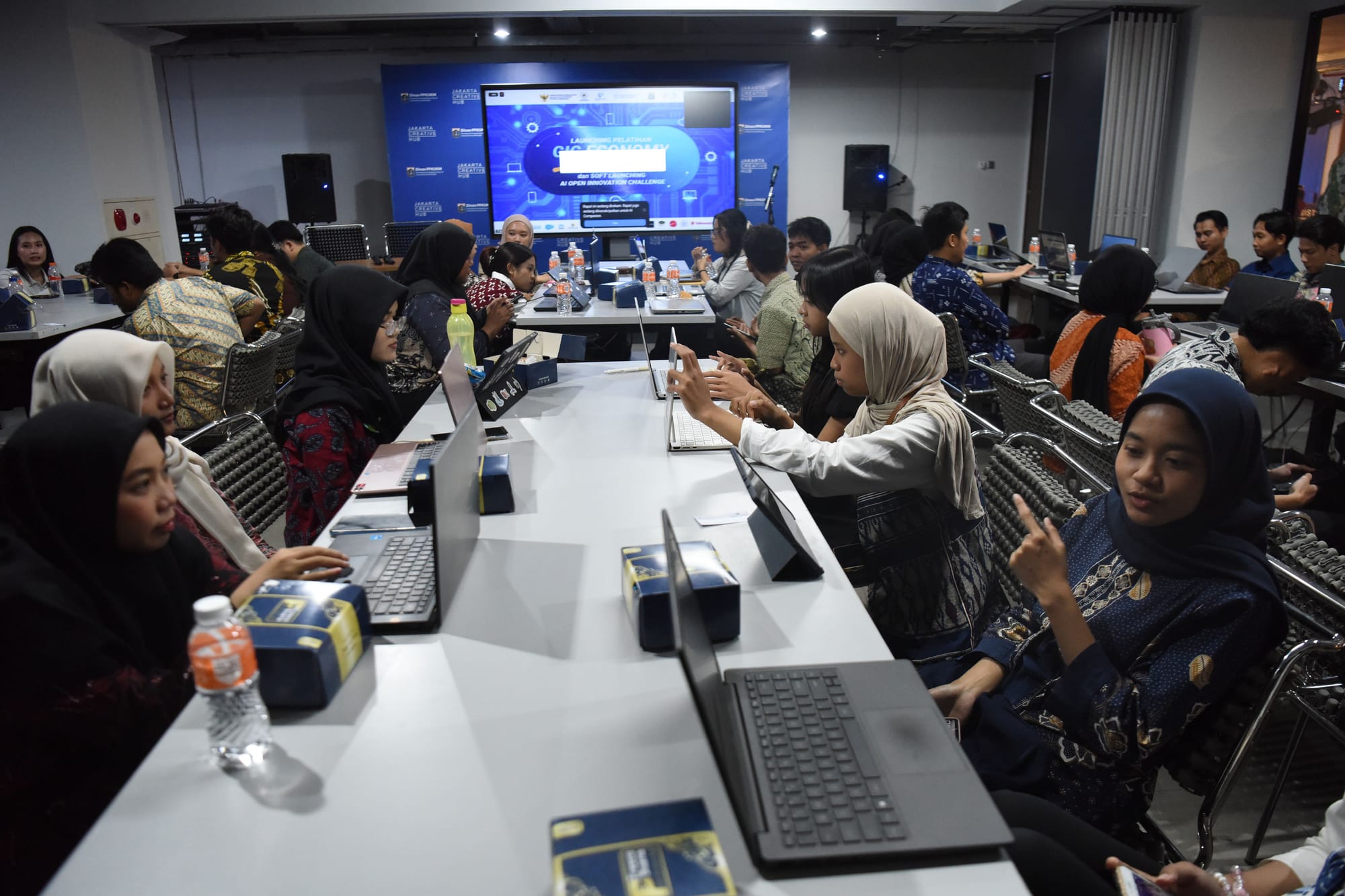
This year's lessons
The year 2025 marks the maturation phase of Indonesia's digital economy. Transaction growth, the expansion of digital payments, and the entry of global players indicate that digitalization has become the foundation of the national economy. However, at the same time, a series of legal cases and business license revocations confirm that expansion without adequate governance poses systemic risks to the digital ecosystem.
The business world needs to understand that trust is the main capital of the digital economy. Innovation, business scale, and valuation are no longer sufficient without financial transparency, adequate capital, and regulatory compliance. Aggressive growth models that ignore governance have proven to be fragile, while disciplined players have gained business certainty and long-term sustainability.
Read also:
 Benedictus Krisna Yogatama
Law enforcement throughout 2025 shows that regulators are not stifling the digital economy, but rather cleaning it up through license revocation, capital supervision, and cross-border law enforcement cooperation. These measures are an important foundation for maintaining market integrity. Risk- and data-based supervision, adaptive regulatory certainty, and consumer and investor protection need to follow up on these decisive measures.
Reflecting on experience, natural selection is currently being experienced by Indonesia's digital economy. Players who are able to balance innovation and compliance will survive and grow, while deviant practices will be eliminated. Towards 2026, the important capital for players is not only the large transaction value, but also the creation of a more mature, credible, and sustainable ecosystem.