

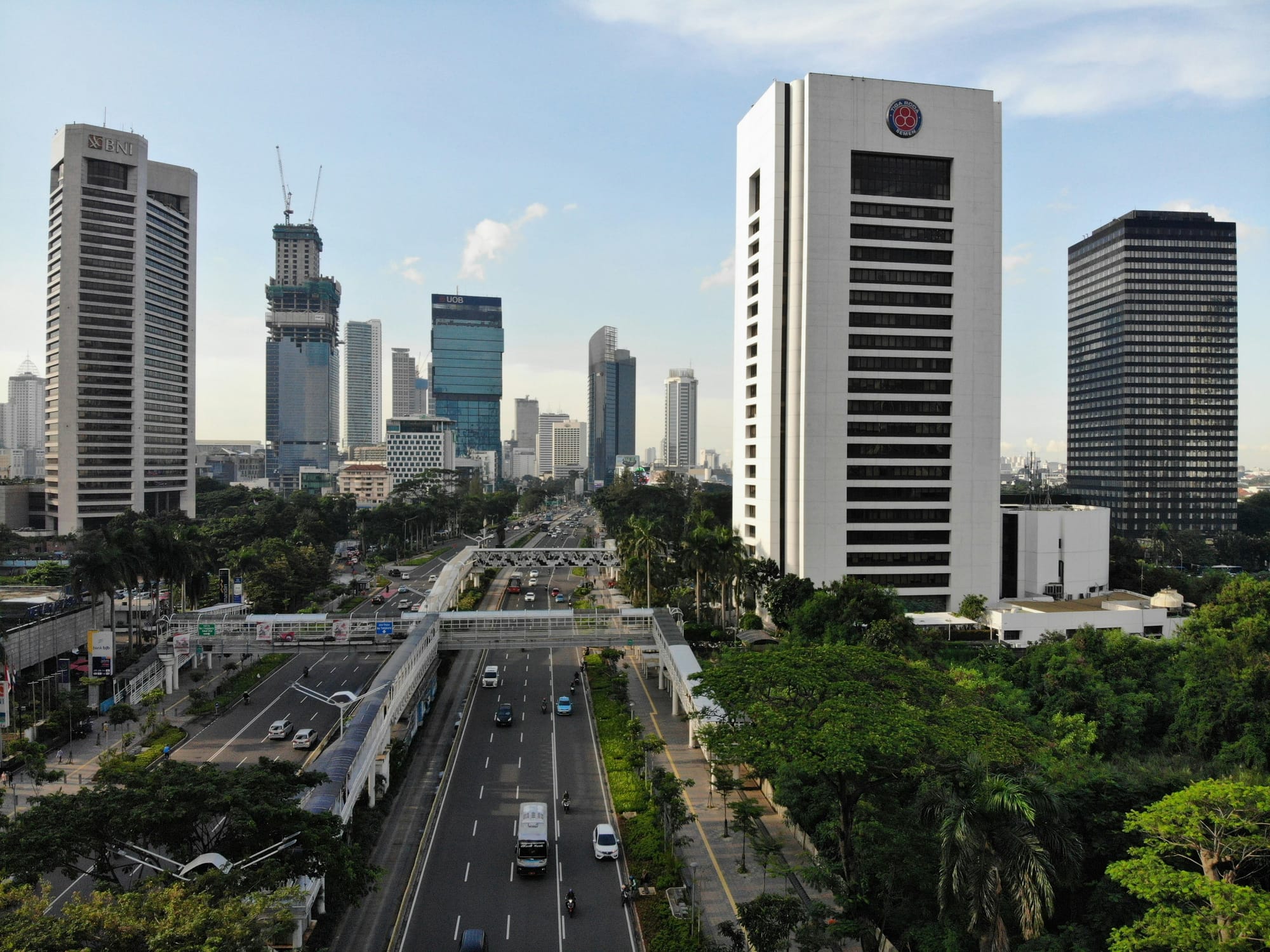
The series of economic turbulence that occurred throughout 2025 is summarized in valuable notes and lessons about the importance of fundamental resilience alongside the goal of pursuing high growth. Despite various predictions of a slowdown, Indonesia's success in getting through this decisive year has become the capital for shifting the focus from stability to optimal growth in line with its potential.
Throughout the year, Suar.id's curators identified 14 important macroeconomic events that had a decisive impact, in addition to inflation and the rupiah exchange rate, which remained in line with expectations.
January 2025
President Prabowo Subianto establishes efficiency policy
President Prabowo Subianto issued Presidential Instruction (Inpres) No. 1 of 2025 on Expenditure Efficiency in the Implementation of the 2025 State Budget and Regional Budget. This policy, which targets total efficiency of around Rp 306.7 trillion, mandates a review of expenditure components in accordance with the duties and functions of ministries/institutions, as well as a reduction in expenditure without measurable output, such as seminars and business trips.
The business world has responded positively to this fiscal discipline measure at the beginning of the year. For investors, this Presidential Instruction reinforces the perception of the government's efforts to maintain the credibility of the State Budget within a limited fiscal space. However, industry players that depend on government spending, such as event organizers, hotels, and printing companies, have begun to voice concerns about a potential decline in demand since the beginning of the year.
- Consumer Price Index Inflation: 0.76% YoY
- Rupiah Exchange Rate Range: IDR 16,200 - IDR 16,260 per USD
February 2025
Economic growth in 2024 will reach 5.03%
The Central Statistics Agency published an Official Statistics Bulletin announcing that Indonesia's economic growth in the fourth quarter of 2024 reached 5.02% year on year, bringing the annual economic growth for 2024 to 5.03% calendar to calendar ( c-to-c).
Growth remaining above 5% demonstrates the resilience of the domestic economy amid global uncertainty, while setting the baseline for growth assumptions throughout the year. Financial markets welcomed the announcement positively, although it did not trigger euphoria as the growth was in line with previous expectations.
- Consumer Price Index Inflation: -0.09%
- Rupiah Exchange Rate Range: IDR 16,320 - IDR 16,520 per USD
March 2025
Q1 2025 growth expectations begin to take shape
Coinciding with the start of Ramadan 1446 Hijri, increased demand for foodstuffs and household consumption triggered seasonal price pressures, particularly in the food and beverage group. However, slower government spending following efficiency measures has restrained demand, with more growth coming from household consumption.
At the end of March 2025, Q1 2025 economic growth expectations began to predict a restrained acceleration, but stable enough to maintain the growth rate. Without significant breakthroughs, the direction of economic growth in 2025 began to be seen in a stable rhythm, but not expansive.
Read also:
 Benedictus Krisna Yogatama
Trading halt on the Indonesia Stock Exchange
The Indonesia Stock Exchange temporarily suspended trading after the JCI fell 5.02% on March 18, 2025, at 11:19:31 a.m. This event marked the sharpest intraday decline in recent years due to negative sentiment and investor concerns over macroeconomic uncertainty and fiscal risks.
Deputy Speaker of the House of Representatives Sufmi Dasco Ahmad visited the IDX building that day to calm the market and signal his support for capital market stability. He also dismissed rumors of Finance Minister Sri Mulyani Indrawati's resignation as hoaxes and assured the public that fiscal policy would remain consistent and be managed responsibly.
- Consumer Price Index Inflation: 1.03%
- Rupiah Exchange Rate Range: IDR 16,320 - IDR 16,590 per USD
April 2025
US tariff policy announced
US President Donald J. Trump announced a package of import tariffs dubbed "Liberation Day Tariffs" which includes a universal 10% tariff on almost all imported goods and higher reciprocal tariffs for various countries, with Indonesia initially subject to a 32% import tariff based on calculations of unilateral trade imbalances.
The Indonesian government has stated that it is ready to face these dynamics by strengthening bilateral dialogue, regional economic cooperation, and FTAs, in addition to diversifying exports to potential markets outside the United States to reduce dependence.
The escalation of tariffs triggered volatility in Asian currencies, including the rupiah, due to concerns about a slowdown in trade caused by supply chain disruptions. Short-term pressure on the stock market occurred, followed by rising expectations of higher import costs from the United States, forcing businesses that depend on imported raw materials to reevaluate their cost structures and supply chains in light of this policy.
- Consumer Price Index Inflation: 1.95%
- Rupiah Exchange Rate Range: IDR 16,780 - IDR 16,800 per USD
May 2025
The economy slowed in Q1 2025
The Central Statistics Agency published an Official Statistics Bulletin announcing that Indonesia's economy slowed in the first quarter of 2025, with growth reaching only 4.87% YoY, lower than the first quarter of 2024 at around 5.11% YoY. On a quarterly basis, Indonesia's economy contracted by -0.98%, even though agriculture, manufacturing, and retail experienced positive growth.
The 4.87% growth is the lowest annual growth rate in recent years, indicating that the significant decline in quarterly government spending has hit economic growth and created sluggish sentiment in investment, while challenging the capacity for recovery after the Eid al-Fitr holiday season.
- Consumer Price Index Inflation: 1.60%
- Rupiah Exchange Rate Range: IDR 16,600 - IDR 16,275 per USD
June 2025
World Bank assesses Indonesia's economic resilience to remain strong
The World Bank released its Indonesia Economic Prospects (IEP) report, which assesses Indonesia's economic resilience, with growth expected to reach 4.9% amid weakening global demand. Strong domestic demand and the contribution of the agricultural and service sectors, supported by low inflation and government social programs, could have a multiplier effect that positively impacts medium-term growth.
However, the World Bank emphasizes that uncertainty in international trade remains a risk that affects exports, investment, and foreign capital flows. Heterogeneous job quality, productivity centered on low value-added sectors, and efficiency that hinders government investment in the short term are a list of risks that Indonesia must mitigate to prevent a ripple effect that would hamper its economic growth.
- Consumer Price Index Inflation: 1.87%
- Rupiah Exchange Rate Range: IDR 16,250 - IDR 16,270 per USD
July 2025
BRICS countries close ranks against Trump
Following the announcement of unilateral tariffs by the United States, Brazil hosted the 17th BRICS Leaders Summit, which brought to the agenda the strengthening of trade and investment cooperation, sustainable economic development, global governance reform, and trade expansion.
This new direction for cooperation from the Global South seeks to respond to supply chain disruptions by presenting an alternative trade architecture outside the Western economic bloc, including the potential expansion of non-US export markets, opening up opportunities for investment and infrastructure financing, and strengthening multilateralism amid concerns over the economic impact of US reciprocal tariff policies.
The "de-dollarization" plan that emerged following the conclusion of this summit prompted controversial statements from President Trump, who said he would impose 100% reciprocal tariffs on BRICS member countries if the plan were to be implemented.
- Consumer Price Index Inflation: 2.37%
- Rupiah Exchange Rate Range: Rp 16,200 - Rp 16,315 per USD
August 2025
Surprise economic growth in Q2 2025
On August 5, 2025, the Central Statistics Agency announced in the August 2025 edition of its Statistical Release that economic growth in Q2 2025 reached 5.12% YoY, representing a 4.04% quarterly increase.
This achievement is relatively higher than market and economist estimates, which projected growth of only 4.8%–4.9%. Stable household consumption, stronger exports, and steady investment growth were the main contributors to growth in this quarter.
This announcement strengthened domestic financial market sentiment, reflecting positive perceptions of Indonesia's resilient economic fundamentals, although skepticism remains regarding the accuracy of the data used by BPS to measure growth this quarter.
The government sets an expansive fiscal policy direction
In his Financial Note speech before the People's Consultative Assembly, Friday (08/15/2025), President Prabowo Subianto announced the 2026 draft state revenue and expenditure budget (RAPBN) with a revenue target of Rp 3,147.7 trillion, expenditure of Rp 3,786.5 trillion, and a deficit equivalent to 2.48%.
The fiscal policy priorities for 2026 will be directed towards strengthening food and energy security, targeted social protection, and support for productive sectors to create jobs.
Assuming inflation remains at +-2.5% and tax revenue increases by 12.8%, the 2026 Draft State Budget is expected to serve as a shock absorber, enabling Indonesia to maintain its annual economic growth of 5.4% amid global economic uncertainty and slowdown.
- Consumer Price Index Inflation: 2.31%
- Rupiah Exchange Rate Range: IDR 16,300 - IDR 16,340
Read also:
 Tria Dianti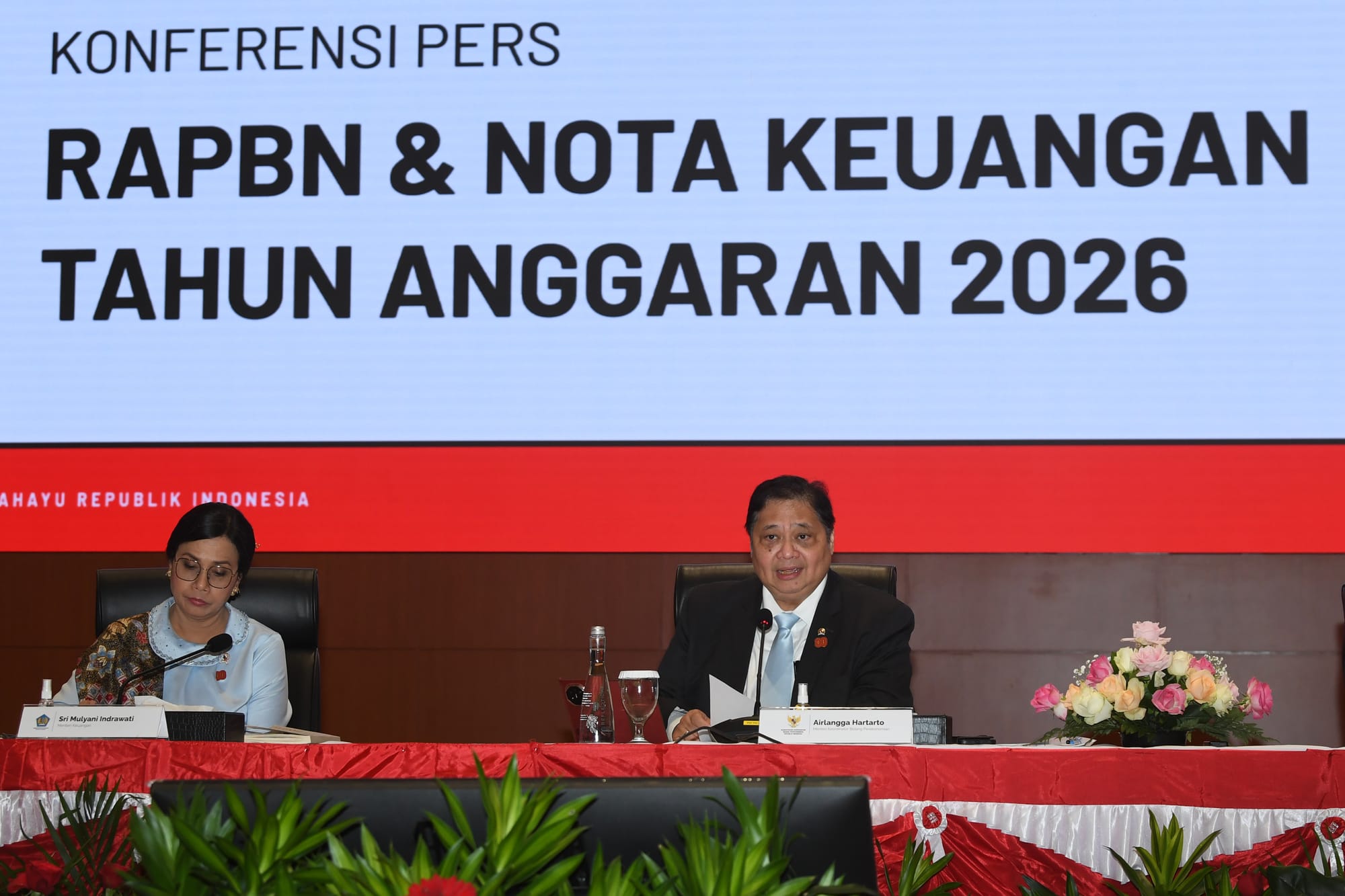
 Mukhlison Widodo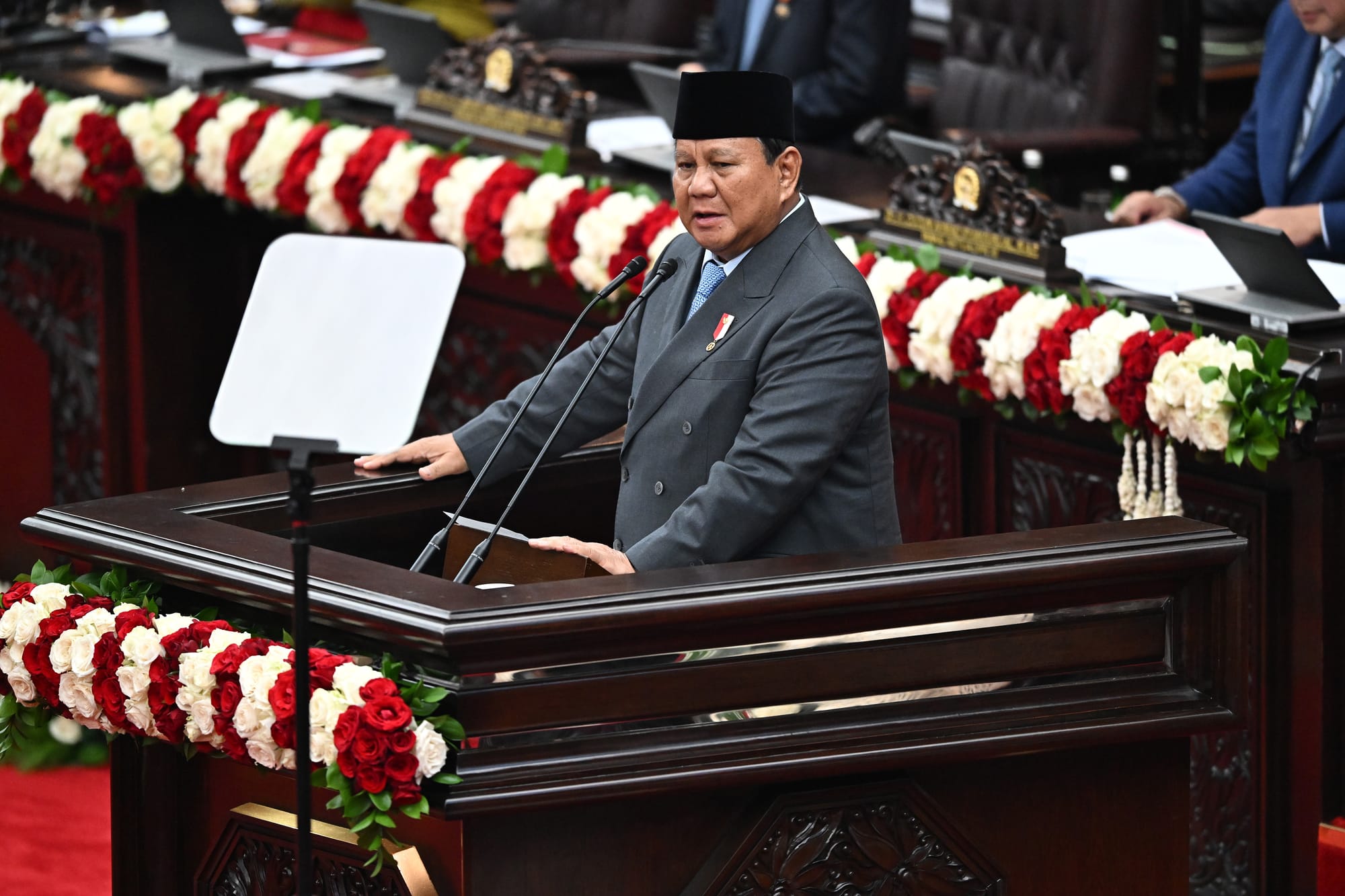
September 2025
First change of finance minister in nine years
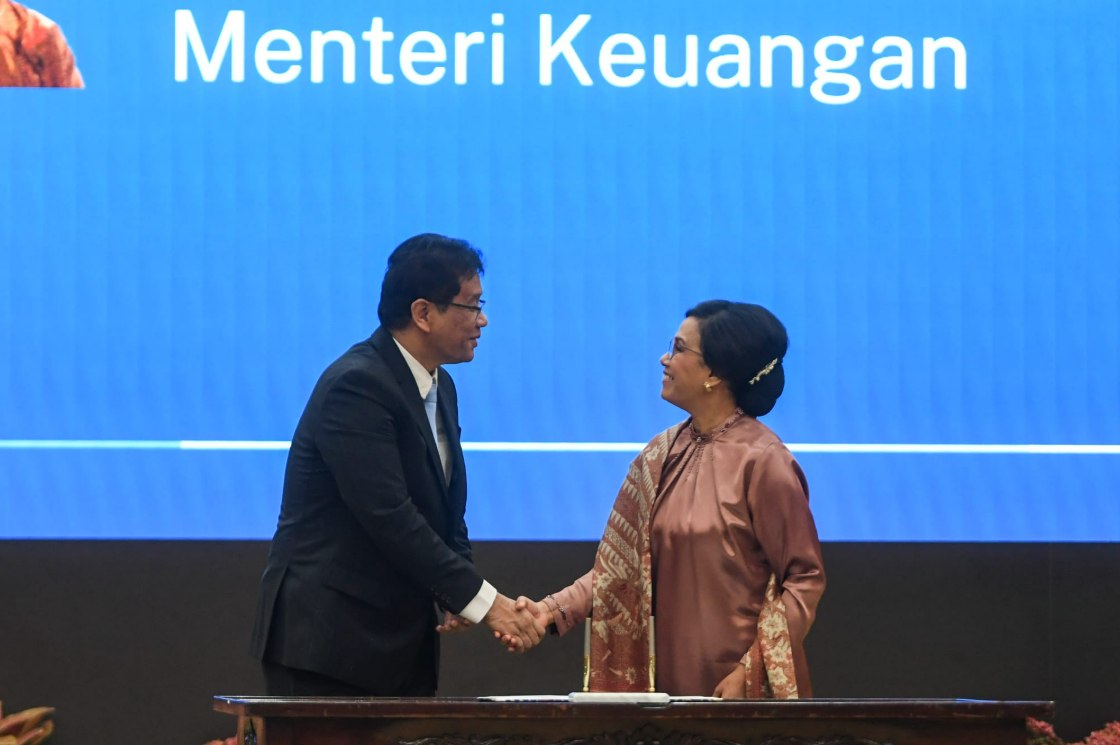
Through a sudden change, President Prabowo Subianto officially appointed the Chairman of the Deposit Insurance Corporation, Purbaya Yudhi Sadewa, as Minister of Finance, replacing Sri Mulyani Indrawati on Monday, September 8, 2025.
In his first speech after being inaugurated, Purbaya emphasized the President's order to reverse the economy and create growth. Purbaya is committed to making fiscal policy an optimal driver for the economy and halting the economic slowdown of the last two quarters.
The sudden change received a cool response from the market, with the JCI closing down 1.28% or 100.49 points at 7,766.84 on Monday's trading due to the sale of shares in the last minutes before closing, which coincided with Purbaya's inauguration at the State Palace.
Trading on Tuesday continued to weaken further with several corrections occurring throughout the trading period, closing down 1.78% at 7,628.60 on Tuesday (09/09/2025).
- Consumer Price Index Inflation: 2.65%
- Rupiah Exchange Rate Range: IDR 16,430 - IDR 16,750
Read also:
 Benedictus Krisna Yogatama
 Benedictus Krisna Yogatama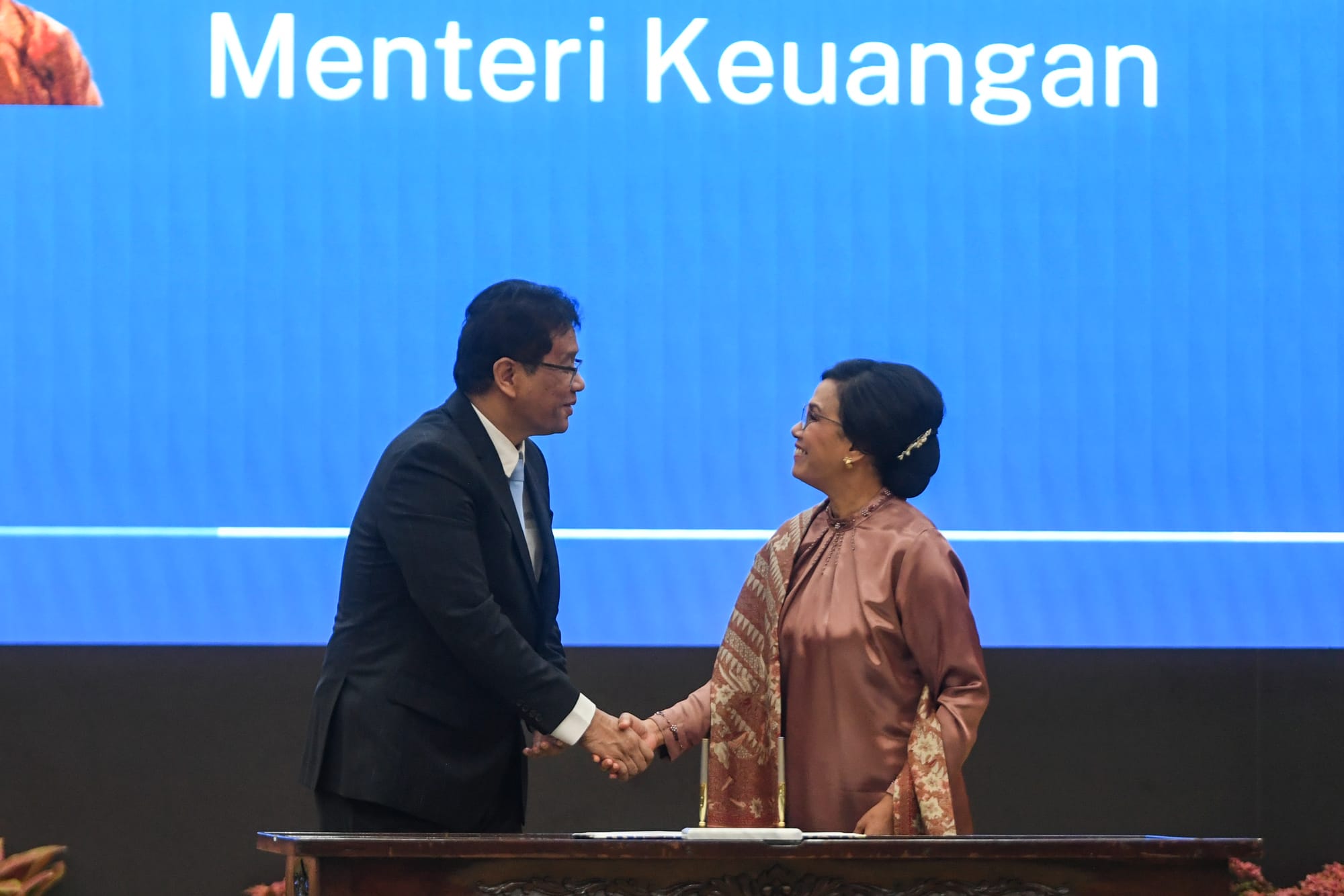
October 2025
IMF-World Bank: uncertainty is the new normal
The IMF-World Bank Annual Meeting in Washington D.C., United States, on October 13-18, 2025, confirmed that global uncertainty has become the "new normal" in international political economy due to a combination of protectionism and global economic fragmentation.
At the meeting, the World Bank projected stable but not strong global growth, and specifically noted that emerging market countries, including Indonesia, face the risk of a global slowdown by strengthening domestic policies as a buffer for growth.
During the discussion sessions, four topics were highlighted, consisting of the debate on debt and fiscal resilience, the creation of a high-quality and productive labor market ecosystem, and market risks due to artificial intelligence-based asset bubbles that have an impact on valuation bubbles and global stability.
The meeting recommended that emerging market countries develop fiscal policies and macroeconomic stability that are responsive to external pressures, while pursuing structural reforms at the domestic level.
- Consumer Price Index Inflation: 2.86%
- Rupiah Exchange Rate Range: IDR 16,610 - IDR 16,620 per USD
Read also:
 Benedictus Krisna Yogatama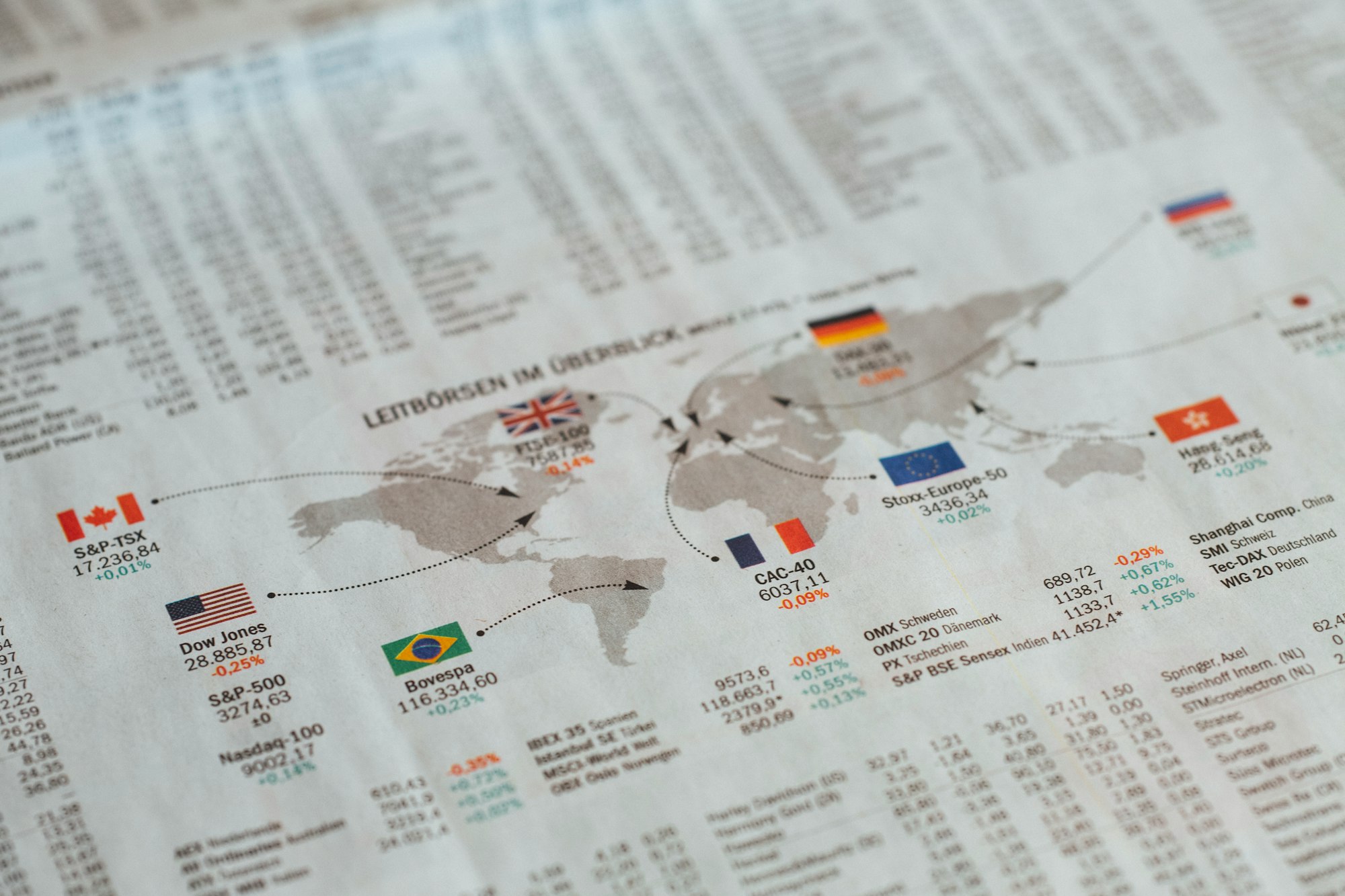
 Benedictus Krisna Yogatama
November 2025
Q3 growth moderated as expected
On November 5, 2025, the Central Statistics Agency announced that Indonesia's economic growth in the third quarter reached 5.04% YoY, lower than the annual growth in the previous quarter of 5.12% YoY.
Household consumption remains the largest contributor, accounting for Rp 3,220 trillion or 53.14% of GDP, growing 4.89% YoY, followed by investment, which contributed Rp 1,762.8 trillion or 29.09% of GDP. This achievement confirms the fundamental success of Indonesia's economy, which remains solid in the face of short-term fluctuations that occurred in late August and early September 2025.
- Consumer Price Index Inflation: 2.72%
- Rupiah Exchange Rate Range: IDR 16,695 - IDR 16,625
Read also:
 Benedictus Krisna Yogatama
December 2025
State budget realization below annual target
The Ministry of Finance announced that state revenue and expenditure realization until the end of November 2025 reached 82.1% and 82.5%, respectively. Although below target, the 2.35% deficit is still within manageable limits and in line with the initial design.
A number of successful optimization opportunities can be seen in tax collection, which grew by 2.5% compared to the end of October, as well as the acceleration of regional spending, which has only reached 65.3% of the budget ceiling.
With a strategy of accelerating spending until the end of the year and increasing the conversion of foreign exchange from natural resource exports by up to 50%, this realization has become a valuable lesson for spurring quality growth in 2026.
- Consumer Price Index Inflation: 2.72%
- Rupiah Exchange Rate Range: IDR 16,640 - IDR 16,750 per USD
Read also:
 Benedictus Krisna Yogatama
This year's lessons
Throughout 2025, Indonesia's economy will operate in a global landscape fraught with uncertainty, ranging from tightening international financial sentiment and geopolitical dynamics to changes in the policies of developed countries. However, macroeconomic data shows that the foundations of the national economy remain intact: inflation is within the target range, economic growth is above 5%, and the financial system remains stable despite the relative pressure on the rupiah exchange rate.
From a policy perspective, 2025 will be a year of significant structural adjustments. The government will implement fiscal efficiency measures from the beginning of the year, reorganize spending priorities, and face an important transition with the change of Minister of Finance. On the other hand, Bank Indonesia will be cautious in maintaining exchange rate stability and the financial system as the main anchor.
The year 2025 taught us that Indonesia's macroeconomic resilience was tested not by domestic crises, but by its ability to respond to external shocks. The challenges ahead remain significant, but the experience of 2025 shows that macroeconomic stability is not the result of short-term policies, but rather the fruit of consistency in facing global uncertainty, which has become the "new normal."