
As people get older, they tend to change the direction of their lives. No longer pursuing material achievements alone, but rather seeking a more meaningful enjoyment of life.
In the end, this makes it easier to feel grateful for the little things that were previously ignored. Like, the blessings of health and inner peace.
This is the philosophy reflected in the life and business journey of Rachmat Gobel, an Indonesian entrepreneur who now enjoys life more by being grateful for what surrounds him.
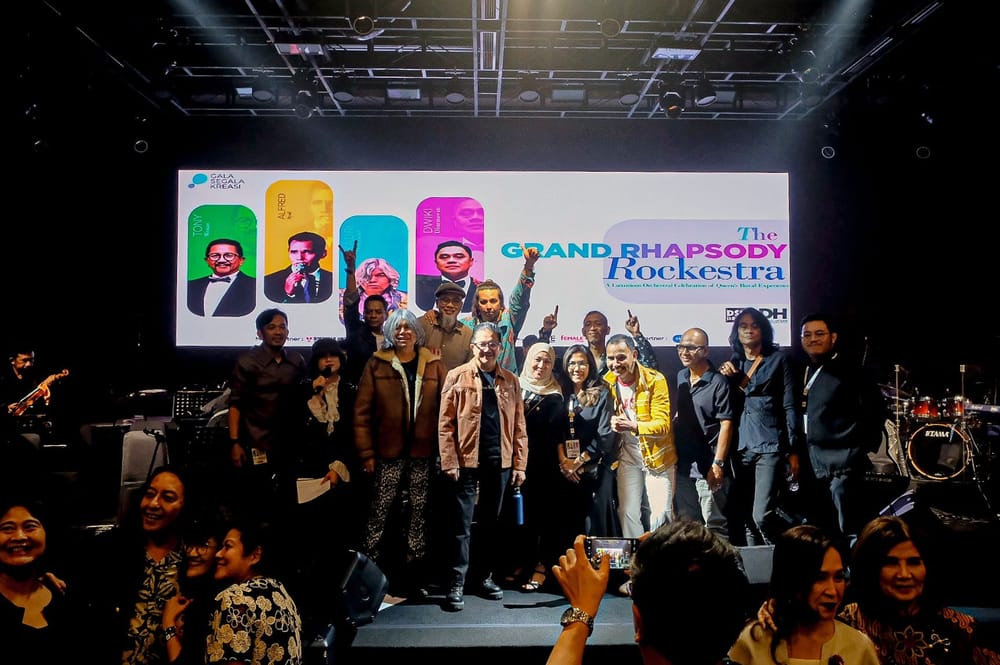
In an interview with the SUAR Team after he became a panelist for the Roundtable Decision discussion on Migrant Workers in Jakarta, September 18, the Chairman of Panasonic Gobel explained that being grateful for blessings is not a matter of accepting great achievements, but also finding value in every experience as a representative of the people.
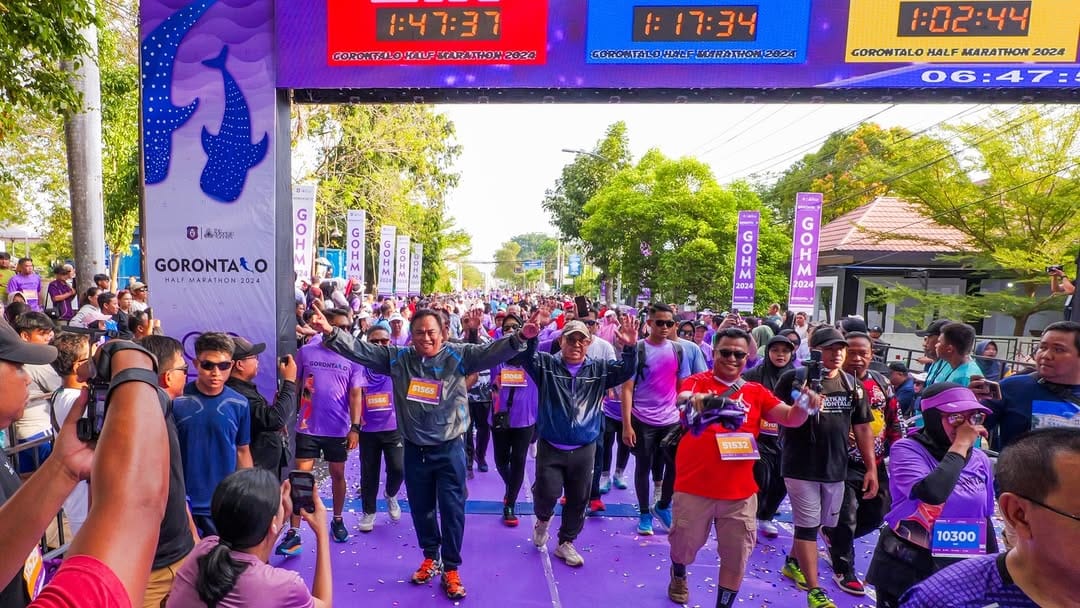
The politician, who now represents the Gorontalo constituency, admits that despite his busy schedule, he still has to find ways to keep his spirit and mind clear. One way is by walking.
This activity became a space for reflection to be grateful and remember the many people who still live in difficulties. From here Rachmat finds new energy. "The important thing is to be fit, and sweat out, that's what makes us fit. We have a lot to do, yes, we have to make ourselves happy, right," he said.
"So we think positive, always make positive," Rachmat said.
Outside of official forums, Rachmat prefers to talk about simple things. He said that his sports hobbies used to be quite diverse, ranging from badminton, soccer, volleyball, and even karate. Now, as he gets older and busier, all that has shifted to walking.
"Not every day, either. I try to do it every day, but it depends on my work schedule," she says.
Rachmat often does his hobby alone. One hour is enough, as long as there is sweat coming out.
While walking, she cultivates her mind, calms herself, and nurtures gratitude. It's what she calls a way to maintain motivation and make life more valuable.
Alleviating poverty in Gorontalo
Apart from physical health, for Rachmat, one of the ways to restore inner energy is by giving. Especially after seeing firsthand the lives of people in remote areas of Gorontalo, gratitude is inevitable.
One of his goals is to solve poverty in Gorontalo. Although it is not easy, but for him it is an energy to keep working hard.
"Because it turns out that we see that there are still many people who are more difficult than us, and we must be grateful for that. So, it actually makes it fresh," said Rachmat.
"So we are happy if we can make people smile, can make people better," he said.
Rachmat said he was grateful that politics gave him the opportunity to see firsthand the condition of the community.
"Previously, I didn't like being a politician. But it turns out that after I became a politician, I had the opportunity to come to my electoral district, come to the villages, I saw firsthand how people live," he said.
From that experience, he felt challenged to change the portrait of poverty that he encountered. Politics, which she was initially reluctant to undertake, opened her eyes to the value of gratitude.
Through his life principles and spirituality, he shows that true success is inseparable from a consistent attitude of gratitude - both in success and failure in the world of work.
"As a child of Gorontalo, I never cease to feel very grateful and proud that Gorontalo land is very fertile and able to produce a variety of wealth in agriculture and plantations," Rachmat wrote in one of the posts on his Instagram page.
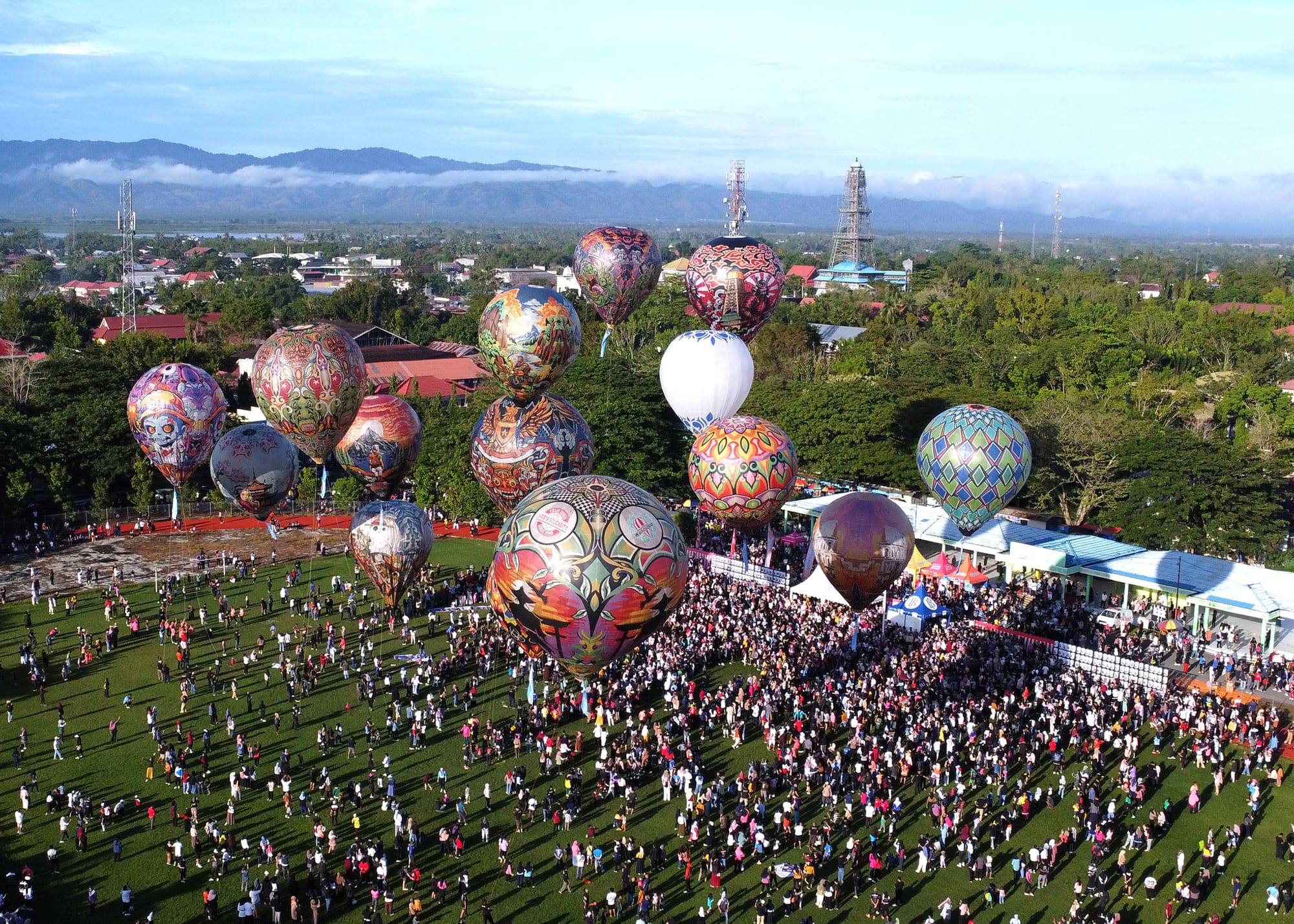
In the post, he promotes Otanaha chocolate as a product of Gorontalo's pride. In addition, he also actively organizes the Air Balloon Festival in Gorontalo to improve the local economy.
He actively shares his activities as a people's representative on social media. One of them is staying in touch with motorcycle taxis carrying bodies in Pinogu, Bone Bolango Regency, Gorontalo. At that time, the motorcycle taxis went viral for delivering bodies from remote areas by traveling tens of kilometers.

Happiness is contagious
Rachmat also believes that positive energy is contagious. One of them is by thinking positively. "So we think positive, always make positive," he said.
Rachmat admits that living this principle is not always easy. But precisely because it's hard, he says, that's where the beauty lies.
"If he smiles, we are happy. Alhamdulillah, it turns out that what we make happy, means that what we have been doing has an impact," Rachmat said.
Rachmat's background has the blood of a businessman as well as a politician. He was born into the family of Gorontalo businessman Thayeb Mohammad Gobel, who founded the Gobel Group - a pioneer in Indonesia's electronics industry that has partnered with Japan's Panasonic since the 1960s. If his father was a politician from the Indonesian Islamic Union Party (PSII) who later joined the United Development Party (PPP), Rachmat joined the NasDem Party.
As a young man, Rachmat studied at Chuo University, Tokyo, and later received honorary doctorates from two Japanese universities.
In business, he has worked his way up in the family company since the late 1980s to his current strategic position as Chairman of Panasonic Gobel. From his father, he inherited the philosophy of "make people before product", the brainchild of Panasonic founder Konosuke Matsushita, which he brings to his social activities through the Matsushita Gobel Foundation.
His journey into politics began when he was appointed Minister of Trade in 2014-2015. Although brief, the experience confirmed that he could not completely stay away from public affairs. In 2019, he was elected as a member of the House of Representatives from the NasDem Party and served as Deputy Chairman of the House of Representatives for Industry and Development until 2024.
Now, in addition to being active in the DPR, he continues to voice industry and development issues. He recently encouraged the government to form atask force to curb deindustrialization and factory closures, while strengthening partnerships between farmers and UMKM. While in Gorontalo, Rachmat proposed petung bamboo as the basis of the green economy.