
On Monday (January 5, 2025), the Central Statistics Agency (BPS) reported that inflation in 2025 reached 2.92% year on year (YoY). This means that inflation was well controlled throughout 2025, as this figure is still within the inflation control target range set by Bank Indonesia (BI) and the government, which is 1.5%-3.5%.
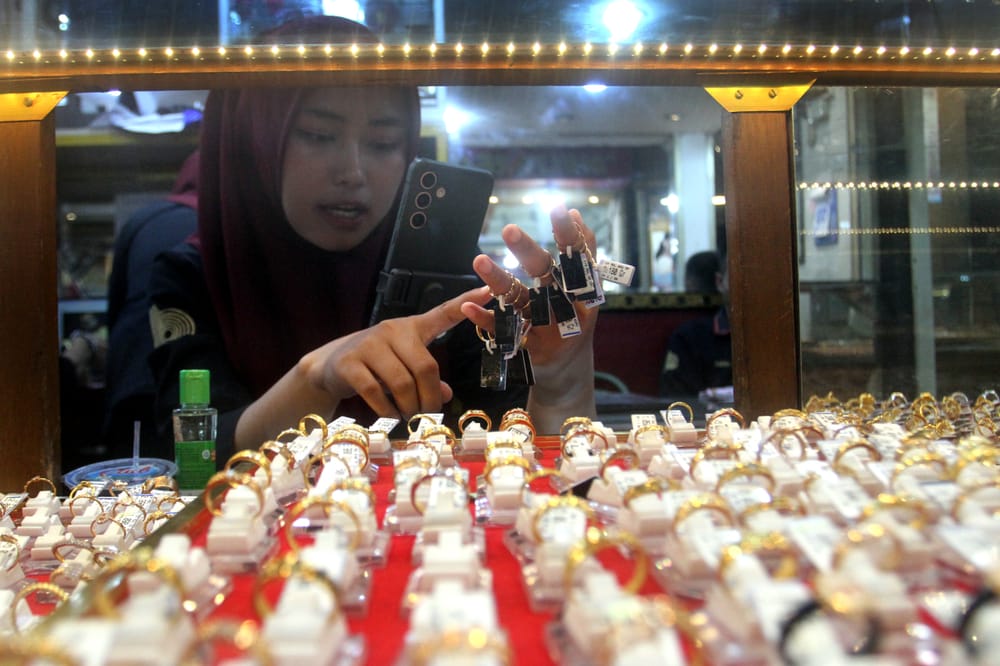
He explained that gold jewelry became the commodity with the largest annual inflation contribution throughout 2025, with an inflation contribution of 0.79%.
"Gold jewelry will contribute the largest share to annual inflation in 2025. It will be the commodity that contributes to monthly inflation eleven times in 2025," said Pudji in a press conference.
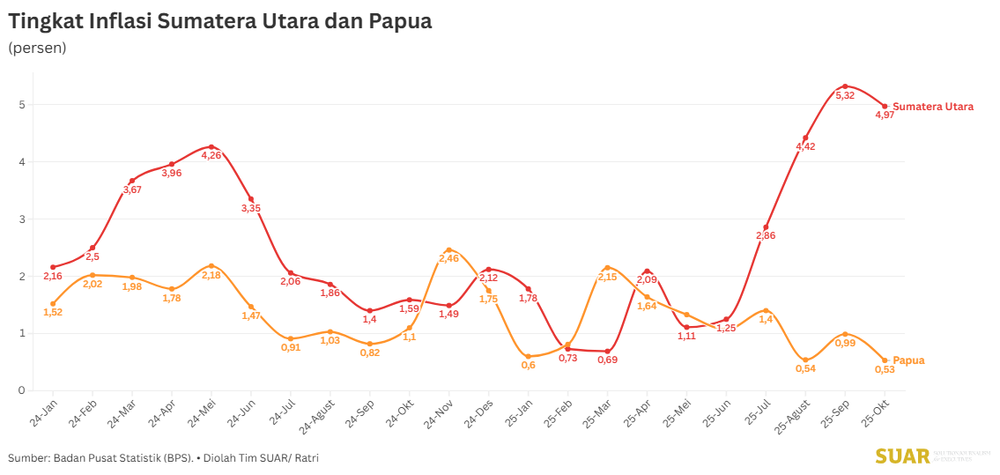
The region that contributed the highest inflation in December 2025 was Aceh with an inflation rate of 6.71%. Meanwhile, the lowest inflation was recorded in North Sulawesi at 1.23%.
The regencies/cities with the highest inflation rates were Gunungsitoli City at 10.84%, while the lowest were Maumere and North Minahasa Regency at 0.38% each.
Meanwhile, inflation in December 2025 reached 0.64%, the highest in the last 8 months since April 2025.
Pudji said that the increase in inflation in December 2025 was triggered by weather patterns that affected food crop production.
The expenditure groups that contributed most to inflation were food, beverages, and tobacco, with inflation of 1.66% and an inflation contribution of 0.48%.
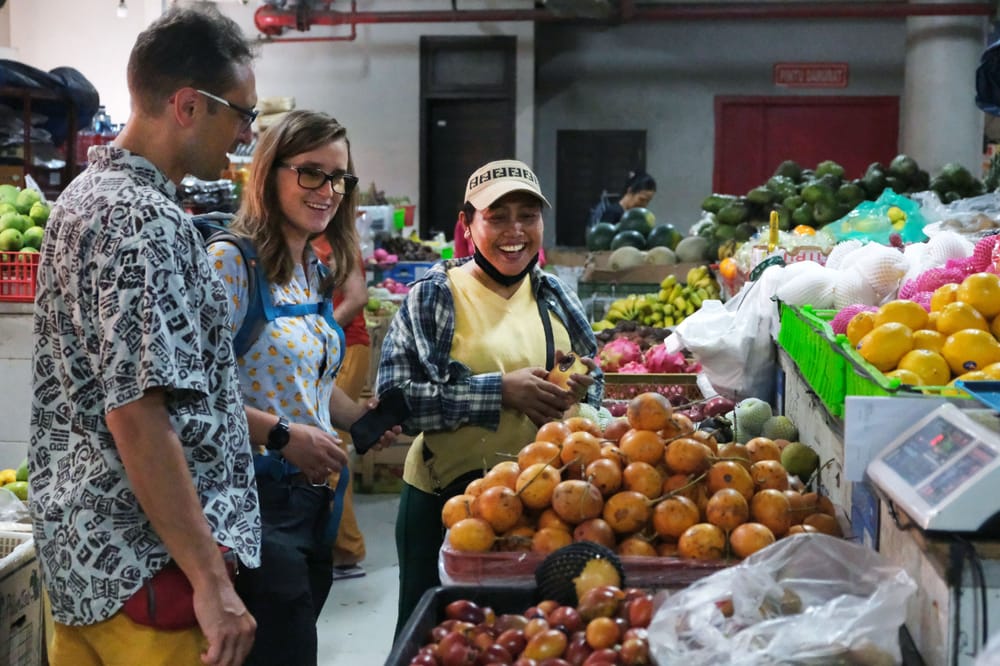
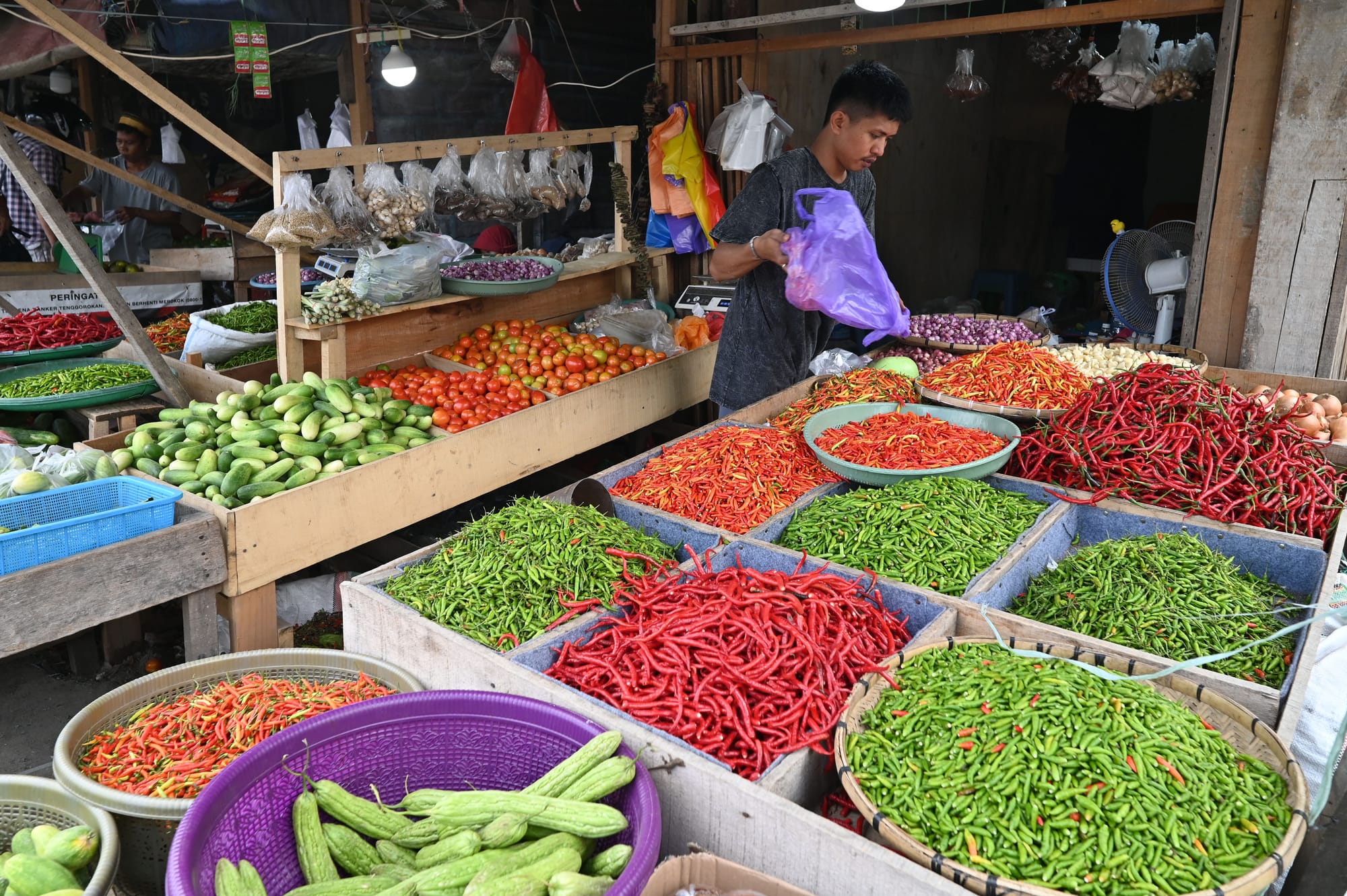
The commodities that predominantly contributed to inflation in the food, beverage, and tobacco group included cayenne pepper (0.17%), broiler chicken meat (0.09%), shallots (0.07%), fresh fish (0.04%), and broiler chicken eggs (0.03%).
Other commodities contributing to inflation were gold jewelry (0.07%), gasoline (0.02%), and air transportation fares (0.02%). In addition, other commodities that still contributed to deflation included red chili peppers (0.03%).
Still under control
Executive Director of the Institute for Development of Economics and Finance (Indef) Esther Sri Astuti believes that December 2025 inflation, which reached 0.64%, is still under control, but there are a number of risks that need to be anticipated in the coming months.
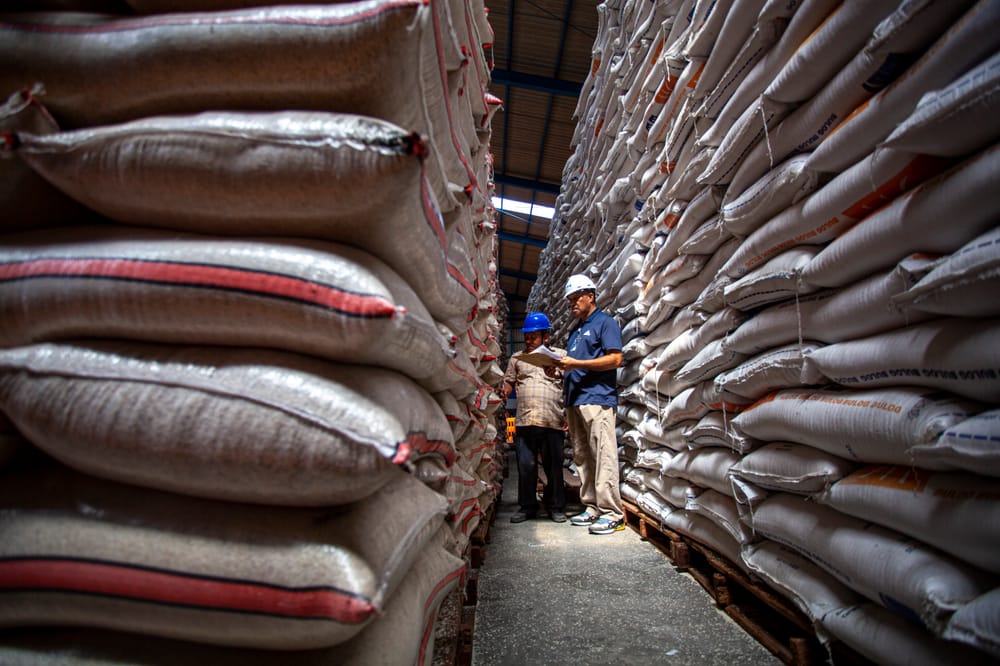
The risks that need to be anticipated are a surge in demand due to the Free Nutritious Meals (MBG) program and a series of consumption momentum in early 2026, starting from New Year, Ramadan, and Eid al-Fitr.
"This situation needs to be addressed because it requires more careful supply and distribution management," he told SUAR Jakarta (5/1).
The government needs to strengthen domestic food supplies, reduce logistics costs by improving distribution, and evaluate the implementation of the MBG to ensure it is more targeted.
Inflation Under Control
Apindo Deputy Chairman Sanny Iskandar projects inflation in 2026 to be around 2.5%, in line with BI's target, supported by stable expectations, adequate production capacity, and stable import price pressures.
Volatile food inflation is also expected to remain low thanks to coordination between the Central and Regional Inflation Control Teams and the strengthening of food security.
"Apindo still maintains its inflation target for 2026 at around 2.5%, and will continue to monitor developments," he told SUAR Jakarta (5/1).
Supporting factors that enable inflation to remain stable are coordination and food security programs to keep volatile food prices low and ensure adequate production capacity.
Things to watch out for are import inflation pressure due to the weakening of the rupiah exchange rate and the potential for an increase in the Fed's interest rates.
The article was updated at 5:27 p.m. with the addition of comments from economist Ester Sri Astuti and Deputy Chair of Apindo, Sanny Iskandar.
Benediktus Krisna Yogatama contributed to this article.