

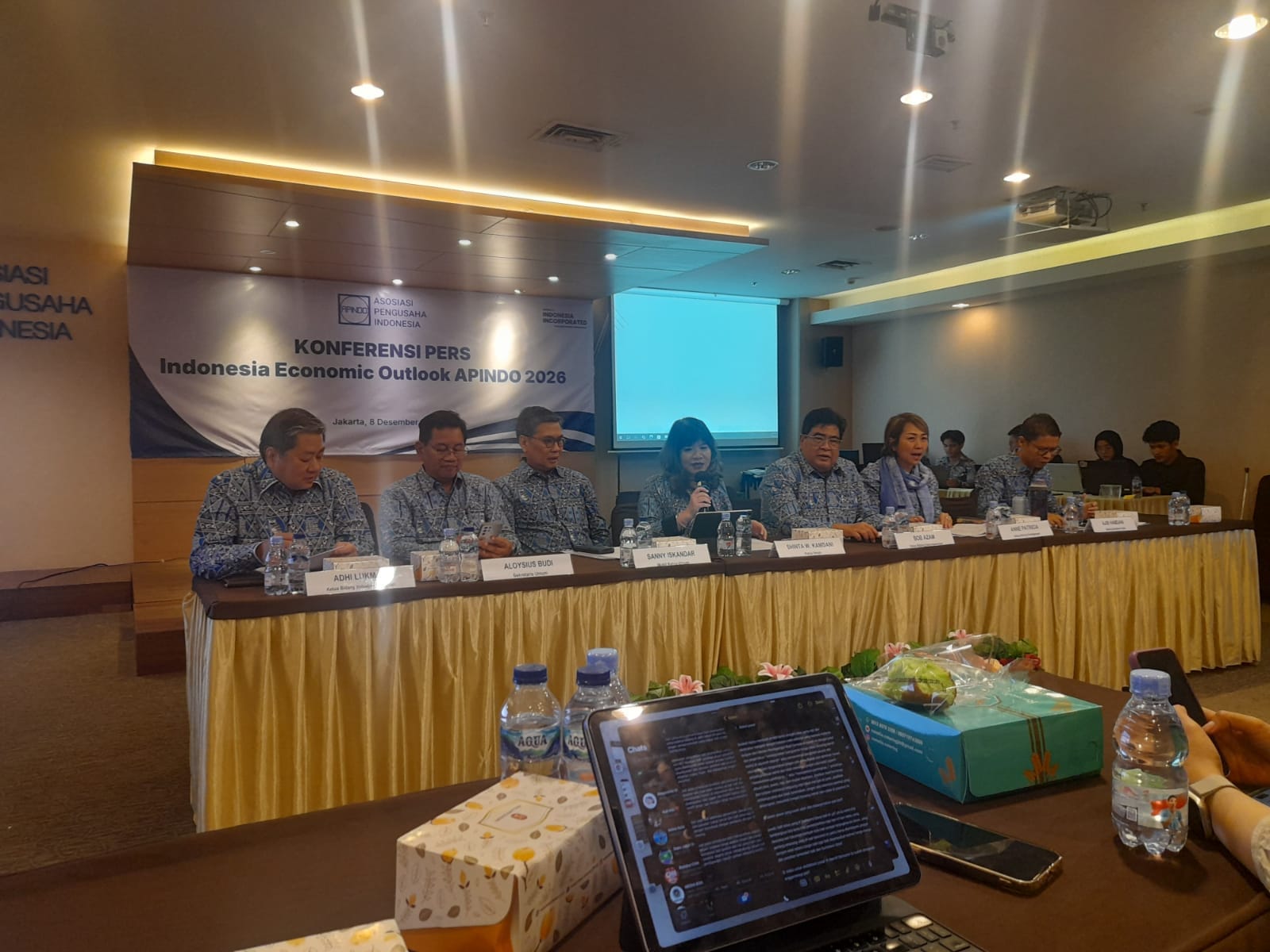
The Indonesian Employers Association (Apindo) has ensured that consumer goods will be available ahead of Christmas and New Year (Nataru). Stocks of food, beverages, and clothing are sufficient.
"The public can celebrate the Christmas and New Year holidays without any worries because there is an abundant supply of products, especially food and beverages," said Adhi Lukman, Head of Manufacturing Industry at Apindo, in Jakarta on Wednesday (9/12).
He explained that every year, demand for food and beverage products increases by 15% compared to normal days ahead of Christmas and New Year.
"The best-selling food products ahead of Christmas and New Year are cookies, light snacks, packaged tea, packaged juice, biscuits and wafers, and chocolate. Usually for guests who come to the house," he said.
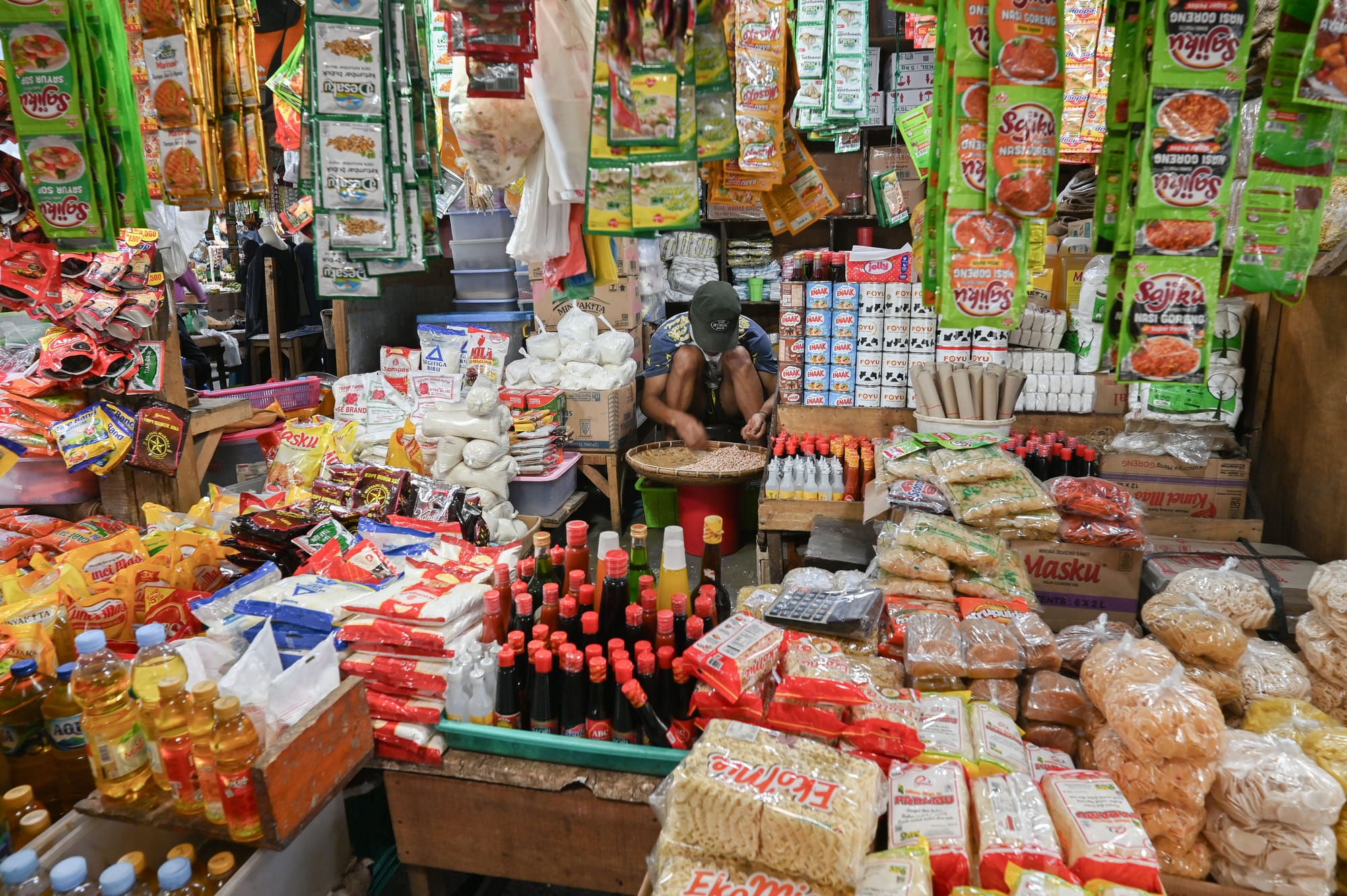
Business owners guarantee that there will be no problems with the availability of consumer goods. They have also coordinated with several distributors in the region, especially those in Java, and they report that stocks are sufficient.
Adhi also highlighted that the flash floods and landslides that hit Sumatra disrupted logistics routes and marketing networks in several areas in Aceh, West Sumatra, and North Sumatra.
Access takes time
Chairperson of the Trade Division of the Indonesian Employers Association (Apindo) Anne Patricia Sutanto said that the restrictions on freight transport had lasted too long.
The policy restricting freight transport during the 2025 Christmas and 2026 New Year holidays (Nataru) will be in effect for a fairly long period of time, namely 11 days.
There are concerns that the restrictions, which will begin on December 19, will impact the supply of goods during the Christmas and New Year holidays. If the supply of goods is hampered, there is the potential for an increase in logistics costs, which will ultimately drive up the prices consumers have to pay.
"Apindo hopes that the government will review this again, because the time limit is long and drawn out," said Anne when met at the Apindo office.
This policy is outlined in a Joint Decree (SKB) between the Director General of Land Transportation of the Ministry of Transportation, the Director General of Sea Transportation, the Director General of Highways, and the Indonesian National Police Traffic Corps.
These restrictions on goods vehicles are imposed to ensure safety, security, order, and smooth traffic and road transportation, optimize traffic use and movement on national roads, and facilitate traffic on ferry crossings during the Christmas and New Year period.
Vehicles prohibited from passing during this period are trucks with three or more axles, trucks with trailers, and trucks with semi-trailers.
Furthermore, trucks transporting excavated materials (soil, sand, stones), mining products, and construction materials (iron, cement, wood) are also prohibited from passing through.
Three-axle or more goods vehicles are permitted to travel on the condition that they are transporting fuel or liquefied petroleum gas, cash deliveries, livestock, fertilizer, natural disaster relief supplies, animal feed, free motorcycles, and basic necessities.
Food safety
As the end of the year approaches, the government is preparing to ensure that services for the community are fulfilled. This year's Christmas and New Year celebrations are said to be different from previous years because, at the same time, the government is in the midst of supporting recovery efforts after the hydrometeorological disaster in Sumatra.
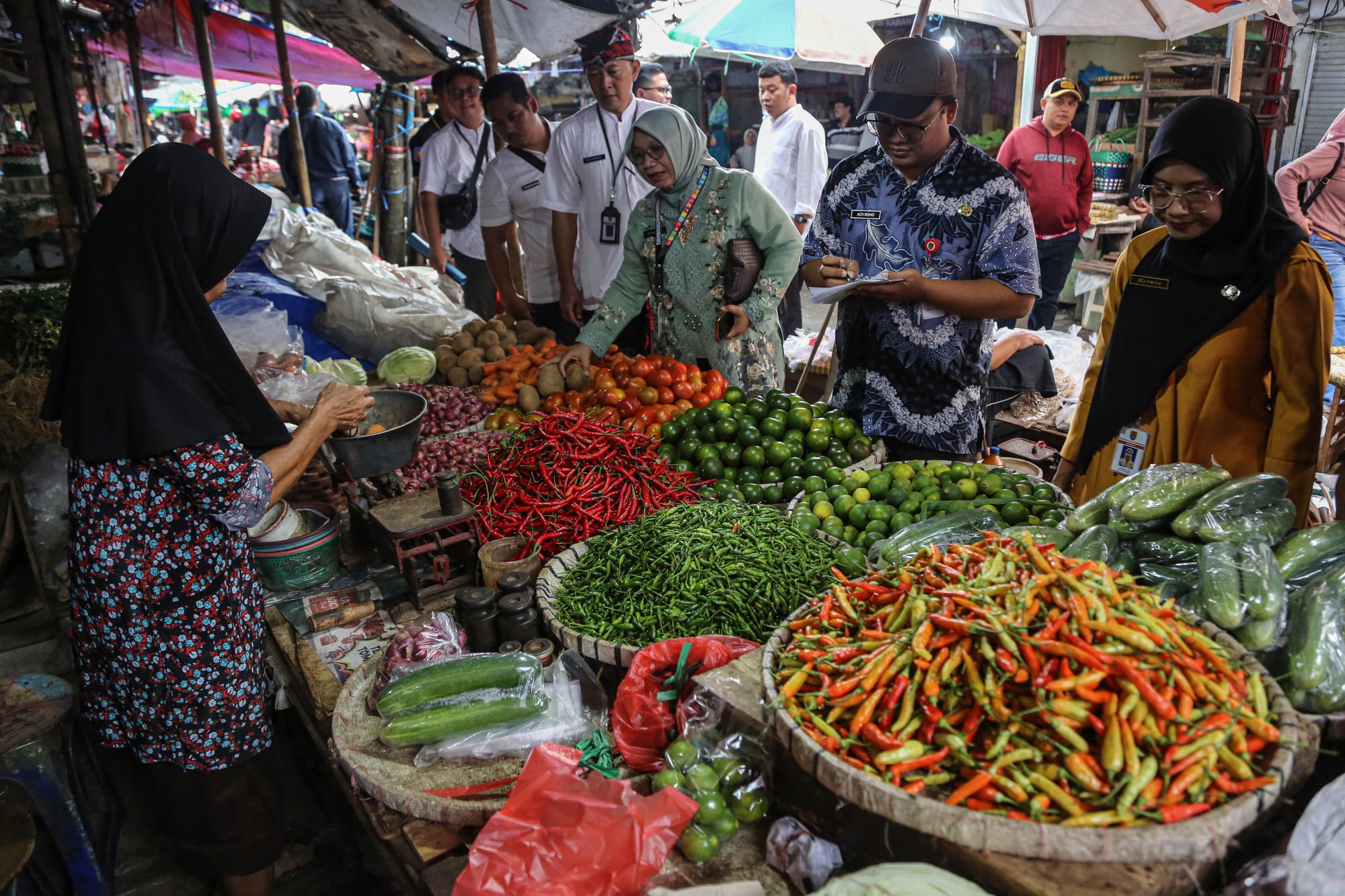
In support of Nataru, the National Food Agency (Bapanas) has ensured that the calculation of national staple food availability is at a very good level.
The Principal Secretary of Bapanas, Sarwo Edhy, confirmed this through the 2025 National Food Balance Sheet Projection instrument, which has set national stock estimates until the end of 2025.
"We at the National Food Agency would like to announce that the 11 essential commodities ahead of Christmas and New Year are secure. We have a stock of around 12.5 million tons of rice until the end of December 2025. Then there is 4.5 million tons of corn and 91 thousand tons of soybeans," explained Sarwo in his official statement received by SUAR Jakarta (9/12).
Then 52,000 tons of shallots. 58,000 tons of garlic. Then 63,000 tons of large chilies and 49,000 tons of cayenne peppers. 58,000 tons of buffalo meat. 231,000 tons of chicken meat. 74,000 tons of chicken eggs and 1.43 million tons of sugar for consumption.
The carryover stock will be used to meet public consumption needs. When compared to monthly consumption needs, year-end rice stocks are the highest because they have the longest shelf life.
With national rice stocks estimated to remain at 12.5 million tons until the end of 2025, while monthly consumption stands at 2.599 million tons, rice stocks will be sufficient for nearly five months.