
The government has the potential to save up to Rp 46.5 trillion per year by innovating a 5% bioethanol blend in gasoline, or E5, while also creating 75,000 new jobs, according to a presentation titled Revitalizing Bioethanol: The Road to Energy Independence.
A report published by Medco today (December 8, 2025) states that fuel imports continue to increase due to domestic gasoline consumption reaching 36 kiloliters (kL) per year. This is further eroding foreign exchange reserves allocated for fuel imports and subsidies.
"Amid global efforts toward clean energy transition, Indonesia, as an agricultural and tropical country, has great opportunities in developing bioenergy, especially bioethanol," the report said.
In terms of job creation, the development of 100,000 hectares of land for sugar cane and cassava cultivation in Central Java is estimated to absorb around 150,000 workers.
Meanwhile, in South Papua, the opening of 50,000 hectares of land is projected to absorb 75,000 workers. "From factory workers to the supply chain, it could absorb more than 100,000 people," the report said.
President Director of Sinergi Gula Nusantara Mahmudi explained that there are two main challenges to achieving this potential. In the upstream sector, sugarcane productivity needs to be increased along with diversification of raw materials such as sorghum and aren.
"With an average sugar productivity of only 5 tons per hectare of sugarcane plantation and 86% of smallholder sugarcane requiring replanting to ensure the quality of sucrose formation in molasses, the issue of bioethanol raw materials has not been properly regulated," Mahmudi said in a discussion in Jakarta on Monday (8/12).
Presidential Regulation No. 40/2023, which serves as the basic regulation for the supply of bioethanol feedstock, has yet to seriously address this issue. On the downstream side, the marketing of bioethanol and flex-fuel vehicles requires attractive incentives in order to be competitive in the market.
"As a result, farmers are now forced to transact when selling to sugar factories. The pattern of variety arrangement has become less appropriate, and because everything is collected at the end, the factory grinds sugarcane that is not yet fully ripe. As a result, the sugarcane harvest figures do not reflect the quality of the yield," said Mahmudi.
However, in the period 2024-2025, farmers began to see the sugar industry as their leading commodity, marked by the expansion of sugarcane plantations by around 40,000 hectares. According to Mahmudi, with sufficient seeds available for new sugarcane plantings, there is no need to worry about the availability of raw materials, especially in the competition between molasses as a raw material for ethanol and sugar production.
"The molasses requirement for the food and beverage industry is no more than 500,000 tons. The remaining 800,000 tons are exported. If bioethanol becomes mandatory, these exports will need to be curtailed. There is no conflict with the food industry, because if there is continued conflict, bioethanol will certainly not work," he said.
Diversification of raw materials
In addition to boosting sugarcane productivity through replanting and land expansion, Pertamina NRE Vice President of Technology and Engineering Nanang Kurniawan explained that diversifying raw materials or multi-feedstock is a strategy being pursued to accelerate bioethanol production. Straw, husks, sorghum, palm, corn cobs, empty palm fruit bunches, and microalgae contain molasses that can be extracted as raw materials.
"With domestic gasoline demand at 36 million kiloliters, relying on sugarcane productivity alone will only meet 10% of that demand, and even that will take time. Therefore, we are utilizing the existing molasses production capacity of 1.7 million tons before mapping out the construction of new factories," said Nanang.
According to Nanang, the factory's current capacity allows for the production of 200,500 kiloliters of bioethanol in the next 2-3 years. Currently, with the expansion and increased productivity of raw materials, this capacity can be doubled so that the 10% bioethanol blend can be accelerated.
"There have been many studies, and collaboration between various parties is needed, including agriculture, universities, the media, and the community. We will start with quick wins that can be executed quickly. It is also important to have policies that encourage pricing, in addition to demand," he explained.
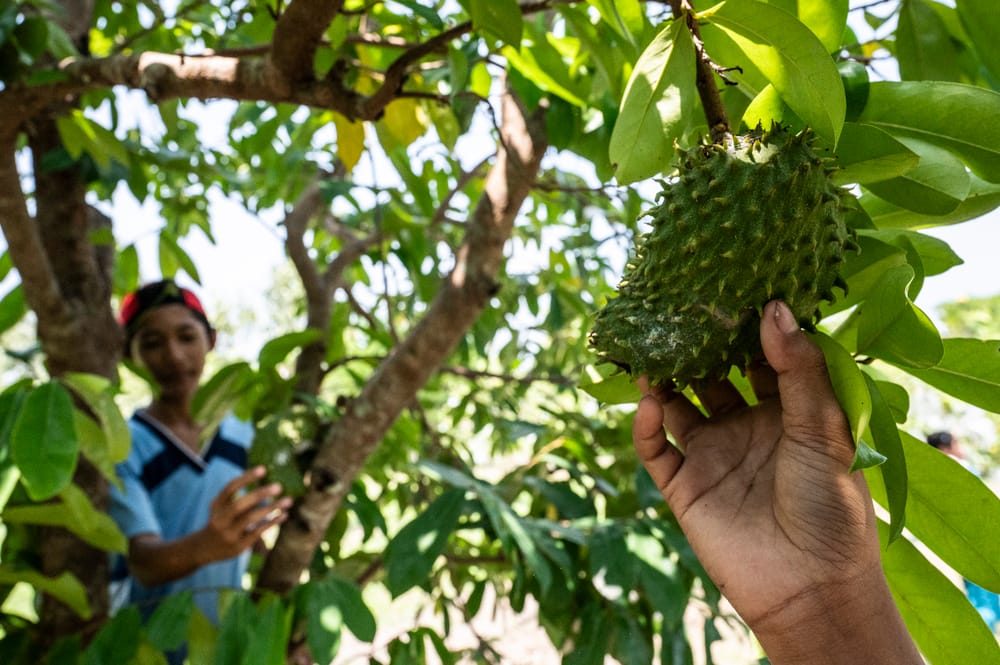
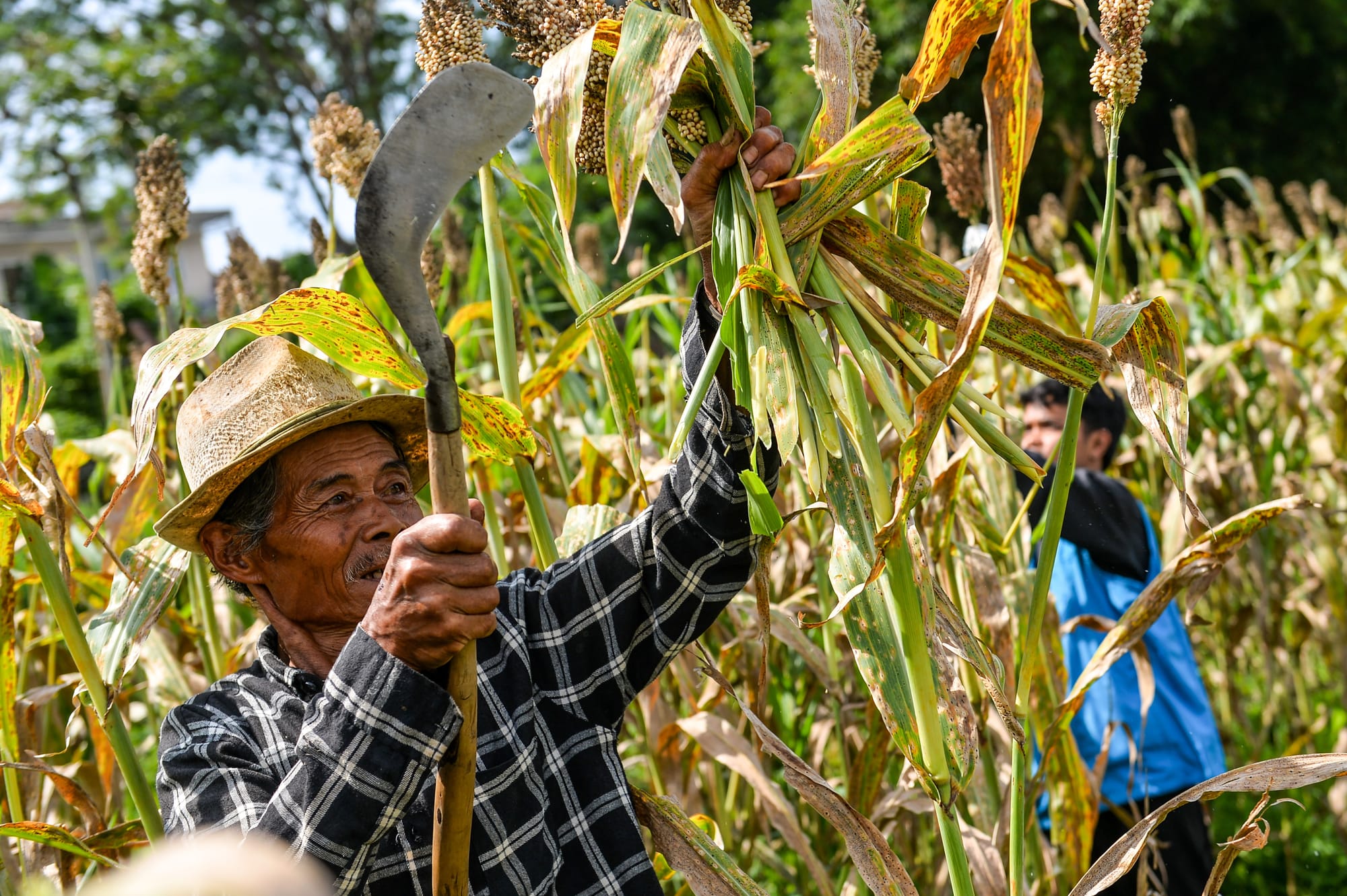
Professor Dr. Irham, lecturer at the Faculty of Agriculture and researcher at the Energy Study Center of Gadjah Mada University, added that in addition to sugarcane intensification, cassava and sorghum should be prioritized in the short term. Faced with similar problems, cassava farmers tend to plant repeatedly, resulting in a decrease in the quality of sucrose in molasses for bioethanol feedstock.
"Competition for cassava is still quite high because it competes with tapioca production. Unlike sorghum, which has almost no competition because its main function is for feed, sorghum can be concentrated for bioethanol production," explained Irham.
The Head of the Postgraduate Program at the Faculty of Agriculture, UGM, emphasized that regulations prohibiting molasses exports are essential for the bioethanol production ecosystem to develop. According to Irham, strong regulations will form the basis for upstream-downstream synergy so that bioethanol production does not remain merely a concept.
"The system must be closed loop, because our farmers are still in a weak position. If it is open, the farmers will be wiped out. To achieve this, we need education, especially from companies engaged in bioethanol, to explain everything to farmers and prevent moral hazard due to the knowledge gap," he concluded.
Determining incentives
With productivity consolidation and diversification upstream, incentives to increase demand are needed downstream. Pertamina Patra Niaga Vice President of Business Development Sigit Setiawan stated that the bioethanol industry roadmap can actually mirror the success of biodiesel, which has now successfully achieved a B40 blend.
"From B2.5 in 2008, we never dreamed we could reach B40 as we have today. With coordination between various parties, the government designed and decided that the price gap between bioenergy and fossil energy would be covered by the Palm Oil Fund (BPDP). This is what has caused the biodiesel blend to increase year after year," he said.
Sigit emphasized that, based on the success of biodiesel, there are four considerations in marketing plant-based energy in Indonesia: availability, accessibility, affordability, and sustainability. The simplest example is the location of the processing plant, which must be carefully considered, because fuel terminals located on the coast cannot be used for bioethanol fuel production.
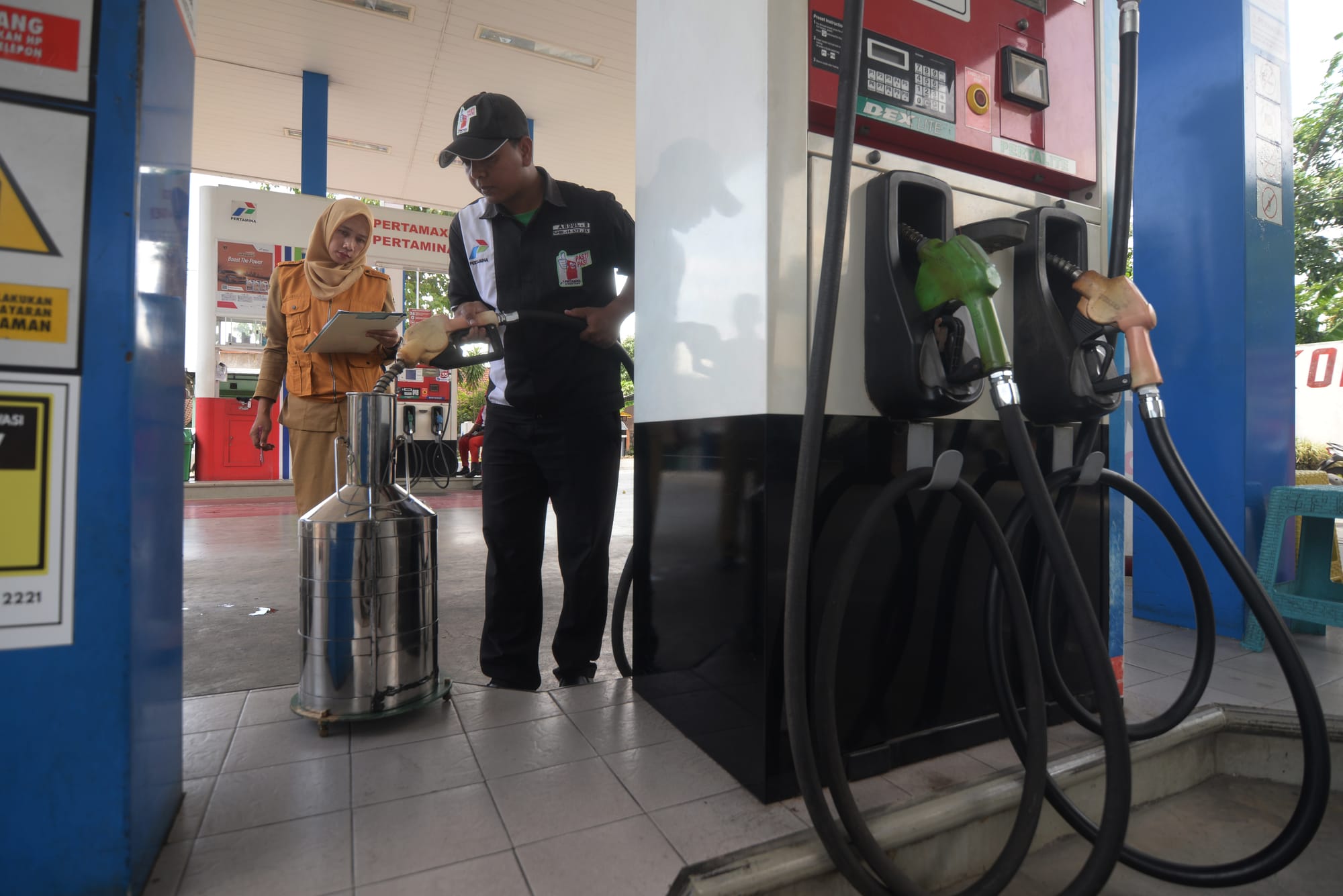
Economics is another factor that must be considered. Sigit revealed that this factor is the main challenge for Pertamina Patra Niaga in expanding the bioethanol market, which has been marketed under the Pertamax Green brand since October 2023.
"In addition to purchasing ethanol ourselves at a market price of Rp8,500 per liter, we also have to pay a tax of Rp20,000 per liter. The public response has been very good, but we cannot expand our scale up because this tax means we are still operating at a loss," he explained.
As a producer, Sigit believes that tax exemptions for ethanol products used as a component of gasoline should be considered. Currently, Pertamax Green production is concentrated in two fuel terminals, namely in Surabaya, East Java and in Plumpang, North Jakarta. Bioethanol production in Surabaya has successfully been exempted from customs duties, despite going through a lengthy procedure, but it is the customs duty exemption for production at the Plumpang terminal that will determine the expansion of Pertamax Green.
Not only public demand, but also the readiness of the automotive market determines the success of bioethanol absorption as fuel. Director of Production and Logistics Control at Toyota Motor Manufacturing Indonesia, Koko Widjanarko, explained that flex-fuel vehicles that can run on blended gasoline are currently only available in Thailand, India, and Brazil.
"Indonesia has a lot of potential, and we are trying to comply. The E85 vehicle prototype already exists and the technology is ready, but we need to ensure that there is demand for bioethanol from the public in order to make a massive procurement for the whole of Indonesia," said Koko.