

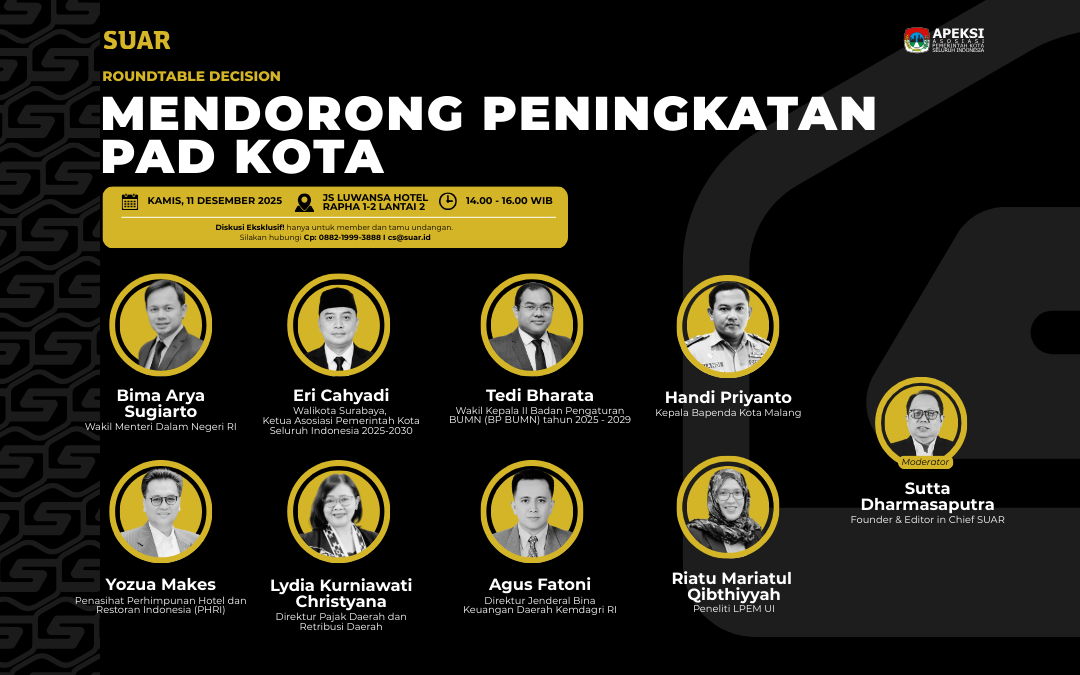
Part two of the event summary Roundtable Decision with the theme "Promoting Local Revenue Growth in Cities" organized by SUAR.id in collaboration with the Association of Indonesian City Governments (Apeksi) at the Luwansa Hotel, Jakarta, on Thursday, December 11, 2025, discussed how city governments can increase Local Revenue (PAD).
Local governments in Indonesia actually have many assets, such as buildings and land, that can be converted into productive land, thereby becoming a source of income for the regional treasury. Several speakers in this discussion provided various solutions that local governments can implement to increase local revenue. Suar.id also attempted to interview other city governments to broaden the scope of this discussion.
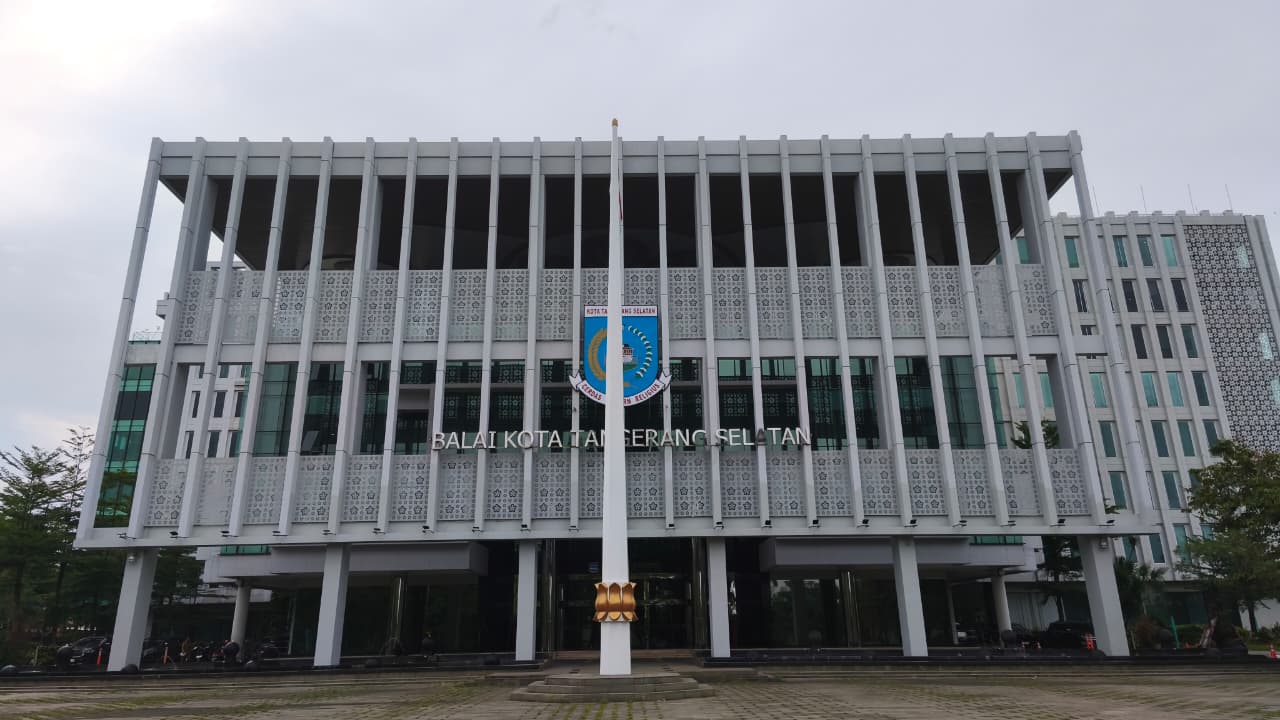
Over the past two years, the South Tangerang City Government (Tangsel) has moved quickly to modernize its regional revenue management. Tangsel Mayor Benyamin Davnie calls this transformation an important foundation that has enabled Regional Original Revenue (PAD) to grow faster than in other cities.
And the results were indeed significant. South Tangerang City's PAD throughout 2024 reached Rp2.35 trillion, an increase of 103.21% from the target set. This achievement was supported by the realization of local taxes, which also exceeded the ceiling, amounting to Rp2.09 trillion or 104.68% of the target set at Rp2 trillion.
Local revenue in Tangsel City also comes from local levies worth Rp130.99 billion, the management of separated local assets worth Rp701.48 million, and other local tax revenue worth Rp121.84 billion.
Benyamin Davnie explained that the surge in revenue over the past two years did not come suddenly. "The combination of ease of payment, public literacy, and data integration is the key," he said.
The South Tangerang Municipal Government has indeed been providing concessions on local tax payments in order to revive the economy, especially businesses that are still affected by the Covid-19 pandemic.
Several policies issued by the Tangsel City Government, such as the removal of administrative sanctions for taxpayers of Certain Goods and Services (PBJT) and Groundwater Tax (PAT) who file their taxes for the period January to August 2024.
The leap in tax digitization
Since 2023, Tangsel City has been pushing for massive digitalization. Various innovations have been launched to make it easier for taxpayers, ranging from E-SPPT, E-SPTPD, E-BPHTB, to SKRD Online, which allows payments via QRIS and virtual accounts. The government has also introduced the PBB Smart Card, a smart card that stores ownership data and tax payment history, so that residents no longer need to carry manual files.
In addition to digital services, the government provides various offline service channels such as mobile services, Goes to Mall, and mobile cars operating in seven subdistricts and 54 urban villages. There is also the Pentungan Program, which is a comprehensive collection of property tax arrears, which also encourages increased compliance.
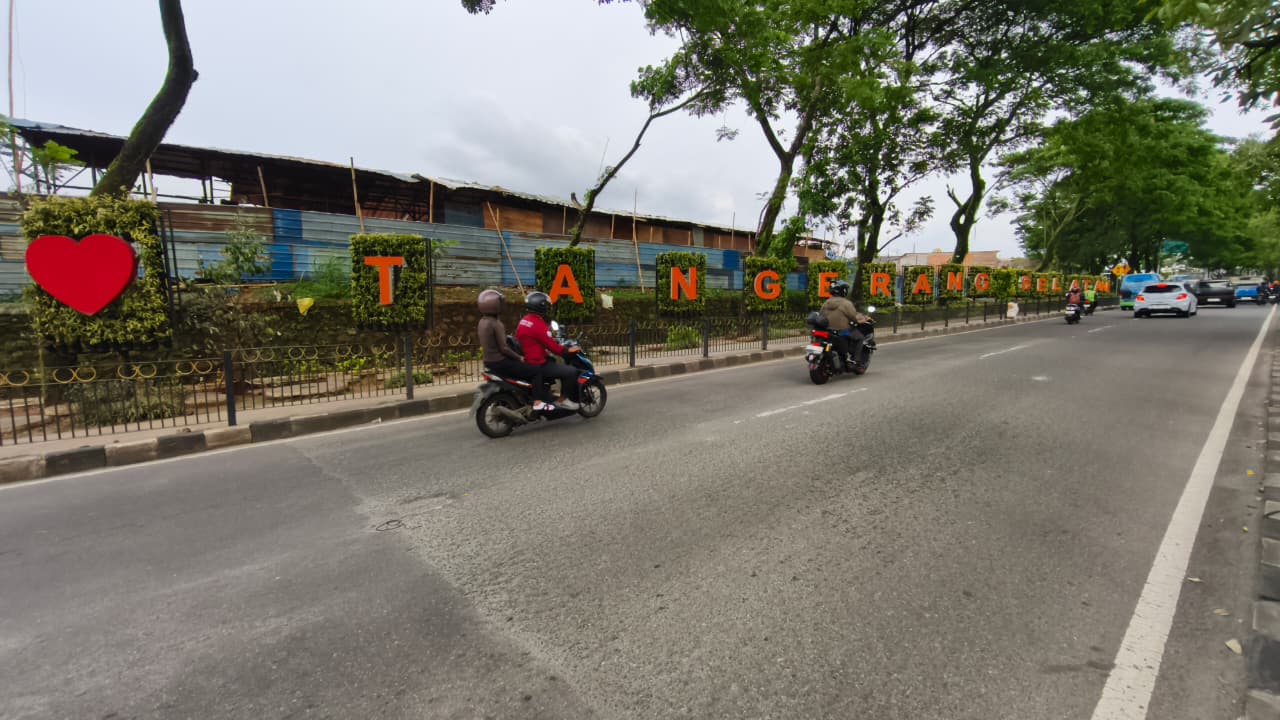
In addition, Tangsel City also provides significant tax relief: discounts on current year assessments (10% for payments made between January and April and 5% for payments made between May and June), as well as significant reductions for old debts—75% for debts and administrative penalties from 2014 and earlier, and 30% for the period from 2015 to 2024.
"Relaxation is not just a concession, but a strategy to encourage the community to fulfill their obligations without feeling burdened," said Benyamin. He emphasized that there are several mutually reinforcing factors that have enabled Tangsel City to carry out reforms in the area of regional revenue.
First, comprehensive digital transformation. The implementation of cashless transactions and online payment channels makes the process much faster and more efficient. "Cities that still predominantly use cash transactions will move more slowly," explained Benyamin.
Second, strengthening the capacity of the apparatus and synergy between institutions. Through continuous socialization, regular high-level meetings, and improving the quality of work of the Regional Revenue Agency (Bapenda), the implementation of collection policies has become more effective.
Third, service innovations that are close to the community. Easy access to information, user-friendly digital features, and recognition in the form of awards from various institutions, according to Benyamin, prove that the approach used by Tangsel is on the right track.
Fourth, a balanced fiscal policy. Installment facilities, incentives, and administrative conveniences enable taxpayers to fulfill their obligations without pressure. "If people feel forced, resistance will be high. We want taxes to be paid consciously, not out of compulsion," he added.
Benyamin explained that Tangsel City adheres to the principle of fiscal justice to increase revenue through efficiency, convenience, and transparency, rather than by raising rates or adding levies.
There are three main priorities going forward:
- Expanding digitization and data integration.
The government continues to integrate digital SPTPD with banking and SIPD to make collection more accurate and efficient. "The fewer administrative loopholes, the greater the potential revenue that can be secured," he said. - Facilitating taxpayer compliance.
Payment channels will continue to be added, ranging from QRIS, VA, applications, to smart cards. Tax literacy will also be strengthened so that citizens understand that the taxes they pay are returned in the form of services. - Improving the quality of public services.
Benyamin emphasized the importance of maintaining public trust through transparent and accountable spending. The community must continue to see the benefits of infrastructure, education, and health. "If the benefits of taxes are felt, compliance will come naturally," he said.
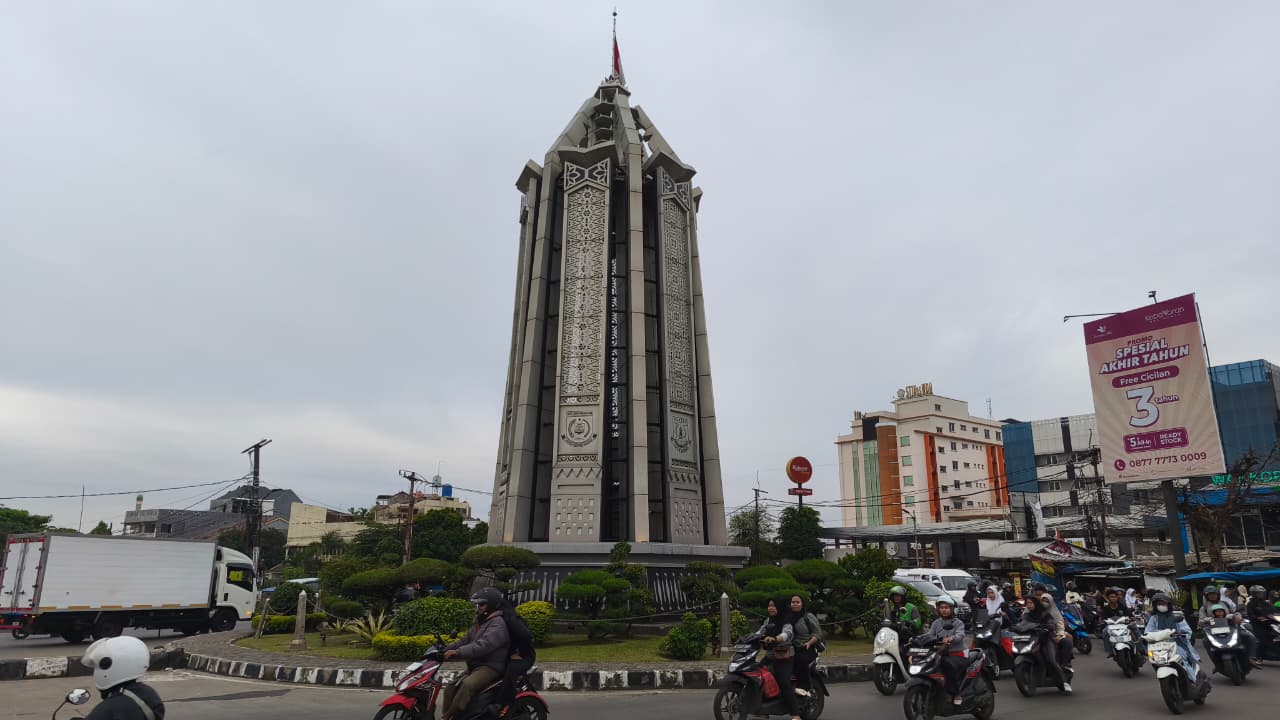
According to Benyamin, the philosophy behind efforts to increase regional revenue is not about collecting more, but about ensuring that the process is fair, efficient, and does not add to the burden on the community. "We want the community to feel that the government is working to make things easier, not more difficult," he said.
He emphasized that all strategies implemented, ranging from service modernization, incentive policies, to taxpayer education, were designed to ensure that tax collection was carried out humanely. The principles of transparency and accountability were also upheld, as public trust could only grow if citizens knew that the money they paid was being managed properly.
"We believe that taxes collected in an easy manner and used responsibly will be accepted by the community," said Benyamin. For him, sustainable revenue can only be achieved when the government and citizens are in a position of mutual trust. That is the foundation that he believes South Tangerang is currently building.
Some go up, some go down
Another city that is striving to increase its local revenue is Batam. This year, revenue in this island city is showing a positive trend as the local budget target has risen to Rp4.27 trillion, supported by Batam's strong economic growth of 6.66% in the second quarter of 2025.
The Head of the Regional Tax and Retribution Management Agency (BP2RD) of Batam City, Raja Azmansyah, explained that the Specific Goods and Services Tax (PBJT) sector remains the backbone of revenue.
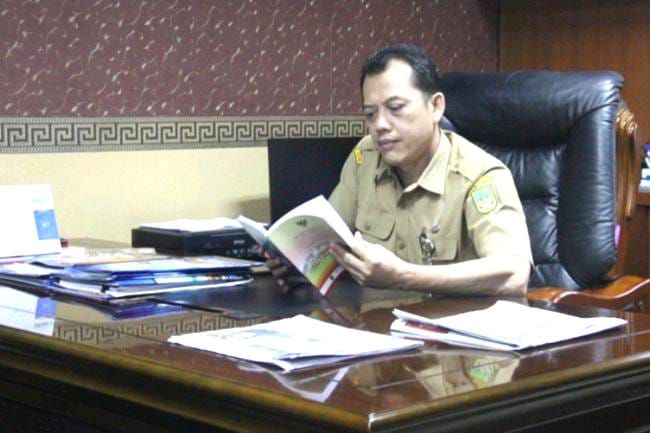
From the target of Rp721.1 billion, the realization actually exceeded Rp791.65 billion or 109.78%. "PBJT is still a vital indicator of Batam's economic activity. This increase shows a very active economy," said Raja.
From data from the Batam regional revenue information system on Thursday, December 11, 2025, PBJT showed that the consumption behavior of the Batam community was once again booming. The food and beverage sector recorded 115 percent, showing strong culinary and hospitality activities.
Electricity consumption in households, commercial establishments, and industries exceeded the target by 110.35%, indicating economic growth. Meanwhile, the hospitality industry recorded a realization of 105.84%, in line with the return of tourists and business activities throughout 2025.
Interestingly, the arts and entertainment sector emerged as the winner with an achievement of 117.74%. "This indicates that the public's need for entertainment is increasing. The creative industry in Batam is growing significantly," explained Raja.
However, not all PBJT sectors were fortunate. Parking services only reached 65.85%, falling far short of the target. Raja said there were still many challenges in parking management, ranging from regulations to supervision. "Parking is a big homework, because the actual potential is much greater than the figures show."
Outside of PBJT, several tax sectors showed contrasting growth. Tax on Acquisition of Land and Building Rights (BPHTB) recorded a remarkable increase with a realization of 117.84%, reflecting the high number of property sales transactions in Batam.
Motor Vehicle Tax (PKB) revenue even skyrocketed by 131.05%, indicating an increase in the number of motor vehicles. However, Motor Vehicle Transfer Tax (BBNKB) revenue remained stagnant at 70.73%, signaling a decline in interest in purchasing new vehicles.
Raja added that this dynamic is closely related to changes in consumption patterns and economic conditions. "The addition of vehicles remains high, but new vehicle purchases are slowing down. This shows that people tend to hold on to the assets they already have," he said.
On the other hand, the performance of advertising tax (70.91%) and non-metallic mineral & rock tax (74.42%) still requires attention. Both sectors have been affected by fluctuations in business and construction activities over the past two years.
Local revenue services boosted
While the tax sector shows a combination of growth and stagnation, the condition of local revenue in 2025 presents more serious challenges. The majority of revenue is still below 80 percent of the target. For example, sanitation revenue only reached 54.50 percent, market services reached 62.53 percent, and port services fell to 51.42 percent.
The king acknowledged that the retribution sector requires more structured reform measures. "Retribution is highly dependent on the services provided by the government. If governance, services, and collection systems are not yet optimal, revenue will automatically not be optimal," he said.
Amidst these uneven achievements, there are also retributions that show positive performance. Regional asset utilization reached 81.82%, while Foreign Worker Retribution (TKA) recorded a high figure of 92.23%, indicating the strong demand for skilled workers in Batam, which is dominated by the industrial and manufacturing sectors.
The King emphasized that his administration would continue to improve the system, enhance oversight, and promote the digitization of tax and levy services. "We must understand the dynamics of this economy accurately. We must continue to encourage growth in sectors that are growing, while improving collection strategies in sectors that are weakening."
With mixed results—ranging from taxes exceeding targets to revenues falling far short of expectations—Batam faces major challenges in maintaining stability and growth in its local revenue.
However, behind all that, the 2025 data serves as both a warning and an opportunity to steer policy in a more focused and effective direction. "One thing is clear. Batam has enormous potential. The challenge now is how we can optimize all sectors in a balanced manner," he said.
Post-digitalization strategy
The city of Malang has been successful in implementing service digitization, which has proven to boost its regional income. However, according to the Head of the Malang City Revenue Agency, Handi Priyanto, after digitization, further steps need to be taken, namely in terms of improving data quality.
"Make no mistake, our citizens are creative. Tax officials are creative, and taxpayers are even more creative. So we have to anticipate that. That's why we formed a special team to look at anomalies and reporting. We also have a dashboard and control room that can see when real-time tax payments are abnormal," he said.
This strategy, Hendi explained, is intended to maintain data quality so that the information obtained remains high quality. "Not many regions may have taken advantage of how to improve data, so there will be a second improvement after going from manual to digital, and from digital to data quality," he continued.

On the other hand, parallel to digitization efforts, the City Government can begin collecting data on municipal assets, which will be commercialized through cooperation with third parties. According to Surabaya Mayor Eri Cahyadi, there are two fundamental things that local governments can do to optimize the utilization of their assets.
First, the region must thoroughly identify and map all of its assets. It must distinguish which assets are ideal for development and which are not. Second, cooperation must be strengthened, both with other local governments and with the private sector.
"These ideal assets are what we can utilize through cooperation, whether between governments or with the private sector. If we work together, these assets will be protected, and local revenue will increase," he explained.
Eri said that the characteristics and capacity of assets in each region vary, making it difficult to create uniform standards.
Asset ownership verification
Although several local governments have already begun digitization and asset investment efforts, this major undertaking has not been evenly distributed. According to Lydia Kurniawati Christyana, Director of Local Taxes and Levies at the Indonesian Ministry of Finance, most local governments are still stuck in the earliest stages of the asset management cycle.
"Looking at the last three years, most regions are still in the basic inventory stage," he said. Although some assets have been utilized, he emphasized that not all assets that should be productive have been included in the utilization scheme.
According to Lydia, the core of the problem is not the lack of schemes, nor the absence of fiscal incentives. Rather, the main obstacle is very fundamental, namely the certainty of asset ownership documents.
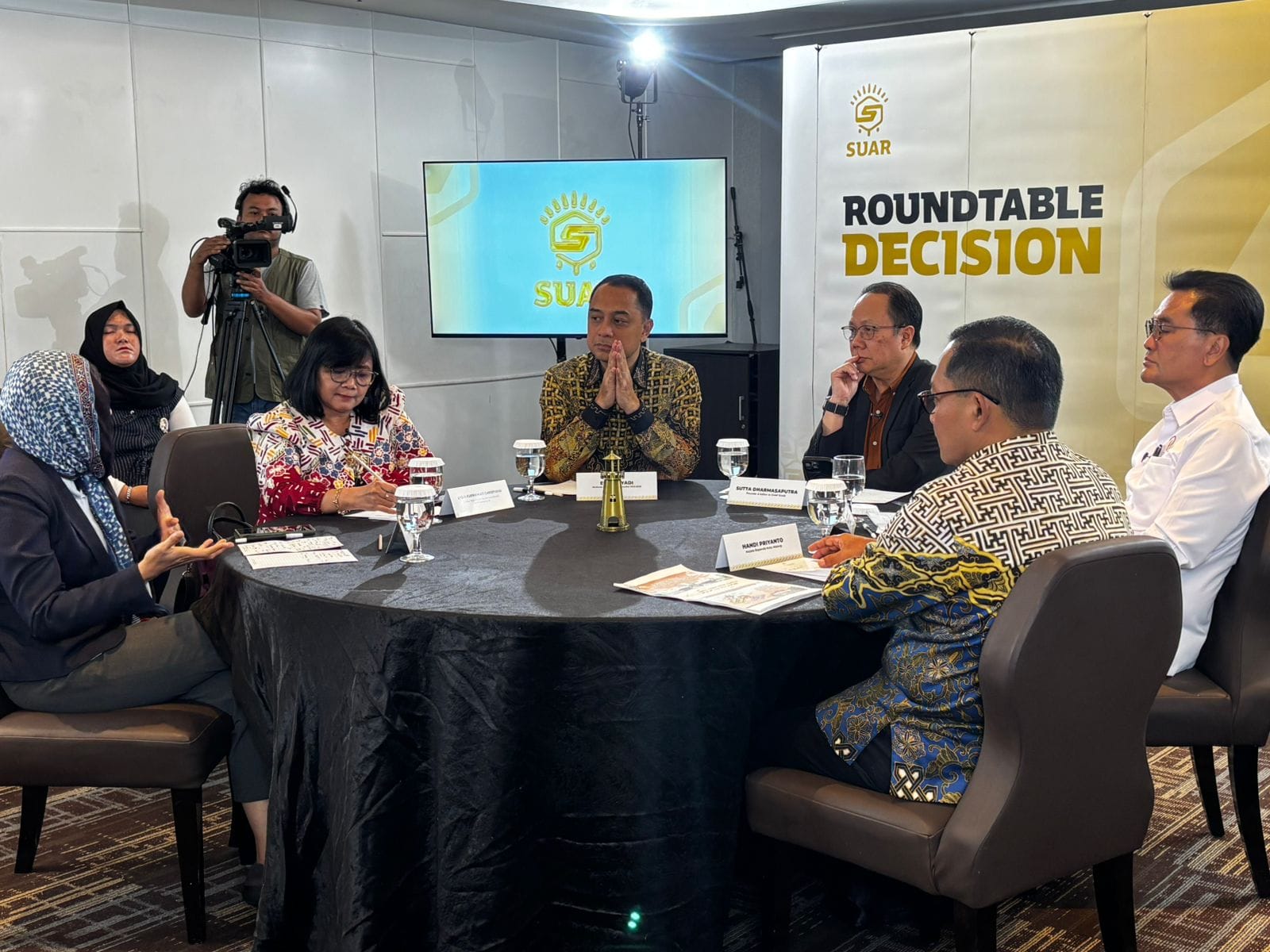
Many assets are used by local governments, but their formal records remain overlapping. "There are assets that used to belong to vertical agencies, but are now used by local governments. However, their records are unclear. Who do they belong to? The National Narcotics Agency? The central government? Or have they officially become local government property?" he explained.
As long as the ownership status remains unresolved, the region does not have the authority to utilize the assets, even though they are idle and have the potential to generate local revenue. "The records must first be put in order. Once it has been confirmed that the documents are valid as belonging to the region, only then can the assets be utilized," said Lydia.
Regarding the need for incentives to accelerate asset data accuracy, Lydia believes that fiscal incentives are not the main issue. "Asset data collection is indeed the responsibility of regional governments. So there is no urgency for fiscal incentives at this stage," she said.
Meanwhile, for public financing matters, such as regional bonds, sukuk, or cooperation with philanthropic organizations, it is also the government's strategy to ensure that local governments have strong governance and asset mapping as the basis for issuing these instruments.
"They assist regions with financing. Socialization and assistance continue to be carried out, especially for Public-Private Partnerships (PPP) and regional bond issuance," he explained.
Lydia concluded that the utilization of regional assets cannot move to the development stage before the administrative foundation is completely in order. According to her, only with legal certainty, accurate records, and clear ownership can assets that have been idle be transformed into a legitimate, secure, and sustainable source of regional income.
In the same session, Lydia emphasized that data integration between the central and regional governments is indeed a major task for Indonesia. According to her, fiscal digitization is not only about cashless payments, but must also include tracking, compliance, and interoperability between systems. "If systems in Indonesia stand alone, we will not achieve true digitization."
Lydia gave the example of motor vehicle data, which should be a source for calculating potential local taxes. However, to date, police data, Bapenda data, and relevant ministry data are still not synchronized.
In addition to data, Lydia believes that many regions do not have the organizational structure and institutional functions in place to drive revenue growth. She points to many extensions of structures that are not function-based, even though digitalization requires a strong institutional foundation.
Lydia highlighted several good practices that can be scaled up, namely the city of Bogor, which can tap into the potential of Land and Building Tax (PBB) and Tax on Specific Goods and Services (PBJT). Then there are Malang and Surabaya with their integrated data and payment systems.
According to her, these best practices can be directly shared with other cities without the need to build a new system from scratch. Lydia also agrees that the development of regional taxation systems should be carried out by the central government, so that regions do not build their own applications, interoperable systems, and state funds are not wasted. "Digitalization must have milestones. The central and regional governments must have the same design, not go their separate ways," she said.
Mukhlison, Dian Amalia, Gema Dzikri, Romus Panca (Batam)


