

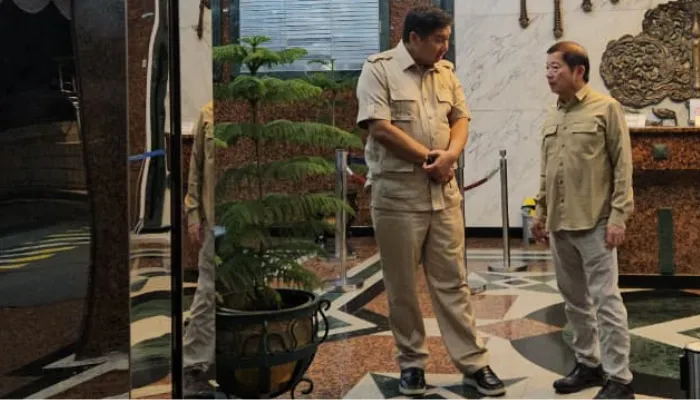
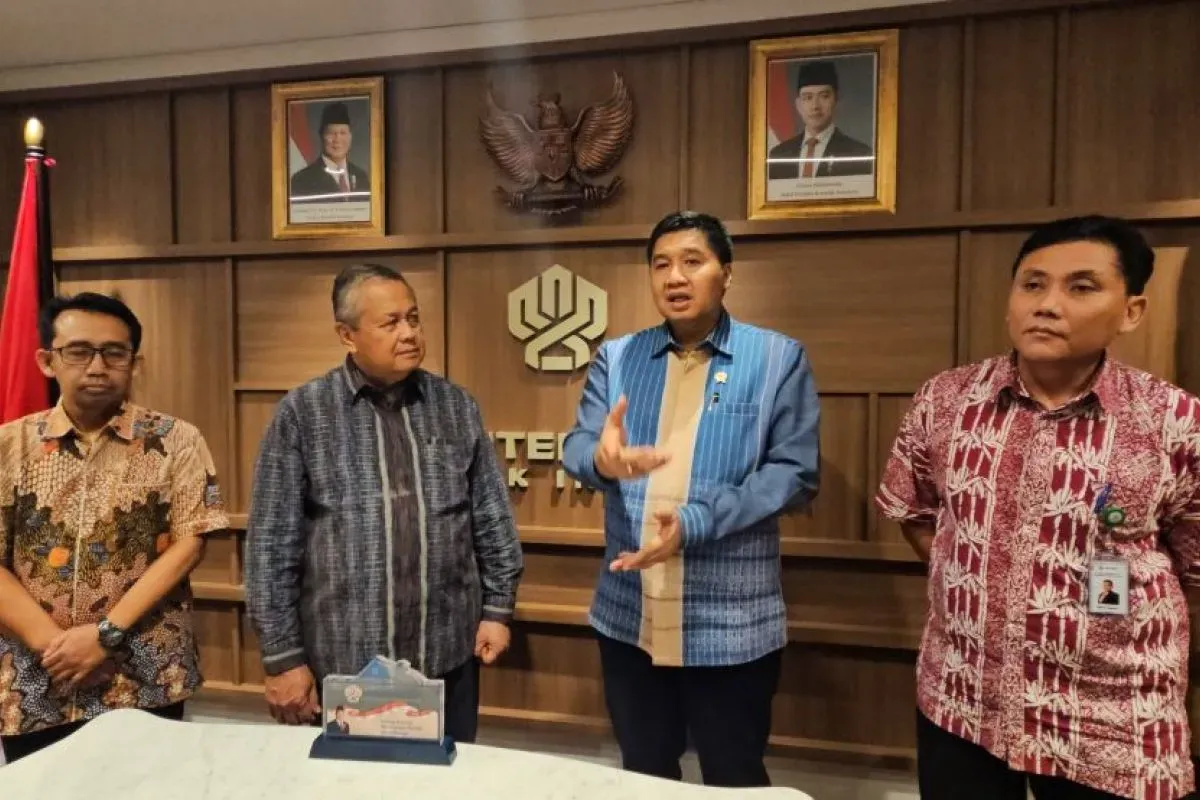
The banquet in mid-August 2025 was a symbol of the continuation of the government program. Minister of Public Housing and Settlement Areas (PKP) Maruarar Sirait, who met with 2009-2011 Minister of Public Housing Suharso Monoarfa, expressed his commitment to continue the program that had been initiated during the Susilo Bambang Yudhoyono administration.
Maruarar and Suharso discussed the potential of the Housing Financing Liquidity Facility (FLPP) to support the Three Million Houses Program, which is the ambition of President Prabowo Subianto's administration. "FLPP is a very good idea from Mr. Suharso, and we must support it. Through this FLPP, low-income people and those who work in the informal sector can now have livable subsidized houses," said Minister Maruarar.
Maruarar said that currently, the Ministry of PKP has provided many incentives to boost the expansion of the property sector to be more vibrant. Finally, together with the Coordinating Ministry for Economic Affairs and the Ministry of Finance, it is preparing a Housing People's Business Credit (KUR) scheme to support the Three Million Houses Program while encouraging the growth of the property sector.
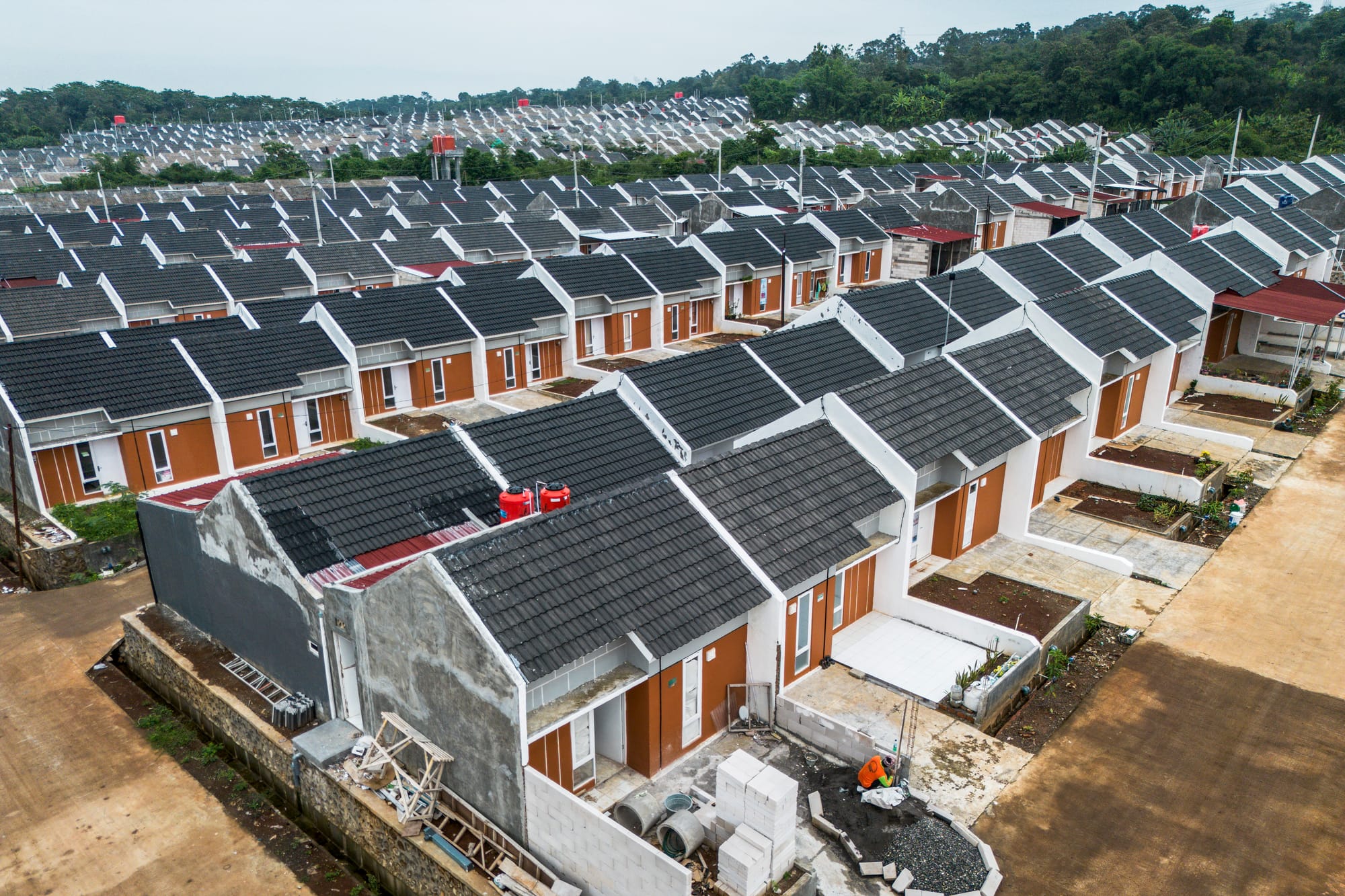
The government is targeting the construction of 3 million housing units through the 3 Million Houses Program which aims to address the housing backlog and provide decent housing, especially for Low-Income Communities (MBR).
There are several incentives provided to achieve this target. First, the government has extended the incentive in the form of 100% Government Borne VAT (PPN DTP) until the end of 2025. This incentive applies to the purchase of landed houses and flats with a maximum price of two billion rupiah. This means that people who buy houses in this category do not need to pay Value Added Tax.
For houses with prices between two and five billion rupiah, VAT is only charged on the difference in prices above two billion. This policy is expected to boost people's purchasing power and stimulate the national property sector.
Second, the government also increased the quota of subsidized houses through the FLPP scheme. This year, the quota was increased from 220,000 units to 350,000 units, with funding support of IDR 35.2 trillion from the State Budget (APBN). This is a concrete step to expand the reach of the subsidized housing program for low-income people.
Furthermore, through a collaboration between the Association of Settlement and Housing Developers (Himperra) and BPJS Ketenagakerjaan, a zero percent down payment program for FLPP subsidized houses was launched. In this scheme, the down payment is borne by the developer, so consumers do not need to pay a down payment. This is a solution for people who have had difficulty meeting the down payment requirements in purchasing a house.
In addition, the government is also providing additional incentives in the form of exemption from the Fees for Acquisition of Land and Building Rights (BPHTB) for subsidized houses, as well as accelerating the process of Building Approval (PBG) throughout Indonesia. In fact, there is a plan to distribute People's Business Credit (KUR) specifically for the housing sector with a value of up to 130 trillion rupiah.
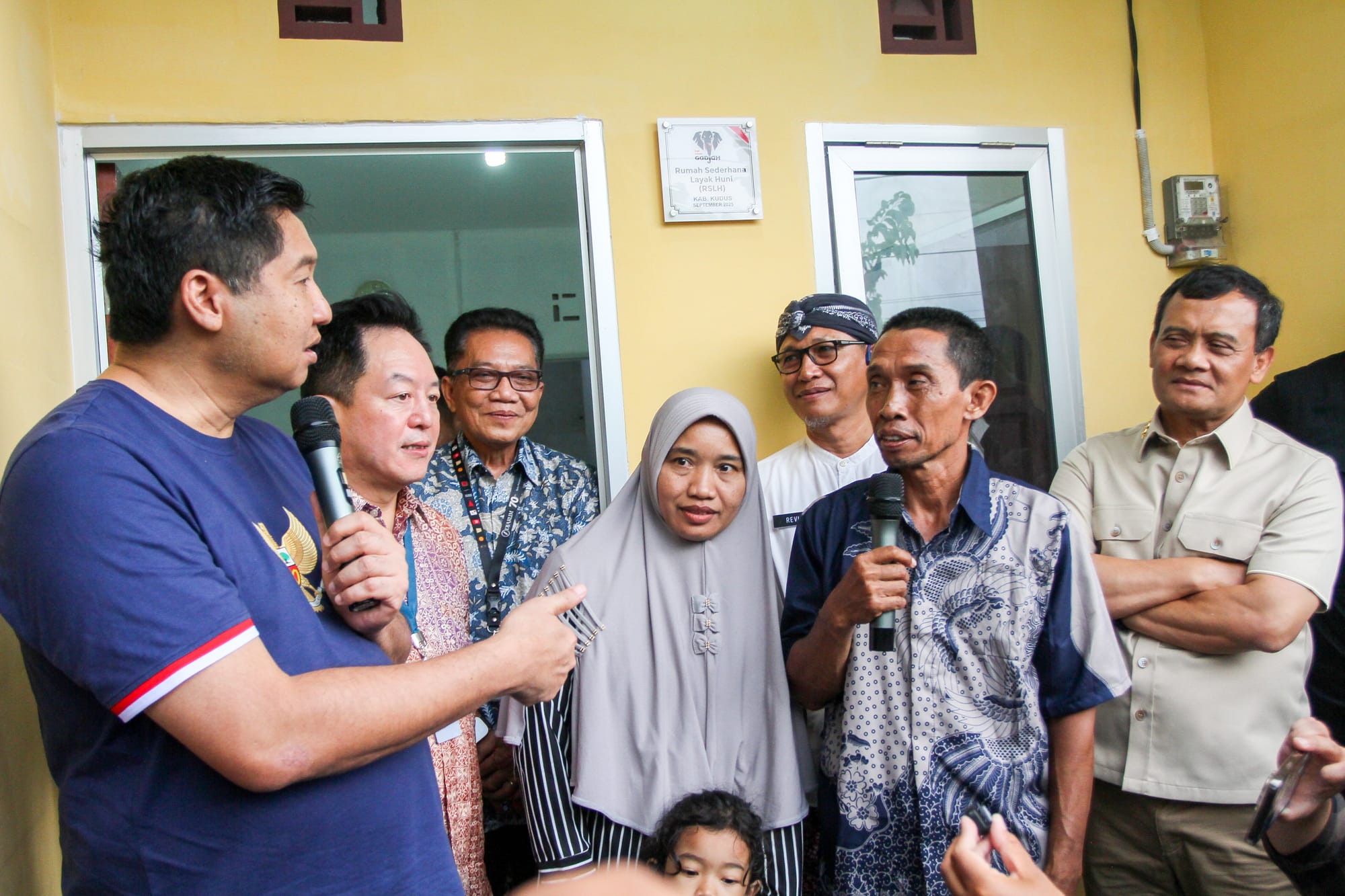
Thanks to these incentives, the property sector has started to show its performance. Housing achievements in 2025, which include the distribution of Housing Program Credit (KPP), have reached IDR 492.13 billion as of November 15, 2025, exceeding the first quarter 2026 target of IDR 28 trillion.
In addition, the One Million Houses Program (PSR) has reached 79,568 units by February 2025, with details of 61,906 units for Low-Income Communities (MBR) and 17,662 units for non-MBR. Meanwhile, BP Tapera subsidized houses through FLPP mortgages until the end of 2025, reaching 53,874 units in the first quarter of 2025.
Various ways to stimulate the housing industry
In addition to incentives, the government has also prepared various policies that are considered to be able to spark the wheels of the economy to spin faster. For example, Bank Indonesia (BI) has prepared a budget of Rp80 trillion to encourage banks to channel credit to the property sector, as well as support developers through Government Securities (SBN) facilities.
In this case, Bank Indonesia prepared two main forms of incentives to encourage the distribution of Home Ownership Loans (KPR). The first is the relaxation of the fulfillment of the Statutory Reserves (GWM) for banks that distribute mortgages.
Reserves are the minimum funds that banks are required to keep at BI as reserves and may not be used for lending activities. When BI relaxes the reserve requirement, banks have more liquidity space or availability of reserve funds to be disbursed as loans, including mortgages.
Conversely, if the reserve requirement is tightened, the ability of banks to extend credit will be reduced because the funds deposited at BI are larger.
The second incentive launched by BI is the Government Securities (SBN) facility given to developers and those who finance housing projects. The mechanism is that banks or financing institutions can pledge their SBN to BI to obtain fresh funds at a lower interest rate than regular funding sources.
This lower cost of funds gives banks room to extend credit to housing developers at more competitive rates.
This combination of policies is expected to create amultiplier effect, not only expanding access to housing for the community, but also encouraging the growth of the construction sector and supporting industries such as cement, steel, and logistics.
Minister Maruarar also invited housing developers who are members of Realestat Indonesia (REI) to take advantage of the Housing Credit Program (KPP) to encourage housing development for people throughout Indonesia.
KPP is a financing program from the government that aims to support Micro, Small, and Medium EnterprisesUMKM) in the housing sector through easy access to credit.
The program is divided into two sides, namely the supply side (for developers, contractors, building material traders) and the demand side (for people who want to buy, build, or renovate houses for business).
KPP uses facilities such as the People's Business Credit (KUR) with low interest rates to realize a decent and affordable home ownership program.
Constrained by purchasing power
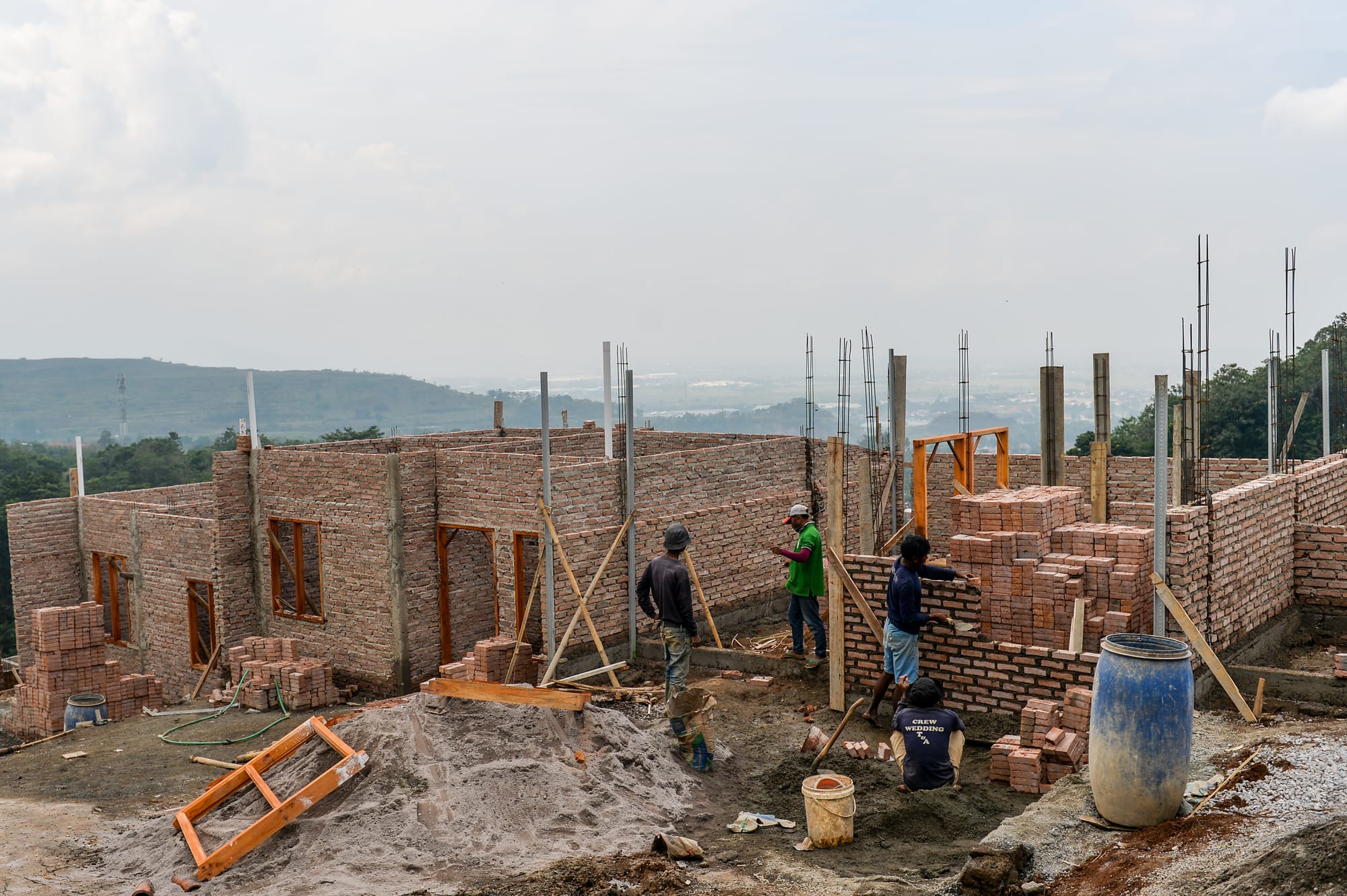
Although the government has poured out various incentives, the recovery of the property sector still seems to be stagnating. According to the Executive Director of Indonesia Property Watch, Ali Tringhada, the main problem still revolves around the purchasing power of people who have not fully recovered. "The economy is starting to move, but purchasing power is still an obstacle. Incentives will definitely help, it's just that it takes time to encourage growth," he told Suar, Wednesday, November 19, 2025.
Ali estimates that the housing market until the end of 2025 will still be at a lower level than in 2024, around 6.8%, before starting to show acceleration at the beginning of next year.
According to him, this condition is not only due to macroeconomic factors, but also due to an imbalance between the products being marketed and consumers' purchasing power. "Developers are targeting the upper segment too much, while the biggest demand is in the middle segment, in the range of Rp1-2 billion," said Ali.
He calls this a mismatch market, where products are available in the wrong places, not where the real consumers are. While some developers have started to move down to the mid-segment, the shift has not been enough to offset the market pressure.
In the medium term, Ali believes that the combination of monetary and fiscal policies remains the key to recovery. Interest rate cuts and tax incentives, including Government Borne VAT, are projected to provide a significant boost. "VAT DTP will be one of the policies that can improve the property sector," he explained.
But there is one other structural factor that is equally important: the high rejection rate of mortgages by banks due to the OJK's Financial Information Service System (SLIK) regulation. According to Ali, this has prevented many potential first-time buyers from accessing financing, even though they are ready to enter the market.
With the improvement in real sector activity, he is optimistic that the room for recovery will open wider, provided that fiscal and monetary policies move in line with financing reforms.
The great potential of FLPP
Suharso Monoarfa shared the history and background of why FLPP was launched by the government. At that time he was still the Minister of Public Housing. In addition to FLPP, there were other innovations that he also launched. Namely the Self-Help Housing Stimulation Assistance (BSPS), and Infrastructure, Facilities, and Public Utilities (PSU). "I made all of this and until now it has been carried out," said Suharso.
Specifically for FLPP, the idea came from the need to provide incentives to low-income people through loan facilities with non-fluctuating interest rates and long tenors. At that time, there was already an interest subsidy mechanism from the Ministry of Finance.
Suharso then took over the interest subsidy facility and collected it into government liquidity assistance, until Rp1 trillion in capital was collected. The money was then offered to banks, at that time the Government collaborated with Bank BTN, providing loan facilities with flat interest rates and long tenors.
In its development, FLPP collaborated with state-owned lender PT Sarana Multigriya Finansial (SMF) and currently the FLPP budget comes 75 percent from the government, 25 percent from SMF. Suharso said he was happy that FLPP could be one of the programs that could help finance housing for the community.
In addition, BSPS and PSU are stimulants for the community to improve the quality of their homes and developers who want to build subsidized houses and realize a healthy housing environment.
Suharso said that the Three Million Houses Program is also a challenge that must be implemented by the government properly. In addition, with managed funds reaching Rp28.2 trillion, the increase in FLPP quota from 220,000 to 350,000 is also considered to be the right step and must be supported by all parties.
"The increase in FLPP is extraordinary. The Ministry of PKP must be able to realize (the) Three Million Houses Program so as to reduce the housing backlog in Indonesia," he said.
In the future, said Suharso, if the FLPP fund continues to grow and the range of financing becomes wider, then it is possible that with a larger budget it can contribute greatly to economic growth. "If FLPP has Rp300 trillion in managed funds, then the housing sector can boost growth by 1%," he said.
Mukhlison, Dian Amalia, Gema Dzikri