


As the rainy days get more unpredictable, spicy dishes are never wrong to warm up the body. Middle Eastern cuisine is one of them. The rich mix of spices, the soothing ambience of the restaurant, and the taste buds that are spoiled with various delights present an unforgettable sensation.
SUAR had the opportunity to hunt for Middle Eastern flavors at various restaurants in Jakarta. This culinary share is spread from various circles, ranging from hidden gems to five-star restaurants. The menu choices are not much different, but when it comes to taste, the tongue can never lie.
Each restaurant has different characteristics and advantages. Some specialize in rice, meat, and the variety of menu offerings. From a number of Middle Eastern restaurants we visited, there were three restaurants that made it to the top in terms of taste and atmosphere.
It's hard to pick a winner among them, but one thing we can agree on: they're all worth checking out.
Al Jazeerah Signature
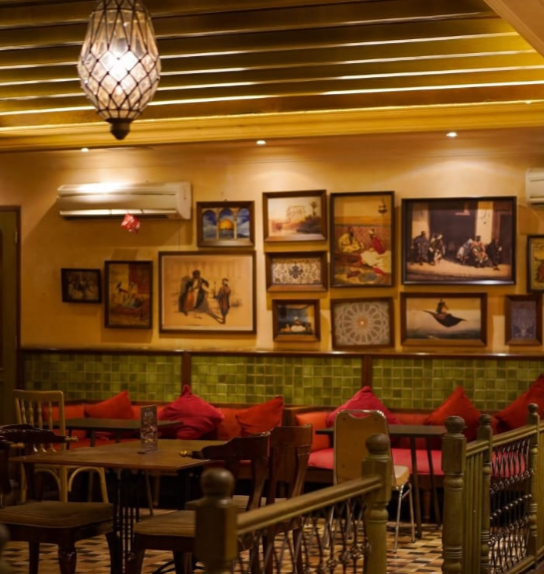
Located in Menteng, Central Jakarta, Al Jazeerah is a top of mind Middle Eastern restaurant in Jakarta. Renowned as a fine dining restaurant, Al Jazeerah promises a dining experience like an Emirati family and flavors that make the tongue dance.
The scent of agarwood gently wafts through the nose when SUAR tried this restaurant, Thursday (11/13/2025). The atmosphere of warm yellow lights, a quiet room makes the atmosphere truly soothing. It immediately came to mind that this restaurant is not only suitable as a place to dine, but also to confer with business partners.
Said Saleh Alwaini, owner of Al Jazeerah, boasts that his restaurant is a favorite of Middle Eastern expatriates in Jakarta. The CEO of Binawan Group even guarantees that all ingredients and spices are imported from Saudi Arabia, thus ensuring authenticity of flavor.
It's not hard to pick out the goat biryani as Al Jazeerah's specialty. While we waited, tea in a Middle Eastern teapot served as an appetizer that prepared our stomachs for the meal. Before long, the star of the show landed on the table.
The spice-laced basmati rice is the highlight. Sauteed with goat meat that doesn't resist chewing, it's an exquisite blend of flavors. Young goat is the secret. In the right hands, the distinctive aroma of the meat is perfectly disguised. Hence, despite the large portion, it doesn't take long to finish a portion of Al Jazeerah's signature goat rice briyani.
Mouths hot with spice are quickly cooled with Umm Ali's roti pudding. Doused in sweet milk and crunchy with almonds, this sweet dessert capped off a dining experience that was not only filling, but also memorable.
Ghazni Kebuli
Anita Trusia, 48, was chopping cucumbers for pickles when we visited her Kebuli Ghazni outlet on the ground floor of Cendana Tower, Kalibata City, Friday (14/11/2025). Two large rice cookers were lined up next to Anita, each containing kebuli rice and briyani rice. Because we came early, we were the first customers. However, the preparations seemed to be nearing the end. The rice was already cooked. The kebab meat and grilled chicken came out one by one from a large oven.
"We open in the morning for breakfast for local customers. Arab and Middle Eastern customers have breakfast later, at half past four in the afternoon," Anita said with a big smile.
No need to wait long, a portion of biryani rice and khobida kebab is served on a brass plate. The aroma of savory spices wafts from the grains of basmati rice. In keeping with Central Asian custom, the meal is served with roasted tomatoes, pickles, chili sauce and chutney. Finally, a sauce of yoghurt, garlic, cilantro, salt and black pepper is drizzled over the two oblongs of kebab meat.
The first bite of rice and meat gives a warm spicy sensation that immediately fills the mouth. Unlike Al Jazeerah, the spicy aroma of the biryani combined with the sour and salty surprise of the chutney resulted in complementary flavors.
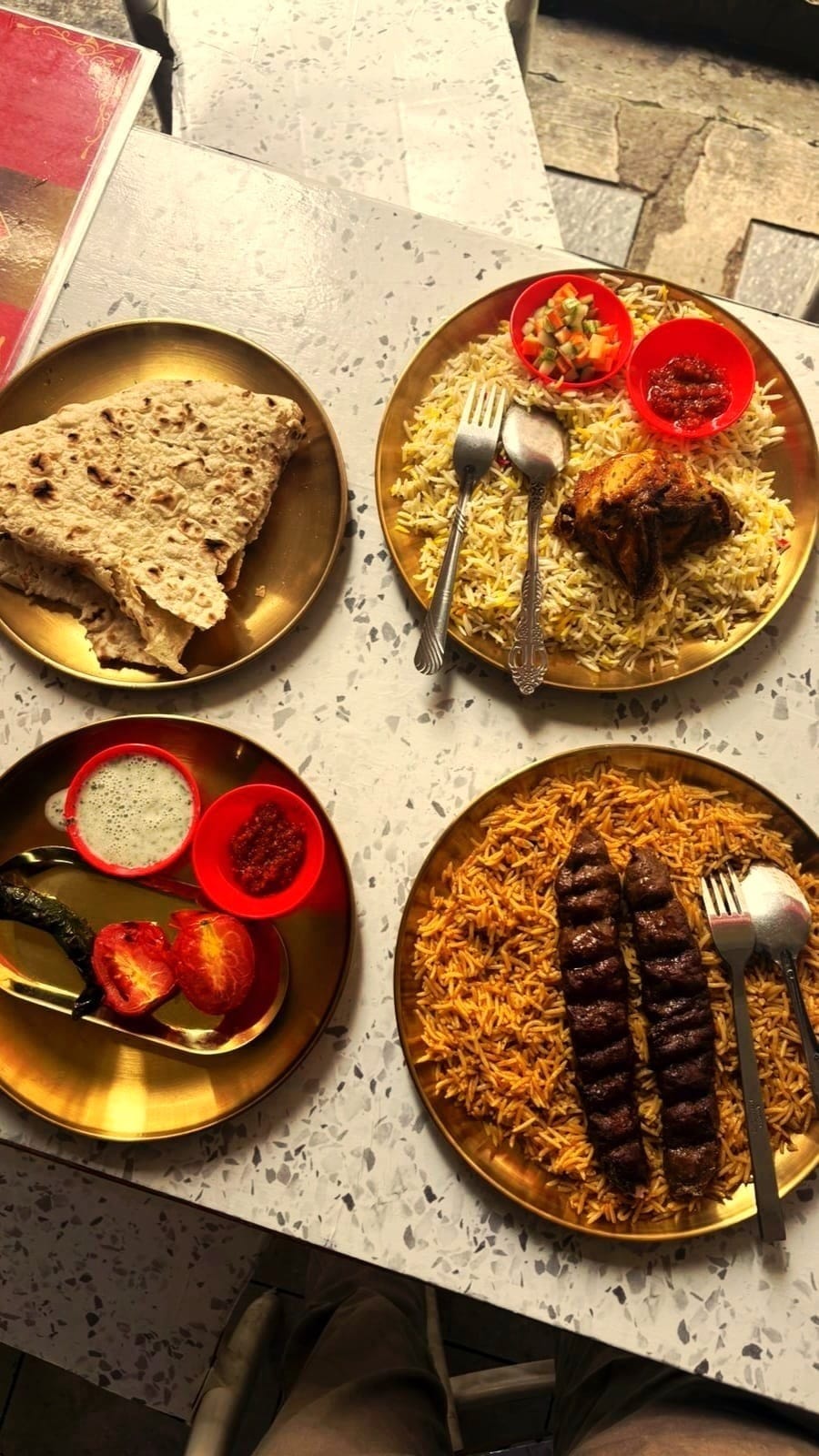
Into a mouth warmed by spices, a bite of roasted tomato provided a balanced fresh sourness. Despite the use of ghee, the precise composition keeps the basmati rice grains soft and not greasy.
"Almost 80 percent of our customers are Arabs, Iranians, Pakistanis, embassy employees, even Afghan refugees in Kalideres and Bekasi also come all the way here. Sucofindo Director Mr. Achyar Najib even stopped by here several times," he said.
With menu prices ranging from Rp40,000, Kebuli Ghazni's gross revenue on a busy day can reach Rp5,000,000 a night. When it's quiet, as little as Rp1,000,000 can be taken home.
A cup of warm, murky brown drink landed on the table during our conversation. On the menu board, it says "teh tarik". It's actually chai or masala tea. It contains not only tea and milk, but also a variety of nutritious spices.
At first sip, the flavors of cinnamon, cloves, cumin, fennel and other spices race with the tea and milk. This warm drink not only successfully rinses away the savory briyani rice, but also gives the sensation of a spicy drink that is strong, yet smooth and refreshing.
When it comes to selecting ingredients, Anita doesn't mess around. Shopping once a week at the Kramat Jati wholesale market for locally available ingredients, she is willing to spend a lot of money to source the choicest ingredients, including indigenous spices and Daawat basmati rice imported from India.
Looking ahead, Anita sees huge opportunities for their outlet. The recent increase in the number of Indonesian customers is one of the symptoms observed, a sign that Middle Eastern tastes are gaining ground in the Indonesian palate. Her partner even plans to start a bakery, continuing the Tajikistani bread recipe that has been in the family for generations.
"But I said, 'Ah, never mind, let's keep the existing ones. Don't let us make new ones, but the established ones don't hold on'," he concluded.
Abunawas Restaurant
From Kalibata, SUAR completed its hunting mission to North Kemang. This is where the second branch of Abunawas Restaurant stands, one of the legendary Arabic restaurants with an equally appetizing menu. Unlike the previous two locations, Abunawas has a rare menu: Zurbiyan Lahm.
Sound familiar? It does. While the options of nasi kebuli, mandi or briyani are common, this was the first time we'd heard of zurbiyan lahm. Without even turning the page to another menu, curiosity made our index finger select zurbiyan without hesitation. In our heads, we wondered what the flavors would be like.
At first glance, zurbiyan lahm looks like biryani with its yellow color and strong fragrance of spices. However, soon after the first bite, we noticed a difference: there was a trace of sweetness from the onions, as well as a difference in texture with chopped chickpeas tucked between the grains of rice.
The second difference was immediately apparent as we munched on the goat that was the zurbiyan side dish. While Al Jazeerah serves young goat that almost melts in the mouth, the goat meat at Abunawas is more characterful with large fibers, but still tender. In terms of seasoning, the intensity of the spices on the meat is more dominant than the rice.
Like Al Jazeerah, Abunawas also serves Umm Ali. However, when the corner of our eye caught sight of Kunafa on the list, we didn't hesitate to choose it. This snack is already quite popular in Indonesia, and we could already imagine the flavors before the food arrived.
Sure enough. Crunchy shredded semolina coated in sweet syrup immediately landed on the tongue, along with chopped pistachio nuts. Next surprise, the cream cheese inside the Kunafa gave a harmonious blend of savory and sweet flavors. It was the perfect ending to a spicy menu that had warmed the palate and filled the stomach.
The three restaurants above can be an option for anyone who wants to taste the rich flavors of the Arabian peninsula. Which one is the choice of your SUAR friend?